Marugame Udon

Our verdict
Marugame Udon on Kūhiō Avenue brings the Japanese fast-casual udon chain format to Waikīkī, where the self-serve counter model keeps prices low and throughput high. The cafeteria-style line, freshly cut noodles, and customisable toppings bar place it firmly in the everyday end of Honolulu's Japanese dining spectrum, a reliable stop in a neighbourhood better known for resort dining.

Pearl is the En Primeur Club membership app, where members save venues, book tables and use the concierge.
The menu
What to order
- Nikutama Udon
- Tonkotsu Udon
- Shrimp Tempura
- Kama-age Udon
Kūhiō Avenue and the Gap Between Resort Pricing and Real Eating
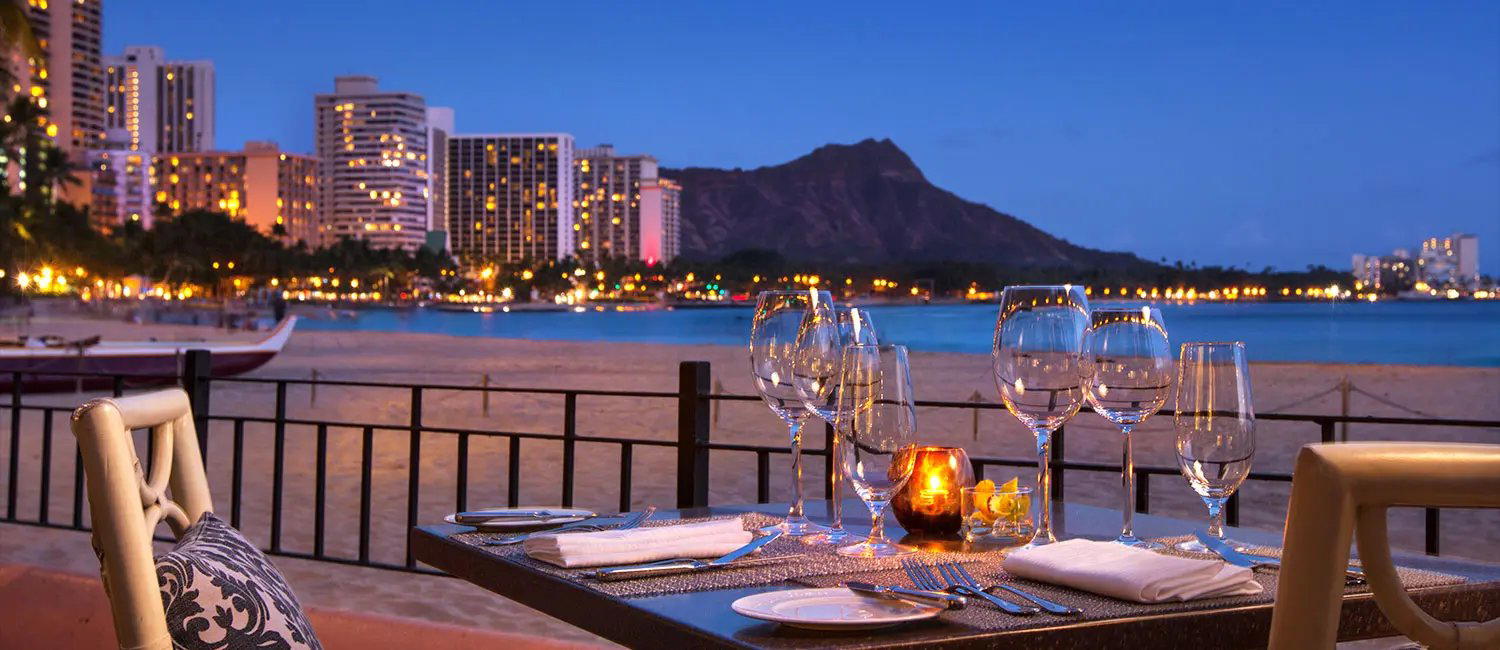
Waikīkī operates on two parallel dining tracks. The first is the resort-hotel circuit, where prix-fixe menus and panoramic Pacific views carry price points that read more like Manhattan than Hawaii. The second track, running along Kūhiō Avenue, is altogether more functional: convenience stores, ramen counters, and fast-casual chains serving the mix of local workers, long-stay tourists, and budget-conscious visitors who make up the neighbourhood's daily population. Marugame Udon, at 2310 Kūhiō Ave. sits firmly on that second track, and in the context of Waikīkī pricing, that positioning carries more weight than it might elsewhere.
The Kūhiō corridor has long played the role of affordable counterpoint to the beachfront strip one block south. Visitors who exhaust their appetite for resort buffets and hotel-pool cocktails tend to drift onto Kūhiō looking for something faster, cheaper, and less choreographed. The street's dining offer reflects that demand: it rewards those who know where to look, not those who rely on a concierge recommendation.
The Udon Chain Model and What It Delivers
Marugame Udon is a Japanese franchise operation with a significant global footprint, and understanding what the chain does structurally is more useful than treating any individual location as a standalone restaurant. The format is derived from the Sanuki udon tradition of Kagawa Prefecture in Japan, where udon is a daily staple rather than a restaurant occasion. Thick wheat noodles, served in dashi-based broth, topped at a cafeteria-style counter, and priced to match, that is the template, and Marugame executes it with the consistency that franchise scale requires.
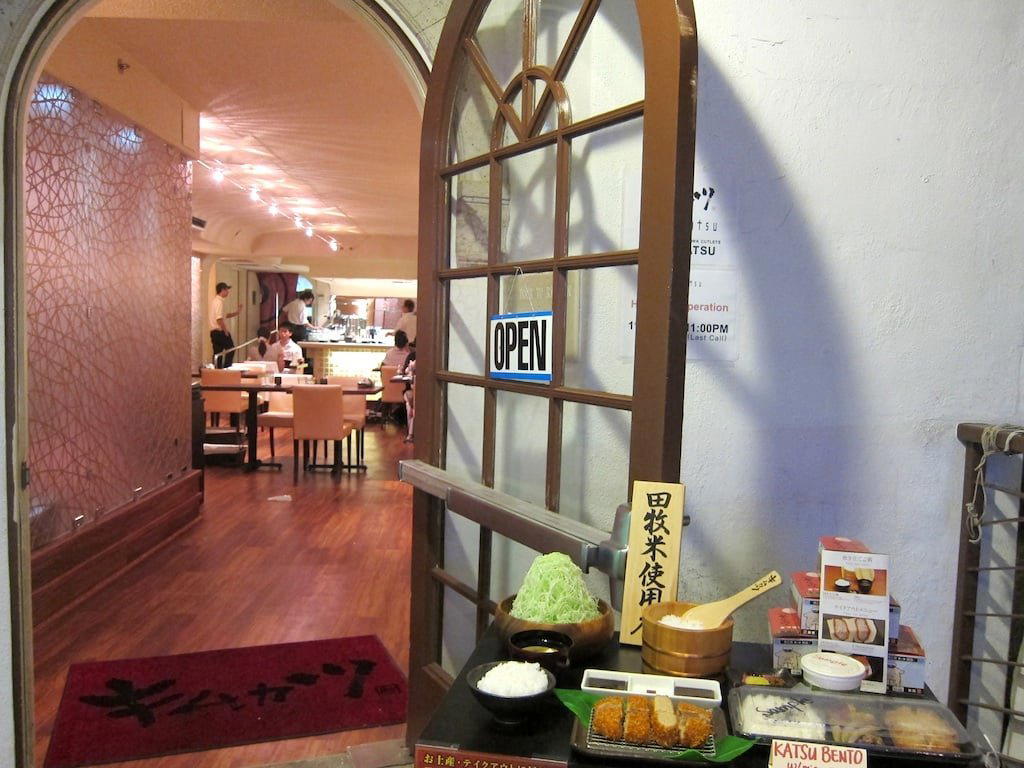
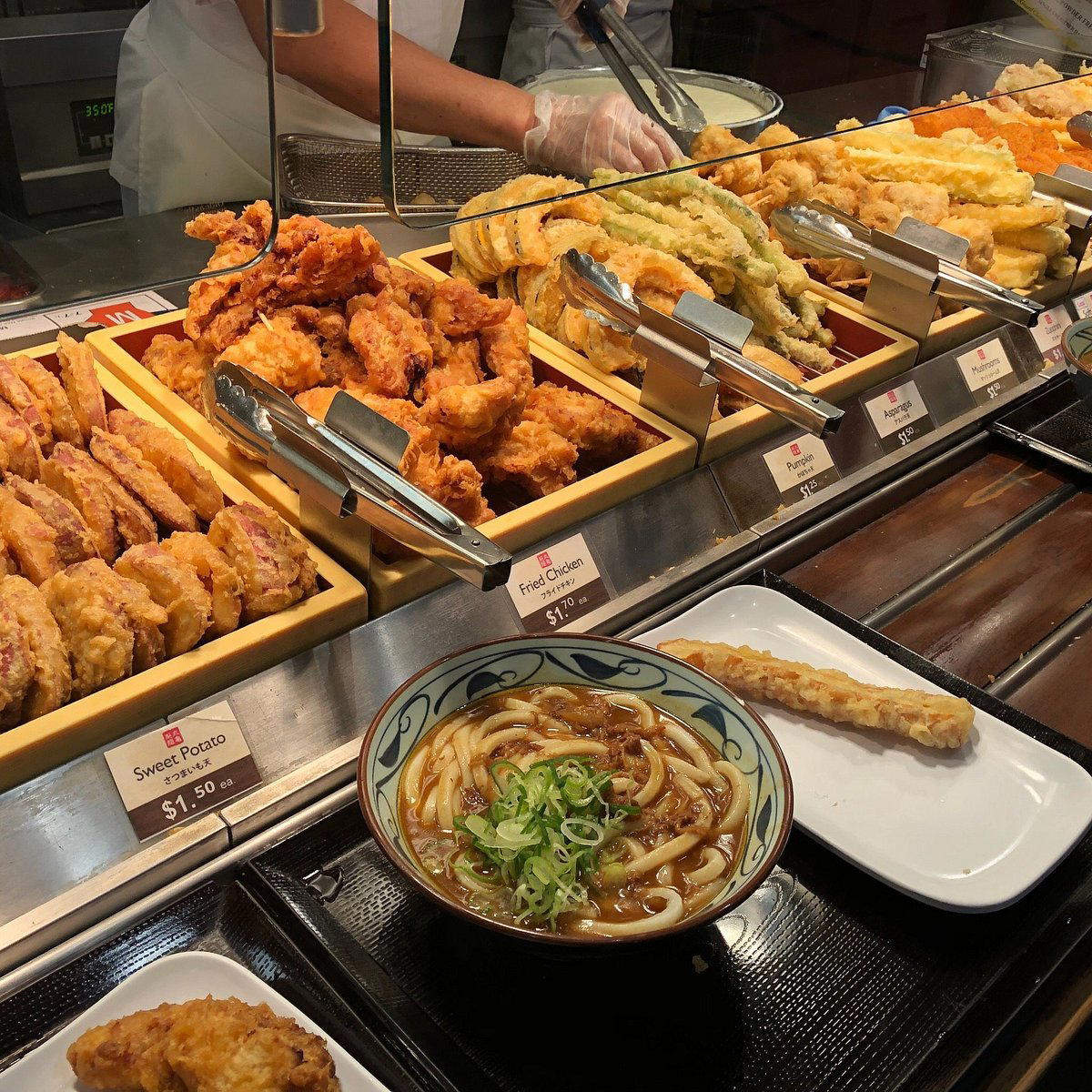
The self-service line model is the defining feature. Diners move along a counter, select a noodle base (hot or cold, varying broth styles), and then customise with fried tempura pieces, vegetable sides, and soft-boiled eggs from a toppings bar. The result lands on your tray within two to three minutes. This is not the format of Ginza Bairin's tonkatsu counter or the deliberate pacing you would find at a venue like Fête with its New American tasting approach. The speed and accessibility are the point.
In a neighbourhood where sit-down Japanese dining tilts toward sushi bars and teppanyaki sets, the udon-chain format occupies a different niche entirely, one that mirrors what Marugame's parent format does in Japan: democratise a regional noodle tradition through volume and consistency.
Where It Sits in Honolulu's Japanese Dining Tier
Honolulu has a deeper Japanese dining culture than most American cities of comparable size, a direct result of Hawaii's demographic history and its ongoing ties to Japan's tourism market. That depth produces a wide range of options, from casual bento counters to the more formal Japanese cooking at venues across the city. Marugame operates at the accessible, high-turnover end of that spectrum.
For visitors who arrive in Honolulu already familiar with Japan's own fast-casual udon chains, the Kūhiō location reads as a reliable local outpost of a known format. For those newer to the style, it functions as a low-stakes introduction to Sanuki-style udon before they commit to a longer meal at one of the city's more considered Japanese restaurants. Either way, the chain's identity is built on repetition and accessibility rather than distinction or innovation.
This matters in a city where the gap between fast-casual and fine dining can be significant. Honolulu's higher-end dining tier includes venues like 3660 On the Rise and 53 By The Sea, where Pacific Rim cooking, harbour views, and more formal service structures command corresponding prices. Marugame occupies the opposite end of that range, and in Waikīkī's inflated pricing environment, that accessible end is genuinely useful.
Further afield on Honolulu's dining map, the Ahaaina Luau and 855-ALOHA represent the cultural-experience side of the city's food offer, which operates on entirely different terms. Marugame is not in that conversation. It belongs instead to the everyday-meal category, competing primarily on value and efficiency in a neighbourhood where both are in short supply.
Visiting Marugame Udon: What to Expect on the Ground
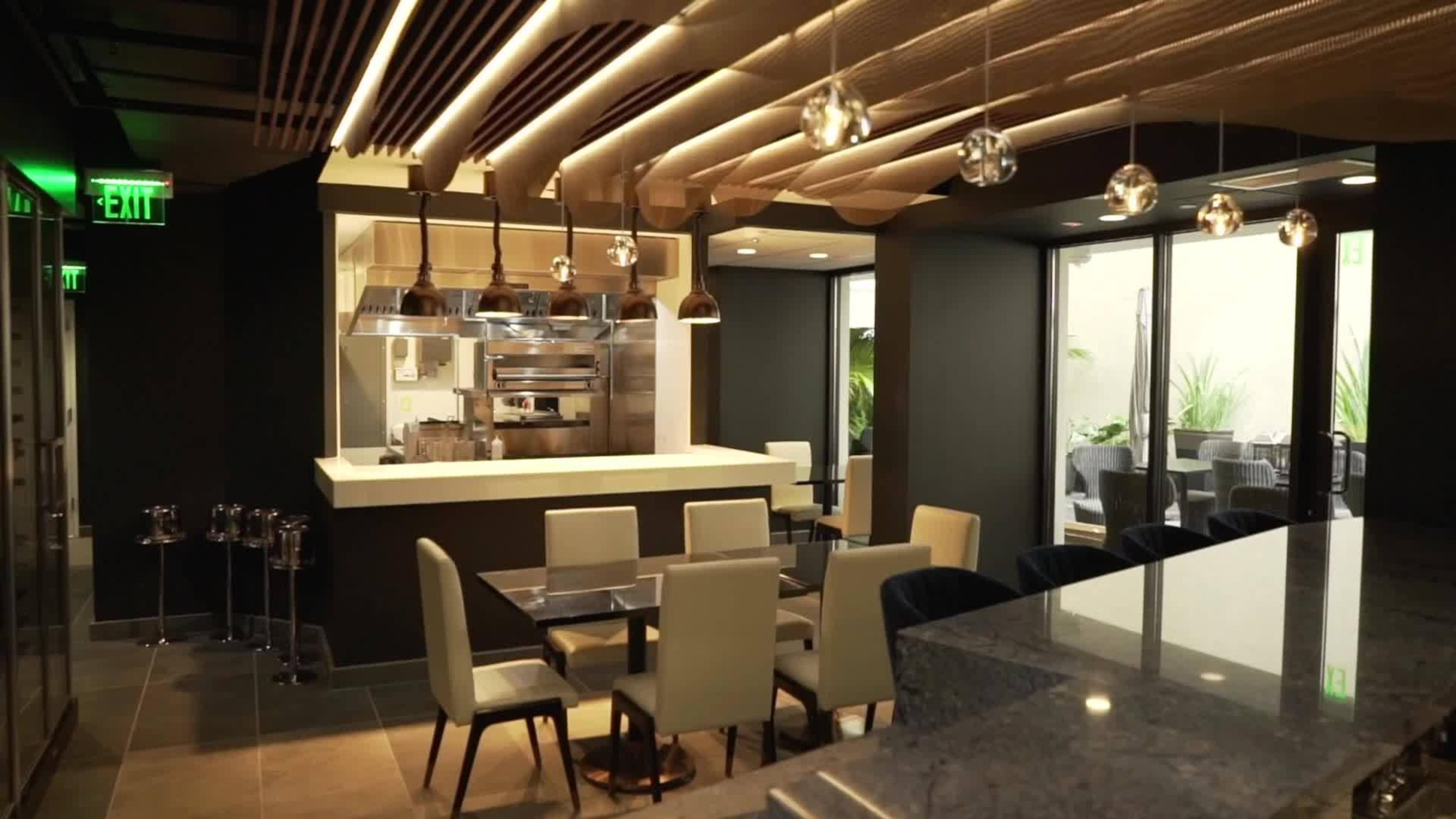
The cafeteria-line format means the experience is largely self-directing. There is no reservation process, no set seating arrangement, and no formal service staff managing the dining room. Throughput is fast; the queue moves quickly and turnover at tables is correspondingly brisk. The physical environment on Kūhiō Avenue reflects the street's working character: practical, unpretentious, and better suited to a quick lunch than an extended evening.
During peak tourist seasons in Waikīkī, broadly December through March and June through August, when visitor numbers are highest, the corridor gets dense and Marugame's efficiency-first format becomes its clearest advantage. Anyone who has spent twenty minutes waiting for a table at a mid-range Waikīkī restaurant will understand the appeal of a two-minute counter line.
For visitors building a broader picture of Honolulu dining, the restaurant sits easily as a low-cost, low-commitment meal stop alongside more considered choices at other points in the week. It does not require planning the way that venues elsewhere in the city do. That accessibility is what Kūhiō Avenue, at its functional leading, is for.
Know Before You Go
Address: 2310 Kūhiō Ave. Honolulu, HI 96815
Neighbourhood: Waikīkī, one block from the main beachfront strip
Format: Fast-casual cafeteria line; no reservations, no table service
Hours:, verify directly before visiting
Price range:, consistent with fast-casual chain pricing globally
Booking: Walk-in only; no reservation required or available
Leading timing: Off-peak hours for shorter queues; expect higher foot traffic during Waikīkī's main tourist seasons
Frequently asked questions
What's the address for Marugame Udon?
Marugame Udon is located at 2310 Kūhiō Ave. Honolulu, HI 96815, Honolulu.
Is Marugame Udon in Honolulu a practical option for eating between Waikiki activities?
The Kūhiō Avenue address puts the restaurant within the Waikiki corridor, and the walk-in cafeteria format means there is no waiting for a table to be freed or a server to arrive. Turnover is fast by design, which makes it a functional midday or early-evening stop without the time commitment of a sit-down restaurant. It occupies a different tier entirely from the resort-hotel dining options that dominate the surrounding blocks.
What's the best thing to order at Marugame Udon?
Marugame Udon centres its menu on Sanuki-style wheat noodles, a format rooted in Kagawa Prefecture, the udon capital of Japan. The noodles are cut fresh in-house, which distinguishes the chain from udon served elsewhere in Waikiki's resort corridor. Toppings and tempura are selected cafeteria-style at the counter, letting you build around a base broth or cold preparation depending on preference.
Do I need a reservation for Marugame Udon?
No reservation is required or available at the Kūhiō Avenue location. Marugame Udon operates a walk-in cafeteria-line format across all its locations globally, and the Honolulu outpost follows the same model. Queue at the counter, select your noodle style and toppings, and pay before sitting.
What has Marugame Udon built its reputation on?
The chain's reputation rests on three structural commitments: fresh-cut Sanuki udon noodles, consistent dashi broth quality, and a self-service model that keeps prices accessible relative to sit-down Japanese dining. That formula, developed in Japan and exported across Asia and into the United States, is what the Kūhiō Avenue location in Honolulu operates on.
How does Marugame Udon handle allergies?
Given that udon contains wheat and the broth typically contains fish-based dashi, guests with gluten or seafood sensitivities should check directly with staff before ordering. Speaking to a counter employee at the Honolulu location before joining the queue is the most reliable approach.
Comparable Venues
Comparable venues nearby, for context on price, style, and recognition.
| Venue | Cuisine | Price | Notes |
|---|---|---|---|
| Marugame UdonThis venue (the venue you are viewing) | Hand-Crafted Sanuki Udon | $10–20 | Not listed |
| Tanaka of Tokyo Central | Teppanyaki Steakhouse | $50–100 | Waikiki |
| Mitsu-Ken | Japanese Okazuya Bento | $10–20 | Kalihi-Palama |
| Nin Nin Curry | Japanese Curry with French Sophistication | $20–30 | Waikiki |
| Tempura Kiki | Traditional Japanese Tempura | $20–30 | Waikiki |
| J−Shop | Japanese Izakaya | $20–30 | Makiki Ako |
Recognition history
Dated appearances from independent guides and award organizations, with the underlying list record or original source where available.
Opinionated About Dining Casual in North America Recommended
Opinionated About Dining