MISTER TIGER
Our verdict
On West Grand Avenue in Chicago's Noble Square corridor, Mister Tiger occupies a stretch of the city where mid-price ambition and neighborhood character coexist. The room trades in warmth over spectacle, positioning itself in the tier of serious but accessible Chicago dining that sits below the tasting-menu circuit and above the casual neighborhood standard. It draws a crowd that knows what it's looking for.

Pearl is the En Primeur Club membership app, where members save venues, book tables and use the concierge.
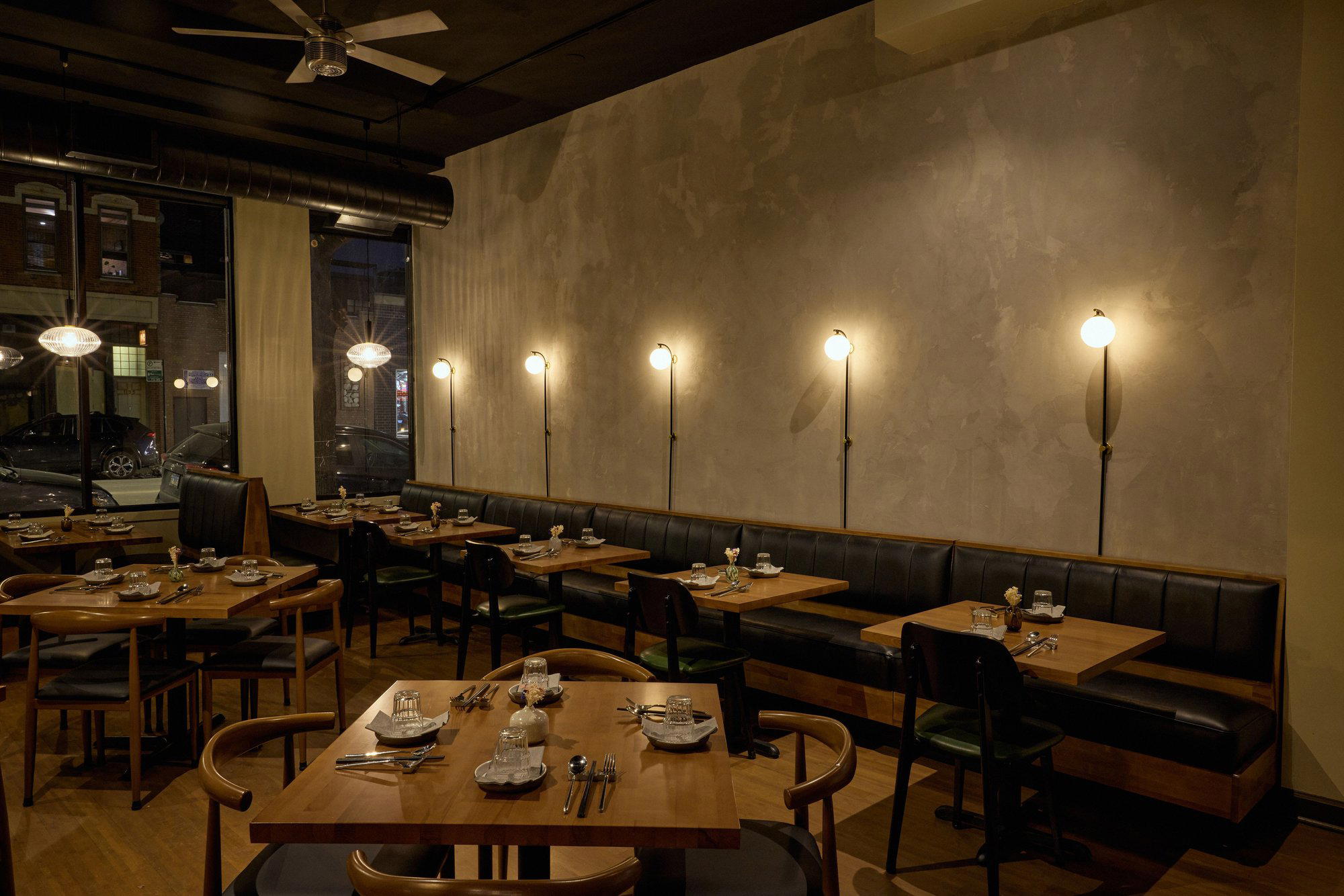
The Room Before the Plate
West Grand Avenue in Noble Square runs through one of Chicago's more quietly confident dining corridors, close enough to Wicker Park to draw that neighborhood's appetite for considered cooking, far enough removed to operate without the foot-traffic theater that defines busier strips. The buildings along this stretch tend toward brick and low profiles, and the street at dinner hour carries a particular quality of Chicago urban calm: not dead, not performative, just functional and real. Mister Tiger sits within that register. The address, 1132 W Grand, places it in a block where the room's atmosphere does more communicative work than any signage, and where arriving on foot in the colder months, coat collar up against a lakeside wind, feels like part of the experience rather than a prelude to it.
Chicago's dining character has always been shaped by its neighborhoods more than its center, and Noble Square is a useful case study in how that works. Unlike the River North cluster, where venues like Next Restaurant operate inside a high-density restaurant district with obvious foot traffic, this part of Grand Avenue requires that a room earn its place through reputation and word-of-mouth rather than location alone. That dynamic tends to filter out the casual and reward the intentional, both in the operators who choose to set up here and the guests who make the specific decision to come.
Atmosphere as Argument
Chicago's mid-tier dining scene in the 2020s has undergone a quiet but meaningful shift. The tasting-menu bracket, anchored by rooms like Alinea, Smyth, and Oriole at the leading, has pulled serious dining attention upward, while the neighborhood bistro tier has held its own through loyalty and affordability. The middle ground, where atmosphere and cooking ambition meet without the tasting-menu formality or price point, has become its own contested space. Mister Tiger occupies this territory.
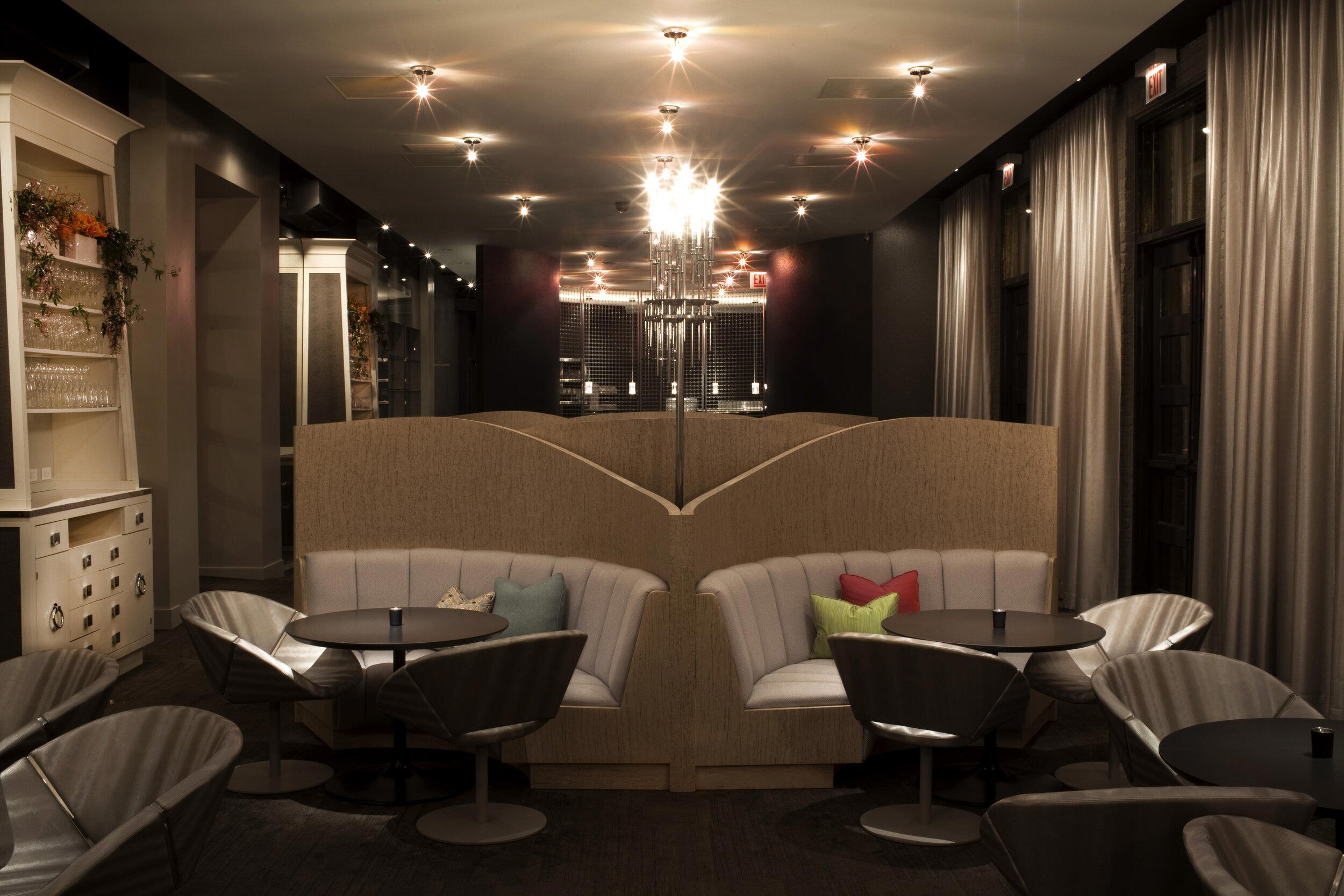
What that means in practice is a room where the sensory environment carries intentional weight. Light levels, sound absorption, the material quality of surfaces, these are the signals that communicate positioning in a Chicago neighborhood context before a guest reads a single menu line. Venues in this bracket compete on feel as much as on plate, and the accumulated sensory impression of a room across a full evening is the product, not merely the backdrop to it. In that sense, Mister Tiger's West Grand address functions less as a location detail and more as a curatorial choice about the kind of experience the room is trying to provide.
The broader national conversation about this tier of dining is instructive. Rooms like Lazy Bear in San Francisco and Blue Hill at Stone Barns in Tarrytown have demonstrated that serious cooking ambition does not require the conventions of formal fine dining, that a room can be warm, specific, and culinarily rigorous without adopting the ceremony of white tablecloths and multi-hour tasting progressions. That sensibility has filtered into Chicago's neighborhood dining in meaningful ways, and venues operating in this register have benefited from a broader audience that has learned to read atmosphere as a marker of seriousness rather than mere decoration.
Where It Sits in Chicago's Dining Order
Chicago's current restaurant hierarchy is worth mapping briefly for context. At the leading, Alinea and Smyth operate in the four-star bracket with prix-fixe formats and reservation windows that extend months ahead. Kasama has demonstrated that a specific cultural culinary identity, Filipino, in that case, can carry Michelin recognition and a devoted following simultaneously. These rooms define the ceiling. Below that, the serious neighborhood tier runs on shorter booking windows, more accessible price points, and a different kind of loyalty: the guest who returns monthly rather than annually.
Mister Tiger sits in that second bracket without apology. The Noble Square location, the street-level positioning on West Grand, the absence of the institutional apparatus that surrounds Chicago's most decorated addresses, these are features of a specific positioning, not gaps. Nationally, the equivalent tier includes rooms like Providence in Los Angeles and Bacchanalia in Atlanta, which have built reputations through consistency and culinary identity rather than spectacle. Mister Tiger operates in that spirit within the Chicago context.
The comparison set within Chicago is also worth noting. Next Restaurant runs on a rotating-concept model that requires a different kind of commitment from its guest. Kasama has a daytime pastry operation alongside its tasting dinner, splitting its identity across formats. Mister Tiger, operating on West Grand, presents a more singular proposition: a room with a specific atmosphere and a defined culinary angle, available on the terms of a neighborhood restaurant rather than a destination event.
Seasonal Timing and When to Go
Chicago's dining year has a pronounced seasonal shape. The months from November through February push residents toward interiors with real warmth, both literal and atmospheric, and rooms on quieter streets like West Grand benefit from that dynamic. A cold-weather dinner on this block, where the gap between the sidewalk and a lit interior is felt physically, has a different quality than the same meal in July, when the city's outdoor options compete for attention and the urgency to be inside dissipates. If there is an argument for a first visit to Mister Tiger, the winter and early spring months make it more persuasive: the room does more work, the neighborhood reads differently, and the contrast between street and interior is at its most pronounced.
Spring and fall occupy a middle position. Chicago's shoulder seasons bring reliable foot traffic to the Noble Square corridor as the city's population re-engages with its neighborhoods after winter, and booking a table in March or October typically requires less lead time than peak summer months, when out-of-town visitors join the local audience and reservation pressure increases across the board.
Planning a Visit
Mister Tiger's West Grand address is accessible from the Chicago Blue Line (Grand/Milwaukee stop) and by rideshare from the Loop in under fifteen minutes depending on traffic. Street parking on this stretch of Grand is available on weekday evenings, more contested on weekends. For diners arriving from outside Chicago, the address pairs well with a broader Noble Square or Wicker Park evening, this corridor has enough density of serious independent restaurants to justify a neighborhood-first approach to planning.
| Venue | Neighborhood | Format | Price Tier | Booking Window |
|---|---|---|---|---|
| Mister Tiger | Noble Square | Neighborhood restaurant | Mid-tier | Shorter lead time |
| Alinea | Lincoln Park | Tasting menu | $$$$ | Months in advance |
| Smyth | West Loop | Tasting menu | $$$$ | Weeks to months |
| Kasama | Ukrainian Village | Tasting dinner / daytime café | $$$$ | Weeks in advance |
| Next Restaurant | Fulton Market | Rotating concept, ticketed | $$$$ | Varies by concept |
For a broader orientation to Chicago's dining scene across neighborhoods and price tiers, see our full Chicago restaurants guide. For comparable neighborhood-driven ambition at the national level, Atomix in New York City and Single Thread Farm in Healdsburg offer useful reference points for how serious culinary intent plays out outside the major tasting-menu circuit. The Inn at Little Washington, The French Laundry in Napa, Addison in San Diego, Le Bernardin in New York City, Emeril's in New Orleans, and 8½ Otto e Mezzo Bombana in Hong Kong round out the international frame for understanding where rooms like Mister Tiger sit in the wider hierarchy of considered dining.
Frequently asked questions
What part of town is MISTER TIGER in?
MISTER TIGER is located at 1132 W Grand Ave, Chicago, IL 60642, Chicago.
How does Mister Tiger fit into Chicago's Noble Square dining scene compared to nearby neighborhoods?
Noble Square occupies a corridor between Wicker Park and River West that has gradually built a dining identity distinct from either anchor neighborhood, less bar-driven than River West, less trend-conscious than Wicker Park's main drag. Mister Tiger's West Grand Ave address places it within that quieter zone, where Chicago restaurants tend to build reputation through consistent neighborhood traffic rather than destination-dining press. For context, the Blue Line's Grand/Milwaukee stop puts the block within reach of a broad cross-city dining audience.
What's the must-try dish at MISTER TIGER?
What the West Grand Ave address and Noble Square context suggest is a kitchen oriented toward seasonal, ingredient-forward cooking in line with Chicago's current mid-tier dining direction.
Is MISTER TIGER reservation-only?
Given Noble Square's growing draw and the competitive Chicago dining calendar, booking ahead is a practical default for any serious dinner out in this corridor. check the venue's official channels to confirm walk-in availability.
What makes MISTER TIGER worth seeking out?
Mister Tiger occupies a stretch of West Grand Avenue that sits at the edge of Noble Square and Wicker Park, two of Chicago's more quietly productive dining neighborhoods. That positioning places it away from the tourist-facing Loop circuit, meaning the room tends to attract a more local, repeat-visit crowd. For a city where dining credibility often accumulates through word of mouth rather than press cycles, that geography carries weight.
Can MISTER TIGER handle vegetarian requests?
No menu data is confirmed for Mister Tiger at 1132 W Grand Ave, so vegetarian accommodations cannot be verified here.
Peers You’d Cross-Shop
Comparable venues nearby, for context on price, style, and recognition.
| Venue | Cuisine | Price | Notes |
|---|---|---|---|
| MISTER TIGERThis venue (the venue you are viewing) | Homestyle Korean | $50–100 | Not listed |
| Daebak Chinatown | Korean BBQ | $30–50 | Chinatown |
| To Korean Cuisine | Casual Korean | $20–30 | Lakeview / East Lakeview |
| Allium Restaurant and Bar | Farm-to-Table Regional American | Not listed | Streeterville |
| Ikigai Sushi & Izakaya | Japanese Sushi & Izakaya | $50–100 | River North |
| Chicago Q | Competition-Style Southern Barbecue | Not listed | Gold Coast |
Continue exploring
More in Chicago
Restaurants in Chicago
All restaurants in Chicago →
Bars in Chicago
All bars in Chicago →
Details
- Cozy
- Trendy
- Modern
- Casual Hangout
- Date Night
- Standalone
- A La Carte
Current opening hours
- Monday
- 5–9 PM
- Tuesday
- 5–9 PM
- Wednesday
- 5–9 PM
- Thursday
- 5–9 PM
- Friday
- 5–9 PM
- Saturday
- 5–9 PM
- Sunday
- Closed
Hours can change for holidays and private events. Hours as of .
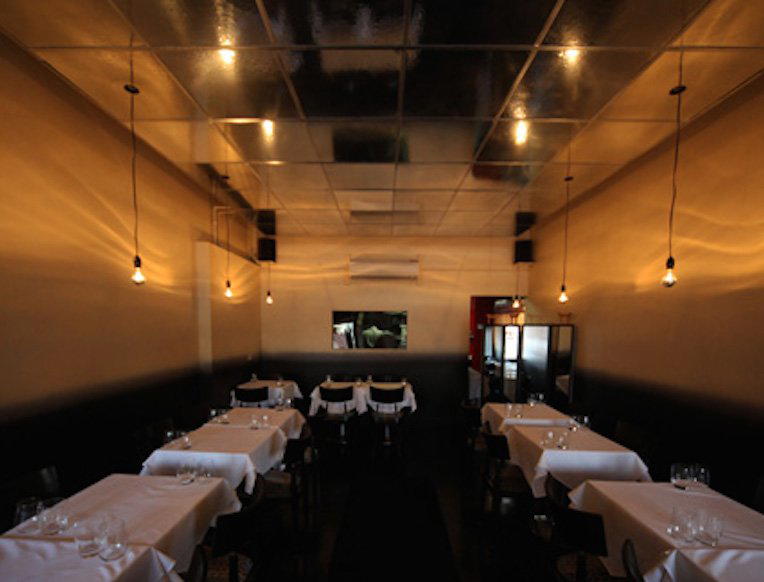
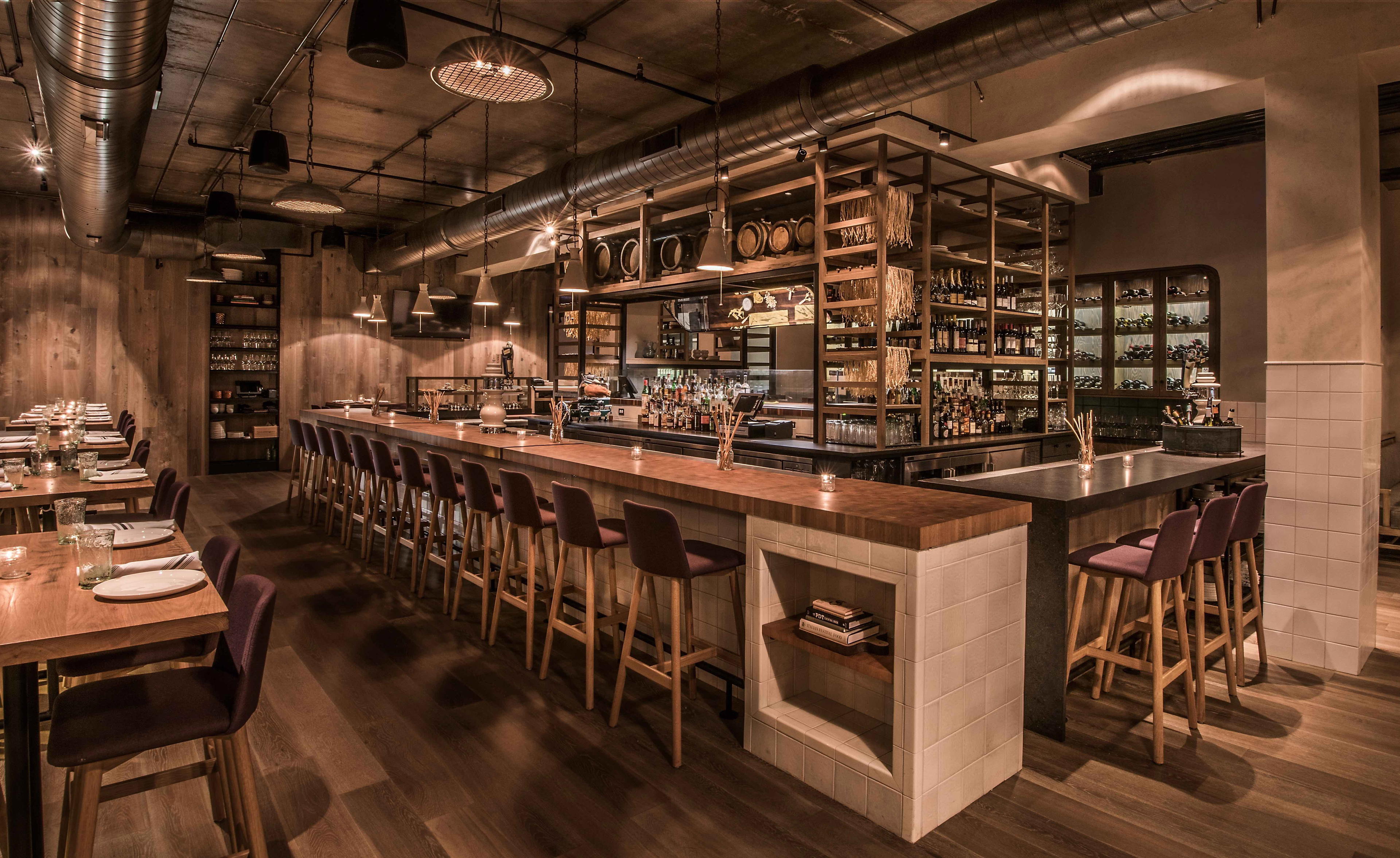
Simple and comfortable with bare wooden tables and pendant lights over two rooms.