To Korean Cuisine
A fixture on North Broadway in Lakeview, To Korean Cuisine occupies the kind of neighborhood position that most restaurants spend years trying to earn. The regulars here return not for spectacle but for consistency, the dependable rhythms of a Korean kitchen that knows its audience. Located at 3108 N Broadway, it sits within walking distance of Chicago's densely populated Lakeview corridor.
Pearl is the En Primeur Club membership app — saves, bookings, and concierge access live there. Same editors, same standards.
- Address
- 3108 N Broadway, Chicago, IL 60657
- Phone
- +17733608036
- Website
- tokoreanbbq.com
- Directions
- Get directions
 Saves & bookings on Pearl
Korean Dining in Chicago's Lakeview Corridor
Chicago's Korean restaurant scene has historically concentrated in the Albany Park neighborhood, along the Lawrence Avenue strip that locals and food writers have tracked for decades. The northward spread of Korean kitchens into neighborhoods like Lakeview reflects a broader pattern in the city's dining geography: immigrant food traditions moving closer to higher-rent, higher-foot-traffic corridors, pulled by demand from a wider demographic than the original community anchor. To Korean Cuisine, at 3108 N Broadway, sits at that intersection, a Korean kitchen embedded in a neighborhood whose dining culture is shaped more by proximity to Wrigley Field and Belmont Avenue than by any ethnic food corridor.
For context on where Chicago places its culinary energy, the city's fine dining tier is anchored by restaurants like Alinea, Smyth, and Oriole, all operating in the progressive American mode with Michelin recognition. The Filipino counter at Kasama has demonstrated that Asian-rooted kitchens can occupy the city's most decorated tier. Korean cuisine in Chicago, however, operates largely outside that Michelin spotlight, functioning instead through a network of neighborhood restaurants that sustain themselves on repeat clientele rather than destination-dining pilgrimage traffic.
What Keeps Regulars Returning
The regulars' relationship with a neighborhood Korean restaurant tends to be built around a specific kind of reliability. Korean cuisine offers a structural consistency that rewards familiarity: banchan selections that signal a kitchen's priorities, the ratio of sweetness to fermented depth in a galbi marinade, the temperature and seasoning of doenjang jjigae on a cold Chicago evening. These are not the variables that draw a first-time visitor, but they are exactly what a returning customer is tracking.
In Korean dining culture, the unwritten menu exists in the banchan rotation, the small plates that arrive before the meal proper. A kitchen's banchan selection functions as a kind of editorial statement: which vegetables are pickled, how aggressively, what's seasonal versus what's year-round. Regulars at any Korean restaurant learn this vocabulary quickly and use it to calibrate expectations for the rest of the meal. At the neighborhood level, this also creates a loyalty structure that larger, more theatrical dining formats rarely achieve. The comparison with something like Next Restaurant, which rotates its entire concept seasonally, illustrates the point: the appeal of a neighborhood Korean kitchen is the opposite of novelty. It is predictability, executed with care.
Korean barbecue formats, where they appear, reinforce this dynamic. The tableside grill creates a participatory ritual that turns every visit into a version of the same satisfying experience. That repeatability is a feature, not a limitation. Diners who order the same cuts across multiple visits are, in effect, benchmarking the kitchen's consistency over time. This is a different relationship with a restaurant than the single-visit calculus of a destination tasting menu.
The Lakeview Setting and When to Go
The 3108 N Broadway address places To Korean Cuisine in Chicago's Lakeview neighborhood. Winter in this part of Chicago is when Korean comfort cooking makes its most persuasive case: soups, stews, and braised dishes that calibrate well against the lake effect wind that makes February on the North Side a particular kind of commitment. Autumn, when the neighborhood settles after the baseball season and before the deep cold, tends to produce consistent dining conditions, tables are easier to secure and the kitchen operates without the volume pressure of peak summer weekends.
Getting to 3108 N Broadway is direct from much of Chicago's North Side. For those arriving from out of town, the positioning is a reasonable detour if you're already covering ground on the North Side.
Korean Cuisine in the Wider American Context
Korean food's trajectory in American fine dining has accelerated visibly over the past decade. Atomix in New York City has demonstrated that Korean culinary tradition can operate at the absolute upper tier of the American dining market, with techniques and presentation that compete directly with particularly decorated kitchens of any nationality. That development has raised the profile of Korean cuisine across the country, even in formats far removed from the tasting-menu tier.
The comparison is useful not to diminish neighborhood Korean restaurants but to map the range. The same tradition that produces Atomix's precision also underlies the banchan on a weeknight table in Lakeview. The discipline of fermentation, the structural logic of a Korean meal, and the emphasis on shared, simultaneous courses are consistent across price points and ambition levels. A reader familiar with the Korean dining tradition at any level will find those fundamentals present regardless of the format.
For those building a wider picture of serious American restaurant culture beyond Chicago, the reference set extends considerably: Le Bernardin in New York City, Providence in Los Angeles, Blue Hill at Stone Barns in Tarrytown, Addison in San Diego, The Inn at Little Washington, Bacchanalia in Atlanta, Single Thread Farm in Healdsburg, and Emeril's in New Orleans. Internationally, 8½ Otto e Mezzo Bombana in Hong Kong anchors the conversation about how non-Western cities now frame their own fine dining traditions. These references situate To Korean Cuisine within a much larger map of how dining culture is organized by tier, tradition, and geography.
Planning a Visit
The restaurant is located at 3108 N Broadway in Chicago's Lakeview neighborhood, accessible from the Belmont Red Line station. Reservations are recommended. The restaurant is open Tue 4-11 PM, Wed 4-11 PM, Thu 4-11 PM, Fri 4 PM-2 AM, Sat 11 AM-2 AM, and Sun 11 AM-11 PM; it is closed Monday.
City Peers
Comparable venues nearby, for context on price, style, and recognition.
| Venue | Cuisine | Price | Notes |
|---|---|---|---|
| To Korean CuisineThis venue — the venue you are viewing | Casual Korean | $$ | Not listed |
| Jin Ju | Contemporary Korean | $$ | Andersonville |
| SoJu BBQ | Korean BBQ | $$ | West Loop |
| Crisp | Korean Fried Chicken | $ | Lake View East |
| Daebak Korean BBQ | Korean BBQ | $$ | Chinatown |
| Kong Dog | Korean Street Food - Corn Dogs | $$ | Downtown |
At a Glance
- Casual
- Cozy
- Casual Hangout
- Group Dining
Current opening hours
- Monday
- Closed
- Tuesday
- 4–11 PM
- Wednesday
- 4–11 PM
- Thursday
- 4–11 PM
- Friday
- 4 PM–2 AM
- Saturday
- 11 AM–2 AM
- Sunday
- 11 AM–11 PM
Hours can change for holidays and private events. Last verified .
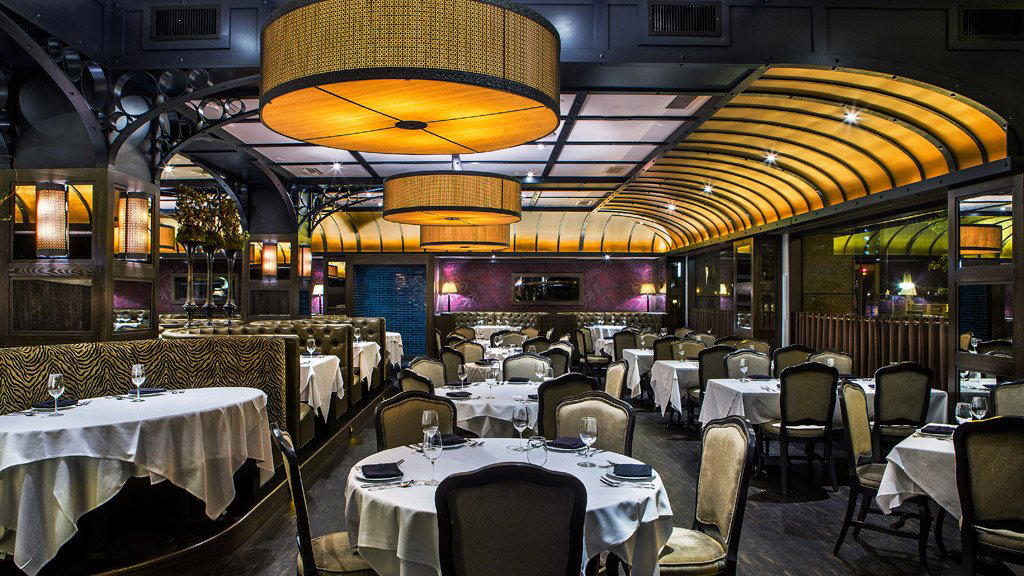
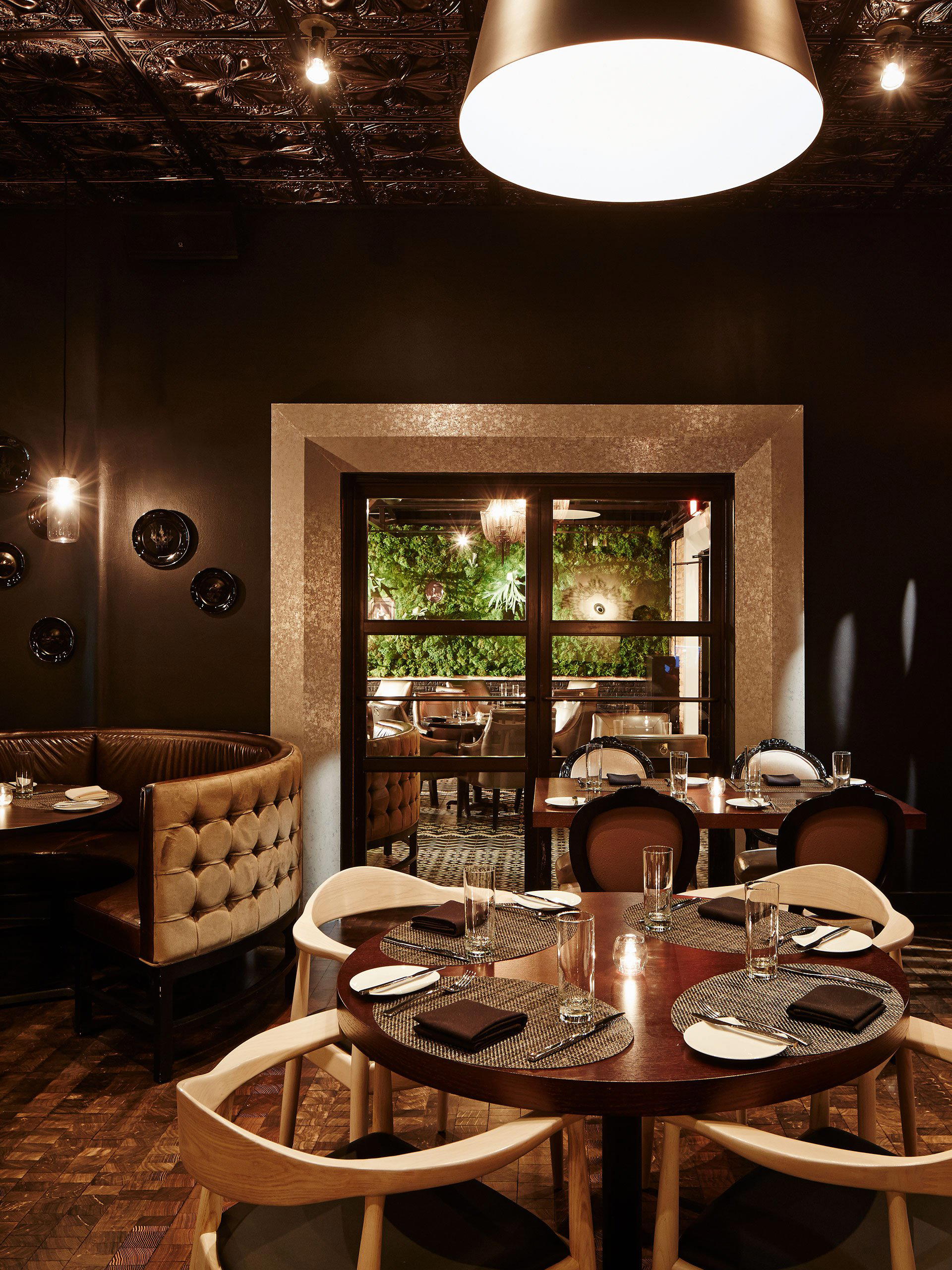
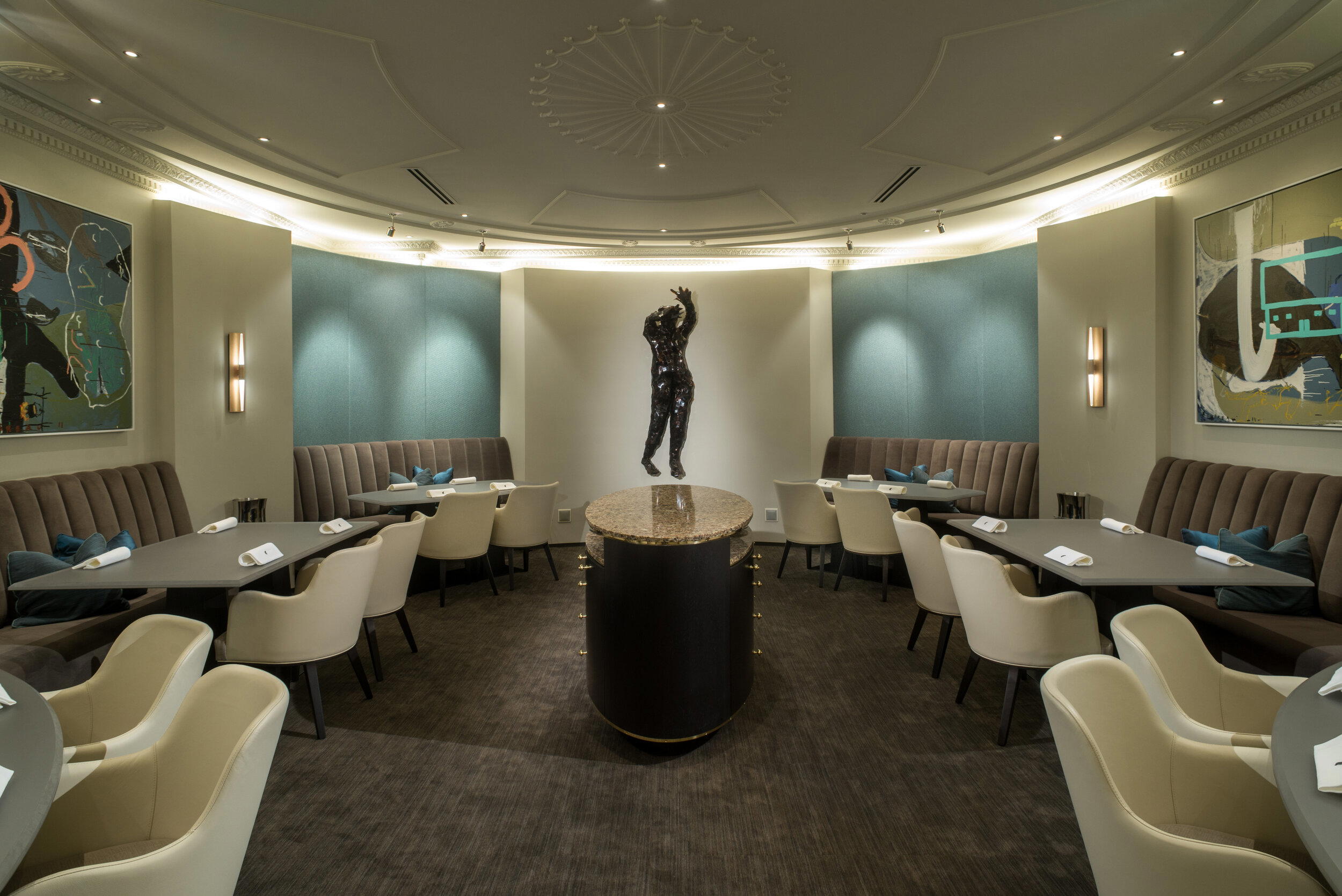
Casual dining atmosphere with friendly service and approachable authentic Korean flavors.