Ikigai Sushi & Izakaya
On the northern edge of River North, Ikigai Sushi & Izakaya at 372 W Chicago Ave sits at the intersection where Japanese technique meets the Midwest's distinct seasonal produce calendar. The format combines omakase-adjacent sushi with the looser, sharing-plate logic of an izakaya, a pairing that Chicago's dining scene has room to absorb alongside its Michelin-heavy progressive American tier.
Pearl is the En Primeur Club membership app — saves, bookings, and concierge access live there. Same editors, same standards.
- Address
- 372 W Chicago Ave, Chicago, IL 60654
- Phone
- +13122919663
- Website
- ikigaichicago.com
- Directions
- Get directions
 Saves & bookings on Pearl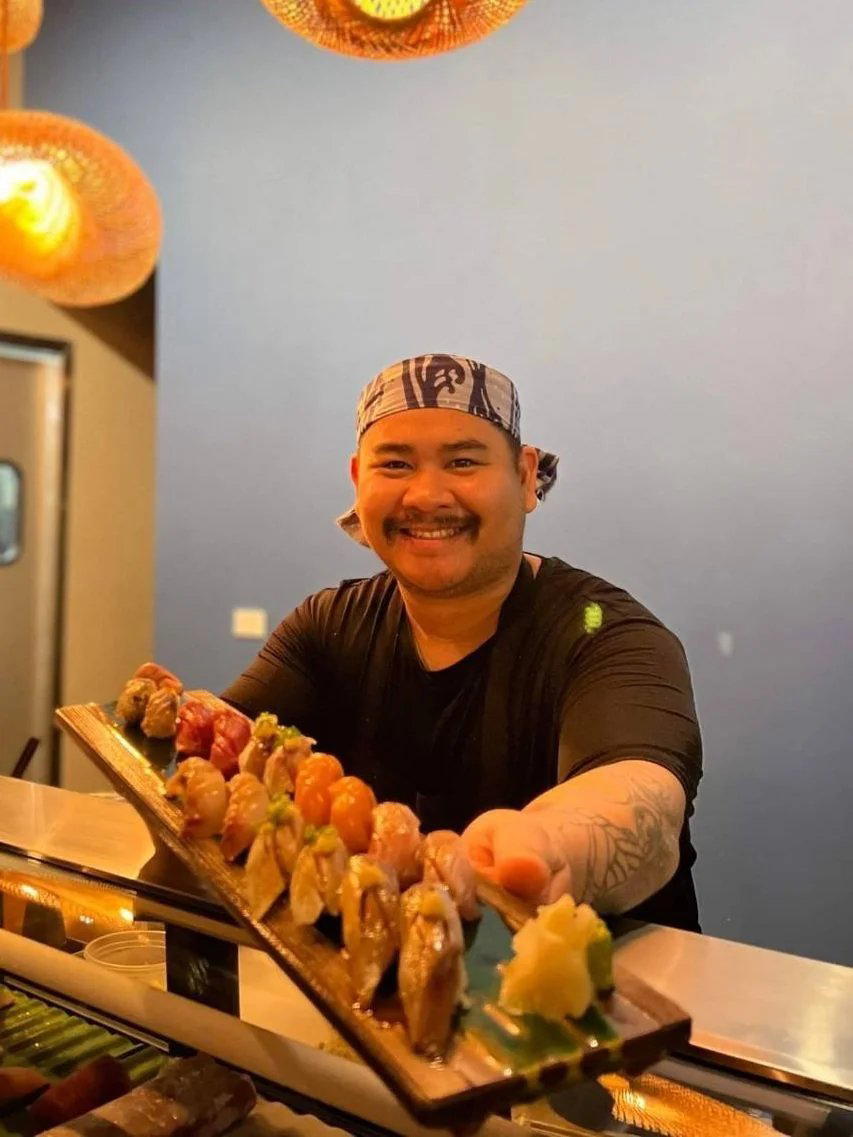
Where Japanese Precision Meets the Midwest Pantry
River North has long functioned as Chicago's highest-density corridor for ambitious restaurant openings, sitting between the polished expense-account rooms of the Loop and the more experimental programming of the West Loop. The stretch of Chicago Avenue that runs through this neighbourhood carries a slightly different register: less destination dining, more considered local eating. It is into this context that Ikigai Sushi & Izakaya, at 372 W Chicago Ave, places itself, a format that tries to hold two Japanese dining traditions in the same room without either losing coherence.
The dual-format concept matters more than it might first appear. Across American cities, the sushi-izakaya hybrid has become a credible category in its own right, distinct from both the conveyor-belt casual end and the locked-counter omakase tier occupied by rooms like Smyth or Oriole in Chicago's tasting-menu bracket. The izakaya format, sake, small plates, unhurried pacing, accommodates a wider social logic than a strict omakase sequence. The sushi component, when taken seriously, requires a different kind of attention: temperature-controlled rice, sourcing discipline, knife work that leaves no margin. Getting both right simultaneously is where many operators trade depth for breadth.
The Local-Ingredients, Global-Technique Argument
Japanese culinary technique has always been more portable than its geography suggests. The principles that govern a well-made piece of nigiri, rice seasoning, fish temperature, the ratio of protein to vinegared grain, do not require Tokyo fish markets to apply. What changes when Japanese methods land in the American Midwest is the pantry. The Great Lakes region produces freshwater fish that rarely appears on Japanese menus in Japan. Illinois farms turn over a seasonal calendar of produce, ramps, morels, summer corn, winter squash, that can load an izakaya small-plates menu with regional specificity without departing from Japanese format logic.
This is the editorial argument that Chicago's better Japanese kitchens are increasingly making. Rather than treating provenance as a constraint, the more interesting rooms treat Midwest seasonality as the variable that keeps a Japanese-format menu honest year-round. Spring and early summer represent one productive window: the city's restaurant supply lines are flush with foraged product, local fish, and early-season vegetables that translate naturally into the izakaya small-plate register. Chicago's winter months present a harder test, the menu either contracts to preserved and cured ingredients handled with precision, or it imports. How a kitchen handles that seasonal gap says something about its actual technique commitment versus its marketing claims.
For context on how this intersection of local sourcing and imported method plays at the highest American level, Blue Hill at Stone Barns in Tarrytown and Single Thread Farm in Healdsburg have built entire programmes around the same tension, though those rooms apply European fine-dining logic to regional American produce rather than Japanese format discipline. The same question runs through Kasama in Chicago, where Filipino technique and Midwest ingredients have been handled with enough seriousness to attract significant critical attention.
Chicago's Japanese Dining Tier and Where Hybrids Sit
Chicago's Japanese dining map operates across several distinct price and format tiers. At the leading end, dedicated omakase counters with set menus and multi-week booking windows command prices that compete with the city's progressive American rooms, places like Alinea and Next Restaurant set the ceiling for what Chicago diners will pay for a sequenced tasting experience. Below that, the middle bracket holds the more accessible à la carte sushi rooms and neighbourhood izakayas. The sushi-izakaya hybrid format sits across this divide: it can price into the mid-range on izakaya plates while the sushi portion justifies a premium.
That pricing ambiguity is both the format's commercial asset and its critical challenge. A room that does both well holds a wider audience than one that commits entirely to either track. The risk is a kitchen that does neither at a level that competes with specialists. Chicago has enough serious dining competition across every category, from the Korean precision at Atomix in New York, which sets a reference point for Asian-technique fine dining in America, to the seafood discipline at Le Bernardin, that mid-tier Japanese hybrid rooms face a clarity test: what are you actually leading at, and does the menu say so?
Providence in Los Angeles and The French Laundry in Napa represent the technical ceiling of American seafood and tasting-menu dining respectively. Lazy Bear in San Francisco and Addison in San Diego both demonstrate how regional identity can anchor a high-format kitchen. Emeril's in New Orleans and Bacchanalia in Atlanta show that local-ingredient conviction has always been a Southern dining value as much as a Northern California one. Chicago's own version of that argument runs through kitchens like Smyth, whose commitment to Illinois sourcing has been consistent enough to earn serious recognition. For international comparison, 8½ Otto e Mezzo Bombana in Hong Kong represents the model of a European technique carried into an Asian city context, the inversion of what Chicago's Japanese-format rooms are attempting. The Inn at Little Washington in Virginia rounds out the reference set as a venue where regional American produce has been treated with the same reverence that Japan brings to its seasonal calendar.
Planning Your Visit
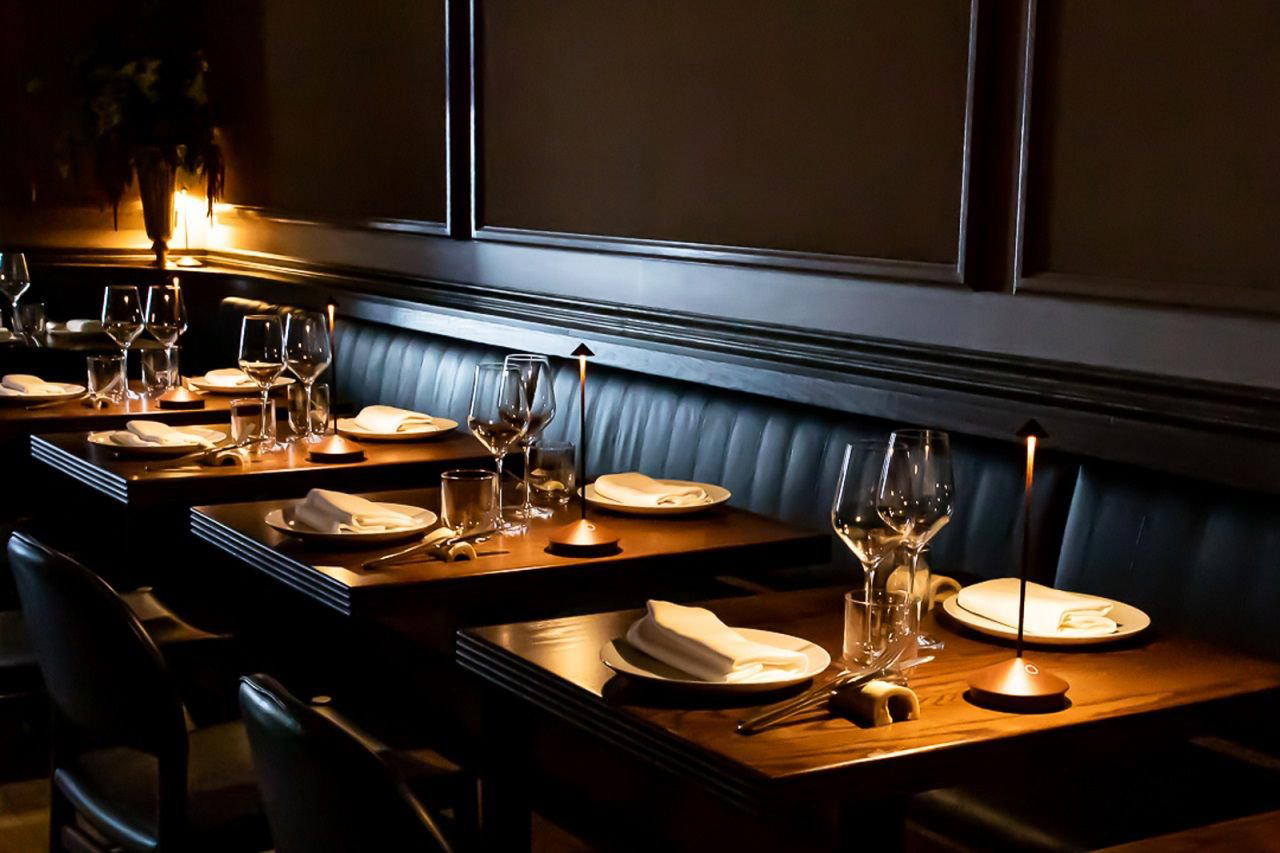
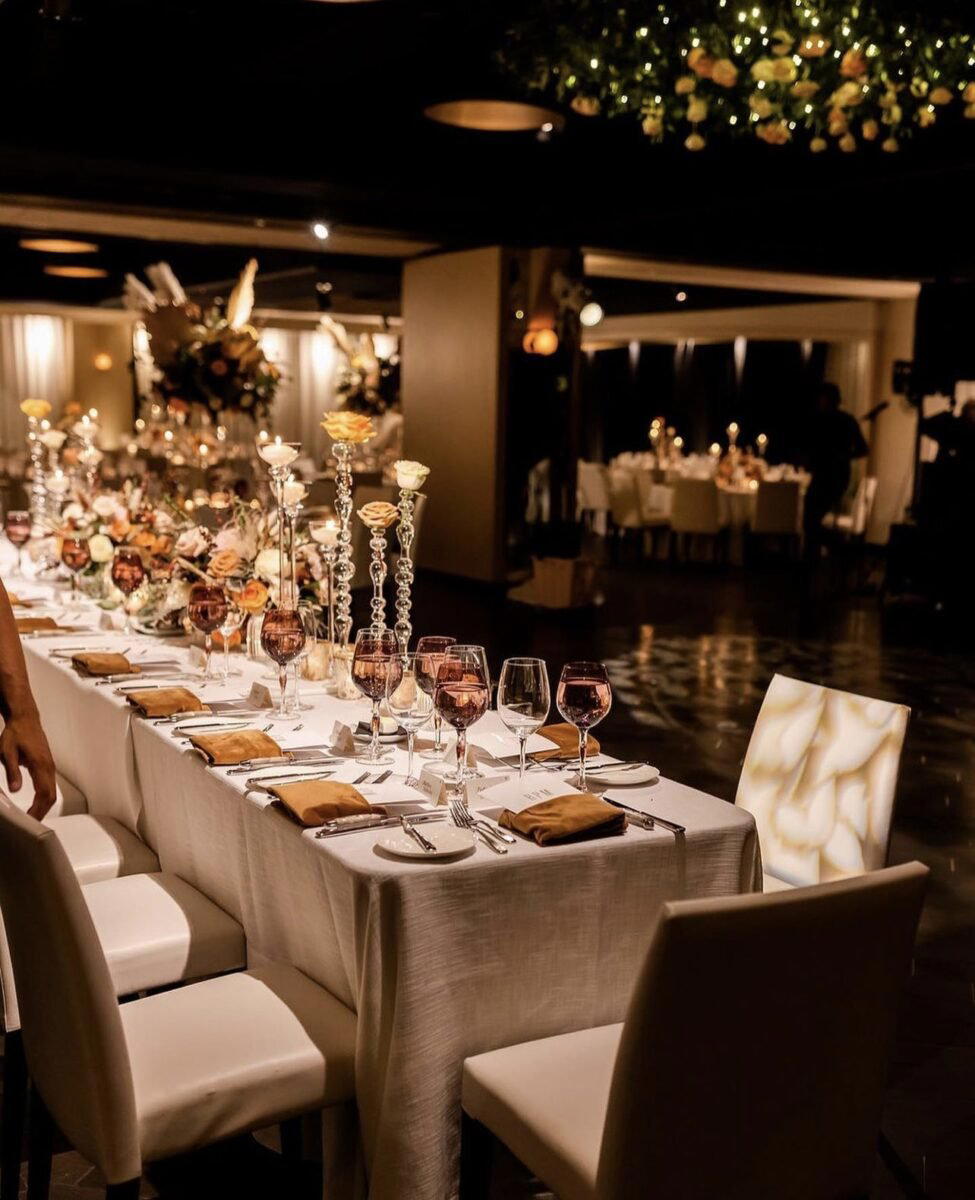
Ikigai Sushi & Izakaya is located at 372 W Chicago Ave in the River North neighbourhood, The dual-format room suits groups that want the flexibility of sharing plates without committing to a prix-fixe sequence, though the sushi portion rewards ordering with the same focus you would bring to a counter meal.
Comparable Options
Comparable venues nearby, for context on price, style, and recognition.
| Venue | Cuisine | Price | Notes |
|---|---|---|---|
| Ikigai Sushi & IzakayaThis venue — the venue you are viewing | Japanese Sushi & Izakaya | $$$ | Not listed |
| Arami | Japanese Sushi & Izakaya | $$$ | West Town |
| 312 Fish Market | Premium Sushi Counter | $$ | Pilsen |
| Tanoshii Andersonville | Japanese Sushi | $$ | Andersonville |
| Chicago Kalbi BBQ | Japanese Yakiniku BBQ | $$ | Albany Park |
| Monster Ramen | Beef-Based Gyukotsu Ramen | $$$ | Logan Square |
At a Glance
- Trendy
- Modern
- Cozy
- Date Night
- Casual Hangout
- Special Occasion
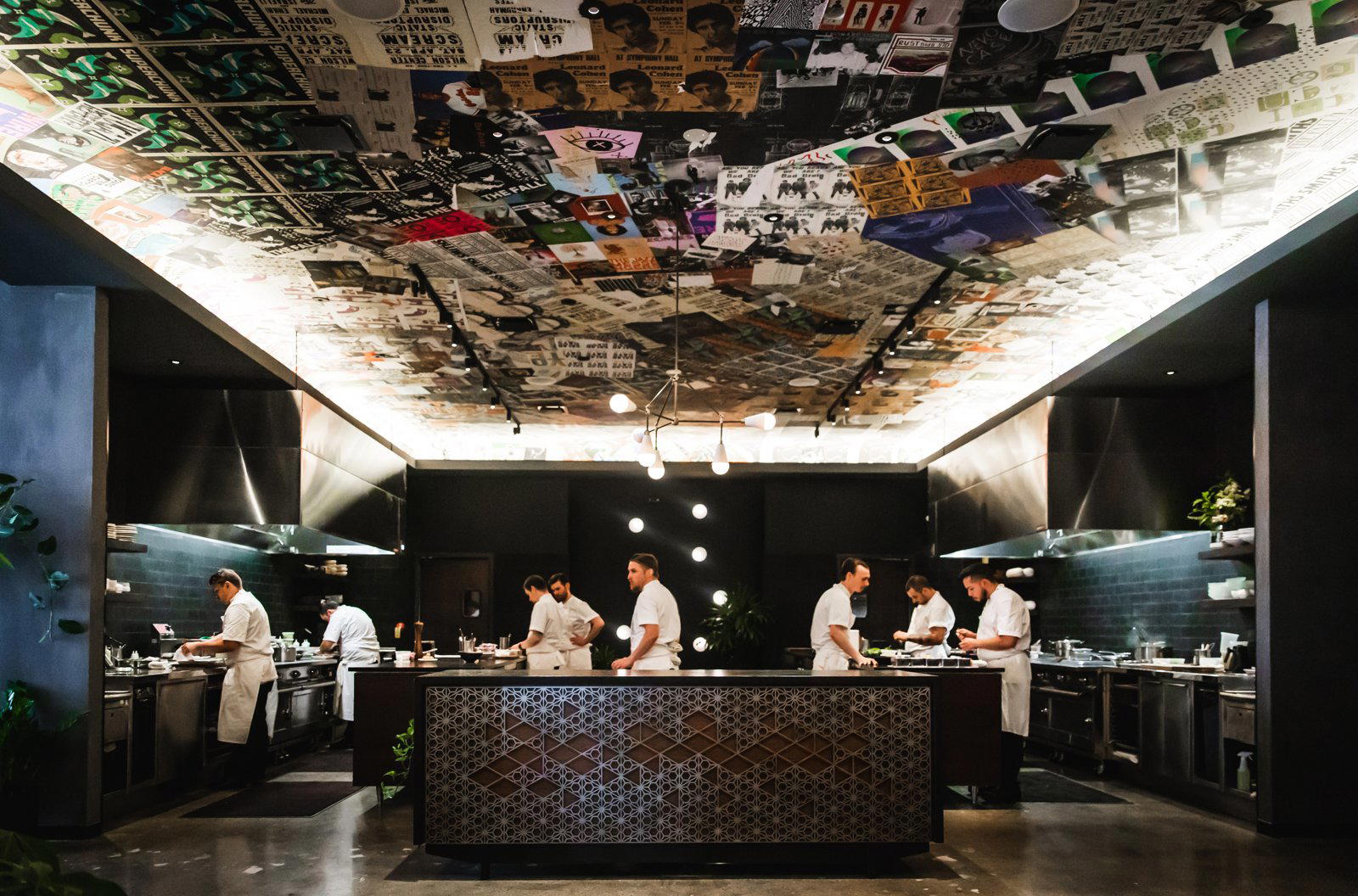
- Open Kitchen
- Sake Program
- Craft Cocktails
Current opening hours
- Monday
- 4:30–10 PM
- Tuesday
- Closed
- Wednesday
- 4:30–10 PM
- Thursday
- 4:30–10 PM
- Friday
- 4:30–11 PM
- Saturday
- 4:30–11 PM
- Sunday
- 4:30–9:30 PM
Hours can change for holidays and private events. Last verified .
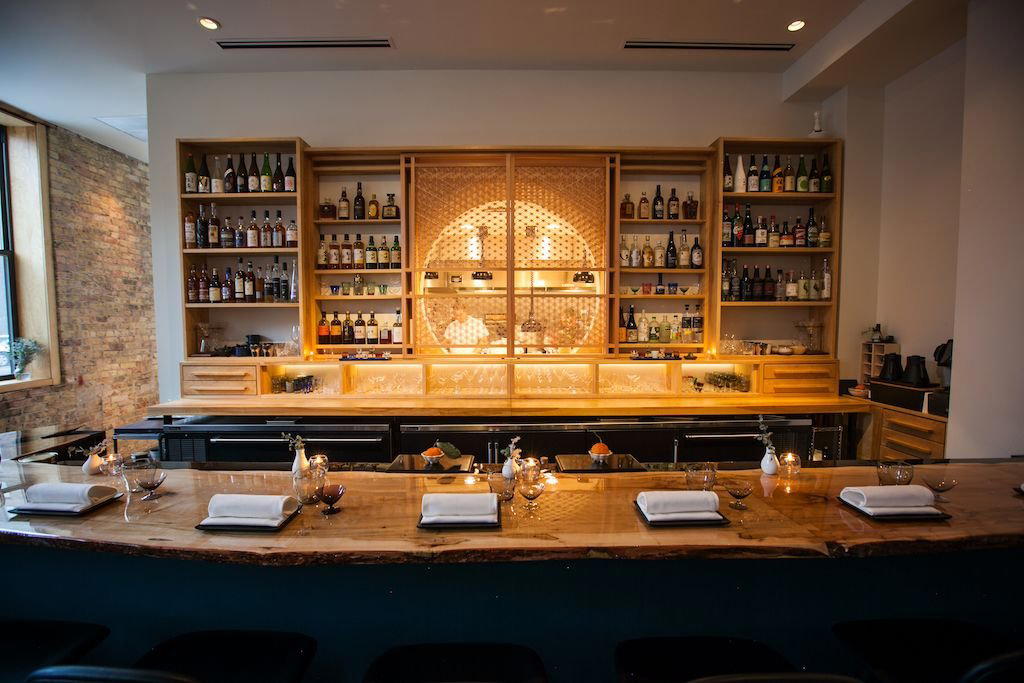
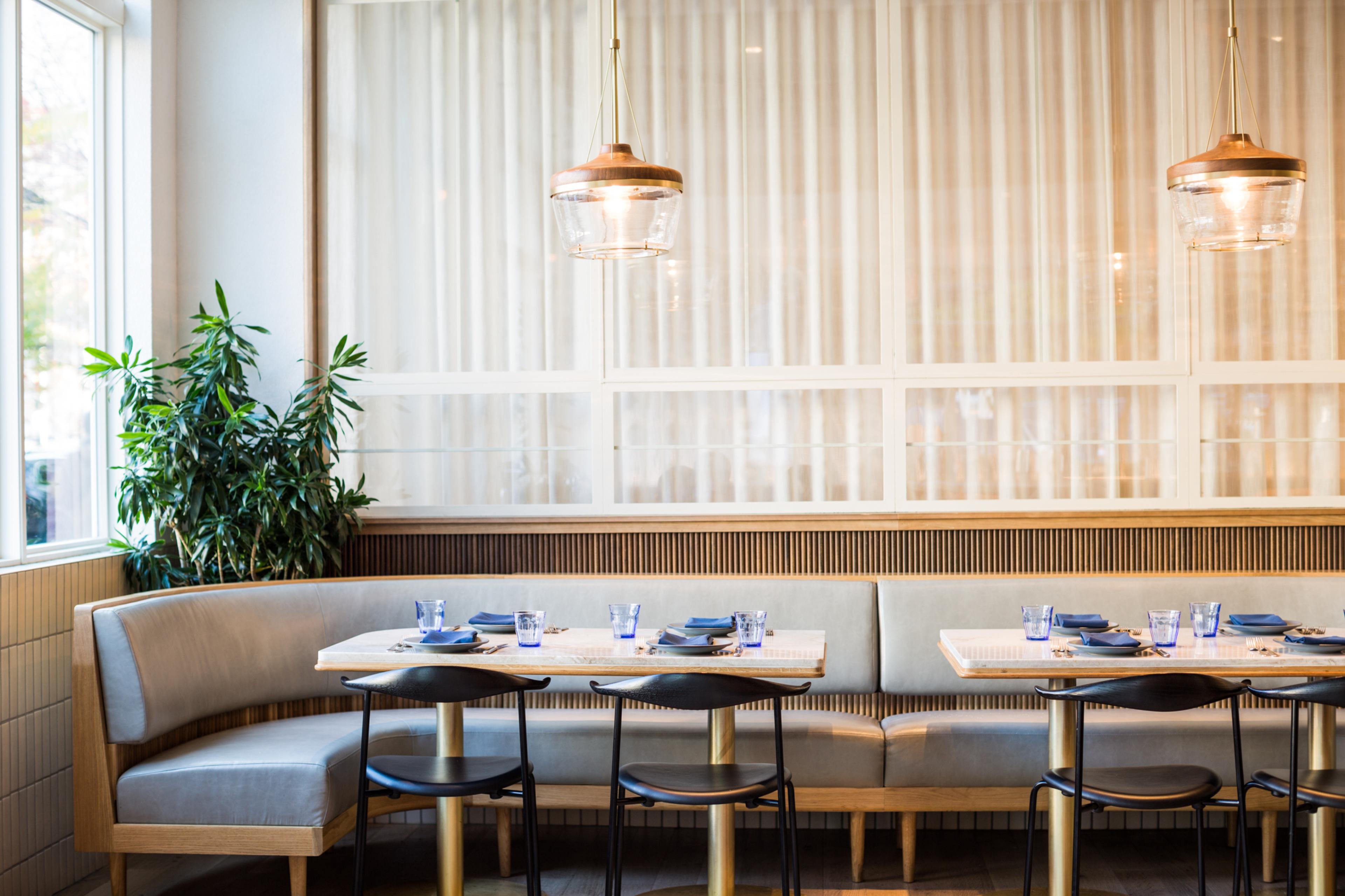
Casual yet polished atmosphere with lively and immersive dining experience.