Misaki Sorrento occupies a address on Via S. Francesco in the heart of Sorrento, where the Campanian coast meets an unexpected culinary perspective. Set within one of the peninsula's most storied dining neighbourhoods, Misaki sits at an intersection of local tradition and outside influence that defines a growing category of Sorrento dining. A considered choice for travellers who want something outside the standard seafood-and-pasta circuit.
Pearl is the En Primeur Club membership app — saves, bookings, and concierge access live there. Same editors, same standards.
- Address
- Via S. Francesco, 11, 80067 Sorrento NA, Italy
- Phone
- +39818072830
- Website
- misakisushi.it
- Directions
- Get directions
 Saves & bookings on Pearl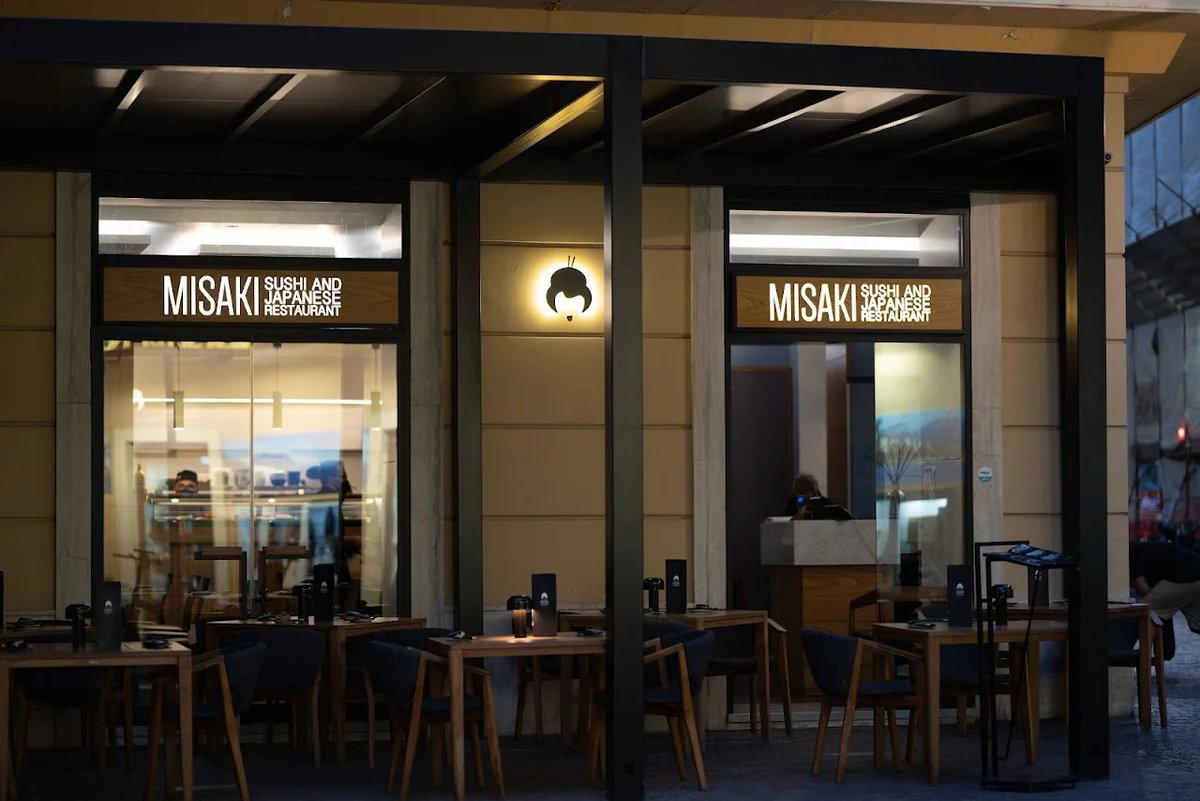
Where the Sorrentine Peninsula Meets an Outside Culinary Lens
Sorrento has long operated as a transit point for travellers moving between Naples and the Amalfi Coast, and its dining scene has historically reflected that role: restaurants built around reliable southern Italian comfort, cliffside terraces designed for the view, and menus anchored to local catch and Campanian pasta traditions. What has shifted over the past decade is the arrival of addresses that read the peninsula's produce and coastal energy through a different cultural frame. Misaki Sorrento, a Japanese sushi restaurant at Via S. Francesco, 11 in Sorrento, belongs to that category.
Via S. Francesco is one of Sorrento's more atmospheric streets, running past the cloister of the same name toward the Villa Comunale gardens and their panorama over the Bay of Naples. The address places Misaki within walking distance of the town's historic core while sitting slightly apart from the main restaurant drag along Corso Italia. That small geographic distinction matters: it signals a venue that isn't angling for the passing tourist trade but rather expecting a guest who has made a specific decision to be there.
A Different Culinary Frame on Campanian Ingredients
The cultural context for a venue named Misaki in southern Italy is itself a point of editorial interest. Japanese culinary influence in Italy's premium dining tier is no longer unusual, the cross-referencing of Japanese technique with Italian product has become a recognisable category at the upper end of the country's restaurant scene, from Enrico Bartolini in Milan to addresses along the southern coasts. What distinguishes the Campanian version of this conversation is the raw material: the tomatoes grown in volcanic soil near Vesuvius, the lemons from the Sorrento peninsula itself, anchovies from the gulf, and a fishing tradition that predates any contemporary culinary trend by centuries.
Italy's most celebrated kitchens have long demonstrated that local specificity and external technique are not in competition. Osteria Francescana in Modena built its reputation on exactly that tension. Dal Pescatore in Runate and Le Calandre in Rubano each found their identity through a dialogue between deep regional roots and a forward-facing culinary language. In a coastal town like Sorrento, where the sea sets the agenda and the lemon groves are almost a cliché, finding that balance requires a sharper editorial eye than it does inland.
Sorrento's Dining Tier: Where Misaki Sits
Sorrento's restaurant scene divides fairly clearly into three tiers. At the lower end, trattorias and tourist-facing pizzerias dominate the pedestrian zones. In the middle sits a substantial cohort of solid seafood restaurants, places like Da Bob Cook Fish, which operates at €€ and focuses on direct, product-led cooking. At the upper end, the €€€€ addresses compete on setting, technique, and the ambition of their menus: Il Buco and Lorelei both operate in Mediterranean cuisine territory at the leading price point, while Terrazza Bosquet applies a creative lens at the same bracket. Bellevue Syrene 1820 brings a heritage hotel context to Italian cuisine, adding a different kind of weight to its offer.
Within this structure, a venue with Japanese naming and apparent cultural positioning occupies a niche that the local market has not historically made space for. That niche is becoming more viable as Sorrento's visitor base broadens and the town attracts a segment of traveller who has already cycled through the standard Campanian itinerary and is looking for a different angle on the same geography. It is the same shift visible in Naples itself, where ramen counters and Japanese-Italian fusion concepts now operate alongside the city's pizza institutions without apparent contradiction.
The Broader Italian Coastal Seafood Conversation
Campania's coastline sits within a national conversation about seafood and technique that runs from Uliassi in Senigallia on the Adriatic to Quattro Passi in Marina del Cantone, just around the headland from Sorrento, where two Michelin stars have established the peninsula's credibility as a serious fine dining address rather than simply a scenic one. The proximity of Quattro Passi matters as a reference point: it demonstrates that the peninsula can support ambition at the highest verified level, and it raises the bar for what neighbouring addresses need to deliver to justify a specific visit rather than a convenient dinner.
Further afield, the question of how Japanese sensibility translates through coastal Italian produce has international precedents worth noting. Le Bernardin in New York City has long demonstrated the compatibility of French technique and seafood-forward minimalism, while Atomix in New York City shows how a non-Western culinary tradition can operate at the highest level of contemporary fine dining without any loss of cultural integrity. The question for a venue like Misaki is where on that spectrum its ambition sits, and that is precisely what makes it worth tracking.
Planning a Visit: What to Know
Misaki Sorrento is located at Via S. Francesco, 11, in the historic centre of Sorrento, a short walk from the main Piazza Tasso. Sorrento is accessible by Circumvesuviana train from Naples Centrale in approximately 65 minutes, and by ferry from Naples or the Amalfi Coast during warmer months. The town is compact enough that the Via S. Francesco address is reachable on foot from virtually any central accommodation.
The old centre addresses tend to be busy on summer evenings regardless of day of week, and restaurants in the cultural-niche tier typically have smaller dining rooms than their seafood-focused counterparts.
Travellers building a broader Italian itinerary around serious cooking might also consider the peninsula's wider context alongside Atelier Moessmer Norbert Niederkofler in Brunico, Piazza Duomo in Alba, Enoteca Pinchiorri in Florence, and Reale in Castel di Sangro, each representing a distinct regional reading of what contemporary Italian cooking can be.
Price Lens
Comparable venues nearby, for context on price, style, and recognition.
| Venue | Cuisine | Price | Awards | Notes |
|---|---|---|---|---|
| Misaki SorrentoThis venue — the venue you are viewing | Sorrento, Japanese Sushi | $$$ | Not listed | Not listed |
| l'Orangerie | Sorrento, Modern Mediterranean Italian | $$$ | Not listed | Not listed |
| Qui Sorrento | Sorrento, Modern Italian | $$$ | Not listed | Not listed |
| Soul & Fish | Marina Grande, Modern Italian Seafood | $$$ | Michelin Plate | Not listed |
| Fauno Bar | Not listed | $$ | Not listed | Piazza Tasso, Traditional Italian Mediterranean & Neapolitan |
| Tonì mediterranean cuisine & wonderful views | Not listed | $$$$ | Not listed | Sorrento, Mediterranean Sorrentine Specialties |
Continue exploring
More in Sorrento
Restaurants in Sorrento
Browse all →
Bars in Sorrento
Browse all →
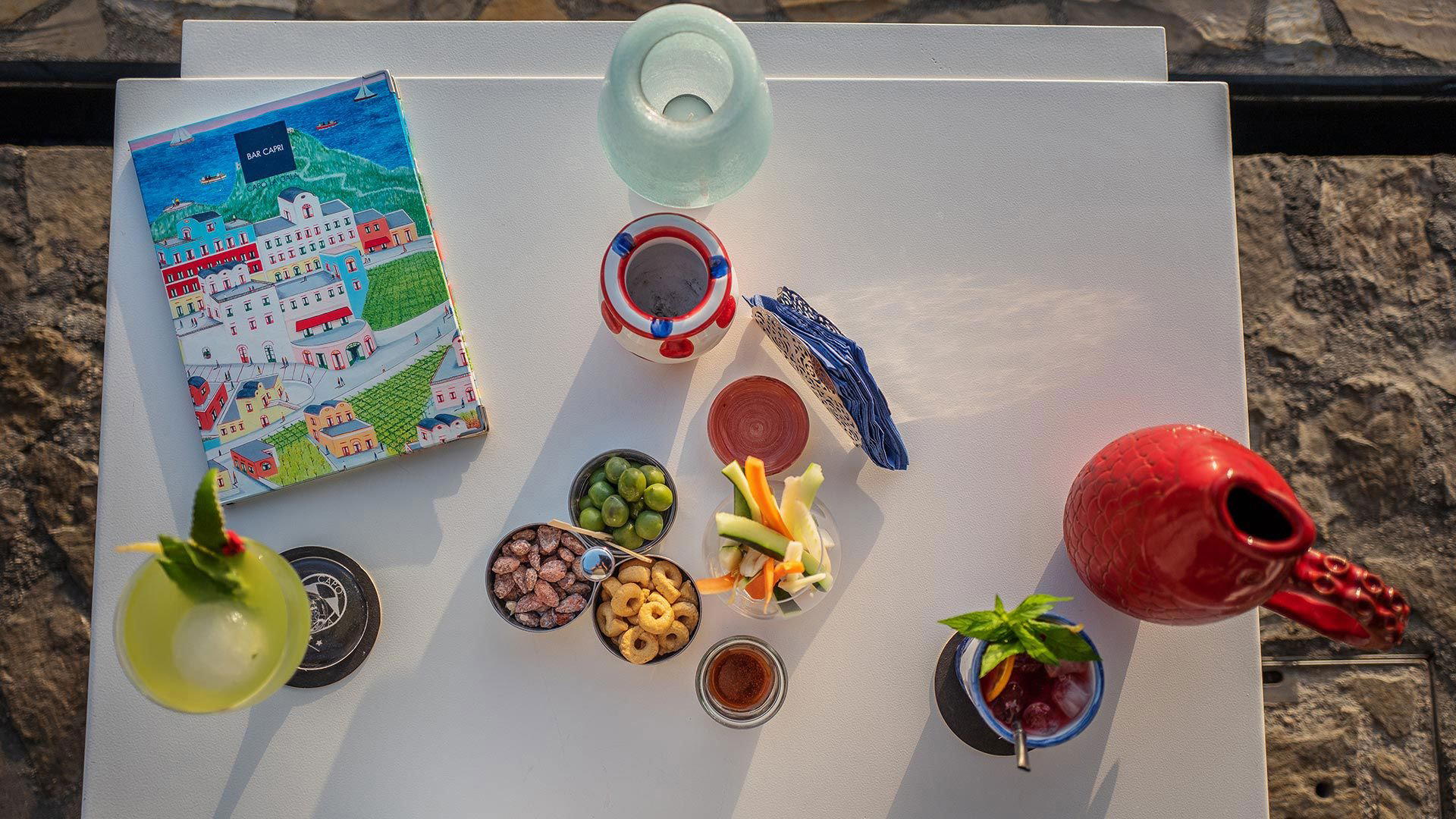
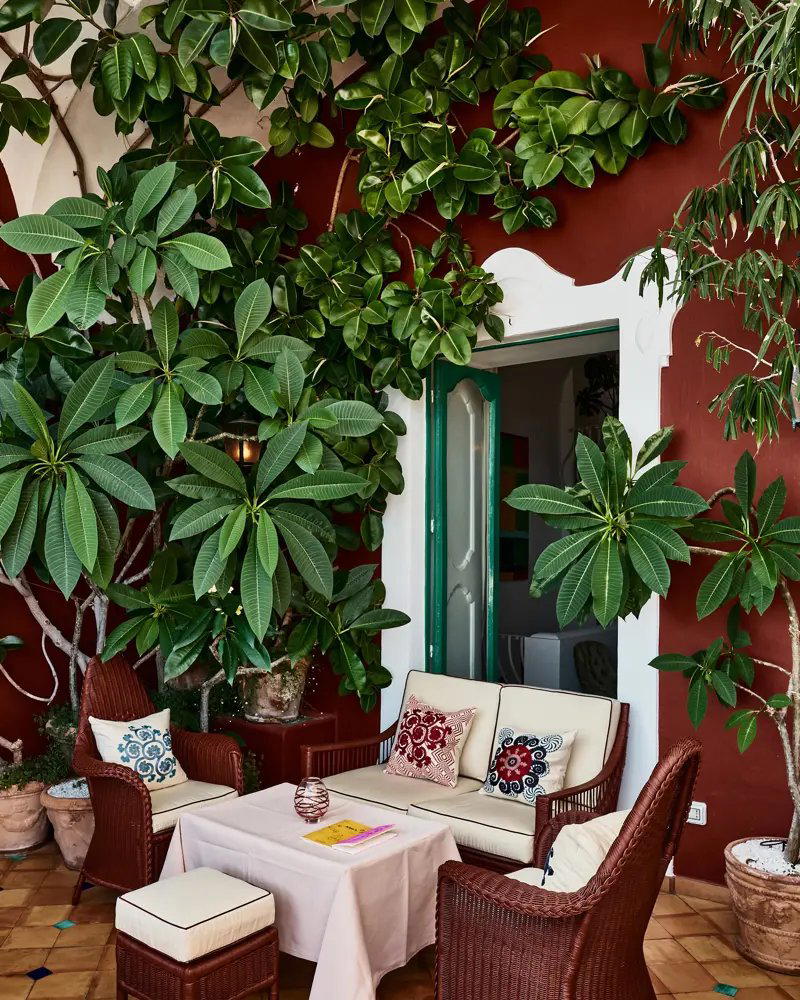
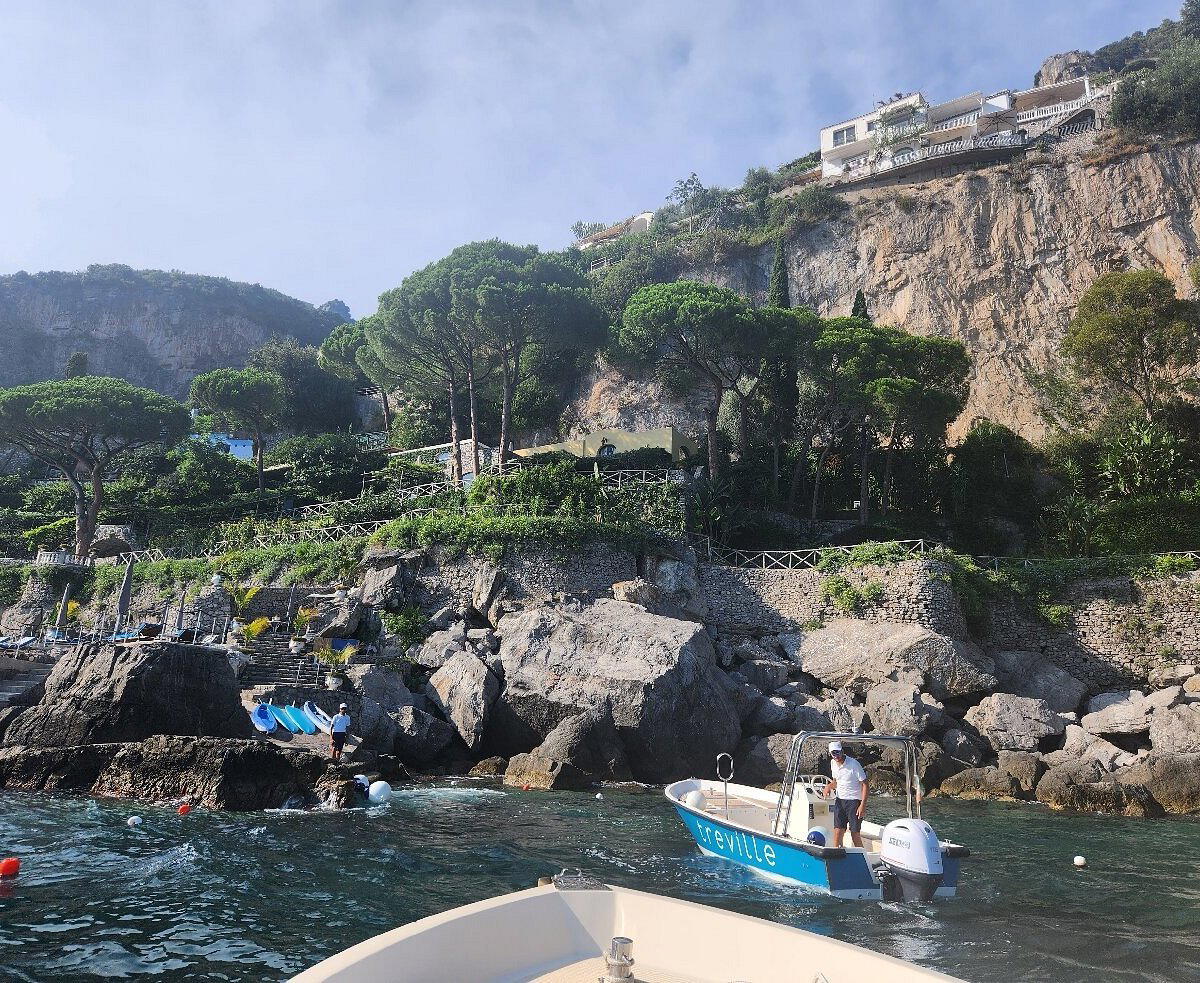
Hotels in Sorrento
Browse all →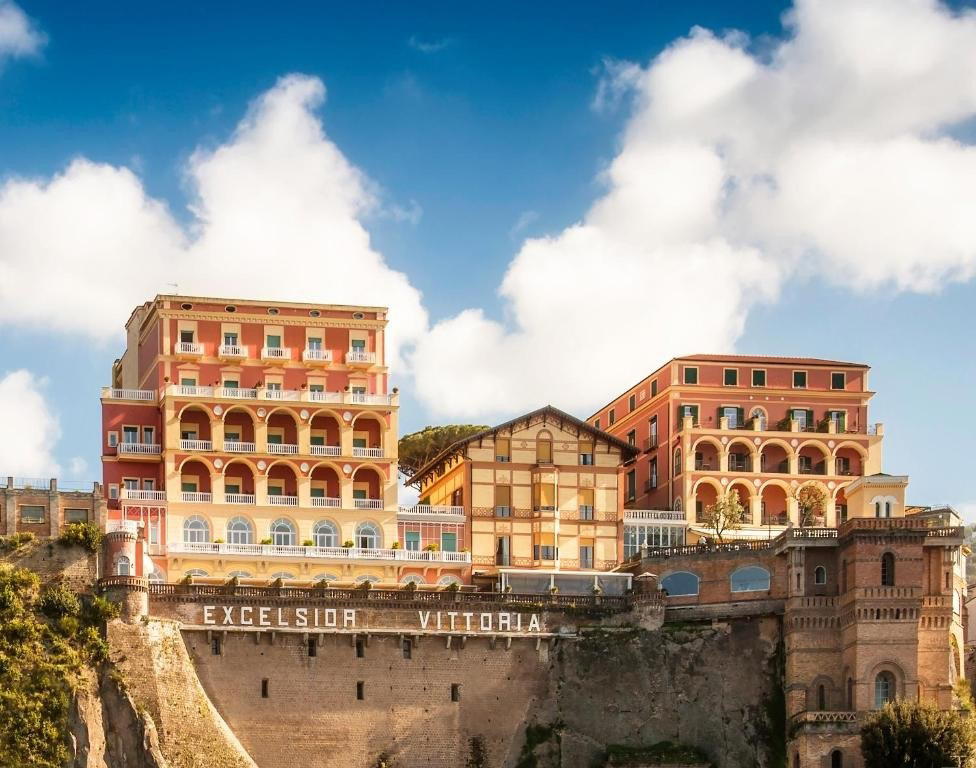

At a Glance
- Modern
- Cozy
- Date Night
- Casual Hangout
- Open Kitchen
Current opening hours
- Monday
- 11:30 AM–4 PM, 6–11 PM
- Tuesday
- 11:30 AM–4 PM, 6–11 PM
- Wednesday
- 11:30 AM–11 PM
- Thursday
- 11:30 AM–11 PM
- Friday
- 11:30 AM–11 PM
- Saturday
- 11:30 AM–11 PM
- Sunday
- 11:30 AM–4 PM, 6–11 PM
Hours can change for holidays and private events. Last verified .
Casual dining with nice ambiance, clean and modern setting focused on Japanese design.