
On Via Correale in central Sorrento, l'Orangerie occupies a stretch of the Sorrentine Peninsula where the sourcing of local produce has long shaped how restaurants compete. The address places it within easy reach of the town's historic centre, and the surrounding agricultural tradition, volcanic soils, coastal citrus groves, fishing grounds in the Bay of Naples, provides the raw material framework that defines serious cooking in this part of Campania.
Pearl is the En Primeur Club membership app — saves, bookings, and concierge access live there. Same editors, same standards.
- Address
- Via Correale, 8, 80067 Sorrento NA, Italy
- Phone
- +39818777868
- Website
- orangerie.exvitt.it
- Directions
- Get directions
 Saves & bookings on Pearl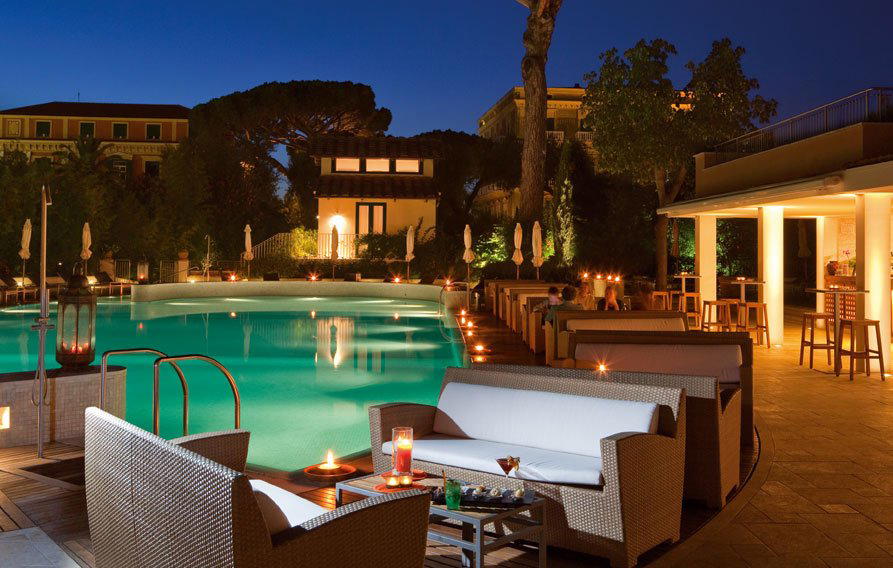
Where the Sorrentine Table Begins: The Provenance Question
Sorrento sits at the northern edge of a peninsula whose agricultural identity is as pronounced as any in southern Italy. The volcanic basalt soils that run from the slopes of Vesuvius down toward the coast produce tomatoes, citrus, and olive oil that carry a mineral sharpness rarely replicated further north. The fishing grounds between Sorrento and Capri, meanwhile, have supplied local kitchens for centuries with whatever the season allows: sea bream, red mullet, squid, and the smaller schooling fish that appear on menus across Campania in ways that reflect availability rather than menu engineering. Restaurants that take ingredient sourcing seriously in this town do so within a framework that the landscape itself imposes, and that framework is among the more compelling in Italy.
l'Orangerie, addressed at Via Correale 8 in central Sorrento, sits within that tradition. The address itself is instructive: Via Correale runs through one of the quieter residential and horticultural parts of town, removed from the more tourist-facing restaurants along Piazza Tasso and the clifftop terraces. That positioning tends to attract a clientele with a different set of expectations, less concerned with the view and more attentive to what arrives on the plate.
The Setting and What It Signals
Approaching a restaurant named for an orangery carries a specific set of architectural and horticultural expectations. The orangerie as a building type, glass, iron, citrus trees kept in cultivation through northern winters, carries associations with 18th-century estate dining, with the cultivation of fragile things in controlled conditions. In Sorrento, where the lemon groves produce fruit year-round without any architectural intervention, the name reads differently: it gestures toward the local agricultural abundance rather than the imported northern European tradition. Whether the interior fulfils that suggestion is the kind of detail that only the room itself can answer, but the name sets a frame.
Sorrento's premium dining tier has developed in two directions over the past decade. One group of restaurants, including Terrazza Bosquet with its creative tasting format, has moved toward modernist technique applied to Campanian ingredients. Another group, represented by addresses like Bellevue Syrene 1820, has stayed closer to classical Italian cooking with an emphasis on regional identity. l'Orangerie's positioning on Via Correale places it adjacent to both conversations without being definitively captured by either.
Campanian Sourcing: Why It Matters Here
The sourcing argument in Campanian cooking is not a marketing construct, it is a geological and historical fact. The DOP protections covering San Marzano tomatoes, Sorrento lemons, and Campania's fior di latte reflect real distinctions in flavour that centuries of cultivation on specific soils have produced. When a kitchen in Sorrento claims to work with local produce, the claim is verifiable in a way that it would not be in a city further removed from primary production. The question for any serious restaurant in this town is not whether to use local ingredients, the competitive expectation is that they will, but how specifically they source, how seasonally they adapt, and how much the provenance actually shapes the cooking rather than simply appearing on the menu description.
Along the Sorrentine Peninsula and into the broader Bay of Naples dining scene, this question separates a number of the region's more attentive addresses from those treating local produce as a marketing layer. Quattro Passi in Marina del Cantone, a two-Michelin-star address on the southern coast of the peninsula, has made the sourcing question central to its identity, working with local fishermen and producers in ways that are traceable through the menu. Further along the Italian coastline, Uliassi in Senigallia has built a three-star reputation around Adriatic seafood handled with comparable rigor. These are the reference points against which sourcing-led cooking in southern Italy tends to be measured.
The Broader Italian Fine Dining Context
Sorrento does not sit at the centre of Italy's fine dining conversation in the way that Modena, Milan, or the Langhe do. Osteria Francescana in Modena, Enrico Bartolini in Milan, and Piazza Duomo in Alba anchor the northern tier of Italian gastronomy, where investment in technique, wine cellars, and international press attention has been concentrated. The south, by contrast, has historically competed on ingredient quality and tradition rather than on the kind of technical ambition that draws critics from London or New York. That is beginning to shift: Campanian kitchens are attracting more serious attention, partly because the ingredient base is genuinely compelling and partly because the price-to-quality ratio has remained more accessible than the north.
For reference, restaurants like Il Buco and Lorelei represent Sorrento's Mediterranean-facing mid-to-upper tier, while Da Bob Cook Fish occupies the more casual seafood register. l'Orangerie sits in a distinct position on Via Correale, one that the address and the name together suggest is pitched at a more considered dining occasion rather than the scenic terrace meal that draws visitors to the cliff-edge tables elsewhere in town.
Italy's most decorated kitchens, Le Calandre in Rubano, Dal Pescatore in Runate, Enoteca Pinchiorri in Florence, and Reale in Castel di Sangro, have each built their reputations through specific, consistent commitments to sourcing, technique, or regional identity over long periods. The Campanian table has its own version of this conversation, and it is one that restaurants in Sorrento are increasingly part of. Internationally, the sourcing-first approach resonates with what Le Bernardin in New York City has done with seafood provenance, and what Atomix in New York City demonstrates with Korean ingredient precision, the argument that where food comes from is as consequential as what is done to it in the kitchen. Atelier Moessmer Norbert Niederkofler in Brunico has made the alpine equivalent of this case in Italy's northeast.
Planning a Visit
Via Correale is accessible on foot from Sorrento's central Piazza Tasso in under ten minutes, and the address at number 8 places l'Orangerie within a quieter residential stretch of the street. The restaurant is open Monday through Sunday from 12:30 to 3 PM and 7:30 to 10:30 PM. Visitors planning around the lemon harvest season or the late-summer fishing period will find that Campanian sourcing menus respond most visibly to what is available in those windows.
In Context: Similar Options
Comparable venues nearby, for context on price, style, and recognition.
| Venue | Cuisine | Price | Awards | Notes |
|---|---|---|---|---|
| l'OrangerieThis venue — the venue you are viewing | Modern Mediterranean Italian | $$$ | Not listed | Not listed |
| Qui Sorrento | Modern Italian | $$$ | Not listed | Sorrento |
| Fauno Bar | Traditional Italian Mediterranean & Neapolitan | $$ | Not listed | Piazza Tasso |
| La Cantinaccia del Popolo | Neapolitan Trattoria | $$ | Not listed | Sorrento center |
| Zest | Modern Campania Fine Dining | $$$ | Michelin Plate | Sorrento |
| Bellevue Syrene 1820 | Modern Italian Fine Dining | $$$$ | Not listed | Piazza della Vittoria |
Recognition history
Dated appearances from independent guides and award organizations, with the underlying list record or original source where available.
Relais Chateaux Award
Relais Chateaux
Continue exploring
More in Sorrento
Restaurants in Sorrento
Browse all →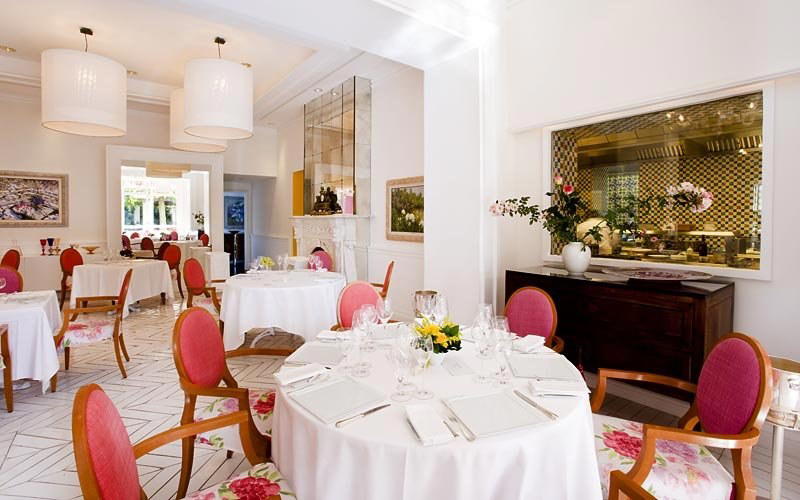
Bars in Sorrento
Browse all →
Hotels in Sorrento
Browse all →

At a Glance
- Romantic
- Elegant
- Scenic
- Cozy
- Date Night
- Special Occasion
- Terrace
- Hotel Restaurant
- Extensive Wine List
- Craft Cocktails
- Local Sourcing
- Garden
Current opening hours
- Monday
- 12:30–3 PM, 7:30–10:30 PM
- Tuesday
- 12:30–3 PM, 7:30–10:30 PM
- Wednesday
- 12:30–3 PM, 7:30–10:30 PM
- Thursday
- 12:30–3 PM, 7:30–10:30 PM
- Friday
- 12:30–3 PM, 7:30–10:30 PM
- Saturday
- 12:30–3 PM, 7:30–10:30 PM
- Sunday
- 12:30–3 PM, 7:30–10:30 PM
Hours can change for holidays and private events. Last verified .
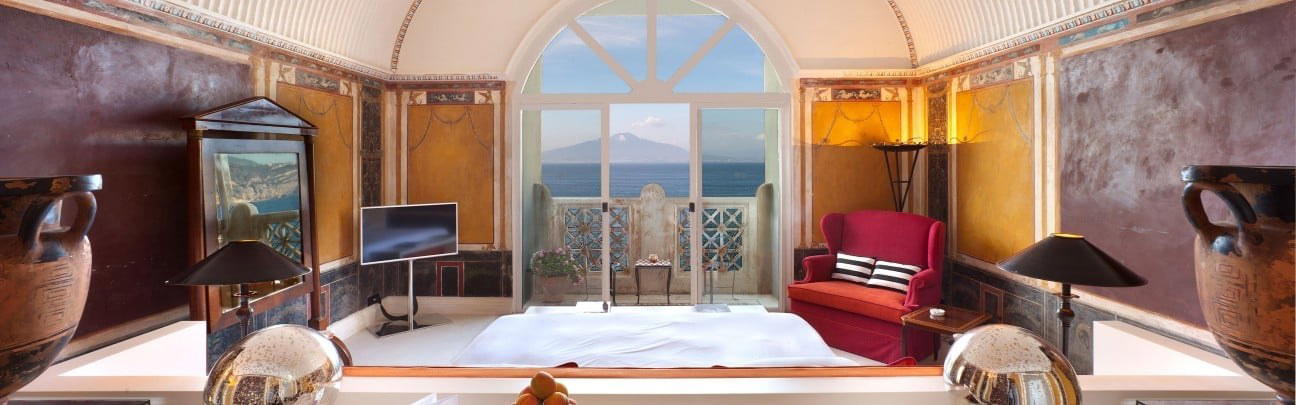
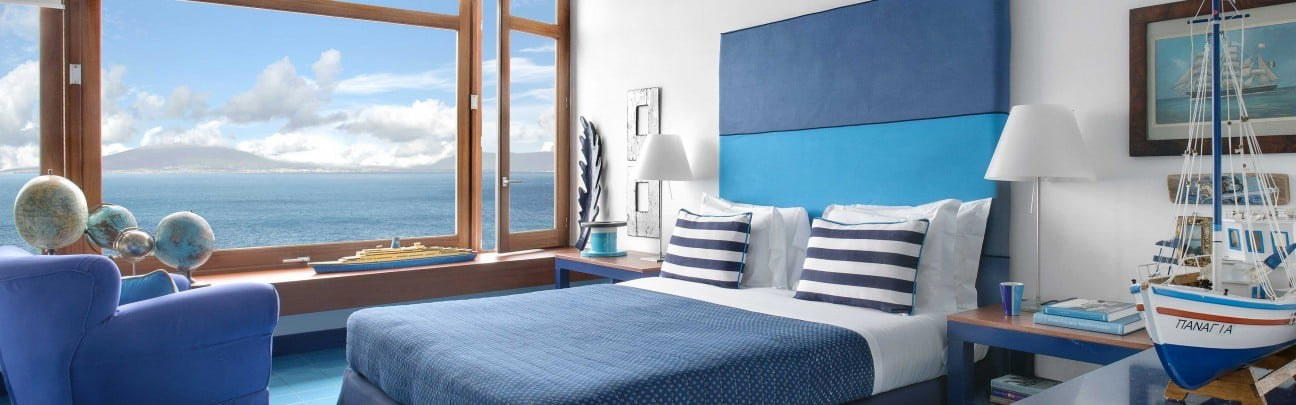
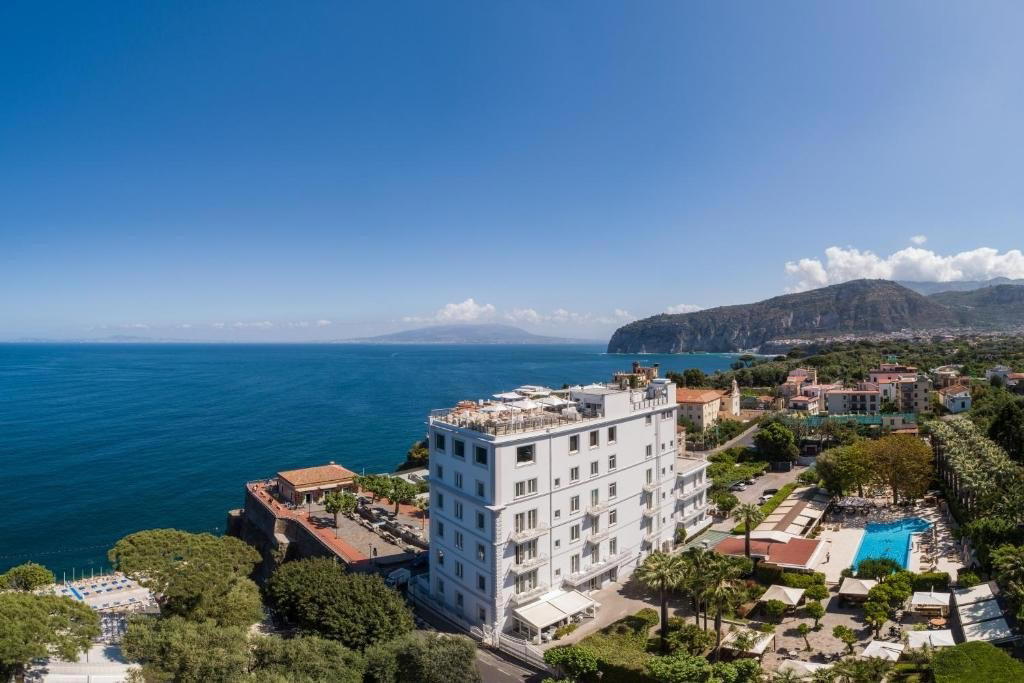
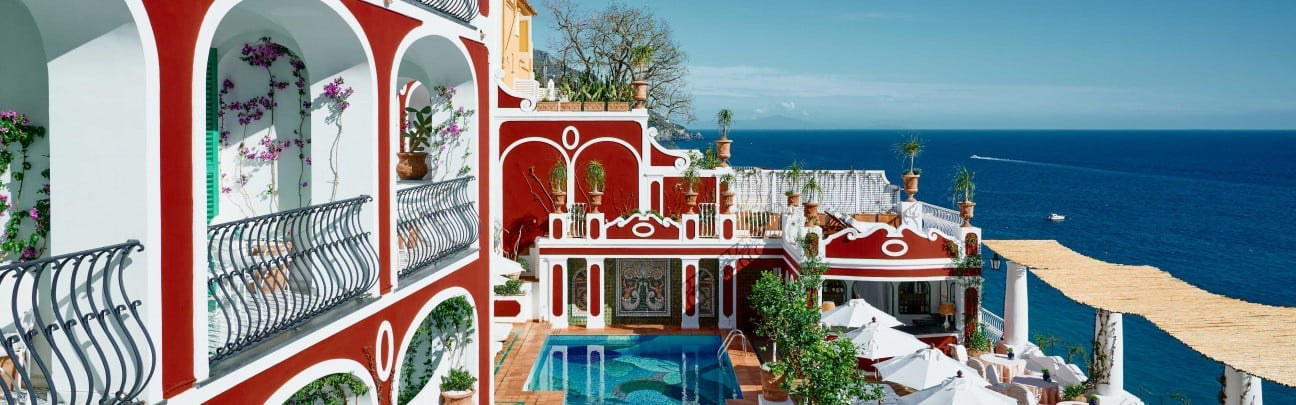
Relaxed, comfortable, serene atmosphere amid orange groves, transforming into a glamorous lounge at night.