Our verdict
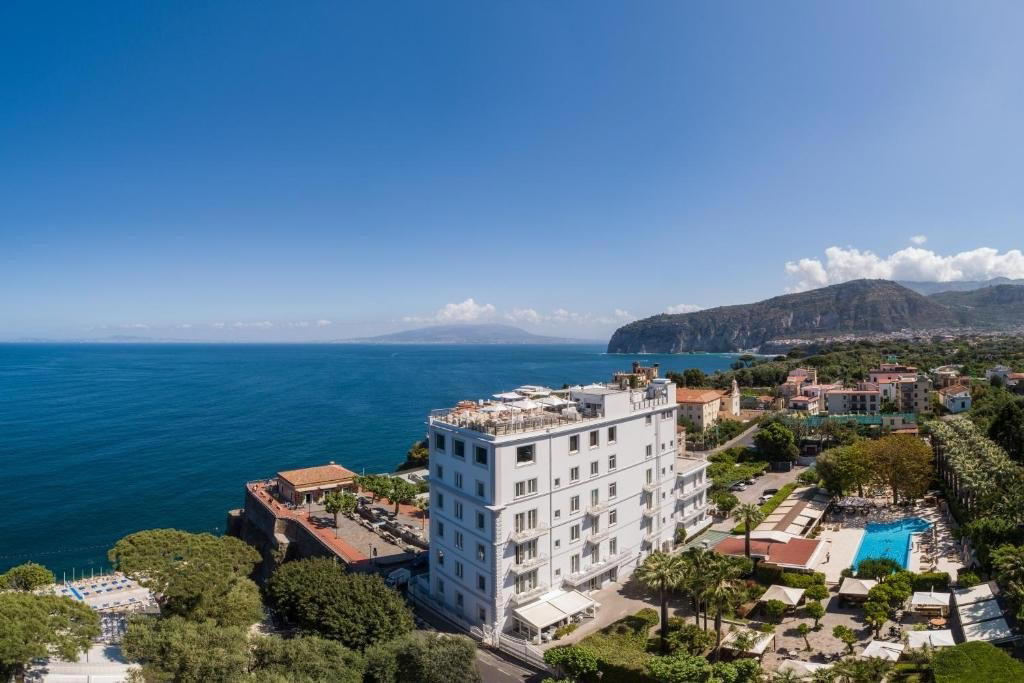
On Corso Italia, Sorrento's main promenade, Qui Sorrento occupies a position at the centre of the peninsula's dining conversation. The address places it within walking distance of the cliff-edge restaurants and historic piazzas that define the town's eating culture, making it a practical base from which to read the local scene. Sorrento's cuisine runs on lemon groves, Gulf of Naples seafood, and a deep suspicion of unnecessary complication.

Pearl is the En Primeur Club membership app, where members save venues, book tables and use the concierge.

The menu
What to order
- Tasting platter QUI t'annammur
- Catch of the day
- Citrus cake
Reading Sorrento Through Its Table
Corso Italia in high season moves at two speeds: tourists in a hurry and locals who have nowhere else to be. Qui Sorrento sits on this stretch at number 325, a Sorrento address that situates it inside the town's most trafficked commercial corridor, where the smell of sfogliatelle from pasticcerie competes with the salt coming off the water below the cliffs. The approach is familiar to anyone who has eaten their way through a southern Italian coastal town: the architecture above street level tells a different story from the ground-floor shopfronts, and the dining rooms worth your time are rarely the ones with photographs on the A-boards outside.
Southern Italian coastal dining has its own ritual logic, one that differs from the tasting-menu tempo of a place like Terrazza Bosquet or the celebration-dinner formality of Bellevue Syrene 1820. Here, the pacing is set by the meal itself rather than by a kitchen passing dishes at predetermined intervals. Antipasti arrive when they are ready. Conversation is expected to fill the gaps. The meal is a duration, not a transaction, and that expectation is baked into how the peninsula has eaten for generations.
The Sorrento Dining Tradition
Sorrento's culinary identity rests on a short list of very good ingredients used with discipline. The Amalfi lemon, the sfusato, grown on terraced groves above the coastline, is the town's most famous export and its most significant flavouring agent. It appears in limoncello, in sauces, in desserts, and as a palate signal that separates local cooking from the tourist-facing imitations that cluster near the ferry port. Gulf of Naples seafood, particularly mussels, clams, sea bass, and the small local octopus, provides the protein architecture of most serious menus in the area.
The region sits geographically and gastronomically between Naples and the Amalfi Coast. Naples pulls southward with its pizza and ragù traditions; the Amalfi side pulls toward refinement and view-dining premiums. Sorrento's better tables tend to hold a position between the two, comfortable with fresh pasta and fish preparations that do not require architectural plating to justify themselves. Compare this to the more ambitious kitchen projects further up the Italian peninsula, such as Osteria Francescana in Modena or Le Calandre in Rubano, and the Sorrentine approach reads as deliberately unshowy, grounded in produce rather than technique as spectacle.
Where Qui Sorrento Sits in the Local Tier
Sorrento's restaurant tier divides roughly into three bands. At the leading end, a small group of restaurants, Terrazza Bosquet and Bellevue Syrene 1820 among them, price at the €€€€ level and operate with formal service structures. The middle tier, where the Corso Italia addresses tend to cluster, trades on accessibility, location, and consistent regional cooking. Below that, the port-adjacent trattorias serve the ferry-day visitor on a two-hour window. A Corso Italia address like Qui Sorrento positions itself in that middle band, competing on proximity to the town's commercial and social centre rather than on destination credentials.
Nearby, Il Buco and Lorelei represent the Mediterranean end of the spectrum, with Il Buco at the €€€€ level and Lorelei offering a sea-view proposition that commands its own premium. For direct seafood at a lower price point, Da Bob Cook Fish at €€ serves as the reference for unfussy fish cooking in the area. Understanding where a restaurant sits relative to these reference points matters more than any individual detail about a particular kitchen.
The Ritual of Eating Here
The southern Italian meal has a choreography that rewards patience. Aperitivo in Sorrento is not the Milanese high-performance buffet; it is a glass of local white or a Campari with something small, taken standing or at a pavement table while the evening light changes colour over the Bay of Naples. The progression to antipasti is unhurried. A table in this part of Italy is held for the night, not turned at ninety minutes, which means the decision to sit down is also a decision to let the evening go where it wants to go.
This rhythm distinguishes the Sorrentine dining experience from the more structured tasting formats found at Italian fine-dining destinations such as Piazza Duomo in Alba or Atelier Moessmer Norbert Niederkofler in Brunico, where the kitchen controls pacing absolutely. In Sorrento, the kitchen and the table negotiate, and the table usually wins. At the seafood end of the spectrum, that same unhurried approach can be found at a neighbouring coastal property: Quattro Passi in Marina del Cantone demonstrates how the Gulf coast's leading seafood cooking operates when given space and ambition simultaneously.
Planning a Visit
Sorrento's dining peak runs from April through October, with August bringing the highest compression of visitors and the longest waits for tables without reservations. A Corso Italia address is convenient for visitors staying in the town centre or arriving by train from Naples, the Circumvesuviana station sits a short walk from the main corso. For a broader orientation to the town's dining options, the EP Club Sorrento restaurants guide maps the full range from port-level trattorias to cliff-leading fine dining. Visitors cross-referencing Italy's wider fine-dining canon might also find value in reading the EP Club pages on Enoteca Pinchiorri in Florence, Enrico Bartolini in Milan, Uliassi in Senigallia, Reale in Castel di Sangro, and Dal Pescatore in Runate to calibrate expectations across the country's dining tiers. For international reference points at the highest level, Le Bernardin in New York City and Atomix in New York City offer a useful contrast in how seafood-focused and tasting-menu formats operate at global scale.
Frequently asked questions
What's the address for Qui Sorrento?
Qui Sorrento is located at Corso Italia, 325, 80067 Sorrento NA, Italy, Sorrento.
How does Qui Sorrento compare to other restaurants on Corso Italia?
Sorrento's restaurant tier places a small group of hotel dining rooms, Terrazza Bosquet and Bellevue Syrene 1820 among them, at the formal end, with Corso Italia addresses occupying the middle band where the local and visitor trade overlaps. Qui Sorrento sits on this stretch at number 325, positioning it for diners who want the Campanian table without the formality of a grand hotel dining room. That mid-tier position in a city with a well-defined culinary identity means the ingredient standard is set by the region, not by the venue's ambition alone.
What should I order at Qui Sorrento?
Sorrento's kitchen tradition centres on a tight set of regional ingredients: sfusato lemons from the Amalfi terraces, fresh seafood from the bay, and pasta cuts that follow Campanian convention. At a Corso Italia address like Qui Sorrento, the menu is expected to reflect this discipline rather than stray toward pan-Italian generalism. Focus on dishes that put the lemon to structural use, in a sauce, a dressing, or a granita, and treat the seafood starters as the meal's main argument.
Should I book Qui Sorrento in advance?
Sorrento's dining peak runs from April through October, and Corso Italia, the town's central axis, carries the highest foot traffic of any street in the area during August. Tables with any view or terrace access at restaurants along this stretch fill ahead of the evening service from mid-June onward. A reservation at least a day in advance is the safer approach during peak months; outside of summer, walk-ins along Corso Italia 325 are more reliably accommodated.
What It’s Closest To
Comparable venues nearby, for context on price, style, and recognition.
| Venue | Cuisine | Price | Awards | Notes |
|---|---|---|---|---|
| Qui SorrentoThis venue (the venue you are viewing) | Modern Italian | $30–50 | Not listed | Not listed |
| l'Orangerie | Modern Mediterranean Italian | Not listed | Relais Chateaux Award | Sorrento |
| Radical Sorrento | Modern International Brunch | $20–30 | Not listed | Sorrento center |
| Zest | Modern Campania Fine Dining | $150–200 | Michelin Plate · We're Smart World 3 Radishes | Sorrento |
| Fauno Bar | Traditional Italian Mediterranean & Neapolitan | $20–30 | Not listed | Piazza Tasso |
| La Cantinaccia del Popolo | Neapolitan Trattoria | $10–20 | Not listed | Sorrento center |
Continue exploring
More in Sorrento
Restaurants in Sorrento
All restaurants in Sorrento →
Bars in Sorrento
Browse all →

Details
- Modern
- Minimalist
- Elegant
- Intimate
- Date Night
- Special Occasion
- Standalone
- Extensive Wine List
- Local Sourcing
- A La Carte
- Wine
- Vegetarian Friendly
- Vegan Options
- Gluten Free Options
Current opening hours
- Monday
- 12:15–2:30 PM, 7–10:30 PM
- Tuesday
- 12:15–2:30 PM, 7–10:30 PM
- Wednesday
- Closed
- Thursday
- 7–10:30 PM
- Friday
- 12:15–2:30 PM, 7–10:30 PM
- Saturday
- 12:15–2:30 PM, 7–10:30 PM
- Sunday
- 12:15–2:30 PM, 7–10:30 PM
Hours can change for holidays and private events. Hours as of .
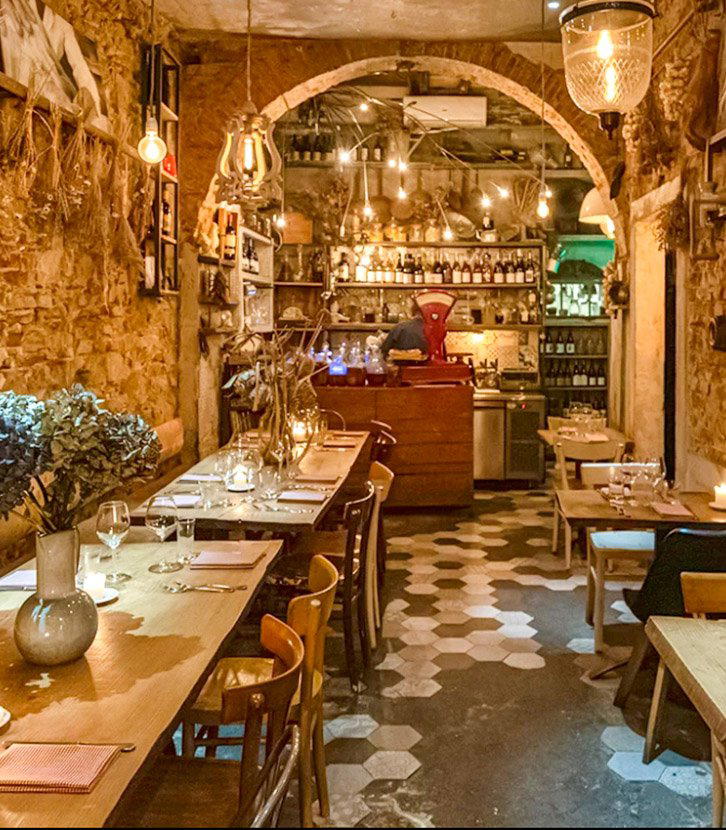
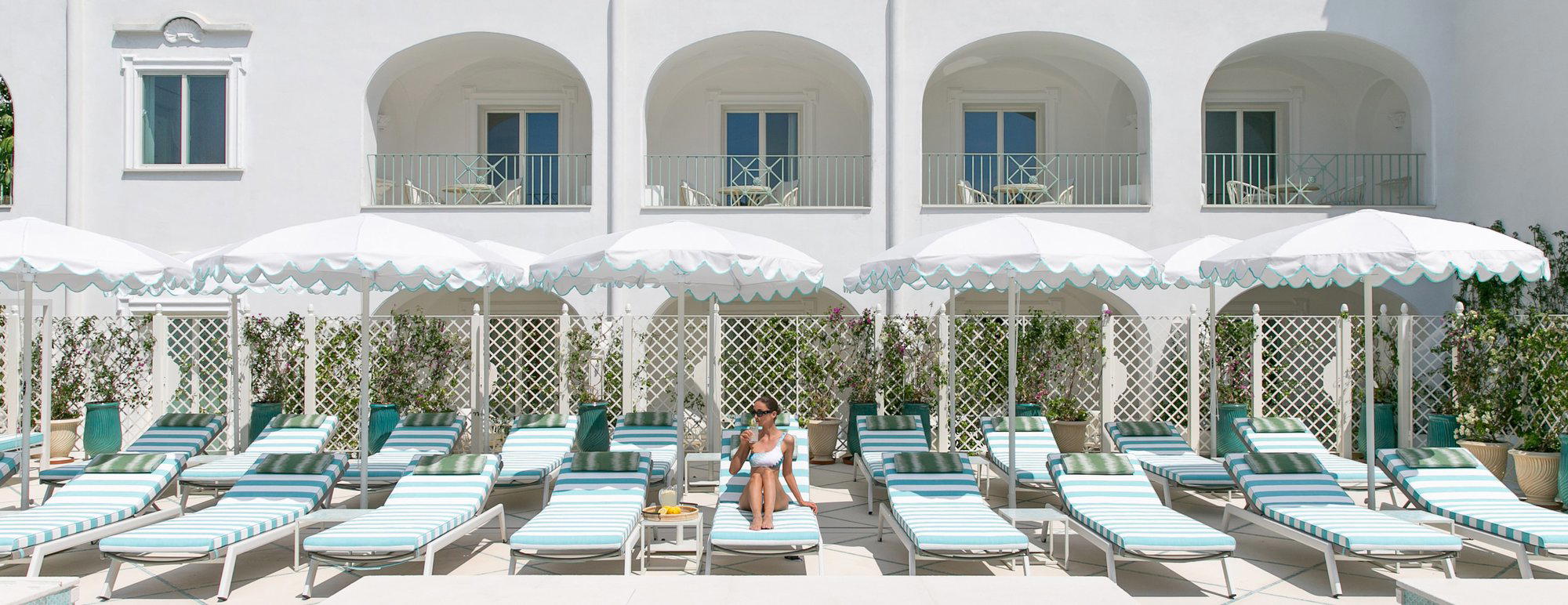
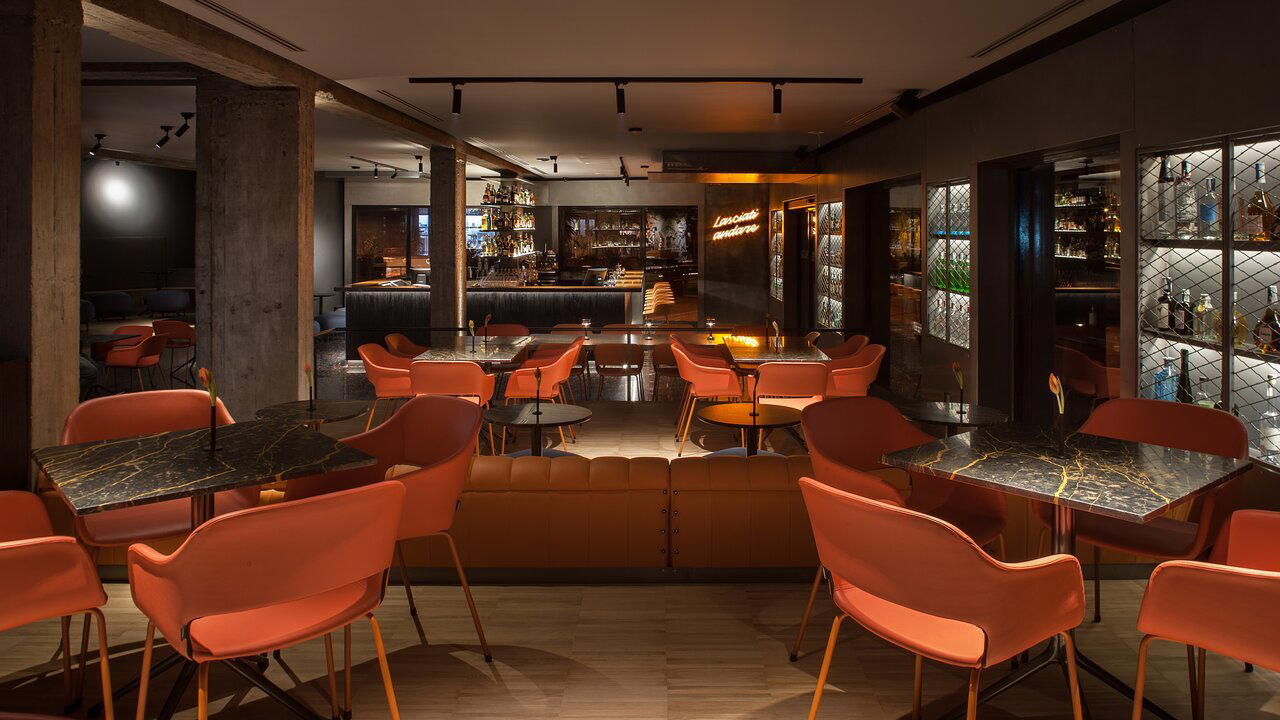
Chic and inviting with minimalist super modern design and relaxed unhurried atmosphere.