

Hokkien Huay Kuan on Wending Road in Xuhui brings Fujian cooking to one of Shanghai's more considered dining addresses, holding both a Michelin Plate (2025) and Black Pearl 1 Diamond (2025). At the ¥¥¥ price tier, it occupies a mid-premium position where regional Chinese cuisines rarely receive sustained critical attention, making this a notable exception in the city's broader Chinese fine-dining conversation.
Pearl is the En Primeur Club membership app — saves, bookings, and concierge access live there. Same editors, same standards.
- Address
- 83 Wending Rd, Xuhui District, Shanghai, China, 200030
- Website
- yueyegroup.com
- Directions
- Get directions
 Saves & bookings on Pearl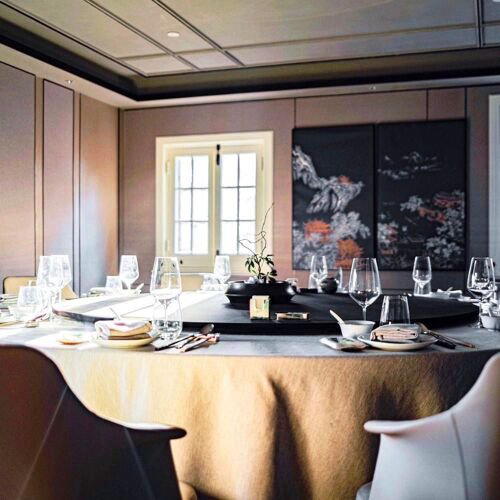
Fujian on Wending Road: What Keeps the Regulars Returning
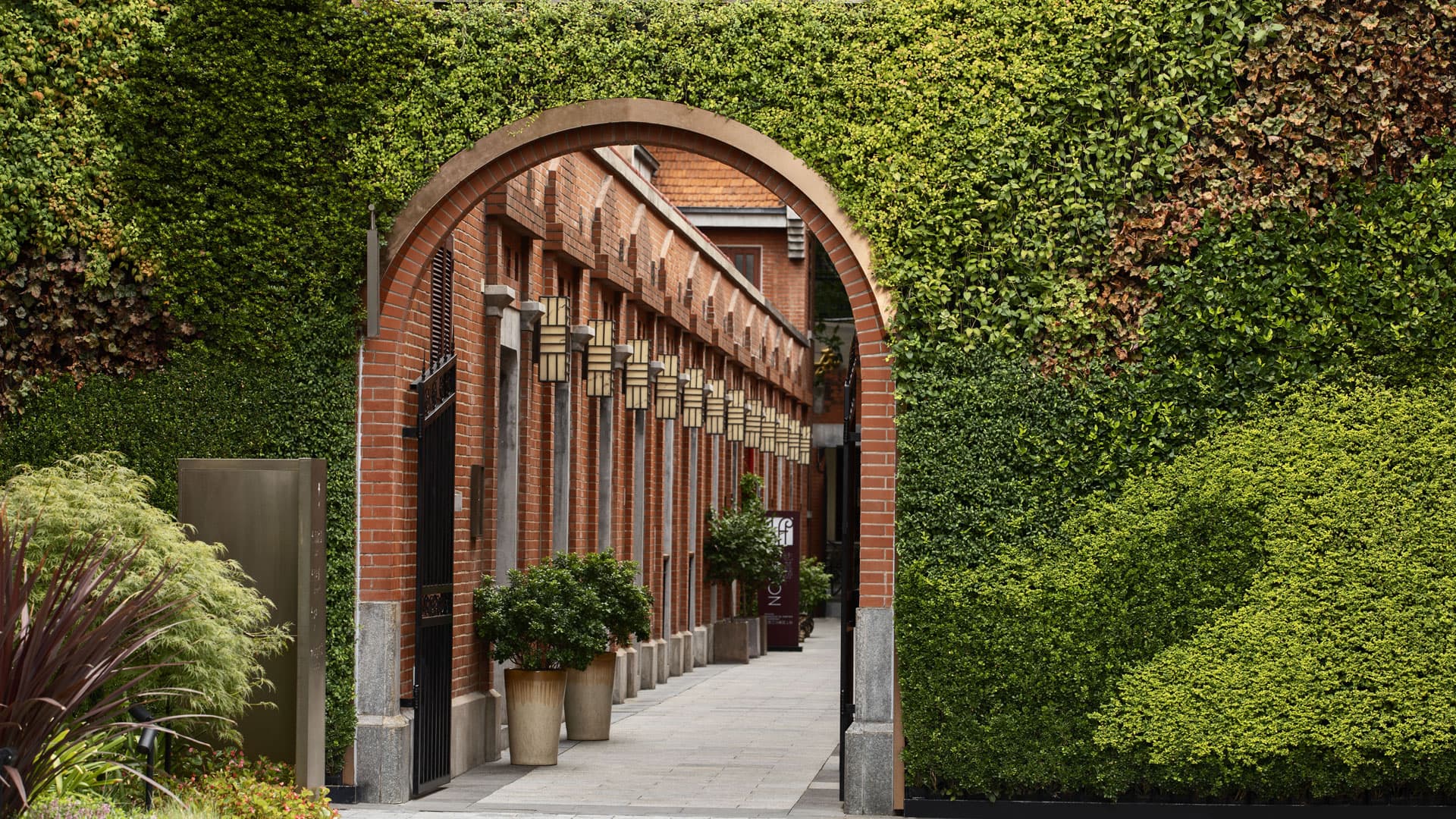
Wending Road in Xuhui carries a quieter register than the Bund-adjacent dining corridor or the cluster of high-profile rooms near Jing'an. The street runs through a stretch where lane-house architecture sits alongside understated restaurant fronts, and Hokkien Huay Kuan occupies that environment quietly. For regulars, that steadiness is part of the draw. A dining room that hasn't recalibrated itself to every seasonal trend in Shanghai's restaurant scene is, in a city of restless openings, its own kind of reliability.
The cuisine here is Fujian, sometimes called Hokkien in the Southeast Asian diaspora context where it travelled furthest, a regional tradition that remains underrepresented in Shanghai's fine-dining tier relative to Cantonese and Shanghainese cooking. Fujian cuisine is characterised by a strong emphasis on broths and soups, seafood sourced from a long coastline, and a restrained use of heavy seasoning that allows primary ingredients to speak clearly. Those qualities don't naturally lend themselves to the kind of tableside theatrics that photograph well, which may partly explain why Fujian cooking has been slower to accumulate critical mass in China's major dining cities outside Xiamen and Fuzhou. Hokkien Huay Kuan sits at the intersection of that underrepresentation and a broader shift in Shanghai dining toward regional Chinese traditions as a serious alternative to the international fine-dining template.
Critical Recognition and Where It Places in the comparable set
The dual recognition Hokkien Huay Kuan holds, a Michelin Plate in both 2024 and 2025, plus a Black Pearl 1 Diamond in 2025, places it firmly in the conversation. The Michelin Plate is an acknowledgment of quality cooking without a star designation, positioning the restaurant above the general dining tier while sitting beneath the starred bracket. The Black Pearl guide, which operates as a parallel critical framework with strong readership in mainland China, uses a diamond-tier structure; a 1 Diamond placement corresponds roughly to a well-regarded mid-premium room with consistent regional credentials.
At the ¥¥¥ price tier, the restaurant competes with Cantonese rooms at similar price points rather than the higher-spend bracket where Shanghai's starred Chinese restaurants operate. Locally, that means it sits in a different competitive frame from, say, Fu He Hui (Michelin 2 Stars, ¥¥¥¥) or the higher-tier Cantonese rooms. What it shares with peers like 102 House is a commitment to a specific Chinese regional tradition at a price point where international cuisine has historically dominated the critical conversation. For a broader read on where Fujian cooking lands across Chinese dining cities, Hokklo in Xiamen and Hokkien Cuisine in Chengdu offer useful reference points on how the tradition translates outside its home province.
The Regular's Logic: Why This Room Has a Return Clientele
Regulars at regionally-focused Chinese restaurants in Shanghai tend to share a particular profile: they've worked through the city's more visible dining options and have developed a specific appetite for cooking that prioritises fidelity to a tradition over spectacle. At the restaurant, the return logic appears grounded in consistency.1 across 34 reviews is a modest sample, but the directional signal is positive, and at a restaurant where word-of-mouth tends to move among a tighter network than the social-media-driven traffic that cycles through higher-profile openings, that sample is likely skewed toward genuinely engaged diners.
The Fujian tradition rewards repeat visits because the cuisine's depth isn't immediately obvious on a first encounter. Broths that take hours of reduction, seafood preparations that depend on sourcing relationships, and the specific regional fermentation and preserved-ingredient techniques that characterise Fujian cooking are things that a diner registers more fully across multiple visits. Regulars at this kind of room develop a working knowledge of which dishes reflect the kitchen at its most confident, and that accumulated familiarity is, in most cases, shared informally. It circulates through the dining community.
That community dynamic also explains why Fujian-specialist rooms in mainland cities outside Fuzhou and Xiamen tend to either build a committed local following or quietly close within a few years. Sustained dual recognition across 2024 and 2025 suggests the restaurant has cleared the first threshold.
Fujian in the Wider Regional Chinese Dining Conversation
Shanghai's Chinese dining tier has diversified considerably in recent years, with Hunanese, Yunnan, and Sichuan cooking all finding premium-positioned rooms that attract critical attention. Fujian has moved more slowly into that premium conversation nationally, which makes the presence of a critically recognised Fujian address in Shanghai more significant than it might appear on the surface. Comparable regional specialists holding recognition in other Chinese cities, Xin Rong Ji in Beijing, Xin Rong Ji in Chengdu, and Ru Yuan in Hangzhou, illustrate how regional Chinese traditions can build serious critical standing when the kitchen maintains discipline over time.
Within Shanghai specifically, the surrounding restaurant ecosystem on and around Wending Road includes addresses across a range of price tiers and traditions. For those building a multi-meal itinerary in Xuhui and beyond, Meet the Bund and Chic 1699 represent different ends of the Shanghai dining range, while Min He Nan Huan Xi sits closer in spirit to the regional Chinese tradition that restaurant represents. Our full Shanghai restaurants guide maps the broader field.
Planning a Visit: Address, Price, and What to Expect
The restaurant is located at 83 Wending Road in Xuhui District (200030). The ¥¥¥ price tier places it in the mid-premium bracket for Shanghai dining, meaningfully above casual regional Chinese but below the multi-starred rooms where per-head spend climbs sharply. Reservations are essential.
For those extending a Shanghai trip beyond restaurants, our Shanghai hotels guide, bars guide, and experiences guide cover the wider city. If Fujian cooking has opened an appetite for exploring how the tradition moves across regions, Imperial Treasure in Guangzhou, Chef Tam's Seasons in Macau, and Dai Yuet Heen in Nanjing provide useful comparison points for how other regional Chinese traditions are being positioned at the premium tier across Greater China.
Booking and Cost Snapshot
Comparable venues nearby, for context on price, style, and recognition.
| Venue | Cuisine | Price | Awards | Notes |
|---|---|---|---|---|
| Hokkien Huay KuanThis venue — the venue you are viewing | Xuhui, Modern Fujian Fine Dining | $$$$ | Michelin Plate | Not listed |
| Sui Tang Li | Huangpu, Modern Chinese Dim Sum | $$$$ | Michelin Plate | Not listed |
| 西郊5号 Xijiao No.5 - Maggie 5 | Zhoujiaqiaq, Modern Shanghainese Fusion | $$$$ | Not listed | Not listed |
| Tea Culture (East Beijing Road) | Not listed | $$$ | Michelin Plate | Yanqiao Xiang, Huaiyang Chinese with Tea Focus |
| Bai Rong | Da Pu Qiao, Modern Shandong Seafood | $$$$ | Michelin Plate | Not listed |
| Jade Mansion | Lan Ni Du, Modern Cantonese | $$$ | Not listed | Not listed |
Recognition history
Dated appearances from independent guides and award organizations, with the underlying list record or original source where available.
Black Pearl 1 Diamond
Black Pearl
Black Pearl 1 Diamond
Black Pearl
Michelin Plate
Michelin
Michelin Plate
Michelin
At a Glance
- Elegant
- Sophisticated
- Intimate
- Classic
- Special Occasion
- Business Dinner
- Celebration
- Private Dining
- Open Kitchen
- Extensive Wine List
- Sake Program
- Local Sourcing
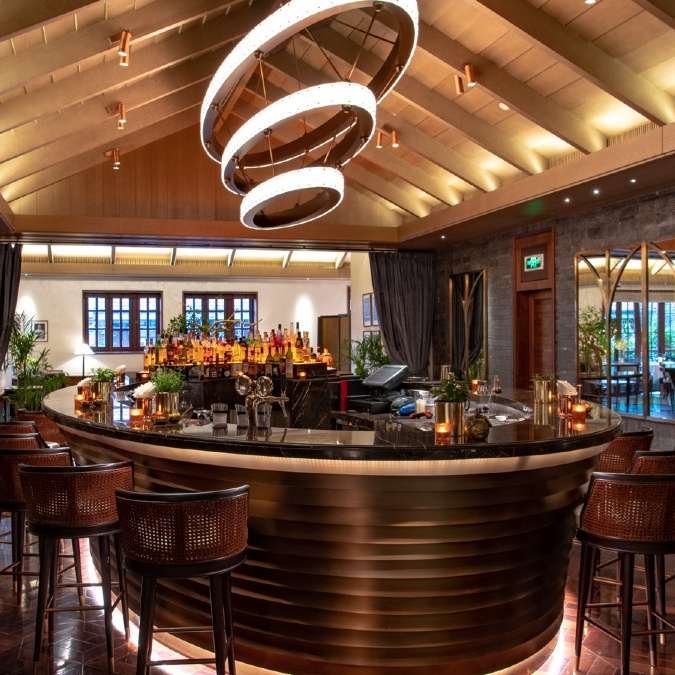
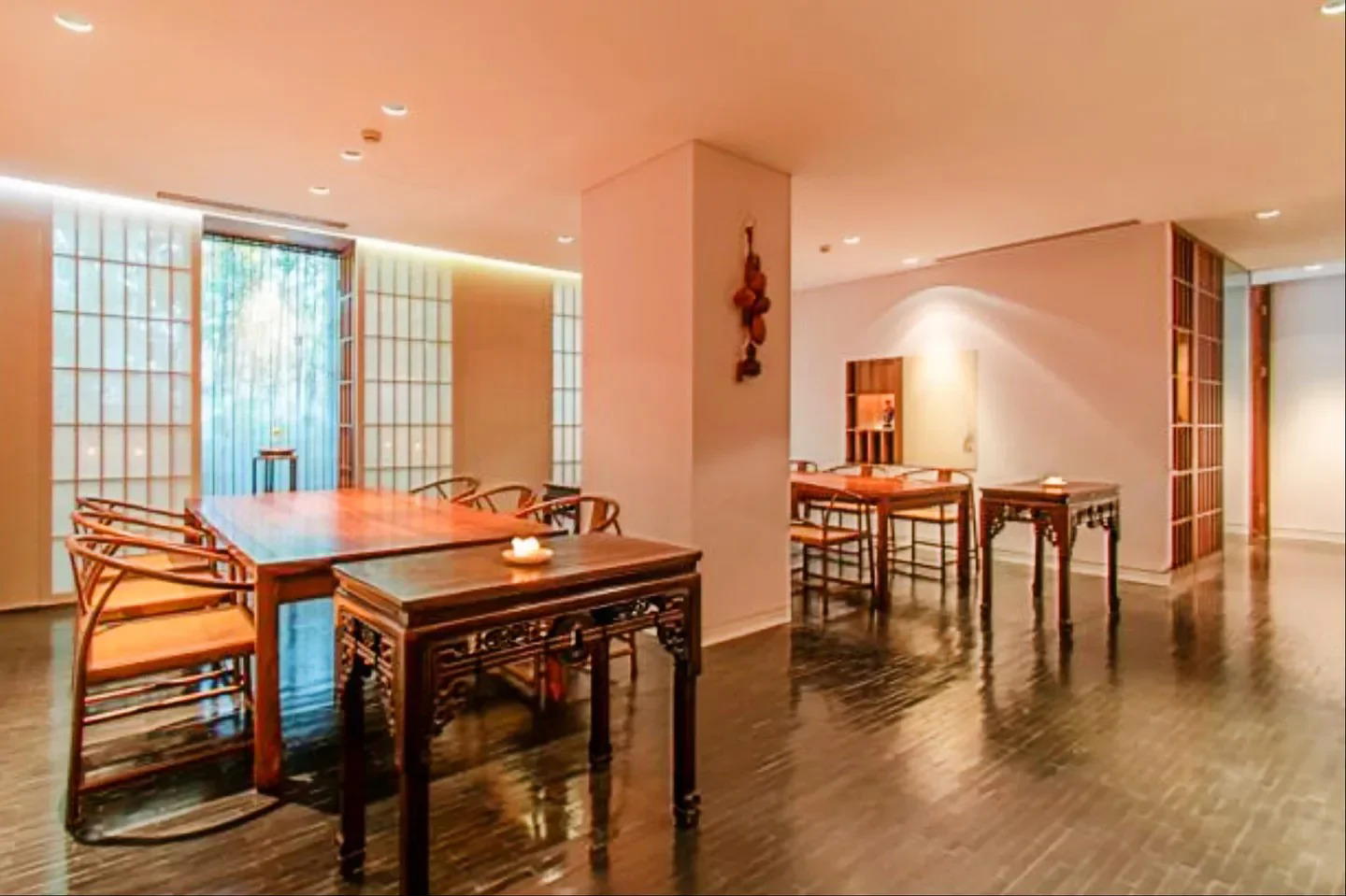
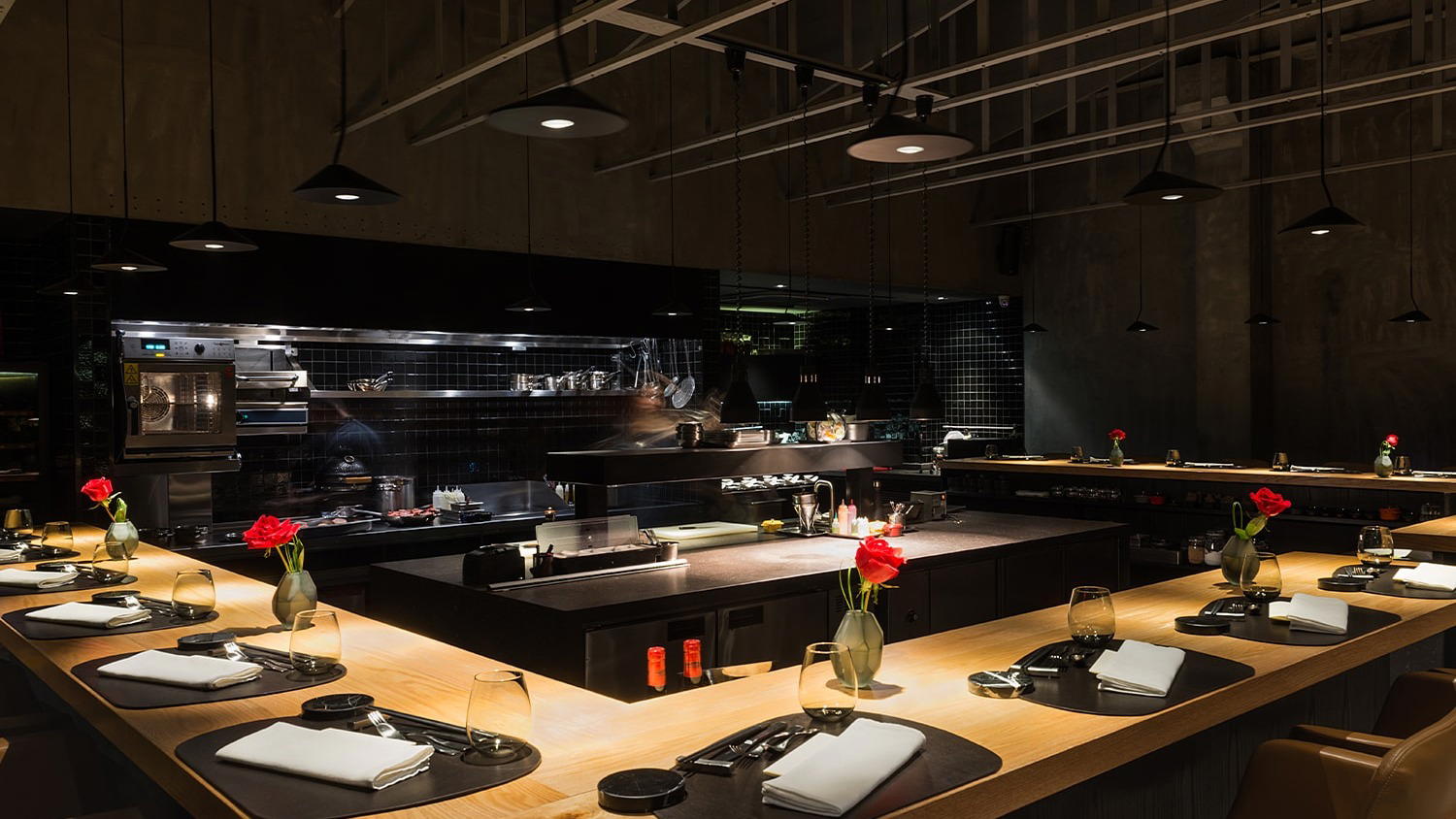
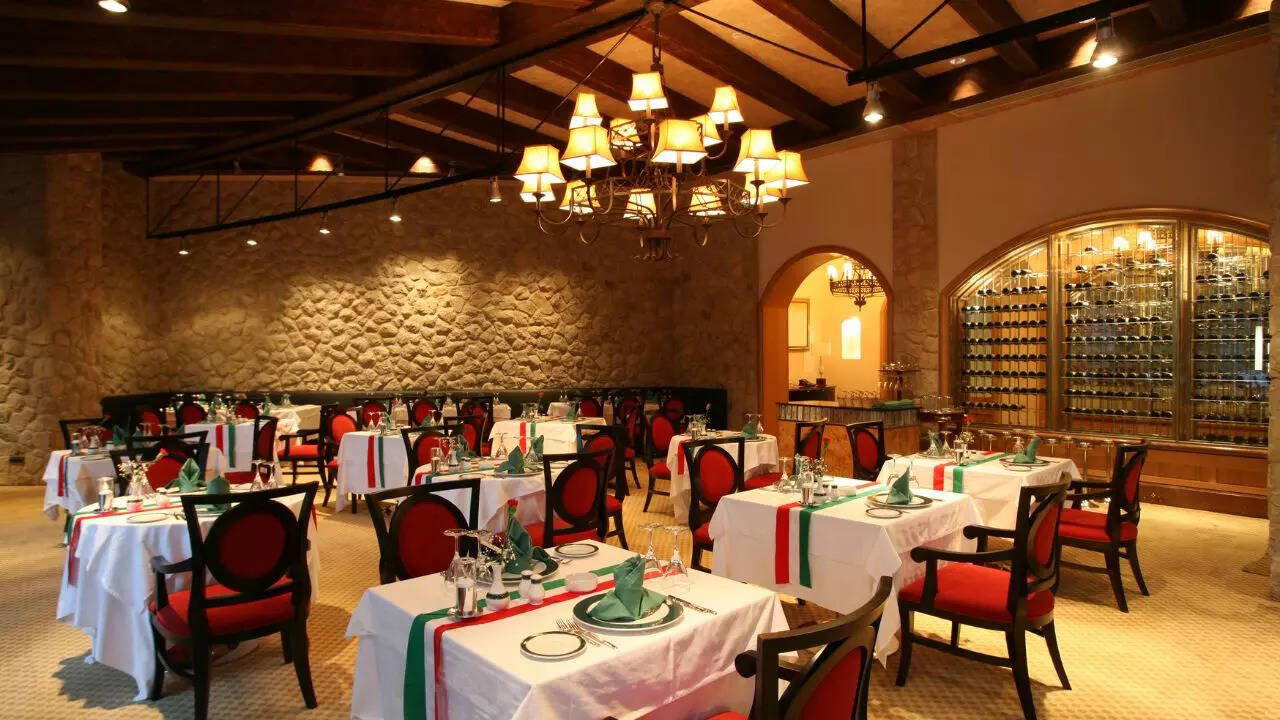
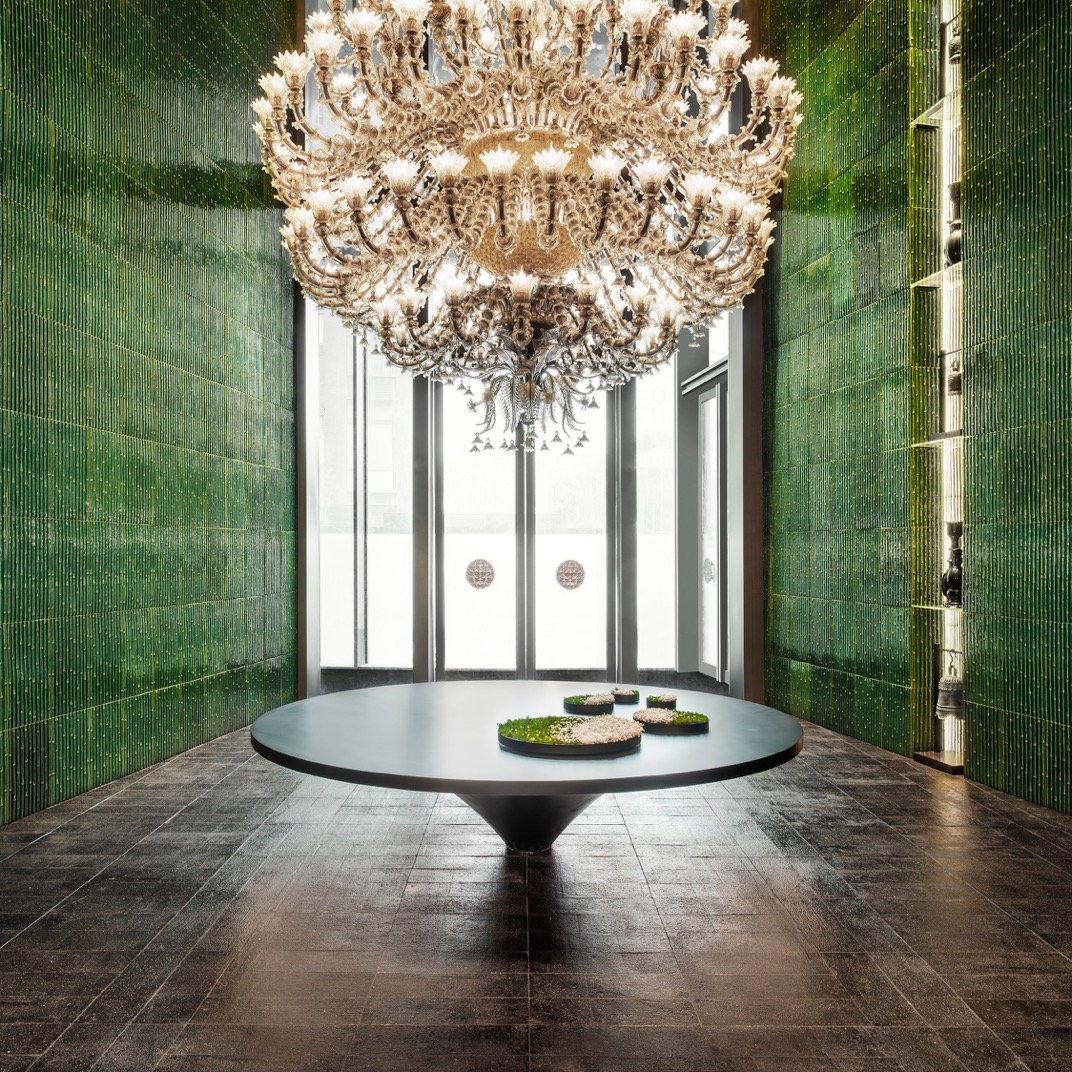
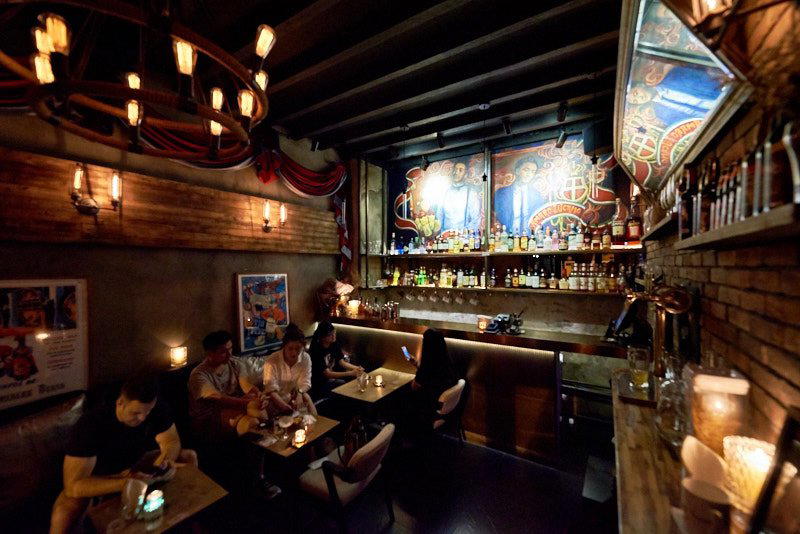
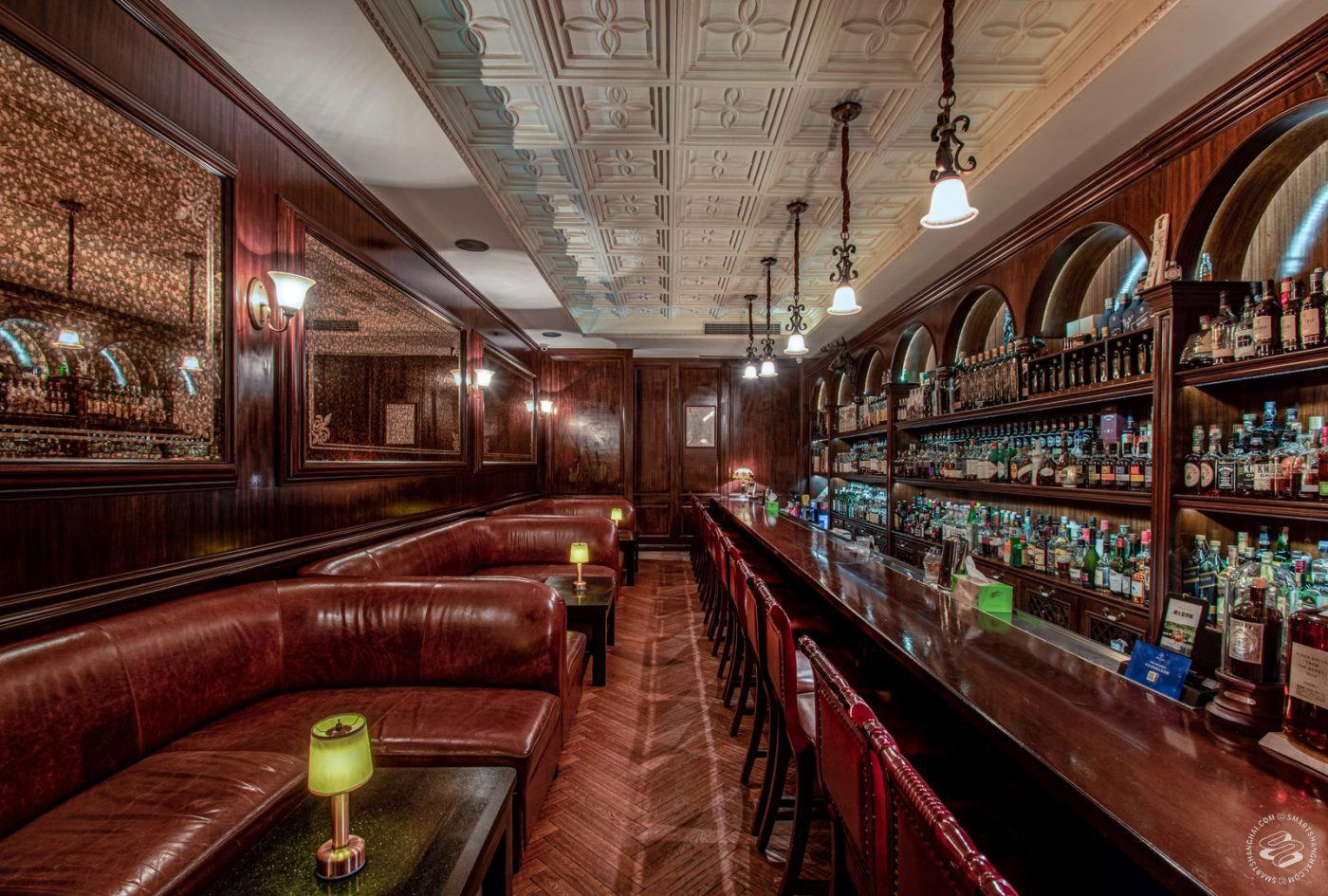
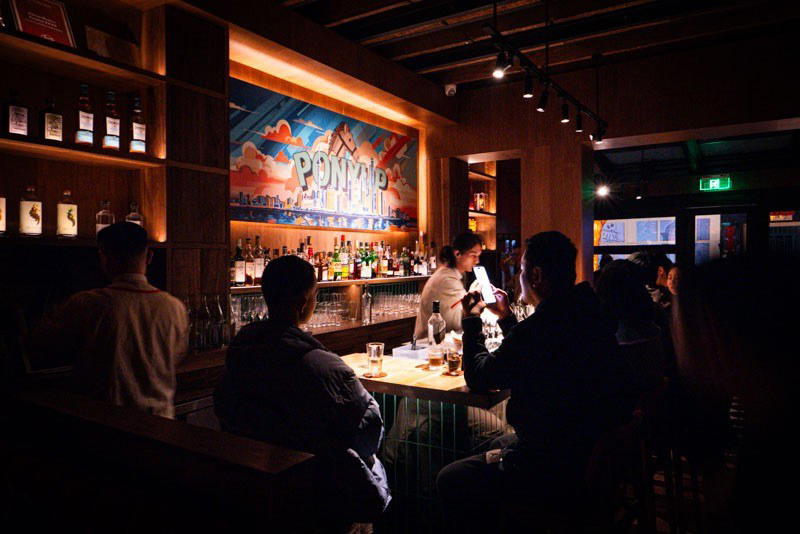
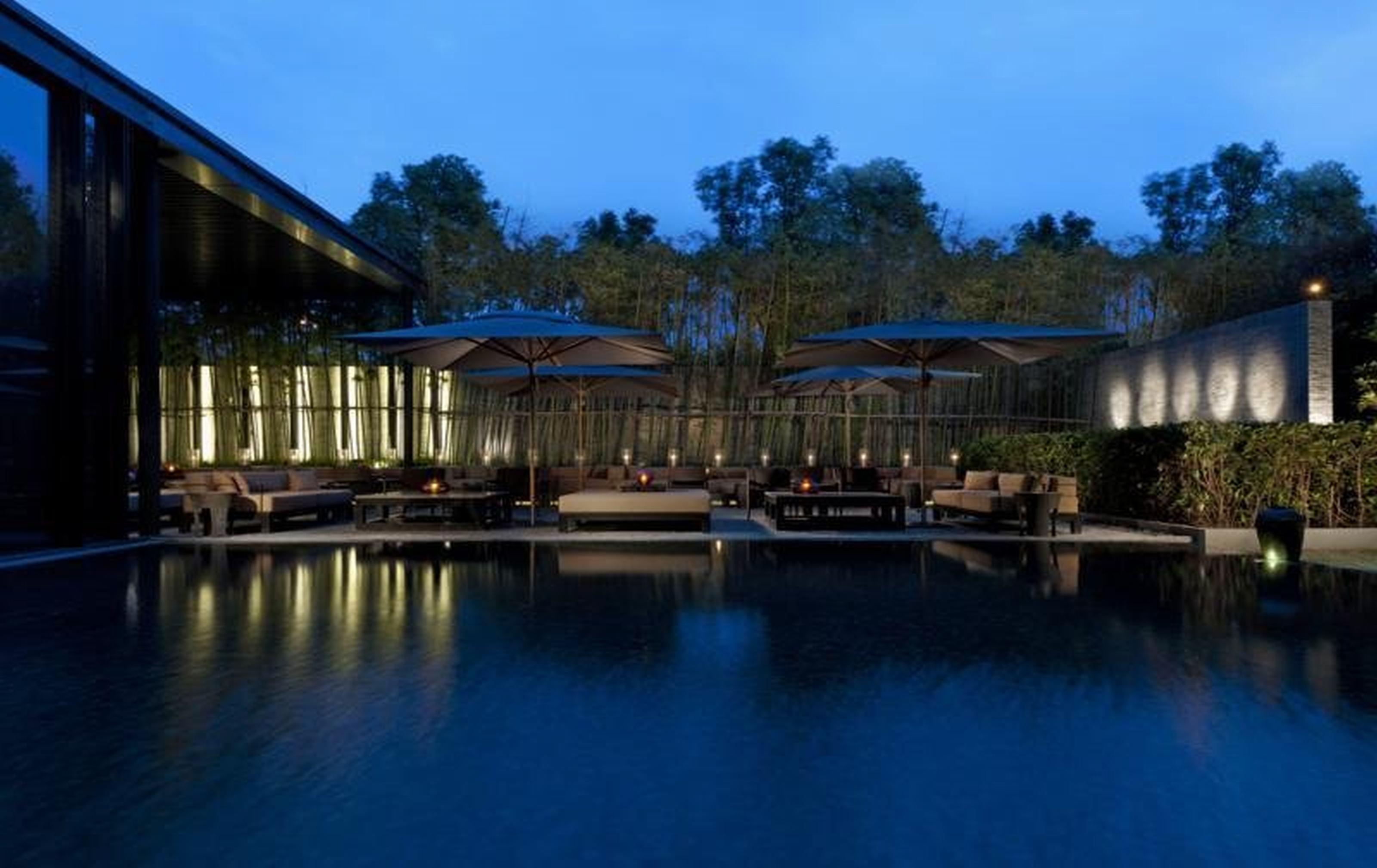
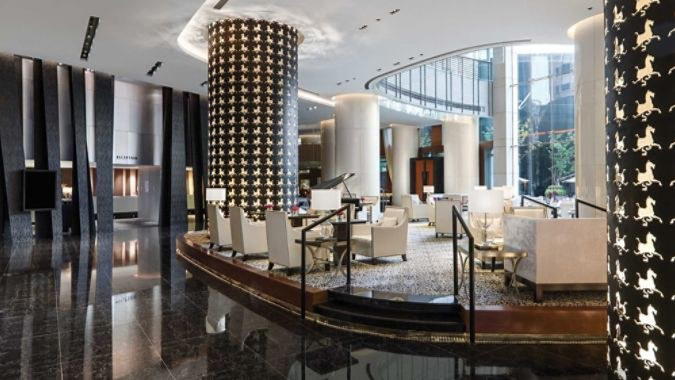
Serene dining room with rippling water features, lacquered woods, soft lighting, and porcelain accents evoking Fujian ink paintings.