


Clap brings the communal, high-energy spirit of Japanese izakaya dining to DIFC, earning consecutive Michelin Plate recognition in 2024 and 2025. The contemporary Japanese menu is built for sharing across a lively room that draws Dubai's after-work and late-night crowd.
Pearl is the En Primeur Club membership app — saves, bookings, and concierge access live there. Same editors, same standards.
- Address
- 677M+Q3X - Zaa'beel Second - DIFC - Dubai - United Arab Emirates
- Phone
- +971 4 871 8500
- Website
- claprestaurant.com
- Directions
- Get directions
 Saves & bookings on Pearl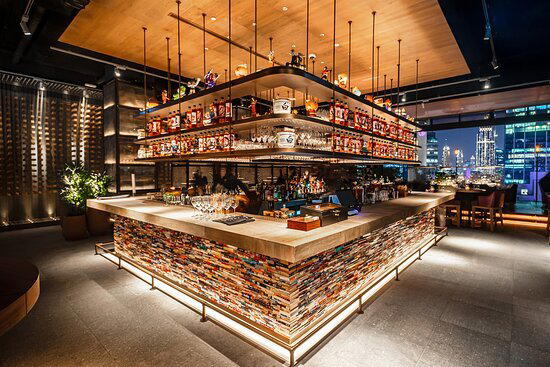
The Room Before the Food
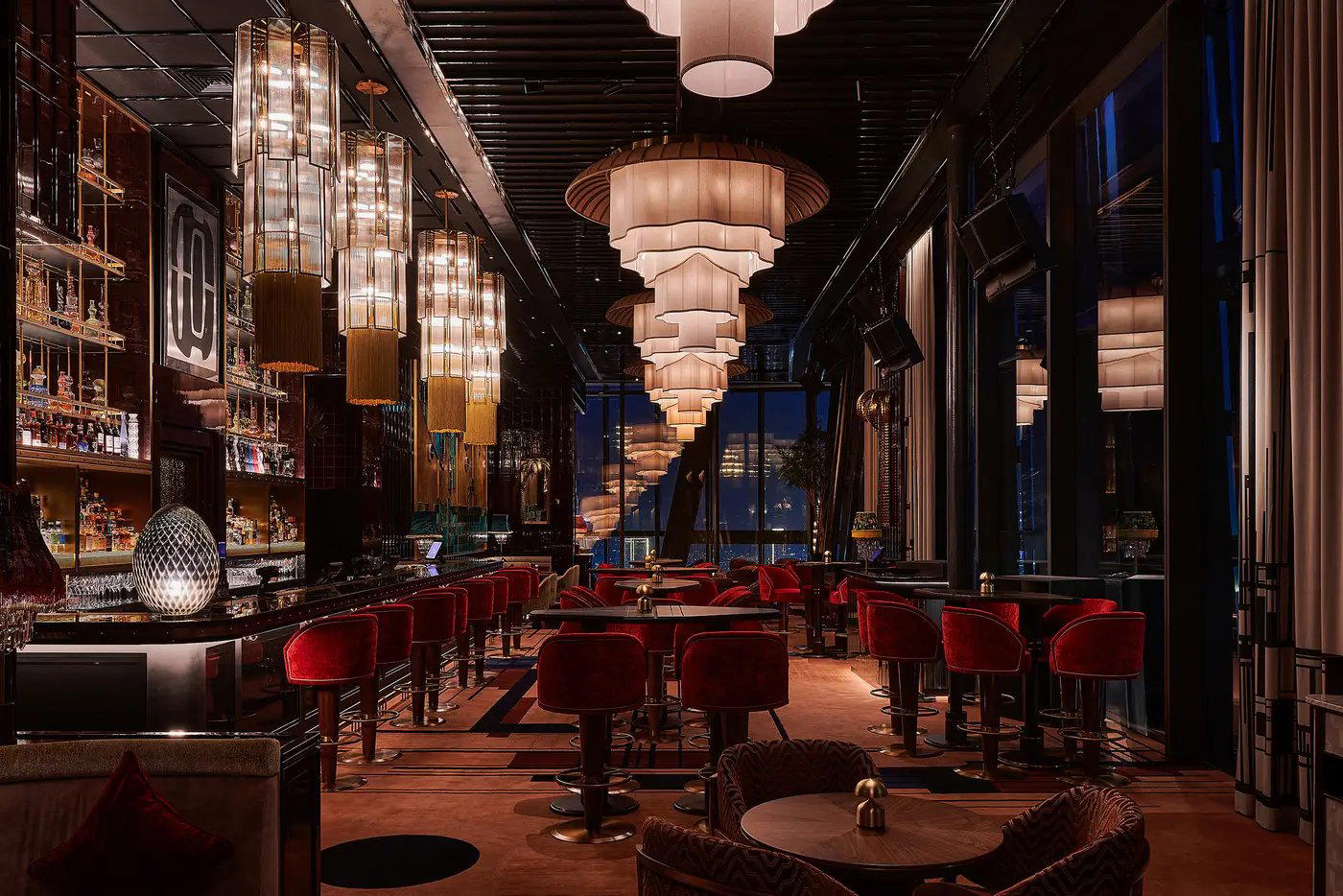
Arrive at Clap on any evening midweek and the sound reaches you before the door does. The restaurant operates at a volume and energy that sits closer to Tokyo's Shinjuku izakayas than to DIFC's quieter fine-dining rooms, and that contrast is precisely the point. Dubai's financial district has accumulated a dense layer of formal Japanese addresses over the past decade, but the izakaya model, loose, communal, built around drinking as much as eating, has always occupied a distinct tier. Clap sits in that lane, with a layout geared to groups rather than couples, for longer evenings rather than quick turns.
The setting in DIFC's Zabeel Second cluster puts it among the district's heaviest concentration of premium dining. Nearby competition includes Mimi Kakushi and Akira Back, both working a Japanese contemporary idiom with comparable price positioning. What separates the izakaya-format restaurants from those peers is fundamentally structural: the meal isn't built around a linear progression of courses but around a table that fills incrementally, dishes arriving as the kitchen releases them, the bar running in parallel from the first order.
How the Izakaya Format Works at This Price Tier
The izakaya tradition, exported from Japan's drinking districts into premium international settings, tends to split into two versions once it leaves its origin context. The first keeps the informality and adjusts the price accordingly. The second preserves the communal structure but applies luxury-market ingredients and presentation, which is where a $$$$-tier venue in DIFC necessarily lands. Clap operates in that second category, where sharing plates are priced individually at a level that accumulates quickly across a full table order.
This matters for planning. At the $$$$-range, a table of four ordering across a full evening, drinks, cold dishes, hot dishes, rice or noodles, dessert, should expect a bill that competes with Dubai's starred restaurants. The experience, however, differs structurally: there's no fixed tasting menu, no predetermined arc. The social format rewards groups who commit to the length of the evening rather than those seeking a quick dinner before another engagement. For that audience, the format's flexibility is the feature, not an accident of the kitchen's design.
Michelin Recognition and the DIFC Japanese comparable set
Consecutive Michelin Plate recognition in 2024 and 2025 locates Clap precisely within Dubai's Michelin framework without elevating it to the starred tier. The Plate, awarded to restaurants the Guide inspectors consider good cooking worth knowing about, functions as a quality floor rather than a ceiling. In practice, it signals that the kitchen is consistent enough to pass multiple inspection rounds and that the cooking reads as credible to an inspector's standard. For a high-volume, late-night-oriented venue in DIFC, sustaining that through two consecutive cycles is meaningful data.
The comparable set in Dubai's Japanese contemporary category is competitive. 99 Sushi Bar and Armani Hashi occupy adjacent price positions; 3Fils, farther down the cost curve in Jumeirah Fishing Harbour, demonstrates how the Japanese-leaning segment runs across multiple price tiers in this city. Zuma, particularly direct comparator in terms of format, Japanese robatayaki built for group dining, high energy, strong bar program, operates at a similar $$$ to $$$$ tier and has a longer Dubai tenure.
The Social Architecture of the Evening
What the izakaya model does well, when executed at this level, is keep a table animated for three hours without requiring the kitchen to land a single transformative dish. The format distributes engagement across the whole evening: the arrival of cold appetisers, the decision-making around hot dishes mid-meal, the bar's role in sustaining the pace between courses. Dubai's DIFC dining crowd, which skews toward finance and professional services and operates on an after-work-into-late-night rhythm several days a week, suits this format well. The restaurant doesn't need to be the destination for a special occasion to fill; it can also serve as the venue that absorbs a group that started somewhere else and wants to continue.
This social architecture distinguishes the izakaya tier from contemporary Japanese formats where the kitchen leads and the table follows. Compare the format to omakase-style operations, where a single chef's sequence sets the rhythm for the entire table: at The Japanese Restaurant in Andermatt or Eika in Taipei, the guest cedes control to the sequence. Here, the table retains it. The same izakaya-influenced social model appears across global markets, Murakami in São Paulo, Sankai by Nagaya in Istanbul, Izakaya in Zagreb, 893 Ryotei in Berlin, each adapting the communal Japanese drinking-and-eating format to its own city's tempo.
Placing Clap in Dubai's Broader Dining Map
DIFC functions as Dubai's most concentrated dining district, which means proximity to strong alternatives and a guest base that eats out frequently enough to compare. NIRI in Abu Dhabi and Erth in Abu Dhabi represent the capital's equivalent premium tier for those extending their UAE dining across both cities. Within Dubai, the full picture across categories is covered in our full Dubai restaurants guide, while our full Dubai bars guide, our full Dubai hotels guide, our full Dubai wineries guide, and our full Dubai experiences guide map the surrounding picture for visitors building a longer itinerary.
Planning Your Visit
Clap sits in the Zabeel Second section of DIFC, accessible from Gate Avenue or the financial district's main pedestrian spine. The $$$$-pricing structure and the group-friendly format mean the evening works well when planned with a minimum of four diners and no fixed end time. Reservations are advisable, particularly Thursday through Saturday when the DIFC dining corridor runs at capacity.
What Regulars Order at Clap
In izakaya-format restaurants at this tier, regulars tend to build their own rhythm across the menu, cold starters anchored in raw fish preparations, hot dishes from the grill or tempura section, rice dishes arriving later in the meal. The bar program, which in the izakaya tradition is structurally equal to the kitchen, draws repeat guests as much as any single plate. Clap's consecutive Michelin Plate awards (2024, 2025) and its place in DIFC's contemporary Japanese tier are particularly reliable orientation points for first-time visitors calibrating expectations against the price point.
Side-by-Side Snapshot
Comparable venues nearby, for context on price, style, and recognition.
| Venue | Cuisine | Price | Awards | Notes |
|---|---|---|---|---|
| ClapThis venue — the venue you are viewing | Modern Japanese Fine Dining | $$$$ | Michelin Plate | Not listed |
| Armani Hashi | Modern Japanese Fine Dining | $$$$ | Michelin Plate | Downtown Dubai |
| 99 Sushi Bar | Modern Japanese Sushi and Robata | $$$$ | Michelin Plate | Downtown Dubai |
| Ronin | Modern Japanese with Teppanyaki & Robata Grill | $$$$ | Michelin Plate | Al Sufouh 2 |
| Salvaje Dubai | Japanese-Peruvian Fusion | $$$$ | Not listed | Downtown Dubai |
| TABŪ | Modern Japanese Fusion | $$$$ | Not listed | Bussiness Bay |
Recognition history
Dated appearances from independent guides and award organizations, with the underlying list record or original source where available.
Gault & Millau UAE Selected Restaurant
Gault & Millau · Gault & Millau UAE 2026 - Selected Restaurant
Top 500 Bars Best Bars #374
Top 500 Bars
Michelin Plate
Michelin
Michelin Plate
Michelin
Continue exploring
More in Dubai
Restaurants in Dubai
Browse all →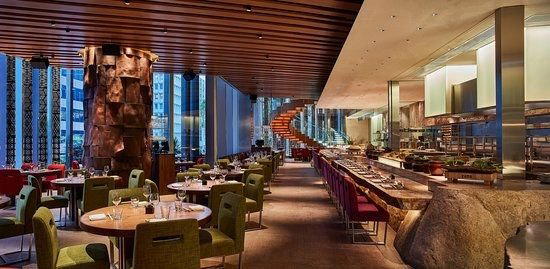
At a Glance
- Trendy
- Lively
- Modern
- Sophisticated
- Elegant
- Date Night
- Business Dinner
- Celebration
- Rooftop
- Terrace
- Open Kitchen
- Craft Cocktails
- Farm To Table
- Skyline
Current opening hours
- Monday
- 12 PM–2 AM
- Tuesday
- 12 PM–3 AM
- Wednesday
- 12 PM–3 AM
- Thursday
- 12 PM–3 AM
- Friday
- 12 PM–3 AM
- Saturday
- 1 PM–3 AM
- Sunday
- 1 PM–2 AM
Hours can change for holidays and private events. Last verified .
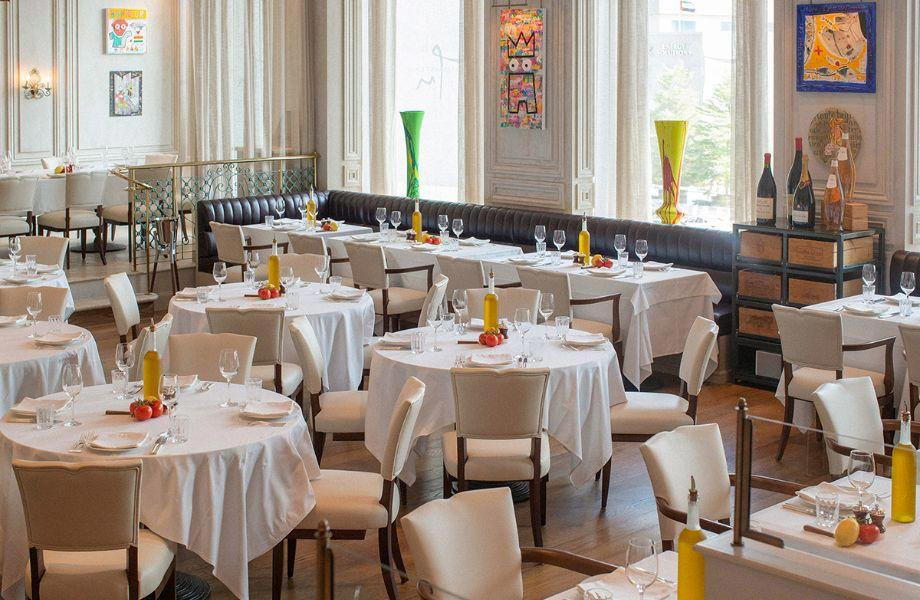
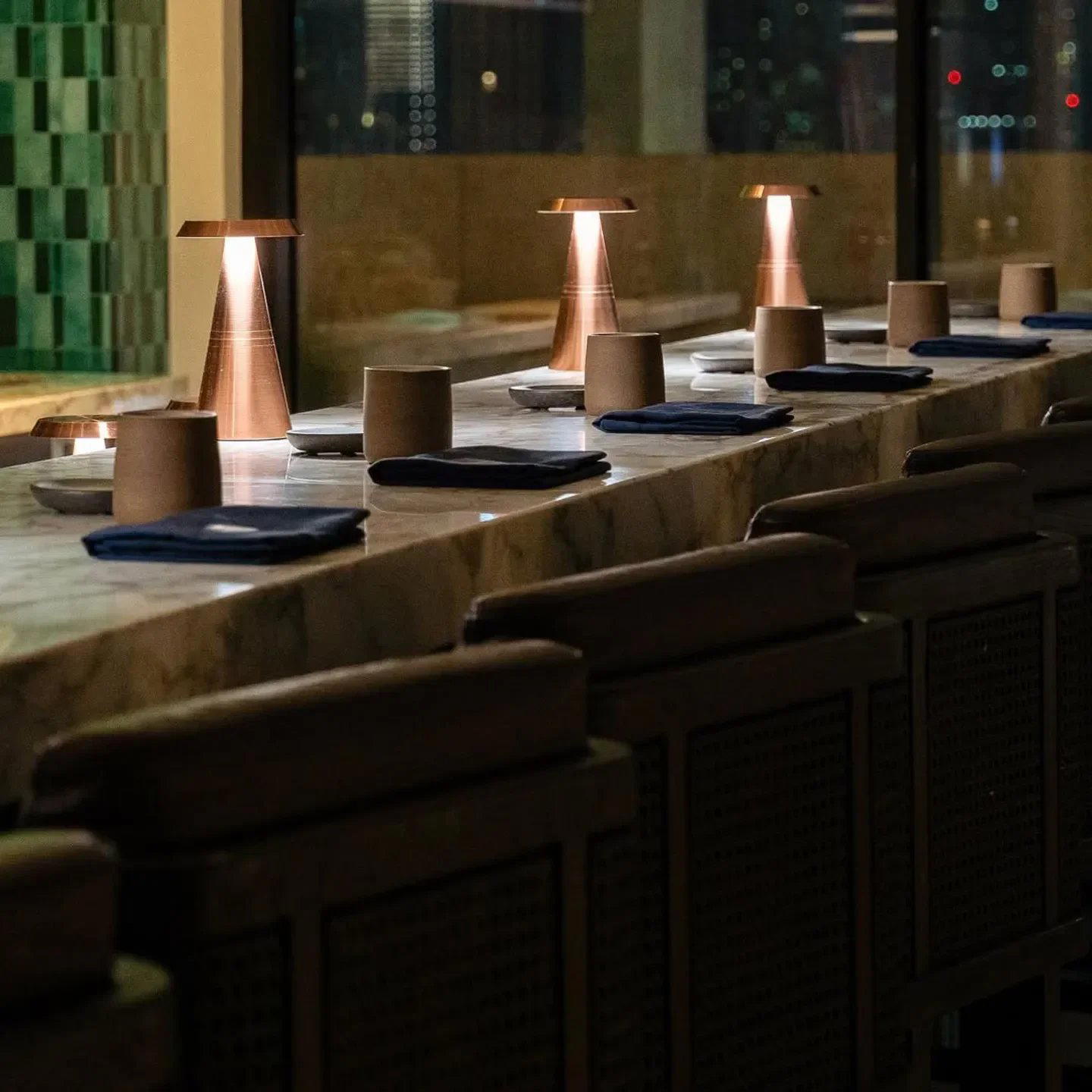
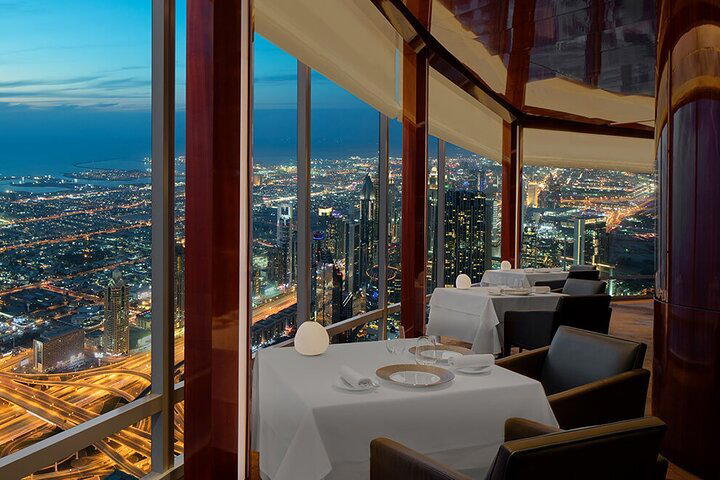
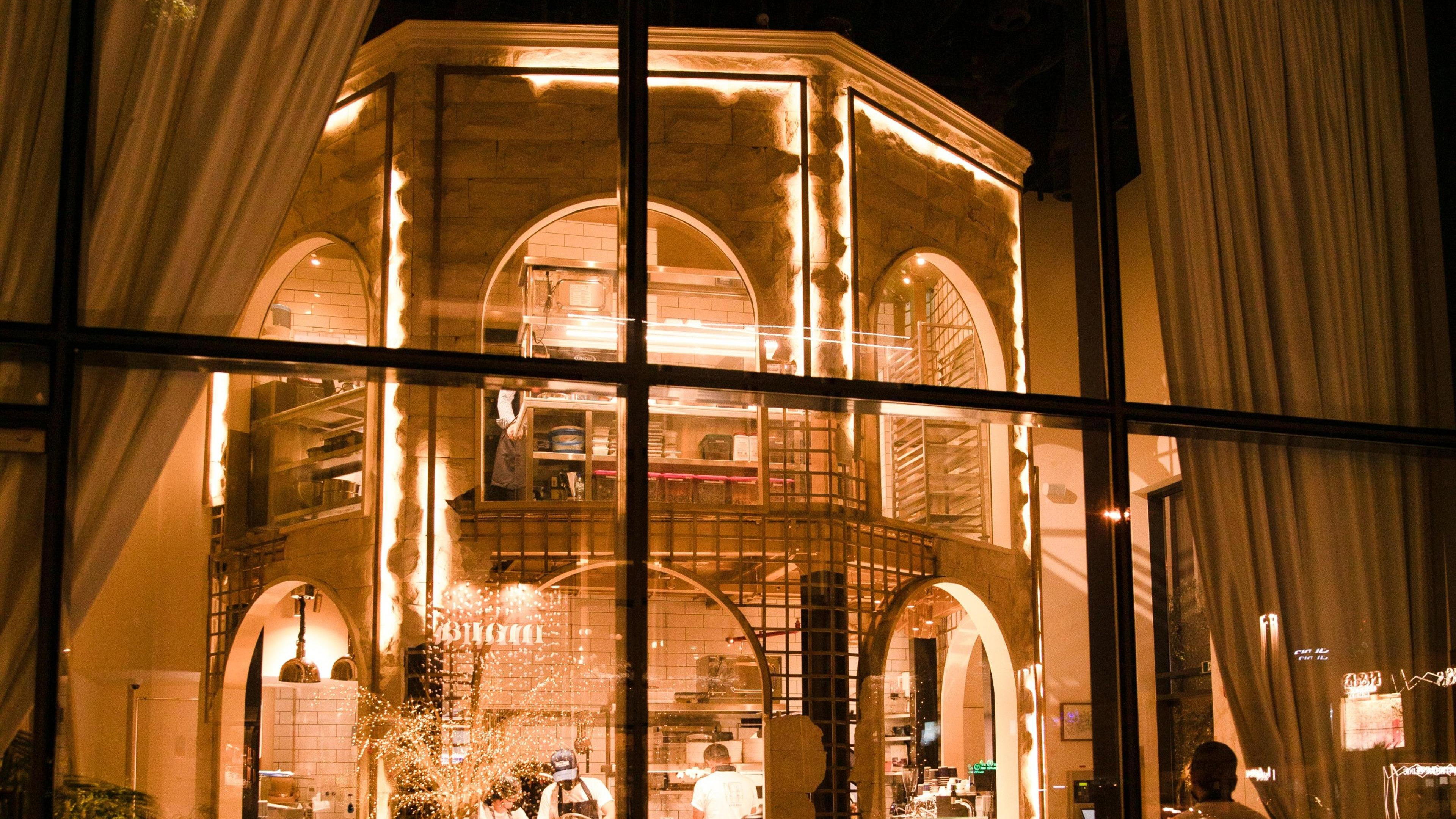
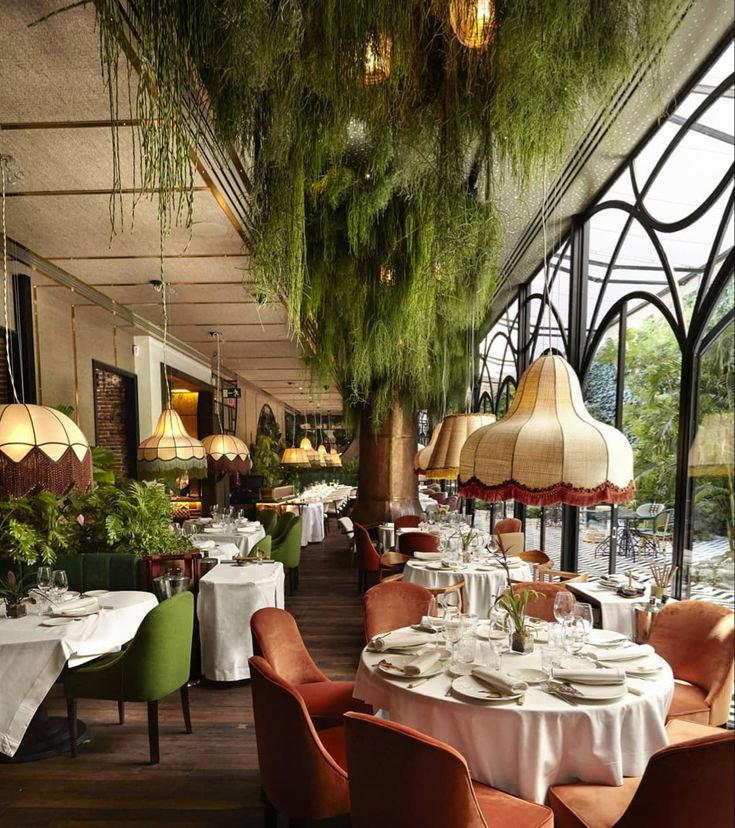
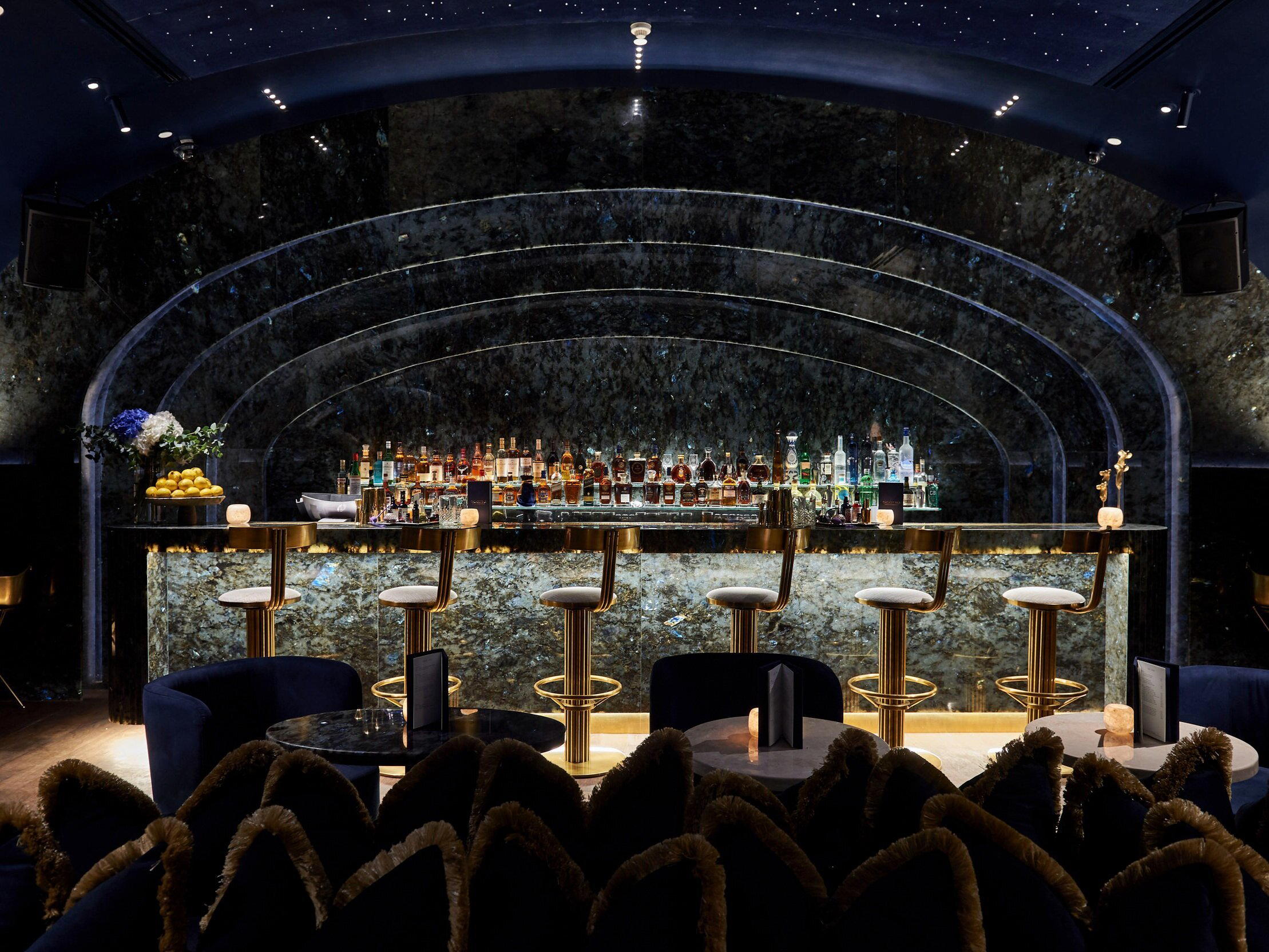
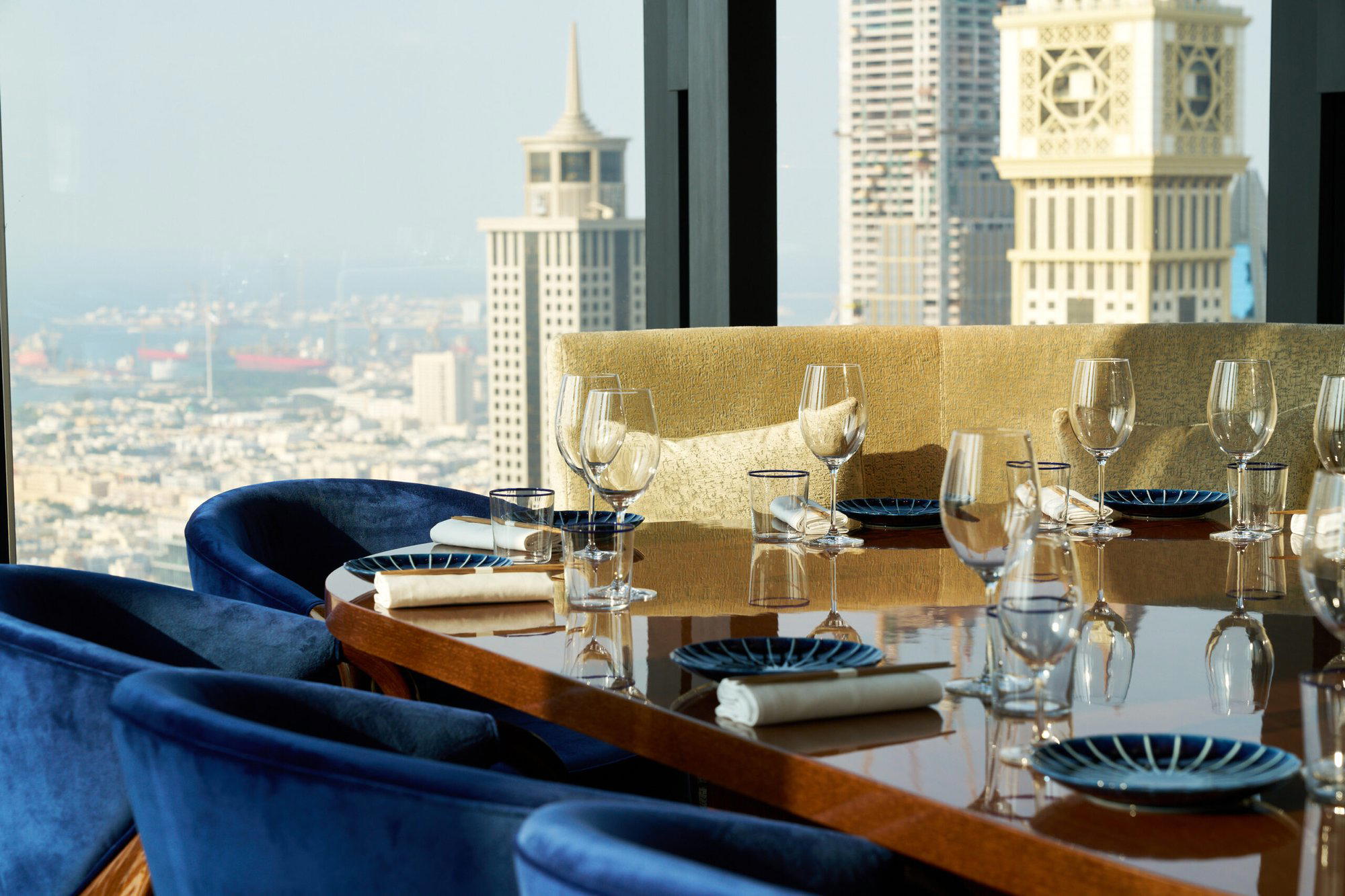
Chic and buzzy with modern décor, DJ music, and lively atmosphere enhanced by panoramic city views from the terrace.