Miku Sushi
On Lincoln Avenue in Chicago's Lincoln Square, Miku Sushi occupies a neighbourhood sushi spot that sits within a broader city conversation about where Japanese seafood sourcing and sustainable practice intersect. For diners tracking Chicago's quieter, locally embedded dining scene rather than its Michelin-decorated loop addresses, this North Side address offers a different register entirely.
Pearl is the En Primeur Club membership app — saves, bookings, and concierge access live there. Same editors, same standards.
- Address
- 4514 N Lincoln Ave, Chicago, IL 60625
- Phone
- +17736541277
- Website
- mikuchicago.com
- Directions
- Get directions
 Saves & bookings on Pearl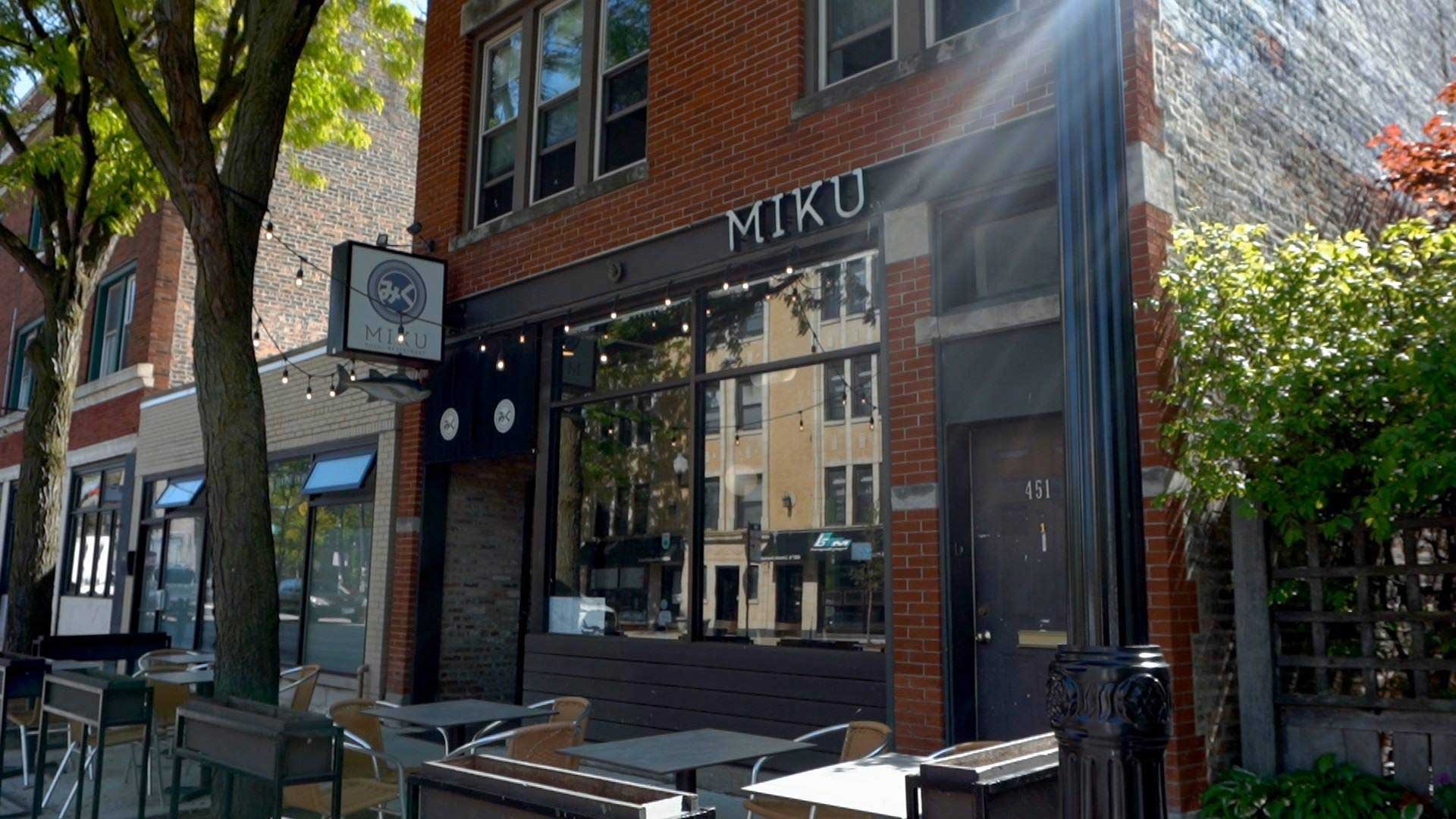
Lincoln Square and the North Side Sushi Pattern
Chicago's sushi scene splits along a familiar axis. The high-visibility tier, concentrated downtown and in River North, runs omakase formats with allocated seating, advance booking windows measured in months, and price points that position them against Atomix in New York City or 8½ Otto e Mezzo Bombana in Hong Kong rather than against a neighbourhood à la carte room. The second tier, less discussed but more embedded in daily Chicago life, runs through residential corridors like Lincoln Avenue in Lincoln Square, where Miku Sushi occupies a spot at 4514 N Lincoln Ave. These North Side addresses operate on a different logic: proximity to the neighbourhood, repeat local custom, and a format calibrated for regulars rather than destination diners. Miku Sushi is a traditional Japanese sushi restaurant at 4514 N Lincoln Ave in Chicago's Lincoln Square neighbourhood, with a casual dress code, recommended reservations, and an approximate price of $25 per person.
Lincoln Square itself carries a distinct character within Chicago's dining map. The neighbourhood retains an older European residential identity, with German-heritage institutions and independent food businesses that have resisted the rapid turnover affecting parts of Wicker Park or West Loop. Sushi arriving in this context sits alongside a broader pattern of incremental culinary diversification in Chicago's northern residential stretches, where Japanese restaurants have earned loyal followings not through critical attention but through consistency over time.
Sourcing, Sustainability, and the Neighbourhood Sushi Question
The sustainability conversation in American sushi has sharpened considerably over the past decade. Programmes like Seafood Watch, operated by the Monterey Bay Aquarium, have pushed consumer awareness of tuna sourcing, farmed versus wild salmon distinctions, and the environmental cost of air-freighting perishable fish across continents. At the high end, restaurants including Le Bernardin in New York City and Providence in Los Angeles have made sourcing transparency a public part of their identity, listing supplier names and fishing methods alongside menu descriptions.
The neighbourhood sushi tier faces a structurally different version of this challenge. Without the purchasing volume of a high-capacity downtown venue, or the margin architecture of a premium omakase counter, sourcing decisions at community-scale restaurants involve trade-offs that rarely surface in editorial coverage. The more useful frame for assessing a venue like Miku Sushi is not whether it matches the sourcing rigour of Single Thread Farm in Healdsburg or Blue Hill at Stone Barns in Tarrytown, but whether it exercises visible care within the constraints of its category and price tier. These are meaningfully different standards, and conflating them obscures what each type of venue can reasonably deliver.
Across urban American sushi at the neighbourhood level, the sourcing picture is uneven. Some operators have moved toward MSC-certified suppliers or reduced their reliance on species under harvesting pressure. Others have shifted toward domestic aquaculture options for salmon and yellowtail, which carry a different environmental profile than their wild-caught equivalents.
Where Miku Sushi Sits in the Chicago Dining Picture
Chicago's award-collecting restaurants cluster at the progressive end of the spectrum. Alinea, Smyth, Oriole, and Kasama represent a cohort that draws national and international attention. Next Restaurant operates a rotating concept format that commands its own category. These venues set the frame for how Chicago is discussed in food media, but they do not describe most of what Chicago's dining population actually uses on a given Thursday evening.
The restaurant on Lincoln Avenue belongs to the layer that sustains neighbourhood life rather than drives editorial narratives. In that context, its relevant comparable set is not the progressive tasting menu circuit but other independently operated Japanese restaurants on Chicago's North Side: venues where the calculus involves neighbourhood parking, family-appropriate formats, and accessible price points rather than sommelier-driven sake pairings and allocated counter seats.
This placement is not a diminishment. Restaurants operating at community scale in residential Chicago perform a different function than their downtown counterparts, and that function has its own integrity. The question for a prospective diner is not whether the restaurant competes with the tasting menu tier, but whether it executes reliably within its own category. For context on how Chicago's highest-end dining compares to other American cities, see The French Laundry in Napa, Lazy Bear in San Francisco, Addison in San Diego, Emeril's in New Orleans, Bacchanalia in Atlanta, or The Inn at Little Washington in Washington. The contrast clarifies what each tier of American dining is actually doing.
Planning Your Visit
The restaurant is located at 4514 N Lincoln Ave, Chicago, IL 60625 in the Lincoln Square neighbourhood on the city's North Side. Lincoln Avenue is accessible via the CTA Brown Line, with the Western stop a short walk from this stretch of the avenue. The restaurant is open Monday through Thursday from 11 AM to 9 PM, Friday and Saturday from 11 AM to 10 PM, and Sunday from 11 AM to 9 PM. Reservations are recommended, and the dress code is casual.
Side-by-Side Snapshot
Comparable venues nearby, for context on price, style, and recognition.
| Venue | Cuisine | Price | Notes |
|---|---|---|---|
| Miku SushiThis venue — the venue you are viewing | Traditional Japanese Sushi | $$ | Not listed |
| Raiz Kitchen + Sushi | Fusion Sushi & Kitchen | $$ | Logan Square |
| Sai Café | Japanese Sushi & Seafood | $$ | Lincoln Park |
| Ron of Japan | Teppanyaki Japanese Steakhouse | $$ | Near North Side |
| Sushi Hall | Modern Japanese Sushi | $$ | Lincoln Park |
| Yusho | Japanese Yakitori Izakaya | $$ | Avondale |
At a Glance
- Cozy
- Modern
- Casual
- Casual Hangout
- Group Dining
- Business Dinner
- Open Kitchen
- Sake Program
- Craft Cocktails
- Beer Program
Current opening hours
- Monday
- 11 AM–9 PM
- Tuesday
- 11 AM–9 PM
- Wednesday
- 11 AM–9 PM
- Thursday
- 11 AM–9 PM
- Friday
- 11 AM–10 PM
- Saturday
- 11 AM–10 PM
- Sunday
- 11 AM–9 PM
Hours can change for holidays and private events. Last verified .
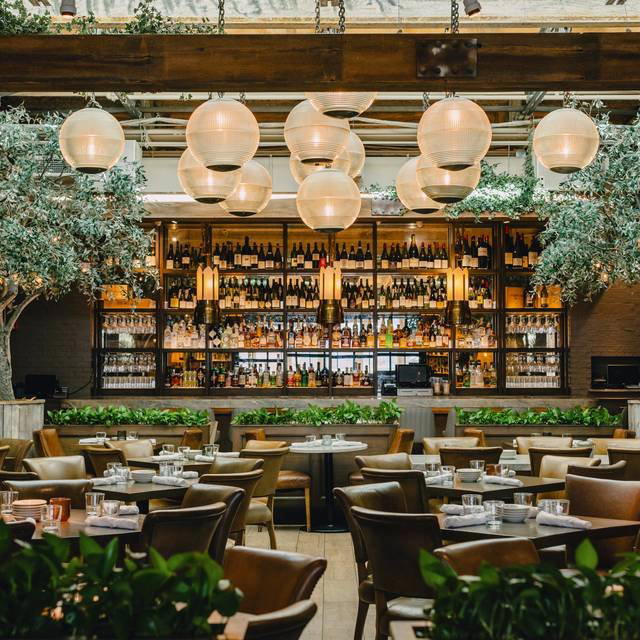
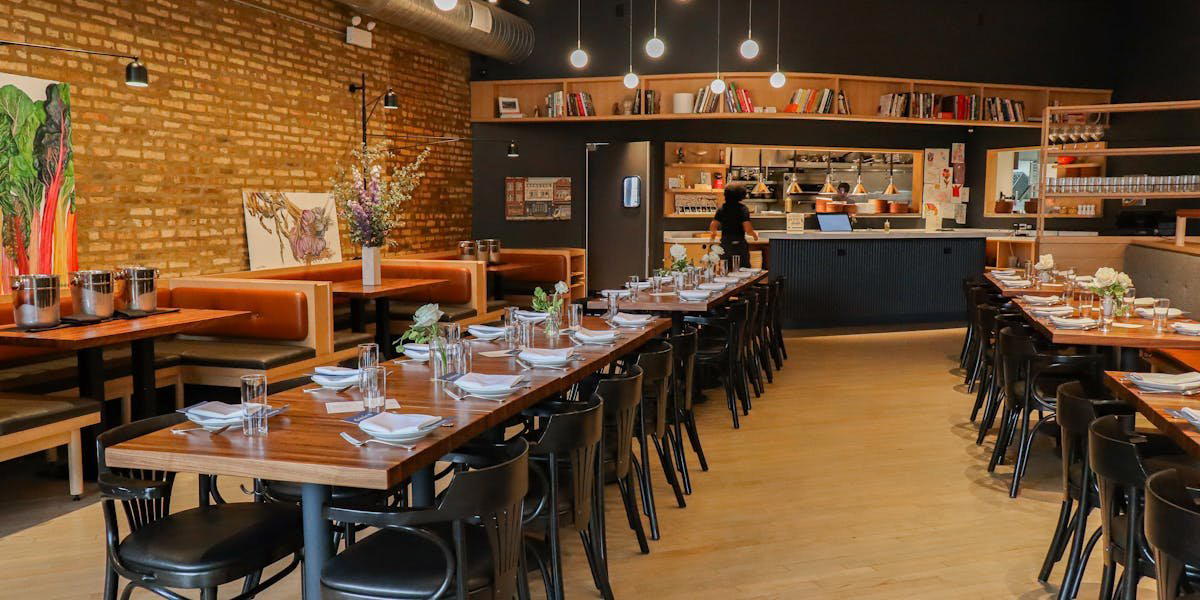
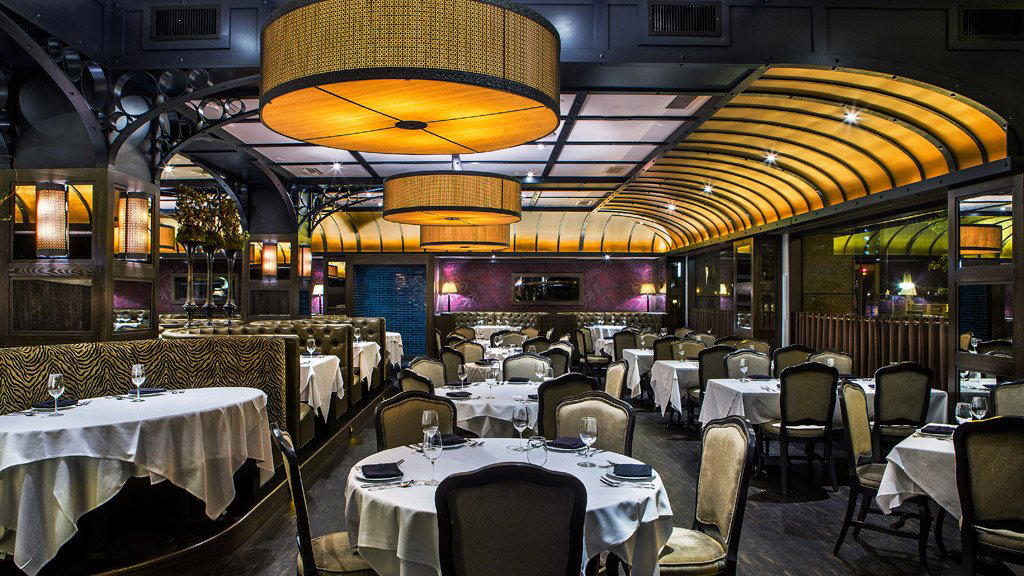
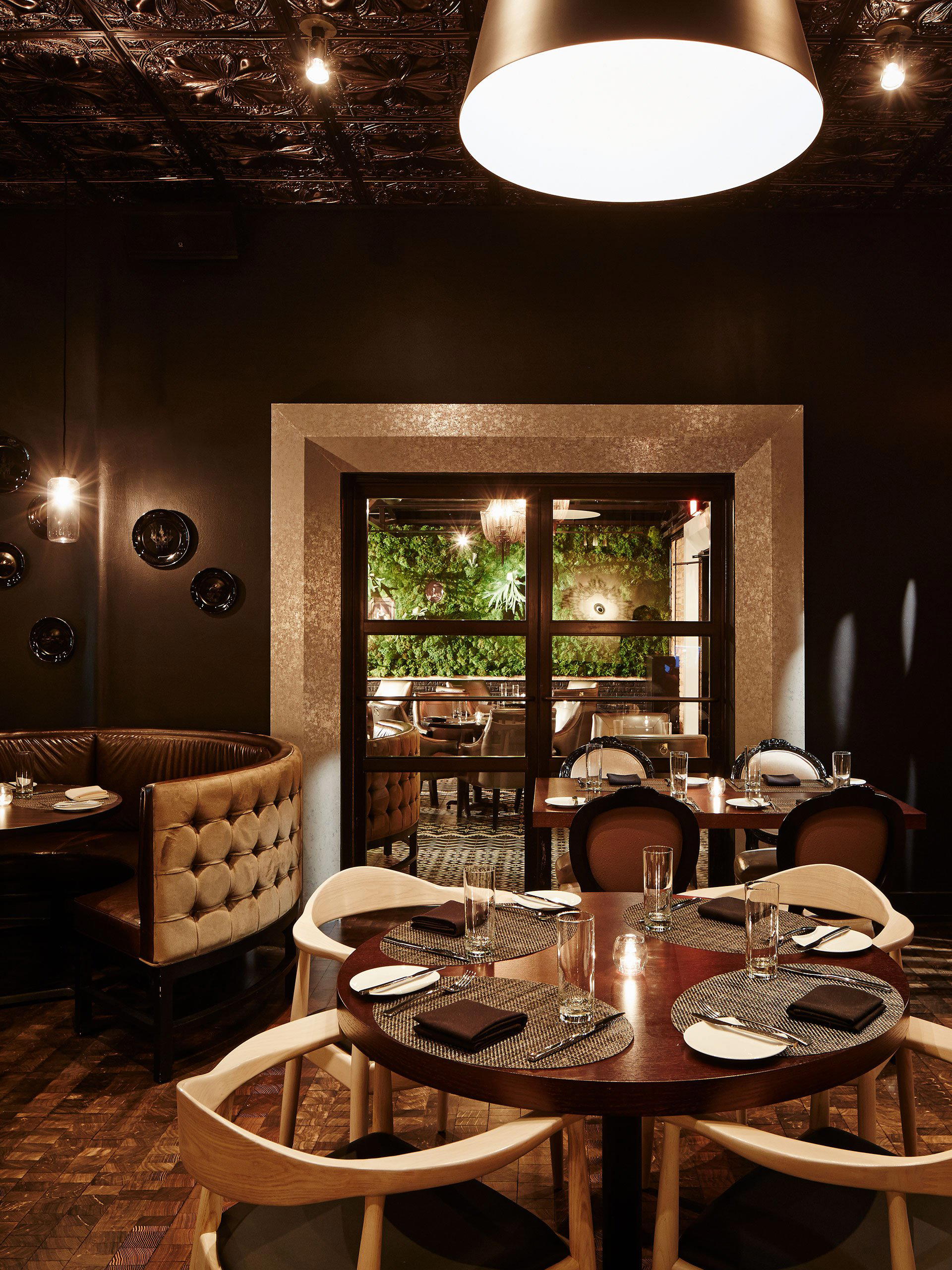
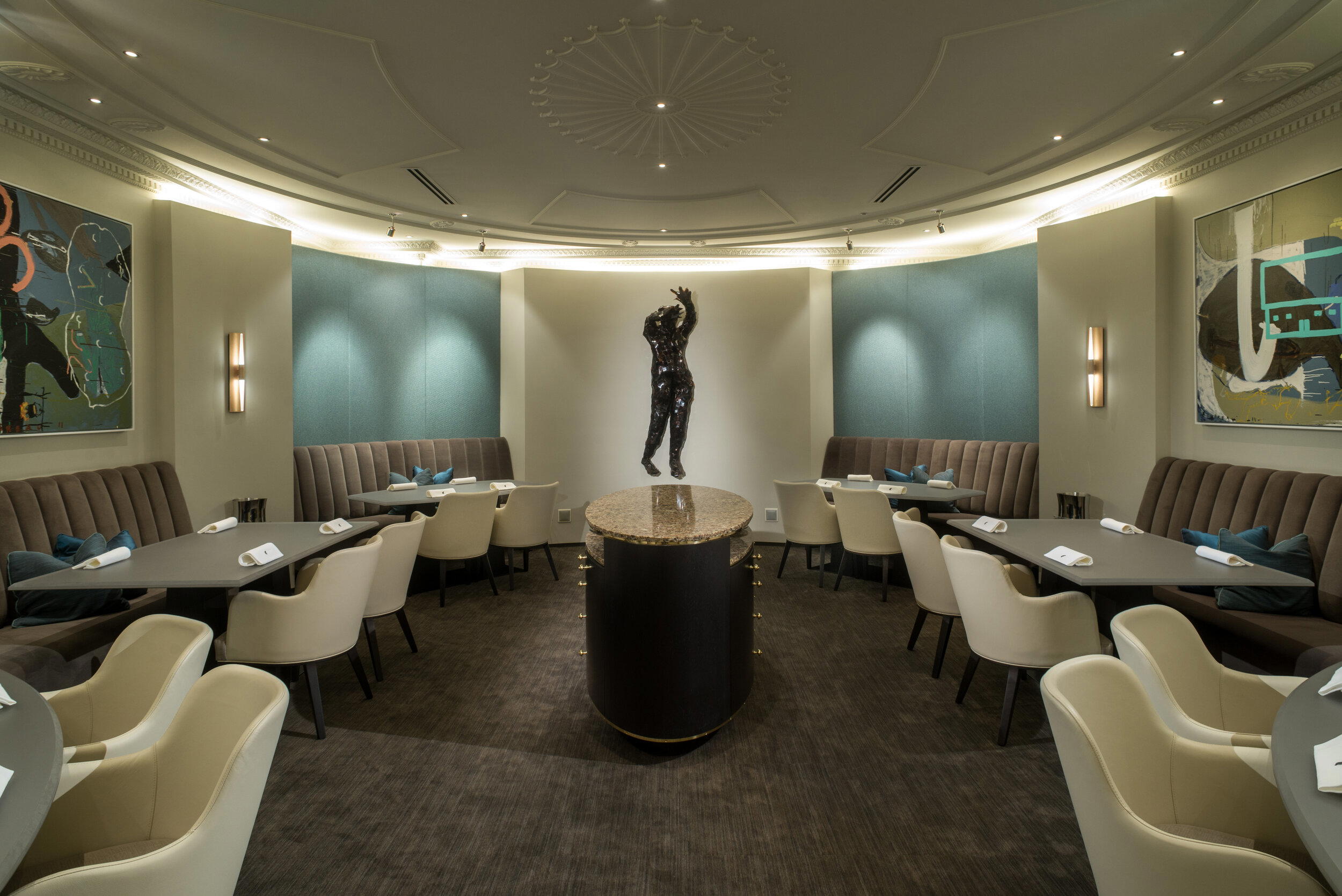
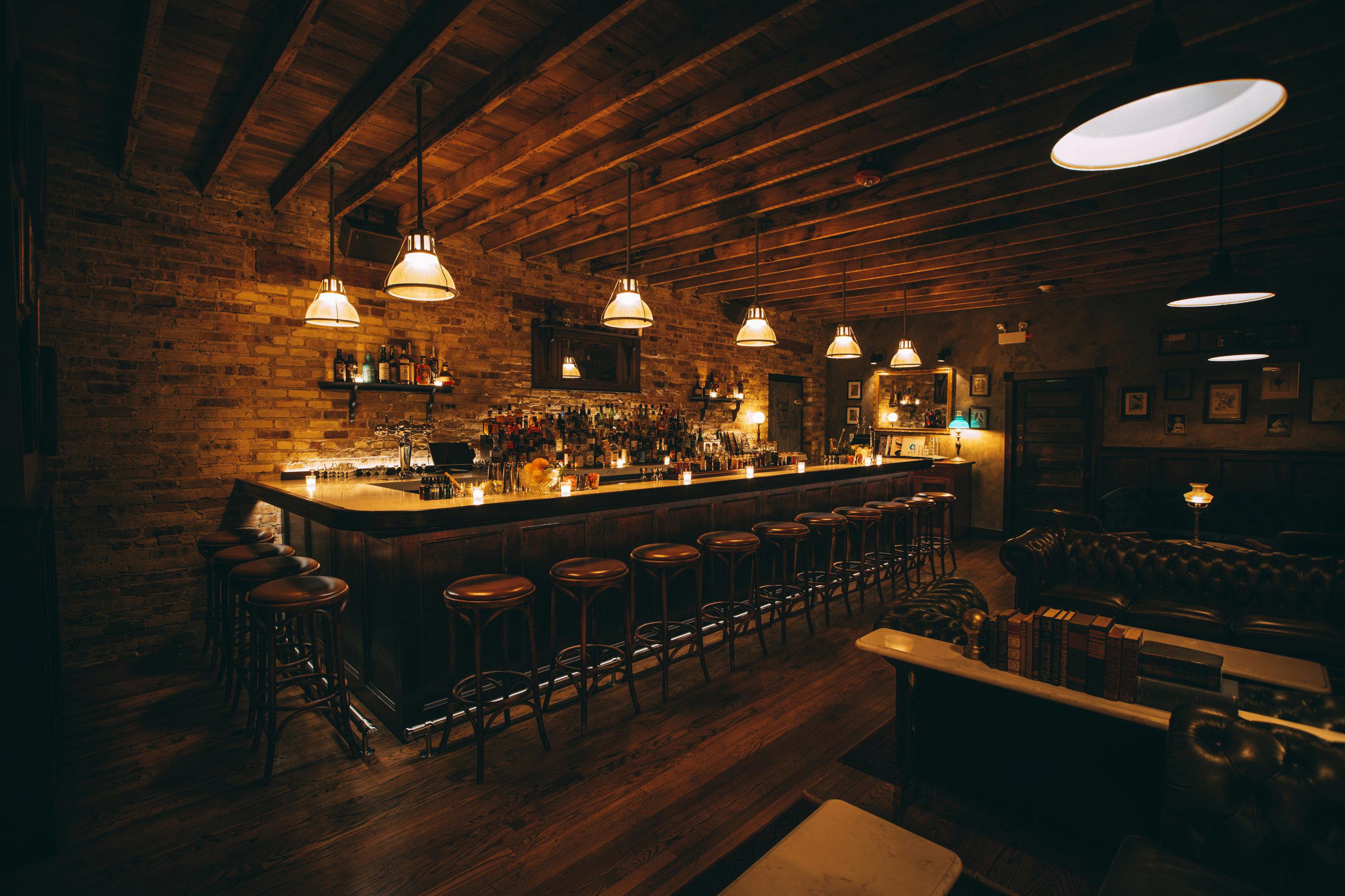
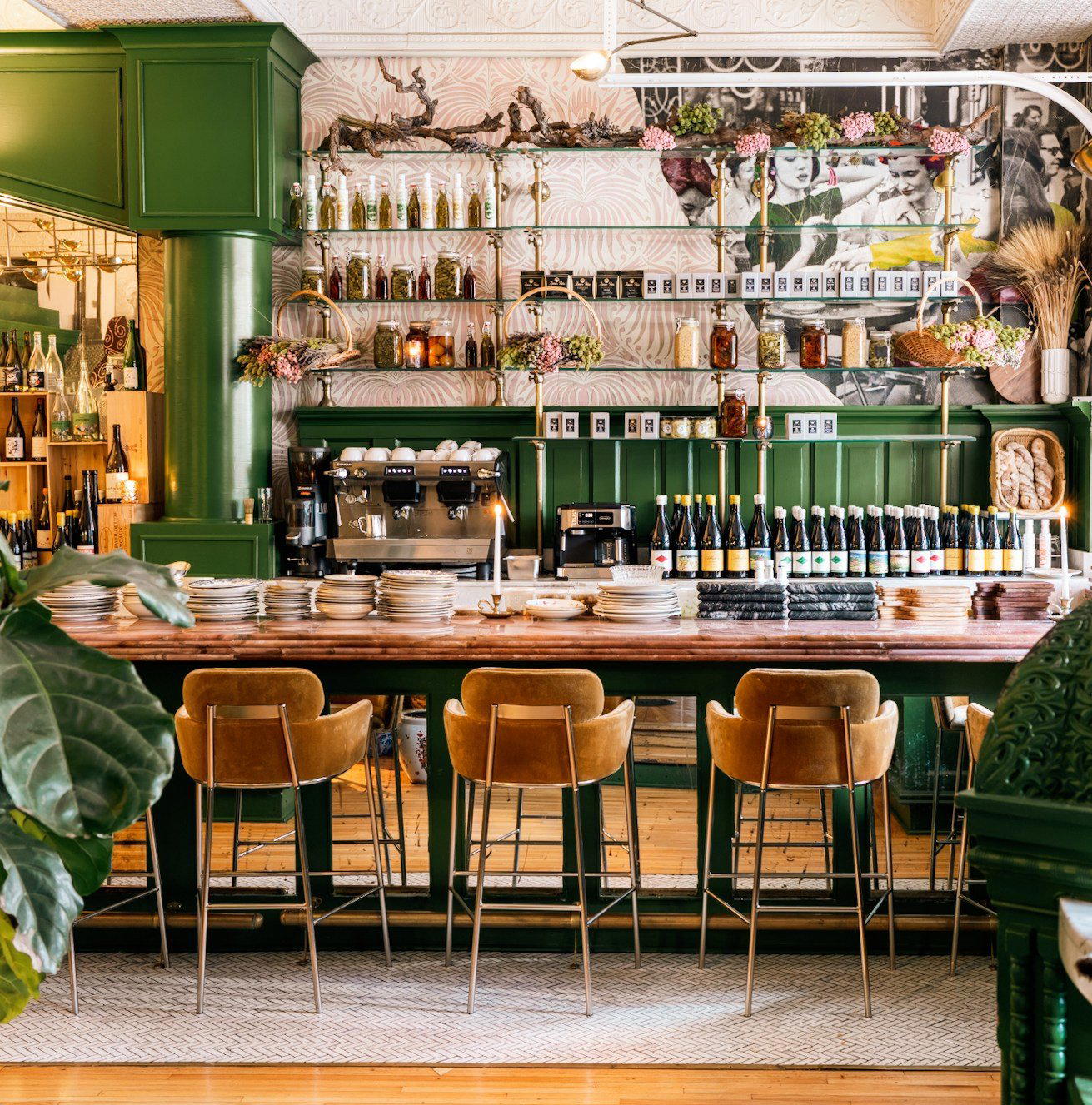
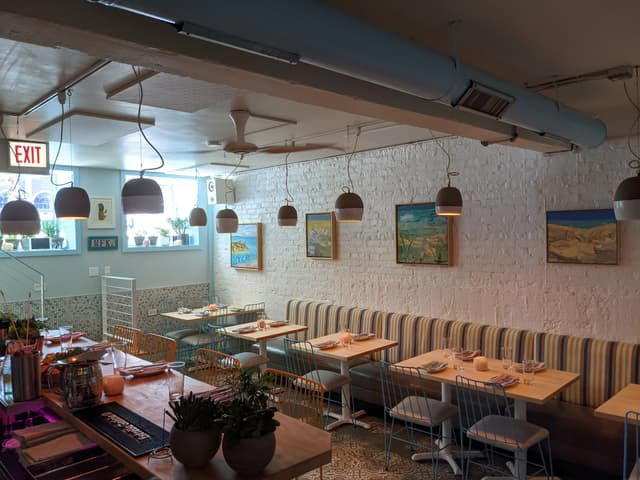
Modern and cozy atmosphere with a no-frills but pleasant setting; long narrow dining space with plenty of table and counter seating.