
On Dundas Street West, Midfield Wine Bar & Tavern occupies a quieter register than Toronto's tasting-menu circuit, a neighbourhood wine bar where a rotating list of interesting bottles meets small plates, cheese, and charcuterie. The format is deliberately casual, the wine selection genuinely engaged, and the pace set by the guest rather than the kitchen.
Pearl is the En Primeur Club membership app — saves, bookings, and concierge access live there. Same editors, same standards.
- Address
- 1434 Dundas St W, Toronto, ON M6J 1Y7, Canada
- Phone
- +1 647-345-7005
- Website
- midfieldwine.com
- Directions
- Get directions
 Saves & bookings on Pearl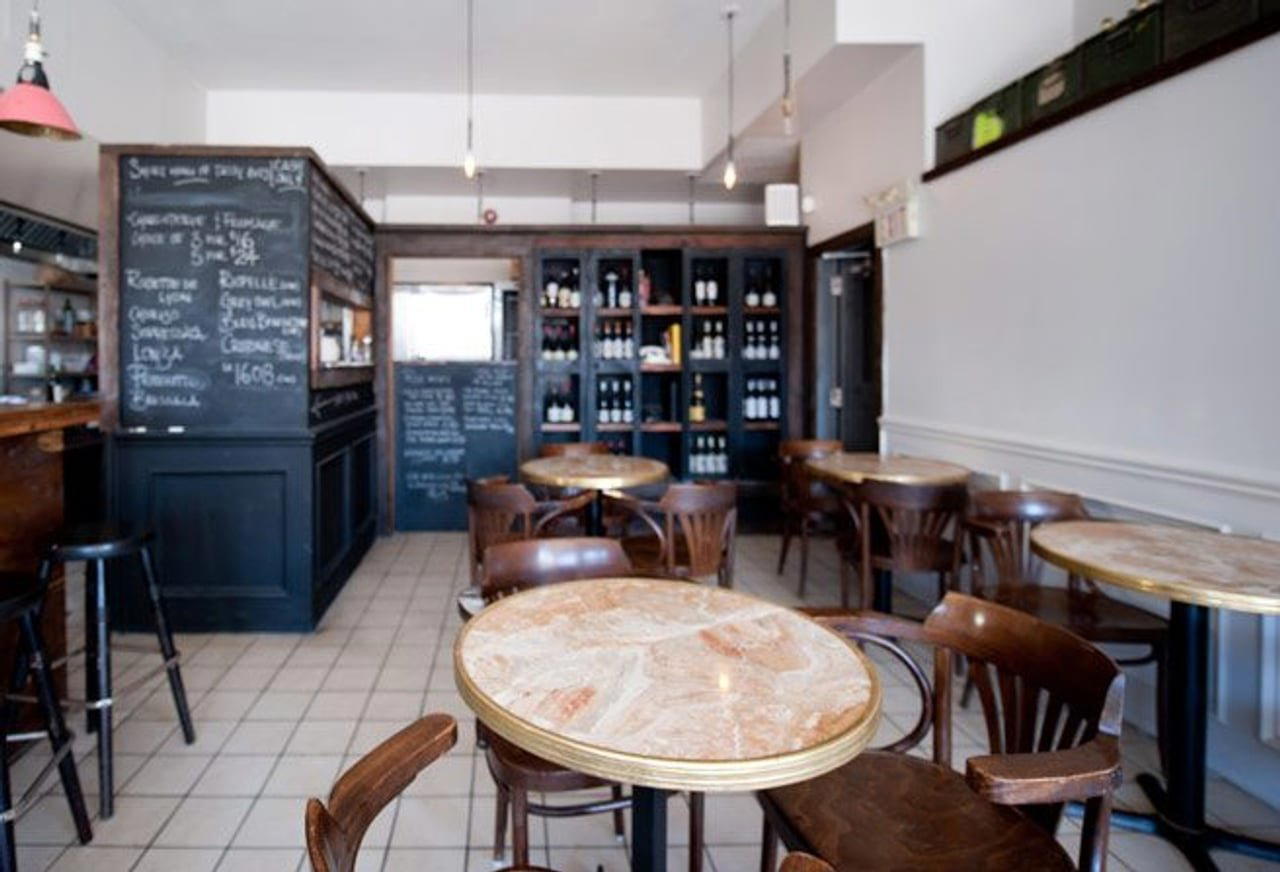
Dundas West and the Neighbourhood Wine Bar Format
Toronto's west end has developed a distinct drinking and eating culture that runs parallel to the city's tasting-menu belt. Where venues like Alo or Sushi Masaki Saito operate at the formal, high-commitment end of the spectrum, Dundas Street West has produced a different kind of institution: the relaxed wine bar that functions as a regular for the neighbourhood and a destination for those who know what a thoughtful list looks like. Midfield Wine Bar & Tavern, at 1434 Dundas St W, sits squarely in that category.
The neighbourhood wine bar format has matured considerably across North American cities in the past decade. At its weakest, it defaults to an afterthought list of safe commercial pours and a cheese plate assembled without much conviction. At its strongest, in places like New York's West Village, Montreal's Mile End, or Toronto's own west side, it becomes a reliable editorial voice for what's interesting in wine at any given moment. Midfield belongs to the latter type.
The Wine List as the Main Event
What defines Midfield in the context of Toronto's bar scene is the orientation of the entire operation around the list rather than around a kitchen programme. The wine selection is described as always changing, which is a meaningful operational commitment: it signals active curation, ongoing sourcing relationships, and a front-of-house team that has to stay fluent in whatever the current bottles actually taste like. A static list is easy to manage. A rotating one requires genuine engagement from the people serving it.
This is where the editorial angle becomes relevant to how Midfield functions. A wine bar built on an evolving list depends, more than most formats, on the coherence between whoever is selecting the wine, whoever is serving it, and the kitchen producing food designed to work alongside it. The small plates, cheese, and charcuterie format is not accidental here, these are categories that give a sommelier-led floor genuine flexibility to guide pairings in real time, adjusting recommendations to what's open, what's drinking well tonight, and what the guest actually wants from the evening. Compare this to the rigid tasting-menu structure at venues like Aburi Hana, where the food sequence is fixed and the pairing programme runs on a predetermined track. Midfield operates from the opposite premise: the wine drives the experience, and the food supports it.
Toronto's broader wine bar scene has been catching up to what cities like Vancouver, home to venues in the AnnaLena orbit, have been doing for longer. The emphasis on natural, low-intervention, and producer-focused lists has shifted from niche to expectation in many Canadian urban markets. Midfield's commitment to an interesting and changing selection positions it within that current, without needing the formal credentials of a Michelin-listed programme to validate the approach.
Small Plates, Cheese, Charcuterie: The Logic of the Format
The food at Midfield is built around three categories that share a common characteristic: they are all, in different ways, already products of craft and time before they reach the table. Aged cheese, cured meat, and thoughtfully composed small plates are formats in which the kitchen's role is partly curatorial. The selection of which producer's comté, which style of saucisson, which seasonal ingredient to build a small dish around, these are decisions that reflect the same sensibility as the wine list. Both are about sourcing and editorial taste rather than technical spectacle.
This positions Midfield in a different competitive bracket than Toronto's Italian dining rooms, where the kitchen carries the primary weight. At DaNico or Don Alfonso 1890, the food is the anchor and the wine list supports it. At Midfield, those roles are inverted. Neither approach is superior; they serve different occasions and different guests.
Across Canada, this food format has proven durable at wine-led venues. Restaurant Pearl Morissette in Lincoln has made the wine-food integration central to its identity in a more formal register. The Pine in Creemore applies similar logic in a smaller market. Midfield's version is the urban neighbourhood iteration: lower ceremony, higher frequency, built for repeat visits rather than special occasions.
Planning a Visit
Midfield sits on Dundas Street West in the stretch between Dufferin and Ossington, a corridor that has accumulated enough independent restaurants, bars, and cafes over the past fifteen years to constitute a genuine dining neighbourhood rather than a strip of isolated venues. The address, 1434 Dundas St W, is accessible by transit on the 505 Dundas streetcar, and the surrounding blocks offer easy foot traffic from the neighbourhood's residential base.
Given the casual format and the absence of a fixed tasting menu, the venue operates at a pace that accommodates both quick early visits and longer evenings built around multiple bottles and grazing plates. For those planning a broader Toronto evening, the proximity to other Dundas West venues means Midfield works well as either an opener or a closer.
Visitors building a Toronto itinerary around wine and food at different price points and formality levels will find Midfield functions as a counterweight to the city's heavier commitments. After a kaiseki progression or an omakase counter, an evening at a neighbourhood wine bar that asks nothing more than curiosity and a willingness to try what's on the list serves a genuine purpose in the schedule. Toronto's dining circuit is broad enough to support multiple registers, and Midfield occupies one of them with clear conviction.
For Canadian wine bar context beyond Toronto, Tanière³ in Quebec City and Jérôme Ferrer - Europea in Montreal represent the more formal end of the national spectrum, while Narval in Rimouski shows how wine-forward dining has reached smaller Canadian markets. Internationally, the wine-bar-as-serious-dining-statement has long-standing precedent at venues in the orbit of Le Bernardin in New York City and similarly credentialed addresses, though Midfield operates without that kind of institutional weight and makes no pretence of competing in that bracket. Its frame of reference is local, its ambition is consistency, and its format rewards guests who know how to use it.
Style and Standing
Comparable venues nearby, for context on price, style, and recognition.
| Venue | Cuisine | Price | Notes |
|---|---|---|---|
| Midfield Wine Bar & TavernThis venue — the venue you are viewing | Wine Bar Small Plates | $$$ | Not listed |
| Spirits of York Distillery | Distillery Bar with Farm-to-Table Bites | $$ | Waterfront Communities-The Island |
| Ketodelia Keto Restaurant | Keto Low-Carb | $$ | Danforth Village |
| PREQUEL & CO. APOTHECARY | Apothecary Cocktail Bar | $$$ | Trinity Bellwoods |
| AGO Bistro | Contemporary Bistro | $$$ | Kensington-Chinatown |
| Elora Mill | Fine Dining with Local Seasonal Focus | $$$$ | Elora |
Recognition history
Dated appearances from independent guides and award organizations, with the underlying list record or original source where available.
Star Wine List
Star Wine List
Continue exploring
More in Toronto
Restaurants in Toronto
Browse all →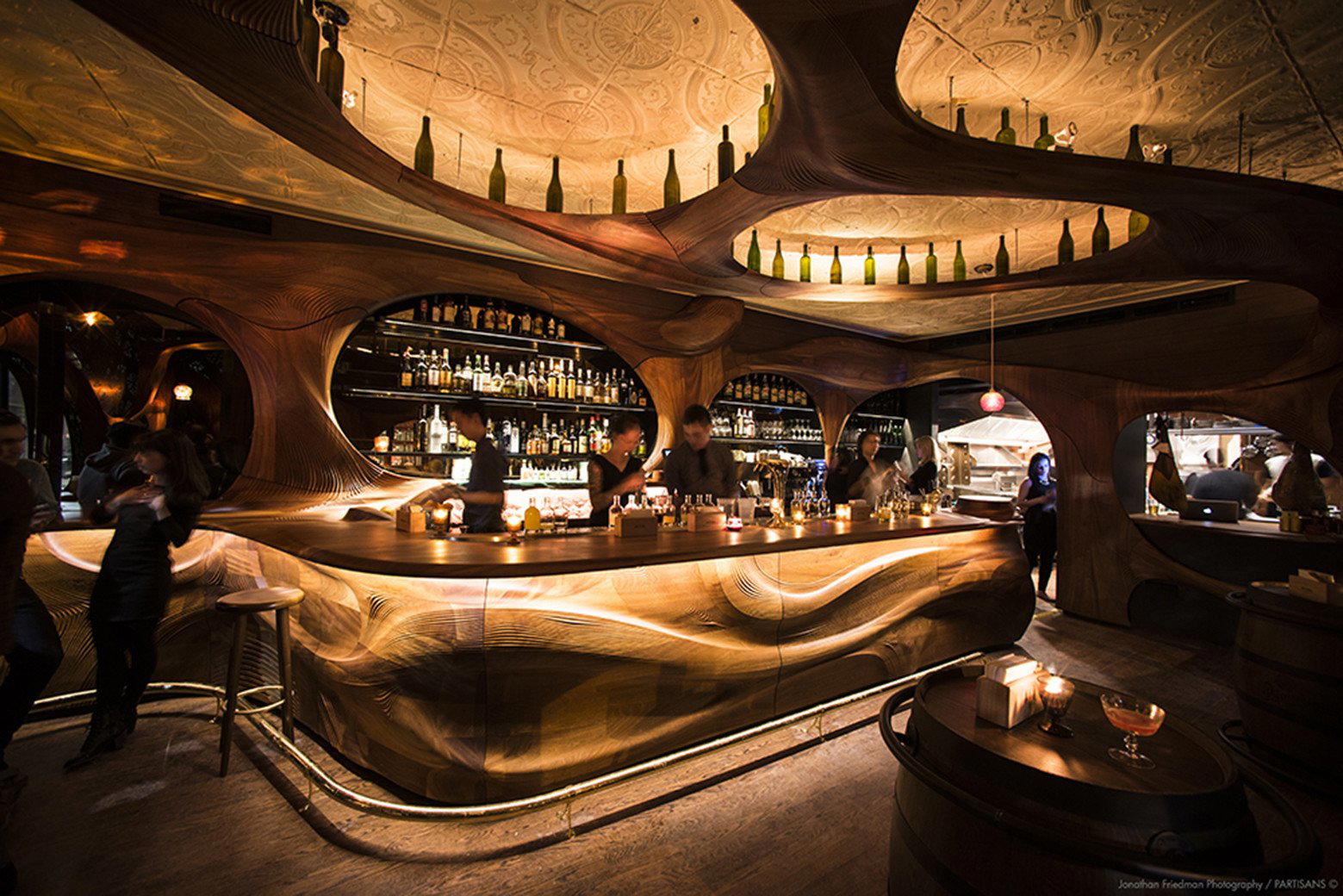
Bars in Toronto
Browse all →
Hotels in Toronto
Browse all →

At a Glance
- Cozy
- Intimate
- Trendy
- Date Night
- Casual Hangout
- After Work
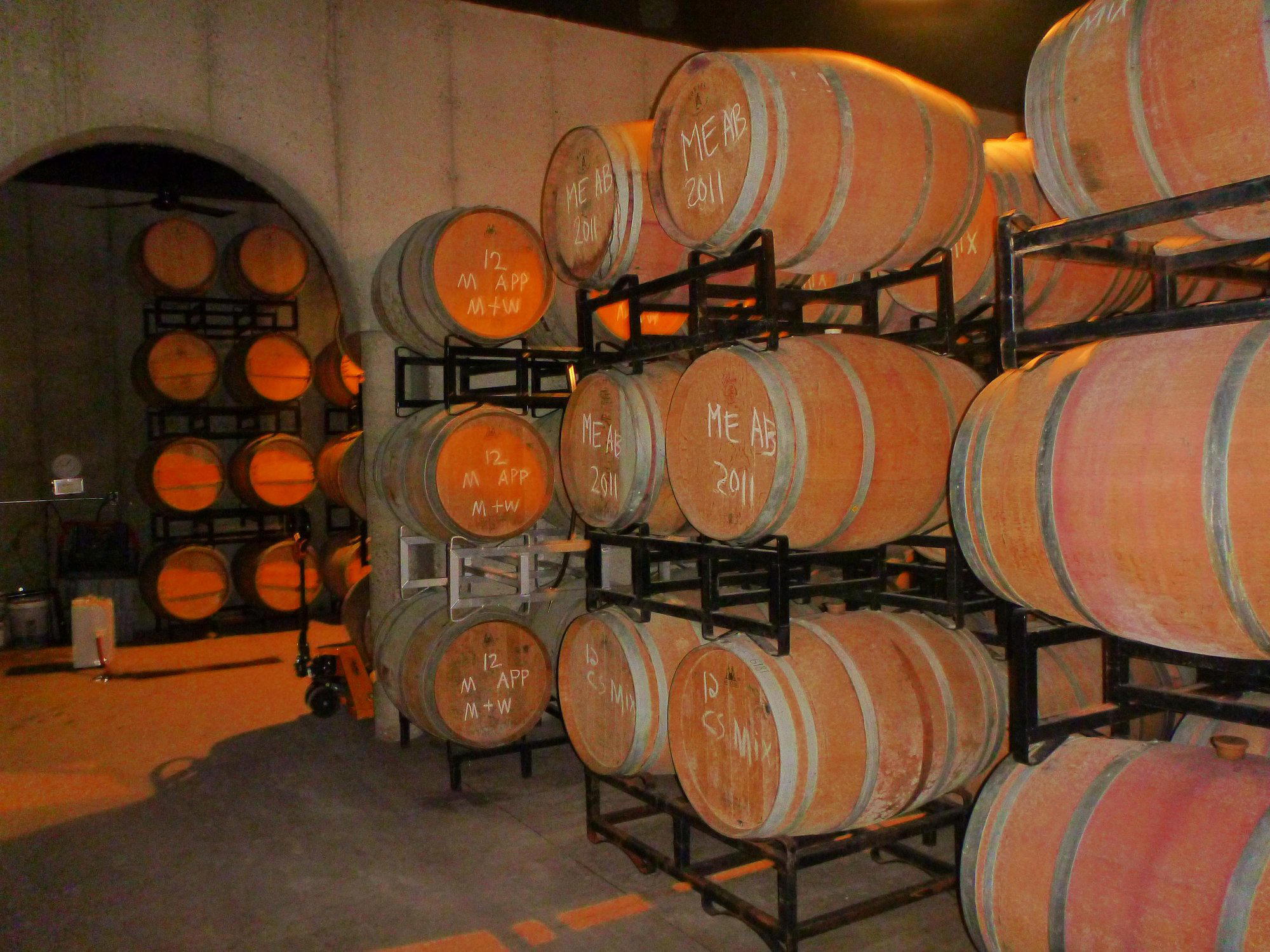
- Wine Cellar
- Extensive Wine List
- Natural Wine
- Natural Wine
- Local Sourcing
Current opening hours
- Monday
- Closed
- Tuesday
- Closed
- Wednesday
- 6–11 PM
- Thursday
- Closed
- Friday
- Closed
- Saturday
- Closed
- Sunday
- Closed
Hours can change for holidays and private events. Last verified .
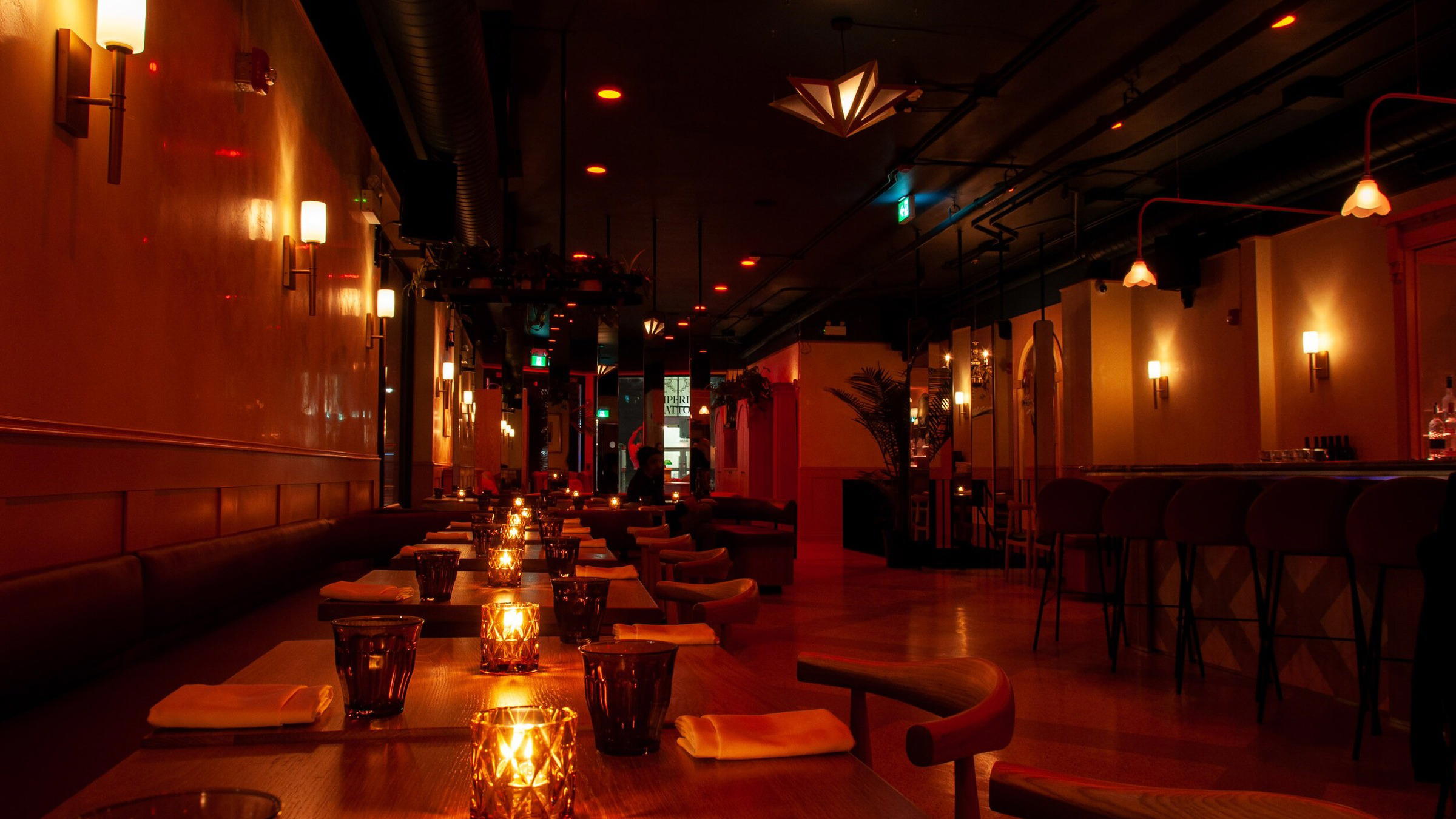
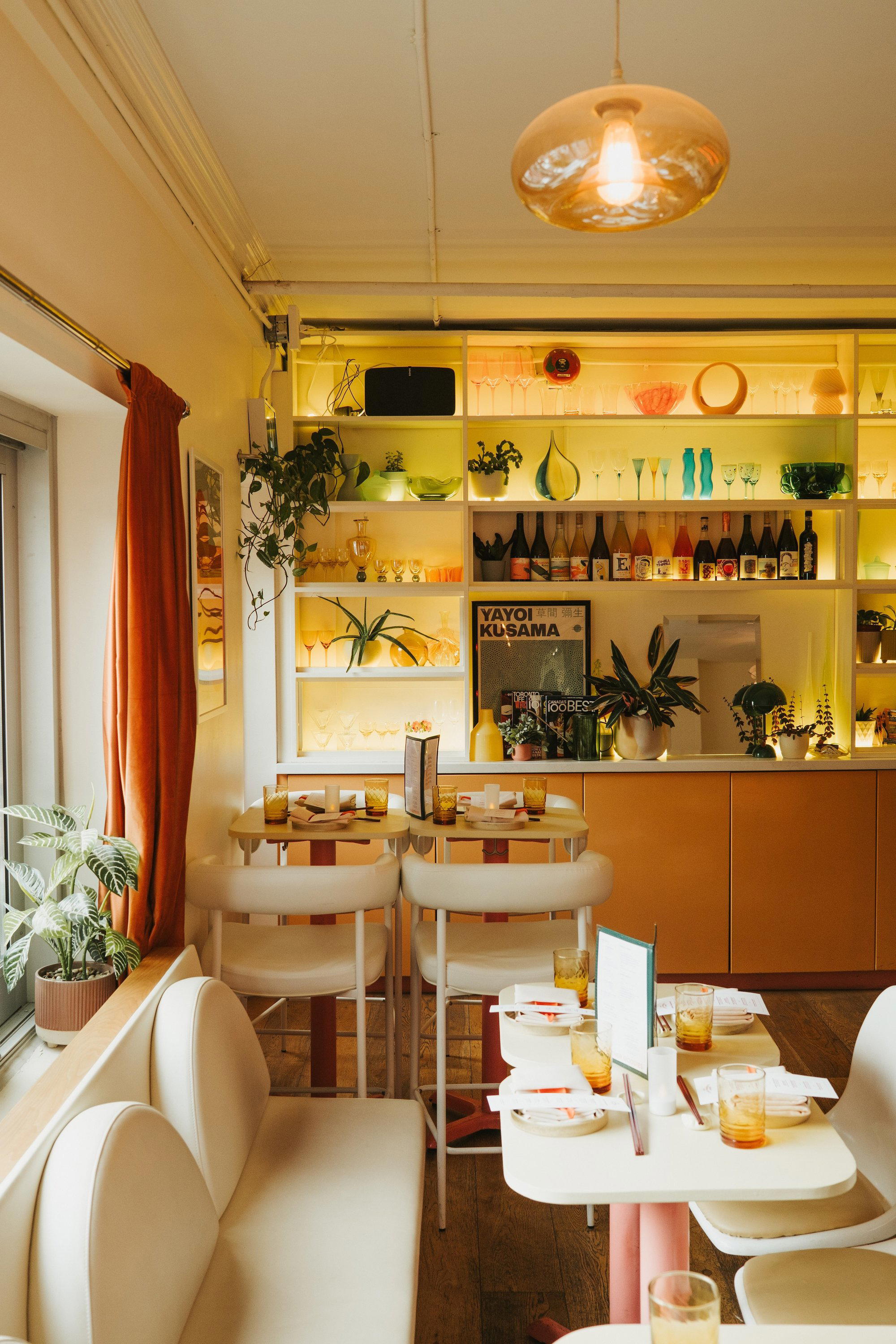
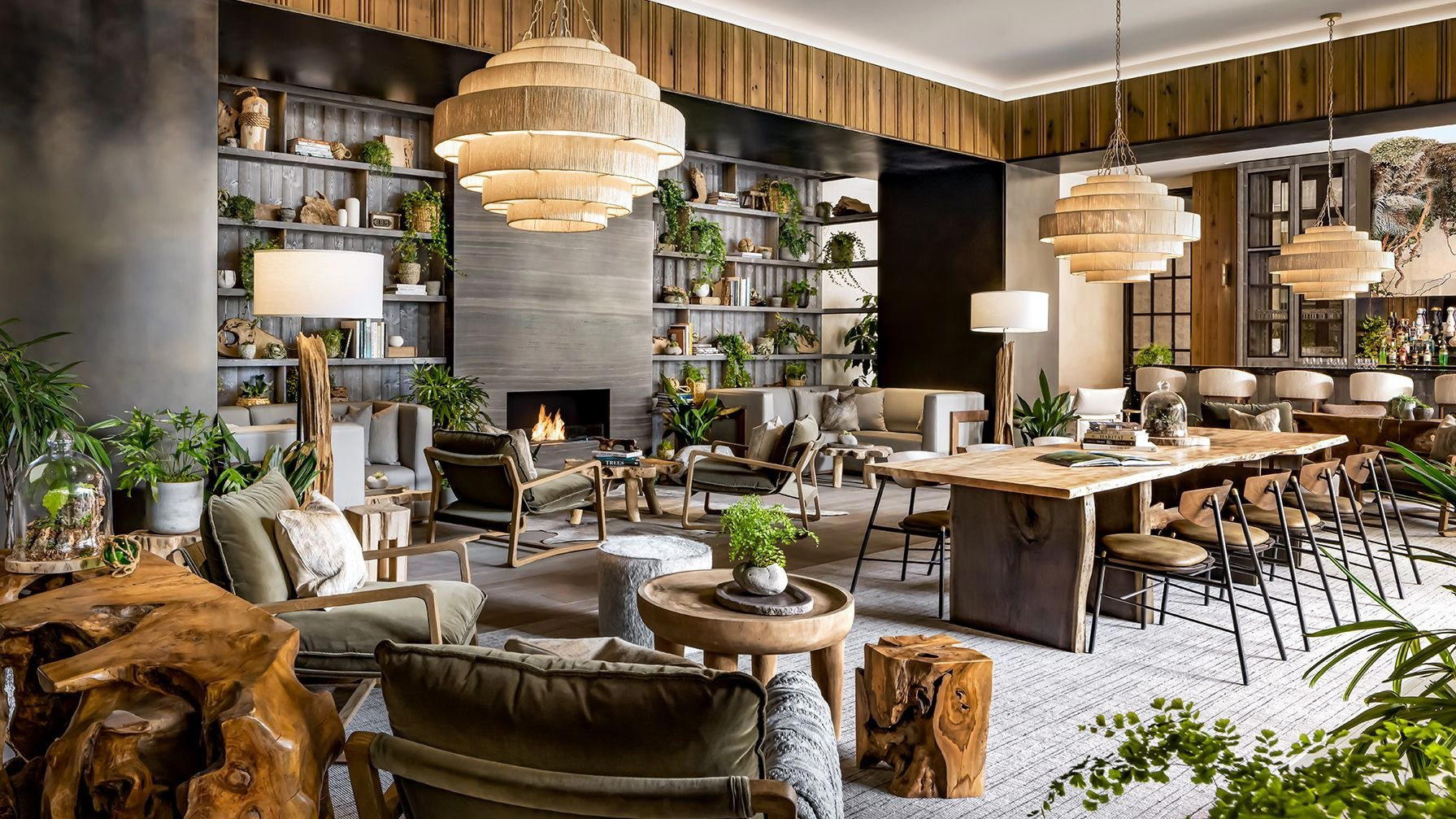
Cozy, candlelit space with dark wood cladding, warmly lit, unfussy room creating an intimate neighborhood vibe.