Michael's Cafe White Marsh-Middle River
A neighborhood cafe at 720 Concourse Circle in Middle River, Maryland, Michael's Cafe White Marsh-Middle River sits in the kind of suburban dining corridor where sourcing decisions and kitchen consistency tend to separate the locals-only staples from places worth a deliberate detour. For visitors exploring the broader Baltimore metro dining scene, it anchors the Middle River end of a county-wide casual dining circuit.
 Discover on Pearl
Pearl is the En Primeur Club membership app — saves, bookings, and concierge access live there. Same editors, same standards.
- Address
- 720 Concourse Cir, Middle River, MD 21220
- Phone
- +14103355370
- Website
- michaelscafe.com
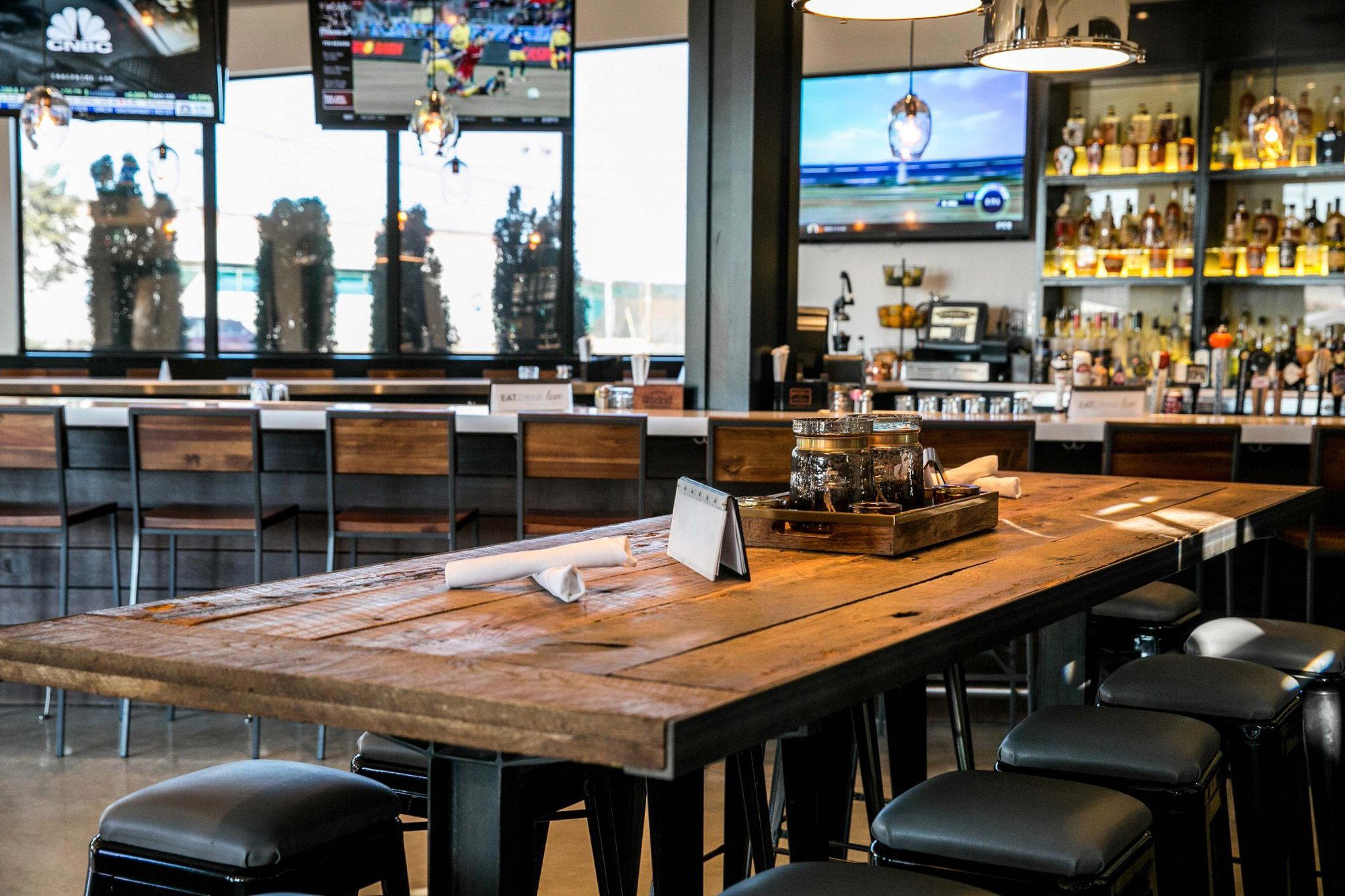
Middle River's Casual Dining Circuit and Where Michael's Cafe Fits
The stretch of Baltimore County that runs from White Marsh toward Middle River operates as one of the region's more densely populated suburban dining corridors. Strip-mall anchors, waterfront bar-grills, and neighborhood cafes compete for a local clientele that, by and large, values consistency and familiarity over experimentation. In this context, a cafe format at a Concourse Circle address is not reaching for destination status, it is serving a specific community function, and that function matters when assessing what to expect from the experience. For the full picture of how Middle River's dining options stack up against each other, the area's range includes waterfront spots like Bowley's on the Bay and the county's broader casual tier.
Michael's Cafe White Marsh-Middle River sits at 720 Concourse Circle, a commercial address that places it squarely in the retail and service cluster rather than on the waterfront or in an older neighborhood main street. That location is not incidental. Concourse Circle draws commuter and weekday lunch traffic, and cafes in this geography tend to build their regulars through repeatable value rather than through headline ingredients or chef-driven menus. The question worth asking of any establishment in this tier is not whether it competes with the farm-to-counter sourcing programs of places like Blue Hill at Stone Barns or the agricultural integration of Single Thread Farm in Healdsburg, but whether the sourcing decisions that are made, even at the level of a neighborhood cafe, reflect any deliberate thinking about ingredient provenance.
Sourcing at the Neighborhood Scale: Why It Still Matters
The farm-to-table conversation in American dining has largely been captured by the high-end tier. Places like The French Laundry in Napa or Bacchanalia in Atlanta have built ingredient sourcing into their editorial identity in a way that filters directly into price point and reservation demand. The more interesting, and arguably more consequential, question is what happens at the other end of the market. Neighborhood cafes in mid-Atlantic suburban markets like Baltimore County operate within a regional food system that includes proximity to Chesapeake Bay seafood, central Maryland produce corridors, and well-established mid-Atlantic dairy and poultry supply chains. Whether any individual cafe in White Marsh or Middle River draws on those regional assets or defaults entirely to broadline distribution is the kind of detail that determines whether a lunch out is merely convenient or actually connects to place.
This matters because sourcing at scale across the mid-Atlantic has genuinely shifted in the past decade. Regional distributors now carry local and near-local product lines that were once accessible only to fine-dining kitchens. A cafe that chooses to use Maryland crab, Chesapeake-adjacent produce, or regional dairy is not making a radical political statement, it is simply choosing to participate in a food system that has become more accessible. Restaurants at the level of Causa in Washington, D.C. or The Inn at Little Washington have built their sourcing programs into their public identity. At the neighborhood cafe level, that identity is rarely articulated, but it still shapes what arrives on the table.
What can be said is that the category, a cafe in a suburban Baltimore County commercial cluster, places it within a peer group where those decisions are being made every week, if not every day, and where the mid-Atlantic food system provides at least the theoretical infrastructure to make thoughtful choices.
The Baltimore County Context: Comparing Dining Tiers
Understanding where a venue like this sits requires some sense of what the upper end of American restaurant culture looks like by comparison. Operations like Lazy Bear in San Francisco, Alinea in Chicago, or Atomix in New York City operate with ingredient sourcing as a core competitive differentiator, often naming farms, seasons, and supply relationships explicitly in their menus. At Le Bernardin in New York City or Providence in Los Angeles, seafood sourcing is treated as a non-negotiable editorial commitment. At Addison in San Diego, Brutø in Denver, or Frasca Food and Wine in Boulder, regional identity is built into the program at a structural level.
None of that is a reasonable benchmark for a neighborhood cafe at a suburban Maryland commercial address. What it does establish is a frame: across American dining, sourcing has moved from being a differentiator only at the leading to being a conversation that runs through the entire market. Diners who have eaten at any of those upper-tier venues bring a sharpened expectation of what thoughtful ingredient selection looks like, and that expectation does not entirely disappear when they stop in for lunch in White Marsh. The gap between what the best-sourced operations in the country do and what most neighborhood cafes do is large, but it is not fixed, and the mid-Atlantic food system, in particular, gives local operators more tools to close it than they might find in other regions.
Michael's Cafe is located at 720 Concourse Cir, Middle River, MD 21220. Michael's Cafe is open Monday through Thursday from 11 AM to 10 PM, Friday from 11 AM to 12 AM, Saturday from 10 AM to 12 AM, and Sunday from 10 AM to 10 PM. The price tier is moderate, with an average of about $25 per person. Reservations are recommended. and those exploring the broader Middle River dining scene will find additional context and options in the Middle River restaurants guide. For the high end of the regional spectrum, The Inn at Little Washington remains the clearest benchmark for what mid-Atlantic ingredient sourcing can achieve at fine-dining scale. At the international level, 8 1/2 Otto e Mezzo Bombana in Hong Kong illustrates how sourcing philosophy travels across culinary traditions and geographies, a useful reminder that the decisions made in any kitchen, at any price point, exist inside a global conversation about where food comes from.
At-a-Glance Comparison
Comparable venues nearby, for context on price, style, and recognition.
| Venue | Cuisine | Price | Awards | Notes |
|---|---|---|---|---|
| Michael's Cafe White Marsh-Middle RiverThis venue — the venue you are viewing | Contemporary American Seafood & Steakhouse | $$ | , | |
| Bowley's on the Bay | Seafood Grill with American Fare | $$ | , | Bowleys Quarters |
| Annabel Lee Tavern | American Gastropub | $$ | , | Canton |
| Miss Toya's Southern Kitchen | Creole / Cajun / Southern | $$ | , | Laurel |
| Owen's Ordinary | American Tavern | $$ | , | North Bethesda |
| Mikey & Mel's Deli | New York-Style Deli | $$ | , | Fulton |
Continue exploring
More in Middle River
Restaurants in Middle River
Browse all →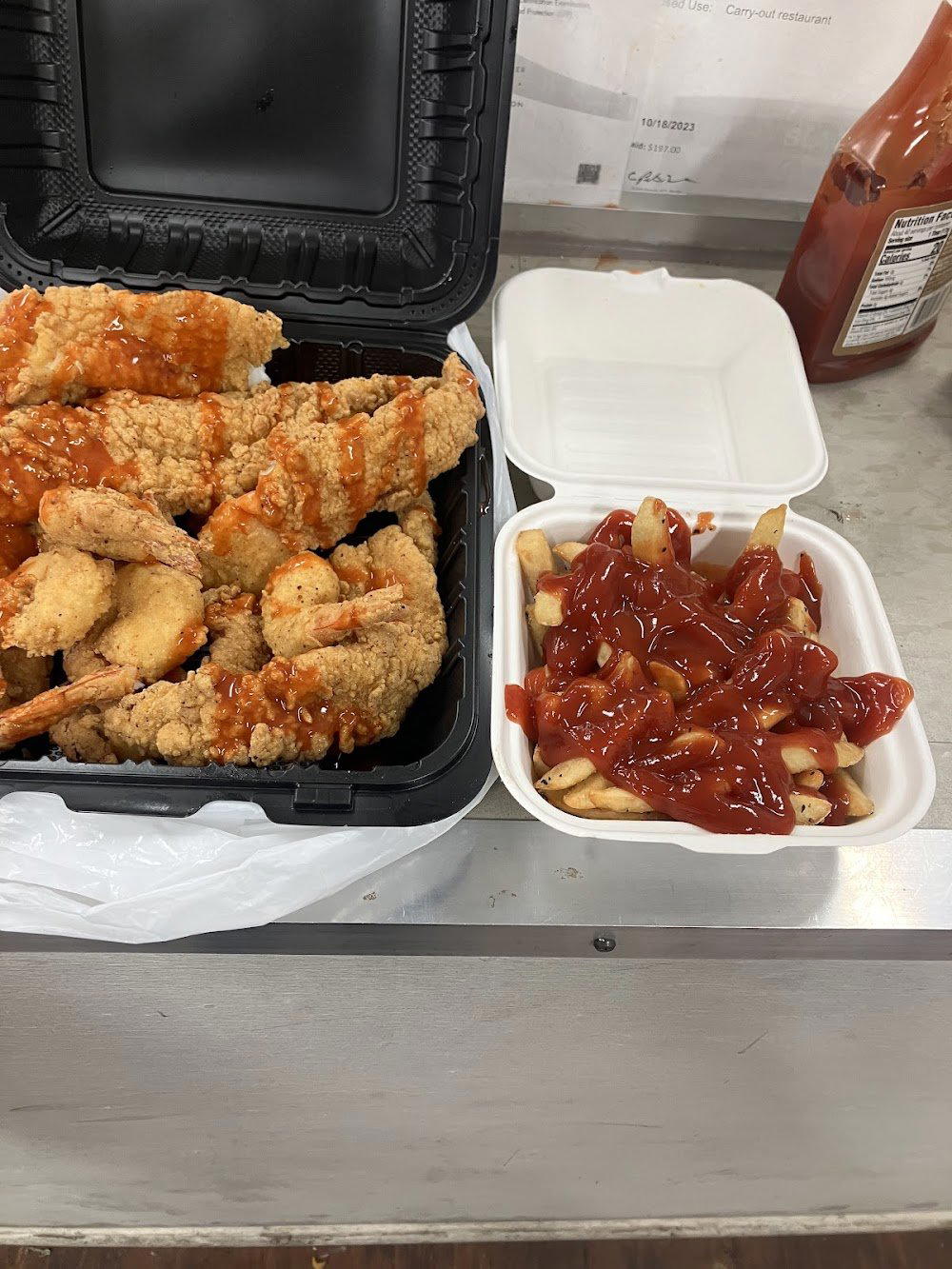
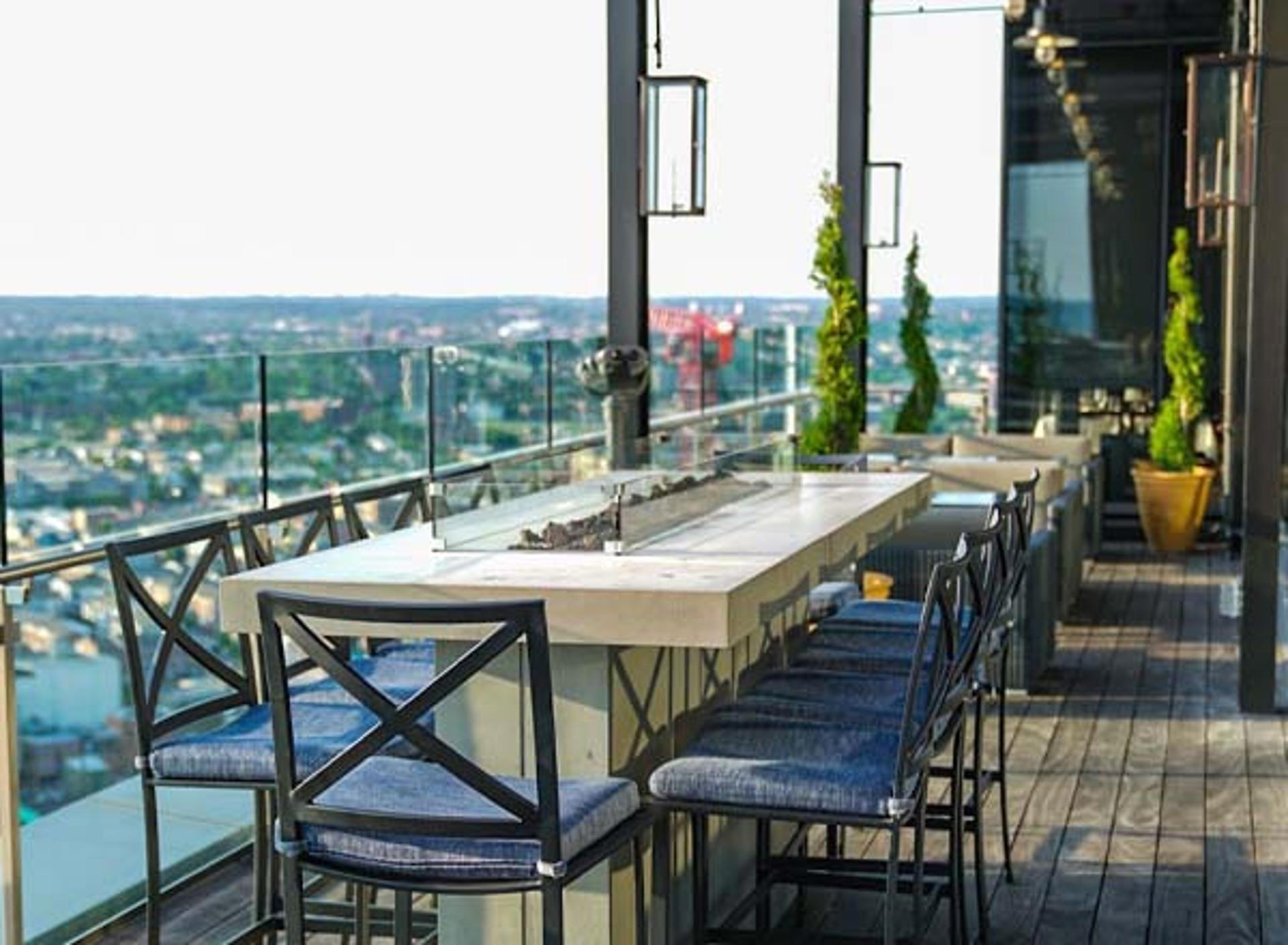
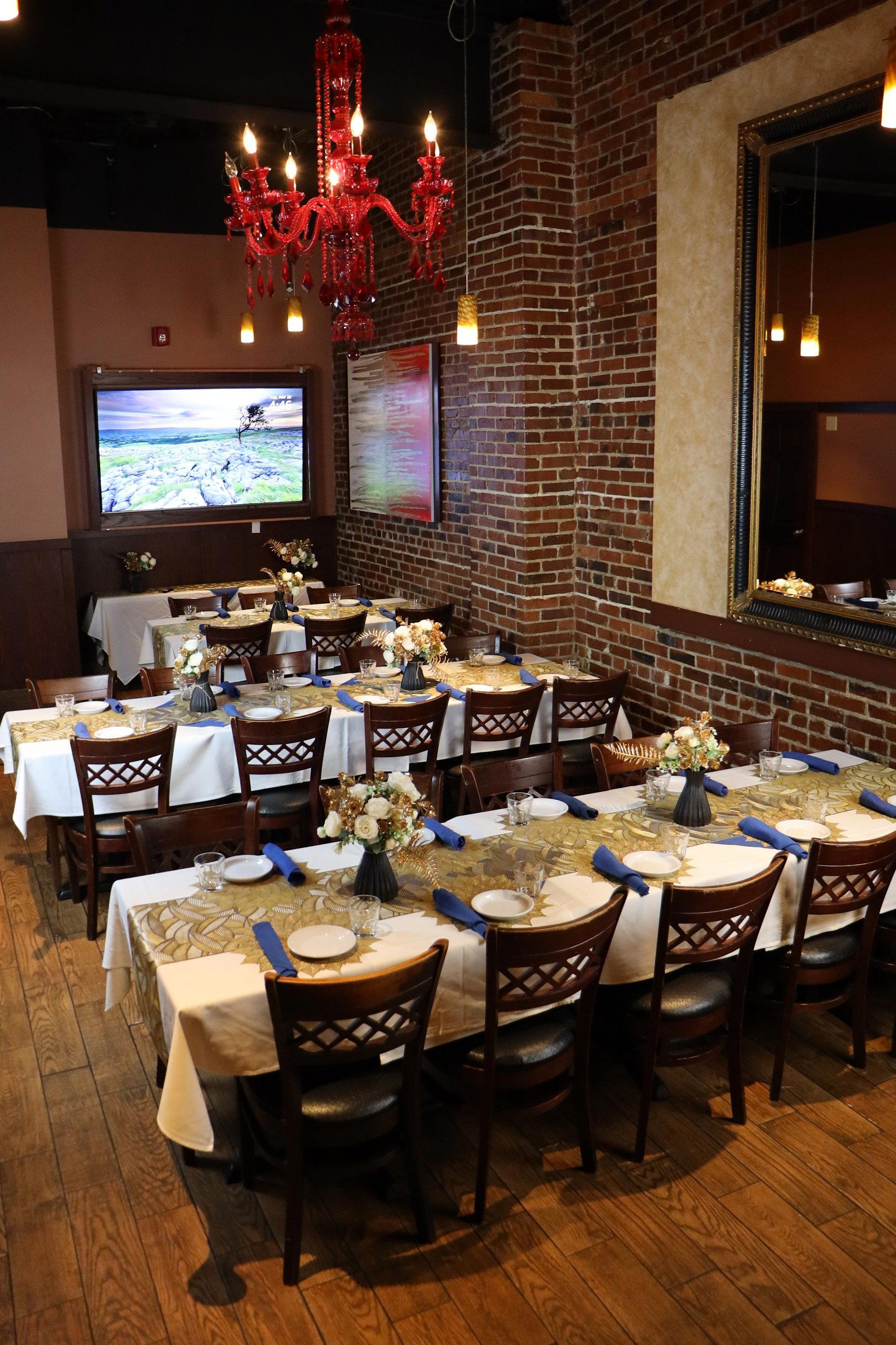
Bars in Middle River
Browse all →
At a Glance
- Classic
- Cozy
- Brunch
- Group Dining
- Casual Hangout
- Open Kitchen
- Craft Cocktails
- Local Sourcing
Casual dining atmosphere with moderate noise levels, suitable for brunch, lunch, and dinner.