Miss Toya's Southern Kitchen
A neighborhood Southern kitchen on Baltimore Avenue in Laurel, Maryland, Miss Toya's draws from the deep traditions of American soul food, slow-cooked, seasoned with intention, and grounded in the kind of cooking that predates the restaurant industry itself. For Laurel diners looking beyond the strip-mall standard, it represents a specific and relatively rare category: community-rooted Southern cooking in a suburban Maryland corridor better known for chain dining.
Pearl is the En Primeur Club membership app — saves, bookings, and concierge access live there. Same editors, same standards.
- Address
- 14708 Baltimore Ave, Laurel, MD 20707
- Phone
- +14432880977
- Website
- misstoyasouthernkitchen.com
- Directions
- Get directions
 Saves & bookings on Pearl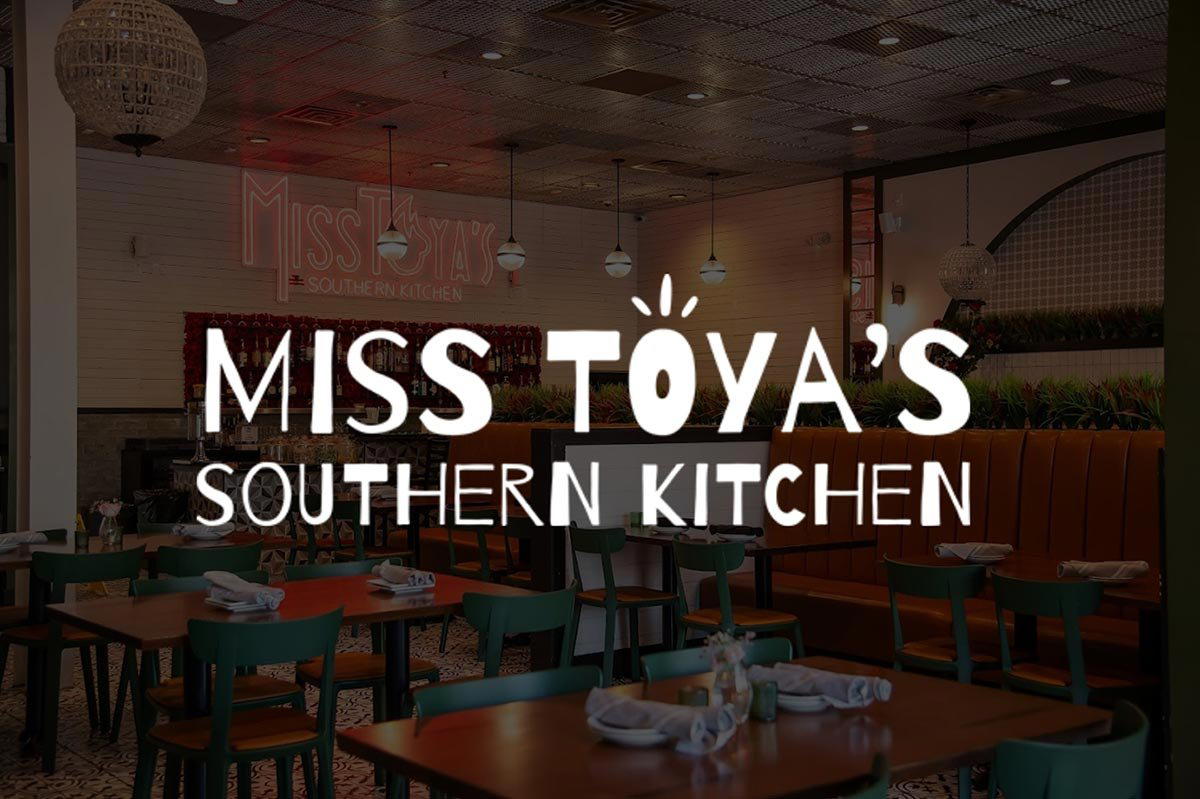
Southern Cooking in the Suburban Mid-Atlantic
Miss Toya's Southern Kitchen is a restaurant in Laurel, Maryland, serving Creole / Cajun / Southern food at a casual, recommended-price level. It is a commuter artery, familiar, functional, lined with the predictable rhythms of suburban Maryland commerce. The tradition of American soul food does not require a fashionable zip code to be taken seriously. If anything, the unglamorous setting is the point: this is food that has always been at its most honest in kitchens without pretension, in neighborhoods where people eat because they need to, not because they are performing a dining identity.
Miss Toya's Southern Kitchen at 14708 Baltimore Ave operates inside that tradition. The broader culinary category it belongs to, African American Southern cooking, has roots in West African technique, enslaved labor kitchens, and the Great Migration's northward spread. It produced the building blocks that inform everything from barbecue culture to the seasoned cast-iron cooking that fine-dining chefs now reference on tasting menus.
What Soul Food Means in a Suburban Maryland Context
Maryland sits at a culinary crossroads. The state's official food identity leans heavily on Chesapeake seafood, blue crab, rockfish, oysters, but its interior counties, particularly those in the Washington-Baltimore corridor, carry a strong Southern inheritance. Prince George's County, where Laurel sits, has one of the largest concentrations of African American residents in the country, and that demographic reality shapes what the local food culture actually looks like at the neighborhood level. Southern kitchens in this county are not novelty; they are infrastructure.
The distinction that matters for a restaurant like Miss Toya's is the difference between Southern cooking as a style deployed in a polished format and Southern cooking as a practice embedded in community. The former is what you find at destination restaurants that have absorbed the influence, places like Bacchanalia in Atlanta operating at the fine-dining tier, or the Southern-inflected seasonal menus at Blue Hill at Stone Barns in Tarrytown. The latter is what a neighborhood kitchen on Baltimore Avenue is actually doing: cooking for a local population with expectations shaped by decades of eating this food at home, not in restaurants.
That distinction creates both the appeal and the accountability. A community that grew up eating collard greens cooked low and slow, cornbread with a specific crumb texture, and fried chicken with a particular crust will notice immediately when the execution falls short. The standards are set by memory and by family, not by a Michelin committee. In that sense, the bar at a kitchen like Miss Toya's is harder to clear than it might appear from the outside.
Laurel's Dining Spread and Where Southern Cooking Fits
Laurel's restaurant scene has diversified considerably in recent years. The city's increasing density and demographic complexity have produced a dining corridor that now includes South Asian kitchens like Ananda, Mexican formats like Toucan Taco, and American casual options like Jailbreak Foodworks. European-influenced dining appears at spots like Catherine's. What the city has not historically offered in abundance is Southern cooking at the neighborhood-kitchen level, which makes Miss Toya's position on Baltimore Avenue meaningful within that local spread.
The comparison set for Miss Toya's is local: family-operated kitchens in Prince George's County and the broader Washington corridor where Southern food is a staple category rather than a destination draw. It is not even the serious mid-tier Southern tables that appear in cities with more established dining reputations. The relevant comparable set is local: other family-operated kitchens in Prince George's County and the broader Washington corridor where Southern food is a staple category rather than a destination draw. Within that set, consistency, generosity of portion, and fidelity to the cooking tradition are the metrics that drive word-of-mouth and repeat visits.
The Cultural Roots of the Menu
Soul food's canonical dishes carry genealogies worth knowing. Collard greens trace back to West African leafy-green cooking, adapted through centuries of American Southern agriculture. Cornbread reflects the indigenous grain traditions of the Southeast, modified through African and European contact. Macaroni and cheese, often dismissed as a side, arrived in African American cooking through Thomas Jefferson's Monticello kitchen and spread through church suppers and family gatherings into a near-universal fixture. Fried chicken's technique, seasoning under the skin, cooking in well-seasoned fat, reflects West African frying methods more directly than it does European preparation. These dishes are not simple comfort food in some vague, generic sense. They are the product of specific historical conditions, specific technical knowledge, and specific communities.
When a restaurant operates in this tradition, the question is always one of stewardship. Is the cooking pulling from those roots with fidelity, or has it been adjusted toward a more generic American casual format? That question can only be answered by eating there, and for diners who grew up with this food, the answer is usually apparent within the first few bites of something like braised greens or a properly seasoned smothered protein.
Planning Your Visit
Miss Toya's Southern Kitchen is located at 14708 Baltimore Ave, Laurel, MD 20707. Current hours are Monday through Thursday and Sunday from 11 AM to 9 PM, Friday and Saturday from 11 AM to 10 PM. Reservations are recommended, and pricing is about $25 per person. For allergy-related inquiries, contact the kitchen before visiting, given that soul food cooking traditionally uses pork-based fats and seasonings that may not be immediately apparent from menu descriptions alone. The restaurant sits on a major arterial road with surrounding surface parking typical of the corridor, making it accessible by car from both the Laurel and College Park areas.
Pricing, Compared
Comparable venues nearby, for context on price, style, and recognition.
| Venue | Cuisine | Price | Notes |
|---|---|---|---|
| Miss Toya's Southern KitchenThis venue — the venue you are viewing | Not listed | $$ | Not listed |
| Toucan Taco | Laurel, Classic Mexican Taqueria | $ | Not listed |
| Jailbreak Foodworks | Not listed | $$ | Laurel, Modern American Gastropub with Dry-Aged Steaks |
| Ananda | Fulton, Polished Punjabi Indian Cuisine | $$$ | Not listed |
| Catherine's | Not listed | $$$ | Corridor Marketplace, Italian Caribbean Fusion |
| The Periodic Table | Not listed | $$ | Columbia, American Fusion with Global Twists |
Continue exploring
More in Laurel
Restaurants in Laurel
Browse all →
Bars in Laurel
Browse all →
Hotels in Laurel
Browse all →

Wineries in Laurel
Browse all →
At a Glance
- Cozy
- Lively
- Family
- Group Dining
- Casual Hangout
- Brunch
- Open Kitchen
- Craft Cocktails
Current opening hours
- Monday
- 11 AM–9 PM
- Tuesday
- 11 AM–9 PM
- Wednesday
- 11 AM–9 PM
- Thursday
- 11 AM–9 PM
- Friday
- 11 AM–10 PM
- Saturday
- 11 AM–10 PM
- Sunday
- 11 AM–9 PM
Hours can change for holidays and private events. Last verified .
Warm, cozy, and lively setting with moderate noise levels.