Koco's Pub
A Harford Road fixture that has weathered Baltimore's shifting neighborhood dynamics for decades, Koco's Pub sits in the Hamilton-Lauraville corridor where working-class regulars and newer residents share the same booths. The pub's reputation among locals runs well ahead of its press coverage, the kind of place that fills on word of mouth rather than review cycles. For anyone building a picture of Baltimore's bar scene beyond the Inner Harbor, it belongs on the itinerary.
Pearl is the En Primeur Club membership app — saves, bookings, and concierge access live there. Same editors, same standards.
- Address
- 4301 Harford Rd, Baltimore, MD 21214
- Phone
- +1 410 426 3519
- Website
- kocospub.com
- Directions
- Get directions
 Saves & bookings on Pearl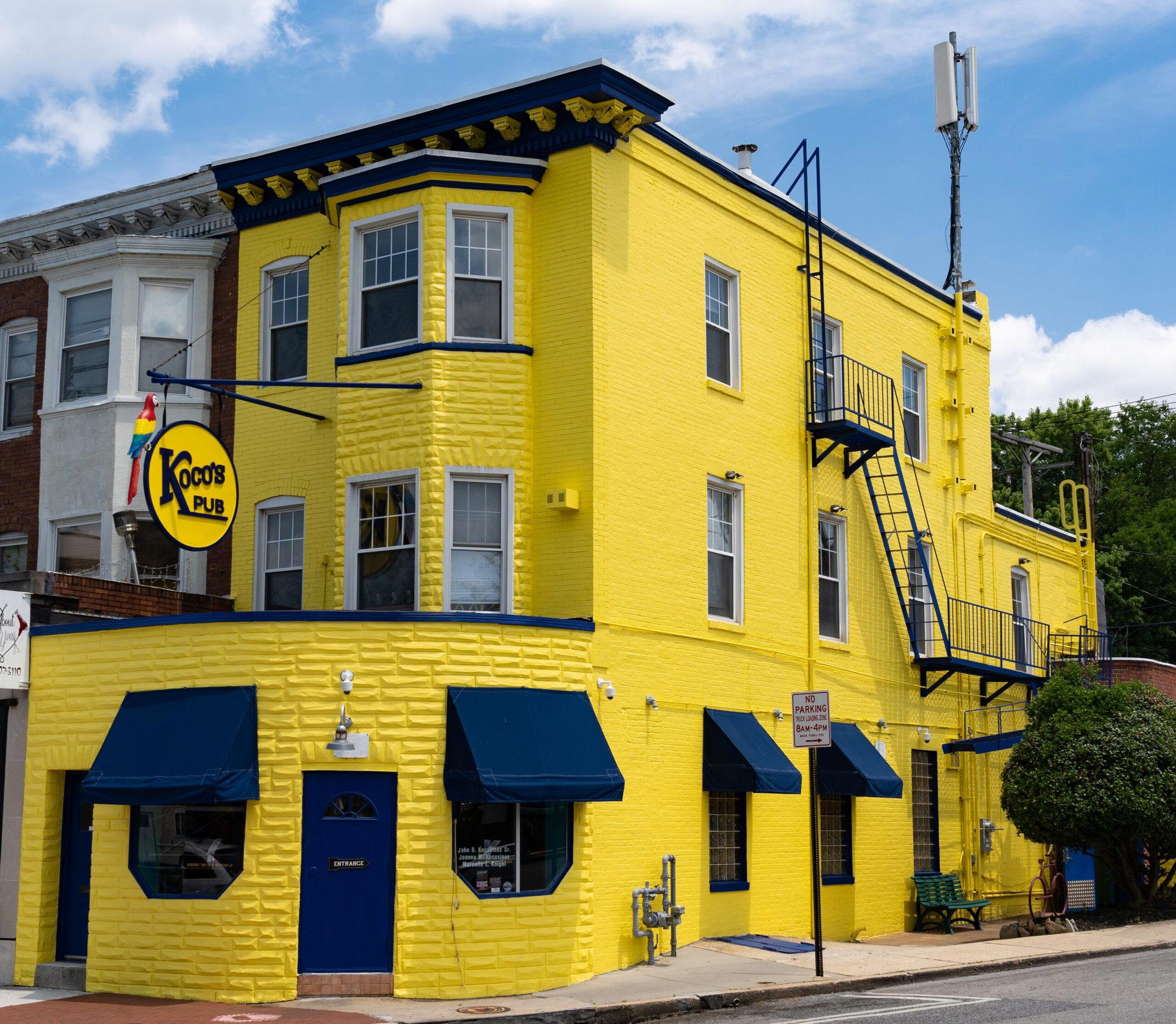
Harford Road and the Long Arc of Baltimore's Neighborhood Bars
Baltimore's bar culture has always been shaped less by trend cycles than by the slow accumulation of neighborhood loyalty. Koco's Pub at 4301 Harford Rd occupies that category, a pub that has endured not through reinvention for its own sake but through the quieter discipline of remaining relevant to its immediate community.
That kind of staying power is harder to achieve than it looks. Baltimore's bar scene has shed dozens of neighborhood institutions since the 2008 recession reshaped commercial corridors across the city. The bars that survived tended to do so through one of two routes: they repositioned themselves as craft-forward destinations drawing visitors from outside the neighborhood, or they doubled down on the regulars who were already there. For comparison, venues like Alma Cocina Latina and Barcocina represent Baltimore's more destination-oriented end of the spectrum, drawing from across the city on the strength of their programming and kitchen output.
The Evolution of a Neighborhood Pub
The story of how a pub like Koco's changes over time is rarely the story of a single dramatic pivot. More often it is a series of small calibrations: a menu that absorbs new preferences without abandoning the plates people return for, a room that gets a coat of paint without losing the particular quality of light that made it feel like a regular's place. Along the Harford Road corridor, the demographic mix has shifted noticeably over the past fifteen years. Hamilton-Lauraville drew in a younger, more mixed population through the 2010s, and bars in the area adapted at different speeds and with different degrees of willingness. Koco's position in that evolution is instructive precisely because it did not chase the newer arrivals at the expense of the people who were already there.
That approach is not without risk. Neighborhood bars that resist repositioning can find themselves caught between audiences, serving neither the longtime regulars who want things unchanged nor the newer visitors who are looking for something more curated. The bars that manage the transition well tend to do so through hospitality quality rather than concept overhaul: consistency of service, reasonable pricing, and a room that signals welcome rather than exclusivity. Baltimore has enough examples of bars that overcorrected in both directions to make Koco's middle path worth noting. Spots like Alonso's and Baba'de reflect different points on that spectrum, each having negotiated the city's changing bar dynamics in distinct ways.
What the Room Tells You
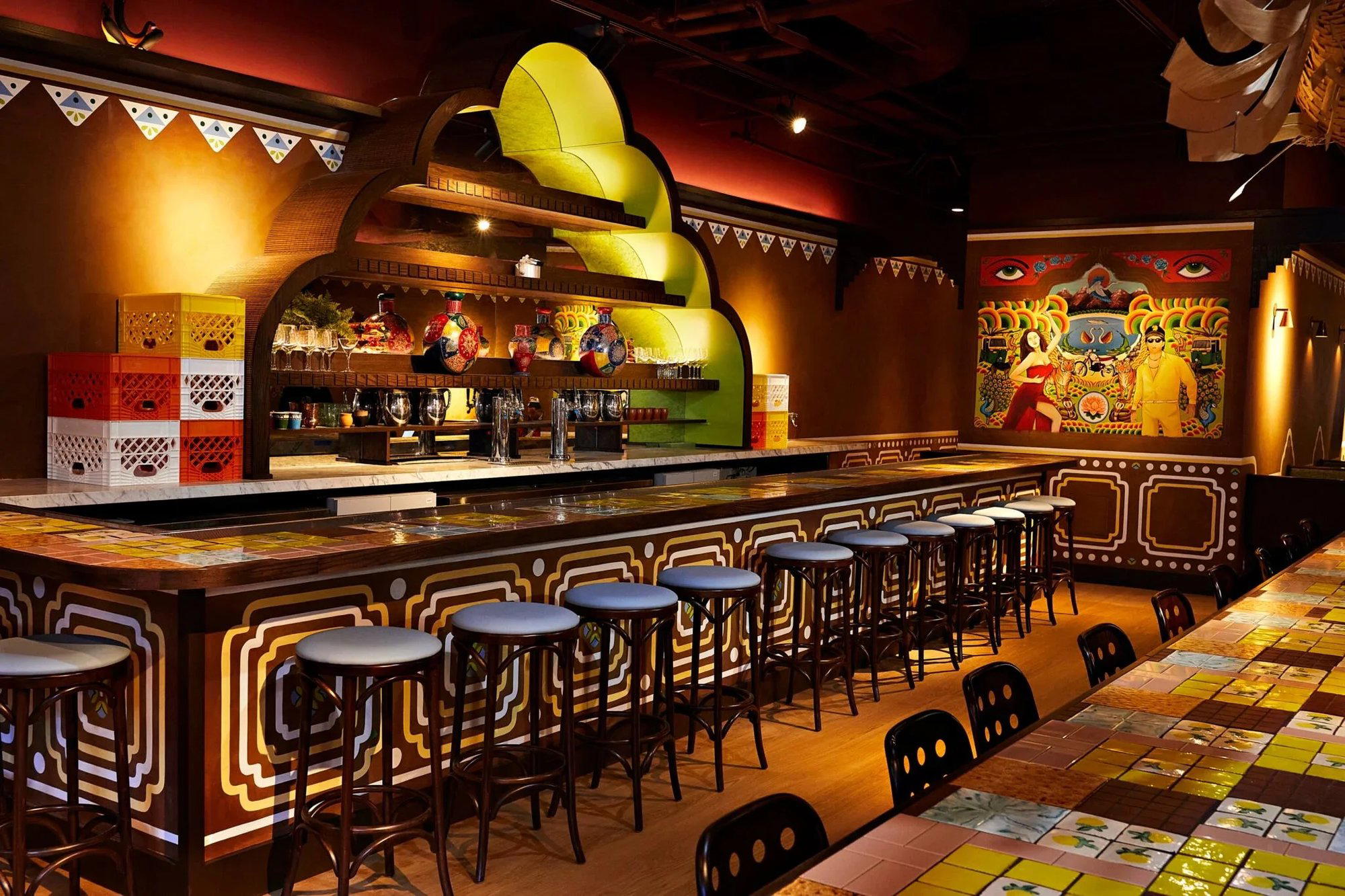
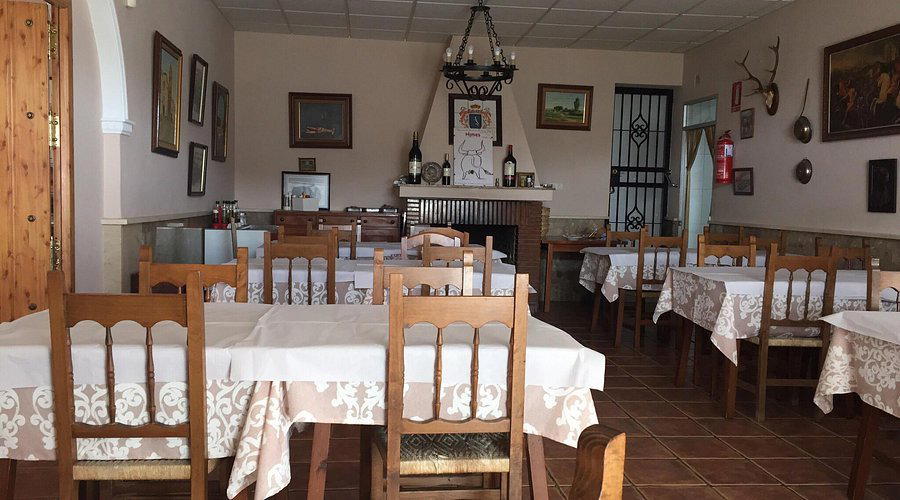
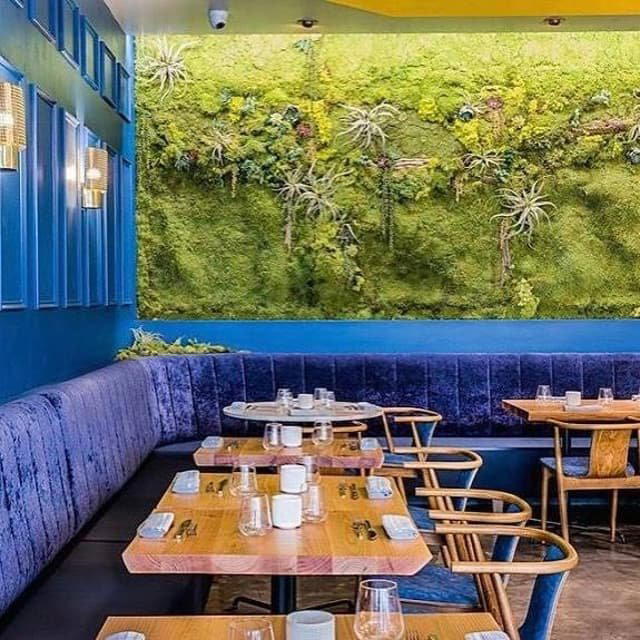
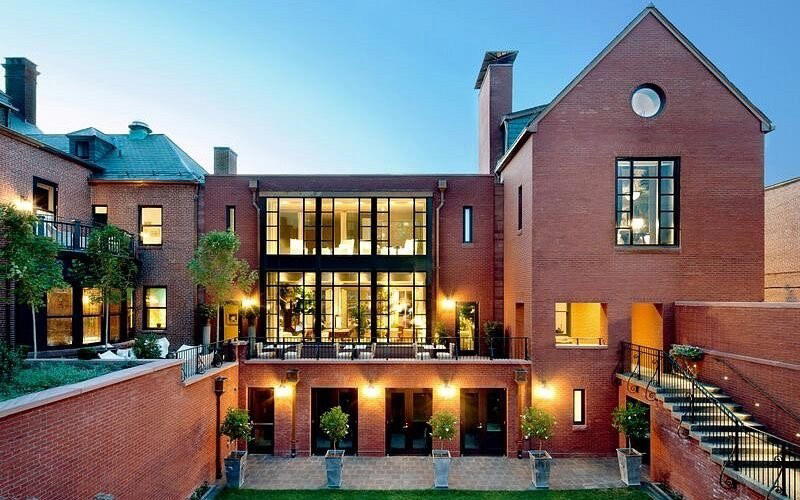
Neighborhood pubs in Baltimore's outer residential corridors tend to share certain physical qualities: modest square footage, bar seating that does real work rather than serving as a performative element, lighting calibrated for conversation rather than content creation. The approach at Harford Road addresses a local audience whose standards for an evening out center on comfort and familiarity rather than novelty. That is not a critique. The bars that perform this function well are doing something that the city's more photographed venues are not, and they serve a portion of Baltimore's population that is larger than the press coverage of the downtown dining scene would suggest.
What distinguishes Koco's within that type is the depth of its local reputation. Bars in this tier of the Baltimore market rarely generate coverage in regional food media, yet they frequently accumulate the kind of word-of-mouth loyalty that keeps a room occupied across slow periods when concept-driven competitors are struggling with foot traffic. The absence of a website or dedicated booking infrastructure is itself a signal: this is a place that has never needed to market itself at a distance, because the audience it serves already knows where it is.
Placing Koco's in the Wider Bar Conversation
Across American cities, the most technically ambitious bar programs tend to cluster in downtown cores and gentrifying adjacent neighborhoods, drawing on a national conversation about cocktail craft that is well documented in venues like Kumiko in Chicago, Bar Leather Apron in Honolulu, Jewel of the South in New Orleans, Julep in Houston, Superbueno in New York City, ABV in San Francisco, and The Parlour in Frankfurt on the Main. Koco's does not belong to that conversation, and placing it there would misrepresent what it is and what it does well.
The more honest framing is this: Baltimore's bar culture is bifurcated in ways that most out-of-town coverage fails to capture. The nationally legible version of the city's drinking scene is concentrated in a handful of neighborhoods and amplified by a small number of outlets covering the mid-Atlantic food and drink beat. The version that most Baltimore residents actually inhabit is distributed across dozens of corridors like Harford Road, where the bars are quieter, the prices are lower, and the relationship between a room and its regulars is measured in years rather than months. Koco's operates firmly in that second version, which makes it less useful as a destination for visitors building a weekend itinerary around cocktail programs but considerably more useful as an index of how Baltimore actually drinks.
Planning a Visit
Koco's Pub is located at 4301 Harford Rd in the Hamilton-Lauraville neighborhood, accessible by car from the downtown core in roughly fifteen to twenty minutes depending on traffic. Phone and website information is not publicly listed in current directories, which means walk-in is the practical approach for anyone planning a visit. Given its neighborhood-pub positioning and the absence of a reservation infrastructure, timing a visit to avoid peak evening hours on weekends is the sensible move for anyone coming from outside the area. The surrounding Harford Road corridor has enough adjacent points of interest to make it worth combining with a broader exploration of northeast Baltimore's commercial strip. For a fuller picture of where Koco's sits within the city's drinking and dining options, the EP Club Baltimore guide maps the scene across neighborhoods and price tiers.
Continue exploring
More in Baltimore
Bars in Baltimore
Browse all →
Restaurants in Baltimore
Browse all →
At a Glance
- Cozy
- Classic
- Rustic
- Casual Hangout
- Historic Building
- Seated Bar
- Classic Cocktails
Current opening hours
- Monday
- Closed
- Tuesday
- 4:30–9 PM
- Wednesday
- 11 AM–9 PM
- Thursday
- 11 AM–9 PM
- Friday
- 11 AM–9 PM
- Saturday
- 12–9 PM
- Sunday
- Closed
Hours can change for holidays and private events. Last verified .
Cozy corner bar with typical neighborhood feel, a few tables, highboys, bar seating, and walls full of character; a little loud.
Know Before You Go
- Getting there
- 4301 Harford Rd, Baltimore, MD 21214