The Wren


Bon Appétit The 20 Best New Restaurants #6 · New York Times America's Best Restaurants
Our verdict
Opened in February 2025 in Fells Point, The Wren is a 20-stool American Irish pub drawing from British, Irish, and continental European seasonal cooking traditions. Chef-owner Will Mester works a minimal kitchen setup to produce a daily-changing chalkboard menu of duck rillettes, lard-crust pies, and anchovy-buttered vegetables. The drink program spans draft beer, cocktails, whiskeys, and wine in a format that takes each category seriously.

Pearl is the En Primeur Club membership app, where members save venues, book tables and use the concierge.
The menu
What to order
- Beef-and-ale pie
- Duck rillettes
- Black pudding
Fells Point's Pub Standard, Recalibrated
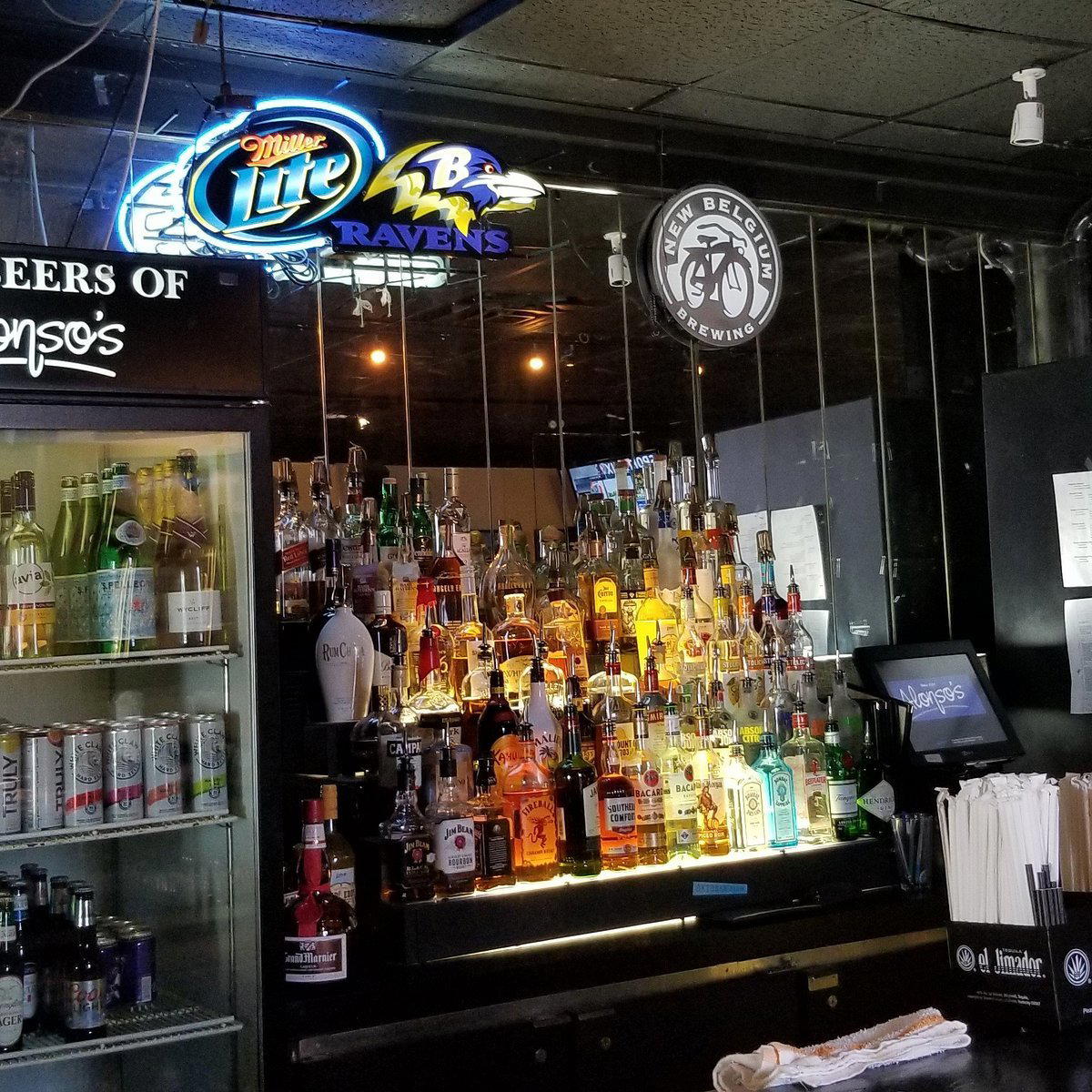
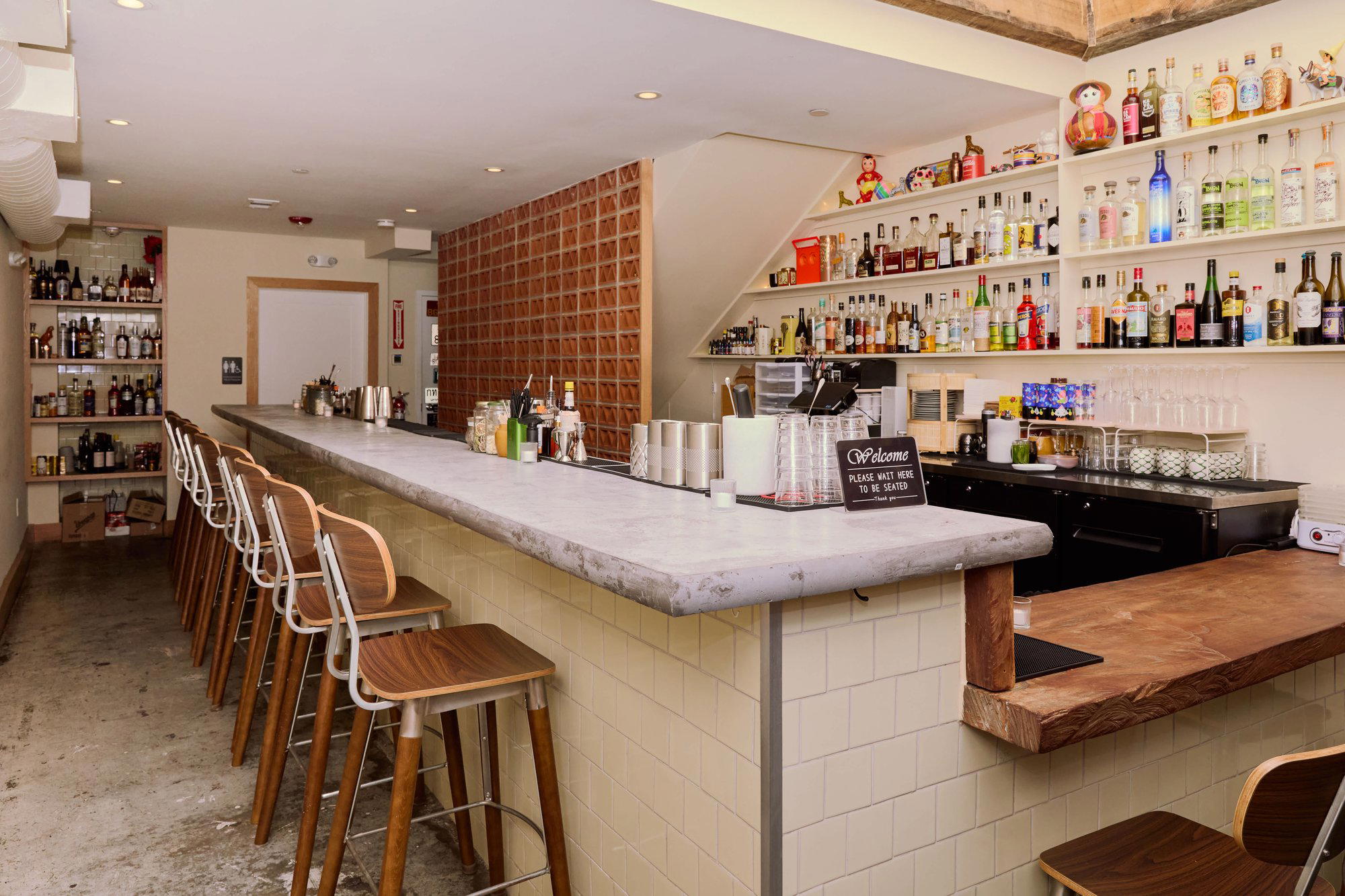
The American Irish pub occupies a well-worn slot in the Baltimore drinking scene, and Fells Point has its share. Most deliver on atmosphere and draft beer while coasting on imported signage and generic bar snacks. The Wren, which opened in February 2025 on Aliceanna Street, belongs to a smaller category: pubs that take the format seriously enough to do all of it well at once. A room of 20 bar stools and a lounge that reads as any other dim, welcoming Fells Point tavern from the outside holds a kitchen operation that reframes what a neighbourhood pub can do with genuinely good ingredients and close attention.
That combination, serious drink and serious food without either dominating the other, is rarer in the United States than in the British Isles traditions the pub draws from. The Wren's stated inspirations are Ireland, the UK, and continental Europe, which positions its seasonal, country-cooking approach against the kind of gastropub that exists in name only. In a city where Cindy Wolf's Charleston represents the formal end of the dining spectrum and neighbourhood spots like Attman's Delicatessen anchor longstanding community traditions, The Wren sits in its own tier: a room that reads as casual but performs at a level that justifies attention from food-minded visitors, not just locals after a pint.
The Drink Program: Where Curation Does the Work
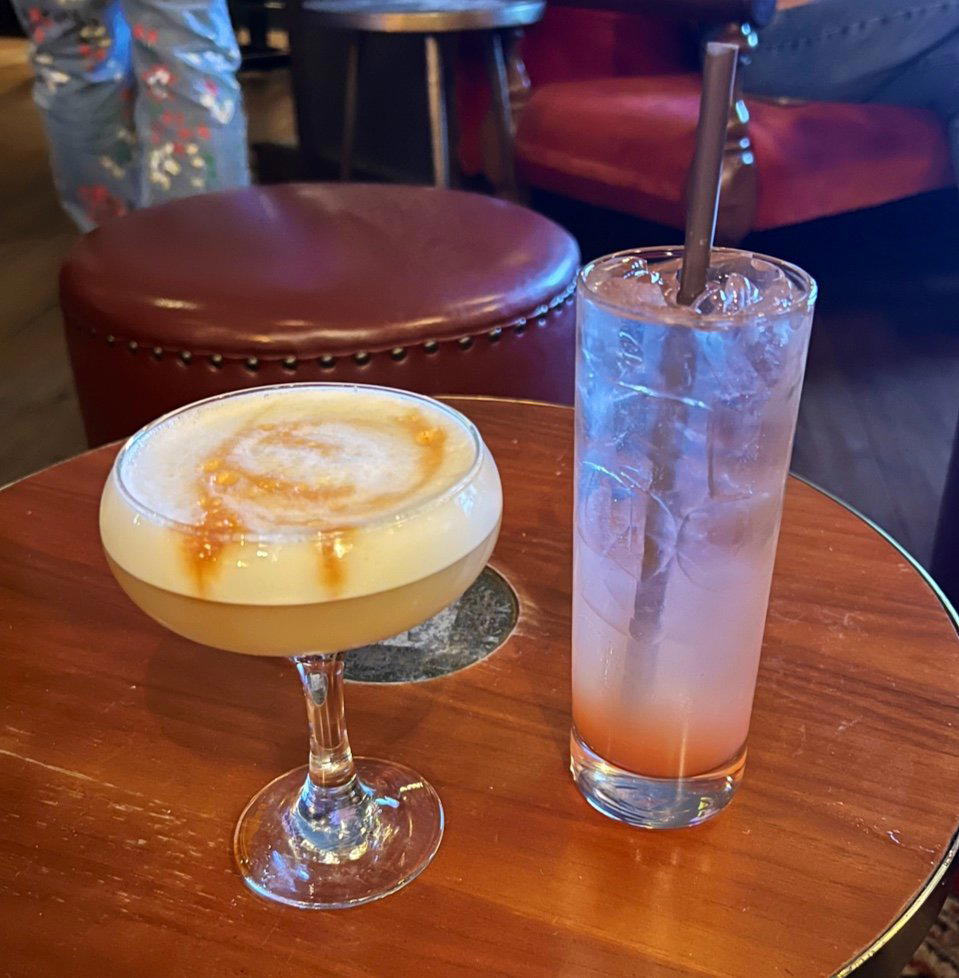
For a room this size, the stated ambition of the drink list is notable. The format covers draft beer, cocktails, whiskeys, and a wine selection, not as a scattershot bar menu, but with the logic that each category earns its place. British and Irish pub culture has always treated the bar as the central proposition, with food arriving as a complement rather than an afterthought. The Wren imports that hierarchy into Baltimore, which means the quality of the draft pull, the selection of whiskeys, and the construction of the cocktail list carry weight equal to what comes out of the kitchen.
The wine component is concise by design. In a small-room pub format, a long wine list would be a liability rather than an asset, difficult to manage, slow to turn, and misaligned with a room whose strengths are draft and spirits. A few well-chosen wines, as the pub's own framing describes it, suits the scale and the tradition. This approach mirrors what the better gastropubs in London and Dublin have understood for years: wine at a pub counter works well when the selection is tight, purposeful, and priced to encourage ordering rather than deliberation. For guests arriving from the broader Baltimore dining scene after dinner at dede or Baba'de, The Wren functions effectively as a late stop where the whiskey list does more of the heavy lifting than the wine.
The Kitchen: Constraint as Method
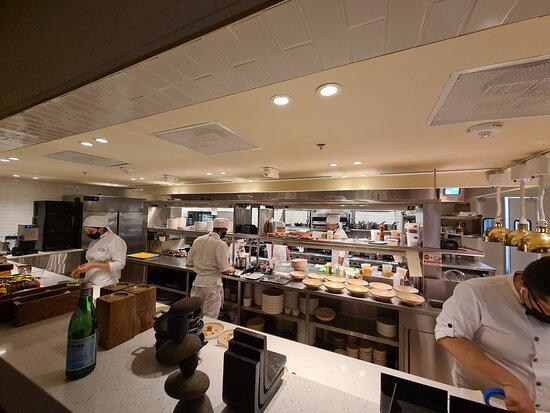
Chef and co-owner Will Mester works with induction burners and a small convection oven, a setup that most kitchens would consider inadequate for the cooking described on the chalkboard. The constraint turns out to be an editorial filter. What comes out reflects what that equipment can do exceptionally well: braises, rillettes, egg dishes, slow-cooked meats, and baked goods. On a documented spring evening, the menu ran to duck rillettes with gherkins and thick-cut bread, grilled leeks in anchovy butter, a spring onion omelet with Lancashire cheese, and a beef-and-ale pie with lard crust and mashed potatoes. Apple cake followed as dessert.
That list reads as a coherent seasonal menu from a British or Irish country kitchen, not as pub food inflated by technique. The chalkboard changes daily, which means the menu tracks the season and the market rather than a fixed format. For a room that seats only 20 at the bar, daily-changing menus are operationally demanding, they require both supply relationships and the kitchen confidence to execute without repetition as a safety net. The comparison here is not with other Baltimore gastropubs but with the kind of small neighbourhood restaurants in the UK that built reputations on exactly this model: small rooms, skilled cooks, minimal equipment, serious produce.
Elsewhere in Baltimore's food scene, ingredient-driven kitchens tend to cluster at the higher price points. Angeli's Pizzeria operates at the neighbourhood end of the spectrum with its own version of sourcing discipline. At the national level, the commitment to seasonal, produce-led cooking that The Wren brings to its pub format is more typically associated with tasting-menu operations like Lazy Bear in San Francisco or Single Thread Farm in Healdsburg. That The Wren pursues the same sourcing logic at a 20-stool counter with a daily chalkboard is, at minimum, a signal of intent.
The Fells Point Context
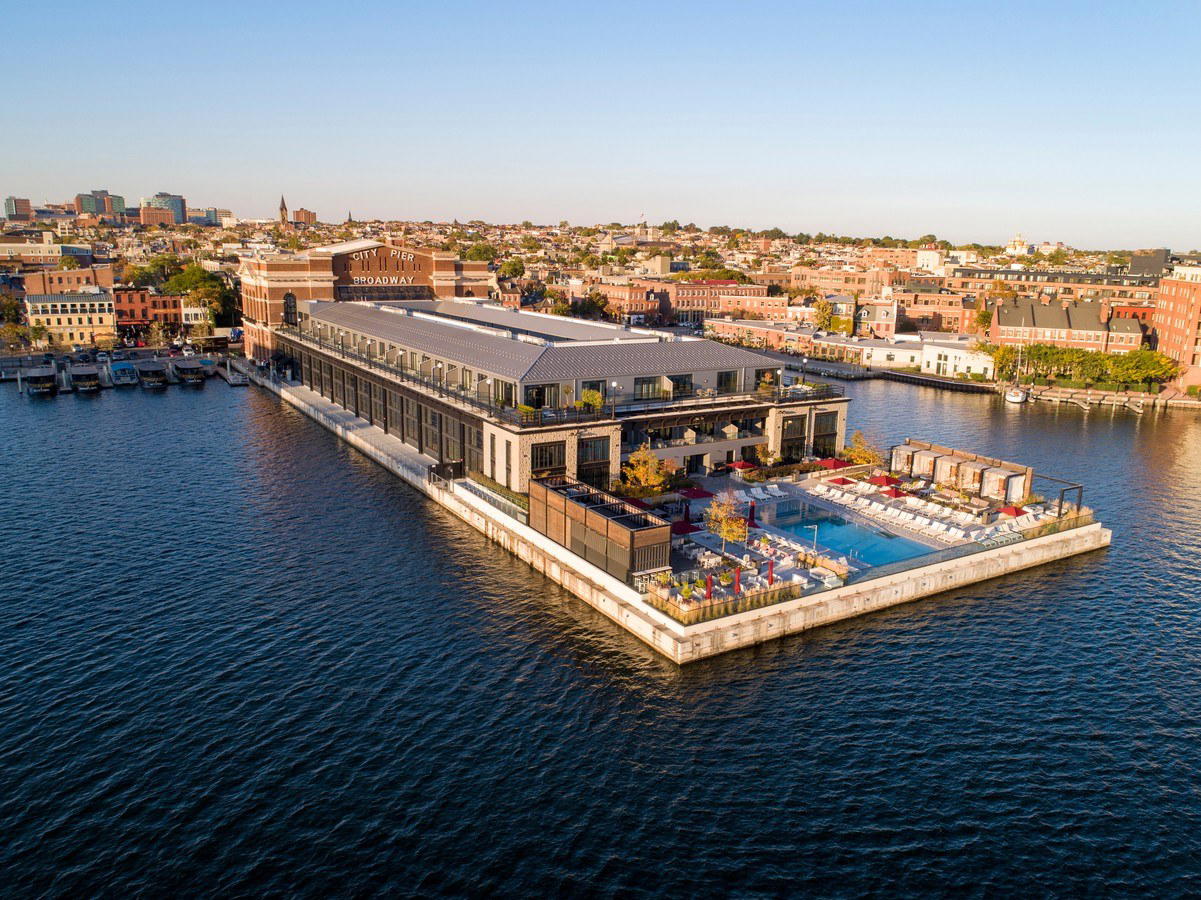
Fells Point has operated as Baltimore's most concentrated drinking neighbourhood for decades. The cobbled streets and waterfront proximity have historically made it a draw for bars over restaurants, with a few exceptions. The Wren sits at the intersection of those two traditions: it is primarily a pub, but one that takes its food seriously enough to attract guests who would otherwise be choosing between a proper dinner elsewhere and a drinks-only evening. That positioning opens a gap in Fells Point's offer that the neighbourhood previously lacked.
The community-focused framing the pub has adopted also matters in a neighbourhood where transient foot traffic and a regular local clientele both exist. A 20-stool room with no formal dining section signals a commitment to the bar-as-destination rather than the restaurant-with-a-bar model. That distinction carries through into the practical experience: this is a place to sit, order from the chalkboard, work through a glass of something considered, and stay longer than you planned.
Planning Your Visit
The Wren is at 1712 Aliceanna Street in Fells Point, walkable from the neighbourhood's main cluster of bars and the waterfront. With only 20 bar stools and a lounge, capacity is limited enough that timing matters on weekends and for groups larger than two or three. Booking details and current hours are best confirmed directly through the venue before visiting. The daily-changing chalkboard means the menu cannot be previewed in advance, which is partly the point. For context on what else the city offers across all price points and formats, our full Baltimore restaurants guide covers the broader scene. If you're building a longer Baltimore itinerary, the hotels guide, bars guide, wineries guide, and experiences guide map out the rest of the city's offer.
Frequently asked questions
What's the must-try dish at The Wren?
The chalkboard menu changes daily, so no single dish is a permanent fixture. On a documented spring visit, the beef-and-ale pie with lard crust and buttery mash drew specific attention, as did smoky grilled leeks with anchovy butter. Arrive expecting the menu to reflect whatever is seasonal and available that week.
Where is The Wren in Baltimore?
The Wren is located at 1712 Aliceanna St, Baltimore, MD 21231, Baltimore.
Should I book The Wren in advance?
The Wren has 20 bar stools and a small lounge, total capacity is limited by design. Fells Point draws steady evening traffic, and a room this size fills quickly on weekends. Checking ahead before visiting, particularly for groups, is advisable.
What do critics highlight about The Wren?
Critical coverage has focused on the kitchen's output relative to its constraints: chef and co-owner Will Mester works with induction burners and a small convection oven to produce daily-changing seasonal dishes. Reviewers have also pointed to the coherence of the drink program, draft beers, cocktails, whiskeys, and wine, for a room of this scale. The Wren opened in February 2025.
Price Lens
| Venue | Cuisine | Price | Awards | Notes |
|---|---|---|---|---|
| The WrenThis venue (the venue you are viewing) | Irish Gastropub | $30–50 | Bon Appétit The 20 Best New Restaurants #6 · New York Times America's Best Restaurants | Not listed |
| dede | Turkish-Irish Fusion Fine Dining | $200–300 | 2 Michelin Stars · La Liste Top Restaurants | Turkish |
| Attman’s Delicatessen | Jewish Deli | $10–20 | Not listed | Not listed |
| Baba'de | Modern Turkish-Irish Fusion Small Plates | Not listed | Michelin Bib Gourmand · Star Wine List | Not listed |
| Clavel | Authentic Sinaloan Taqueria & Mezcaleria | $30–50 | James Beard Award Semi Finalist | Not listed |
| Faidley’s Seafood | Classic Maryland Seafood | $20–30 | Not listed | Not listed |
Recognition history
Dated appearances from independent guides and award organizations, with the underlying list record or original source where available.
Bon Appétit The 20 Best New Restaurants #6
Bon Appétit
New York Times America's Best Restaurants
New York Times
Continue exploring
More in Baltimore
Restaurants in Baltimore
All restaurants in Baltimore →

Details
- Cozy
- Intimate
- Classic
- Rustic
- Casual Hangout
- After Work
- Open Kitchen
- Craft Cocktails
- Extensive Wine List
- Local Sourcing
- Waterfront
- A La Carte
- Small Plates
- Guinness
- Irish Whiskey
- Scotch
Current opening hours
- Monday
- Closed
- Tuesday
- 5–10:30 PM
- Wednesday
- 5–10:30 PM
- Thursday
- 5–10:30 PM
- Friday
- 5–11:30 PM
- Saturday
- 5–11:30 PM
- Sunday
- Closed
Hours can change for holidays and private events. Hours as of .
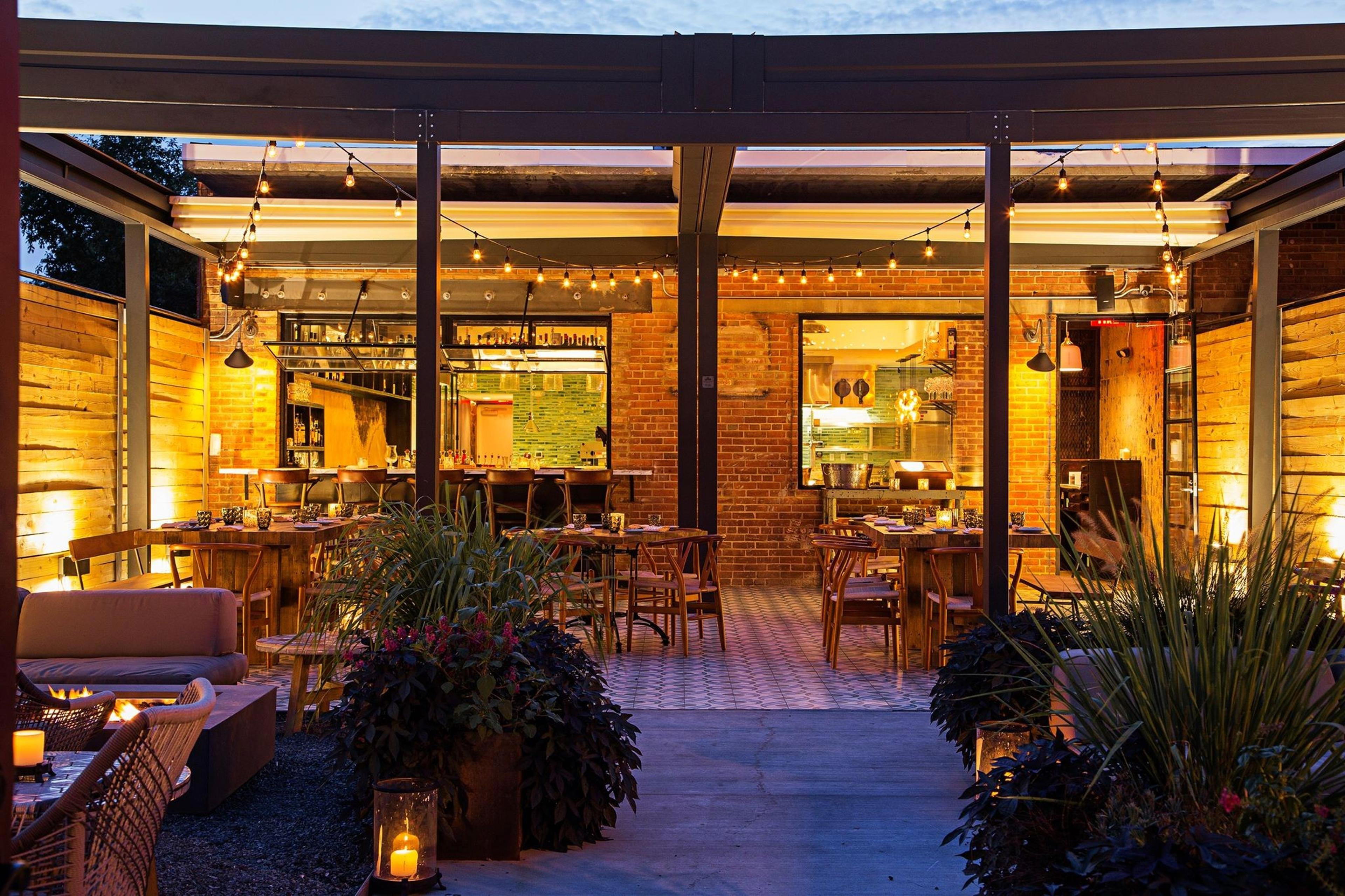
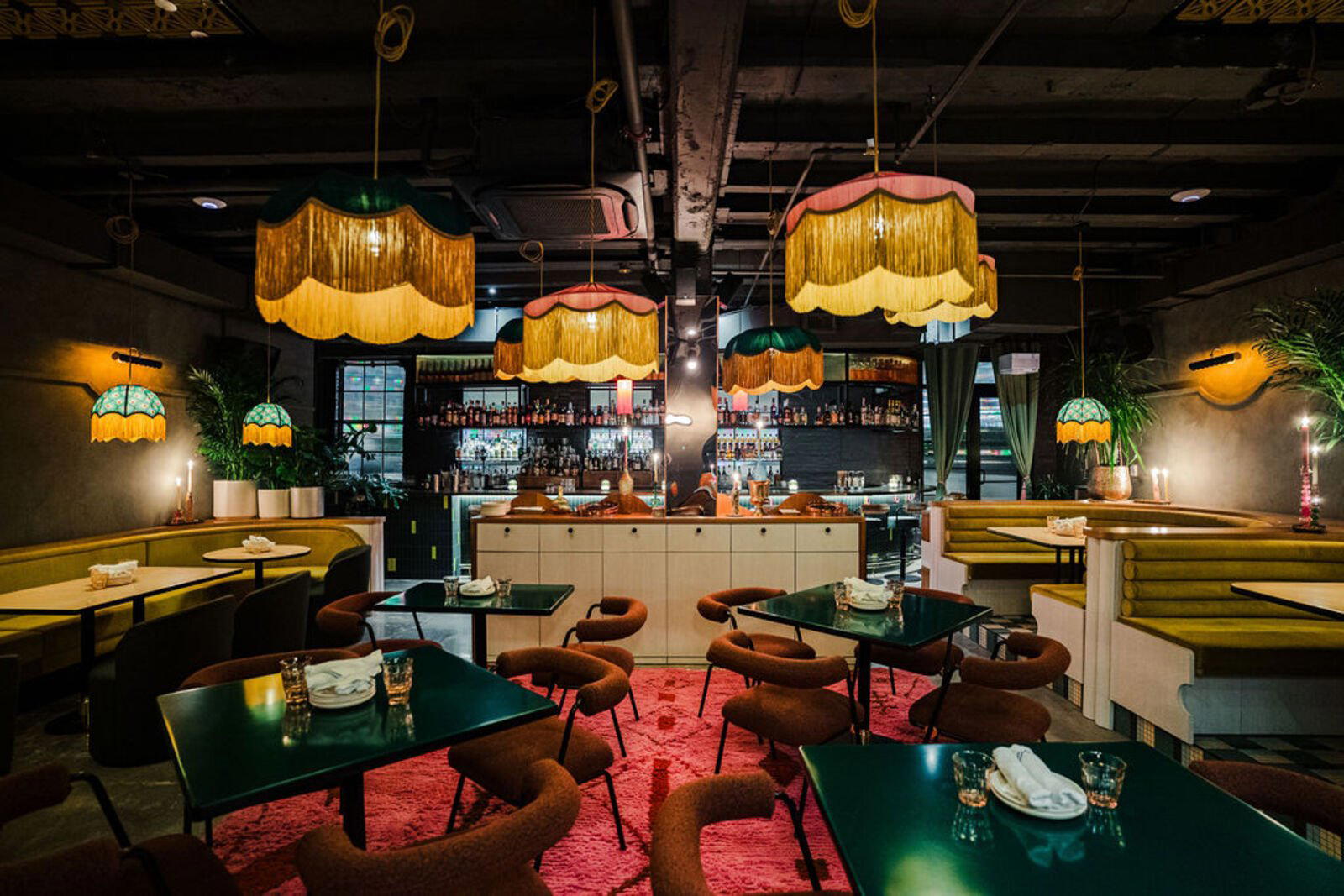
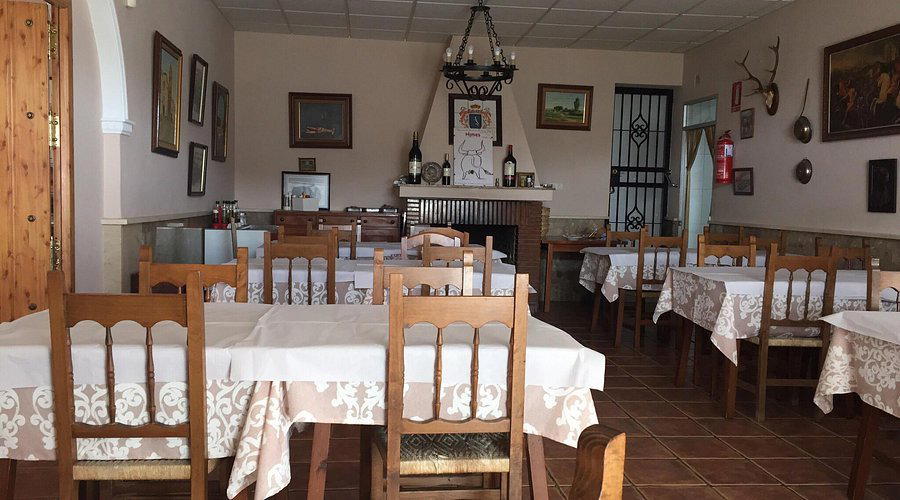
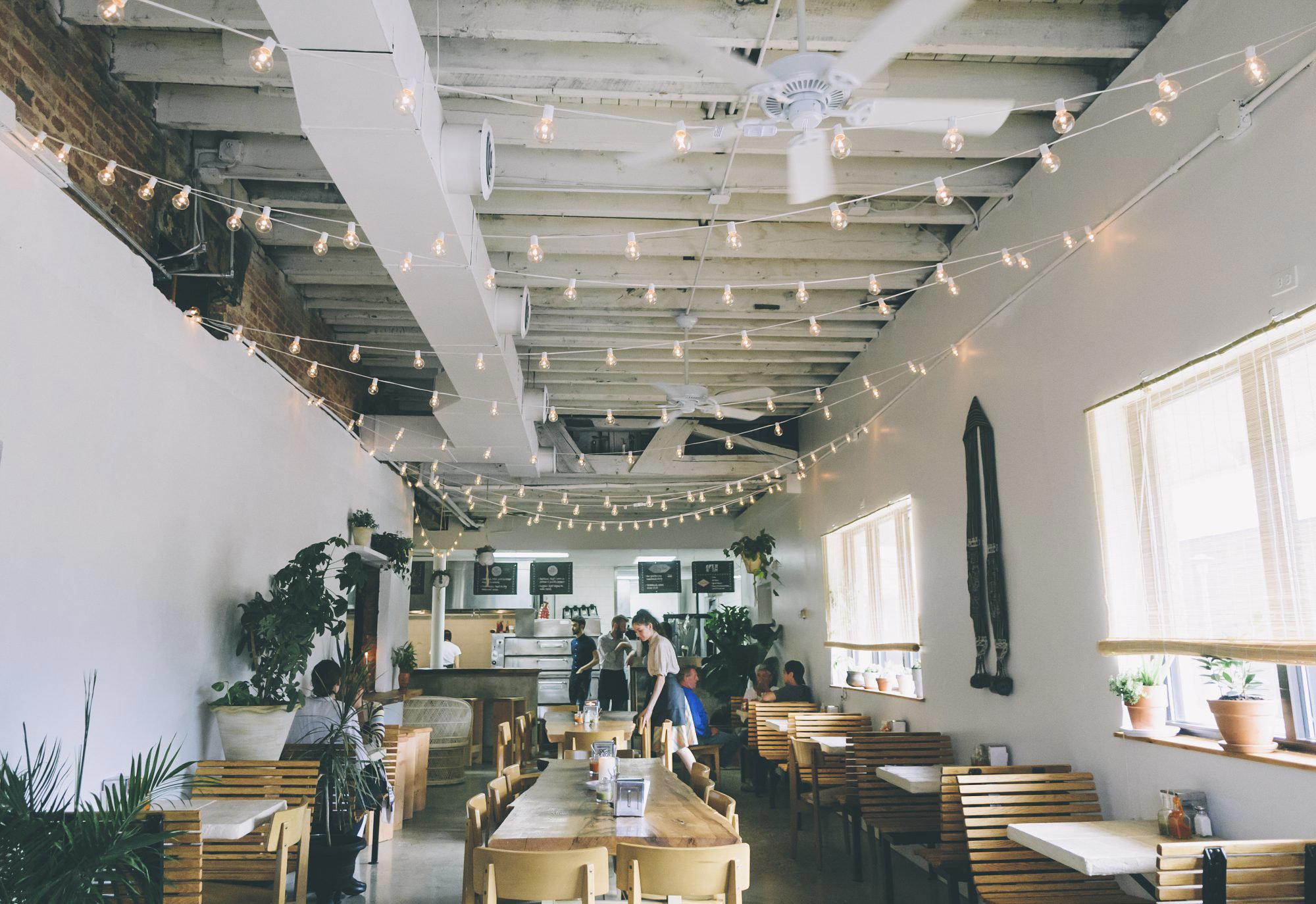
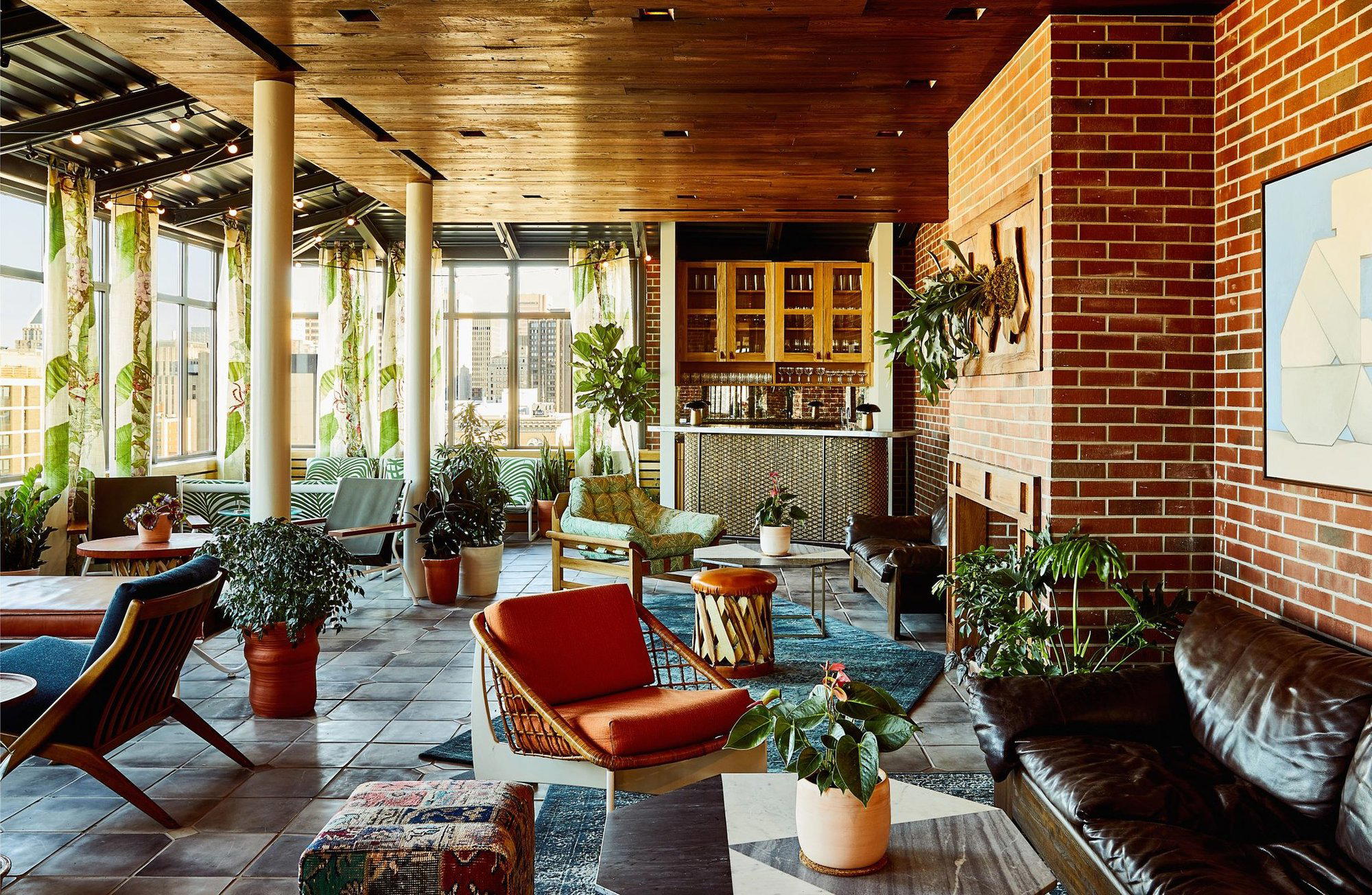
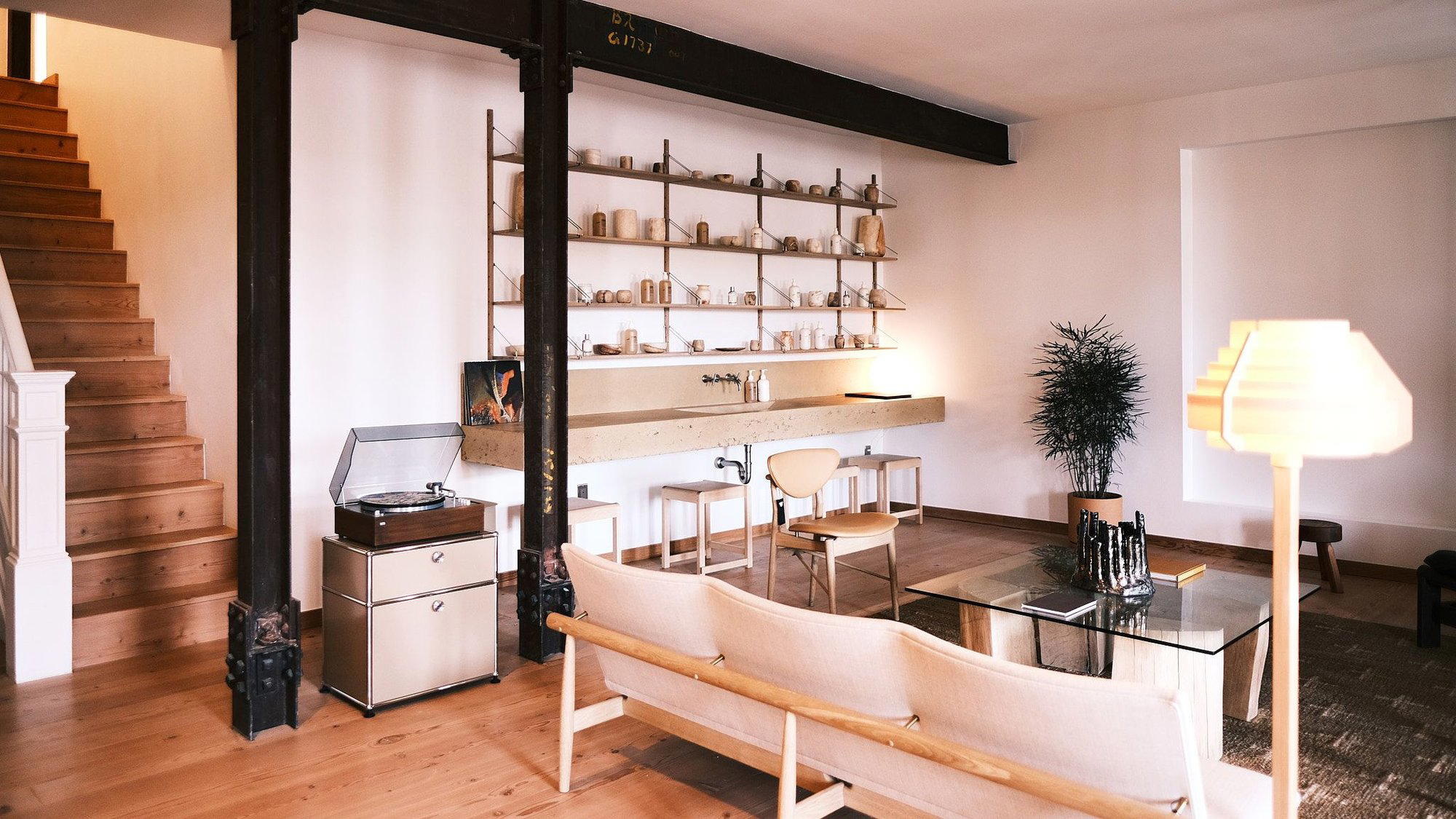
Warm, dimly lit with tin ceiling, oak bar, terracotta tiles, back lounge fireplace, record player, and lamplight creating a timeless, transportive pub atmosphere.