
1 Michelin Star
Our verdict
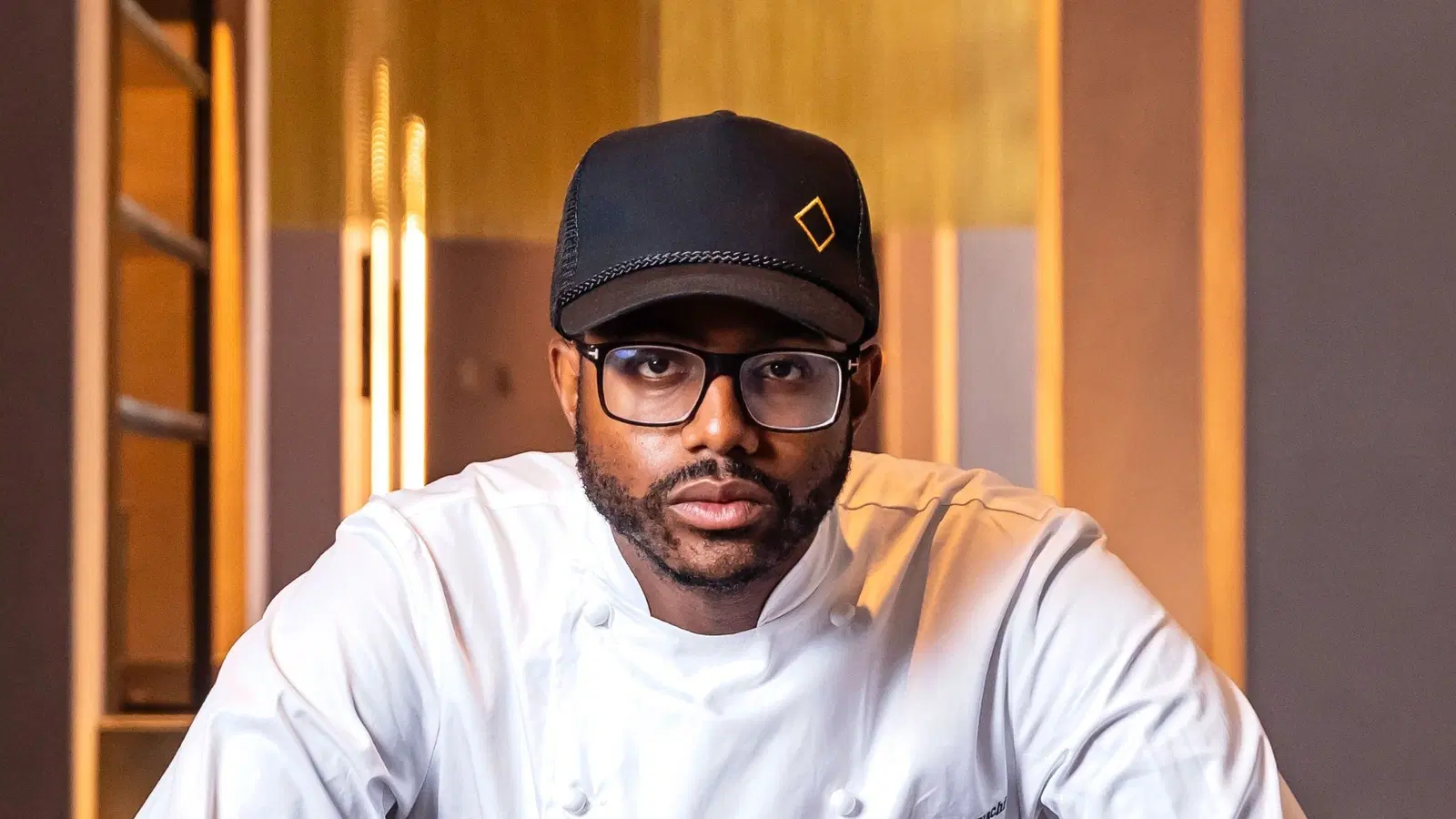
Housed in a converted two-storey residence in Khlong Toei, Mia holds a Michelin star. Chef-Patrons Pongcharn "Top" Russell and Michelle Goh's seasonal 'Taste of Mia' menu runs five or eight courses, threading modern European technique through Asian ingredient sensibility. Three distinctly designed dining rooms upstairs and a ground-floor bar make it one of Bangkok's more considered mid-range fine dining addresses.

Pearl is the En Primeur Club membership app, where members save venues, book tables and use the concierge.
A House Repurposed, A Format That Earns Its Star
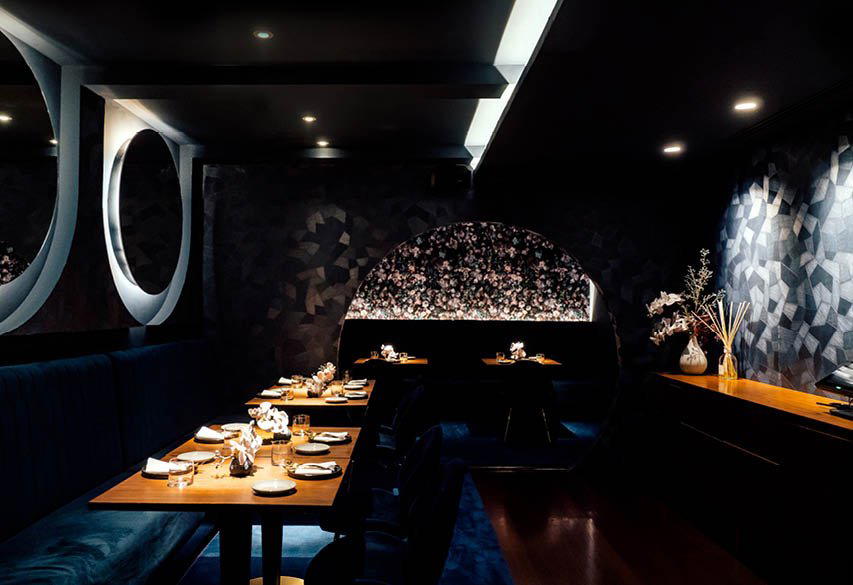
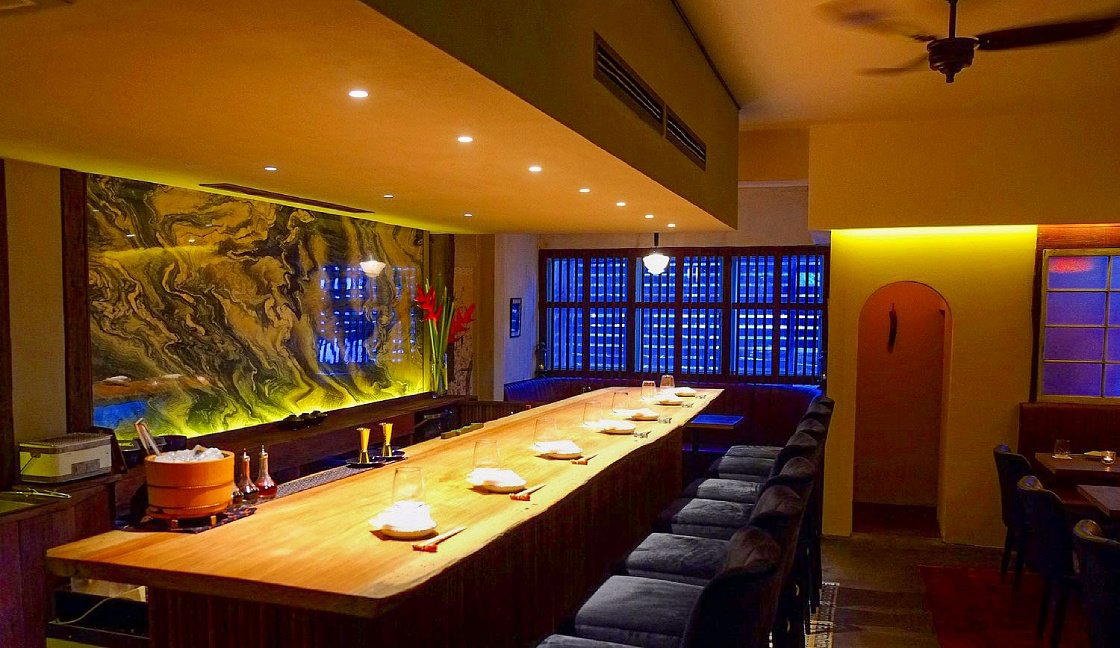
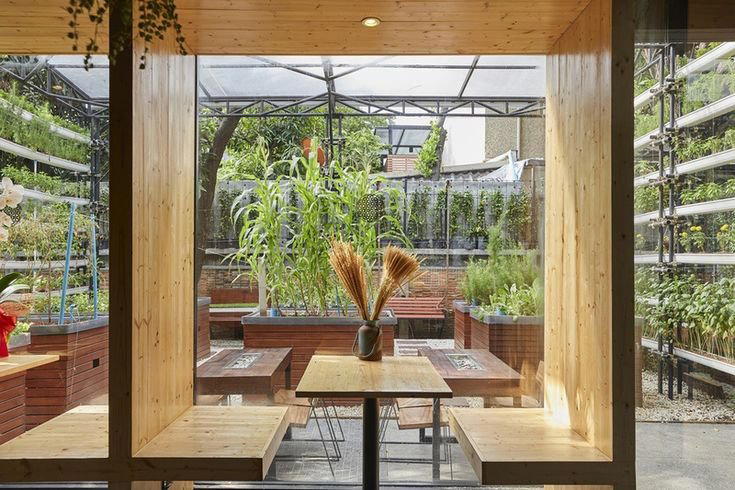
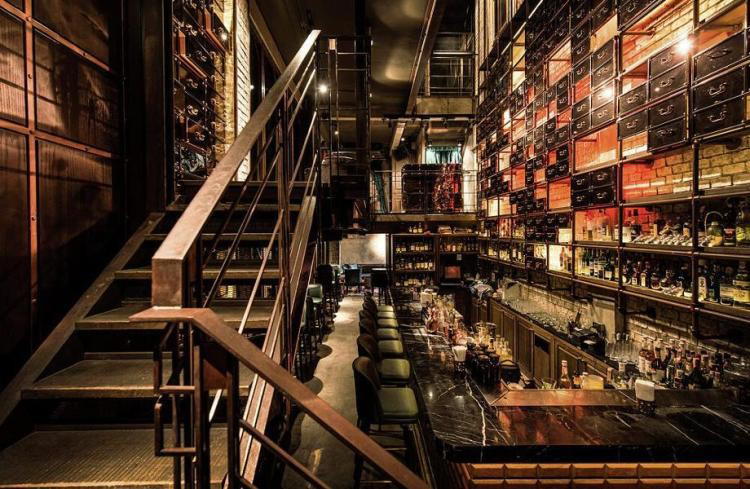
Bangkok's fine dining scene has steadily migrated away from hotel towers toward standalone residential conversions, and Mia in Khlong Toei sits near the front of that movement. The address, a contemporary two-storey house on Attha Kawi 1 Alley, signals intent before you step inside. The ground floor operates as a chic bar, a functional separator between street and dining room that gives guests a moment to recalibrate. Upstairs, the space divides into three distinct rooms: one dressed in colourful William Morris wallpaper, one anchored by tropical plants and cut flowers, one kept dark and deliberately close. The deliberateness of that variety is architectural storytelling of a kind that hotel dining rooms rarely attempt.
For context on where Mia sits in Bangkok's broader restaurant tier, compare it with peers like Sorn (Southern Thai) and Baan Tepa (Thai contemporary), both operating at the ฿฿฿฿ tier. Mia holds a Michelin star at ฿฿฿, which positions it as the more accessible entry point within Bangkok's starred cohort, not because it compromises on ambition, but because the format is calibrated to a tighter price bracket. That gap matters for planning: you get credentialed cooking without the full outlay of Bangkok's upper-tier omakase and tasting-menu houses. See our full Bangkok restaurants guide for the broader range.
The Menu Logic: Seasonality as Structure
Modern European cuisine with Asian influences is a category description that covers considerable ground in Asia, from fusion-adjacent hotel restaurants to highly refined cross-cultural kitchens. What distinguishes the more serious operators in this space is commitment to seasonality as a structural principle rather than a marketing phrase. Mia's 'Taste of Mia' menu, available in five or eight courses, is built around this logic. The shorter format suits solo diners or those working a longer evening across the city; the eight-course progression is the fuller critical read on what Chef-Patrons Pongcharn "Top" Russell and Michelle Goh are doing with the kitchen.
Vegan and vegetarian options are built into the menu rather than offered as afterthought substitutions, which speaks to kitchen planning that works backward from dietary range rather than forward from a default meat-led sequence. That operational discipline is increasingly a marker of serious tasting-menu kitchens, particularly those aiming for sustainability credentials in sourcing and preparation. Across Asia's Michelin-starred tier, the restaurants earning sustained recognition tend to treat plant-forward cooking as equal in complexity to protein-led courses rather than as a simpler parallel track.
For comparison in the modern cuisine category across geographies, Frantzén in Stockholm and FZN by Björn Frantzén in Dubai both operate within a similar European-technique framework applied to local ingredient contexts, though at a significantly higher price tier and with a larger international profile.
Sustainability as Kitchen Discipline
The seasonal menu structure at restaurants like Mia reflects a broader shift in how Bangkok's serious kitchens are engaging with sourcing ethics and waste reduction. When a kitchen rebuilds its menu around what is available rather than what is expected, it creates conditions for lower ingredient waste, stronger producer relationships, and a cooking approach that is more responsive to supply-chain realities. This is not unique to Bangkok, it mirrors what has happened across Copenhagen, Tokyo, and Sydney's restaurant cultures over the past decade, but it is a meaningful departure from the fixed-menu fine dining model that dominated Bangkok's hotel restaurant scene through the 2000s.
The presence of structured vegetarian and vegan courses also correlates with reduced dependence on high-carbon protein sourcing. Kitchens that can execute technically complex plant-forward tasting menus without defaulting to simple vegetable plates are demonstrating a level of ingredient respect that tends to carry through to other sourcing decisions. This is observable across a growing cohort of Bangkok restaurants, including AVANT and Bisou, which have each built reputations for considered, produce-led menus in a similar mid-to-upper price range. Resonance occupies a comparable space in the neighbourhood dining conversation.
Thailand's regional restaurant scene has also seen this orientation take hold beyond Bangkok. PRU in Phuket has built an entire identity around farm-to-table sourcing, and AKKEE in Pak Kret draws on hyper-local northern Bangkok produce. Elsewhere in the country, Aeeen in Chiang Mai and Angeum in Phra Nakhon Si Ayutthaya each anchor their menus in local ingredient identity. Even at Agave in Ubon Ratchathani, a restaurant operating far outside the capital's fine dining orbit, the sourcing conversation is present. Mia sits within this national current, bringing it into a Michelin-starred context.
The Physical Experience: Three Rooms, One Floor Below
The three upstairs dining rooms at Mia function as a design argument for intimacy over scale. The William Morris wallpaper room borrows from English Arts and Crafts visual language, a stylistic reference that sits in interesting tension with the Thai address and Asian ingredient influences in the kitchen. The botanical room, dense with tropical plants and flowers, is closer to the building's geographic reality. The dark, intimate third room is the one to request if you are eating the eight-course menu and want the food to carry the evening without spatial competition. These are not arbitrary décor choices; they reflect a considered approach to how physical environment shapes a diner's focus and attention.
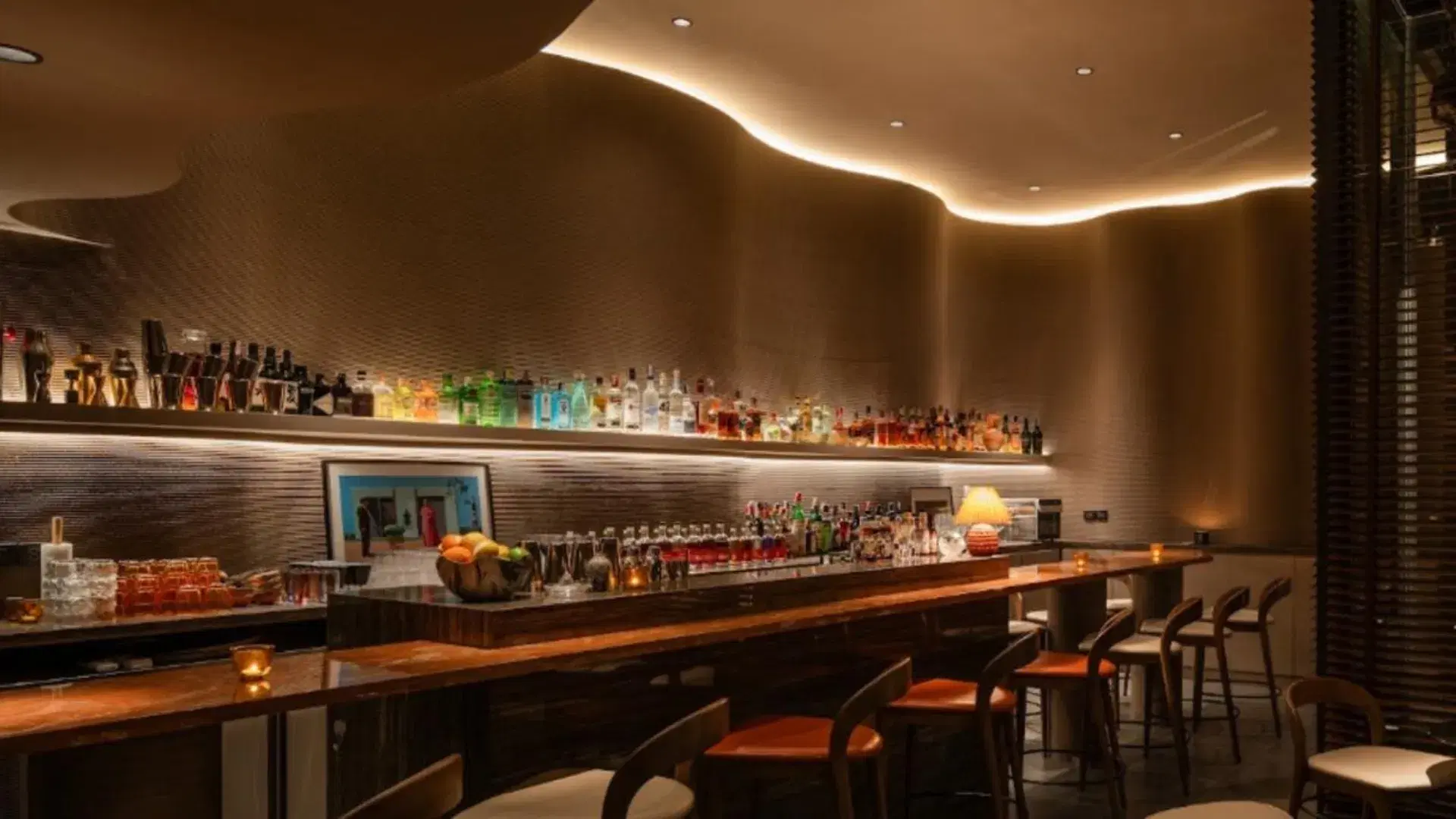
The ground-floor bar deserves its own mention. In Bangkok's fine dining tier, the bar-as-threshold is becoming a recognised format: it manages arrival pacing, allows groups to assemble before being seated, and gives the kitchen time to complete preparation for the next course sequence. It also functions as a standalone destination, which matters for the economics of a mid-sized independent restaurant. Operating Friday through Tuesday (dinner only on Friday, Monday, and Tuesday; lunch and dinner Saturday and Sunday), Mia's hours give the kitchen two distinct service rhythms to manage, with Wednesday and Thursday closed. For full Bangkok hospitality context, see our Bangkok hotels guide, our Bangkok bars guide, and our Bangkok experiences guide.
Planning Your Visit: How Mia Compares
Table below positions Mia against comparable tasting-menu restaurants in Bangkok on the practical factors that matter most for trip planning.
| Restaurant | Cuisine | Price Tier | Award | Format |
|---|---|---|---|---|
| Mia | Modern European / Asian | ฿฿฿ | Michelin 1 Star | 5 or 8 courses; dinner Fri/Mon/Tue, lunch+dinner Sat–Sun |
| Sorn | Southern Thai | ฿฿฿฿ | Michelin 3 Stars | Set tasting menu; dinner only |
| Baan Tepa | Thai contemporary | ฿฿฿฿ | Michelin 2 Stars + Green Star | Tasting menu; dinner only |
At the ฿฿฿ tier, it sits below Sorn and Baan Tepa on price while maintaining a Michelin star, making it a considered choice for a Bangkok dining itinerary that needs to distribute spend across multiple nights. The Khlong Toei address is accessible by BTS or taxi from central Bangkok, and the residential lane setting means arrival is low-key. Book ahead, particularly for weekend lunch and Friday or Saturday dinner, where demand is highest. Wednesday and Thursday are the weekly closures.
For broader Thailand dining context beyond Bangkok, The Spa in Lamai Beach and our Bangkok wineries guide round out the picture for travellers building a longer itinerary across the country.
What Mia Is Famous For
Mia is renowned for its 'Taste of Mia' seasonal tasting menu, which runs in five or eight courses and integrates modern European technique with Asian ingredient sensibility under Chef-Patrons Pongcharn "Top" Russell and Michelle Goh. The kitchen's recognition rests on dishes with complex, well-balanced flavours across a menu that accommodates vegan and vegetarian guests at the same level of technical ambition as its main sequence. The Michelin one-star award (2024) is the primary credentialing signal. No single dish from the menu is publicly documented in a way that permits authoritative description here, but the format, seasonal, multi-course, produce-attentive, is the consistent thread across the restaurant's critical recognition.
Frequently asked questions
What distinctions does Mia have?
Mia has received recognition including: Mia offers modern European cuisine with Asian influences in a contemporary two-storey house. Downstairs is a chic bar; upstairs offers three distinct dining rooms: one decked out in colourful William Morris wallpaper, one accented with burs….
What dish is Mia famous for?
Mia is best known for its 'Taste of Mia' seasonal tasting menu, available in five or eight courses. The menu applies modern European technique to ingredients carrying Asian influence, with complex, well-balanced flavours across each course. Vegan and vegetarian versions are offered, making the format one of the more inclusive tasting menus among Bangkok's Michelin-starred restaurants. The menu changes with the seasons, so no single dish defines it, the structure itself is the signature.
Side-by-Side Snapshot
| Venue | Cuisine | Price | Awards | Notes |
|---|---|---|---|---|
| MiaThis venue (the venue you are viewing) | Modern European with Asian Influences | $200–300 | 1 Michelin Star | Not listed |
| Sorn | Fine Southern Thai | $200–300 | 3 Michelin Stars · World's 50 Best #12 | Southern Thai, ฿฿฿฿ |
| Côte by Mauro Colagreco | Riviera Mediterranean Fine Dining | $200–300 | 2 Michelin Stars · World's 50 Best #91 | Mediterranean, Modern Cuisine, ฿฿฿฿ |
| Baan Tepa | Creative Thai Fine Dining | $150–200 | 2 Michelin Stars · World's 50 Best #53 | Thai contemporary, ฿฿฿฿ |
| Gaa | Modern Indian Fine Dining with Thai Influences | $150–200 | 2 Michelin Stars · World's 50 Best #95 | Modern Indian, Indian, ฿฿฿฿ |
| Sühring | Modern German Fine Dining | $200–300 | 3 Michelin Stars · World's 50 Best #18 | German, ฿฿฿฿ |
Recognition history
Dated appearances from independent guides and award organizations, with the underlying list record or original source where available.
Michelin 1 Star
Michelin
Full recognition history (3 entries)
Michelin 1 Star
Michelin
Michelin 1 Star
Michelin
Continue exploring
More in Bangkok
Restaurants in Bangkok
All restaurants in Bangkok →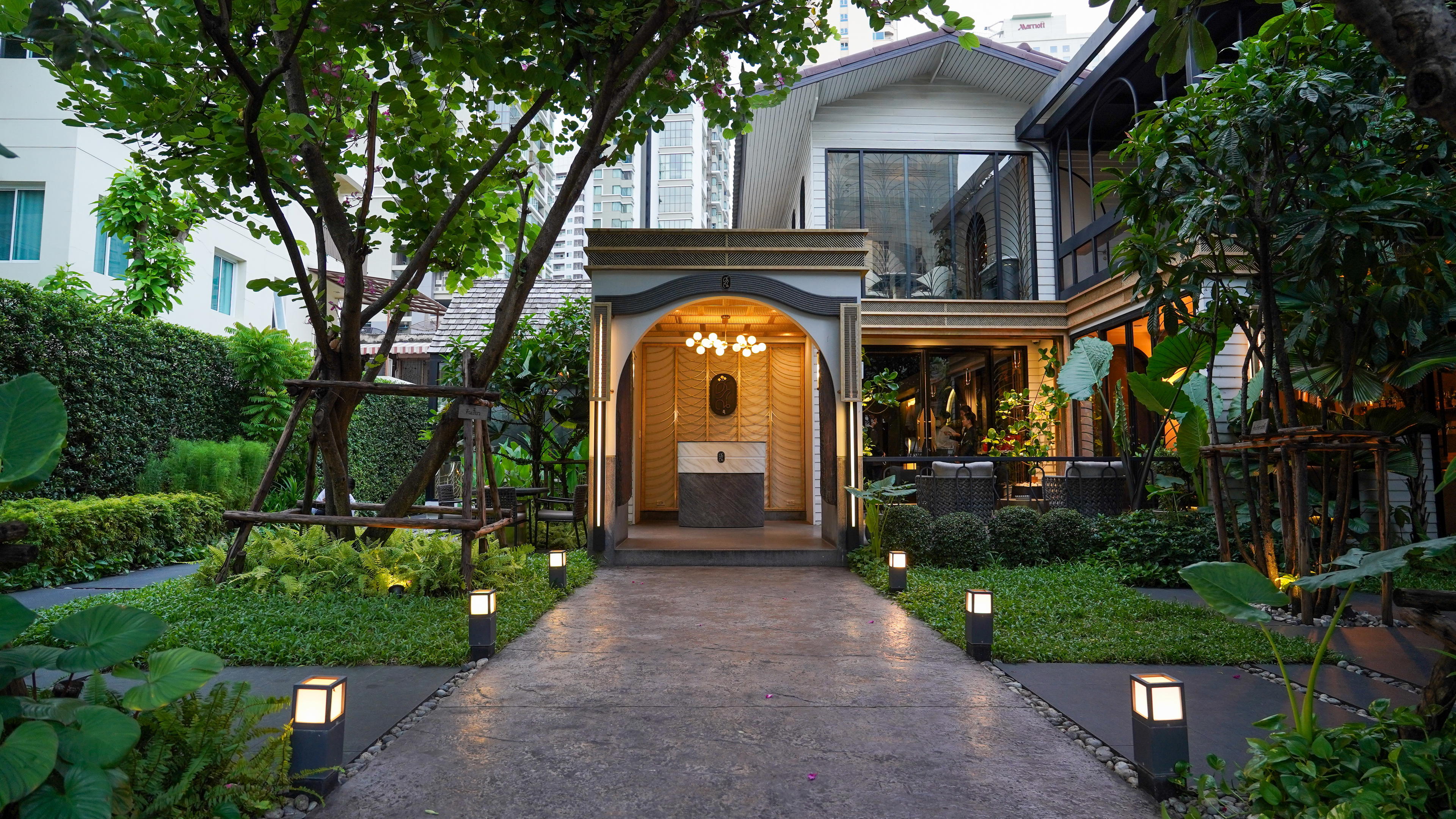
Bars in Bangkok
All bars in Bangkok →
Mia
The wine
- Wine program
- Deep wine list
- Extensive wine list
- Sommelier-led
Details
- Elegant
- Modern
- Intimate
- Sophisticated
- Date Night
- Special Occasion
- Open Kitchen
- Extensive Wine List
- Sommelier Led
- Local Sourcing
- Tasting Menu
- Vegetarian Friendly
- Vegan Options
Current opening hours
- Monday
- 5–9 PM
- Tuesday
- 5–9 PM
- Wednesday
- Closed
- Thursday
- Closed
- Friday
- 5–9 PM
- Saturday
- 12–2 PM, 5–9 PM
- Sunday
- 12–2 PM, 5–9 PM
Hours can change for holidays and private events. Hours as of .
Laidback yet elegant surroundings in a contemporary two-storey house with distinct upstairs dining rooms featuring colorful wallpaper, tropical plants, and dark intimate spaces; chic downstairs bar and dramatic, Instagram-worthy decor including a secret bathroom.