Mi Casa occupies a corner of Munich's Glockenbachviertel at Am Einlaß 4, sitting in a neighbourhood that has gradually become one of the city's more considered dining districts. Against a Munich fine-dining tier dominated by Franco-Japanese tasting menus, Mi Casa represents a different register, one where ingredient provenance and kitchen honesty carry more weight than ceremony or course count.
Pearl is the En Primeur Club membership app — saves, bookings, and concierge access live there. Same editors, same standards.
- Address
- Am Einlaß 4, 80469 München, Germany
- Phone
- +498923718651
- Website
- mi-casa-restaurant.de
- Directions
- Get directions
 Saves & bookings on Pearl
Where Mi Casa Sits in Munich's Dining Order
Munich's restaurant scene has long been bifurcated between the grand tasting-menu institutions, Tantris, Atelier, Alois - Dallmayr Fine Dining, and a more casual stratum where the cooking is frequently competent but the editorial identity is thin. Mi Casa at Am Einlaß 4 in the Glockenbachviertel occupies a middle register that Munich does not always execute well: a room with a point of view, where what lands on the table reflects decisions about sourcing rather than decisions about spectacle. That positioning matters because it answers a genuine gap. Diners who find the full Tohru in der Schreiberei tasting format too ceremonial, or the JAN price tier too steep for a midweek dinner, need somewhere that takes the food seriously without requiring a diary commitment three months in advance.
The Glockenbachviertel Context
The neighbourhood surrounding Am Einlaß has changed character over the past decade. What was once primarily a residential quarter south of the Isar has accumulated a concentration of independent food operations, wine bars, small-format restaurants, specialty grocers, that give it more daily texture than the tourist-facing circuits around Marienplatz. The logic of sourcing with integrity is easier to sustain when the geography supports it.
In Berlin, CODA Dessert Dining built its identity around a specific, legible thesis about ingredients and format. In the Mosel and Rhine regions, restaurants like Schanz in Piesport and Bagatelle in Trier have staked claims through provenance-first cooking that foregrounds regional supply. The pattern across Germany's mid-tier serious dining is consistent: clarity about where the food comes from replaces elaboration as the primary trust signal for the guest.
Ingredient Sourcing as Editorial Identity
The shift toward sourcing transparency in European restaurants over the past decade is not primarily aesthetic. It reflects practical changes in how chefs build menus and how guests evaluate them. When a kitchen anchors its identity in provenance, the supply chain becomes the creative constraint: what is available, what is at peak condition, what the season actually permits. This discipline tends to produce leaner menus with fewer components per dish, because the logic of each plate is the ingredient itself rather than the technique applied to it.
For a venue in Munich's Glockenbachviertel, that framework connects to real local infrastructure. Bavaria has a strong agricultural identity, dairy, game, river fish, and forest forage are all part of the regional pantry, and kitchens that draw on it seriously produce a different result than those importing luxury goods from outside the region and treating locality as a marketing note. The distinction is legible on the plate: dishes anchored in regional supply tend to have a seasonal coherence that more import-dependent menus lack. Germany's decorated kitchens demonstrate this range: Waldhotel Sonnora in Dreis and Aqua in Wolfsburg operate at the summit of the formal tier, but the underlying sourcing logic, regional specificity applied with technical precision, runs through much of serious German cooking regardless of price point.
Mi Casa's address in the Glockenbachviertel puts it within reach of that same sourcing infrastructure. Whether it draws on it with the depth of a Victor's Fine Dining by Christian Bau or the seasonal focus of ES:SENZ in Grassau is a question the kitchen answers through its daily choices rather than its marketing language.
How Mi Casa Compares in the Munich comparable set
Munich's leading formal tier, Tantris, Atelier, Alois, Tohru in der Schreiberei, is Michelin-decorated and priced accordingly. Below that bracket, the field thins quickly. The mid-market in Munich skews toward Bavarian comfort formats and Italian-Mediterranean rooms (Acquarello is the obvious reference for serious Italian in the city), leaving a gap for kitchens that operate with genuine ambition at a lower commitment threshold. The restaurant at Am Einlaß 4 sits in that space. Against the reference points of Schwarzwaldstube in Baiersbronn or Vendôme in Bergisch Gladbach, it operates at a different scale and price register, but the underlying question it answers for the Munich diner is the same: where does a kitchen's honesty show up most clearly, and is the sourcing story legible in the food?
Munich does not yet have a venue in those tiers, but Restaurant Haerlin in Hamburg demonstrates what German kitchens can achieve when sourcing discipline and technical ambition align over time.
Planning Your Visit
The restaurant is located at Am Einlaß 4, 80469 München, in the Glockenbachviertel district.
At a Glance
Comparable venues nearby, for context on price, style, and recognition.
| Venue | Cuisine | Price | Notes |
|---|---|---|---|
| Mi CasaThis venue — the venue you are viewing | Isarvorstadt, Authentic Colombian | $$ | Not listed |
| Lyfe | Not listed | $$ | Altstadt, Organic Superfood Bowls & Smoothies |
| DuDu | Isarvorstadt, Authentic Vietnamese | $$ | Not listed |
| Park Café | Isarvorstadt, Modern Bavarian Steakhouse | $$ | Not listed |
| Augustiner-Keller | Not listed | $$ | Neuhausen, Traditional Bavarian Beer Garden |
| in-dish | Theresienwiese, Authentic Indian | $$ | Not listed |
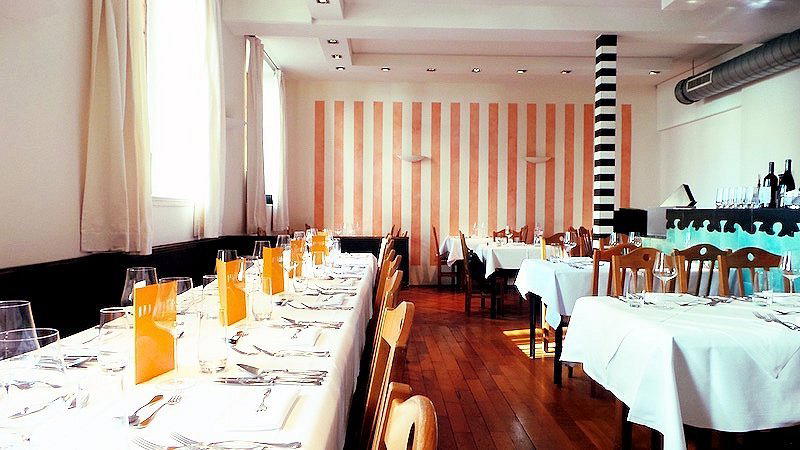
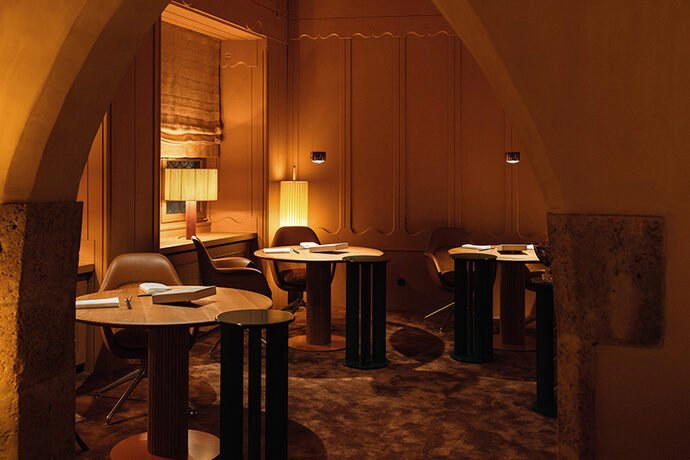
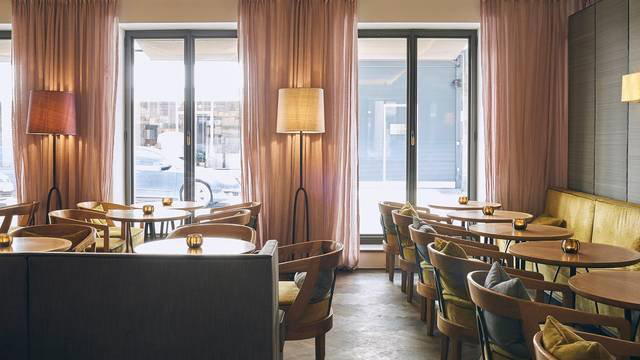
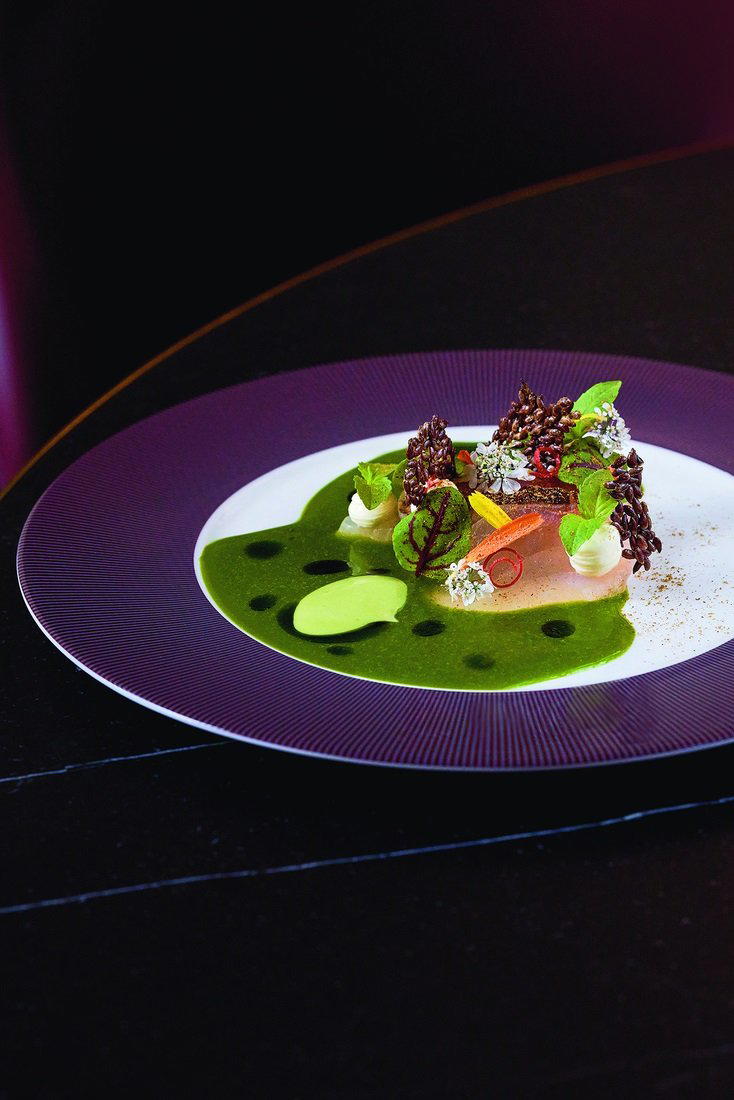
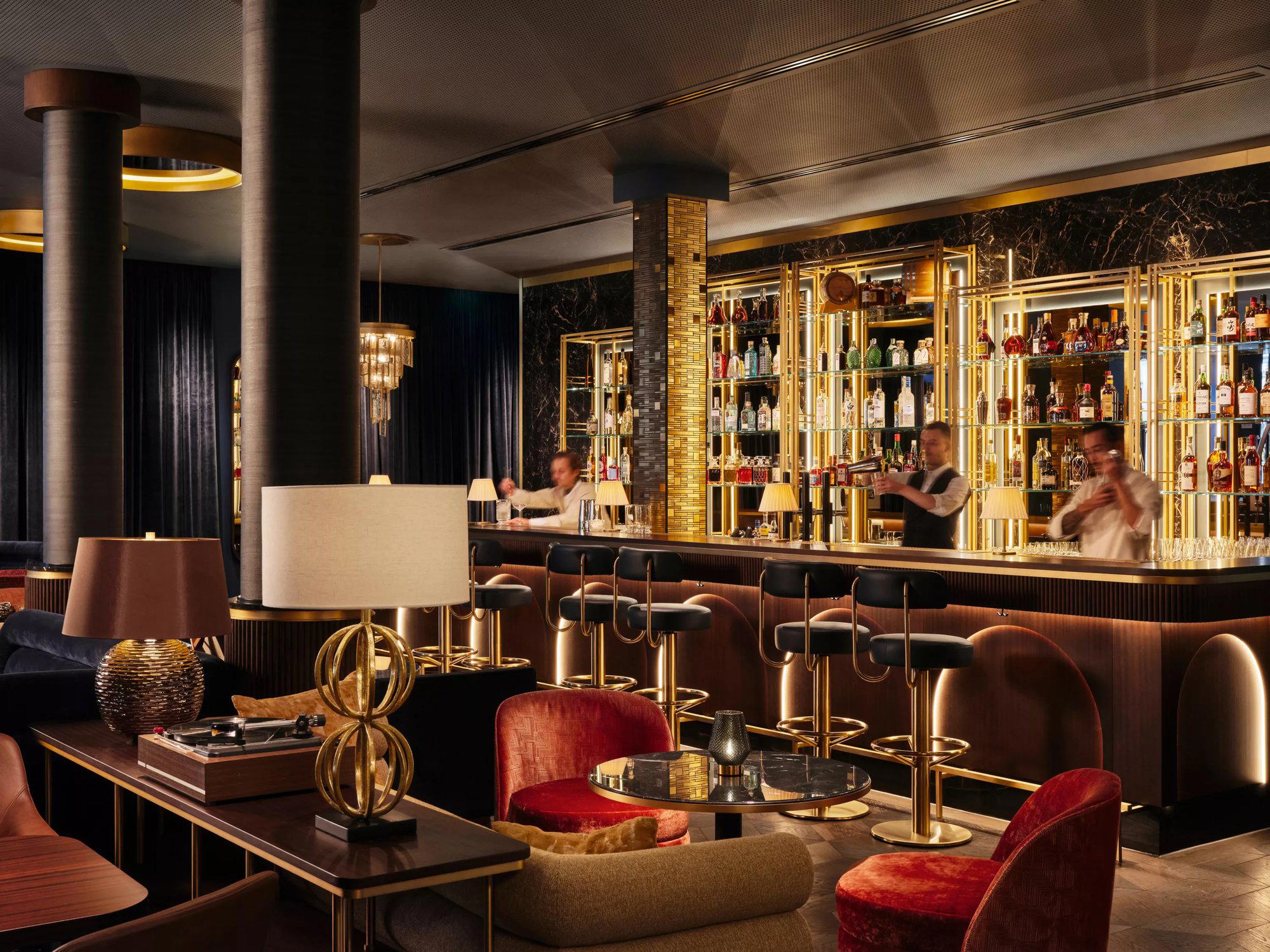
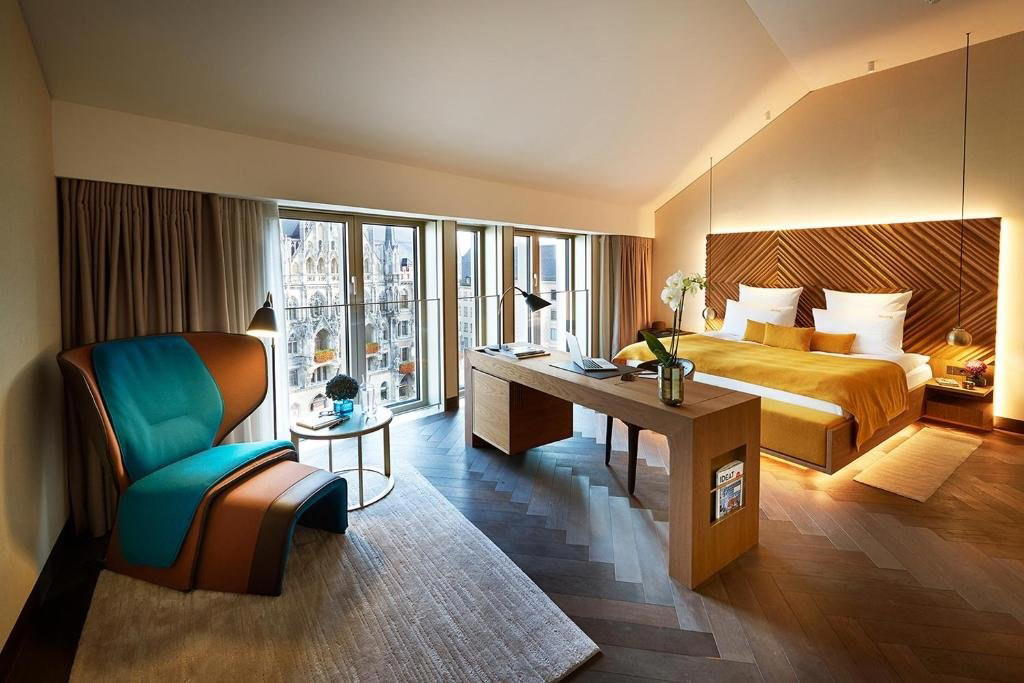
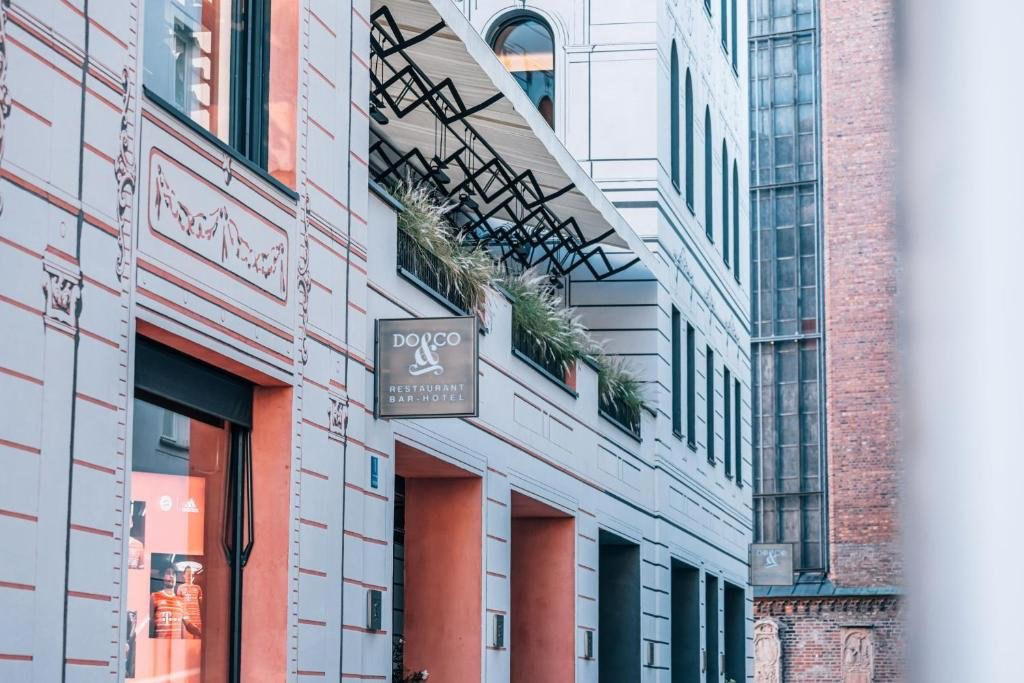
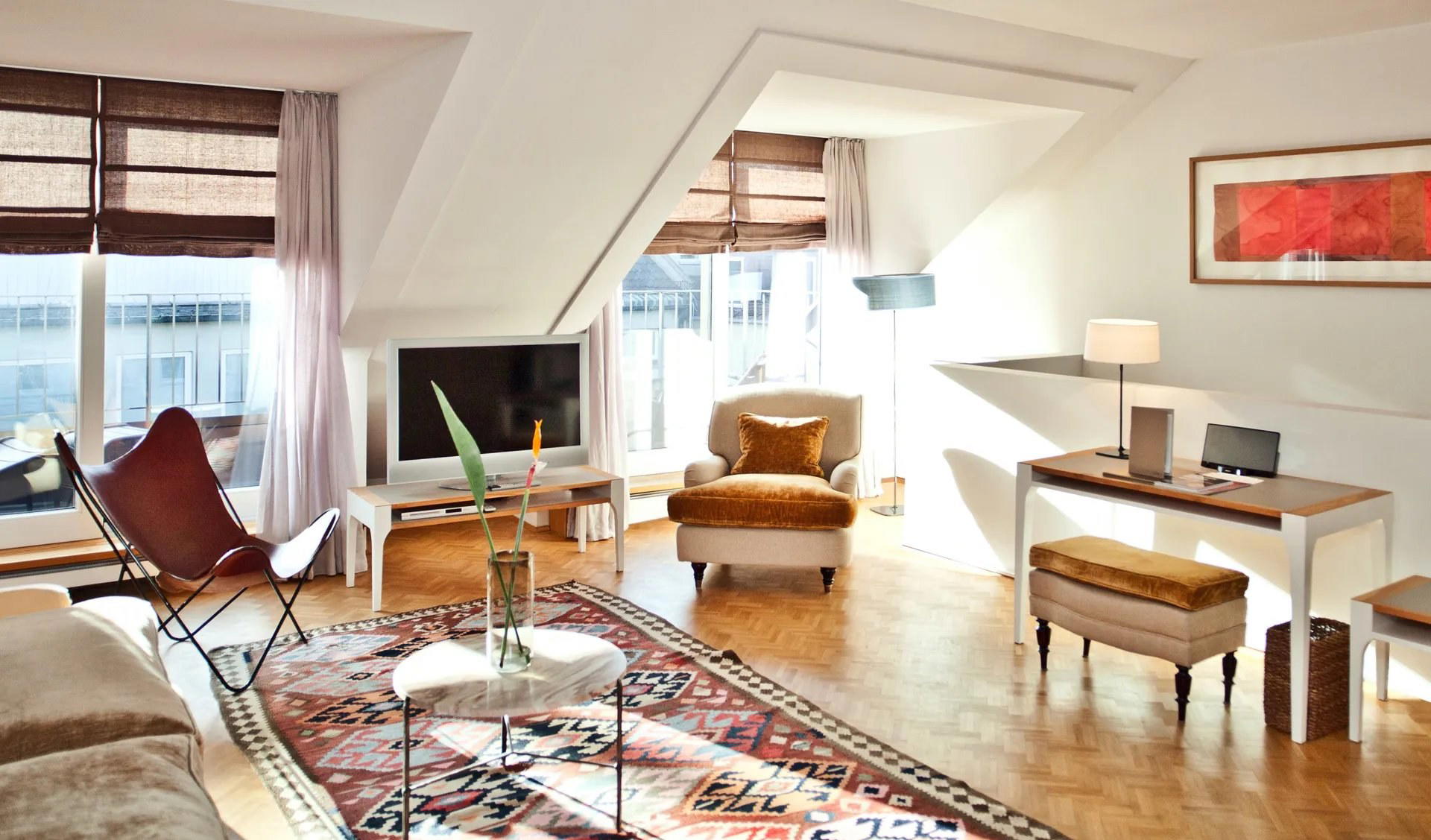
At a Glance
- Cozy
- Elegant
- Intimate
- Date Night
- Casual Hangout
- Open Kitchen
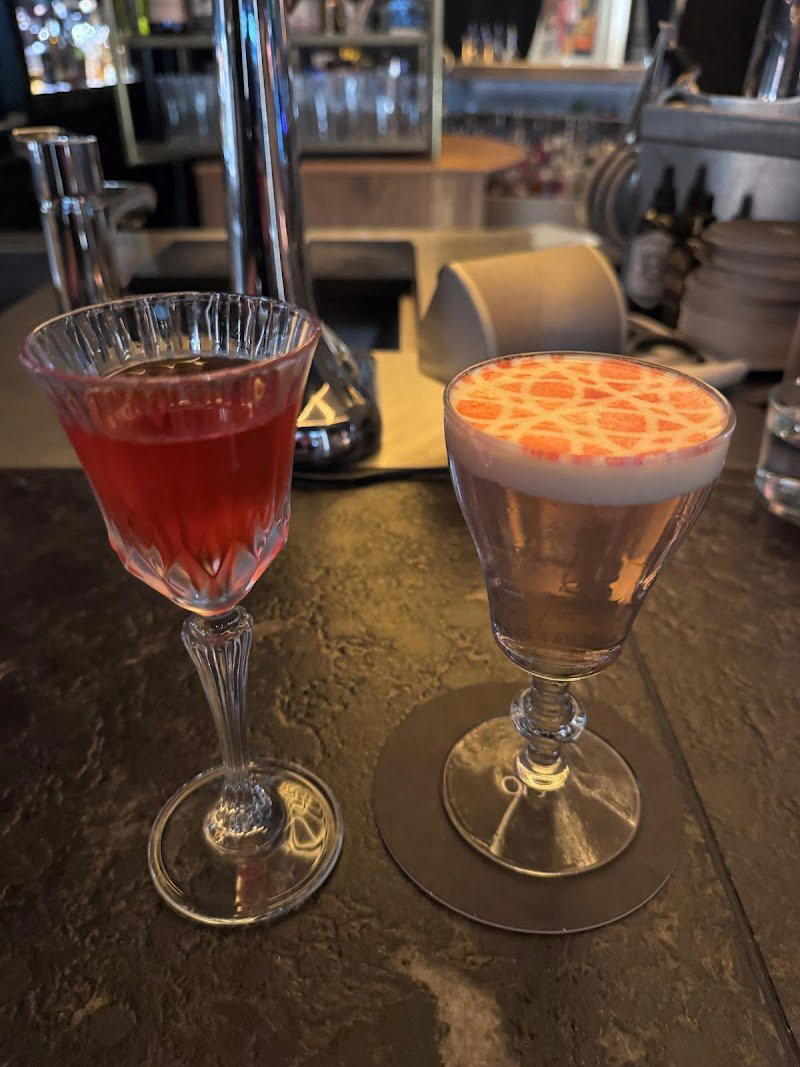
- Craft Cocktails
Current opening hours
- Monday
- Closed
- Tuesday
- 6 PM–1 AM
- Wednesday
- 6 PM–1 AM
- Thursday
- 6 PM–1 AM
- Friday
- 6 PM–1 AM
- Saturday
- 6 PM–1 AM
- Sunday
- 6 PM–1 AM
Hours can change for holidays and private events. Last verified .
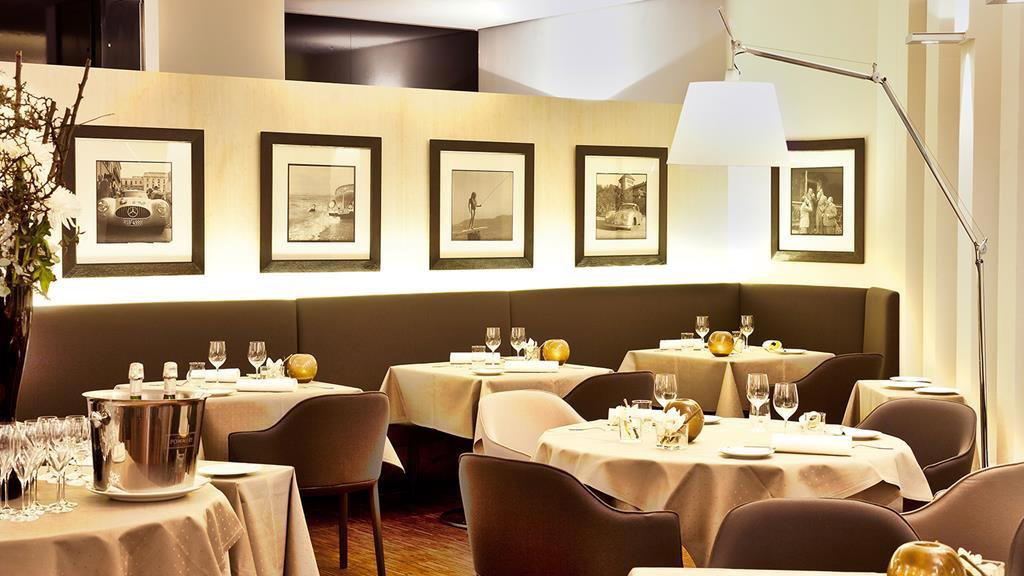
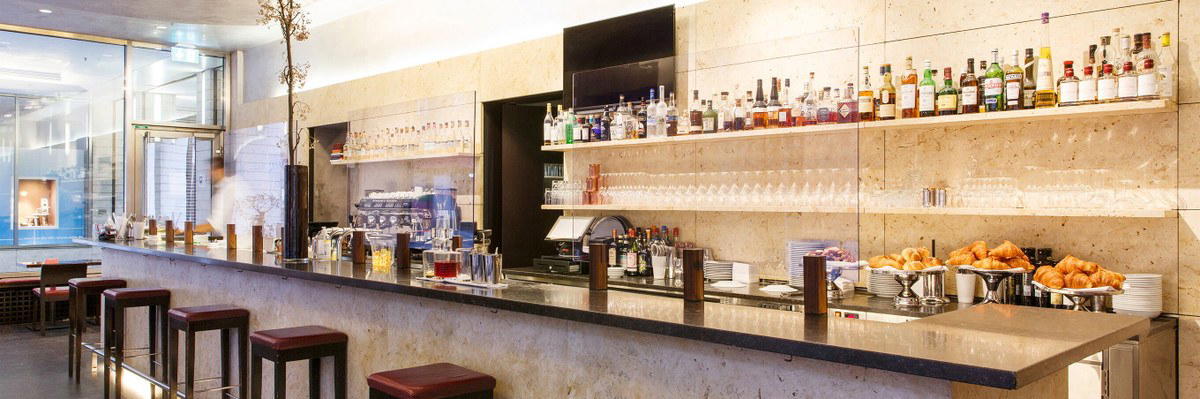
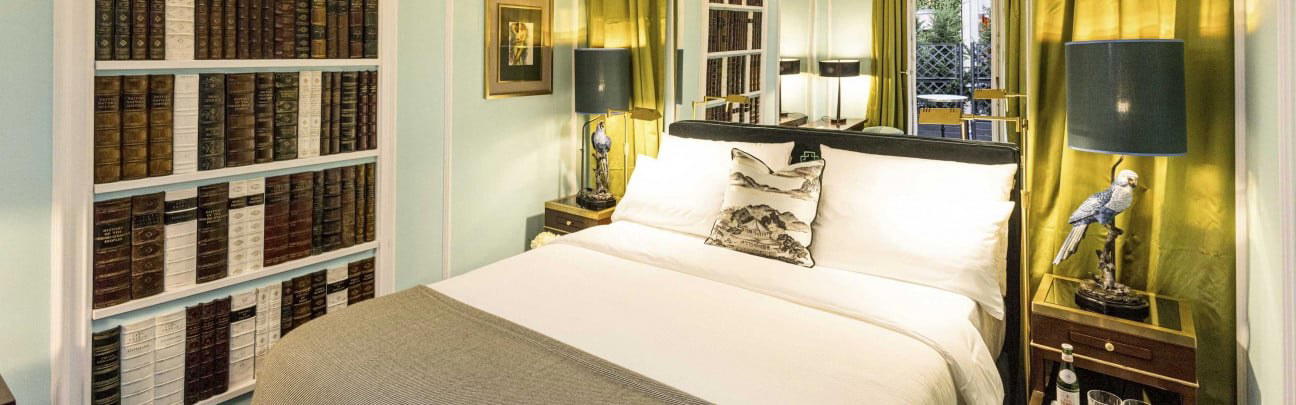
Cozy and elegant with Colombian-themed decor, subtle music, and beautifully plated food creating an intimate atmosphere.