DuDu occupies a corner address in Munich's Ludwigsvorstadt-Isarvorstadt district, joining a neighbourhood that has become one of the city's more interesting zones for non-traditional dining. With sparse public data and limited press coverage, it sits at the quieter end of Munich's dining spectrum, a useful contrast to the city's decorated fine-dining corridor and worth approaching with an open itinerary.
Pearl is the En Primeur Club membership app — saves, bookings, and concierge access live there. Same editors, same standards.
- Address
- Augsburgerstraße 1, 80337 München, Germany
- Phone
- +498912286480
- Website
- dudu-restaurant.de
- Directions
- Get directions
 Saves & bookings on Pearl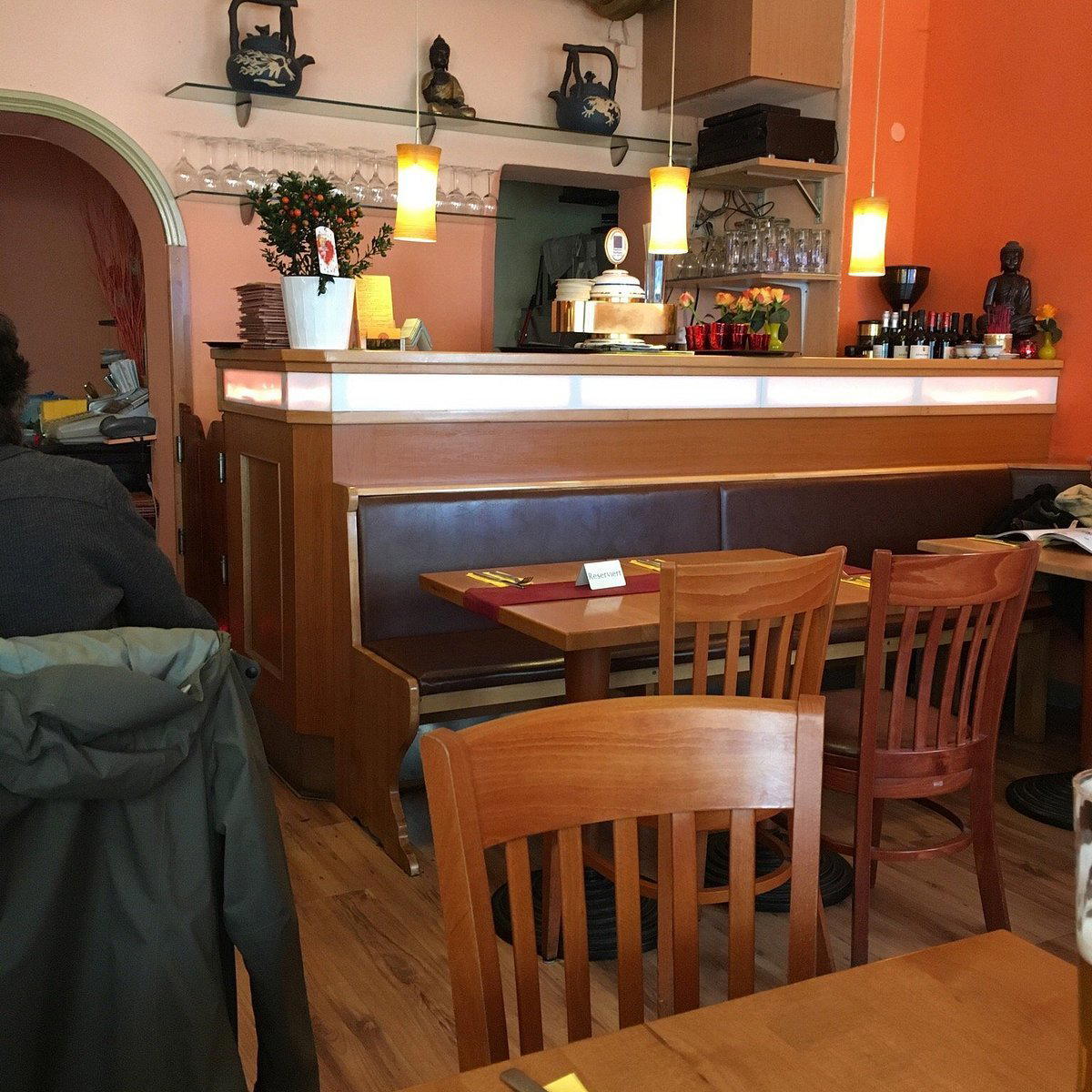
A Neighbourhood in Transition, a Restaurant Worth Watching
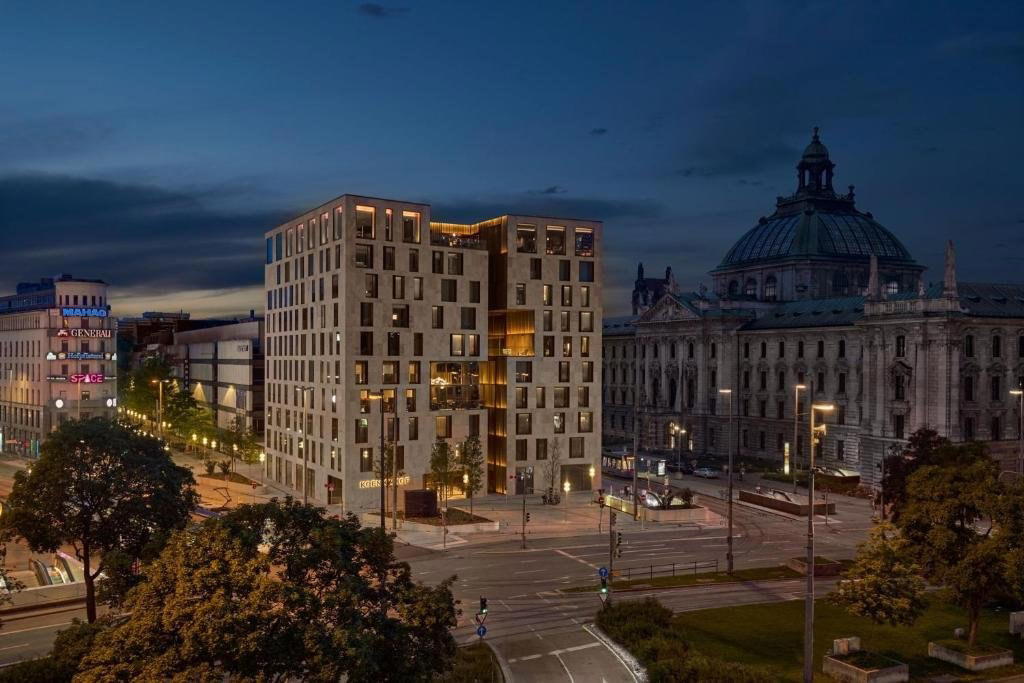
Augsburgerstraße cuts through Ludwigsvorstadt-Isarvorstadt, one of Munich's denser inner-city districts and a neighbourhood that has seen its dining character shift considerably over the past decade. Where the area once functioned primarily as a residential adjunct to the city centre, it now hosts a mix of formats that sit outside Munich's better-documented fine-dining corridor, which runs through places like Tantris, Atelier, and Alois - Dallmayr Fine Dining. DuDu sits at the address Augsburgerstraße 1, at the foot of that neighbourhood, and belongs to a different register entirely.
The broader context here is worth establishing. Munich's recognised fine-dining tier is concentrated and credentialled: the city holds multiple Michelin stars across venues whose menus are precisely documented and whose kitchens are well-mapped by critics. What lies below that tier is considerably less written-about. DuDu operates in that quieter zone, and that positioning itself tells you something useful about how to approach it.
What the Menu Architecture Signals
When a restaurant's menu structure is visible in its format and pricing, it usually telegraphs where the kitchen places its priorities. Germany's most architecturally deliberate menus, from the tasting sequences at Schwarzwaldstube in Baiersbronn and Aqua in Wolfsburg to the dessert-forward structure at CODA Dessert Dining in Berlin, use their sequencing to make an editorial argument about what matters. Even a neighbourhood restaurant's menu layout, whether à la carte or set, compact or sprawling, signals the kitchen's relationship to its guests and its ambitions.
It sits in a format context that favours accessibility over ceremony. Augsburgerstraße 1 is not the address of a destination tasting-menu operation in the Michelin mould; it reads more like a neighbourhood anchor, the kind of place that builds regulars through consistency rather than through set-piece dining events. That distinction, between destination dining and neighbourhood reliability, is one of the more useful structural splits in any city's restaurant ecology.
Germany more broadly has seen a productive widening of that middle tier. The country's decorated restaurants, including Vendôme in Bergisch Gladbach, Victor's Fine Dining by Christian Bau in Perl, and Waldhotel Sonnora in Dreis, have consolidated their reputations at the summit of a clearly stratified system. Below them, a generation of more casual, less documented restaurants has built its own loyal audiences on different terms, and that is the space DuDu most plausibly inhabits.
Munich's Dining Map and Where This Fits
Understanding DuDu requires a brief account of how Munich's restaurant scene is currently structured. At the decorated end, venues like JAN and Tohru in der Schreiberei have carved out distinct editorial identities, the former through creative risk-taking, the latter through a Japanese-German fusion approach that has attracted sustained critical attention. These restaurants operate with documented menus, verifiable accolades, and press records that allow for precise positioning.
DuDu does not have that kind of paper trail. Any of those explanations is plausible, and they lead to different advice for the reader.
What Munich's dining history does confirm is that the city has a well-functioning neighbourhood restaurant culture that runs parallel to its fine-dining identity. Bavaria's appetite for informal, community-anchored eating spaces is long-established and not limited to the obvious beer hall format. Smaller, privately run restaurants with focused menus have thrived in districts like Haidhausen, Maxvorstadt, and the stretch of Ludwigsvorstadt-Isarvorstadt where DuDu is located.
How DuDu Compares to Its comparable set
Placing DuDu within a competitive comparable set is difficult without cuisine type, pricing tier, or critical recognition data. What the address and the absence of formal documentation together suggest is that the relevant comparable set is not Restaurant Haerlin in Hamburg or Schanz in Piesport, both operating at a level of documentary transparency that comes with sustained awards attention. The comparable set is more likely the cluster of independently run, cuisine-specific restaurants in Munich's inner districts that serve a local audience and build reputation through repeat visits rather than press cycles.
That is a legitimate and often durable model. Particularly consistently good restaurants in any major city operate entirely outside the awards and press infrastructure. The tradeoff is that they require more legwork from the visitor: less information available in advance, more reliance on local intelligence, and a higher chance of arriving with misaligned expectations. For Munich visitors with a packed itinerary and limited meals, the established and documented restaurants in our full Munich restaurants guide will be the lower-risk choice. For readers who have already covered that ground, DuDu represents a different kind of discovery.
For international comparison points, the model is not unlike what Lazy Bear in San Francisco or Le Bernardin in New York City represent in their own cities, not in format or price tier, but in the way that every city's dining scene requires both its headline acts and its quieter neighbourhood institutions to function properly as an ecosystem. Bagatelle in Trier and ES:SENZ in Grassau similarly anchor their local markets in ways that complement rather than compete with destination dining.
Know Before You Go
- Address: Augsburgerstraße 1, 80337 München, Germany
- District: Ludwigsvorstadt-Isarvorstadt, inner Munich
- Booking: Reservations are recommended
- Pricing: About $20 per person
Comparable Venues
Comparable venues nearby, for context on price, style, and recognition.
| Venue | Cuisine | Price | Notes |
|---|---|---|---|
| DuDuThis venue — the venue you are viewing | Authentic Vietnamese | $$ | Not listed |
| Soy München | Vegan Vietnamese | $$ | Neuhausen |
| Nam Giao 31 | Authentic Vietnamese | $$ | Ludwigsvorstadt |
| Ha Noi Pho | Vietnamese Pho | $$ | Schwabing |
| Saigon Deli | Authentic Vietnamese Street Food | $$ | Haidhausen |
| MIVU | Vietnamese, Thai & Lao Fusion | $$ | Schwabing |
At a Glance
- Cozy
- Intimate
- Casual Hangout
- Standalone
Current opening hours
- Monday
- 11:30 AM–2:30 PM, 5:30–10:30 PM
- Tuesday
- 11:30 AM–2:30 PM, 5:30–10:30 PM
- Wednesday
- 11:30 AM–2:30 PM, 5:30–10:30 PM
- Thursday
- 11:30 AM–3 PM, 5:30–11 PM
- Friday
- 11:30 AM–3 PM, 5:30–11 PM
- Saturday
- 12–3:30 PM, 5:30–11 PM
- Sunday
- 5–10 PM
Hours can change for holidays and private events. Last verified .
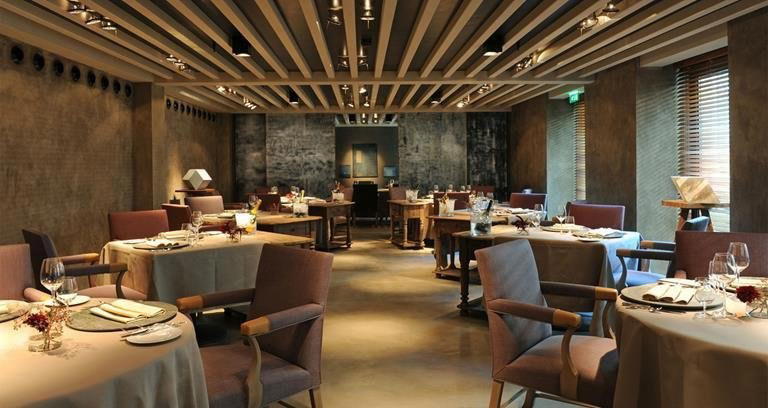
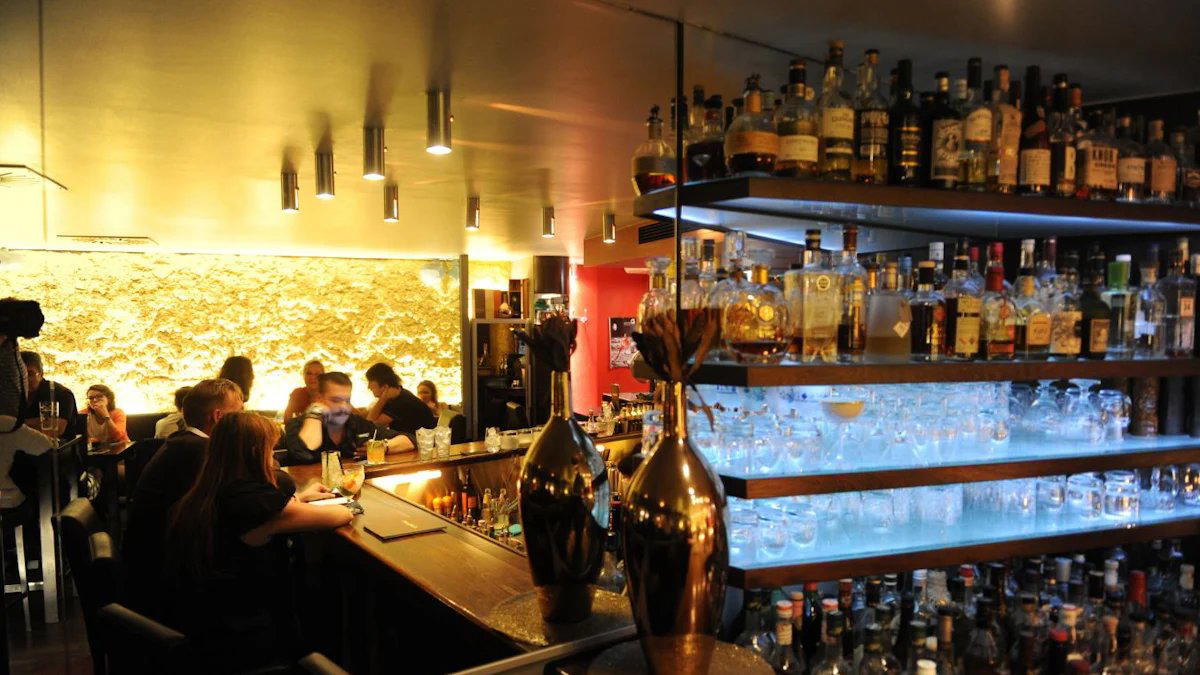
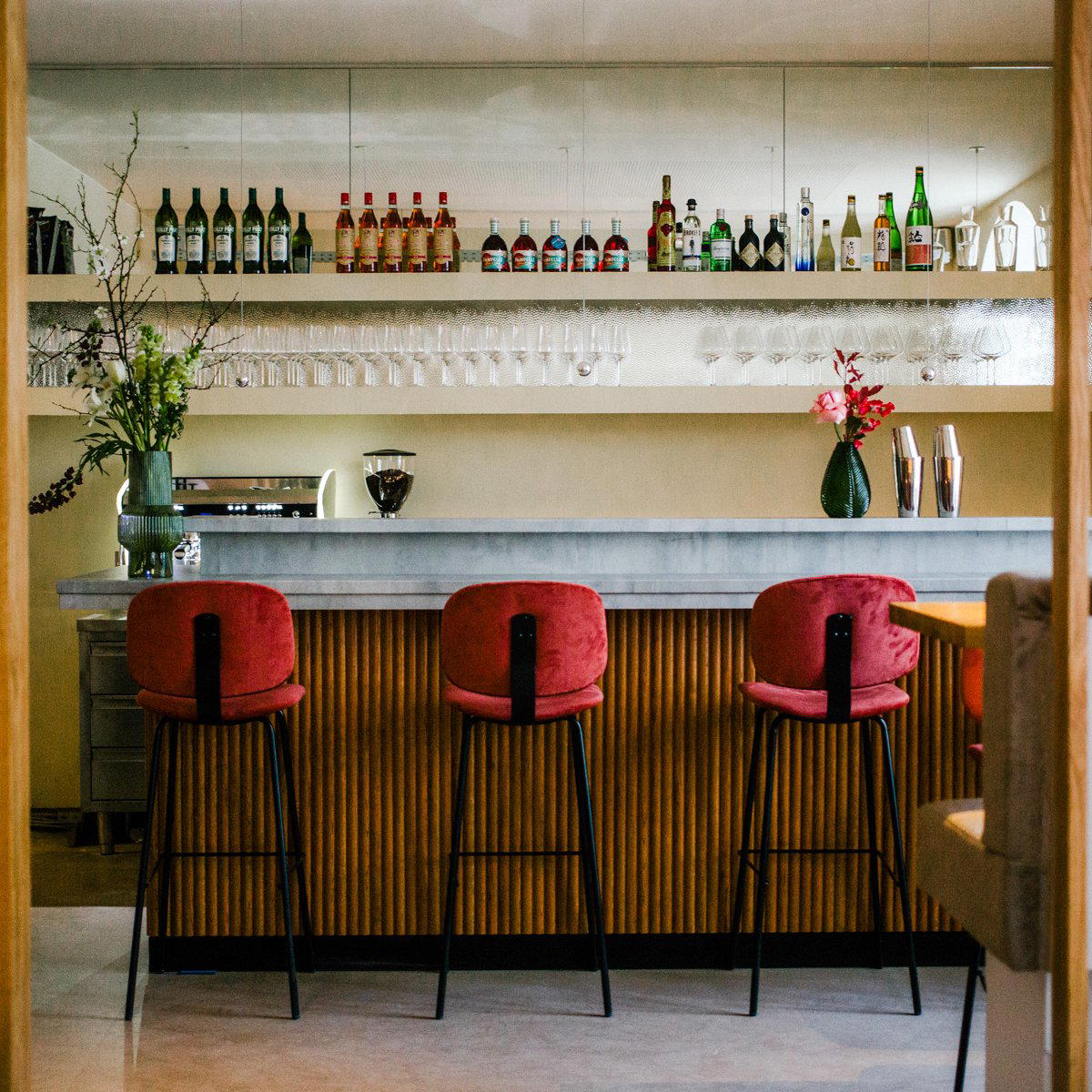
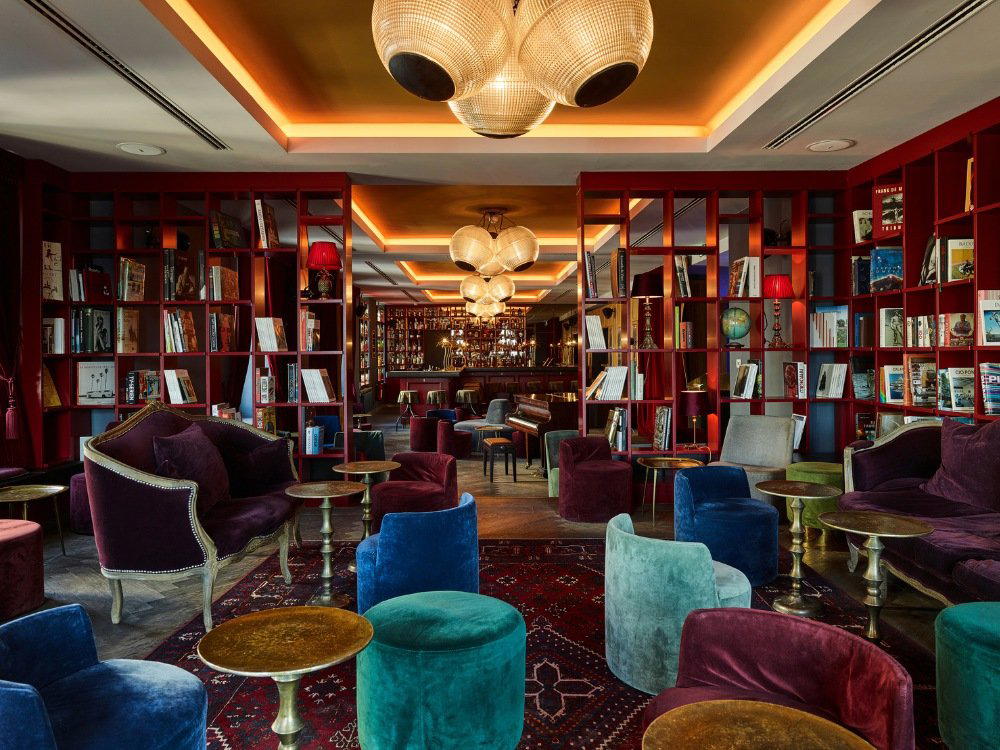
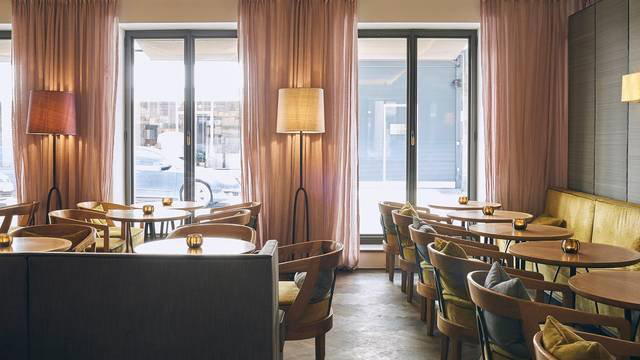
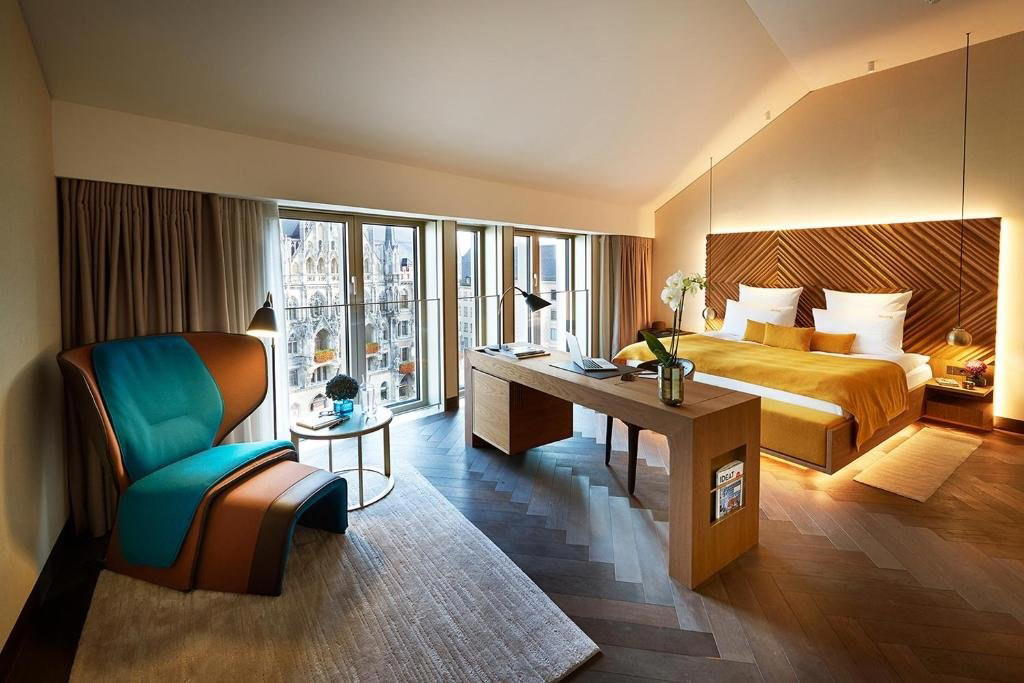
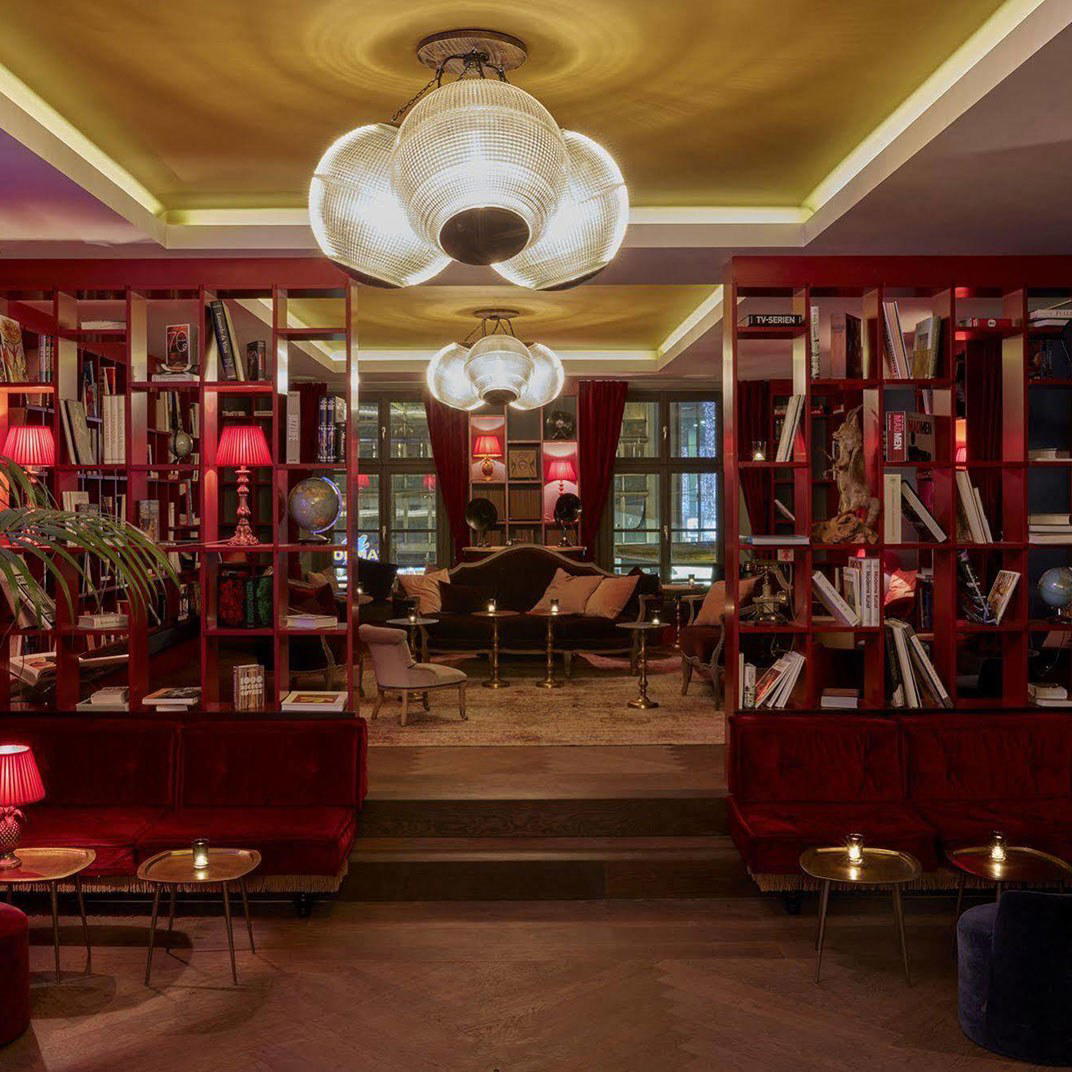
Warm, inviting atmosphere with modest communal tables and cozy lighting.