On the edge of the Eixample, where Ronda de Sant Pere traces one of Barcelona's oldest boundary roads, La Taberna De La Ronda occupies a stretch of the city that has absorbed layer after layer of reinvention. Set against a neighbourhood defined by its transitional energy, this is a taberna that invites consideration both for what it serves and for the broader story of how Barcelona's mid-register dining scene has shifted in recent years.
Pearl is the En Primeur Club membership app — saves, bookings, and concierge access live there. Same editors, same standards.
- Address
- Rda. de Sant Pere, 12, Eixample, 08010 Barcelona, Spain
- Phone
- +34933188895
- Website
- restaurante.covermanager.com
- Directions
- Get directions
 Saves & bookings on Pearl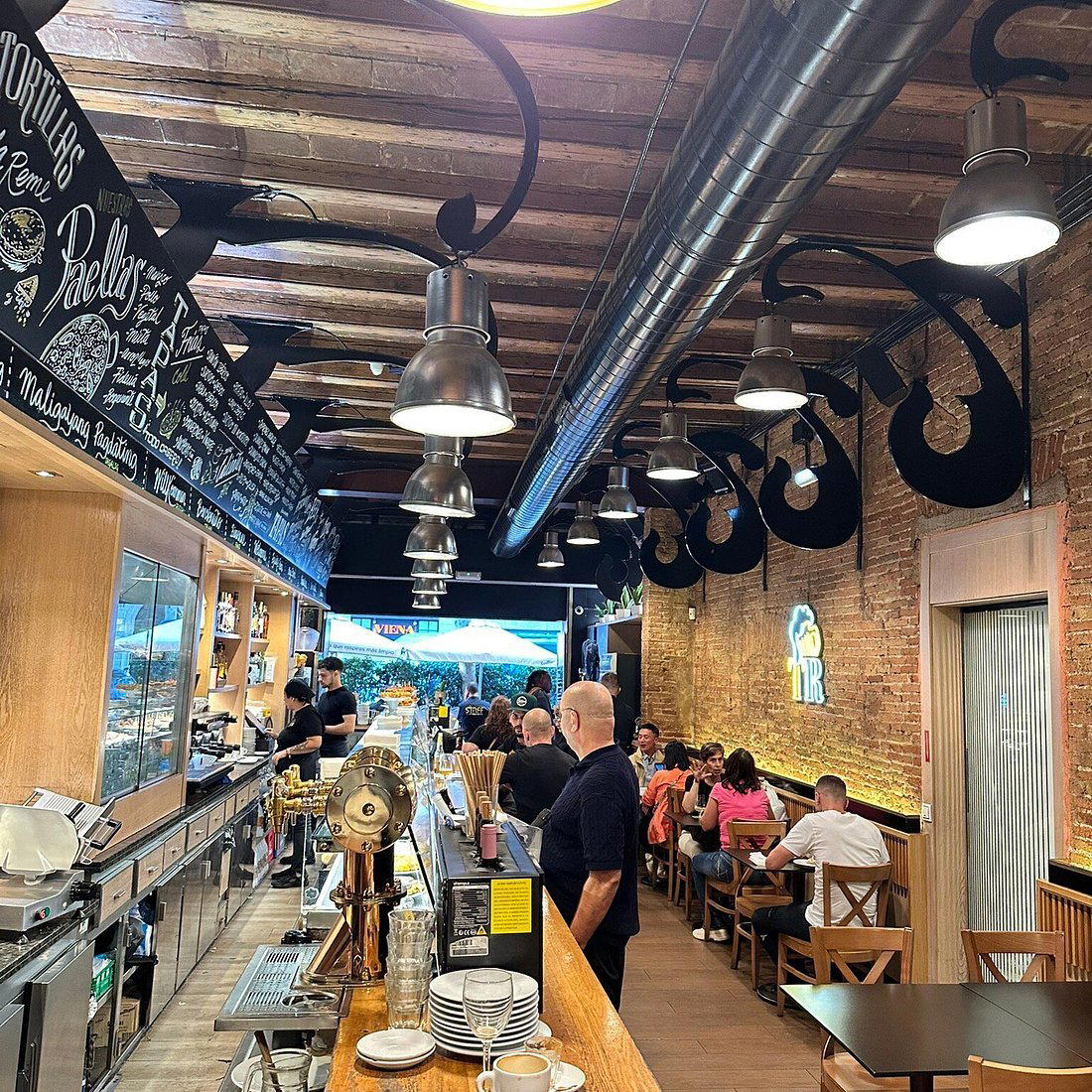
Where the Eixample Meets the Old City
Ronda de Sant Pere runs along one of Barcelona's most telling fault lines, the point where Ildefons Cerdà's rational grid of the Eixample meets the denser, older grain of the city below. The Ronda roads, originally built over the demolished medieval walls, have historically been transition zones: not quite one neighbourhood, not quite another. Dining on this stretch carries a particular kind of character. The addresses here have never enjoyed the tourist footfall of the Gothic Quarter or the design-world cachet of El Born a few streets south, which means the places that survive tend to do so on the strength of a local following rather than passing trade. La Taberna De La Ronda, at number 12 on Ronda de Sant Pere, sits inside that dynamic.
The Evolution of Barcelona's Taberna Format
To understand where La Taberna De La Ronda currently stands, it helps to understand what the taberna format has become in Barcelona over the past two decades. The word itself once signalled a specific social contract: affordable, unfussy, oriented toward regulars, with a wine list that ran to house pours and a menu built around dishes that took time rather than technique. That model persisted well into the early 2000s, but the city's dining scene has since fractured considerably. At the upper end, Barcelona now hosts some of Spain's most ambitious restaurants. Disfrutar, Cocina Hermanos Torres, ABaC, Lasarte, and Enigma represent a tier of creative fine dining that competes directly with Spain's wider vanguard, a national scene that includes El Celler de Can Roca in Girona, Mugaritz in Errenteria, Arzak in San Sebastián, and Martin Berasategui in Lasarte-Oria. At the informal end, the city has seen a proliferation of wine bars, natural wine shops with back-room kitchens, and tapas formats aimed at a younger, cost-conscious crowd. The traditional taberna has been squeezed from both sides, pushed either to reinvent itself or to double down on an increasingly nostalgic identity.
The reinvention path has produced the more interesting results. Barcelona's strongest mid-tier operators have learned to hold the social accessibility of the taberna format while lifting the sourcing and kitchen discipline closer to what one might expect at a full-service restaurant. The result is a recognisable type: no tasting menus, no amuse-bouche sequences, but produce that rewards attention and a wine list that goes beyond the functional. Whether La Taberna De La Ronda has taken that path, or charted a different course, is the question that brings it into focus.
What the Address Signals
The Eixample location at the Ronda de Sant Pere address is worth pausing on. This part of the grid sits within the broader Eixample Dret (Right Eixample), close enough to the Arc de Triomf and the Passeig de Sant Joan that it benefits from a degree of foot traffic without being overrun by it. The neighbourhood around this stretch has seen gradual densification of restaurant and bar openings over the past decade, particularly as rents in El Born and the Gothic Quarter pushed operators outward. Addresses on the Ronda roads themselves occupy a slightly liminal position, facing outward onto a busy arterial route rather than inward onto the quieter interior blocks of the Eixample. That positioning shapes the kind of room a venue can build: more likely street-level, more exposed to the city's ambient noise, less insulated from the rhythm of the street outside. For a taberna specifically, that connection to street life is often a feature rather than a drawback. The leading examples of the format have always been porous, places where the city comes in and sits down.
Barcelona in the Broader Spanish Context
Barcelona's dining identity has been complicated in recent years by the sustained rise of Madrid as a creative food city. The Spanish capital now hosts DiverXO among a clutch of internationally recognised addresses, while Barcelona has sometimes been framed as ceding its early-2000s experimental edge. That framing overstates the case, but it reflects a genuine shift in where the critical attention lands. Meanwhile, Spanish regional cooking has continued to produce strong individual voices: Aponiente in El Puerto de Santa María, Quique Dacosta in Dénia, Azurmendi in Larrabetzu, Ricard Camarena in València, and Atrio in Cáceres all represent a national picture far more geographically distributed than it once was. In that context, the pressure on Barcelona's mid-tier operators is not simply about local competition; it is about how the city's restaurant culture signals its identity to an international audience accustomed to choosing between multiple Spanish destinations.
For visitors making that choice, the taberna tier often ends up being the representative slice of a city's daily food culture. The ambitious tasting menus, as rewarding as they are at venues like Le Bernardin in New York or Atomix in the same city, belong to a category that travels conceptually across borders. The taberna does not. It reflects local produce hierarchies, local wine preferences, local rhythms of eating. That is precisely what makes the format worth tracking.
Planning Your Visit
La Taberna De La Ronda is located at Ronda de Sant Pere, 12, in the Eixample district, postcode 08010. The address is within walking distance of the Arc de Triomf metro station on Line 1, making it accessible from most central Barcelona neighbourhoods without requiring a taxi or ride-share. The Ronda de Sant Pere is a busier arterial street, so arrival on foot from the Eixample side via Passeig de Sant Joan is a reasonable approach for those coming from the upper grid. The Eixample corridor around this stretch tends to be busier at lunch on weekdays, when the local office population fills nearby restaurants, and on Thursday through Saturday evenings. Checking availability in advance rather than walking in on a weekend evening is the sensible approach for any taberna in this part of the city.
Frequently Asked Questions
What dish is La Taberna De La Ronda famous for?
Specific signature dishes are not stated in the record for the restaurant. What the taberna format in Barcelona has consistently delivered at its stronger addresses is a short, market-driven menu oriented around regional Spanish produce, with dishes that reflect seasonal availability rather than a fixed identity. For confirmed dish-level detail, checking the venue's current menu directly is one reliable approach. Barcelona's broader taberna tradition leans toward braised and slow-cooked preparations alongside solid charcuterie and regional cheese selections.
How hard is it to get a table at La Taberna De La Ronda?
Within Barcelona's Eixample dining corridor, tabernas at this address category typically operate without the months-ahead booking windows required by the city's Michelin-tier restaurants, but weekend evenings on well-regarded mid-tier addresses can fill quickly, particularly during high-season months from April through October. Contacting the venue directly to confirm booking method remains the practical first step.
Is La Taberna De La Ronda a good option for a traditional Barcelona dining experience compared to the city's creative fine dining scene?
The taberna format occupies a distinctly different register from Barcelona's creative fine dining tier, which includes multi-course tasting menus at venues such as Disfrutar and Cocina Hermanos Torres. The restaurant's Eixample address on Ronda de Sant Pere places it within a neighbourhood where the local, repeat-customer model has historically been the commercial foundation, suggesting a focus on consistent, accessible cooking rather than experimental format. For visitors who want a direct Barcelona dining experience, the taberna tier is the more instructive choice.
A Credentials Check
Comparable venues nearby, for context on price, style, and recognition.
| Venue | Cuisine | Price | Notes |
|---|---|---|---|
| La Taberna De La RondaThis venue — the venue you are viewing | Authentic Spanish Tapas & Paella | $$ | Not listed |
| La Muriel | Modern Spanish Tapas with Cultural Events | $$ | la Vila de Gracia |
| Restaurant Pasa Tapas | Traditional Spanish Tapas & Paella | $$ | Sant Pere, Santa Caterina i la Ribera |
| El Mercader de L'Eixample | Traditional Catalan Tapas | $$ | la Dreta de l'Eixample |
| Can Culleretes | Traditional Catalan | $$ | Barri Gotic |
| SAGÀS Pagesos i Cuiners | Catalan Farm-to-Table Sandwiches and Tapas | $$ | Sant Pere, Santa Caterina i la Ribera |
Continue exploring
More in Barcelona
Restaurants in Barcelona
Browse all →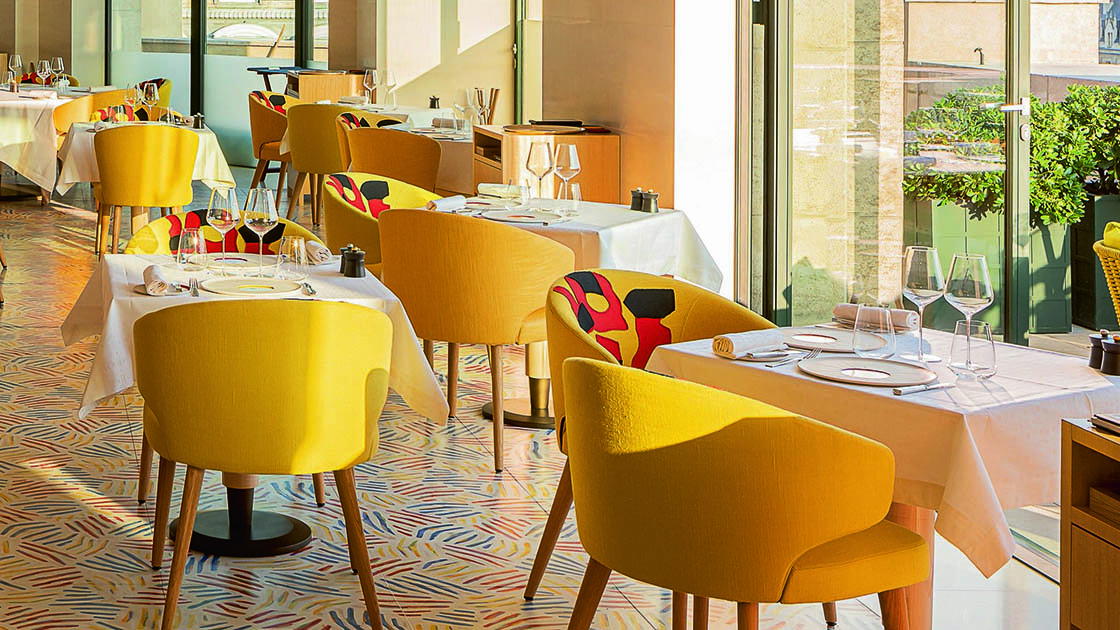
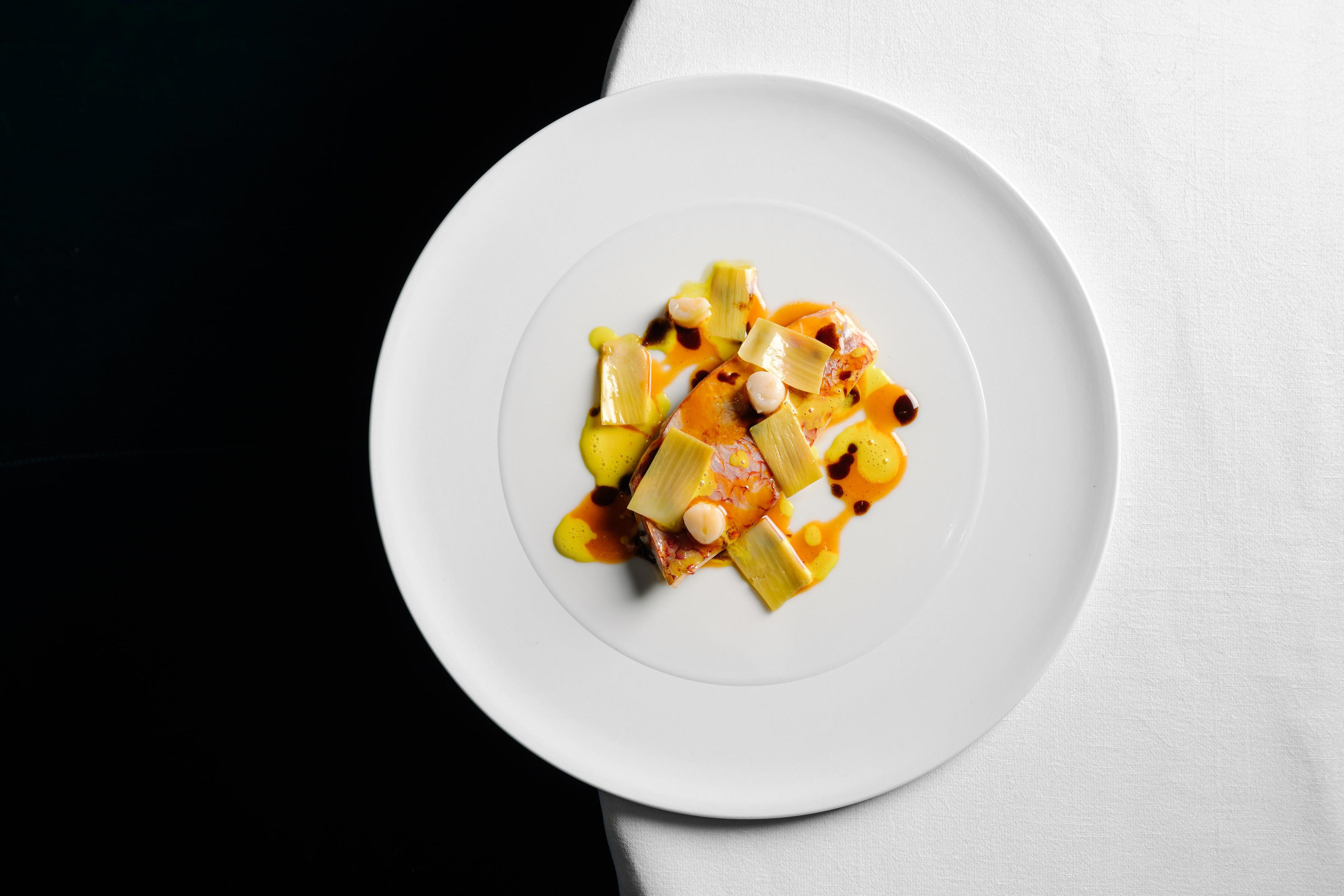
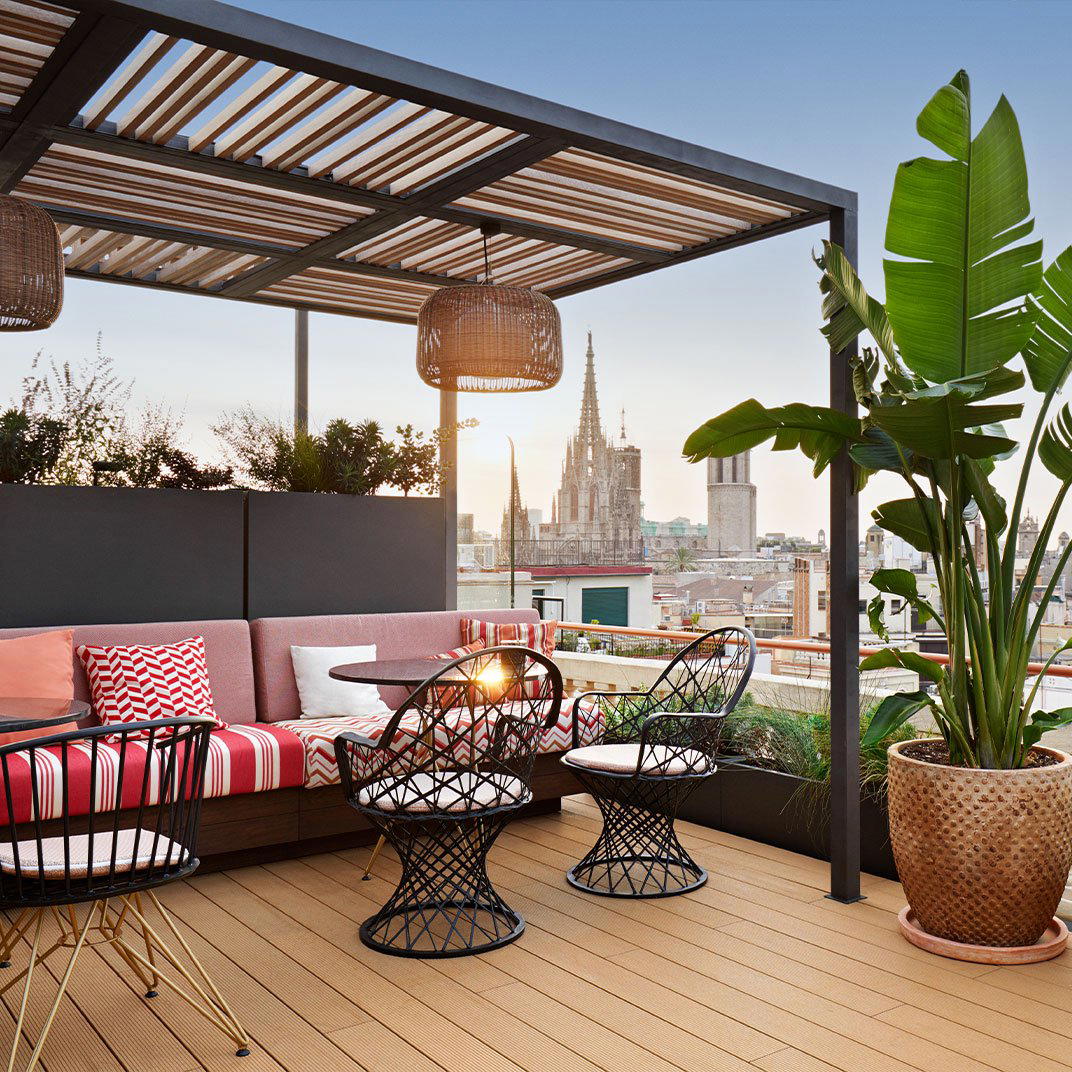
Bars in Barcelona
Browse all →
Hotels in Barcelona
Browse all →
At a Glance
- Lively
- Cozy
- Rustic
- Family
- Group Dining
- Casual Hangout
- Terrace
- Local Sourcing
Current opening hours
- Monday
- 6:30 AM–11 PM
- Tuesday
- 6:30 AM–11 PM
- Wednesday
- 6:30 AM–11 PM
- Thursday
- 6:30 AM–11 PM
- Friday
- 6:30 AM–12 AM
- Saturday
- 6:30 AM–12 AM
- Sunday
- Closed
Hours can change for holidays and private events. Last verified .
Warm, welcoming, and lively with a cozy setting praised for its friendly service and lively local vibe.