Calabrasa occupies a corner of Passeig del Born in Barcelona's Ciutat Vella, placing it inside one of the city's most densely dining neighbourhoods. The address situates it between the Gothic Quarter's tourist circuit and the more resident-oriented Eixample restaurant corridor, making it a reference point for the Born's casual-to-serious dining range.
Pearl is the En Primeur Club membership app — saves, bookings, and concierge access live there. Same editors, same standards.
- Address
- Pg. del Born, 27, Ciutat Vella, 08003 Barcelona, Spain
- Phone
- +34933100786
- Website
- calabrasa.com
- Directions
- Get directions
 Saves & bookings on Pearl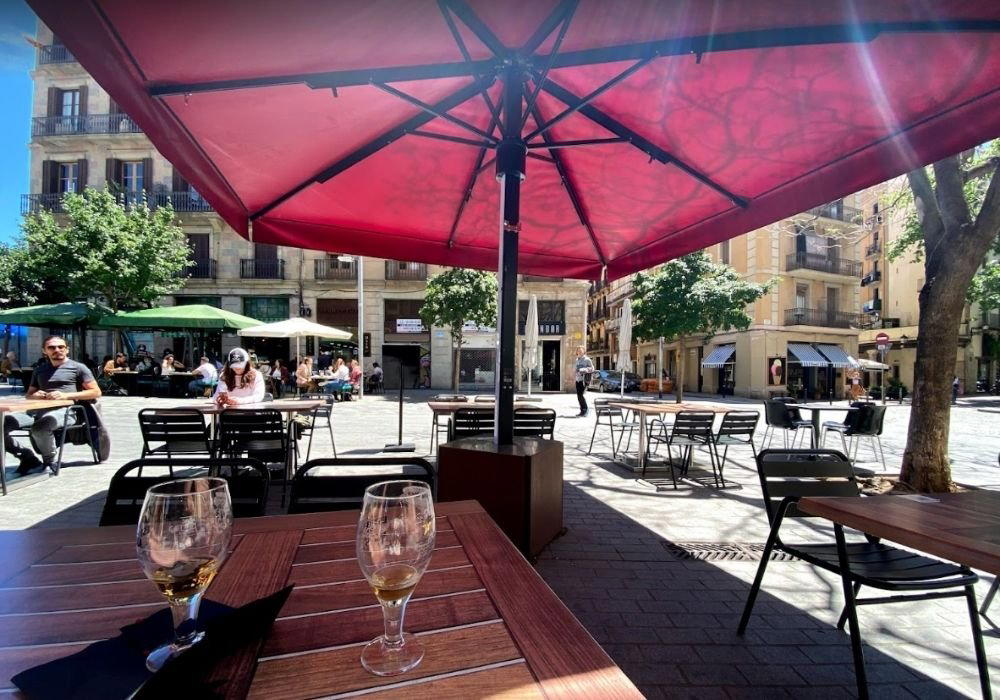
Born Into the Scene: Dining on Passeig del Born
Barcelona's El Born neighbourhood has undergone a long recalibration. What was once the city's medieval mercantile quarter, centred on the restored Mercat del Born and the Gothic bulk of Santa Maria del Mar, gradually became a concentration of mid-range restaurants, cocktail bars, and the kind of terrace dining that draws both locals on a Tuesday and tourists on a Saturday. Passeig del Born itself, the wide pedestrianised boulevard that forms the neighbourhood's spine, sits at the heart of that mix. The buildings are old, the foot traffic is constant, and the dining offer runs from quick vermouth stops to full evening meals with wine lists that take some working through.
Calabrasa is located at number 27 on that boulevard, putting it squarely within the Born's core social stretch rather than in any of its quieter backstreets. In a neighbourhood where the physical setting does much of the atmospheric work, an address on Passeig del Born carries its own logic: the street is animated without being overwhelming, and the proximity to Santa Maria del Mar gives it a particular quality of stone and light that few Barcelona streets can match. Approaching from the church end, the boulevard opens up, and the terraces along its length absorb evening crowds with a rhythm that feels less frantic than Las Ramblas and more purposeful than the Gothic Quarter's narrower lanes.
The Born's Competitive Register
Barcelona's fine dining conversation is largely conducted in other postcodes. Disfrutar (Progressive, Creative), Cocina Hermanos Torres (Creative), Lasarte (Progressive Spanish, Creative), ABaC (Creative), and Enigma (Creative) all operate at the €€€€ end of the spectrum and in formats that require forward planning, reservation windows that stretch weeks or months, and a commitment to multi-course progression. El Born does not generally compete in that category. What it offers instead is a denser, more informal tier: restaurants where the cooking can be serious without the ceremony, and where a table on a Wednesday evening is achievable without a three-month lead time.
That positioning matters for how you read any Born address. The neighbourhood's dining character is defined by accessibility and atmosphere in roughly equal measure. The stone facades, the candlelit interiors visible through open doors, the sound of the neighbourhood settling into its evening routine at nine o'clock, these are features of the experience regardless of which specific table you are sitting at. The broader Spanish fine dining scene, which runs from El Celler de Can Roca in Girona to Quique Dacosta in Dénia and out to Mugaritz in Errenteria and Martin Berasategui in Lasarte-Oria, sets a high national benchmark. Born-district restaurants operate with an awareness of that benchmark without necessarily competing directly against it.
Atmosphere and Physical Setting
The sensory character of El Born in the evening is one of Barcelona's more consistent pleasures. Santa Maria del Mar generates a particular quality of ambient sound, foot traffic, voices, the occasional bell, that carries down the Passeig. The buildings along the boulevard are predominantly low-rise relative to the Eixample, which means the light changes more dramatically at dusk, and the street-level experience is less enclosed. Terraces on the Passeig operate in what amounts to a natural amphitheatre of medieval architecture, with the market building at the far end and the church anchoring the other.
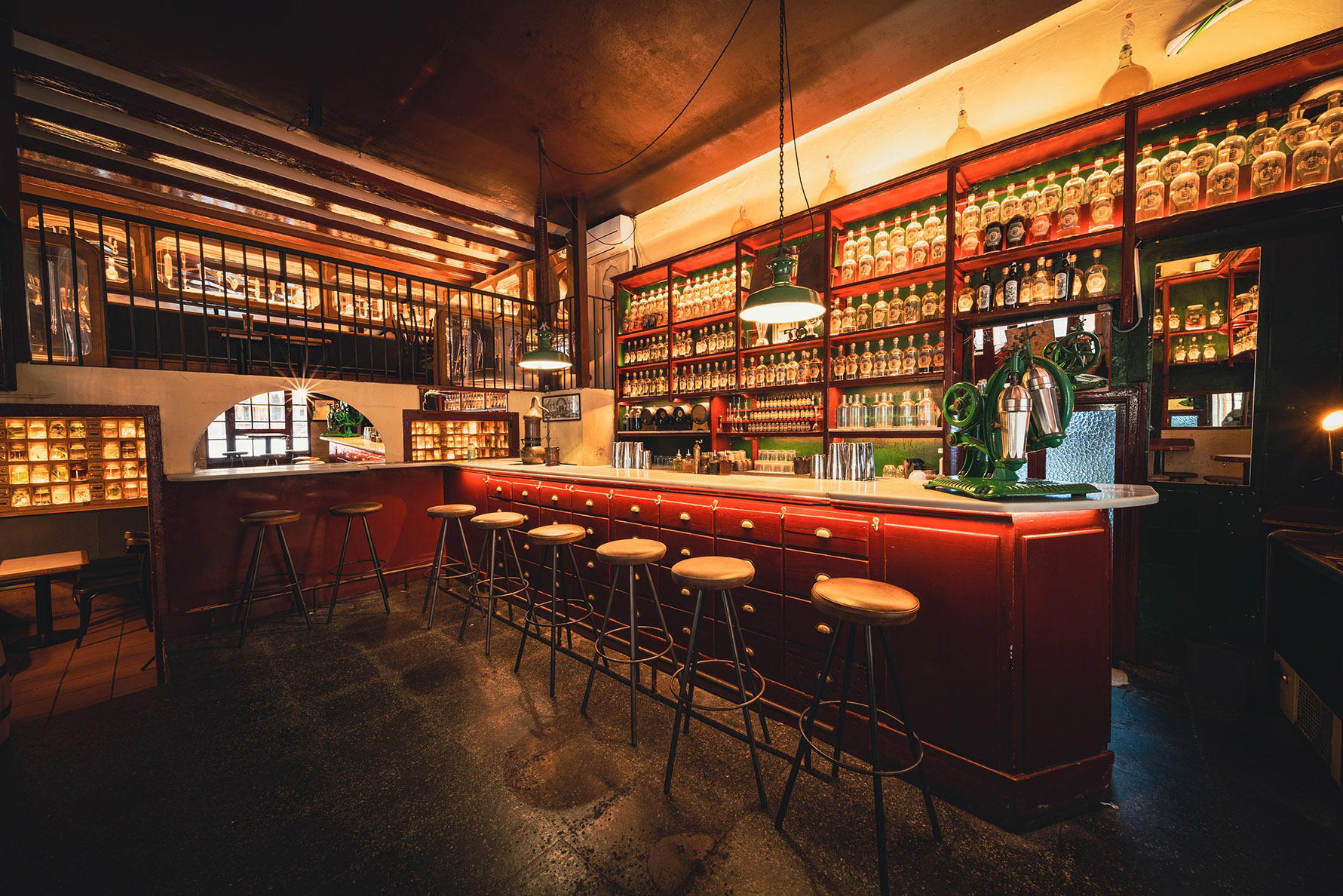
Inside restaurants on this stretch, the prevailing aesthetic tends toward exposed stone, warm lighting, and the kind of accumulated detail that comes from buildings with genuine age rather than designed patina. This is not the clinical white-tablecloth environment of the Eixample's tasting-menu rooms, and it is not the aggressively curated industrial look that defined Barcelona's bar openings of the 2010s. It sits in a middle register that suits the neighbourhood: considered without being self-conscious, atmospheric without requiring darkness and drama to sustain it.
Spain's Broader Dining Conversation
Understanding any Barcelona restaurant in the mid-to-upper tier requires some familiarity with how Spain's restaurant culture has distributed itself geographically. The country's most decorated addresses are dispersed: Arzak in San Sebastián, Azurmendi in Larrabetzu, Aponiente in El Puerto de Santa María, DiverXO in Madrid, Ricard Camarena in València, and Atrio in Cáceres each represent different regional traditions and different price points within Spain's premium tier. Barcelona's contribution to that national picture is substantial, but it is concentrated in specific neighbourhoods and formats. El Born contributes less at the starred end and more at the level of confident, ingredient-led cooking with a strong sense of place.
That is the category in which a Passeig del Born address most naturally competes, and it is a category that rewards visitors willing to make decisions based on neighbourhood character and cuisine type rather than award tier alone. Internationally, the format comparison extends further: the neighbourhood-integrated dining experience that El Born exemplifies has parallels in New York at Le Bernardin's end of the formality spectrum, and in San Francisco at the community-embedded format of Lazy Bear, though the cultural context differs considerably.
Planning Your Visit
Know Before You Go
- Address: Pg. del Born 27, Ciutat Vella, 08003 Barcelona, Spain
- Neighbourhood: El Born, walking distance from Santa Maria del Mar and the Mercat del Born
- Booking: Reservation recommended
- Price range: About $40 per person
- Hours: Mon: 12:30 PM-12 AM; Tue: 12:30 PM-12 AM; Wed: 12:30 PM-12 AM; Thu: 12:30 PM-12 AM; Fri: 1 PM-1 AM; Sat: 1 PM-1 AM; Sun: 12:30 PM-12 AM
- Access: Metro L4 (Jaume I) is the closest station; the Passeig del Born is pedestrianised
Pricing, Compared
Comparable venues nearby, for context on price, style, and recognition.
| Venue | Cuisine | Price | Notes |
|---|---|---|---|
| CalabrasaThis venue — the venue you are viewing | Not listed | $$ | Not listed |
| Golfo De Bizkaia BCN | Not listed | $$ | Sant Pere, Santa Caterina i la Ribera, Traditional Basque Pintxos |
| El Mercat | Not listed | $$ | la Dreta de l'Eixample, Traditional Spanish Tapas |
| Al Bistró | Not listed | $$ | Sant Antoni, Authentic Spanish & Mediterranean Bistro |
| Rambla 92 | la Dreta de l'Eixample, Spanish Tapas | $$ | Not listed |
| Restaurant L'Aliança del Poble Nou | Not listed | $$ | el Poblenou, Traditional Spanish Mediterranean |
Continue exploring
More in Barcelona
Restaurants in Barcelona
Browse all →
Bars in Barcelona
Browse all →
Hotels in Barcelona
Browse all →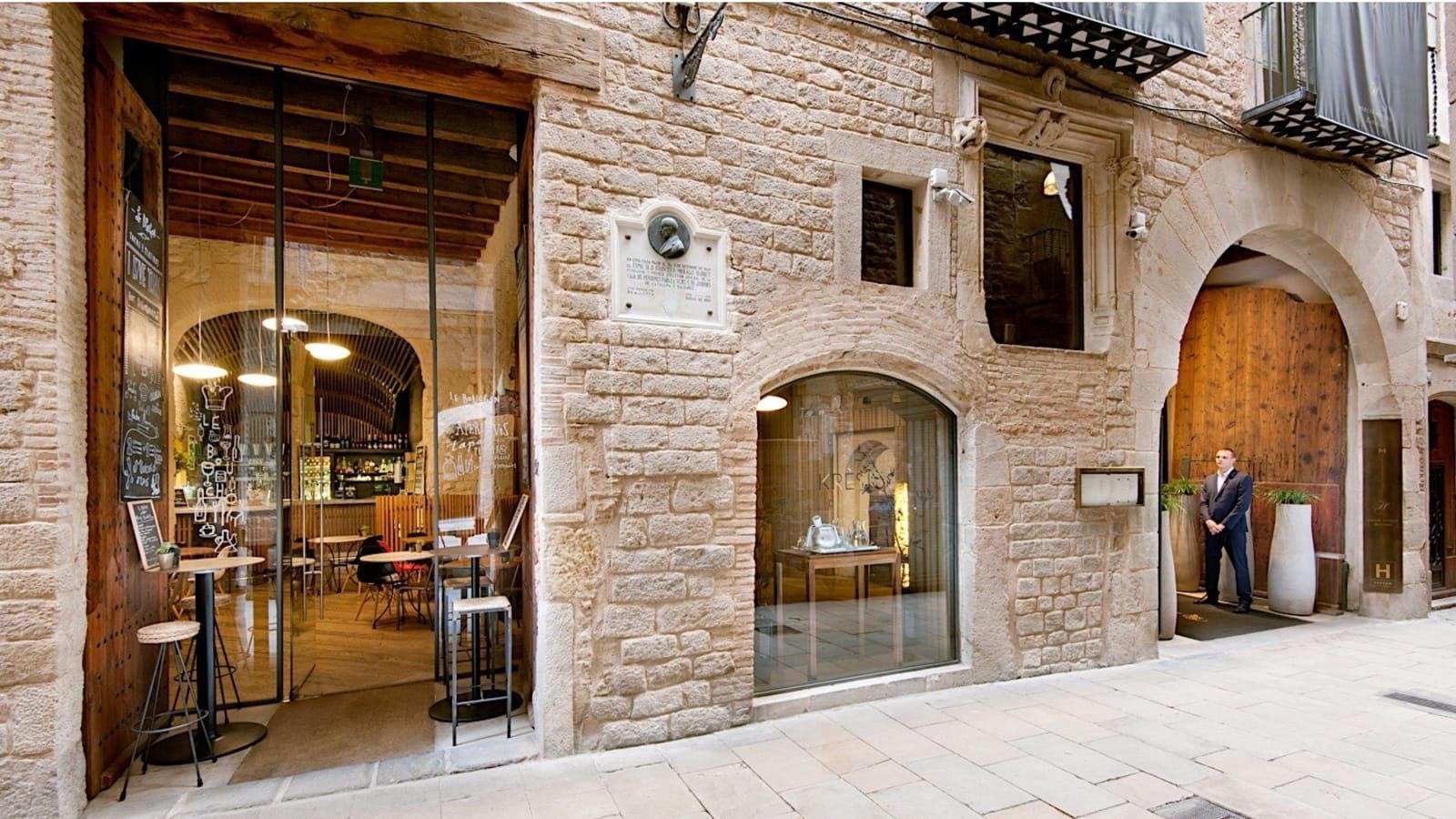
At a Glance
- Rustic
- Cozy
- Date Night
- Group Dining
- Family
- Terrace
- Open Kitchen
- Street Scene
Current opening hours
- Monday
- 12:30 PM–12 AM
- Tuesday
- 12:30 PM–12 AM
- Wednesday
- 12:30 PM–12 AM
- Thursday
- 12:30 PM–12 AM
- Friday
- 1 PM–1 AM
- Saturday
- 1 PM–1 AM
- Sunday
- 12:30 PM–12 AM
Hours can change for holidays and private events. Last verified .
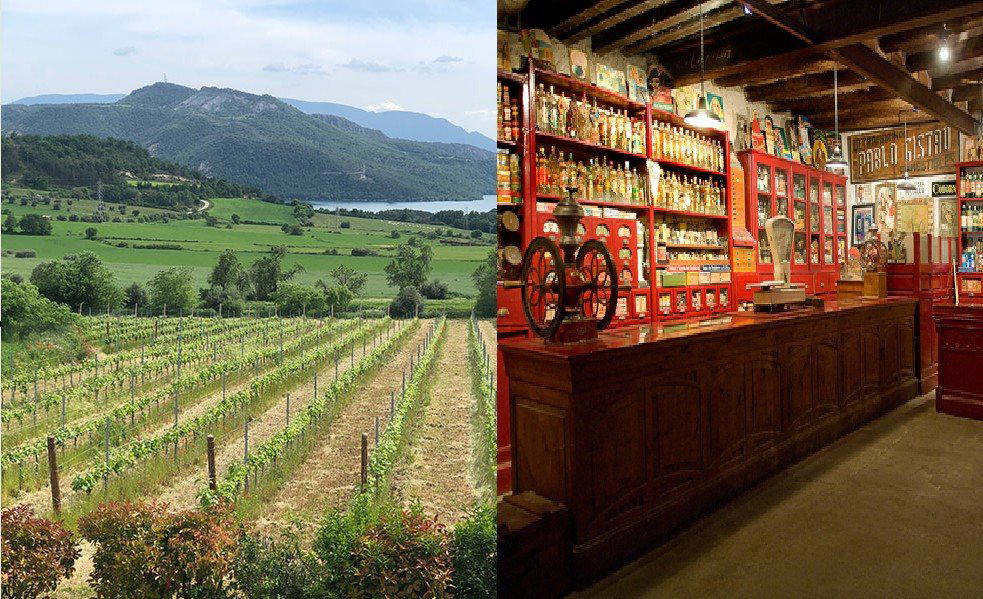
Informal and traditional atmosphere reminiscent of Catalan farmhouses with vintage interior and a large terrace for romantic dinners.