Meraki Greek Bistro
Meraki Greek Bistro occupies a practical position in downtown Miami's dining mix, offering a Greek bistro format along SE 1st Ave where the meal's logic, mezedes first, then grilled fish or slow-cooked proteins, follows the unhurried rhythm that defines the tradition. In a city where the Mediterranean category receives less awards attention than Latin or Asian formats, it serves a different kind of purpose: a meal paced by cultural habit rather than kitchen theatrics.
Pearl is the En Primeur Club membership app — saves, bookings, and concierge access live there. Same editors, same standards.
- Address
- 190 SE 1st Ave, Miami, FL 33131
- Phone
- +17867731535
- Website
- merakidowntown.com
- Directions
- Get directions
 Saves & bookings on Pearl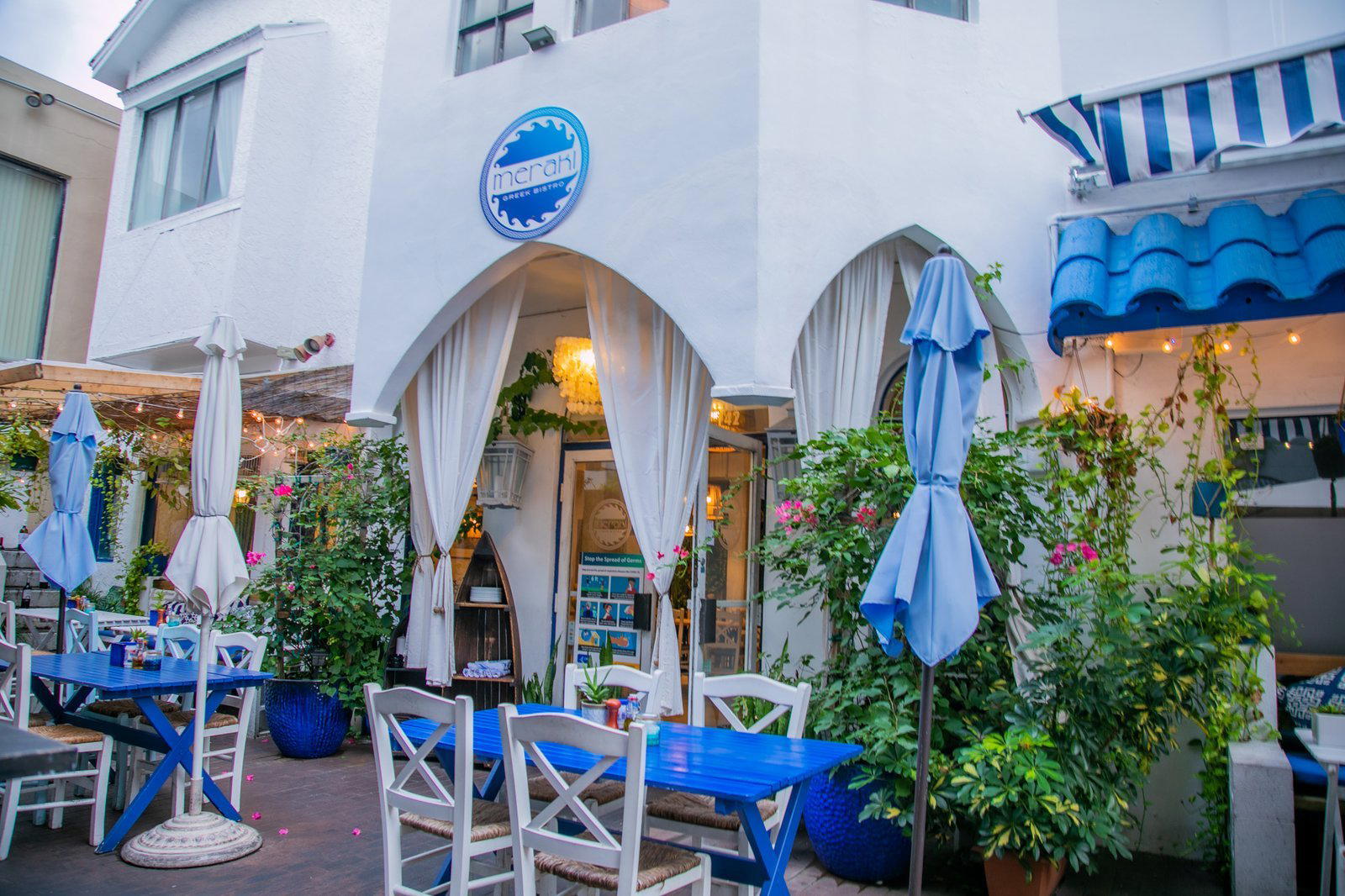
Greek Dining in Downtown Miami: Where the Ritual Holds
Downtown Miami's restaurant corridor along SE 1st Avenue runs through a neighborhood caught between the financial district's lunch trade and Brickell's evening density. Greek cuisine occupies a specific niche in that mix, one that rewards diners who understand how the tradition is supposed to unfold. At Meraki Greek Bistro, the address at 190 SE 1st Ave places it between the Financial District and Brickell.
Greek dining at its most considered is not a cuisine of rushed individual plates. The meal moves in rounds: cold appetizers first, then warm preparations, then proteins, with bread present throughout. That pacing is itself a form of cultural instruction. Taverna culture in Greece treats the table as a destination, not a transaction to complete. In Miami, where the tempo skews faster, a Greek bistro format that respects that rhythm distinguishes itself from the broader Mediterranean-adjacent category that fills the city's menus.
The Scene Around It: Miami's Mediterranean Tier
Miami's dining scene has consolidated around a set of clearly legible categories: the high-concept Latin counter, the steakhouse with a view, the omakase seat available three months out. The Mediterranean middle ground, which includes Greek, Turkish, and Levantine formats, sits in a more diffuse tier, rarely collecting the awards attention that venues like Boia De (Italian, contemporary, $$$) or Cote Miami (Korean steakhouse, $$$) pull. That relative quietness is not an indictment. It reflects the reality that Michelin and the 50 Best apparatus tend to reward tasting-menu formats and named-chef narratives.
Comparison venues in Miami's upper-middle tier, places like Ariete at the $$$$ mark with its modern American identity, operate on different logic: authored menus, singular vision, prix-fixe pressure. Greek bistro dining inverts that hierarchy. The kitchen's job is to get out of the way of the ingredients, the olive oil, the lemon, the fresh catch, and let the table do the work. Whether that format earns critical traction in Miami is almost beside the point for diners who know what they're looking for.
The Dining Ritual: How a Greek Table Proceeds
Understanding the sequence matters more than memorizing any single dish. The Greek meal traditionally opens with mezedes, small plates that function as the meal's conversational layer: taramasalata, tzatziki, dolmades, grilled octopus, spanakopita. These are not appetizers in the American sense, starters to be cleared before the real eating begins. They are the meal's first act, meant to accompany wine, to generate discussion, to slow the room down to a workable pace.
What follows depends on the kitchen's emphasis. Coastal Greek cooking leans toward whole fish, grilled simply, dressed with ladolemono, the olive oil and lemon emulsion that is as fundamental to Greek cooking as butter is to classical French. Inland traditions favor slow-cooked lamb and pork preparations, stifado and kleftiko, dishes built around hours in the oven rather than minutes on the grill. A bistro format in Miami might blend both registers, which is common in diaspora Greek cooking.
The ritual question for a Greek meal in a city like Miami is whether the kitchen respects that structure or collapses it into a more generic Mediterranean flow. A menu that treats spanakopita as a bar snack and leads immediately to a protein main is not wrong, exactly, but it abbreviates something. The better interpretation of the format holds the sequence, paces the kitchen's output, and trusts the table to linger.
Where Meraki Sits in the Broader Dining Context
For diners building a Miami itinerary around serious eating, the reference points elsewhere in the city skew toward higher price bands and longer lead times. L'Atelier de Joël Robuchon Miami occupies a different register entirely, as does ITAMAE with its Peruvian-Japanese counter format. The Greek bistro category sits below that ceiling in terms of both price and formality, which makes it a practical option for multiple-meal days when a second or third outing should not compete with the evening's main event.
Nationally, the Greek diaspora restaurant tradition has had its most visible practitioners in New York and Chicago, though cities like Baltimore and Detroit carry their own Greek-American dining histories. In Miami, the format does not have the same institutional depth, which means individual operators carry more interpretive weight. Meraki's downtown address positions it for the lunch and early-dinner trade that the Financial District and Brickell generate, a different demand profile than weekend destination dining.
Readers building longer American dining itineraries around restaurants with deep track records and named awards might look at reference points like Le Bernardin in New York City, The French Laundry in Napa, or Alinea in Chicago as anchors for high-ceremony dining. For the opposite register, where the meal's ceremony is embedded in the food's cultural logic rather than the service choreography, a Greek bistro format offers a different kind of instruction. See also Lazy Bear in San Francisco, Providence in Los Angeles, Blue Hill at Stone Barns in Tarrytown, Addison in San Diego, Atomix in New York City, Single Thread Farm in Healdsburg, The Inn at Little Washington, Emeril's in New Orleans, and 8 1/2 Otto e Mezzo Bombana in Hong Kong for further context on different ceremony registers globally.
Planning a Visit
Meraki Greek Bistro is located at 190 SE 1st Ave in downtown Miami, positioned between the Financial District and Brickell. Reservations are recommended, and the restaurant's regular hours are Mon: 11 AM-10 PM; Tue: 11 AM-10 PM; Wed: 11 AM-10 PM; Thu: 11 AM-10 PM; Fri: 11 AM-12 AM; Sat: 12 PM-12 AM; Sun: 12-10 PM. Downtown Miami's lunch traffic peaks sharply on weekdays; an early-evening visit on a weekday will generally find a quieter room than a Saturday night in Brickell.
In Context: Similar Options
Comparable venues nearby, for context on price, style, and recognition.
| Venue | Cuisine | Price | Notes |
|---|---|---|---|
| Meraki Greek BistroThis venue — the venue you are viewing | Authentic Greek Bistro | $$ | Not listed |
| The Knife Restaurant - Bayside | Argentinian Parrilla Steakhouse | $$ | Port of Miami |
| Shokudo Miami | Asian Fusion with Japanese, Thai & Korean | $$ | Buena Vista |
| Selva Negra Restaurant | Authentic Nicaraguan | $$ | Sweetwater |
| Rosa Mexicano | Dining | Not listed | South Beach |
| LoKal | Sustainable American Burgers & Gastropub | $$ | Coconut Grove |
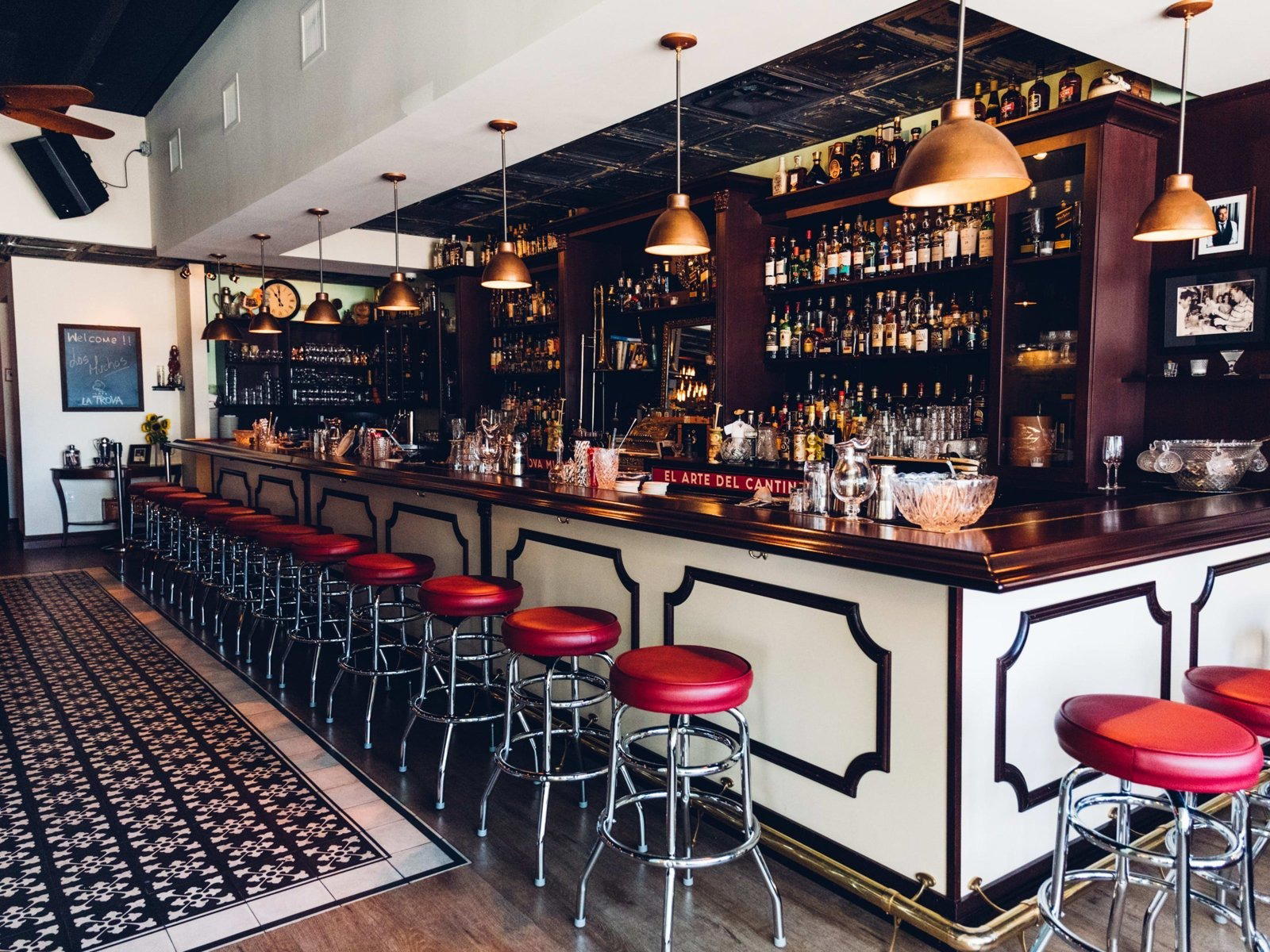
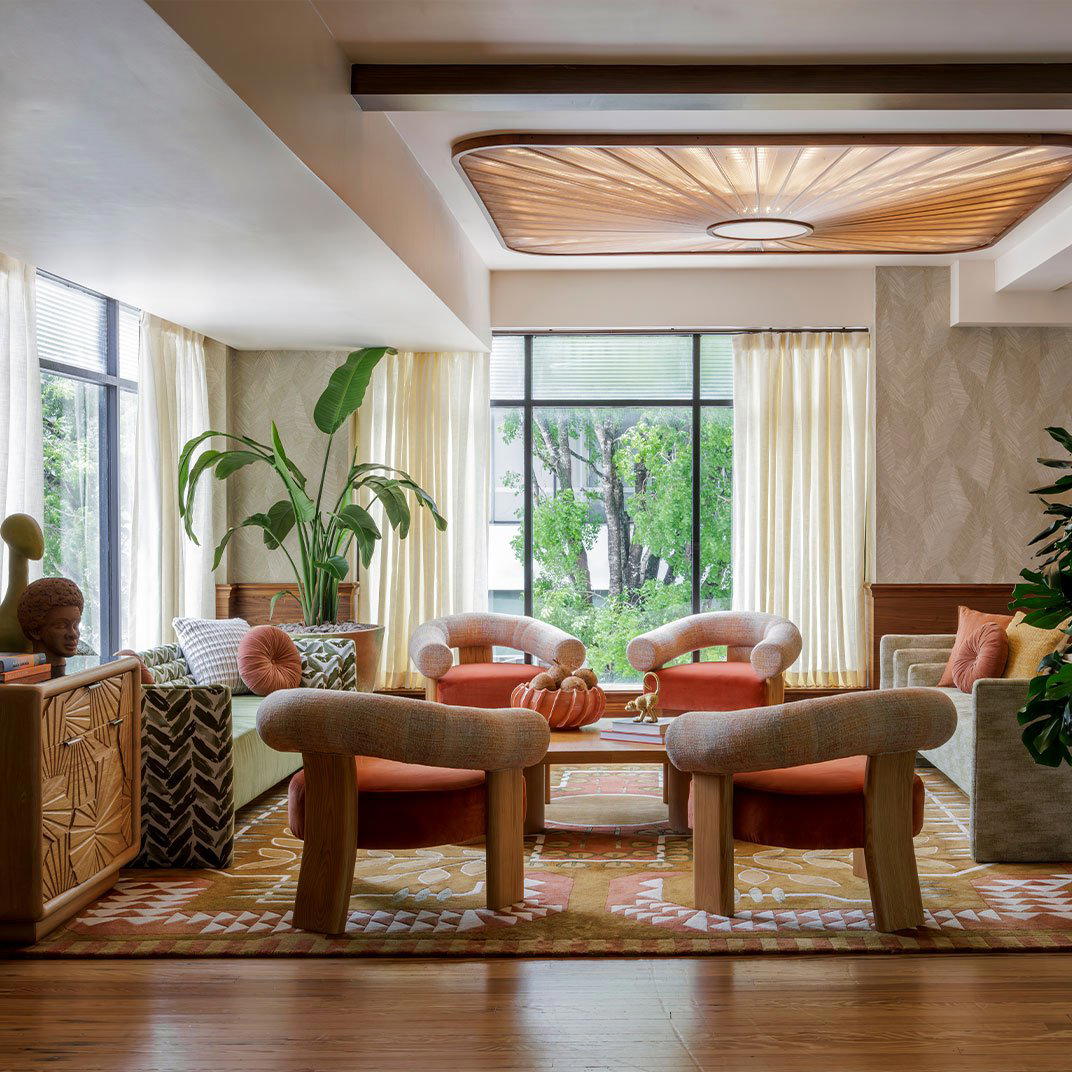
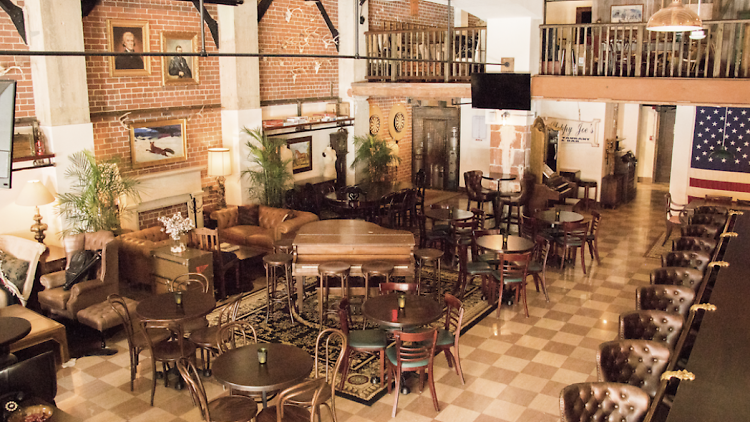
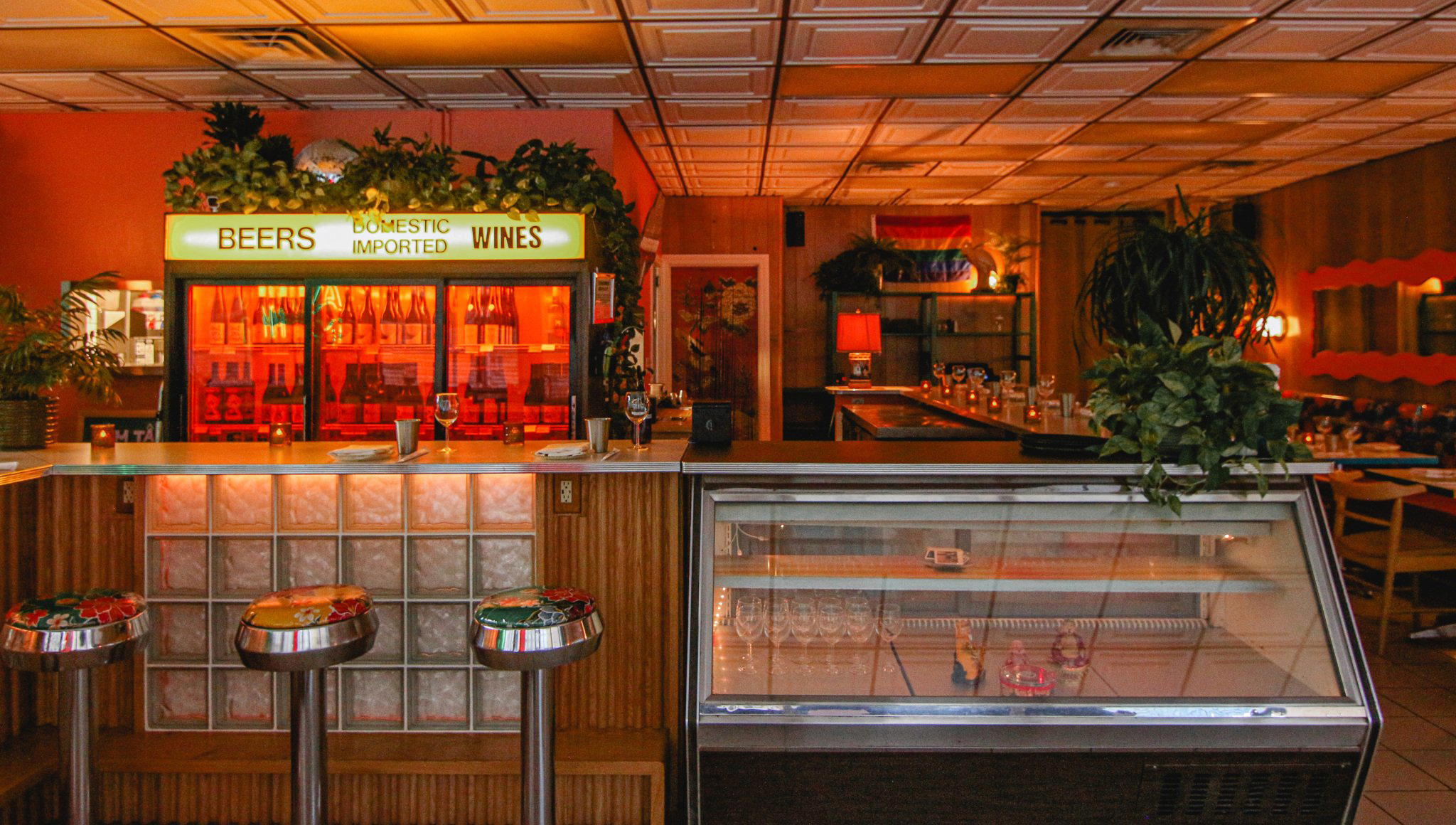
At a Glance
- Cozy
- Intimate
- Rustic
- Trendy
- Date Night
- Group Dining
- Casual Hangout
- Courtyard
- Private Dining
- Extensive Wine List
- Local Sourcing
Current opening hours
- Monday
- 11 AM–10 PM
- Tuesday
- 11 AM–10 PM
- Wednesday
- 11 AM–10 PM
- Thursday
- 11 AM–10 PM
- Friday
- 11 AM–12 AM
- Saturday
- 12 PM–12 AM
- Sunday
- 12–10 PM
Hours can change for holidays and private events. Last verified .
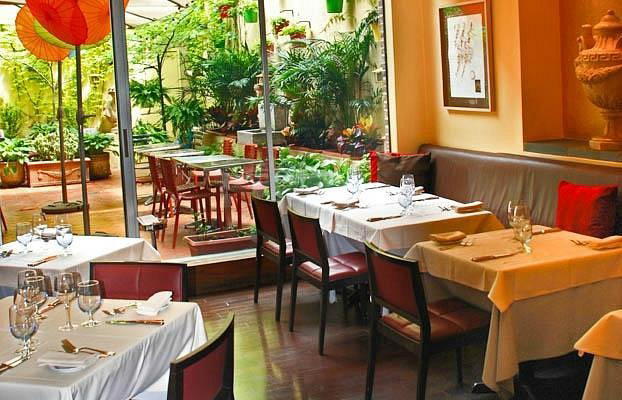
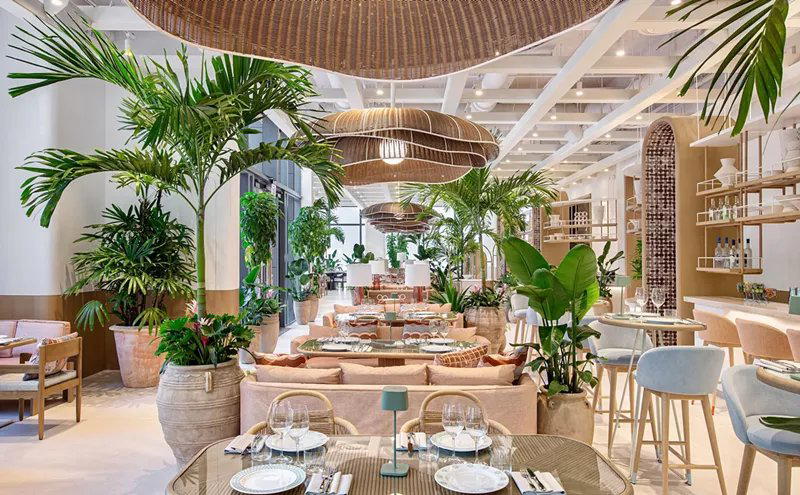
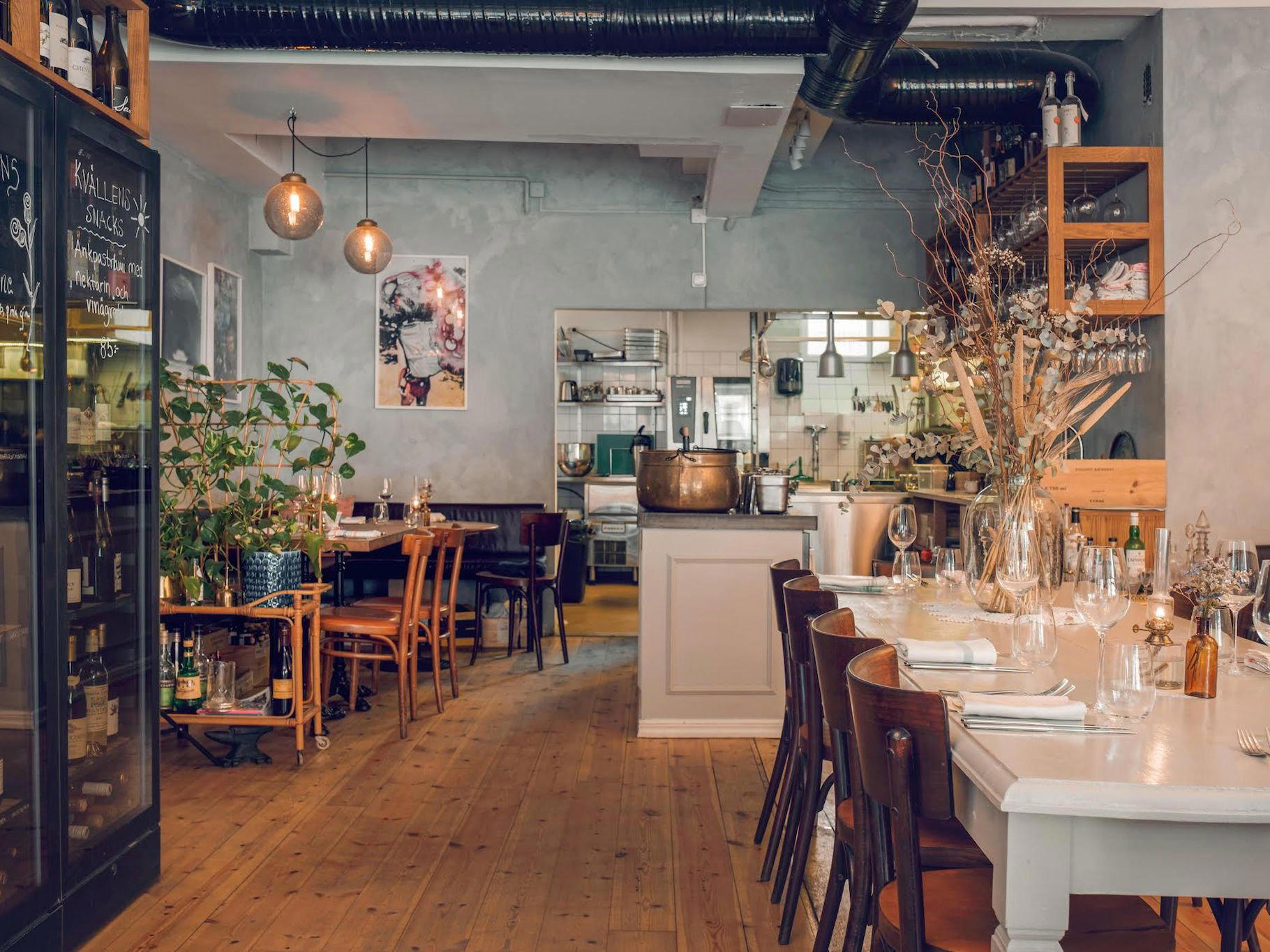
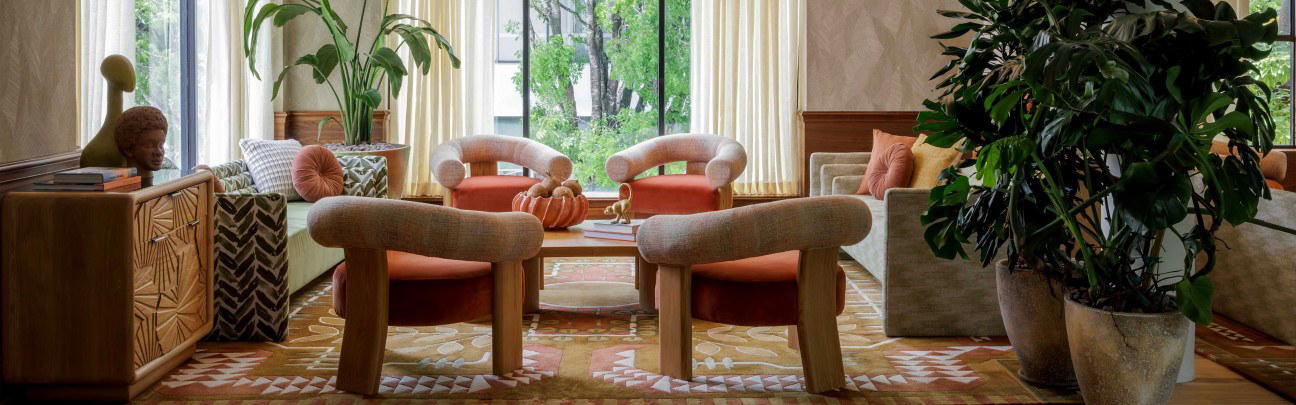
Casual-chic Greek taverna with cozy courtyard seating, Mediterranean blue and white decor, and warm hospitable atmosphere.