The Knife Restaurant - Bayside
The Knife Restaurant at Bayside Marketplace brings a format that has gained traction across Miami's casual dining scene: an all-you-can-eat Argentine-style churrasco, served tableside by rotating servers carrying skewers of grilled and carved meats. Located along Biscayne Bay at 401 Biscayne Blvd, it occupies a waterfront position within a high-traffic retail and entertainment complex, placing it at a different point in Miami's dining spectrum than the city's tasting-menu-driven rooms.
Pearl is the En Primeur Club membership app — saves, bookings, and concierge access live there. Same editors, same standards.
- Address
- Bayside Marketplace, 401 Biscayne Blvd #2175, Miami, FL 33132
- Phone
- +17862320040
- Website
- opentable.com
- Directions
- Get directions
 Saves & bookings on Pearl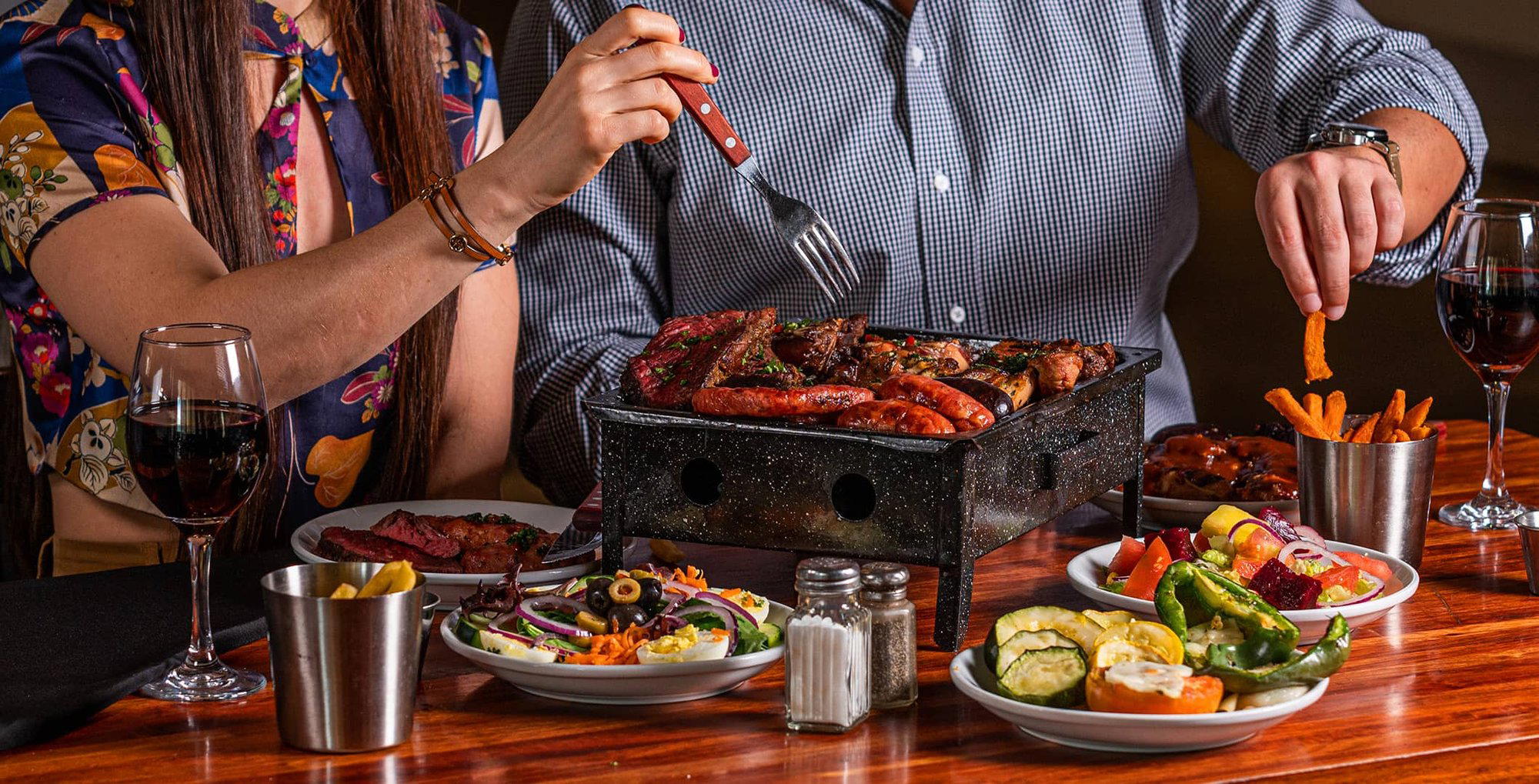
Waterfront, Open-Format, and Argentine in Principle
Bayside Marketplace sits at the northern edge of downtown Miami's bayfront corridor, a stretch of Biscayne Boulevard where the city meets the water in a format designed for movement and volume rather than quiet contemplation. The complex itself draws from a wide visitor base: cruise passengers walking from the nearby terminal, downtown workers, tourists lodged in Brickell and Edgewater hotels, and Miami residents who want a table with an unobstructed bay view without the reservation lead time that the city's tasting-menu rooms require. It is in this physical and commercial context that The Knife Restaurant - Bayside operates in Miami as an Argentinian Parrilla Steakhouse.
The format The Knife trades on is the Argentine-style rodizio or tenedor libre model, with tableside service of grilled and carved meat until the guest signals otherwise. This format has a specific cultural logic in Buenos Aires and across the Pampas region, where beef production shapes both the economy and the social ritual of eating. Transplanted to Miami, it sits within a broader movement of South American dining cultures taking root in a city whose demographic composition makes that lineage legible to a large portion of the population. Restaurants including ITAMAE (Peruvian) operate from a similar premise of cultural translation, though across a different register and price point.
The Physical Container: Space, Scale, and Position Inside Bayside
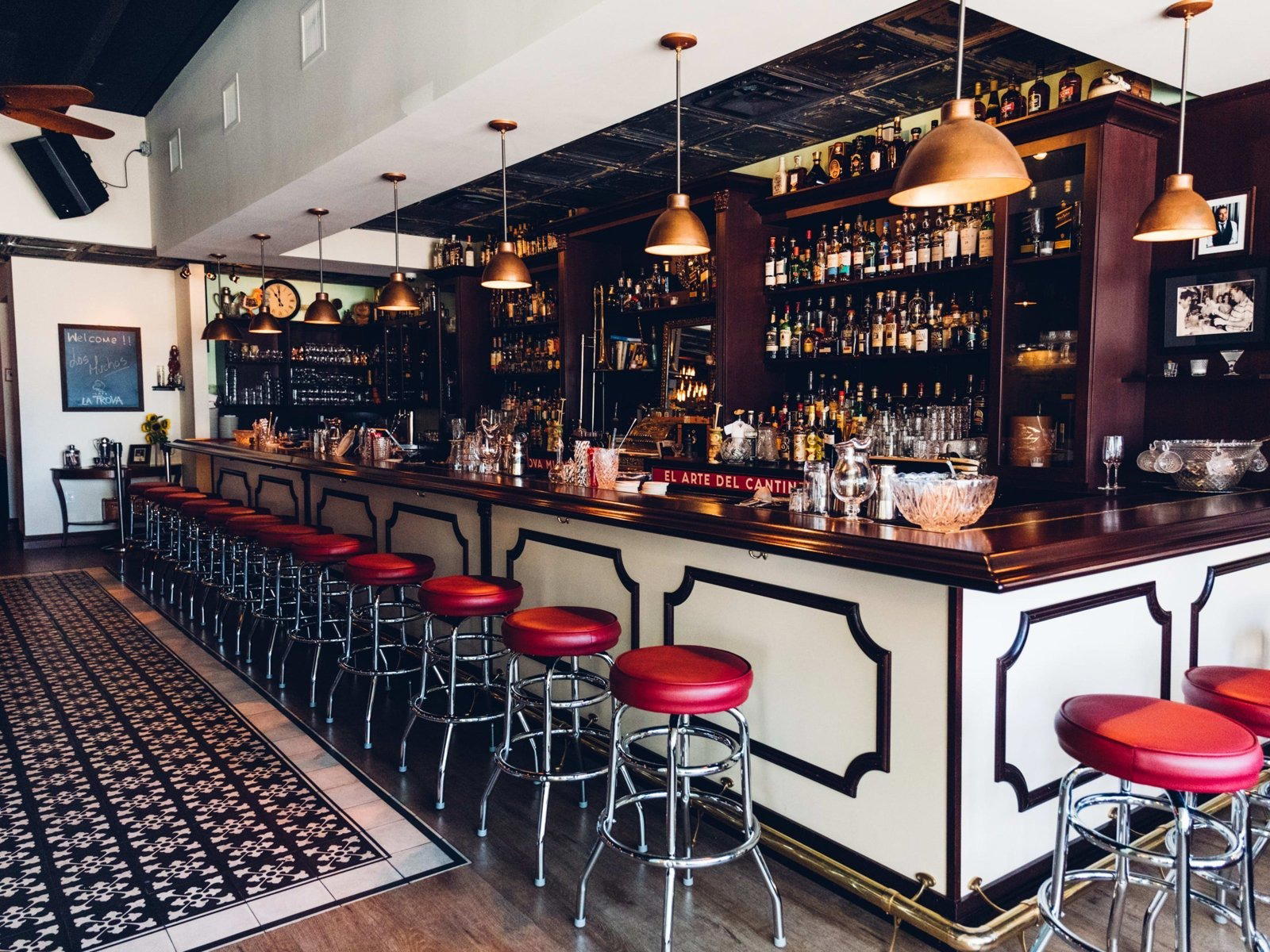
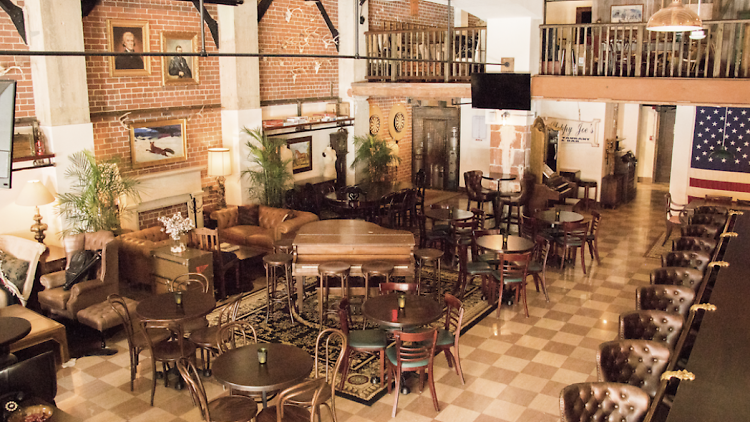
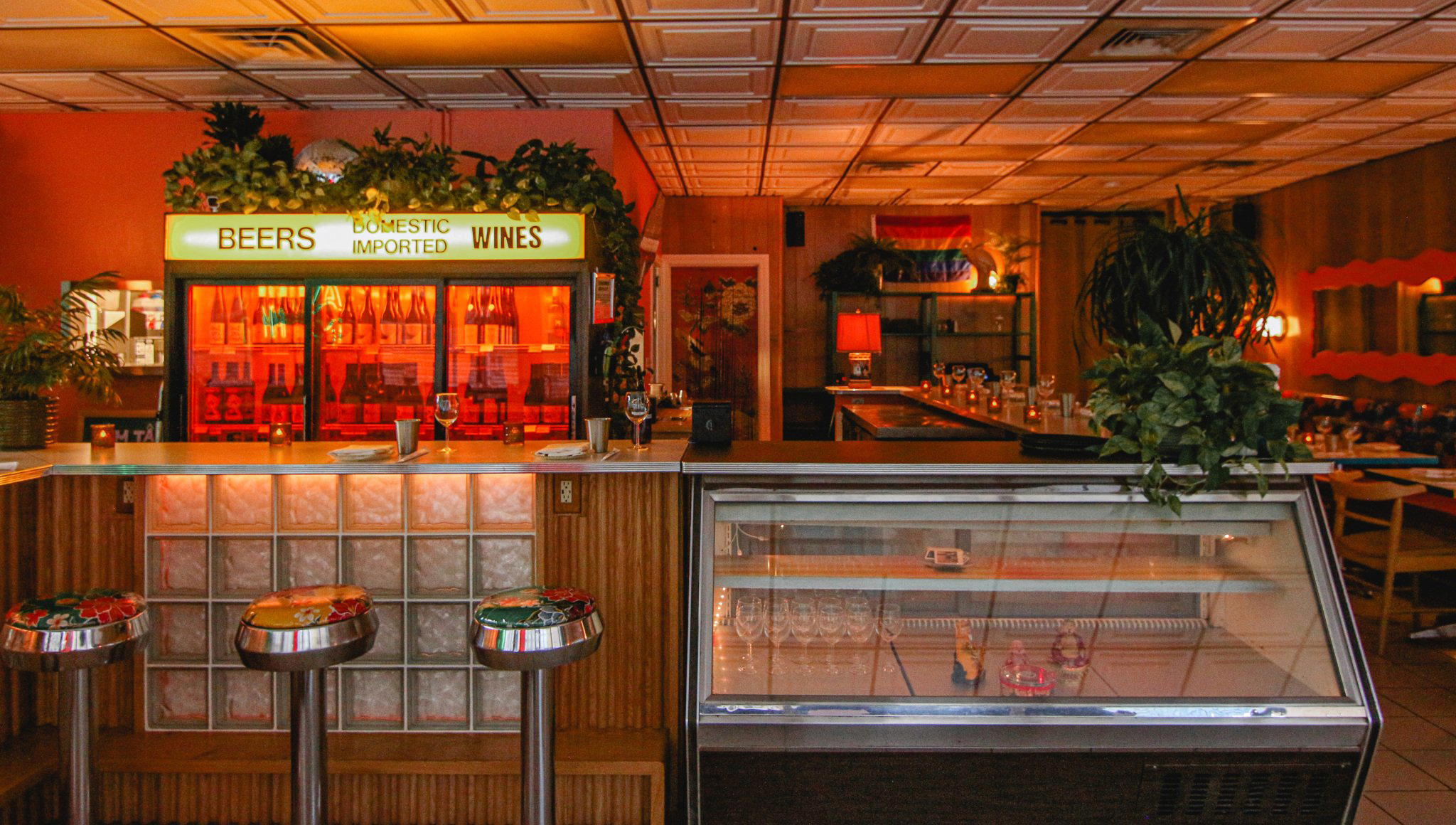
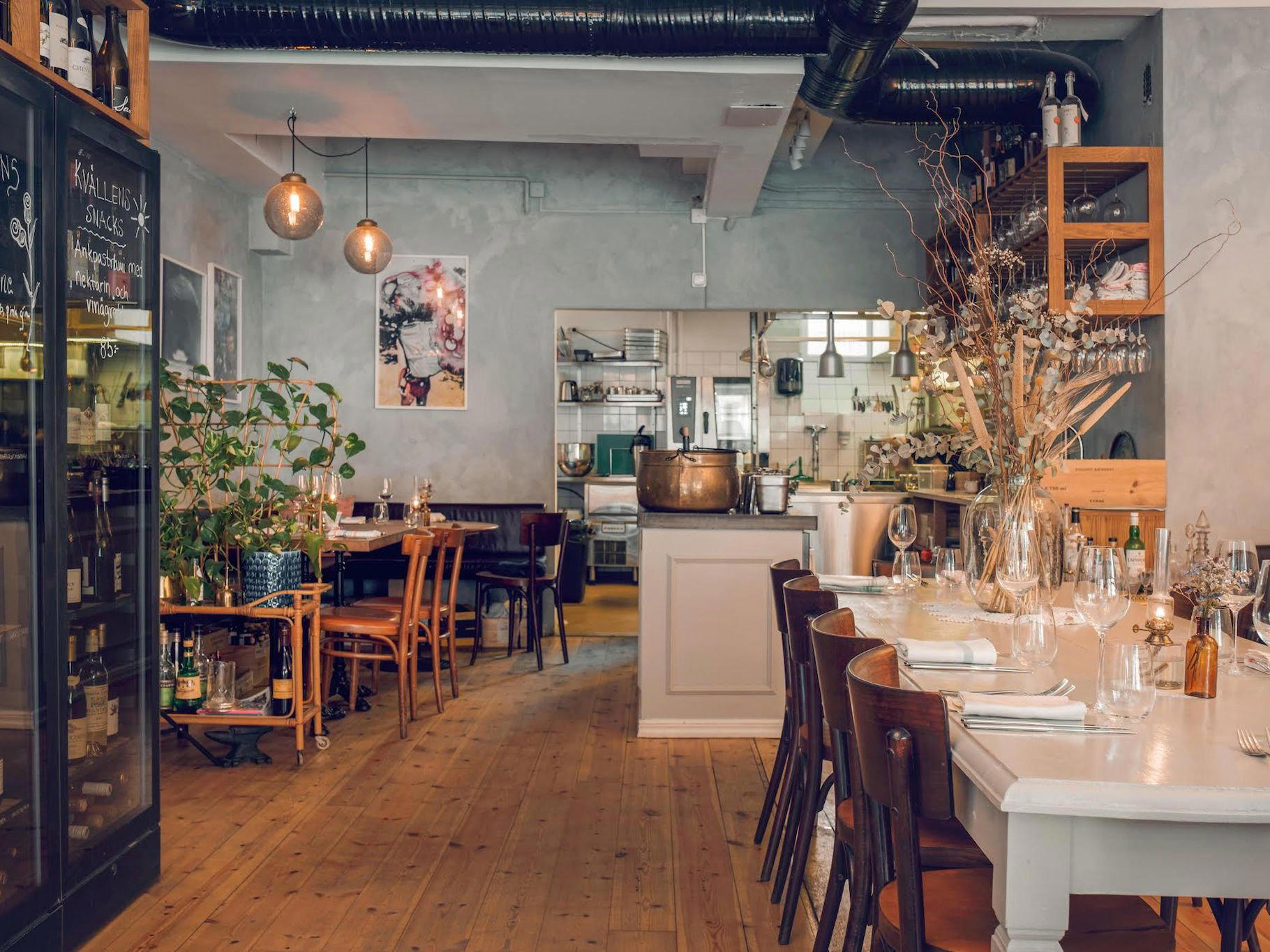
Within a marketplace environment, the architecture of any restaurant is partly determined by what the building allows. Bayside Marketplace units tend toward open-plan configurations with strong visual connections to the waterfront esplanade, and The Knife's location at suite 2175 places it within that logic. The design context here is not the intimate counter seating of Miami's more concentrated fine-dining rooms, where L'Atelier de Joël Robuchon Miami deploys the counter-facing-the-kitchen format to enforce a particular kind of attention, or the neighbourhood-scale dining rooms where Boia De operates with a compressed, deliberate spatial economy.
The rodizio format shapes the seating arrangement by necessity. Tables must allow servers to approach from multiple angles with long-handled skewers, which means spacing requirements differ from conventional à la carte rooms. The circulation pattern in a well-run rodizio is constant: the room is alive with motion from the floor rather than from the kitchen window. For guests, this produces a particular kind of ambient energy, the meal has a rhythm set by the servers rather than by a printed menu or a tasting sequence. That is either the point or the trade-off, depending on what you are looking for.
In the wider Miami dining spectrum, The Knife at Bayside occupies a position defined by accessibility and throughput. Compare this to the seating logic of Ariete or Cote Miami, both of which are designed for a slower, more deliberate meal architecture. The Knife's spatial proposition is the opposite: a high-turnover room where the format delivers quantity and social ease rather than sequence and restraint.
How the Argentine Meat Format Compares in Miami's Current Scene
Miami has a well-documented Argentinian dining presence, particularly in areas with established South American communities. The rodizio model competes in the city not only with other Argentine restaurants but also with the Brazilian churrascaria format, which operates on a nearly identical structural premise with a different cut vocabulary. Where Brazilian churrascaria tends toward a larger theatrical scale and an extensive salad bar component, the Argentine rodizio tends to foreground beef specifically, with an emphasis on cuts like asado de tira, entraña, and vacío that carry specific regional meaning.
For Miami diners calibrated to the tasting-menu or prix-fixe logic that defines the city's higher-end rooms, experiences at the level of Le Bernardin in New York City or Alinea in Chicago, which represent the opposite pole of American fine dining, The Knife represents a fully different value proposition. The meal is structured around abundance and social eating.
Across the United States, restaurants operating in similarly volume-forward formats have found durable audiences in cities where the dining market is stratified enough to support both ends of the spectrum simultaneously. From Lazy Bear in San Francisco to Addison in San Diego, the American fine-dining tier is well-documented and well-served. The Knife addresses a different requirement: group dining, tourist-friendly accessibility, and a format that does not demand advance knowledge of the menu.
What the Location Means for the Experience
The Bayside Marketplace address carries specific logistical implications. The complex is open-access, which means foot traffic is high and the walk-in proposition is more viable than at destination restaurants where reservations define availability. For visitors arriving from the Port of Miami or staying in downtown hotels, the location reduces friction considerably. The bay views accessible from this stretch of Biscayne Boulevard are a material part of the offer, outdoor or semi-outdoor seating adjacent to the water changes the quality of the experience in a way that no amount of interior design investment fully replicates.
For context, restaurants at this end of Biscayne carry a different relationship with the city than those embedded in neighbourhood commercial streets like Coconut Grove or Wynwood. The Bayside position is about capture, capturing the visitor, the after-work group, the pre-concert crowd, rather than destination loyalty. That does not diminish the food, but it does define the room's social character.
Know Before You Go
| Detail | Information |
|---|---|
| Address | Bayside Marketplace, 401 Biscayne Blvd #2175, Miami, FL 33132 |
| Format | All-you-can-eat Argentine rodizio (tableside meat service) |
| Location context | Waterfront retail and entertainment complex, downtown Miami |
| Booking | Walk-ins viable given high-traffic marketplace setting; reservations are recommended |
| Well suited for | Group dining, visitors, waterfront dining without tasting-menu commitment |
| Nearby comparisons | Cote Miami for a structured meat-focused format at a different price tier; Ariete for neighbourhood fine dining |
Recognition Snapshot
Comparable venues nearby, for context on price, style, and recognition.
| Venue | Cuisine | Price | Notes |
|---|---|---|---|
| The Knife Restaurant - BaysideThis venue — the venue you are viewing | Argentinian Parrilla Steakhouse | $$ | Not listed |
| Salty Flame | Pan-Asian Steakhouse | $$$ | Miami Financial District |
| Brasserie Brickell Key | Classic Italian Brasserie | $$ | Brickell Key |
| Air Margaritaville - Fort Lauderdale-Hollywood International Airport | American Seafood with Island Influences | $$ | West Miami |
| To Be Determined | Premium Steakhouse | $$$ | South Beach |
| CRAFT Brickell | American Comfort Food & Neapolitan Pizza | $$ | Miami Financial District |
Continue exploring
More in Miami
Restaurants in Miami
Browse all →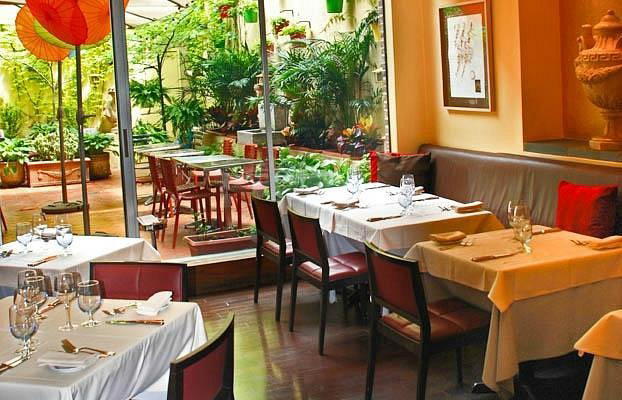



At a Glance
- Romantic
- Lively
- Casual
- Group Dining
- Celebration
- Casual Hangout
- Date Night
- Open Kitchen
- Standalone
- Beer Program
Current opening hours
- Monday
- 12–11 PM
- Tuesday
- 12–11 PM
- Wednesday
- 12–11 PM
- Thursday
- 12–11 PM
- Friday
- 12 PM–12 AM
- Saturday
- 12 PM–12 AM
- Sunday
- 12–11 PM
Hours can change for holidays and private events. Last verified .
Casual yet romantic atmosphere with an open-fire grill as the focal point, designed for social gatherings and shared dining experiences.