Selva Negra Restaurant
Selva Negra Restaurant on Miami's western edge occupies a distinct position in the city's Latin dining scene, where the kitchen draws on Central American traditions that rarely surface in the more celebrated corridors of Brickell or Wynwood. For diners tracking the city's quieter culinary undercurrents, this address on SW 107th Avenue represents a meaningful detour from the obvious.
Pearl is the En Primeur Club membership app — saves, bookings, and concierge access live there. Same editors, same standards.
- Address
- 125 SW 107th Ave, Miami, FL 33174
- Phone
- +17863913144
- Website
- selvanegrarestaurants.com
- Directions
- Get directions
 Saves & bookings on Pearl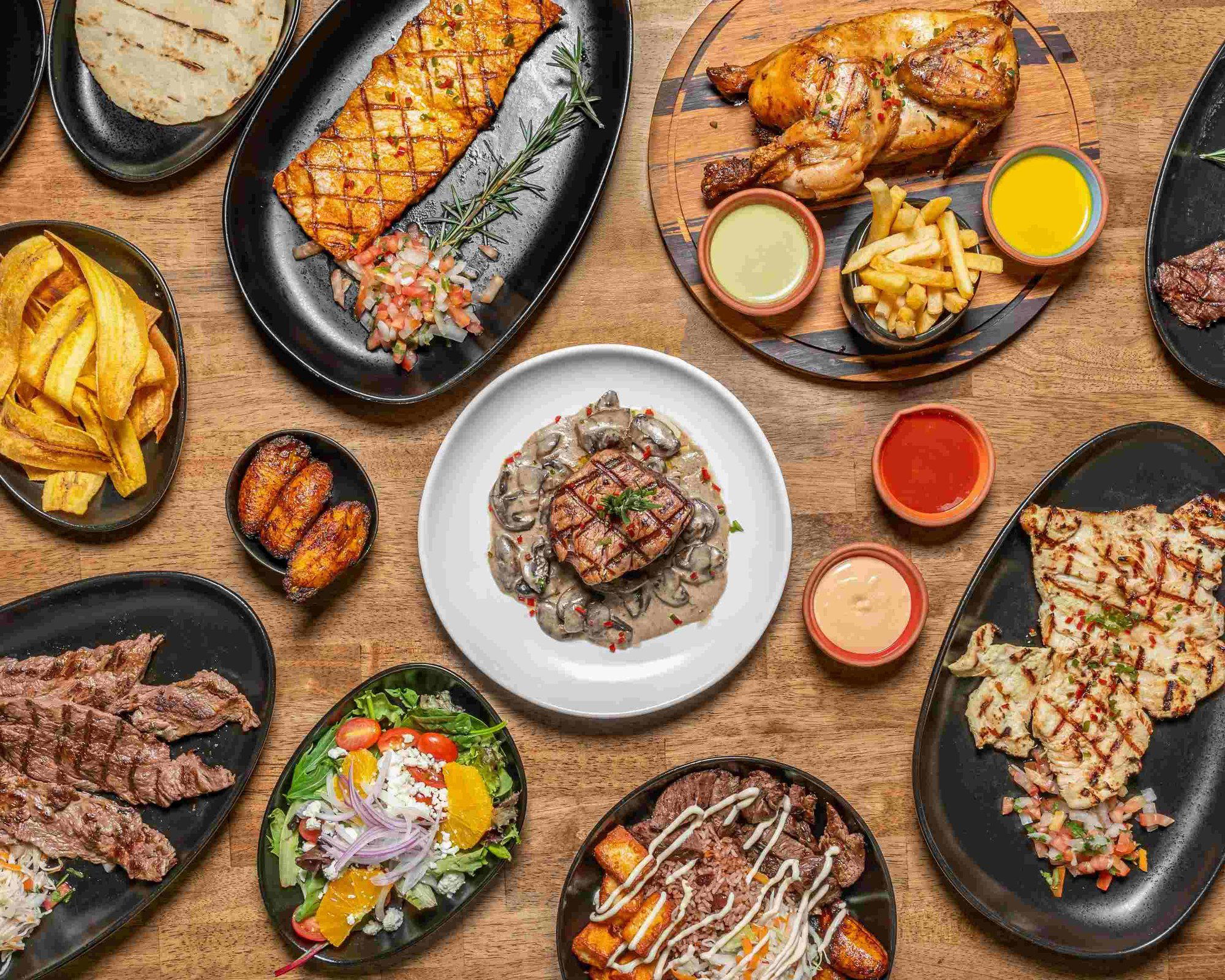
Where Miami's Latin Dining Tradition Runs Deepest
Miami's dining conversation tends to collapse around a few reliable nodes: the Brickell high-rises, the Design District's chef-driven flagships, and the South Beach properties that trade on spectacle. The city's western reaches, by contrast, operate on a different set of incentives entirely. Here, along corridors like SW 107th Avenue in the Tamiami district, restaurants serve communities rather than tourists, and the menus reflect that orientation with unusual directness. Selva Negra Restaurant sits in this context, at an address that prioritises regulars over reservation platforms and cooking that has not been refracted through the lenses of fine-dining trend cycles.
This part of Miami draws comparisons to the immigrant dining corridors of other American cities: the Flushing neighborhoods of New York, the Pilsen belt in Chicago, or the Koreatown blocks that shaped venues like Cote Miami before it moved upmarket. In each case, the most culturally specific cooking tends to happen in districts where rents are lower and the customer base demands authenticity over aesthetics. The western Miami corridor fits that pattern.
The Sustainability Case for Neighbourhood Kitchens
The sustainability conversation in American dining has largely been dominated by high-profile rural projects: the farm-to-table estates, the kitchen gardens attached to destination restaurants like Blue Hill at Stone Barns in Tarrytown or Single Thread Farm in Healdsburg. These are important reference points, but they represent only one model of environmental consciousness in dining. The other model, less frequently celebrated in editorial coverage, is the community kitchen that sources locally by necessity rather than by branding strategy, maintains minimal waste through whole-ingredient cooking traditions, and avoids the supply-chain complexity of imported luxury products.
Central American cooking traditions, which form the foundational grammar for restaurants in Miami's western neighbourhoods, are structurally aligned with these lower-waste principles. Techniques built around dried beans, corn preparations, slow-cooked proteins, and fermented or preserved condiments generate less spoilage than European fine-dining models reliant on daily deliveries of highly perishable ingredients. Seasonal adjustment is built into the cooking rather than announced as a marketing posture. The result, when executed with kitchen discipline, is a food culture that is inherently closer to the soil than many restaurants charging four times the price for the privilege of a sustainability narrative.
This places Selva Negra in a broader American conversation that includes farm-anchored operations like Lazy Bear in San Francisco and sourcing-led programs at venues like Providence in Los Angeles, even if the vocabulary and price points differ substantially. The common thread is cooking that maintains a direct relationship between ingredient origin and plate.
The Miami Context: What the Western Corridor Offers That Downtown Cannot
Miami's most-discussed restaurants in 2024 share a particular profile: high design investment, chef pedigree traceable to celebrated kitchens, and price points that benchmark against New York or Los Angeles peers. L'Atelier de Joël Robuchon Miami operates in that register, as does Ariete in Coconut Grove, where modern American cooking draws on Cuban-American culinary memory but through a fine-dining filter. Boia De in the Upper East Side has built a similar reputation for Italian cooking that rewards close attention. These are serious restaurants operating in a competitive national tier.
The western corridor offers something structurally different. Without the overhead that drives fine-dining pricing, and without the expectation of destination-restaurant theatrics, kitchens in this part of the city can run recipes that would be economically unviable at a Wynwood price point, prepare dishes that require labour-intensive technique because the margin model is different, and serve a clientele that judges the food against memory and family tradition rather than against last month's tasting menu. For a cuisine like the one Selva Negra represents, that is a meaningful operational freedom.
The comparison with Peruvian cooking in Miami is instructive. ITAMAE has demonstrated that Latin American culinary traditions can operate at high-end price points when the technique is sufficiently refined and the sourcing story is credibly told. The question for neighbourhood kitchens is whether that translation upmarket is necessary, or whether the cooking is already making its case without it.
Placing Selva Negra in the American Dining Conversation
American fine dining has spent the last two decades consolidating its sustainability credentials, from The French Laundry in Napa's kitchen garden to the hyper-local sourcing programs at Addison in San Diego and the ingredient-forward philosophy at The Inn at Little Washington. These programs are credible and have meaningfully raised industry standards. But the framing almost always privileges European-derived cooking traditions, where sustainability is added as a layer of intention to a cuisine that was not originally structured around it.
Central American and broader Latin cooking traditions rarely receive credit for the sustainability architecture already embedded in their foundational techniques. Corn nixtamalization, bean fermentation, and whole-animal preparation are not sustainability innovations in these kitchens. They are continuations of practice. Restaurants like Selva Negra, operating in a city where the Cuban, Nicaraguan, Honduran, and Colombian culinary communities have maintained these traditions across generations, are part of a food culture with a different relationship to waste and seasonality than the one that wins awards at venues like Alinea in Chicago or Atomix in New York City.
That is not a critique of those restaurants, which operate at a different register entirely. It is an argument for expanding the editorial frame when discussing sustainable dining in American cities. Miami's western corridor contributes to that expanded frame in ways that the city's better-covered dining districts cannot.
For readers tracking where Miami's dining identity is genuinely rooted, as opposed to where it performs for maximum visibility, the SW 107th Avenue address is a more accurate indicator than most. Our full Miami restaurants guide maps the city's dining across all price tiers and neighbourhoods, from the high-design destination tier down to the community kitchens that have sustained specific culinary traditions across decades. Selva Negra belongs to the latter category, and that is precisely where its value lies.
For additional reference points across the American restaurant spectrum, the kitchens at Emeril's in New Orleans and Le Bernardin in New York City represent the kind of sustained institutional credibility that community-anchored restaurants rarely receive formal recognition for achieving, even when the cooking warrants it. And the argument that 8 1/2 Otto e Mezzo Bombana makes for European fine dining in an Asian context, that cuisine travels leading when it carries its foundational discipline intact, applies equally to Central American cooking in Miami's western neighbourhoods.
Know Before You Go
- Address: 125 SW 107th Ave, Miami, FL 33174
- Neighbourhood: Tamiami / West Miami corridor
- Cuisine focus: Central American traditions within Miami's Latin dining community
- When to visit: Weekday lunches and early dinners tend to reflect the kitchen at its most focused in community-style Latin restaurants of this type
- Pricing: Consistent with western Miami neighbourhood pricing, substantially below the city's fine-dining tier
- Getting there: Car or rideshare recommended; the SW 107th Ave corridor is not served by frequent public transit from central Miami


At a Glance
- Cozy
- Rustic
- Family
- Casual Hangout
- Brunch
Current opening hours
- Monday
- 11 AM–10 PM
- Tuesday
- 11 AM–10 PM
- Wednesday
- 11 AM–10 PM
- Thursday
- 11 AM–10 PM
- Friday
- 11 AM–11 PM
- Saturday
- 11 AM–11 PM
- Sunday
- 11 AM–10 PM
Hours can change for holidays and private events. Last verified .
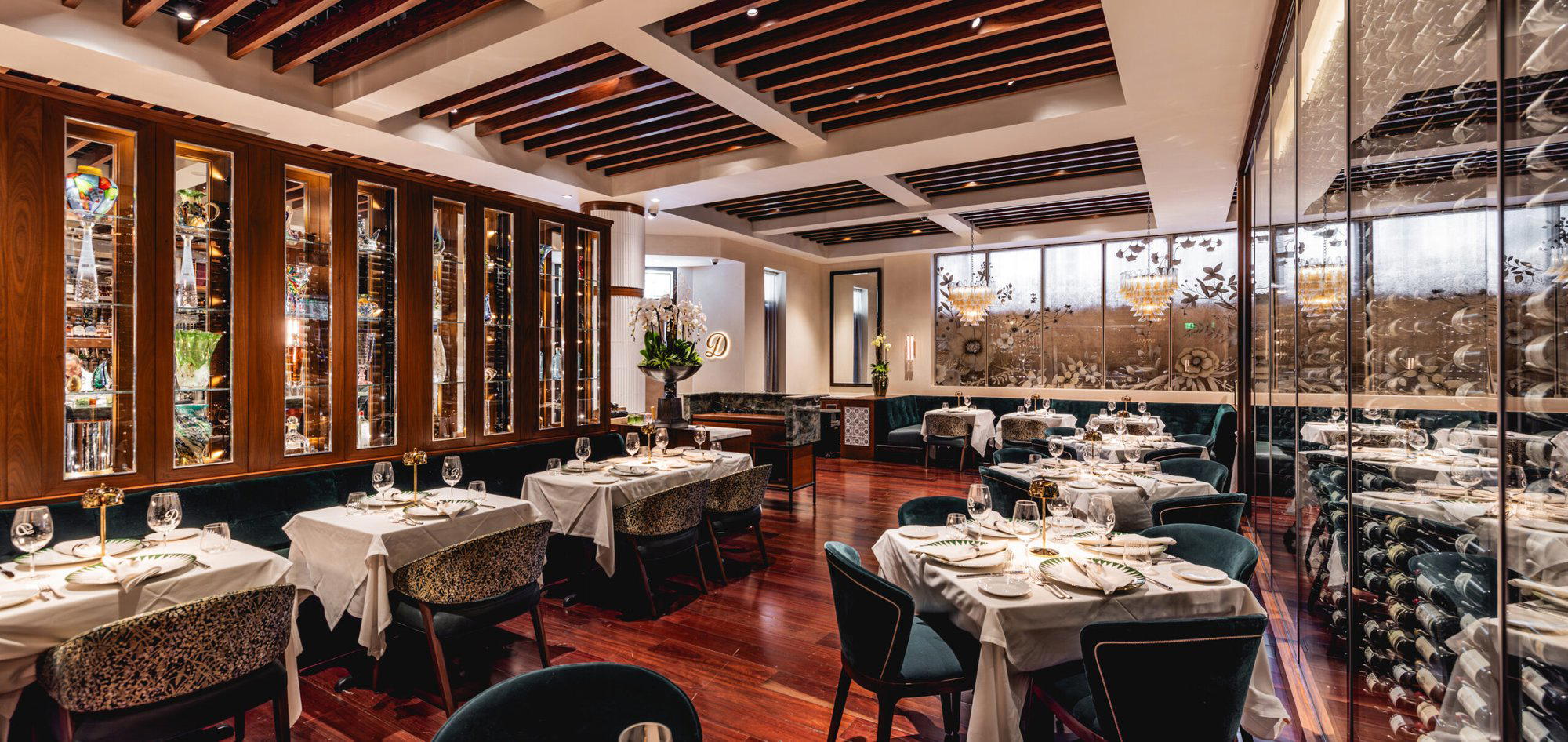
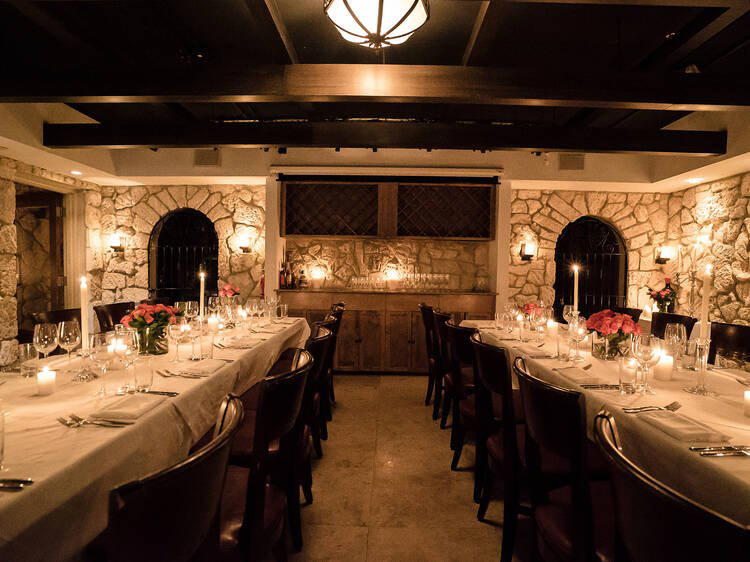
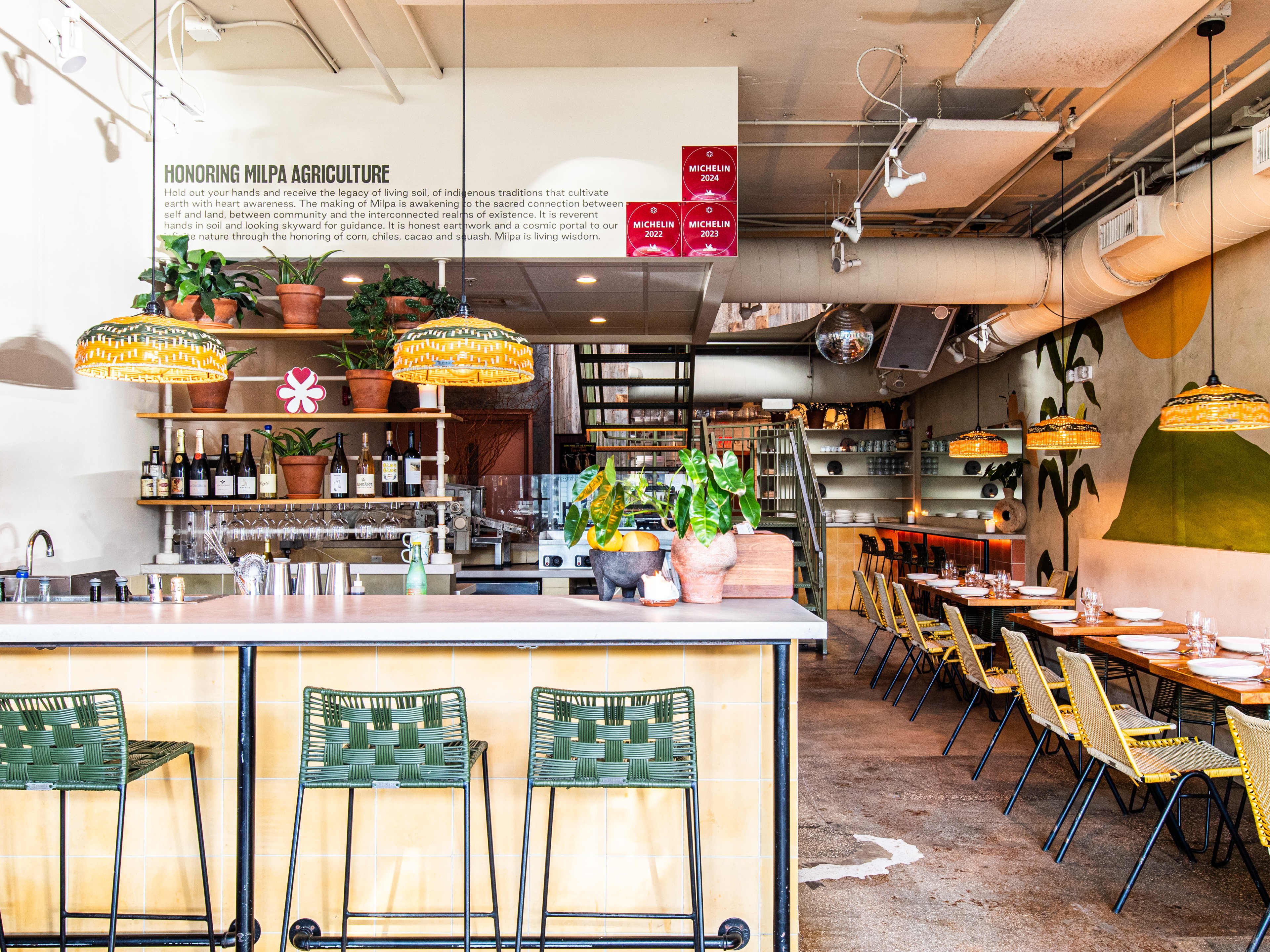
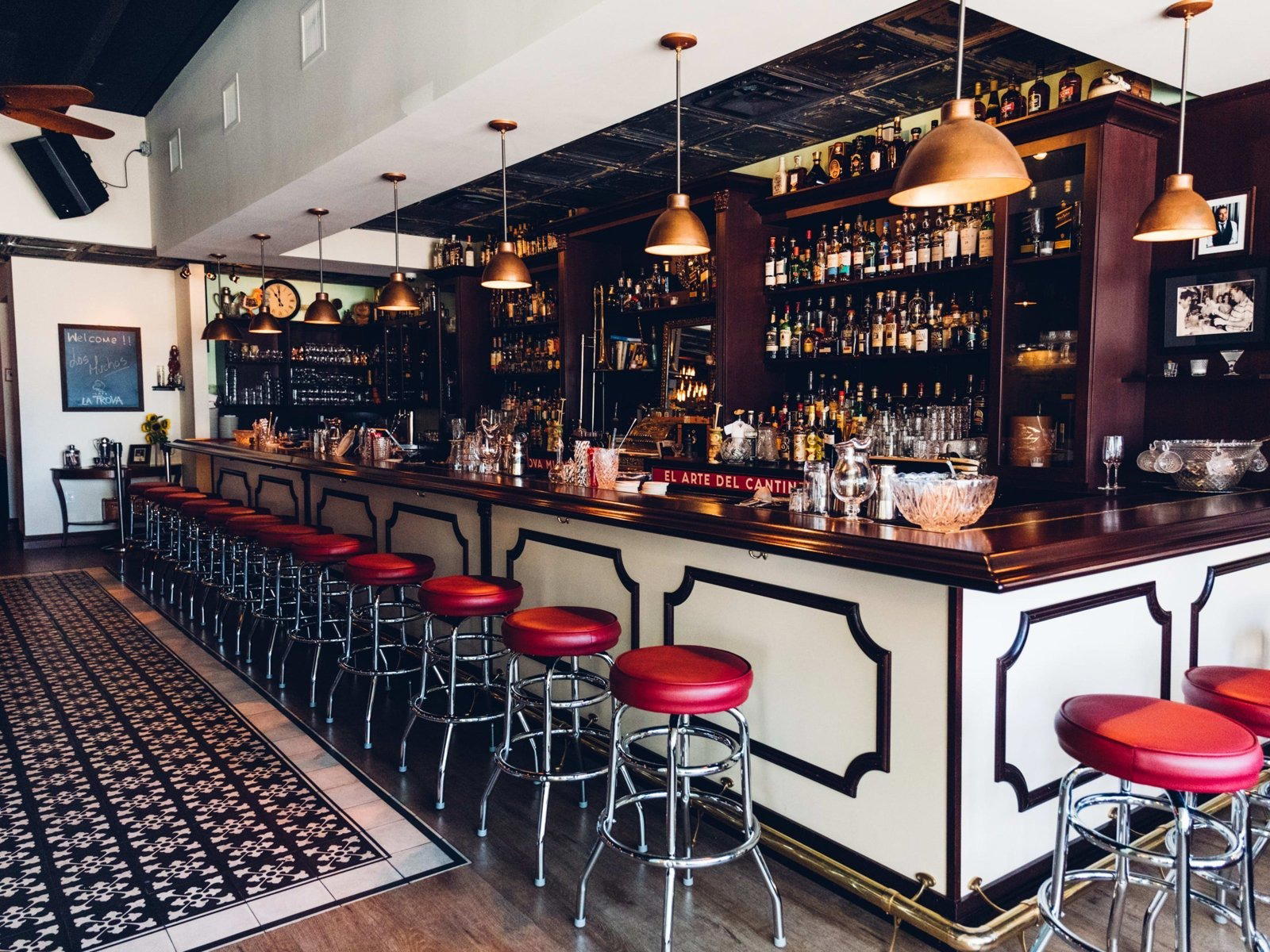
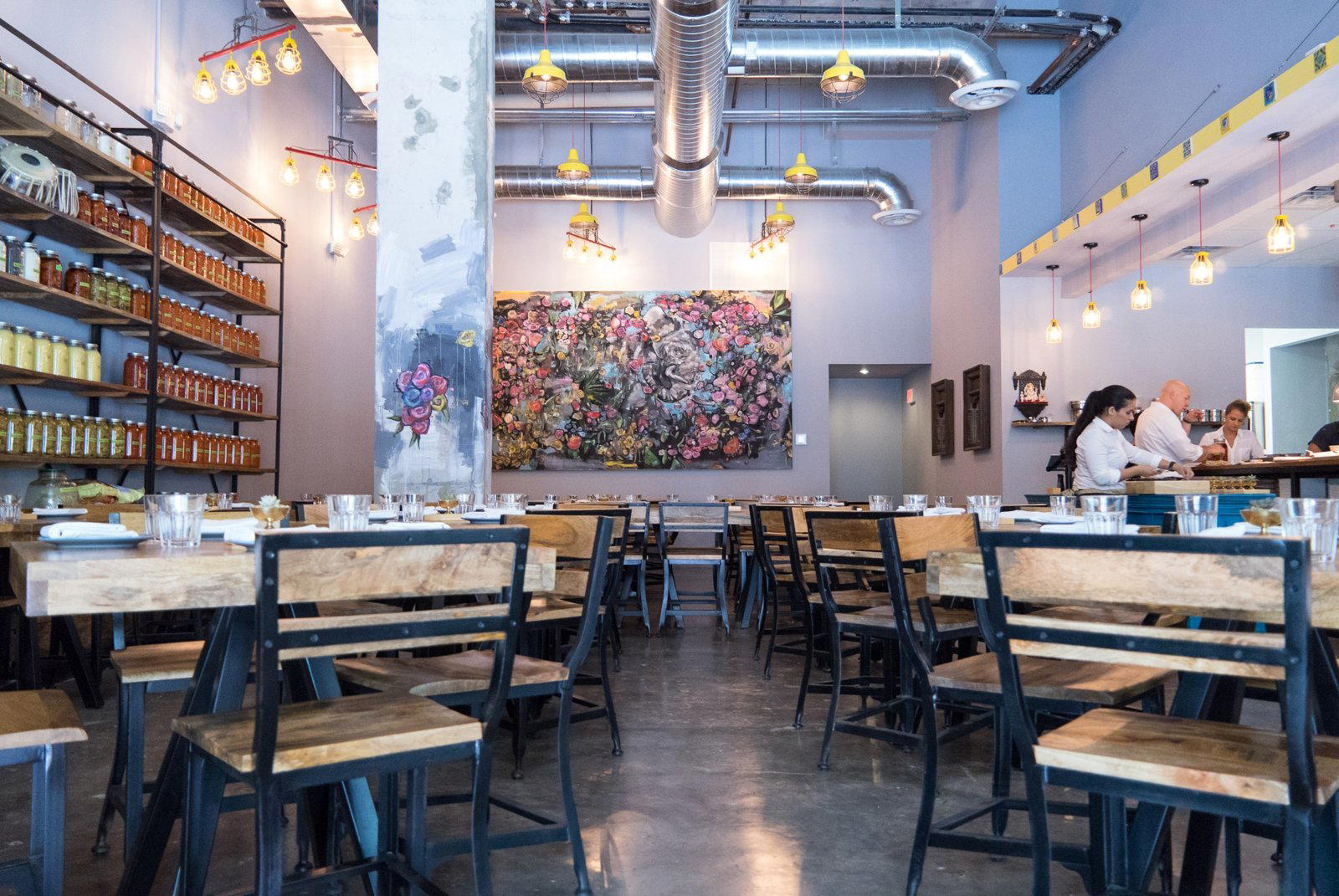
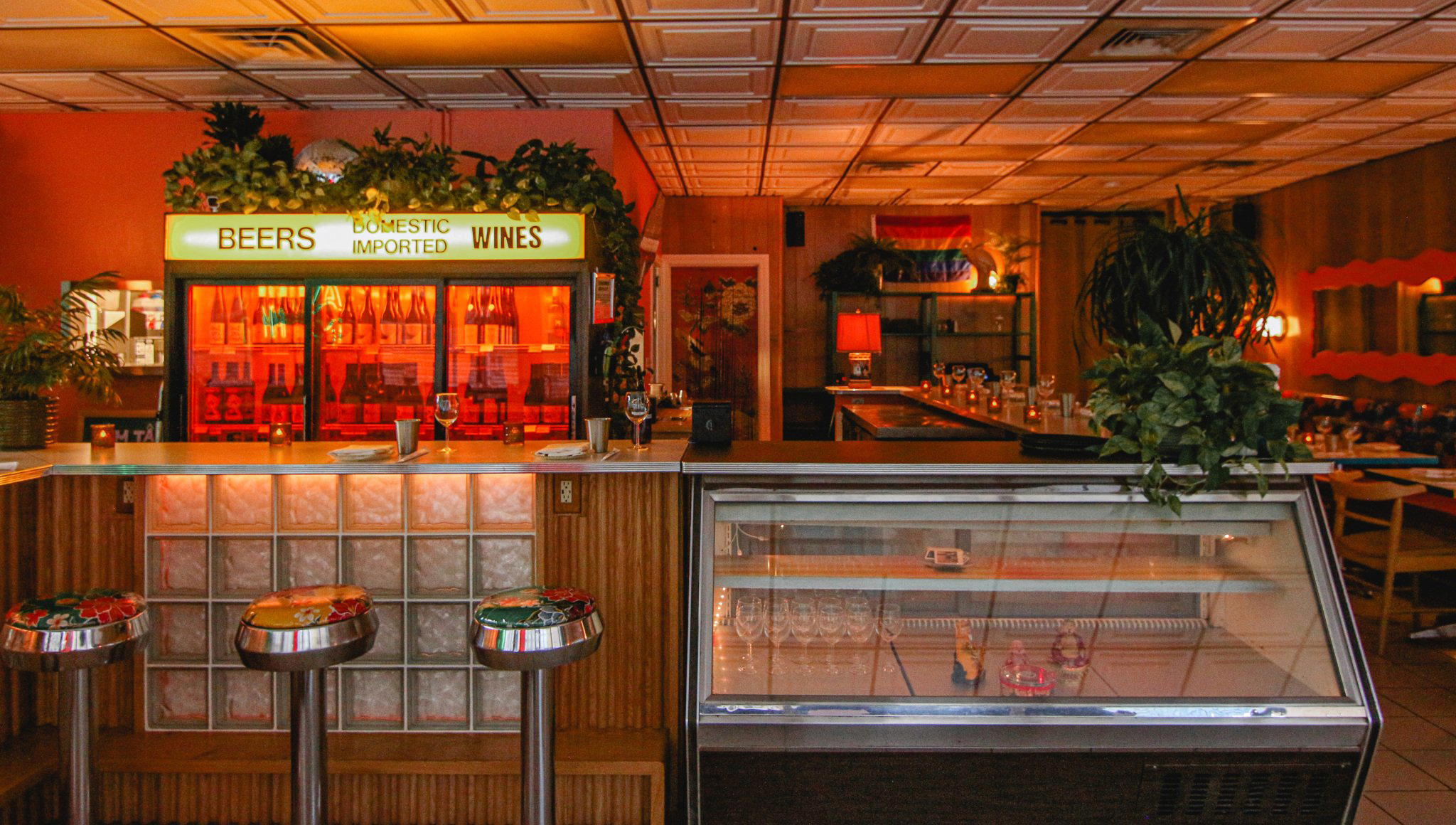
Relaxed and cozy atmosphere with indoor and patio dining options.
Know Before You Go
- Getting there
- 125 SW 107th Ave, Miami, FL 33174