
Kuki’s ramen scene rewards specialists rather than spectacle, and Menya Mitsuba Kurobā honten fits that pattern with ramen and tsukemen in the JPY 1,000–1,999 bracket. Its 2025 selection for Tabelog Ramen EAST “Tabelog 100” gives the shop a clear signal beyond local convenience, placing it among eastern Japan’s more closely watched noodle counters.
Pearl is the En Primeur Club membership app — saves, bookings, and concierge access live there. Same editors, same standards.
- Address
- 埼玉県久喜市河原代677
- Website
- tabelog.com
 Saves & bookings on Pearl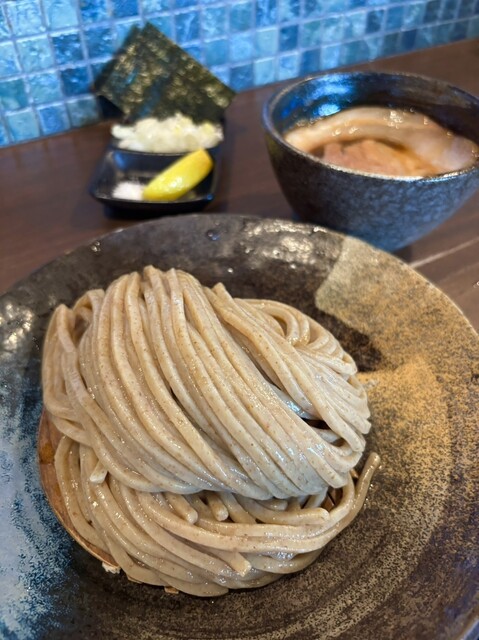
Approaching a suburban ramen shop in Kuki is a different act from chasing a counter in central Tokyo. The rhythm is quieter, the decision more deliberate, and the reward depends less on theatre than on what lands in the bowl: stock, noodles, tare, fat, and the discipline of timing. Menya Mitsuba Kurobā honten belongs to that provincial ramen grammar, where a shop can be serious without dressing itself in luxury cues.
That matters because ramen outside Tokyo’s inner wards often has to prove itself twice. It must serve the neighbourhood at everyday prices, then convince travelling noodle obsessives that the detour has a reason. A 2025 selection for Tabelog Ramen EAST “Tabelog 100” gives this Kuki address that second credential. It does not turn the meal into ceremony; it identifies the shop as part of a competitive eastern Japan field where small differences in broth construction, noodle handling, and dipping format are scrutinised heavily.
Ramen and tsukemen in the Saitama commuter belt
Kuki sits in Saitama’s rail-and-road belt, a useful lens for understanding its ramen culture. This is not a district built around hotel dining rooms or destination tasting menus. It is a place where specialists survive by repeat custom, lunch traffic, and the kind of pricing that keeps ramen close to its democratic roots. Menya Mitsuba Kurobā honten works in ramen and tsukemen, the latter a format that makes sourcing and structure harder to hide. Dipping noodles expose texture, concentration, and seasoning balance with less forgiveness than soup ramen, because the noodle and broth meet in discrete moments rather than as a fully integrated bowl.
The ingredient question in ramen is rarely about luxury sourcing in the Western fine-dining sense. It is about extraction and proportion: how stock carries depth, how tare sharpens it, how noodles hold or resist sauce, and how toppings serve the bowl rather than decorate it. In tsukemen, that equation becomes even more direct. The broth must be concentrated enough to coat, but not so heavy that the last mouthful feels dulled. The noodle needs enough presence to justify being dipped, lifted, and eaten in stages. A shop recognised in the Tabelog 100 conversation is being judged inside that technical frame, not by ambience alone.
Price also shapes the reading. The JPY 1,000–1,999 range places the meal in the serious everyday category: above bargain-station ramen, below the special-occasion dining economy. In Kuki, that bracket sits near other low-cost local options such as Jikitan Momiji, while out-of-metro peers such as cimai, Oak wood, Ryu no Ko, and Wafu Ramen Yondaime Hinodeya show how much of Japan’s casual dining reputation is built on tight, affordable formats rather than grand rooms. For a wider read on the city’s dining map, see Our full Kuki restaurants guide.
Why the recognition changes the trip, not the meal
Tabelog’s Ramen EAST “Tabelog 100” selection is a useful trust signal because it sorts ramen shops within a category where Michelin-style dining language often misses the point. The relevant comparison is not a white-tablecloth restaurant; it is another noodle shop with comparable price discipline, repeatable execution, and enough public enthusiasm to survive intense user scrutiny. Menya Mitsuba Kurobā honten’s Tabelog score of 3.80 and 2025 recognition make it legible to travellers who otherwise might not place Kawaradai, Kuki on a ramen itinerary.
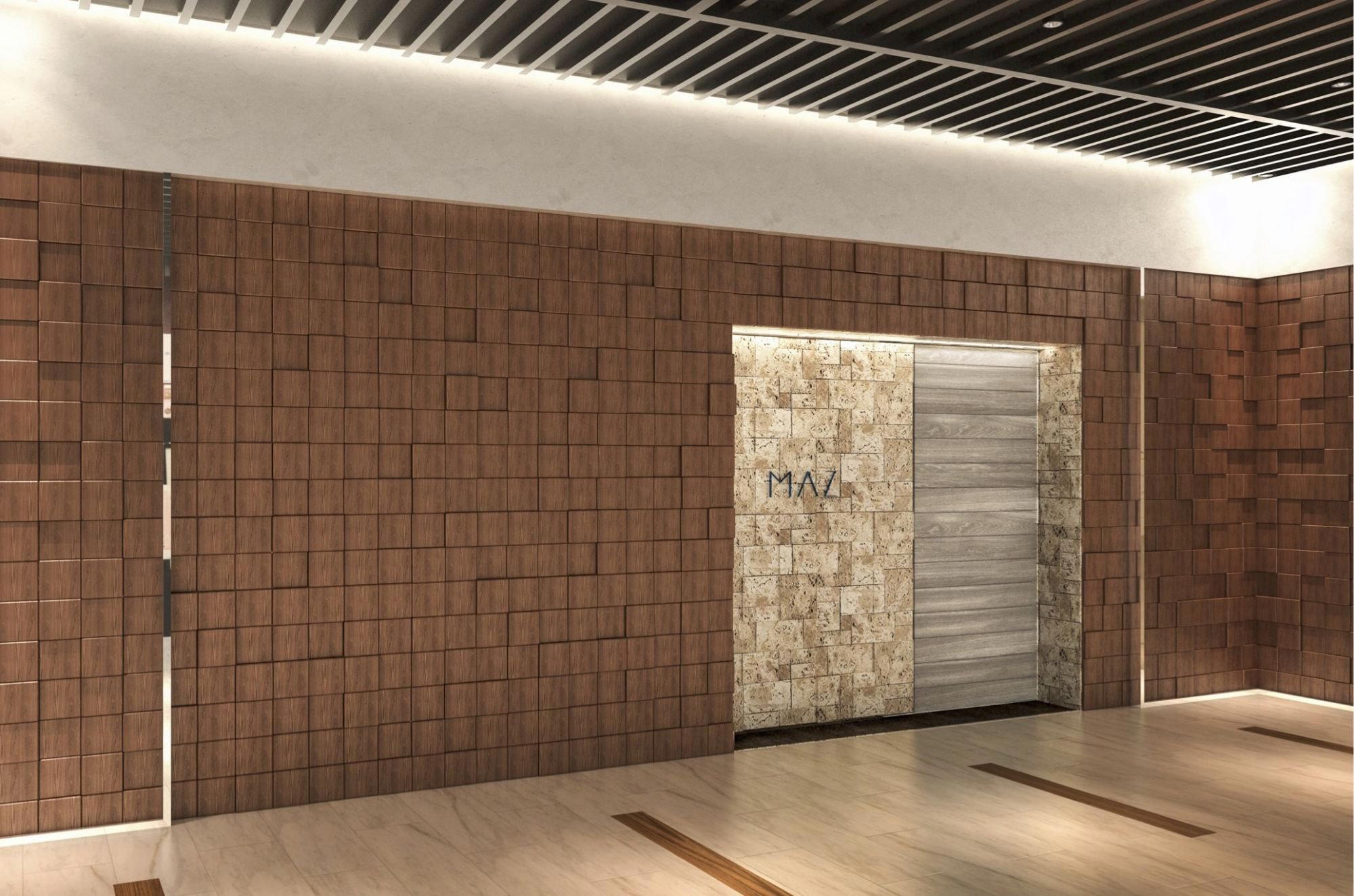
The room format reinforces that reading. With counter seating and tables, the shop sits between solo-ramen utility and small-group convenience. Counter seats matter in ramen because they shorten the distance between kitchen timing and eating time, while tables make the place easier to use for pairs or families than a narrow counter-only operation. The no-smoking policy also gives the meal a cleaner frame, especially for diners focused on broth aroma rather than late-night bar energy.
There is a practical editorial point here: ramen recognition in Japan increasingly travels beyond the obvious urban centres. Tokyo remains the gravitational force, but lists that split by region make room for shops in Saitama, Chiba, Kanagawa, and beyond. For travellers using Kuki as more than a transit point, that changes the city’s food profile. The question is not whether Kuki competes with Tokyo as a dining capital. It does not need to. The more useful question is whether a low-cost, technically focused ramen stop can give structure to a day in the area. This one can.
How to fold it into a Kuki day
The strongest use case is a focused ramen stop rather than a long, multi-venue crawl. Kuki’s broader travel planning is thin compared with major Japanese cities, so the meal works well when paired with a local itinerary rather than treated as a stand-alone pilgrimage. The restaurant, bar, hotel, winery, and experience categories in the city are better read together through Our full Kuki hotels guide, Our full Kuki bars guide, Our full Kuki wineries guide, and Our full Kuki experiences guide.
For readers building a Japan food file across cities, the useful comparison is format rather than cuisine. A sukiyaki address such as -Grilled beef Sukiyaki- KAMAKURA TANUKIAN 鎌倉 たぬき庵 in Kamakura asks a different kind of attention from a ramen counter. Casual specialists such as. 鮪と炭火焼き うお炭 秋葉原店 in Tokyo.cafe in Osaka.know in Kumamoto, (Shoku) Vietnam in Kawasaki, [Curry Senmon Ten] Maruyama Kyoju. in Sapporo, [ki:] in Kyoto, #肉といえば松田 奈良本店 in Kashihara, 1/3 HAMBURGER FACTORY in Kanazawa, and 1000 in Yokohama show the same broader truth: Japan’s affordable dining culture is strongest when a narrow format is executed with conviction.
That logic also travels overseas. Jōdo Saké Bar in Los Angeles and Onigiri Time in Pasadena translate Japanese casual formats for different audiences, but the underlying test remains similar: sourcing, repetition, and restraint matter more than decorative storytelling. In Kuki, the restaurant is worth reading through that lens, as a regional ramen specialist whose recognition gives visitors a reason to pay attention without pretending the experience is something grander than a disciplined bowl of noodles.
Side-by-Side Snapshot
Comparable venues by cuisine and price in the same metro.
| Venue | Cuisine | Price | Notes |
|---|---|---|---|
| Menya Mitsuba Kurobā hontenThis venue — the venue you are viewing | Ramen & Tsukemen Shop | $ | Not listed |
| Jikitan Momiji | Modern ramen and tsukemen shop | $ | Kuki |
| Miyazato Soba (宮里そば) | Okinawan Soba | $ | Miyazato |
| Tonjinchi Ramen | Toyama Himi Niboshi Ramen | $ | Himi |
| goden | Ramen & Tsukemen | $ | Urawa Ward |
| Menya Eita | Japanese Tsukemen / Ramen | $ | Shiba |
Recognition history
Dated appearances from independent guides and award organizations, with the underlying list record or original source where available.
Tabelog 100 #73 · No. 73
Tabelog · Tabelog 100 - Ramen - EAST - 2025










At a Glance
- Lively
- Cozy
- Solo
- Casual Hangout
- Group Dining
- Family
- Standalone
Casual, compact ramen shop with counter seating and a few tables, non-smoking and focused on efficient daytime service for ramen and tsukemen lovers.