
A seven-seat ramen and tsukemen counter in Kawaguchi with Tabelog Ramen EAST “Tabelog 100” 2025 recognition, Menya Eita belongs to the small suburban shops that pull serious noodle traffic away from central Tokyo. The appeal is format discipline: counter seating, no reservations, and a ramen category where broth, noodles, and dipping structure do the critical work.
Pearl is the En Primeur Club membership app — saves, bookings, and concierge access live there. Same editors, same standards.
- Address
- 埼玉県川口市芝5-2-14
- Website
- tabelog.com
 Saves & bookings on Pearl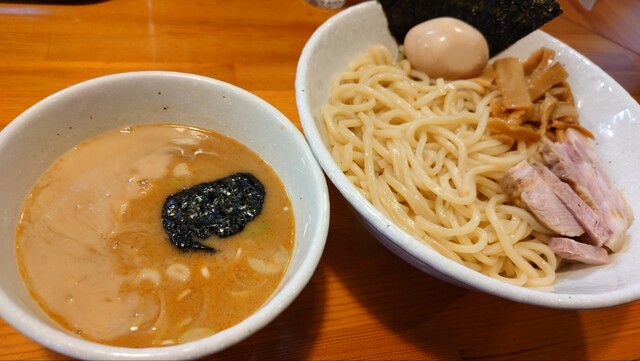
A serious suburban ramen counter in Saitama rarely announces itself with theatre. The cues are smaller: a narrow shopfront, a short wait, the compact rhythm of counter turnover, and the knowledge that tiny differences in noodle texture, broth concentration, and finishing oil can decide reputation. In Kawaguchi, close enough to Tokyo to share its ramen expectations but outside the capital’s central dining circuits, recognition is earned through repeat local demand rather than destination gloss.
Menya Eita operates in that register. Its Tabelog Ramen EAST “Tabelog 100” 2025 selection places it in a crowded eastern Japan field where ramen shops are judged less by décor than by consistency, queue behavior, and whether the kitchen can make a narrow menu precise across hundreds of services. The listed category, ramen and tsukemen, separates two related tests: soup-integrated balance in the bowl, and concentration plus noodle structure in the dipping format.
Tsukemen and ramen as a sourcing argument, not just a style choice
Ingredient sourcing in ramen is often hidden in plain sight. Unlike kaiseki or sushi, where provenance may be announced at the counter, ramen compresses its supply chain into broth, tare, fat, noodles, and toppings. Identity comes from decisions the diner may not see directly: wheat strength and noodle cut, broth body, layered salt and soy seasoning, and whether tsukemen dipping sauce grips noodles without becoming heavy. The ramen and tsukemen split is therefore useful editorially: it tells the reader to watch structure, not only flavor intensity.
In Kawaguchi’s wider dining scene, this differs from European-leaning pastry or restaurant formats such as Archaique, Chandoiseau, or Chandoiseau Glacier Chocolatier, where craft is visible in lamination, sugar work, or display. Ramen’s craft is less exposed. The bowl arrives as a finished system, with sourcing logic inferred through texture, concentration, and temperature management rather than a printed roll call of producers.
That distinction also separates Menya Eita from lower-priced local noodle counters such as Mendokoro Arisa, and from Kawaguchi peers like Eikichi, where the price tier overlaps but the choice should follow format and appetite, not a generic ramen craving. Tsukemen asks more from the noodle itself because the diner meets it directly before each dip. Ramen is about integration. A kitchen offering both invites comparison between ingredient expression and composition.
A seven-seat counter changes the way the meal behaves
Small ramen rooms create a different discipline from tasting-menu restaurants. With seven counter seats and only a couple of indoor waiting seats, the experience is compressed: order, sit, eat with focus, yield the seat. In Japan’s ramen culture, low seat counts often protect pace and product condition. Noodles do not benefit from lingering, and tsukemen is especially timing-sensitive because the contrast between noodles and dipping broth defines the format.
The counter-only setup also suits solo dining, one of ramen’s durable strengths in greater Tokyo. It can work for friends and families too, but the room’s scale sets the terms. This is not the social architecture of a broader regional meal at FuFu Kawaguchiko (Kaiseki), a destination beef meal such as -Grilled beef Sukiyaki- KAMAKURA TANUKIAN 鎌倉 たぬき庵 in Kamakura, or a full-service seafood-and-grill setting like. 鮪と炭火焼き うお炭 秋葉原店 in Tokyo. The compact ramen counter rewards decisiveness and attention.
That makes the Tabelog recognition meaningful. Ramen awards do not turn a shop into a luxury room; they sharpen expectations around execution. A Tabelog score of 3.72 and inclusion in the 2025 EAST ramen list put this counter in a documented quality band, but the practical reading matters more: a recognized, small-capacity ramen shop has less tolerance for casual timing than a larger restaurant. Arrive with a plan, and treat the meal as a short, focused stop rather than a long lunch.
Where it fits in Kawaguchi, and how to read the wider map
Kawaguchi’s dining value lies in range rather than spectacle. The city supports neighborhood ramen, pastry specialists, casual international rooms, and higher-ticket out-of-metro comparisons without forcing them into one hierarchy. Pizzeria Oosaki Honten sits in a higher dinner price tier than many noodle counters while keeping lunch accessible; Kojima Ya occupies a much more expensive bracket; Petit Riche sits at the casual end. Together they show ramen’s distinct place in the local economy: low spend, high scrutiny, fast turnover, and a craft language built from everyday ingredients handled with exactness.
For wider Japan itineraries, this kind of shop belongs beside small-format specialists rather than grand dining rooms. The same logic explains why a compact cafe such as.cafe in Osaka, a local restaurant like.know in Kumamoto, a Vietnamese address such as (Shoku) Vietnam in Kawasaki, or a curry specialist like [Curry Senmon Ten] Maruyama Kyoju. in Sapporo can be more revealing than a polished dining room: each reduces the experience to a narrow promise and must deliver it repeatedly.
The comparison travels beyond Japan. Jōdo Saké Bar in Los Angeles and Onigiri Time in Pasadena translate Japanese drinking and rice traditions into different urban conditions, but the core question remains: what happens when a simple format depends on sourcing, repetition, and restraint? Ramen is often described through appetite; at this level it is better read through systems. Wheat, broth, tare, heat, seat count, turnover: those are the moving parts.
Use Menya Eita as a Kawaguchi marker rather than a detached destination trophy. It gives the city a serious ramen address with external recognition, compact counter format, and an accessible price category. For broader planning, compare it against our full Kawaguchi restaurants guide, then place the meal within the city’s other travel layers through our full Kawaguchi hotels guide, our full Kawaguchi bars guide, our full Kawaguchi wineries guide, and our full Kawaguchi experiences guide. The point is not to build a day around one bowl. The smarter move is to understand why a seven-seat ramen counter can carry so much local dining weight.
Comparable Spots, Quickly
Comparable venues by cuisine and price in the same metro.
| Venue | Cuisine | Price | Notes |
|---|---|---|---|
| Menya EitaThis venue — the venue you are viewing | Japanese Tsukemen / Ramen | $ | Not listed |
| Menya Kiryu Higashikawaguchi honten | Spicy Jiro-style ramen | $ | .戸塚 |
| Noodle & Spice Curry Kyou no Ichiban | Ramen and Japanese curry | $ | Kawaguchi |
| らーめん かねかつ | Authentic Japanese Ramen | $ | Iizuka |
| Mendokoro Arisa | Ramen | $ | Nishi-Kawaguchi |
| Chandoiseau Glacier Chocolatier | French Patisserie & Chocolate | $$ | Kawaguchi |
Recognition history
Dated appearances from independent guides and award organizations, with the underlying list record or original source where available.
Tabelog 100 #85 · No. 85
Tabelog · Tabelog 100 - Ramen - EAST - 2025
Continue exploring
More in Kawaguchi
Restaurants in Kawaguchi
Browse all →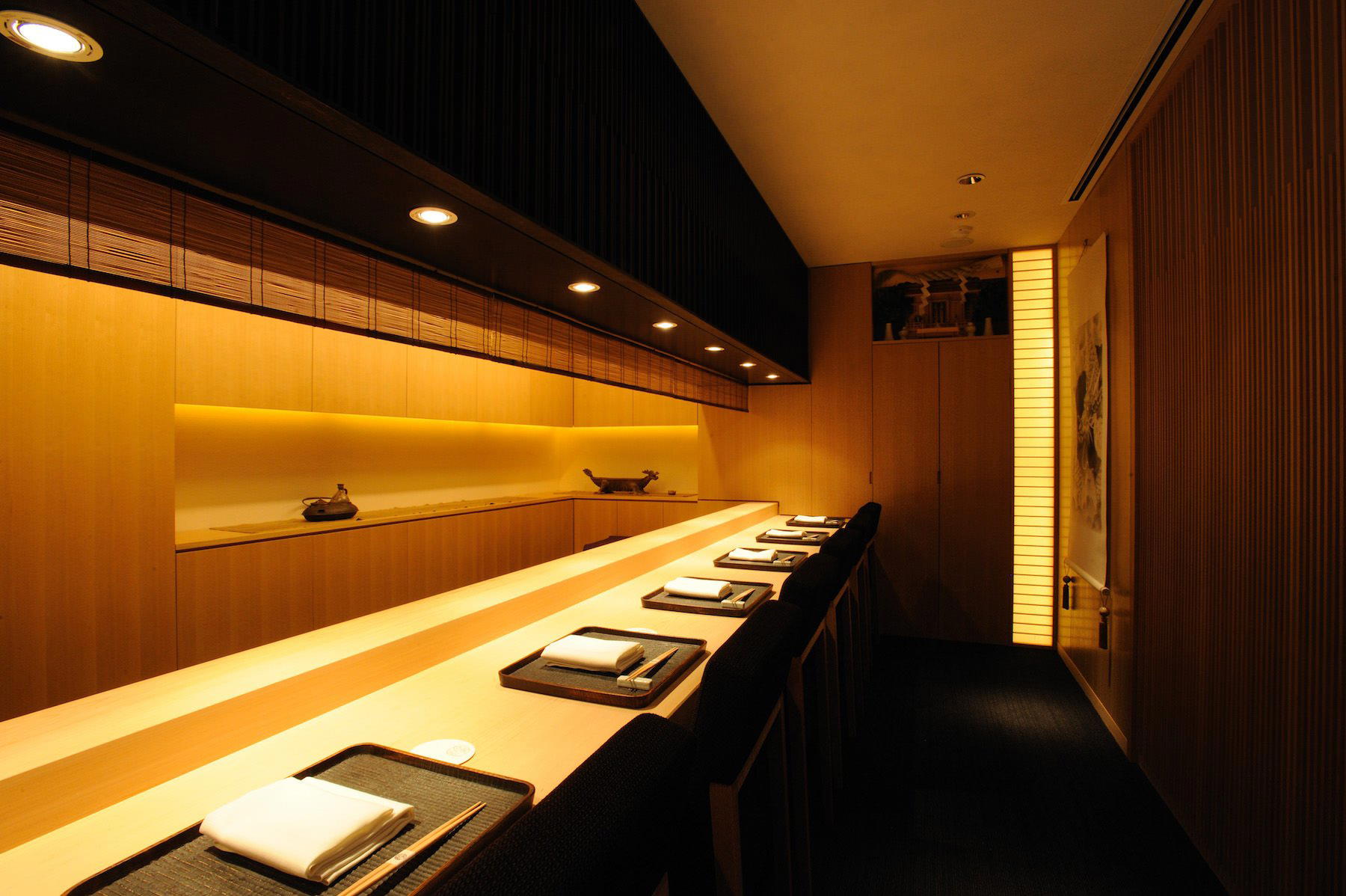


Bars in Kawaguchi
Browse all →




At a Glance
- Cozy
- Minimalist
- Quiet
- Solo
- Family
- Casual Hangout
- Standalone
- Street Scene
Compact, no-frills, house-style ramen shop atmosphere with a quiet, intimate feel and a focus on quick, attentive noodle service.