
Menya Kiryu Higashikawaguchi honten is a counter-seating ramen shop in Kawaguchi with Tabelog Ramen EAST “Tabelog 100” selections in 2017, 2018, 2024, and 2025. Its value sits in the sub-¥1,000 ramen bracket, where customization, speed, and ingredient-driven bowl construction matter more than ceremony.
Pearl is the En Primeur Club membership app — saves, bookings, and concierge access live there. Same editors, same standards.
- Address
- 3 Chome-36-18 Tozuka, Kawaguchi, Saitama 333-0811, Japan
- Website
- menyakiryu.com
- Directions
- Get directions
 Saves & bookings on Pearl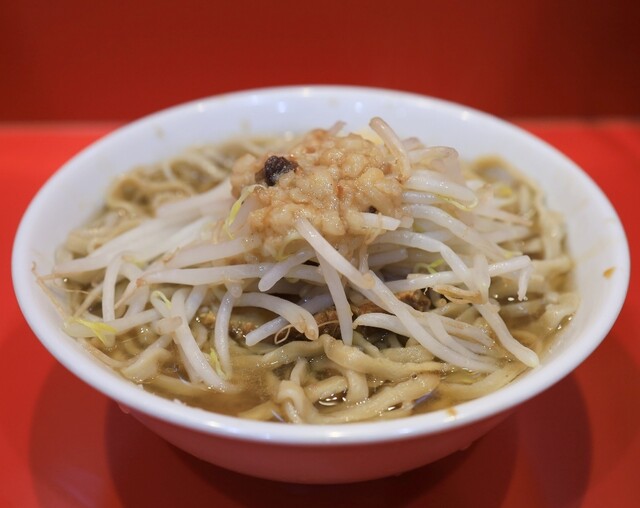
The first signal is format, not decoration: counter seating, a ramen-only rhythm, and the compressed energy of a shop built for focused eating rather than lingering. In Kawaguchi, where suburban Saitama dining often runs on everyday repeatability, Menya Kiryu Higashikawaguchi honten belongs to the strain of ramen culture that treats abundance and adjustment as part of the craft. The bowl is not presented as fixed theatre. Vegetables, garlic, tare intensity, and oil can be adjusted, and that matters because this style depends on balance: broth weight, noodle heft, pork richness, and the sharp relief of aromatics.
Ingredient choices drive the bowl, not fine-dining ceremony
Japan’s ramen scene rewards specialization with unusual precision. A sushi counter may signal seriousness through omakase pacing; a ramen counter signals it through consistency, turnover, and the way ingredients are calibrated under pressure. Here, the customization system gives diners control over the heavy elements that define the eating experience. Extra vegetables change volume and texture; garlic changes the bowl’s attack; oil and tare alter density and salt impact. Spicy ramen adds chili pepper and numbing heat to the same grammar, while mazesoba shifts the logic entirely toward soupless noodles, seasoning, and toppings.
That approach places the shop in a different category from Kawaguchi’s higher-spend dining rooms. Restaurant KAM sits in a far more expensive bracket at JPY 15,000 to JPY 19,999, while Archaique operates around JPY 1,000 to JPY 1,999. Menya Kiryu Higashikawaguchi honten is tighter and more utilitarian, with listed pricing at JPY 999. The distinction is not only price. It is the difference between a composed restaurant meal and a ramen counter where the decision point is how much richness, garlic, heat, and volume the diner wants in a single sitting.
The Tabelog Ramen EAST “Tabelog 100” selections in 2017, 2018, 2024, and 2025 give the shop a clear trust marker inside eastern Japan’s ramen field. Tabelog’s Hyakumeiten lists do not make ramen expensive or rarefied by default; they often recognize places that have earned repeat attention in ordinary dining formats. That is the useful signal here. The value is not luxury language. It is a low-price counter format with enough consistency to appear repeatedly in a category where local regulars and ramen specialists scrutinize small differences.
Kawaguchi ramen works because it is local, direct, and repeatable
Kawaguchi is not Tokyo, and that matters. The city sits close enough to the capital to absorb metropolitan ramen expectations, but its stronger dining identity is practical: neighbourhood restaurants, commuter-adjacent meals, and places that have to work for solo diners as much as groups of friends. Ramen thrives in that setting because it compresses craft into a short visit. There is little need for ceremony when the main question is whether the bowl delivers enough structure to justify a return.
The shop’s counter format reinforces that expectation. Counter seating in ramen is not an aesthetic flourish; it is the engine of the experience. It keeps service direct, lets orders move quickly, and suits solo dining without making the meal feel secondary. The no-smoking setting also aligns with the modern ramen counter’s shift away from old-school looseness toward cleaner, more deliberate dining rooms. Private rooms and private use are not part of the proposition, which is exactly the point: this is a public, compact, ingredient-led format.
For readers mapping Kawaguchi by category, the contrast is useful. The city’s broader restaurant spread includes patisserie and casual specialist addresses such as Archaique, Chandoiseau, and Chandoiseau Glacier Chocolatier, alongside local restaurant picks like Eikichi and destination-adjacent Japanese dining such as FuFu Kawaguchiko (Kaiseki). Against that spread, this ramen counter is the low-cost, high-specificity stop: not a long lunch, not a tasting menu, but a place where ingredient quantity and seasoning choices define the meal.
How to read the shop before ordering
The smartest way to approach this kind of ramen is to treat customization as structure rather than excess. More vegetables can lighten the perception of broth weight by adding crunch and volume. More garlic makes the bowl louder and less polite. More oil increases richness and can flatten nuance if the order is pushed too far. Spicy ramen brings heat and numbing calls into play; mazesoba adds shichimi, crisp elements, and bonito flakes to a soupless format. None of this requires insider theatre. It requires knowing that every adjustment changes the architecture of the bowl.
Reservations are unavailable, so timing matters more than planning. The listed operating pattern runs daily from late morning to evening, with the practical caveat that service can end when sold out. Payment is similarly old-school: credit cards, electronic money, and QR code payments are not accepted. The location is in Tozuka, Kawaguchi, with Tozuka Angyo listed as the nearest station and contracted parking available at the Comodi Iida Higashikawaguchi store. Those details make it better suited to a deliberate ramen detour within Saitama than a casual Tokyo tourist add-on.
For broader planning, use Our full Kawaguchi restaurants guide for the city’s dining range, then compare the wider trip through Our full Kawaguchi hotels guide, Our full Kawaguchi bars guide, Our full Kawaguchi wineries guide, and Our full Kawaguchi experiences guide. Readers extending the Japan food thread beyond Saitama can also file contrasting formats such as -Grilled beef Sukiyaki- KAMAKURA TANUKIAN 鎌倉 たぬき庵 in Kamakura. 鮪と炭火焼き うお炭 秋葉原店 in Tokyo.cafe in Osaka.know in Kumamoto, (Shoku) Vietnam in Kawasaki, and [Curry Senmon Ten] Maruyama Kyoju. in Sapporo. Outside Japan, Jōdo Saké Bar in Los Angeles and Onigiri Time in Pasadena show how Japanese formats travel when removed from their native everyday context.
Snapshot
Comparable venues by cuisine and price in the same metro.
| Venue | Cuisine | Price | Notes |
|---|---|---|---|
| Menya Kiryu Higashikawaguchi hontenThis venue — the venue you are viewing | Spicy Jiro-style ramen | $ | Not listed |
| Mendokoro Arisa | Ramen | $ | Nishi-Kawaguchi |
| Noodle & Spice Curry Kyou no Ichiban | Ramen and Japanese curry | $ | Kawaguchi |
| 樋山 | Japanese Beef Bowl | $$ | Kawaguchi |
| らーめん かねかつ | Authentic Japanese Ramen | $ | Iizuka |
| Menya Eita | Japanese Tsukemen / Ramen | $ | Shiba |
Recognition history
Dated appearances from independent guides and award organizations, with the underlying list record or original source where available.
Tabelog 100 #7 · No. 7
Tabelog · Tabelog 100 - Ramen - EAST - 2025
Continue exploring
More in Kawaguchi
Restaurants in Kawaguchi
Browse all →



Bars in Kawaguchi
Browse all →



At a Glance
- Lively
- Cozy
- Solo
- Casual Hangout
- After Work
- Late Night
- Standalone
Current opening hours
- Monday
- 11:15 AM–10 PM
- Tuesday
- 11:15 AM–10 PM
- Wednesday
- 11:15 AM–10 PM
- Thursday
- 11:15 AM–10 PM
- Friday
- 11:15 AM–10 PM
- Saturday
- 11:15 AM–10 PM
- Sunday
- 11:15 AM–10 PM
Hours can change for holidays and private events. Last verified .
Compact, counter-only ramen shop with a simple, no-frills interior focused on fast turnover; the atmosphere is warm but bustling, with guests lining up outside and an emphasis on practical, efficient dining rather than decor.