
Sapporo ramen culture rewards concentration: compact rooms, fast turnover, regional ingredients, and broth identities sharpened to a point. Hokkaido Meibutsu La-men Ebi Soba Ichigen Souhonten belongs in that conversation through a shrimp-led ramen format, counter-only service, and selection for Tabelog 100 - Ramen - HOKKAIDO in 2024 and 2025.
Pearl is the En Primeur Club membership app — saves, bookings, and concierge access live there. Same editors, same standards.
- Address
- 9 Chome-1024-10 Minami 7 Jonishi, Chuo Ward, Sapporo, Hokkaido 064-0807, Japan
- Phone
- +81 11-513-0098
- Website
- ebisoba.com
 Saves & bookings on Pearl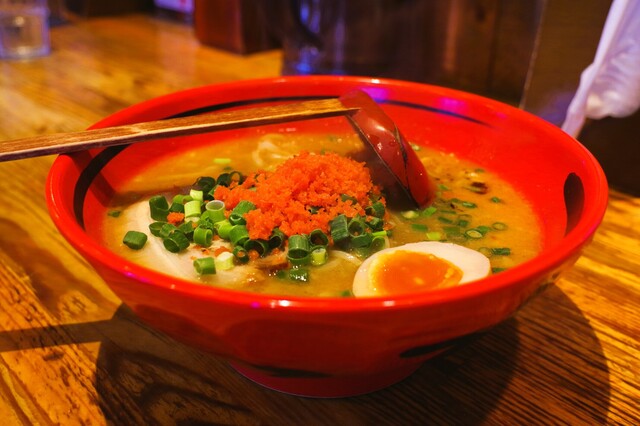
Approaching Sapporo’s late-night ramen rooms is rarely theatrical. The signal is usually simpler: a lit frontage, a short wait, steam against glass, and the rhythm of counter seats turning over with practiced speed. In Chuo Ward, west of the Susukino core and close to the city tram, that rhythm matters. Ramen here is not just a cold-weather reflex; it is one of the ways Sapporo organizes appetite after shopping, drinking, work, and snow-season movement through the city.
Hokkaido Meibutsu La-men Ebi Soba Ichigen Souhonten sits inside that local grammar but narrows the frame. Sapporo is often read internationally through miso ramen, butter-corn associations, and the broader Hokkaido pantry. A shrimp-based ramen house shifts the emphasis without leaving the region behind. The point is not novelty for its own sake, but specialization: a single dominant seafood idea worked into a fast, counter-led format where the room, menu, and turnover all serve the bowl rather than the other way around.
Shrimp ramen in a city better known for miso
Sapporo’s ramen identity has long been tied to richness: miso depth, pork fat, winter calories, and bowls built for cold nights. Seafood ramen belongs to a different but compatible register in Hokkaido, where the regional pantry gives cooks permission to foreground marine flavor without turning the meal into a formal seafood restaurant. The appeal of shrimp ramen is its directness. It offers intensity in a category that often competes through broth weight, noodle texture, and seasoning rather than luxury cues.
That makes this address useful for travellers who already understand the Sapporo ramen circuit and want a sharper comparison point. Ramen Gojogen Honten, Ramen Shingen Minami 6 jou ten, Go Maru Do, and Ramen Arata all occupy the city’s low-cost ramen lane in different ways, while Yakiniku Restaurant Totori belongs to a higher-spend meat-focused tier. Against that spread, a shrimp-led counter is not trying to win through spend, ceremony, or a long dining arc. It is closer to a precision stop: quick, narrow, and built around a flavor identity that can be read in one sitting.
The formal recognition gives that specialization weight. Selection for Tabelog 100 - Ramen - HOKKAIDO in both 2024 and 2025 places the shop within a competitive regional ramen field rather than the looser category of popular local chains. The Tabelog score listed at 3.59 adds another useful signal in Japan’s restaurant-rating culture, where small differences can reflect heavy traffic, strong local scrutiny, and the difficulty of pleasing both ramen specialists and casual diners.
A counter-only format suits the neighbourhood
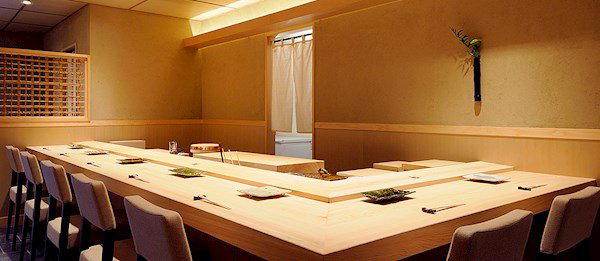
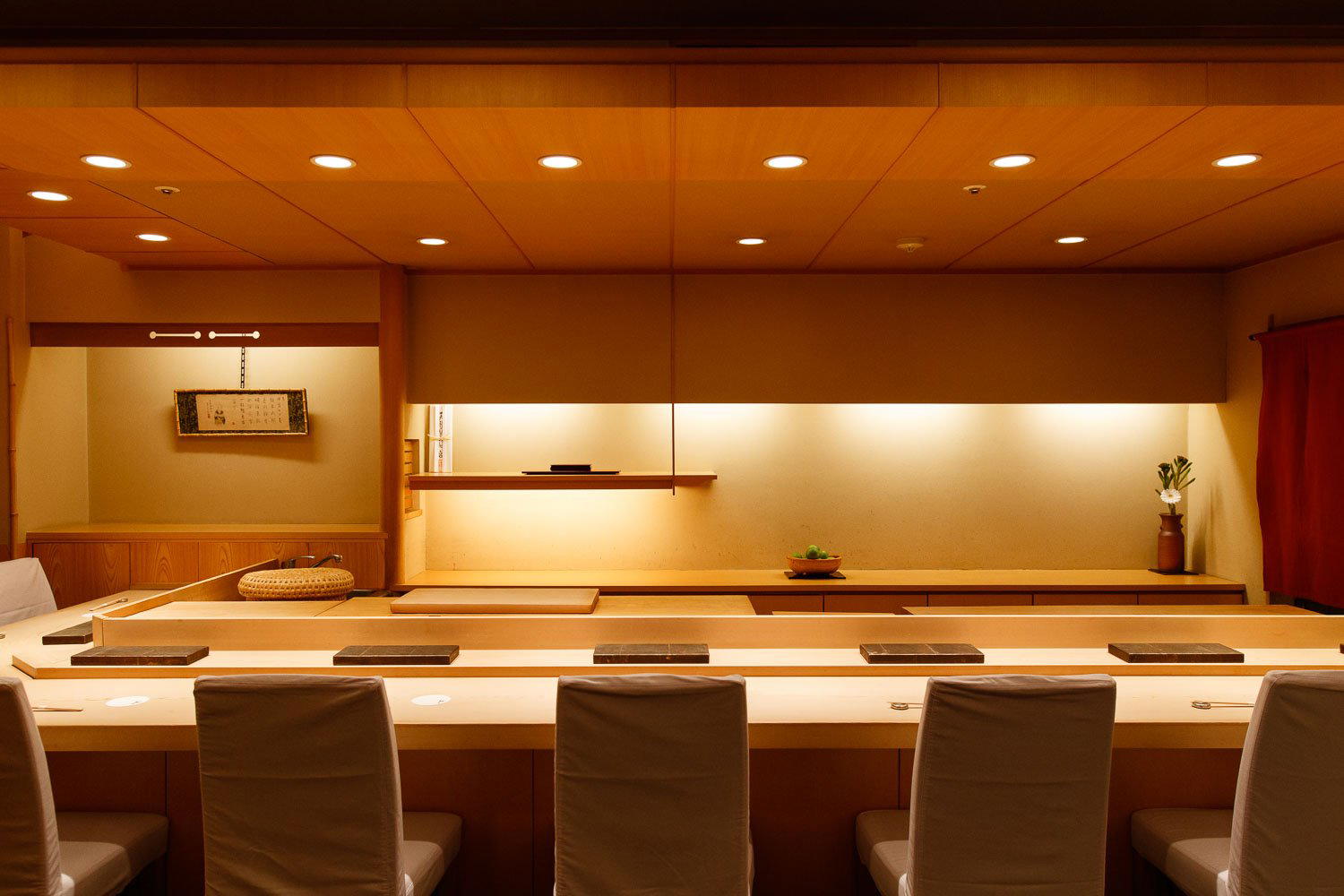
The 16-seat counter format is central to how this kind of Sapporo ramen works. Counter ramen reduces the distance between cooking and eating: no extended table service, no lingering sequence, no performance of rarity. The room’s discipline is part of the experience. It also suits the surrounding Chuo Ward geography, where tram access, nightlife edges, and residential blocks produce a mixed crowd rather than a single destination-dining audience.
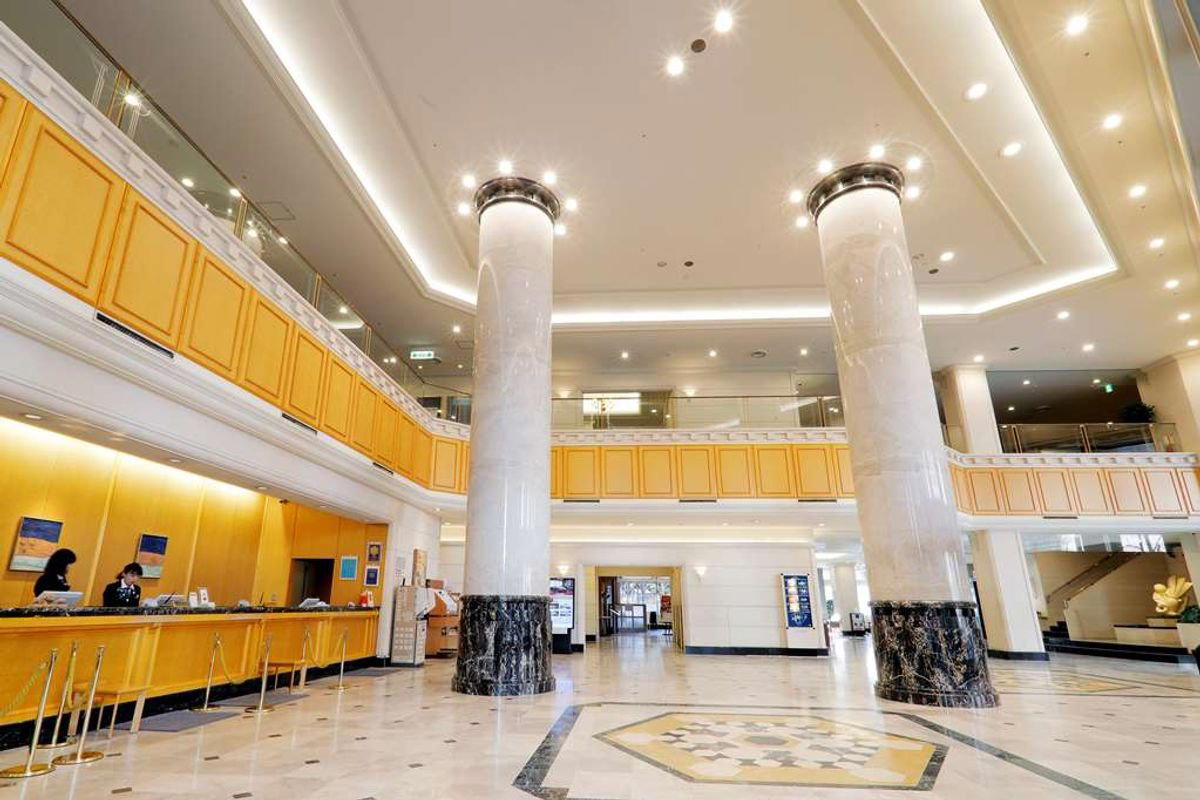
This part of Sapporo is not the polished hotel-lobby version of the city. It is practical, urban, and easy to fold into a day that also includes other local food stops. Travellers building a wider Sapporo itinerary can use Our full Sapporo restaurants guide for the broader dining map, with nearby category contrasts such as 175°DENO Tantanmen Sapporo kitaguchi ten, [Curry Senmon Ten] Maruyama Kyoju., Ajanta Indo Curry Ten, Ajanta Sohonke, and Aigues Vives. Those comparisons matter because Sapporo rewards grazing across formats: ramen, curry, bread, seafood, and drinking rooms each reveal a different version of the city.
The shop’s long operating arc also matters. An opening date in 2008 and a move in March 2013 from a nearby address point to a business that has outlived short-lived ramen trends. In a city where ramen tourism can reward spectacle, longevity is a quieter form of evidence. It suggests that the concept has held local attention through repeat visits, not just visitor curiosity.
How to place it in a Sapporo itinerary
This is a better fit for a focused ramen stop than for a slow evening built around conversation. The counter-only setup, non-smoking policy, take-out option, and family-friendly notation make it flexible, but the main value is speed with a clear regional signature. Credit cards are not accepted, while electronic money and Rakuten Pay are listed, so payment planning belongs in the same mental category as transit timing: small details that keep a ramen stop frictionless.
For travellers using Sapporo as more than a food weekend, the wider city map helps. Pair the ramen circuit with Our full Sapporo hotels guide for where to stay, Our full Sapporo bars guide for the drinking side of the city, Our full Sapporo wineries guide for regional wine context, and Our full Sapporo experiences guide for non-restaurant planning. Readers extending the Japan file can also compare different regional dining idioms through -Grilled beef Sukiyaki- KAMAKURA TANUKIAN 鎌倉 たぬき庵 in Kamakura. 鮪と炭火焼き うお炭 秋葉原店 in Tokyo.cafe in Osaka.know in Kumamoto, (Shoku) Vietnam in Kawasaki, and [ki:] in Kyoto. For overseas Japanese-leaning formats, Jōdo Saké Bar in Los Angeles and Onigiri Time in Pasadena show how focused Japanese categories travel outside Japan.
The editorial case is clear: Hokkaido Meibutsu La-men Ebi Soba Ichigen Souhonten is valuable because it gives Sapporo ramen a seafood accent without abandoning the city’s practical counter culture. The meal belongs to the quick-service ramen tradition, but the award history, narrow identity, and neighbourhood fit make it more than a convenient bowl between plans.
The Minimal Set
Comparable venues for context, by category and price tier.
| Venue | Cuisine | Price | Notes |
|---|---|---|---|
| Hokkaido Meibutsu La-men Ebi Soba Ichigen SouhontenThis venue — the venue you are viewing | Not listed | $ | Not listed |
| Go Maru Do | Chūō, Japanese Soup Curry | $ | Not listed |
| Menya Suzuran | Not listed | $ | Chūō, Sapporo ramen & soup curry-style ramen |
| Curry SAVoY | Kita, Japanese Soup Curry | $ | Not listed |
| China Soba Chiu | Chūō, Traditional Sapporo ramen counter | $ | Not listed |
| Menya Ozawa | Shiroishi, Hokkaido Ramen | $ | Not listed |
Recognition history
Dated appearances from independent guides and award organizations, with the underlying list record or original source where available.
Tabelog 100 #93 · No. 93
Tabelog · Tabelog 100 - Ramen - HOKKAIDO - 2025
At a Glance
- Lively
- Cozy
- Intimate
- Well Known
- Solo
- Late Night
- Casual Hangout
- After Work
- Family
- Standalone
- Local Sourcing
Current opening hours
- Monday
- 11 AM–3 AM
- Tuesday
- 11 AM–3 AM
- Wednesday
- 11 AM–3 AM
- Thursday
- 11 AM–3 AM
- Friday
- 11 AM–3 AM
- Saturday
- 11 AM–3 AM
- Sunday
- 11 AM–3 AM
Hours can change for holidays and private events. Last verified .
Compact counter-only ramen shop with a bustling, late-night atmosphere, bright and functional rather than decorative, focused on quick turnover and the aroma of shrimp broth.