
Menya Fukuza puts Kanazawa’s ramen culture in a small counter format rather than a destination-dining frame. Its Tabelog Ramen WEST “Tabelog 100” selections from 2023 through 2025, ramen and tsukemen focus, and counter-only setup make it a useful read on how ingredient-led regional ramen earns attention without fine-dining ceremony.
Pearl is the En Primeur Club membership app — saves, bookings, and concierge access live there. Same editors, same standards.
- Address
- Japan, 〒921-8161 Ishikawa, Kanazawa, Arimatsu, 4 Chome−1−1 麺や福座
- Phone
- +81 76-243-2930
- Website
- instagram.com
 Saves & bookings on Pearl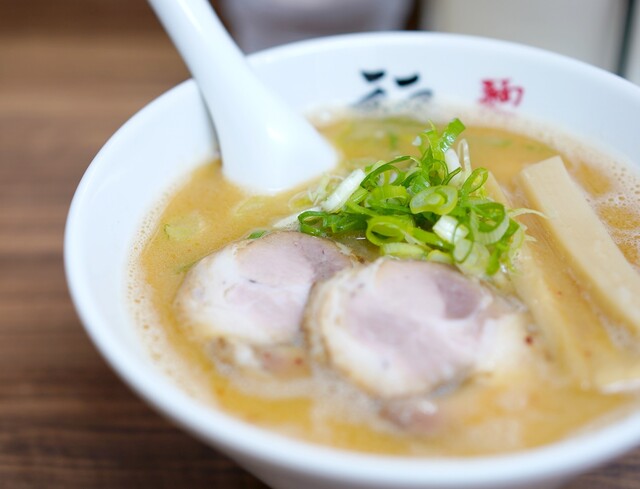
Approach the Arimatsu address and the signal is not luxury but compression: a house-style ramen shop, a counter, and a room built for quick concentration rather than lingering. Kanazawa’s food reputation often leans toward seafood, wagashi, tea, and kaiseki-adjacent polish, yet the city’s ramen counters tell a different story. Here, the point is not spectacle. It is broth discipline, noodle timing, and a bowl format that lets sourcing and extraction carry the argument.
That matters in a city where culinary tourism can default to omakase sushi and gold-leaf sweets. Ramen in Kanazawa sits closer to daily appetite than ceremonial dining, but the serious shops compete on the same fundamentals that define the category across Japan: how fat, stock, tare, noodles, and toppings are balanced inside a narrow price band. Menya Fukuza belongs to that conversation because it has been selected for Tabelog Ramen WEST “Tabelog 100” in 2023, 2024, and 2025, a useful external signal in a genre where small differences in consistency separate destination counters from neighborhood regulars.
Kanazawa ramen, read through broth and supply rather than ceremony
Ingredient sourcing is the quiet axis of ramen. Unlike sushi, where the provenance of a fish can be presented plainly, ramen folds its supply chain into stock, seasoning, and texture. A bowl may be judged in minutes, but its structure depends on slow extraction, precise seasoning, and the compatibility of noodles with soup density. That is why serious ramen rooms often feel more technical than casual: the service is fast, but the production logic is exacting.
Menya Fukuza is listed in the ramen and tsukemen categories, which places it inside two related but different eating formats. Ramen asks the noodle to live in the soup from the start; tsukemen separates noodle and dipping broth, making texture and concentration more obvious. For diners mapping Kanazawa beyond sushi, that distinction is useful. It shows how the city’s casual dining tier can be as format-conscious as its better-known restaurants, only with a lower spend and a shorter meal arc.
The comparison within Kanazawa is revealing. Shizenha Ramen Kagura occupies a similar budget bracket, while confectionery addresses such as Amanatto Kawamura and Rakugan Moroeya Nishichaya Karyo Ajiwai speak to the city’s long sweet-making tradition. Kaiseki and formal dining sit elsewhere in the civic imagination. Ramen cuts across that hierarchy because it is judged less by polish than by repeatability: the same bowl has to land across lunch and evening service, for solo diners and pairs, at a counter with little margin for distraction.
A ten-seat counter changes the way the bowl is judged
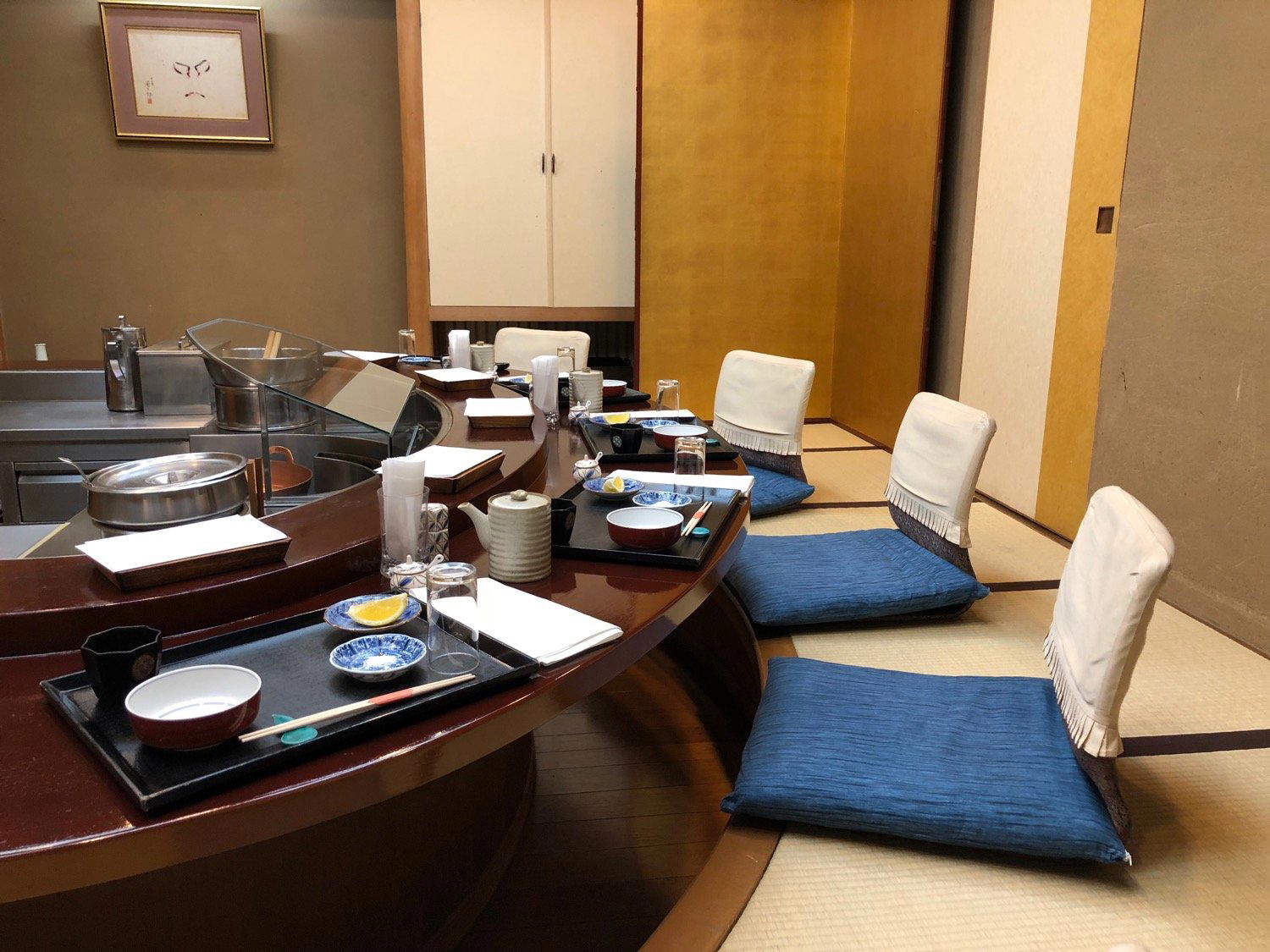
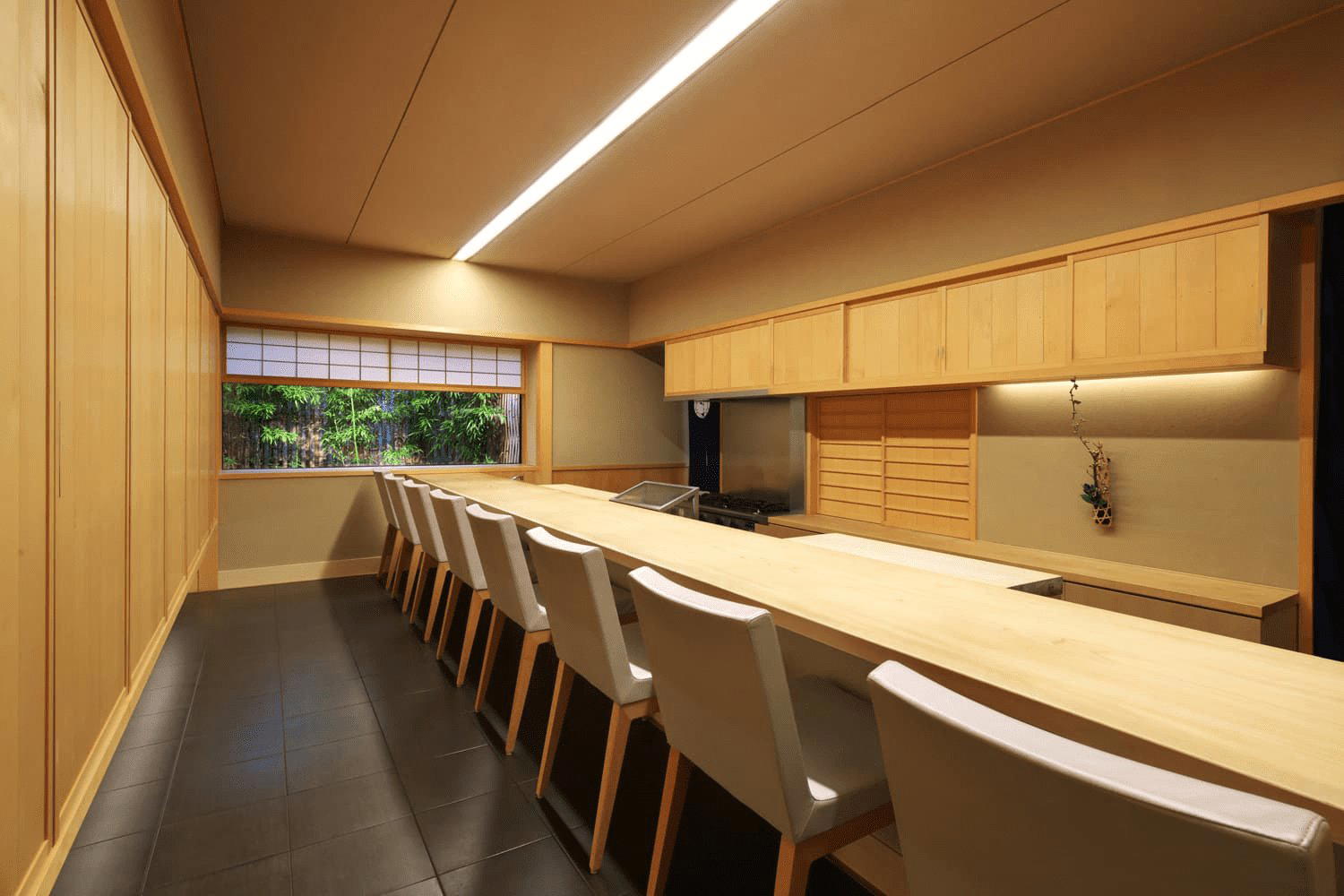
The room’s scale is part of the experience. Ten counter seats put the focus on cadence: order, cook, serve, finish, reset. In ramen, that intimacy is not automatically a virtue; it becomes meaningful only when the kitchen uses the short distance between pot and guest to protect temperature and texture. Counter dining also makes the category unusually transparent. There is little décor to hide behind, and the bowl has to make its case immediately.
This is where the Tabelog recognition carries weight. “Tabelog 100” is not a Michelin-style star system, but for ramen it functions as a strong sorting mechanism across a crowded field. Selection in the WEST ramen list over consecutive years points to sustained approval rather than a single moment of attention. Menya Fukuza’s published Tabelog score of 3.65 adds another measurable signal, especially in a platform where ramen shops often accumulate sharp, detail-oriented commentary from frequent diners.
The editorial read is simple: this is a specialist counter, not a broad comfort-food stop. The value proposition is also clear within Japan’s ramen economy. A JPY 1,000 to JPY 1,999 spend places it in the affordable serious-food tier, where technique matters precisely because the price cannot be justified by ceremony, luxury ingredients named tableside, or extended service. The restaurant has operated since 2009, which gives its reputation a long enough runway to mean something in a category prone to short bursts of attention.
How to place it inside a Kanazawa itinerary
Kanazawa rewards travelers who split meals by format rather than prestige. A day can move from market seafood to wagashi, from tea rooms to ramen, without treating one category as secondary. For that broader map, Our full Kanazawa restaurants guide is the useful starting point, while Our full Kanazawa hotels guide, Our full Kanazawa bars guide, Our full Kanazawa wineries guide, and Our full Kanazawa experiences guide help frame the city beyond a single meal.
Within the local dining spread, the restaurant is better understood alongside compact specialists than formal dining rooms. Readers comparing casual Kanazawa addresses can also look at 1/3 HAMBURGER FACTORY, 333, Aburi Niku Garan, and Ajiraku Yumemi for a sense of how the city’s everyday restaurants branch beyond washoku. The broader Japan file is equally useful for category contrast, from -Grilled beef Sukiyaki- KAMAKURA TANUKIAN 鎌倉 たぬき庵 in Kamakura and. 鮪と炭火焼き うお炭 秋葉原店 in Tokyo to.cafe in Osaka.know in Kumamoto, (Shoku) Vietnam in Kawasaki, and [Curry Senmon Ten] Maruyama Kyoju. in Sapporo. For Japanese food culture outside Japan, Jōdo Saké Bar in Los Angeles and Onigiri Time in Pasadena show how narrower formats travel and change in another market.
The critical reason to go is not to chase rarity. It is to see Kanazawa’s ingredient intelligence translated into ramen’s compressed grammar: broth, tare, noodles, and timing, delivered at a counter where the meal is measured in focus rather than duration.
At-a-Glance Comparison
Comparable options at the same price tier.
| Venue | Cuisine | Price | Notes |
|---|---|---|---|
| Menya FukuzaThis venue — the venue you are viewing | Ramen shop | $ | Not listed |
| Hakuichi Higashiyama ten | Gold-leaf soft serve & Japanese café sweets | $ | Kanazawa |
| Tsubomi | Traditional Japanese sweets & kakigori cafe | $ | Kanazawa |
| Kureha | Traditional Japanese cafe & wagashi tea house | $$ | Kanazawa |
| 鮨ä¸èª | japanese | Not listed | Kanazawa |
| のとめぐり | Hokuriku Conveyor Belt Sushi | $$ | Hirooka |
Recognition history
Dated appearances from independent guides and award organizations, with the underlying list record or original source where available.
Tabelog 100 #24 · No. 24
Tabelog · Tabelog 100 - Ramen - WEST - 2025
Continue exploring
More in Kanazawa
Restaurants in Kanazawa
Browse all →
At a Glance
- Cozy
- Solo
- Casual Hangout
- After Work
- Chefs Counter
- Standalone
Current opening hours
- Monday
- Closed
- Tuesday
- Closed
- Wednesday
- 11:30 AM–2:25 PM, 6–8:55 PM
- Thursday
- 11:30 AM–2:25 PM, 6–8:55 PM
- Friday
- 11:30 AM–2:25 PM, 6–8:55 PM
- Saturday
- 11:30 AM–2:25 PM, 6–8:55 PM
- Sunday
- 11:30 AM–2:25 PM, 6–8:55 PM
Hours can change for holidays and private events. Last verified .
An intimate, counter-only neighborhood ramen joint in a house-like building, with a casual, bustling feel during meal times and focus on the steaming bowls being prepared right in front of guests.