Mela
Our verdict
On Tremont Street in Boston's South End, Mela occupies a corner of the neighbourhood where Indian cooking has found a serious audience. The room draws a cross-section of locals and visitors, and the kitchen approaches the cuisine with enough care to reward a deliberate, course-by-course approach rather than a quick turnaround.

Pearl is the En Primeur Club membership app — saves, bookings, and concierge access live there. Same editors, same standards.
- Address
- 578 Tremont St, Boston, MA 02118
- Phone
- (617) 859-4805
- Hours
- Mon–Thu 11 AM–10 PMFri–Sat 11 AM–10:30 PMSun 11 AM–10 PM
- Website
- melainboston.com
- Directions
- Get directions
- Booking
- Book on OpenTable
South End, Tremont Street, and the Indian Table
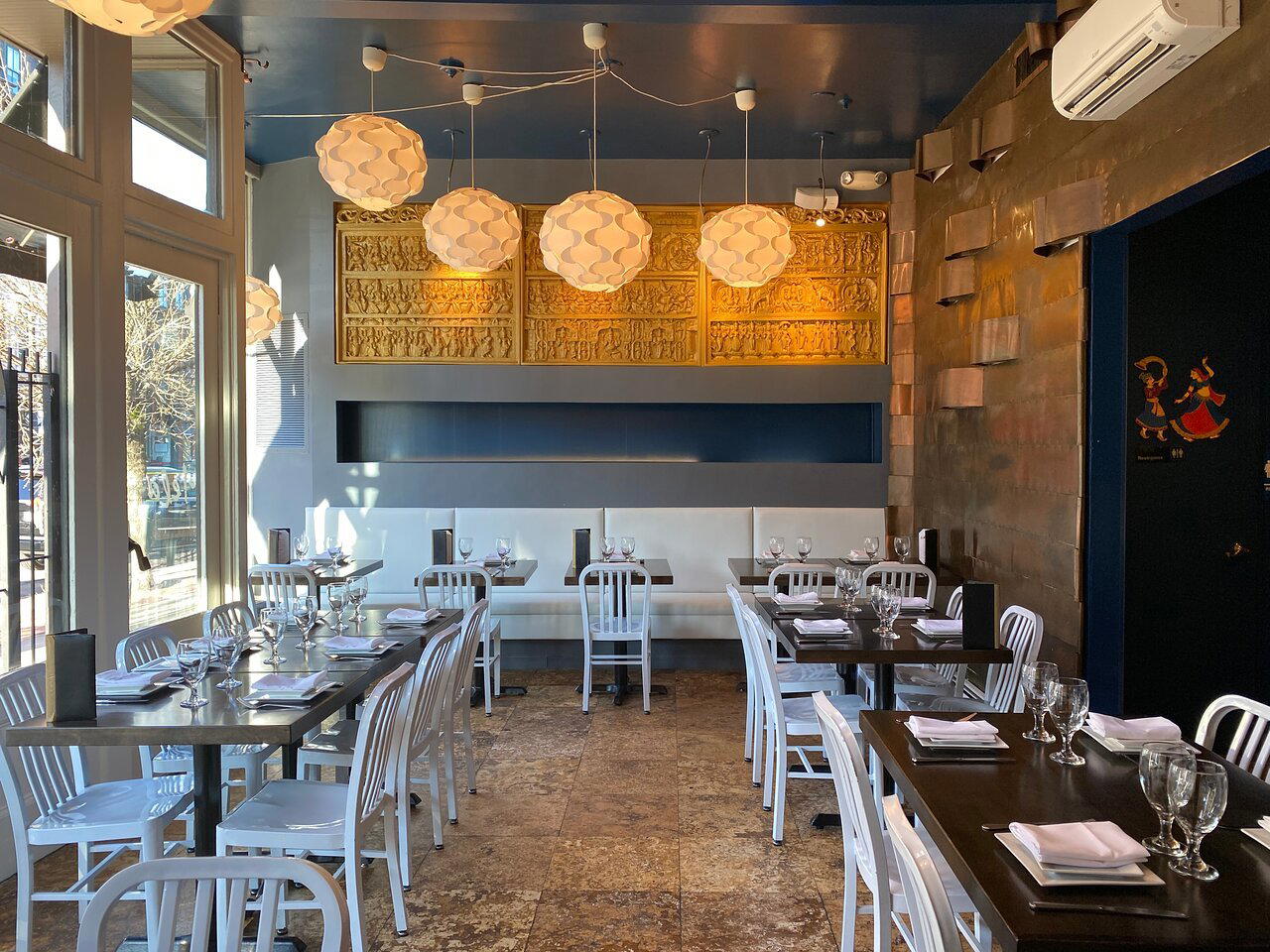
Boston's South End has spent the past two decades sorting itself into one of the city's more interesting dining corridors. Tremont Street in particular runs through a stretch where neighbourhood regulars, design-conscious residents, and out-of-towners on a longer itinerary all end up at the same tables. Indian cooking occupies an interesting position in this mix: it is a cuisine that rewards patience and sequencing, yet too often gets reduced to a quick curry-and-naan format. Mela, at 578 Tremont St, sits in the segment of the South End's dining offer that takes a longer view. The room is a place to slow down, order deliberately, and let the meal build.
The broader South End dining scene positions itself between the harbour-facing ambition of spots like 1928 Rowes Wharf and the hyper-focused tasting counter model represented by venues such as Agosto. Indian restaurants in Boston have traditionally occupied a more casual tier, which means that any kitchen operating with real seriousness in this cuisine has relatively little competition in the upper-middle bracket of the city's restaurant market.
How the Meal Sequences
Indian cooking is, structurally, one of the most progressive cuisines in the world in terms of flavour arc. A well-ordered Indian meal moves from bright, acidic openers through layered mid-palate complexity and arrives at something richer and more settled by the end. The challenge for any kitchen is executing that progression with enough discipline that it reads as a meal rather than a collection of dishes.
At Mela, the approach rewards a table that orders across the menu rather than defaulting to a single familiar dish. The logic is to begin with lighter preparations — chutneys, yogurt-forward small plates, anything using citrus or tamarind as a lead note — before moving into the longer-cooked dishes where aromatics have had time to deepen. Bread service (whether paratha, naan, or roti) functions as a bridge between courses rather than an automatic opening act; treating it that way changes the pacing of the whole meal.
Mid-course, the kitchen's range matters most. Indian cuisine's regional diversity is frequently flattened in restaurant contexts: north Indian butter-and-cream formats dominate menus at the expense of drier, spice-forward south Indian preparations, or the coastal fish and coconut profiles that form a legitimate third tradition. A menu that acknowledges this range gives the table options to move laterally across the meal rather than doubling back on the same flavour register.
By the final savoury courses, the expectation is heat-and-richness balance: dishes that have real depth without overwhelming the palate. Dessert in the Indian tradition, kheer, gulab jamun, mango-based preparations, carries its own internal logic, functioning more as a palate reset than a final flourish. Ordering at least one is not indulgence so much as completing the arc the kitchen has built.
Where Mela Sits in Boston's Dining Tier
Boston's upper-tier restaurant scene has consolidated around a handful of formats: the raw bar (typified by Neptune Oyster in the North End), the Japanese counter (311 Omakase and Oishii operate in this space), and the classic American steakhouse (Abe & Louie's being the reference point). Indian cooking in a sit-down, full-service format with real kitchen ambition is a smaller cohort, which means Mela competes less against direct Indian peers and more against the general proposition of a serious dinner in the South End.
Compared to what is happening nationally in ambitious Indian cooking, the standard has shifted considerably. Cities like New York have produced tasting-menu Indian formats that draw comparisons to the precision seen at counters like Atomix. At the other end of the ambition spectrum, restaurants like Le Bernardin in New York and The French Laundry in Napa have set a national benchmark for what a multi-course dining experience can mean. Boston's Indian dining scene has not yet produced a direct equivalent, but the gap is closing, and restaurants occupying the serious middle tier are the ones making that possible.
For context on what the South End table looks like across formats, the EP Club Boston restaurants guide maps the broader field. Elsewhere in the city, the harbour-adjacent seafood offer at 75 on Liberty Wharf and the grilled seafood focus at Ostra represent the other dominant mode of serious South End and waterfront dining.
The South End as Context
Tremont Street's restaurant density is high enough that any venue here competes not just within its cuisine category but against the general pull of a neighbourhood with strong alternatives in every direction. The South End draws a dining public that makes deliberate choices: this is not a neighbourhood where foot traffic alone fills seats. A restaurant on this strip earns its repeat custom through consistency and a clear point of view on what the meal is supposed to be.
Indian cooking, when approached with that discipline, has a structural advantage: it is a cuisine with enough internal complexity that a skilled kitchen can offer something genuinely different from the wider Tremont Street menu. The layering of spice, the regional breadth, and the built-in progression of an Indian meal give a kitchen more material to work with than most Western European formats of comparable price.
For those building a longer Boston itinerary that includes a range of dining formats, the comparison set is worth understanding. The chef's counter model at Agosto represents one kind of seriousness; the larger, more celebratory format of a steakhouse like Abe & Louie's represents another. Mela occupies a different register: a full-service room where the cuisine itself carries the ambition.
Know Before You Go
- Address: 578 Tremont St, Boston, MA 02118
- Neighbourhood: South End
- Cuisine: Indian
- Reservations: Booking ahead is advisable for weekend evenings on Tremont Street, where the South End dining corridor fills quickly
- Getting there: The Back Bay station (Orange Line) is within walking distance of this stretch of Tremont; street parking is limited on weekend evenings
- Practical tip: Order across the menu rather than consolidating around one or two dishes; the meal reads differently when you allow the courses to sequence
Frequently asked questions
Is Mela good for families?
South End restaurants at this address on Tremont Street tend to draw a mixed crowd across age groups, and Indian cooking's broad flavour range — from mild dal to richly spiced curries — generally accommodates varied palates at the same table. Mela's sit-down format at 578 Tremont St suits a relaxed family dinner rather than a quick counter meal. Confirm directly with the restaurant on group seating and any children's options before booking.
What's the vibe at Mela?
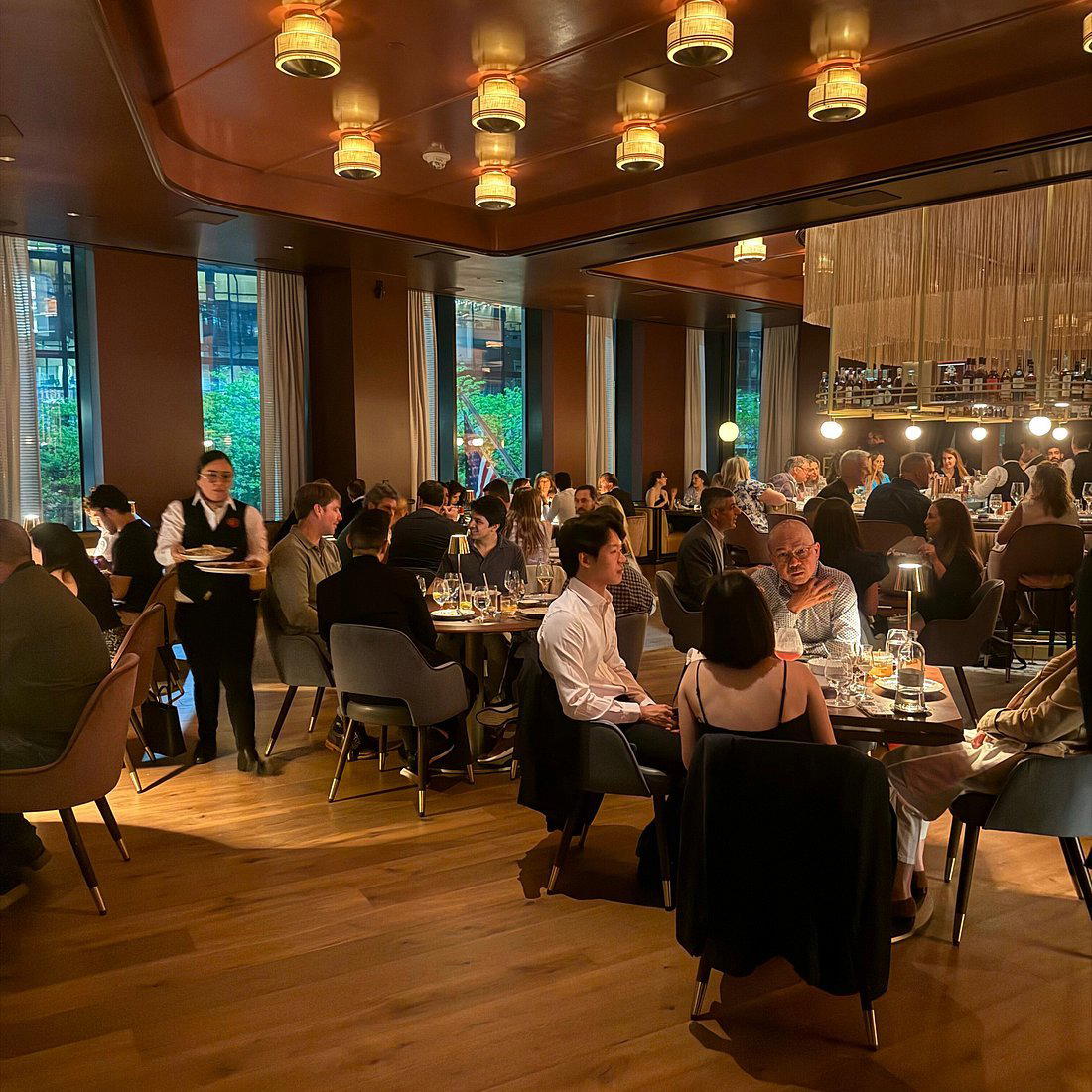
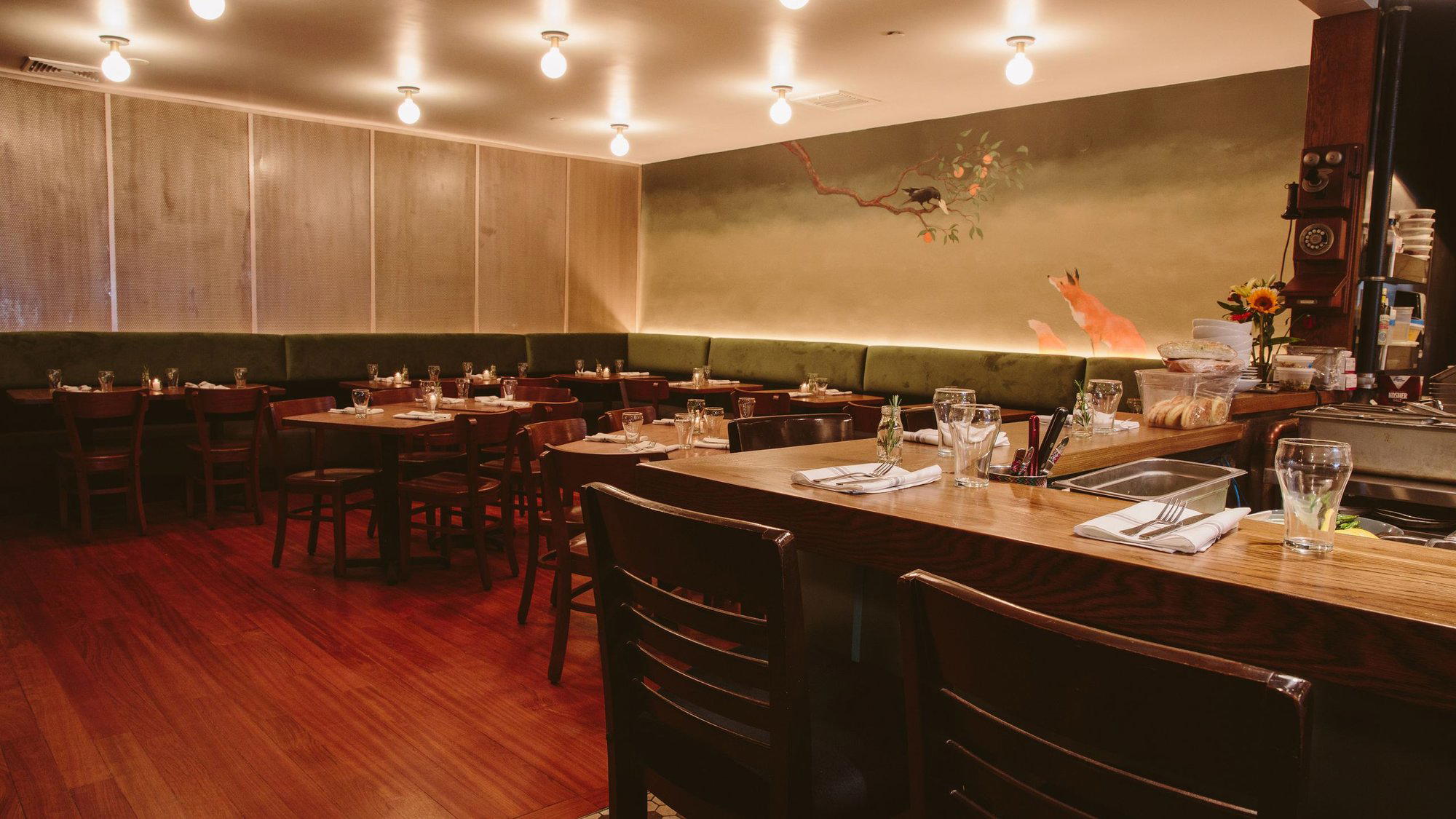
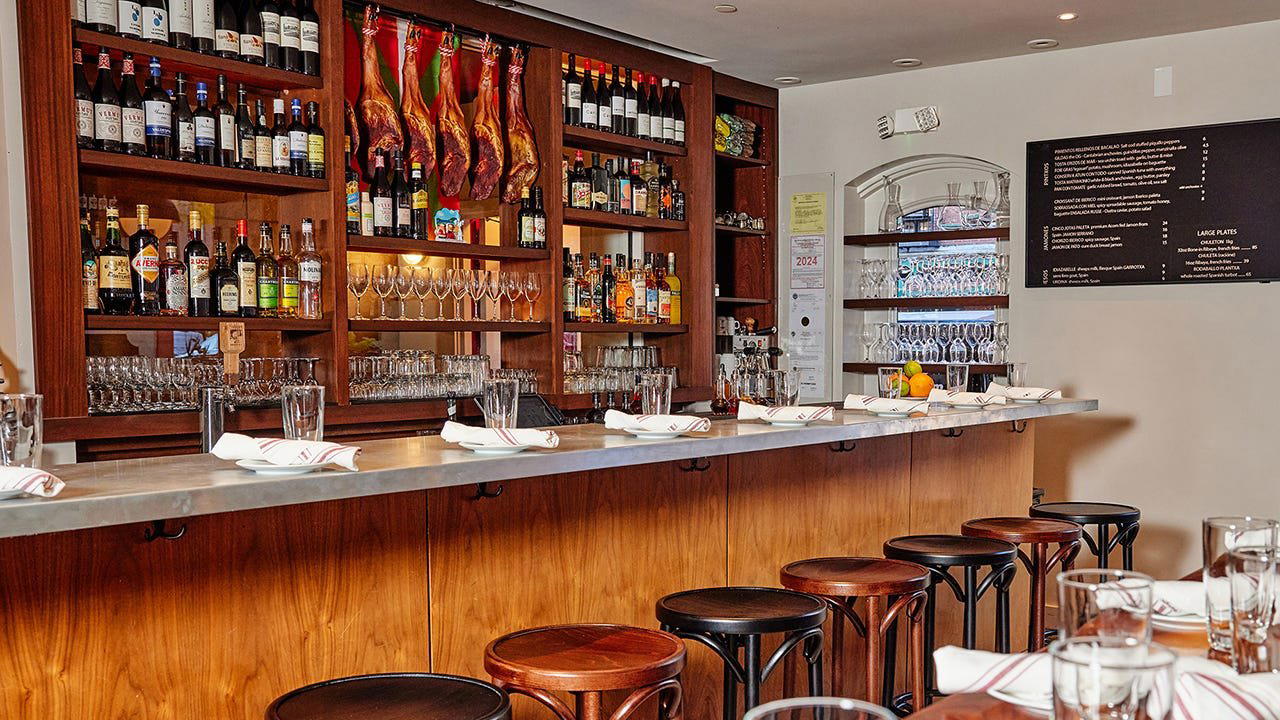
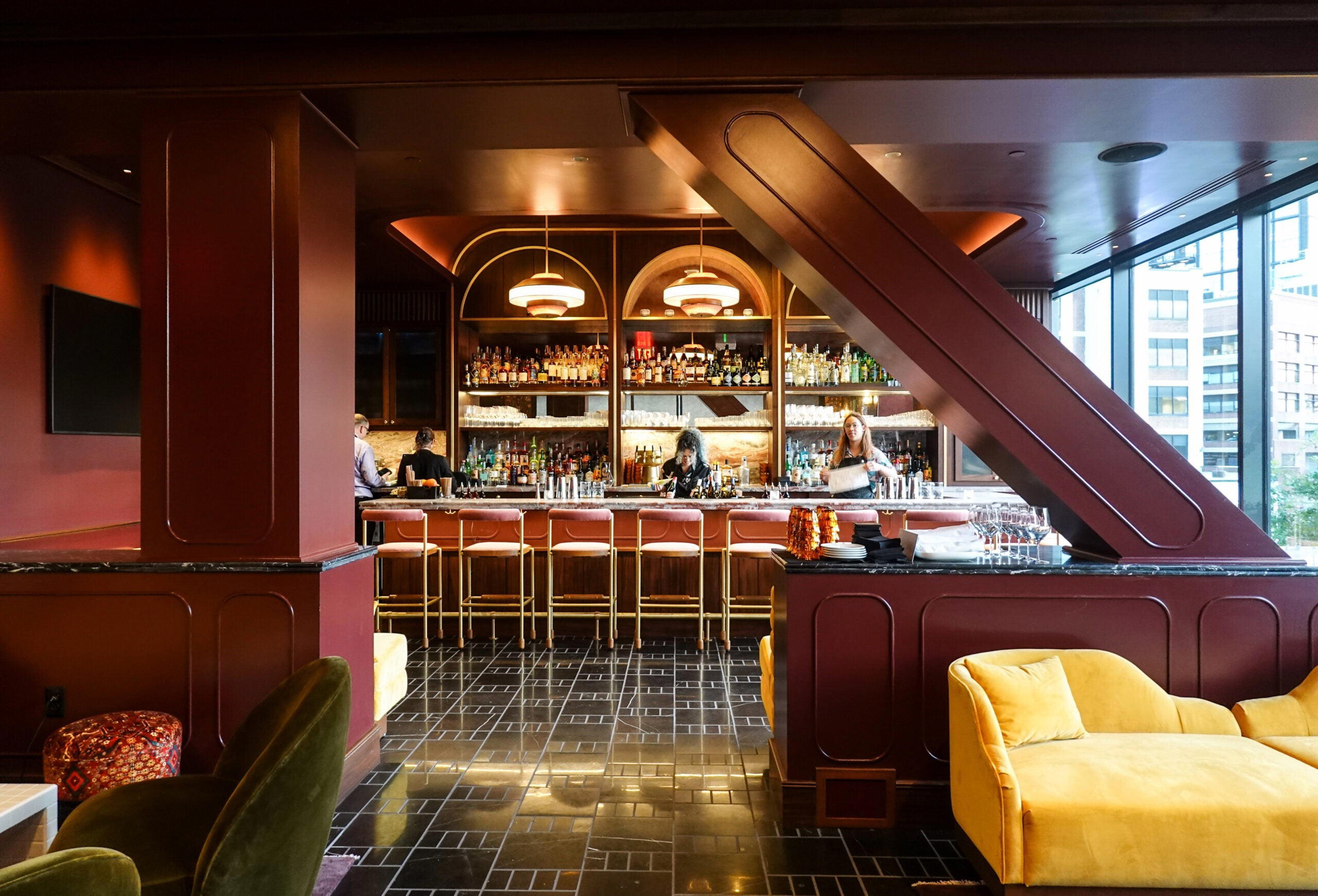
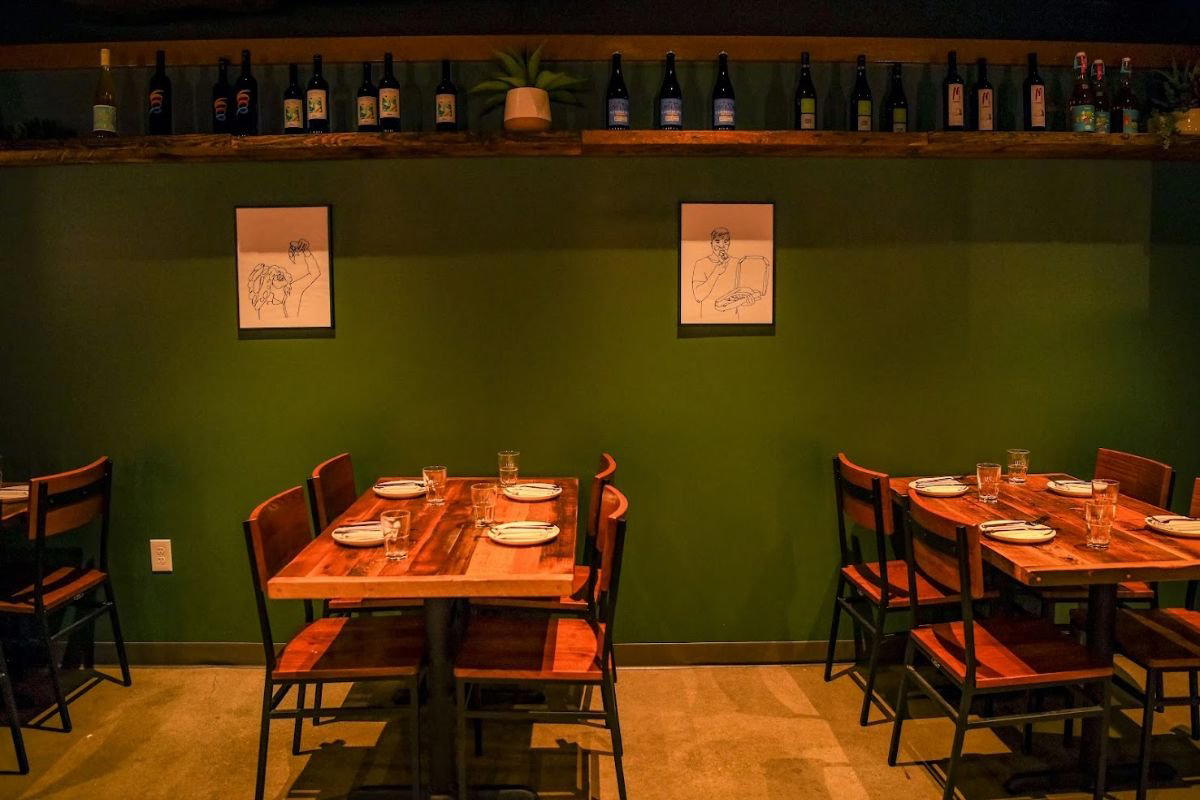
Mela sits on Tremont Street in Boston's South End, a corridor where neighbourhood regulars and destination diners mix in roughly equal measure. The setting reads as a proper sit-down Indian restaurant rather than a casual takeout spot, placed among some of the city's more considered dining rooms. Expect a room pitched at conversation rather than spectacle.
How does Mela fit into Boston's Indian restaurant scene?
Boston's Indian dining options have historically concentrated in areas like Central Square in Cambridge, making a sit-down Indian table in the South End at 578 Tremont St a less expected address for the cuisine. That placement on Tremont Street puts Mela in direct company with established American and European-leaning rooms, which sharpens the contrast of serving a cuisine built on distinct regional traditions and complex spice architecture.
What do people recommend at Mela?
Indian restaurants in this category typically draw repeat visitors for their tandoor preparations and regional curry distinctions.
What's the address for Mela?
Mela is located at 578 Tremont St, Boston, MA 02118, Boston.
How far ahead should I plan for Mela?
Tremont Street restaurants in Boston's South End carry enough foot traffic that walk-in availability on weekend evenings is unpredictable. Calling ahead or booking a day or two in advance is the safer approach, particularly for groups of four or more.
What's Mela best at?
Mela's position on Tremont Street places it squarely in Boston's South End dining corridor, where it competes not just within the Indian category but against the general pull of the neighbourhood's broader restaurant set. Indian cooking's structural strength — the sequenced layering of spice, acid, and richness across courses — is where a kitchen in this category earns its reputation. Without current award documentation in EP Club's record, the clearest measure of Mela's standing is its longevity in one of Boston's more competitive dining blocks.
Fast Comparison
Comparable venues nearby, for context on price, style, and recognition.
| Venue | Cuisine | Price | Notes |
|---|---|---|---|
| MelaThis venue — the venue you are viewing | Authentic Indian | $20–30 | Not listed |
| Carrie Nation | American Gastropub | $30–50 | Downtown |
| Clery's | American bar & grill with brunch and late-night vibes | $30–50 | Back Bay |
| Massimino's | Authentic Italian Trattoria | $20–30 | North End |
| Ciao Roma | Southern Italian with Roman influences | $30–50 | North End |
| Tremont 647 | Global Comfort Food with American Roots | Not listed | South End |