Carrie Nation
Carrie Nation occupies a loaded address at 11 Beacon Street, steps from the Massachusetts State House and deep in the civic heart of Boston. The bar sits within a broader Beacon Hill drinking culture that prizes atmosphere and history over novelty, making it a reliable stop for anyone moving between the Hill's quieter residential blocks and the bustle of Downtown Crossing.
Pearl is the En Primeur Club membership app — saves, bookings, and concierge access live there. Same editors, same standards.
- Address
- 11 Beacon St, Boston, MA 02108
- Phone
- +16172273100
- Website
- carrienationcocktailclub.com
- Directions
- Get directions
 Saves & bookings on Pearl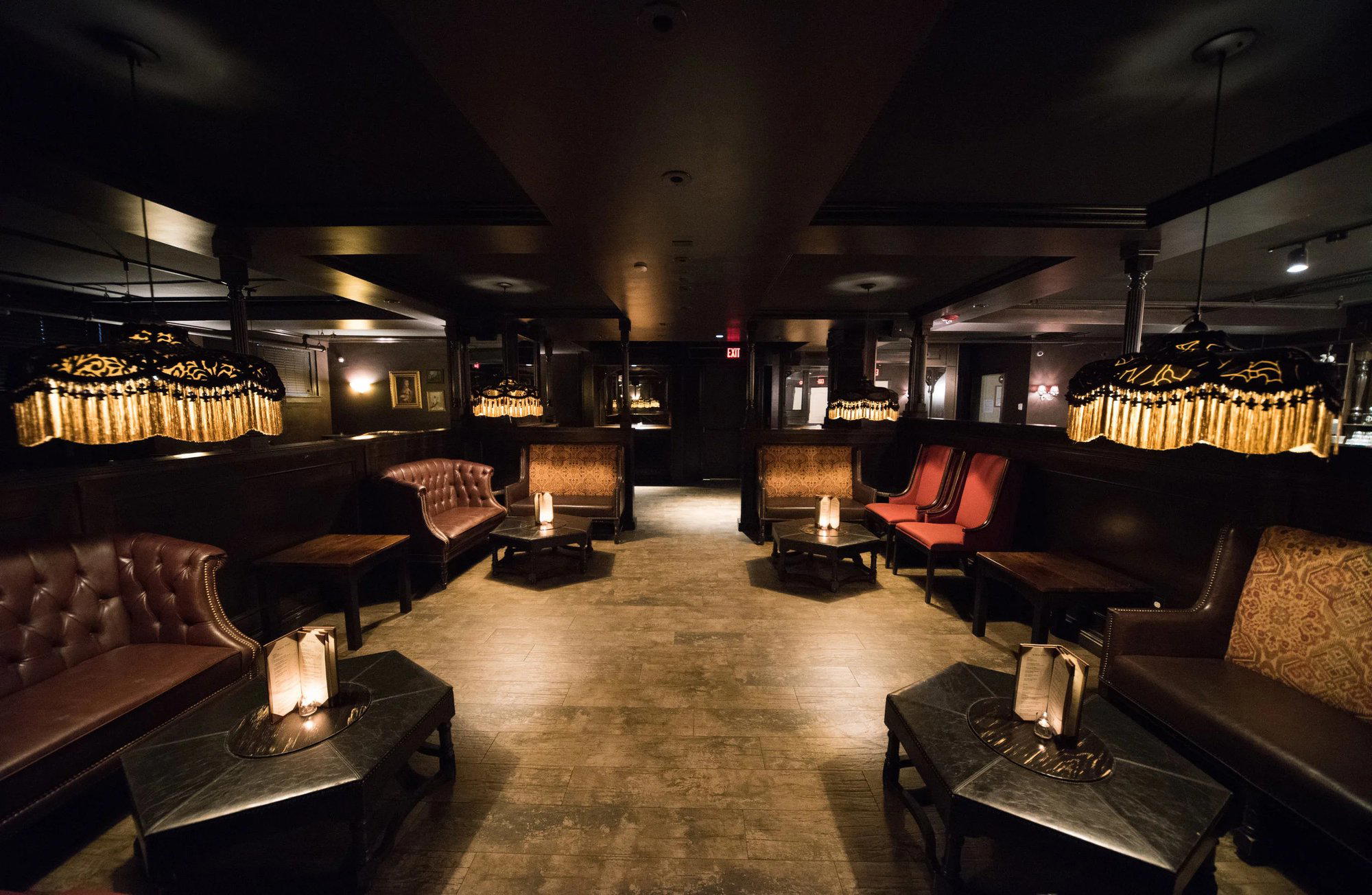
Beacon Hill's Drinking Culture and Where Carrie Nation Sits Within It
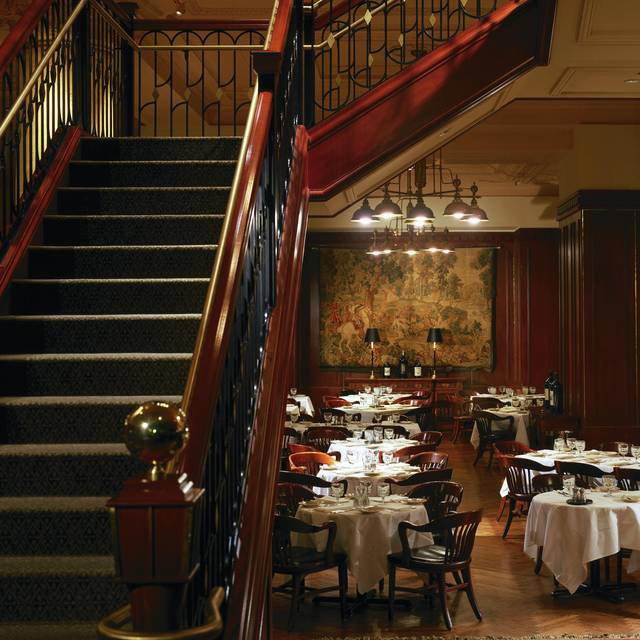
The blocks surrounding the Massachusetts State House have always attracted a particular kind of drinker: the political operative cooling off after a floor session, the lawyer from a nearby firm, the tourist who wandered up from the Freedom Trail and wanted somewhere that felt rooted rather than manufactured. Carrie Nation is an American gastropub at 11 Beacon St in Boston. The address places it at the edge of Beacon Hill's institutional core, where the architecture leans Federal and the streets narrow to brick-paved corridors that muffle the noise of the broader city. Walking toward the entrance, the building's context does a great deal of the atmospheric work before you step inside.
Boston's bar scene has evolved considerably over the past decade, splitting between the craft-cocktail laboratories of the South End and Back Bay, the dive bars and sports venues of the Fenway corridor, and a smaller tier of historically positioned rooms that trade on location and a sense of occasion. Carrie Nation belongs to that third category, with an average price per person of about $35. Its name alone signals a knowing relationship with American drinking history: Carrie A. Nation was the temperance movement's most theatrical figure, a hatchet-wielding Kansas agitator who became a national spectacle in the early 1900s. Opening a bar under that name is a deliberate act of irony, the kind of gesture that reads as confident rather than gimmicky when the physical space backs it up.
The Atmosphere: What the Room Communicates
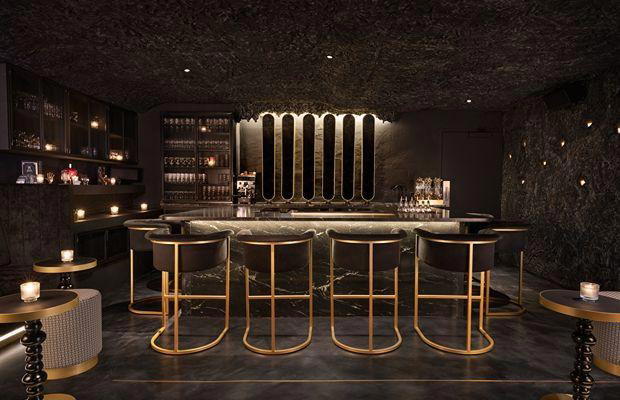
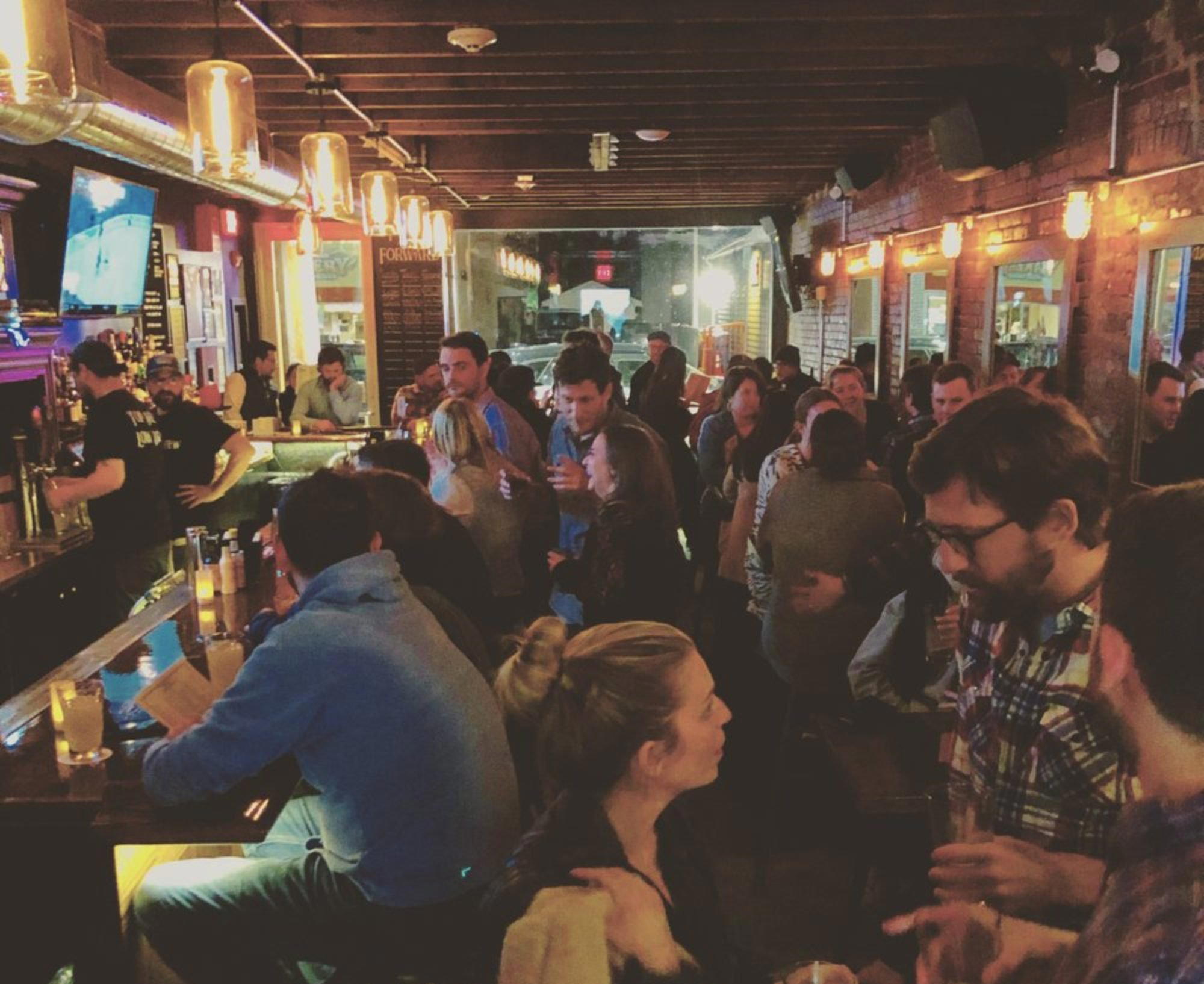
In cities like Boston, where the built environment carries genuine historical weight, the sensory experience of a bar is inseparable from its architecture. The Beacon Street corridor communicates formality through its scale and materials: stone facades, tall windows, proportions that were designed for government and commerce rather than leisure. A bar at this address either fights against that register or finds a way to work within it. The rooms that work tend to do so through warm light sources, considered acoustic damping, and the kind of bar equipment that signals serious intent without becoming a performance in itself.
Boston's better cocktail rooms have largely moved away from the hidden-door speakeasy theatrics that dominated a decade ago, toward transparent programs where the quality of the drink is the point. The city's comparison venues across different neighborhoods, the Japanese precision at 311 Omakase, the waterfront dining register at 1928 Rowes Wharf, the Portuguese-led tasting counter at Agosto, each demonstrate that Boston's premium venues now tend to anchor quality claims in specific technical or culinary traditions rather than in atmosphere alone. The leading bars on the Hill follow a similar logic.
Positioning Within Boston's Premium Venue Tier
Comparing Carrie Nation to Boston's steakhouse-anchored options like Abe & Louie's or the waterfront seafood positioning of 75 on Liberty Wharf illustrates how differently venues at the same general price tier can define their identities. The restaurant's identity is primarily location-driven and atmosphere-driven rather than cuisine-led or tasting-menu-led, which places it in a comparable set defined more by occasion and setting than by a single culinary discipline.
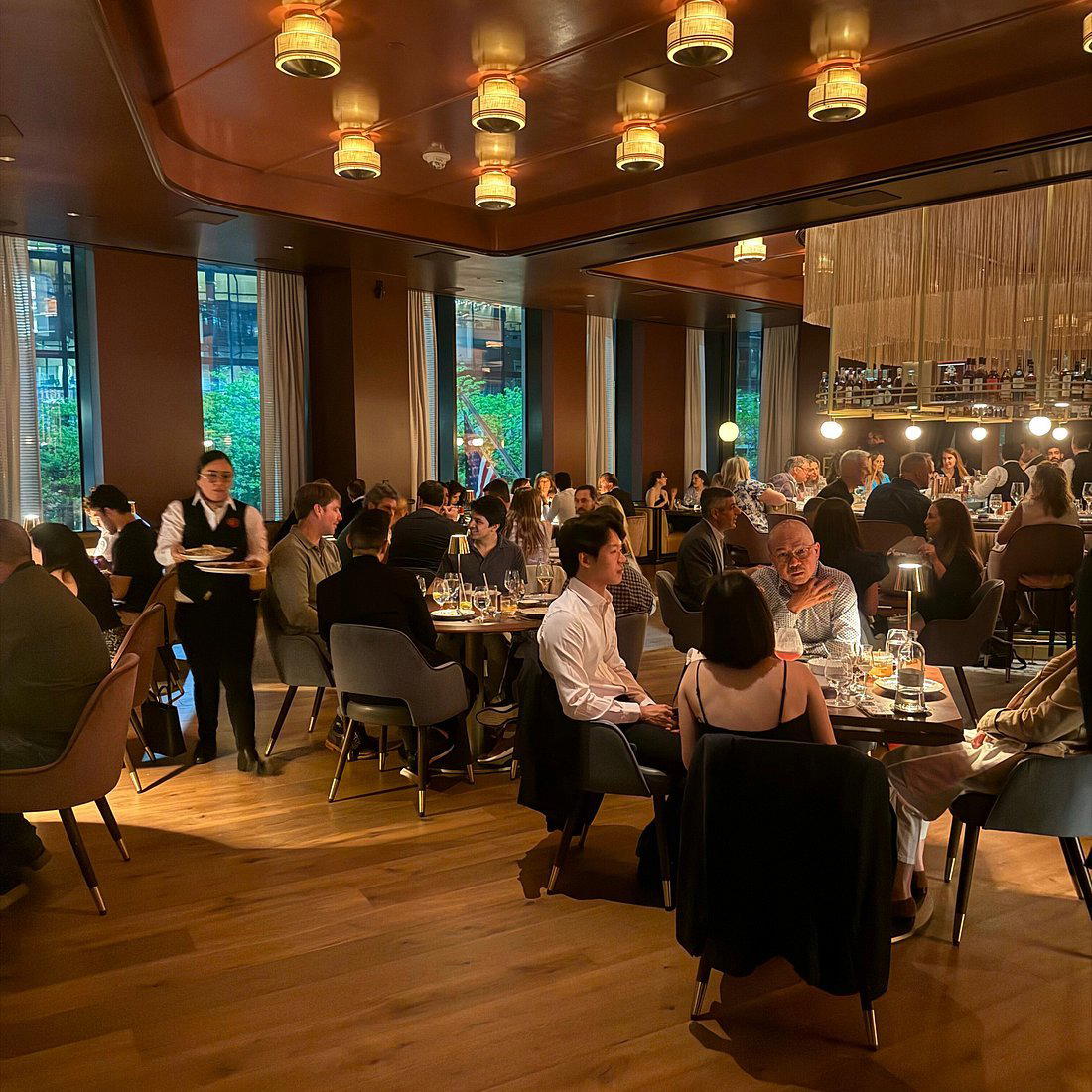
Across American cities, the bars and restaurants that occupy historically significant real estate, government districts, civic corridors, old commercial blocks, tend to serve a mixed audience that shifts by hour and by day of the week. Lunch draws the professional set. Evenings bring a broader mix of visitors and residents. The room needs to function across both registers, which tends to favor a certain kind of versatile, recognizable program over anything too experimental or narrow. The broader American bar scene shows similar patterns: venues like Emeril's in New Orleans or the civic-adjacent dining of The Inn at Little Washington demonstrate how location and institutional weight shape identity as much as any culinary decision.
At the national level, the venues that have most effectively combined historical atmosphere with serious program depth, Le Bernardin in New York City, The French Laundry in Napa, Blue Hill at Stone Barns in Tarrytown, do so by making the environment and the food or drink function as a single argument. The room at each of those addresses tells you something specific about what you're about to eat or drink. That alignment is the standard worth measuring against.
What to Expect When Planning a Visit
Beacon Street's proximity to the State House and the downtown core means the surrounding blocks are accessible on foot from major transit hubs, with Park Street Station on the Green and Red Lines a short walk away. The address is a natural stop when moving between the Freedom Trail's northern points and the financial district. For visitors staying in the Back Bay or Downtown, the walk is direct and takes you through some of the city's more architecturally coherent streetscapes.
The restaurant is recommended for reservations and is open Mon through Fri from 11 AM to 2 AM, Sat from 4 PM to 2 AM, and Sun from 11 AM to 5 PM.
Visitors interested in comparing the Beacon Hill atmosphere to Boston's other serious dining registers will find useful reference points in the raw bar tradition at Neptune Oyster in the North End, the Turkish-influenced menu at Sarma in Somerville, and the Japanese format of O Ya, which operates in a different price tier and with a different kind of occasion logic entirely. Each of those addresses illustrates how Boston's premium food and drink scene has diversified away from the old downtown hotel dining model toward a set of destination venues defined by specificity rather than generality.
For context against the national scene, the tasting-menu discipline of Lazy Bear in San Francisco, the farm-integrated format of Single Thread Farm in Healdsburg, the Korean precision of Atomix in New York City, the chef-counter format of Smyth in Chicago, the seafood focus of Providence in Los Angeles, the southern California ambition of Addison in San Diego, and the alpine discipline of Atelier Moessmer Norbert Niederkofler in Brunico all demonstrate how the upper tier of American and European dining has converged on specificity, rigor, and a coherent point of view as the primary markers of quality. The restaurant's Beacon Street position gives it a natural starting point for that kind of argument.
Compact Comparison
Comparable venues nearby, for context on price, style, and recognition.
| Venue | Cuisine | Price | Notes |
|---|---|---|---|
| Carrie NationThis venue — the venue you are viewing | Downtown, American Gastropub | $$ | Not listed |
| Franklin Cafe | South End, Modern American | $$ | Not listed |
| Flour Bakery & Café | South End, American Bakery Cafe | $$ | Not listed |
| Ward 8 | Not listed | $$ | Bulfinch Triangle, New American Gastropub |
| Tremont 647 | Not listed | $$ | South End, Global Comfort Food with American Roots |
| University of Massachusetts Club | Downtown, Contemporary American Seafood | $$$ | Not listed |
Continue exploring
More in Boston
Restaurants in Boston
Browse all →
Bars in Boston
Browse all →
Hotels in Boston
Browse all →
Wineries in Boston
Browse all →
At a Glance
- Classic
- Cozy
- Elegant
- Intimate
- Date Night
- Business Dinner
- Casual Hangout
- Historic Building
- Craft Cocktails
Current opening hours
- Monday
- 11 AM–2 AM
- Tuesday
- 11 AM–2 AM
- Wednesday
- 11 AM–2 AM
- Thursday
- 11 AM–2 AM
- Friday
- 11 AM–2 AM
- Saturday
- 4 PM–2 AM
- Sunday
- 11 AM–5 PM
Hours can change for holidays and private events. Last verified .
Classy but comfortable dining spaces with ragtime and jazz music, evoking a decadent and secretive 1920s vibe.