
Meister Lampe sits on Solitudestraße in Stuttgart's western reaches, holding a Michelin Plate in both 2024 and 2025 for classic cuisine at a mid-range price point.7 across 243 reviews points to a kitchen that retains a loyal neighbourhood following rather than chasing passing trade. For Stuttgart diners, it occupies the accessible end of the city's recognised dining tier.
Pearl is the En Primeur Club membership app — saves, bookings, and concierge access live there. Same editors, same standards.
- Address
- Solitudestraße 261, 70499 Stuttgart, Germany
- Phone
- +49 711 9898980
- Website
- restaurant-meisterlampe.de
- Directions
- Get directions
 Saves & bookings on Pearl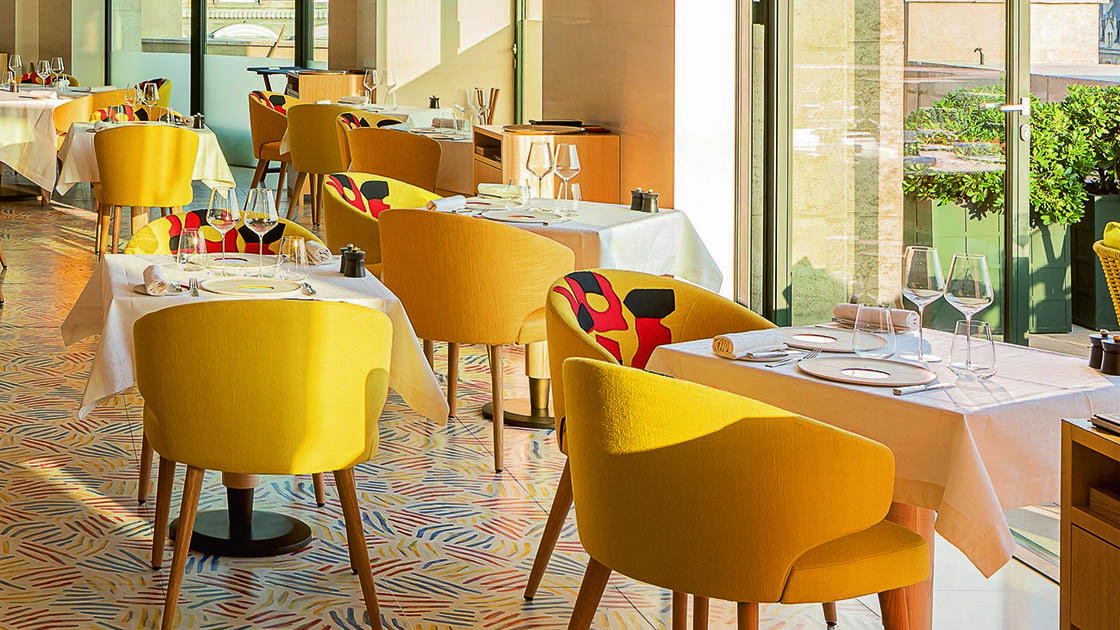
Where the Regulars Return
Solitudestraße runs west through Stuttgart toward the Baroque Solitude Palace, a road more associated with commuters and parkland than with destination dining. Meister Lampe sits along this stretch at number 261, and the address alone tells you something about the restaurant's relationship with its audience: this is not a city-centre table designed for expense-account lunches or visiting critics. The people who eat here tend to know the room, the rhythms, and, often, a few of the faces behind the pass.
That dynamic, a kitchen held in place by loyalty rather than footfall, is one of the more durable formats in German neighbourhood dining. Stuttgart has its share of high-specification tasting-menu rooms: Speisemeisterei and 5 operate at the €€€€ tier with creative and modern menus pitched at a different kind of evening entirely. Meister Lampe's €€ pricing places it in a separate category, one where the test is not innovation but consistency, whether the kitchen delivers the same reliable standard on a Tuesday in February as on a Saturday in October.
Classic Cuisine in a City That Does It Quietly
Stuttgart's relationship with classic cuisine is less visible than its relationship with wine or its engineering identity, but it runs deep. The Swabian kitchen has always favoured precision and restraint over theatrics, and the broader German tradition of Klassische Küche, rooted in French technique, seasonal German produce, and a preference for structure over surprise, has sustained a tier of mid-range restaurants that rarely attract international press but consistently fill their rooms. Hupperts represents the premium expression of that tradition at the €€€€ level; Meister Lampe works the same culinary idiom at a more accessible price point.
Michelin's Plate designation, awarded in 2024 and 2025, is the guide's signal for good cooking that does not yet meet, or does not seek, star criteria. It is a recognition of competence and quality rather than ambition, and in the context of a neighbourhood restaurant on the city's western edge, that framing fits. The Plate, held consecutively, tells the returning regular that the standard is not slipping; it tells the first-time visitor that the kitchen has been independently assessed and found sound.
For comparison, Schwarzwaldstube in Baiersbronn and Vendôme in Bergisch Gladbach anchor the upper end of Germany's classic cuisine hierarchy with multiple stars and substantial price premiums. KOMU in Munich and Maison Rostang in Paris show how the classic idiom extends across the region, each operating in a different price register. The restaurant's position is clearly at the accessible, neighbourhood end of that spectrum, a deliberate place in the market, not a consolation prize.
What Keeps the Room Filled
7 across 251 reviews is not an accident of timing. That volume of reviews, accumulated over time from a restaurant that operates outside the city centre, reflects a consistent return rate rather than a spike driven by a single media moment. The regulars who account for that score are not, in the main, people comparing the restaurant to Der Zauberlehrling or Schweizers Restaurant. They are people for whom this specific address, on this specific road, has become part of a routine.
That kind of loyalty in the €€ tier is earned through repetition of the right things: portions that match expectations, a room that feels the same across visits, a kitchen that does not attempt to surprise when the regulars have come for something familiar. Classic cuisine, at this price point, is an implicit contract between kitchen and guest, one that rewards the restaurant with repeat bookings and rewards the guest with the absence of disappointment.
The same pattern holds at comparable addresses across German cities. JAN in Munich operates at a higher tier with greater creative ambition; ES:SENZ in Grassau pursues destination-dining status in an Alpine context. Neither model is what the restaurant is doing. The Stuttgart restaurant is playing a different, more local game, and by the evidence of its ratings and consecutive Michelin recognition, playing it with some success.
The Neighbourhood Context
Stuttgart's dining geography is not simply centred on the Innenstadt. The city's topography, a bowl-shaped valley surrounded by vine-covered slopes and residential hills, has always distributed good restaurants across its districts rather than concentrating them in one quarter. The western suburbs that run toward Solitude carry a mix of owner-operated restaurants, wine-focused Weinstuben, and the kind of mid-range classics table that has anchored European neighbourhood dining for generations.
Arriving at Solitudestraße 261 from the city centre involves a westward journey that most visitors would not make without a specific reason. That selectivity filters the room: the guests present have chosen this address, not defaulted to it. The absence of phone and website data in the public record suggests a restaurant that operates largely through direct booking and word of mouth, reinforcing the regulars-led dynamic that the review score implies. Anyone planning a visit should approach through direct contact with the venue or through local booking channels.
Planning a Visit
The restaurant sits in the €€ tier, placing it among the more accessible Michelin-recognised options in Stuttgart's wider dining offer.
Recognition, Side-by-Side
Comparable venues nearby, for context on price, style, and recognition.
| Venue | Cuisine | Price | Awards | Notes |
|---|---|---|---|---|
| Meister LampeThis venue — the venue you are viewing | Regional German Fine Dining | $$$ | Michelin Plate | Not listed |
| Zum Ackerbürger Can Basar | Modern Swabian & European | $$$ | Michelin Plate | Berg |
| Vetter. | Swabian-German with Mediterranean influences | $$ | Bib Gourmand | Gablenberg |
| Fässle le Restaurant | Classic French Fine Dining | $$$ | Michelin Plate | Heslach |
| Sansibar by Breuninger | Modern German with Seafood Influences | $$$ | Not listed | Gablenberg |
| Laesâ | Modern Fine Dining | $$$$ | Michelin Plate | Gablenberg |
Recognition history
Dated appearances from independent guides and award organizations, with the underlying list record or original source where available.
Michelin Plate
Michelin · 2026 Michelin Plate
Michelin Plate
Michelin
Michelin Plate
Michelin
Continue exploring
More in Stuttgart
Restaurants in Stuttgart
Browse all →
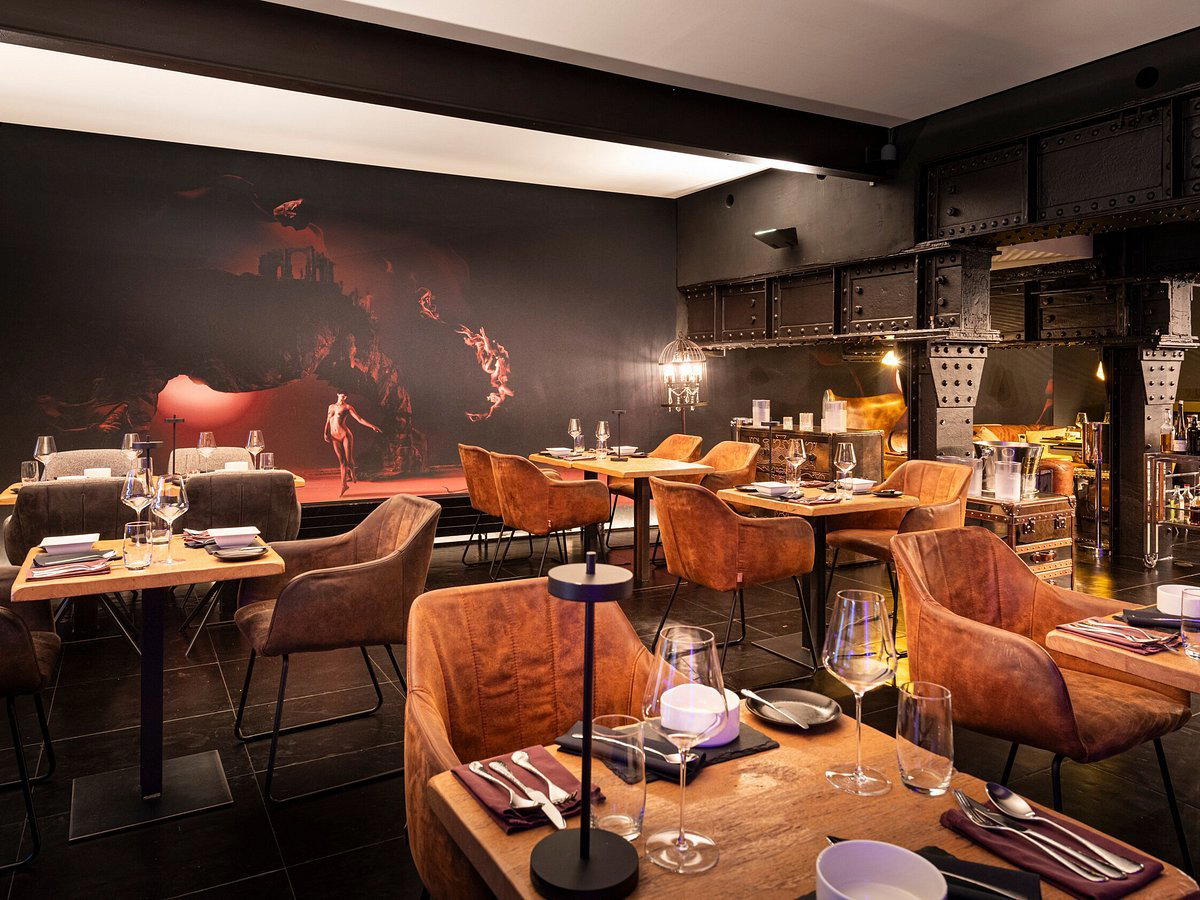
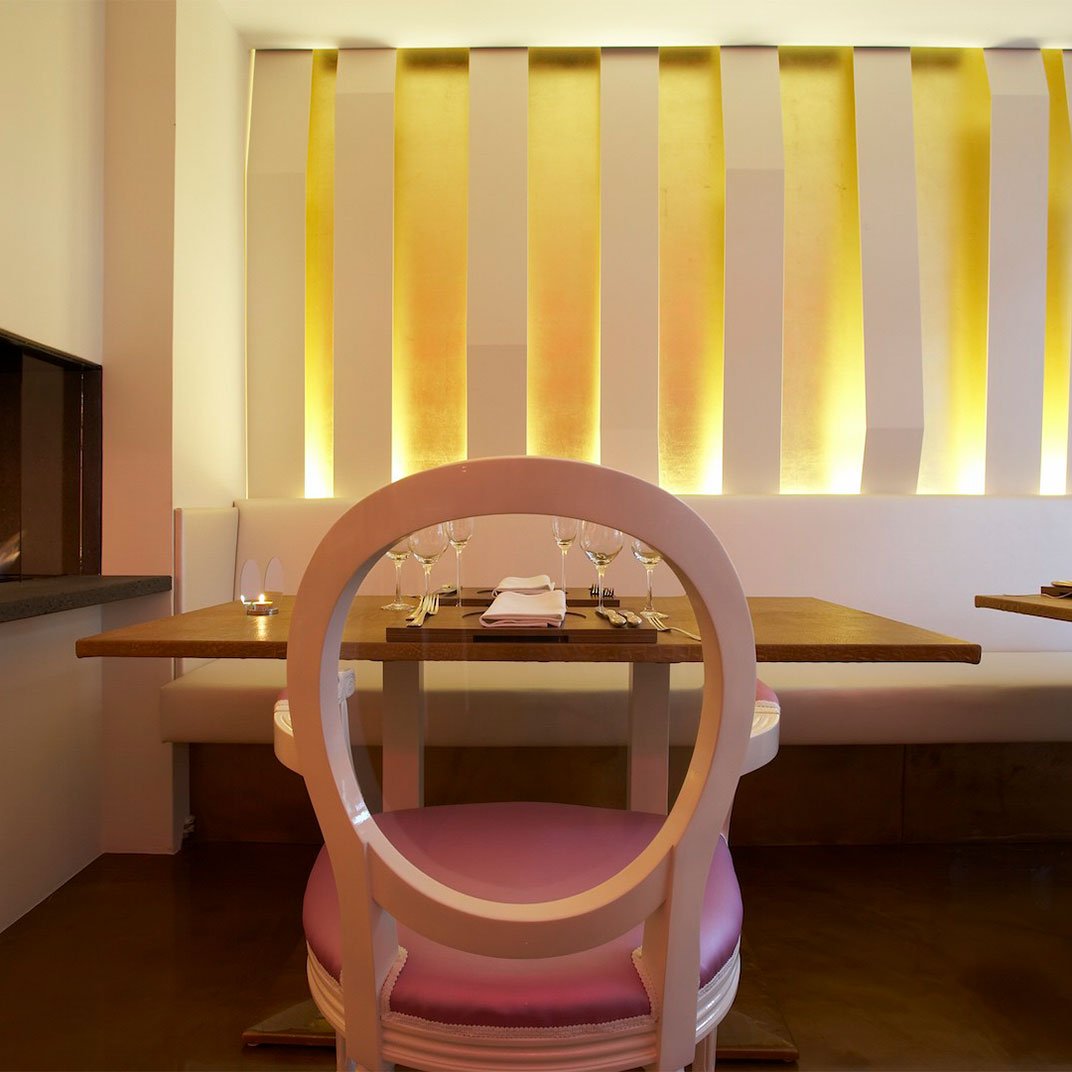
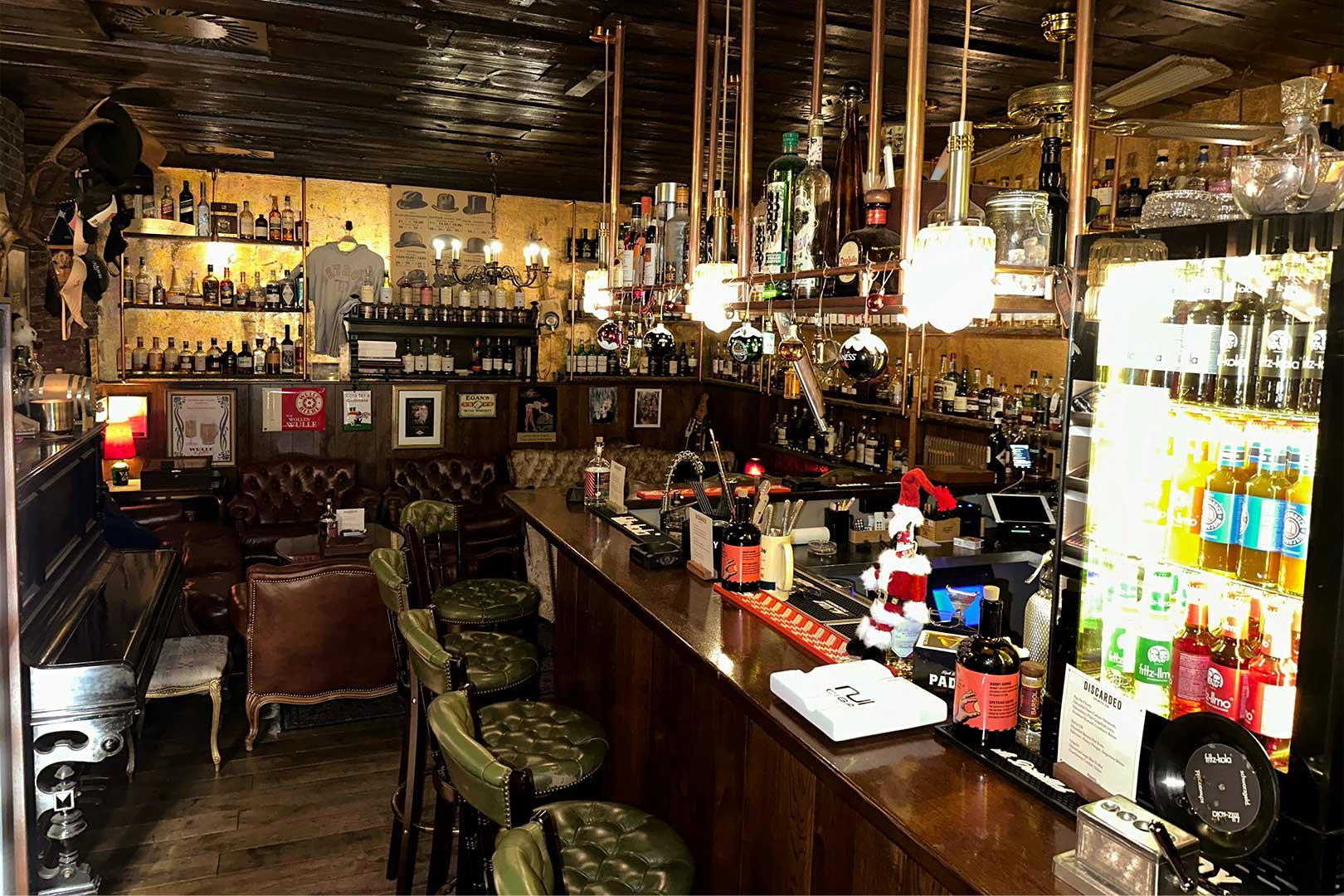
Bars in Stuttgart
Browse all →
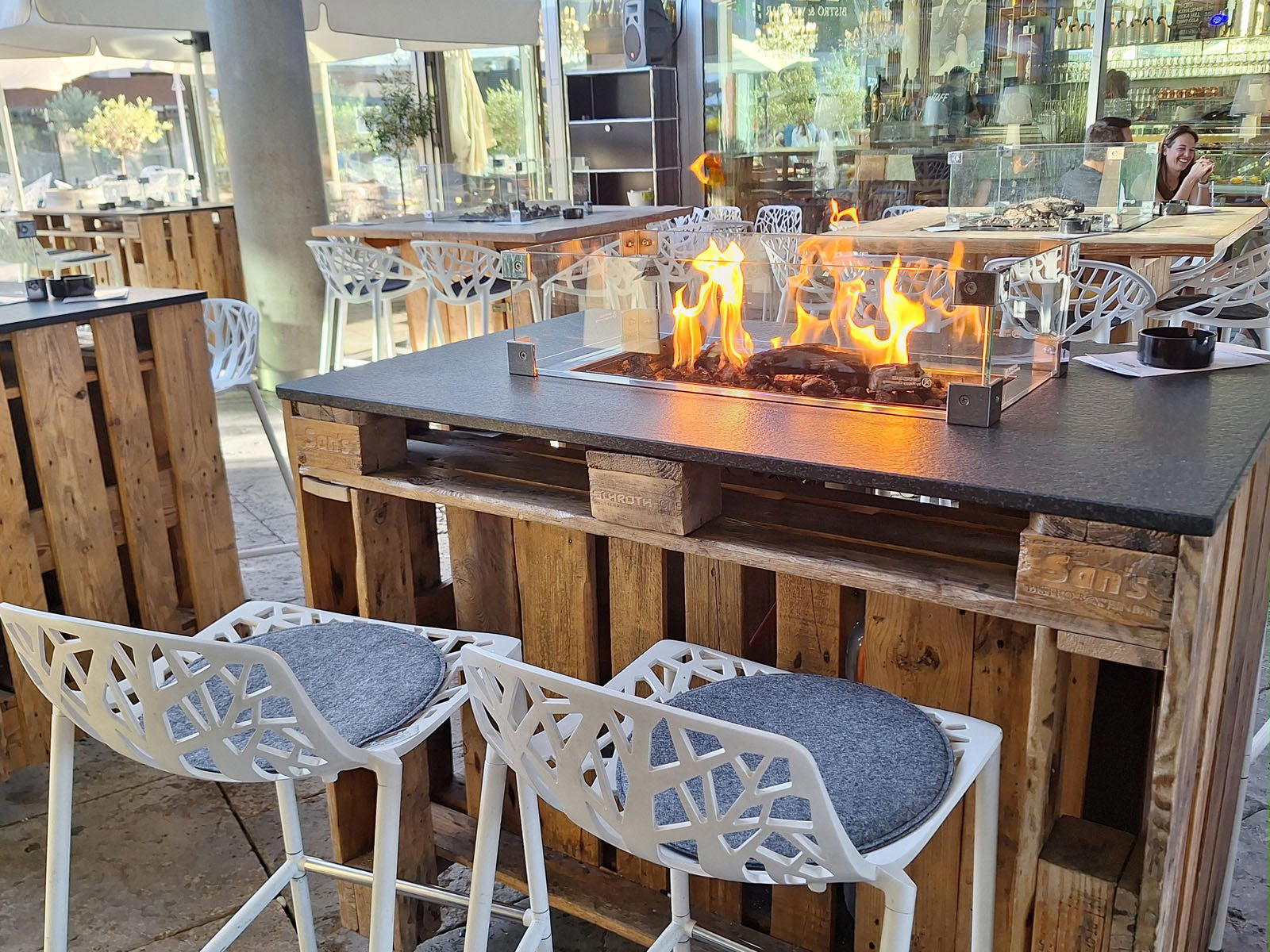
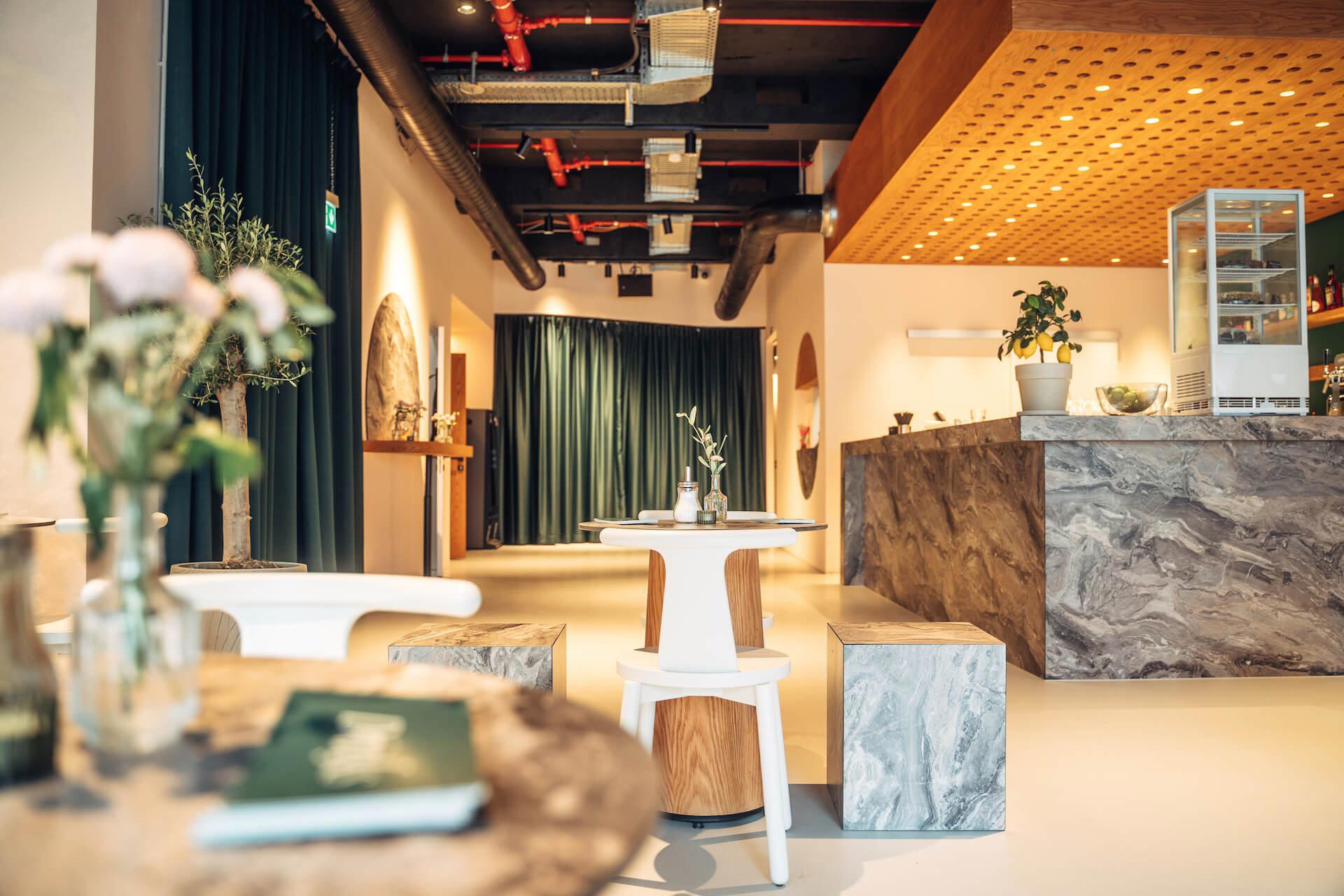
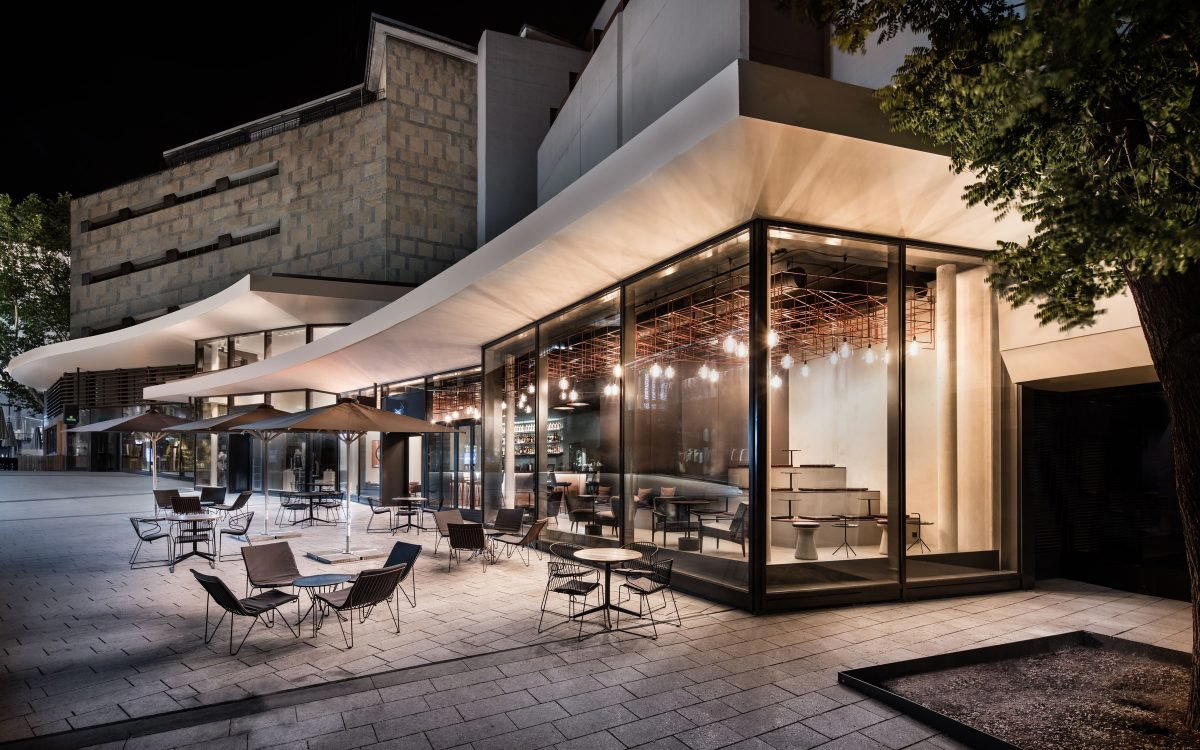
Hotels in Stuttgart
Browse all →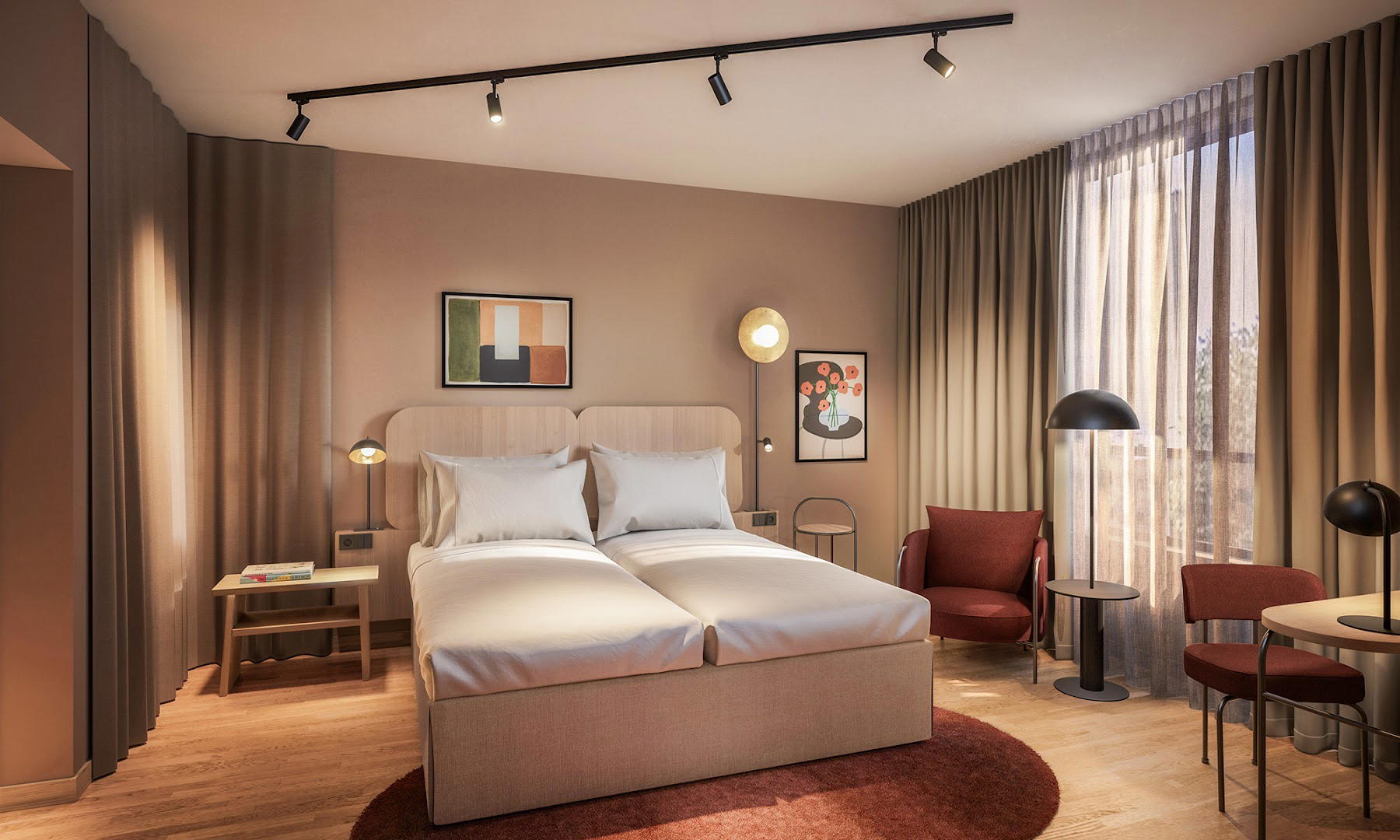

At a Glance
- Cozy
- Intimate
- Elegant
- Date Night
- Special Occasion
- Open Kitchen
- Extensive Wine List
- Local Sourcing
Current opening hours
- Monday
- Closed
- Tuesday
- 6 p.m.–12 a.m.
- Wednesday
- 6 p.m.–12 a.m.
- Thursday
- 6 p.m.–12 a.m.
- Friday
- 6 p.m.–12 a.m.
- Saturday
- 6 p.m.–12 a.m.
- Sunday
- 12–2 p.m.
Hours can change for holidays and private events. Last verified .
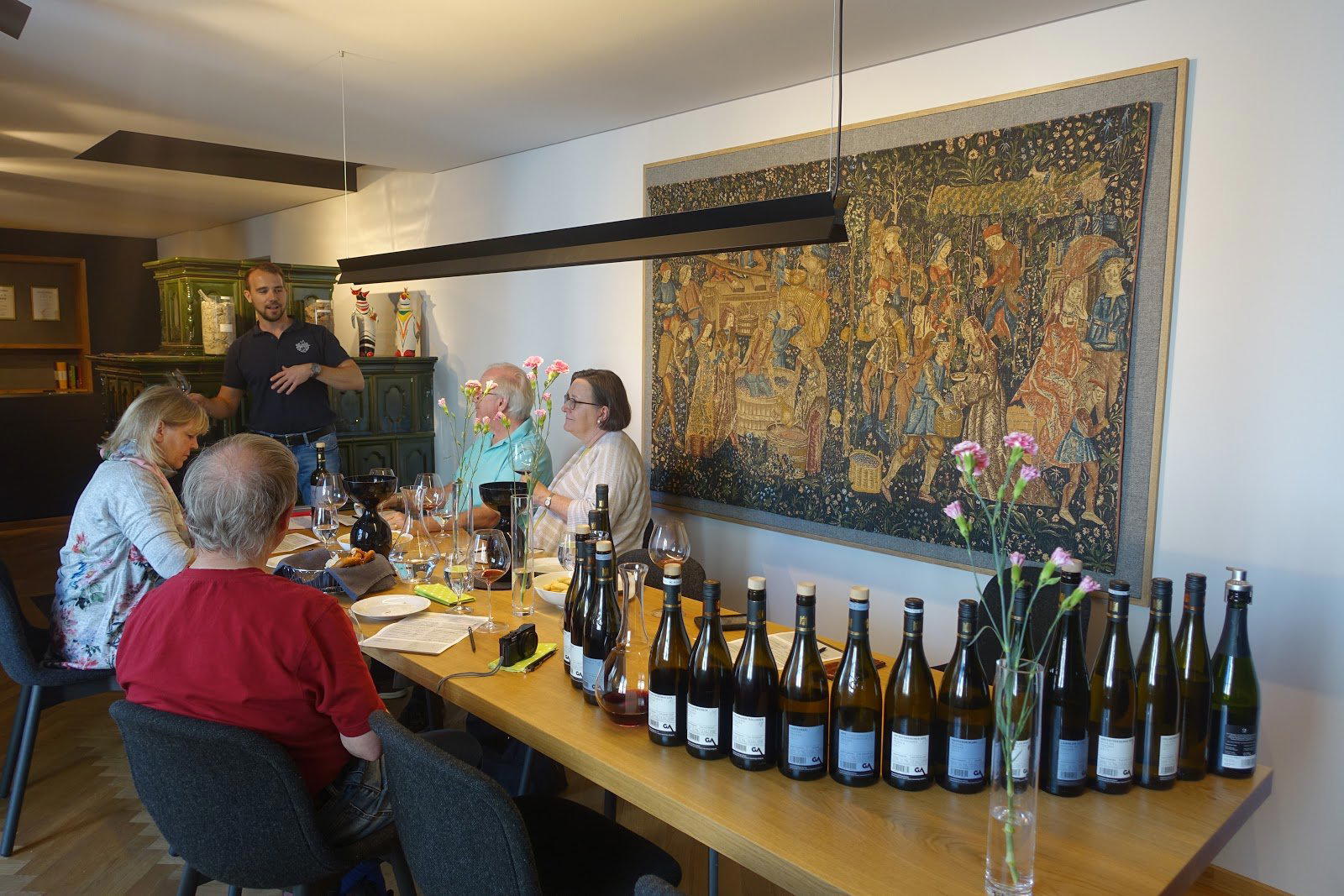
Cozy and welcoming atmosphere created by the cordial host with carefully curated local wines.