
One of Bad Cannstatt's oldest half-timbered buildings houses this long-standing Stuttgart inn, where Can Basar's kitchen balances seasonal and international cooking with enduring classics. The roast beef draws regulars, while four- and five-course set menus offer a more structured way through the kitchen's range. The setting, aged wood, low ceilings, old-world warmth, belongs to a Stuttgart dining tradition that predates the city's modern fine-dining scene.
Pearl is the En Primeur Club membership app — saves, bookings, and concierge access live there. Same editors, same standards.
- Address
- Spreuergasse 38
- Phone
- +49 711 560893
- Website
- ackerbuerger.de
- Directions
- Get directions
 Saves & bookings on Pearl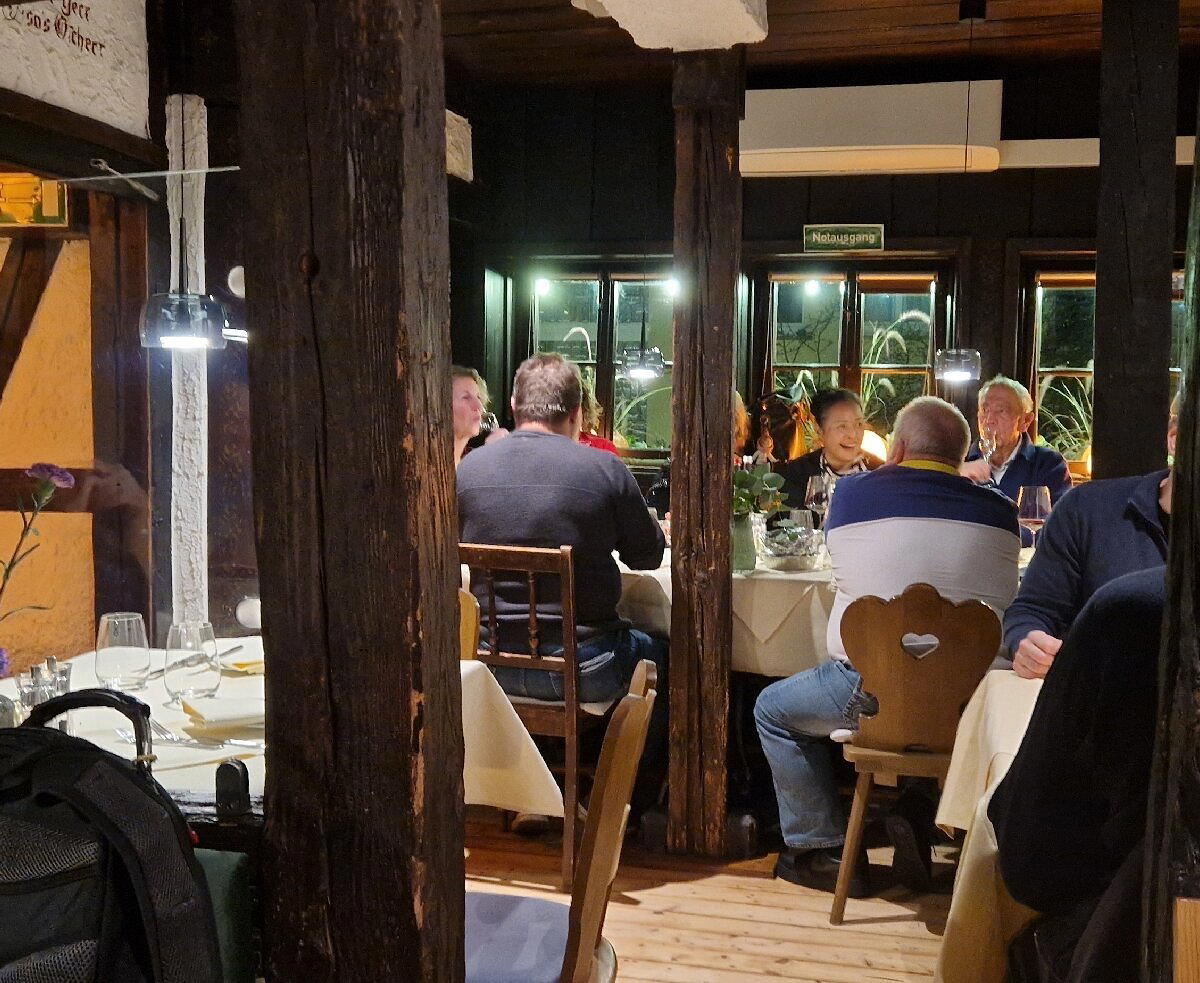
Where the Building Does Half the Work
Bad Cannstatt sits northeast of Stuttgart's city centre, technically a separate town until absorbed into the municipality in 1905, and it retains the character of somewhere that was never trying to be the main event. The neighbourhood's older streets are lined with fabric that reflects several centuries of continuous habitation, and it is in this context that the half-timbered structure at Spreuergasse 38 carries real meaning. The building dates to the 15th century, and arriving here gives you a physical sense of how long people in this part of Württemberg have been sitting down to eat together. Zum Ackerbürger Can Basar is a restaurant in Stuttgart's Bad Cannstatt district, serving modern Swabian and European cooking at about $50 per person. That kind of continuity is not common even in German cities that make much of their heritage.
Inside, the material story continues. Aged wood dominates, in the beams, the panelling, the furniture, and the rooms feel correspondingly compact and warm. This is not the stripped-back minimalism of Stuttgart's newer creative dining rooms, venues like Speisemeisterei or 5, where space and light are part of the design language. The atmosphere here is closer and more overtly historical, in a way that functions as context for the food rather than competing with it.
A Kitchen Grounded in Seasonal Supply
Stuttgart's position in Baden-Württemberg gives it access to some of southern Germany's most reliable agricultural production. The Swabian hinterland supplies grain, root vegetables, and livestock; the Swabian Alb and nearby Black Forest regions add game, mushrooms, and foraged products that shift with the calendar. Kitchens that take seasonal sourcing seriously in this city have genuine material to work with across all four quarters, and the menu at Zum Ackerbürger Can Basar is structured to reflect that availability.
The kitchen operates an à la carte selection alongside four- and five-course set menus. In practice, this means the kitchen can maintain familiar reference points for regulars while using the longer menus to show range and to follow seasonal supply more precisely. The roast beef has established itself as a constant that guests return for specifically, in German inn culture, a dish that holds that status across years tends to do so because execution is consistent rather than because the dish itself is novel. That kind of reliability is a different value proposition from the progressive tasting format you find at, say, Der Zauberlehrling or Délice, and it serves a different purpose in the city's dining spread.
Can Basar's background across several kitchens before taking the helm here feeds into that range. The result is a menu that does not restrict itself to regional Swabian categories but retains the seasonal discipline that makes local sourcing coherent rather than decorative.
Can Basar's Position in Stuttgart's Kitchen Hierarchy
Stuttgart's fine-dining tier is anchored by multi-star operations and high-concept creative formats. Hegel Eins represents the modern cuisine end of the spectrum; the city's €€€€ bracket includes venues where tasting menus and technical ambition are the primary draw. Zum Ackerbürger Can Basar does not compete in that register. It operates as a serious inn-format restaurant, the German Gasthaus tradition, taken to a level of kitchen competence that puts it above neighbourhood casual dining without positioning it as a destination for tasting-menu tourism.
That placing in the market matters because it reflects a different kind of culinary discipline. Cooking that is rooted in seasonal sourcing and built around à la carte execution at a consistent standard across many sittings is not an easier task than tasting-menu work, it is a different craft. Germany's larger dining scene rewards this format across cities: Aqua in Wolfsburg and Schwarzwaldstube in Baiersbronn occupy entirely different tiers, but both signal that Germany's restaurant culture is deep enough to sustain many formats simultaneously. The restaurant is the format that most cities actually need more of.
Planning a Visit
Spreuergasse 38 in Bad Cannstatt is accessible from central Stuttgart via the S-Bahn line that connects the main station with Cannstatt in under ten minutes, which makes the inn a viable choice for an evening that does not require crossing the city on foot. The half-timbered building is visible from the street and the neighbourhood retains enough of its older fabric to make the walk from the station worthwhile rather than perfunctory. Given the inn's established reputation locally and the finite seating that older buildings of this type tend to impose, booking ahead is the practical approach, particularly for the set-menu formats, where the kitchen sequences courses for the full table.
In Context: Similar Options
Comparable venues nearby, for context on price, style, and recognition.
| Venue | Cuisine | Price | Awards | Notes |
|---|---|---|---|---|
| Zum Ackerbürger Can BasarThis venue — the venue you are viewing | Modern Swabian & European | $$$ | Michelin Plate | Not listed |
| Meister Lampe | Regional German Fine Dining | $$$ | Michelin Plate | Weilimdorf |
| Wirtshaus Hasen | Traditional Swabian Gasthaus | $$ | Not listed | Gaisburg |
| Zur Linde | Traditional Swabian German | $$$ | Bib Gourmand | Möhringen |
| Bellevue | Modern Regional German with Vegan Options | $$$ | Not listed | Berg |
| Rotenberger Weingärtle | Modern Swabian | $$$ | Not listed | Obertuerkheim |
Recognition history
Dated appearances from independent guides and award organizations, with the underlying list record or original source where available.
Michelin Plate
Michelin · 2026 Michelin Plate
Continue exploring
More in Stuttgart
Restaurants in Stuttgart
Browse all →
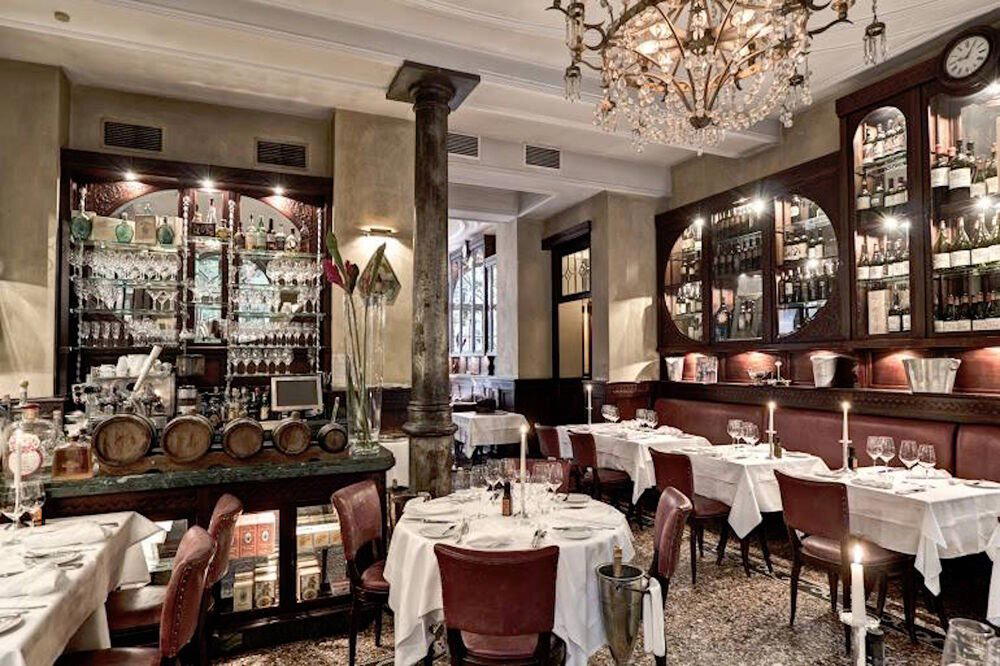
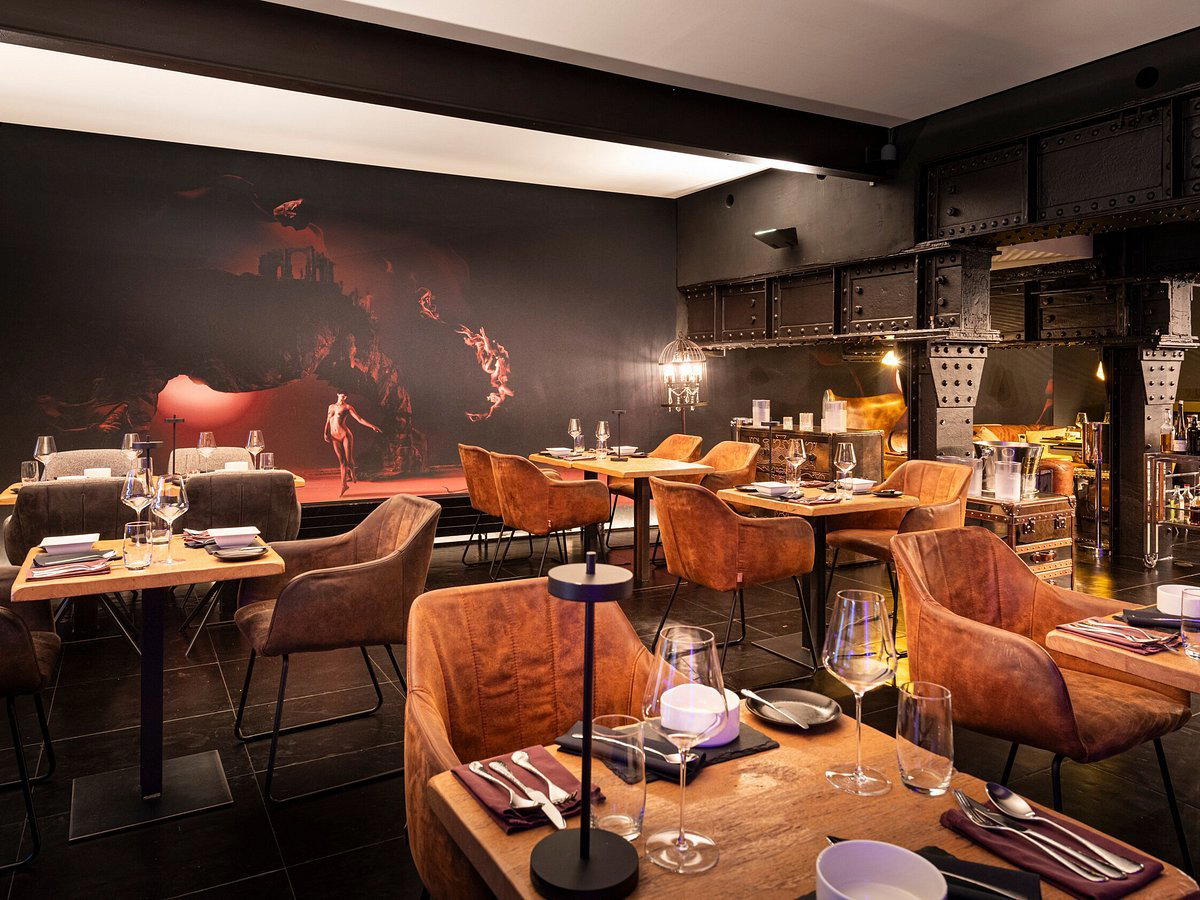
Bars in Stuttgart
Browse all →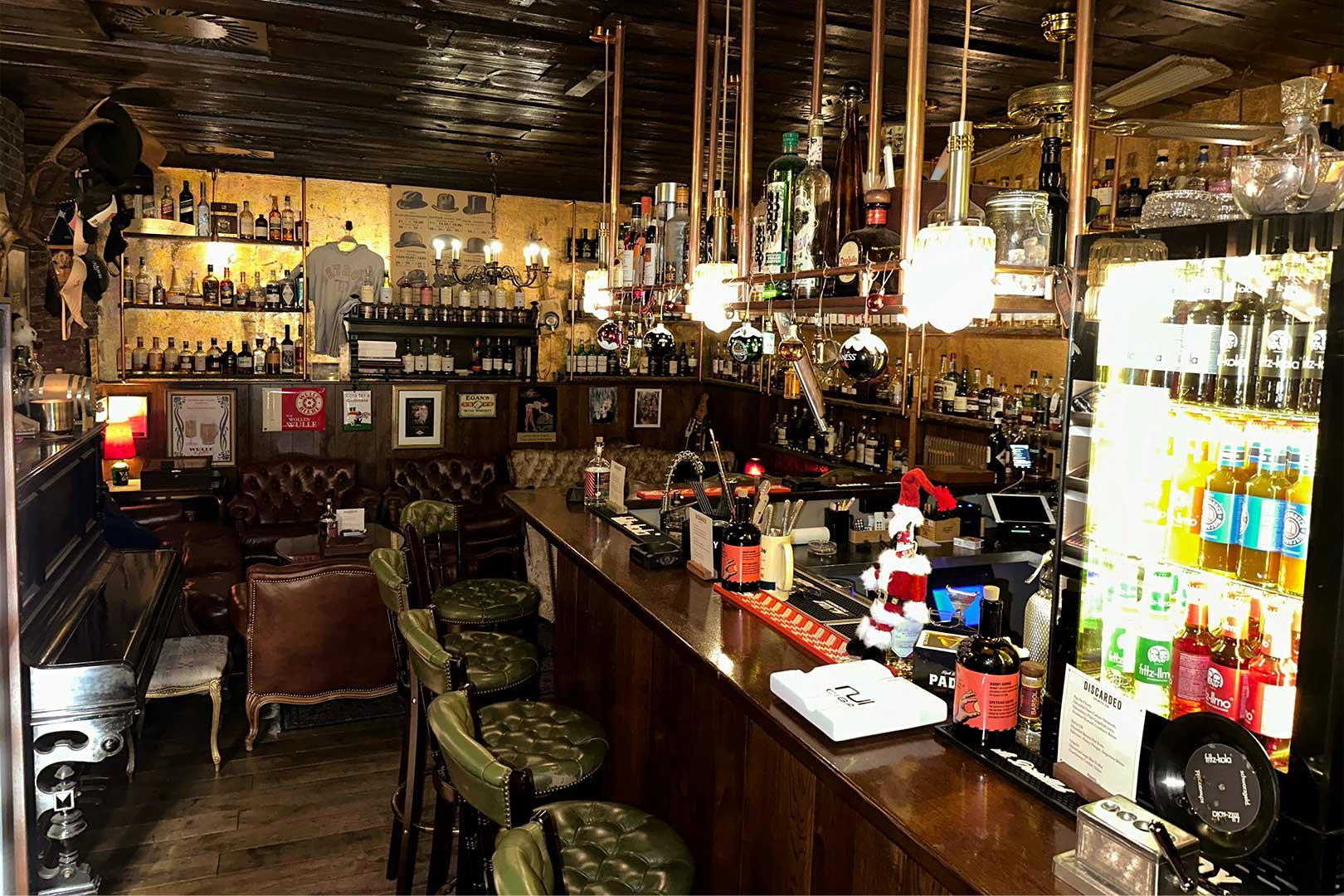
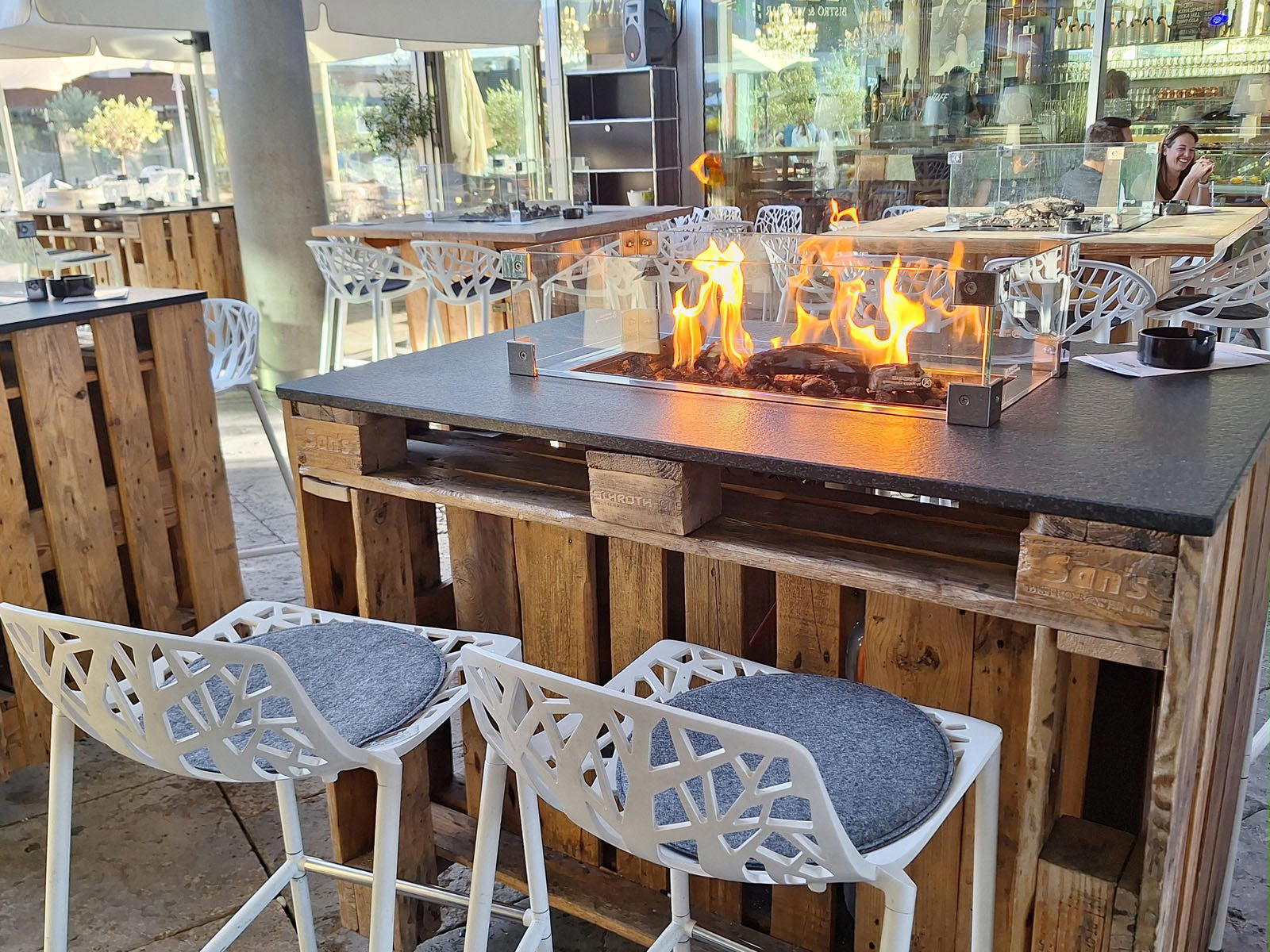

Hotels in Stuttgart
Browse all →

At a Glance
- Rustic
- Cozy
- Romantic
- Classic
- Intimate
- Date Night
- Special Occasion
- Celebration
- Group Dining
- Historic Building
- Private Dining
- Extensive Wine List
- Beer Program
- Local Sourcing
Current opening hours
- Monday
- Closed
- Tuesday
- 5 PM–12 AM
- Wednesday
- 5 PM–12 AM
- Thursday
- 5 PM–12 AM
- Friday
- 5 PM–12 AM
- Saturday
- 5 PM–12 AM
- Sunday
- 12 PM–12 AM
Hours can change for holidays and private events. Last verified .
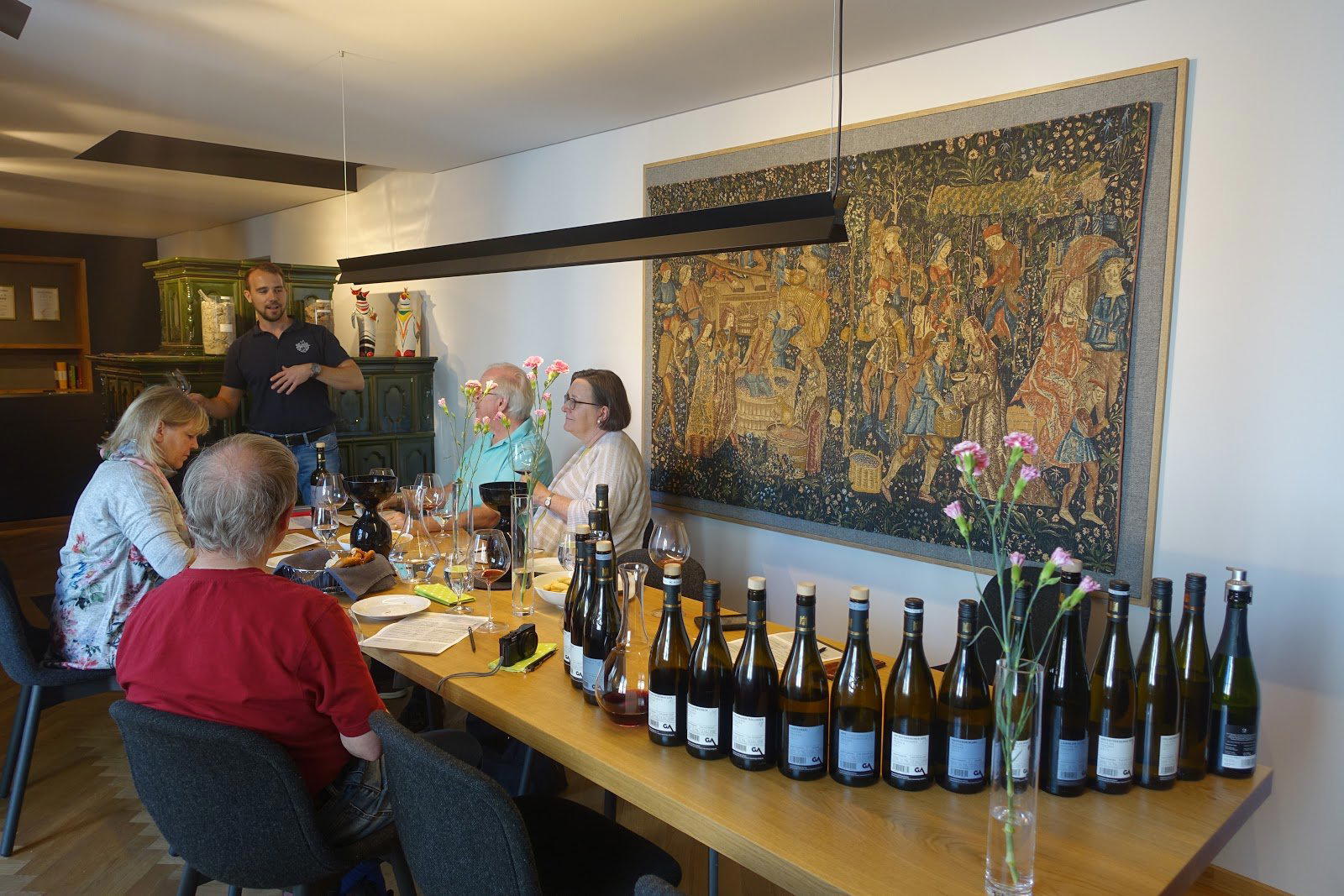
Cozy and rustic with aged wood, low wooden beams, and charming old-world atmosphere evoking a traditional German dining room; intimate and authentic with historic architectural details.