Mee Sapam
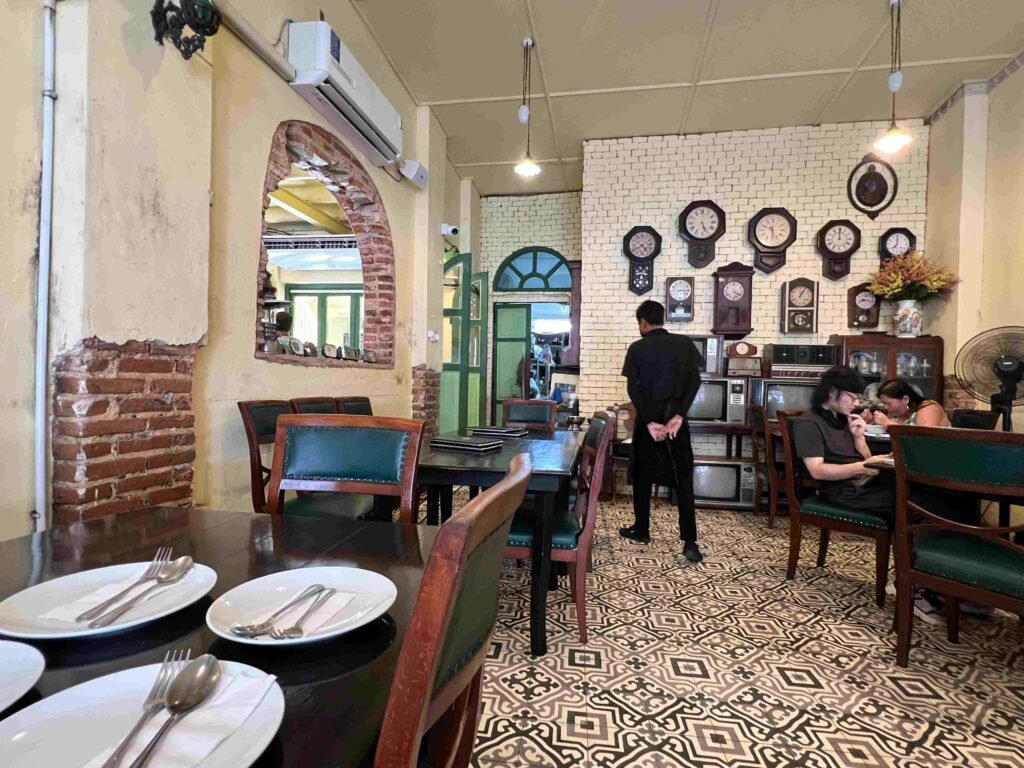
Mee Sapam sits on Thep Krasattri Road in Ko Kaeo, on the quieter eastern fringe of Mueang Phuket district. The name points toward a hyper-local identity rooted in the culinary traditions of Phuket's interior rather than its resort-facing coastline. For visitors exploring beyond the tourist circuit, it represents the kind of neighbourhood eating that defines everyday food culture in Southern Thailand.
Pearl is the En Primeur Club membership app — saves, bookings, and concierge access live there. Same editors, same standards.
- Address
- 56/8 Thep Krasattri Rd, Ko Kaeo, Mueang Phuket District, Phuket 83000, Thailand
- Phone
- +6676377595
- Website
- facebook.com
- Directions
- Get directions
 Saves & bookings on Pearl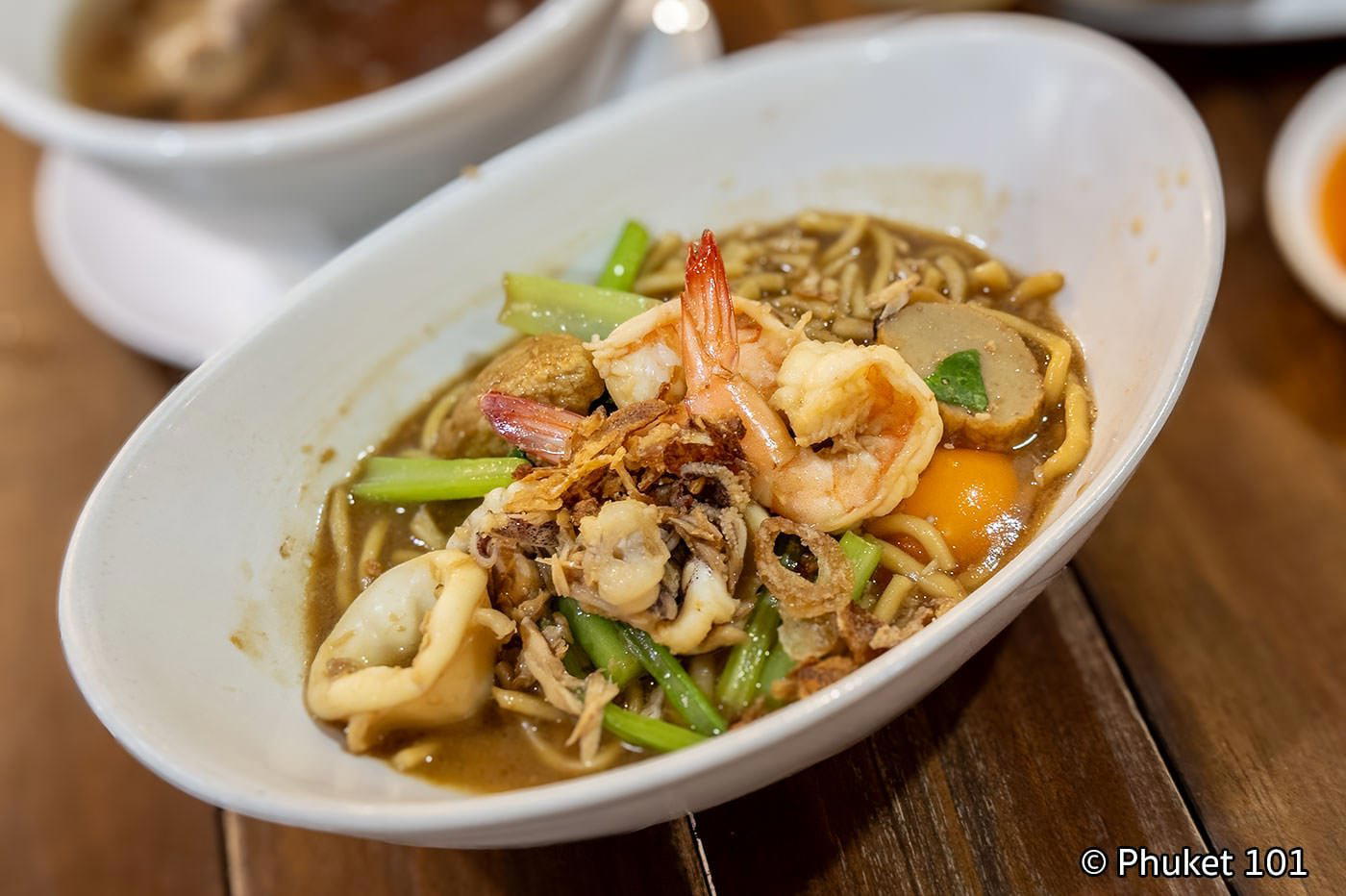
Where Phuket Eats When It Isn't Performing for Tourists
The stretch of Thep Krasattri Road running through Ko Kaeo sits at a remove from Phuket's hotel-dense west coast. Traffic here moves between the airport corridor and the working districts of Mueang Phuket rather than between beach clubs and marina restaurants. That geography matters: venues on this road tend to serve a local clientele with a local frame of reference, and the cooking at places like Mee Sapam reflects the expectations of that audience rather than the softened, internationalized palates that drive menus closer to Patong or Kamala.
Southern Thai food is among the more distinct regional cuisines in the country. The flavour profile runs harder and more aggressive than central Thai cooking: more turmeric, more dried spice, more fermented shrimp paste, and a heat level that rarely makes concessions. The curries that define the south, from gaeng tai pla to massaman in its original inland form, carry a depth built on ingredients that take time and knowledge to balance. This is a cuisine where shortcuts announce themselves immediately, and where regulars have strong opinions about whose version of a dish they will accept. That peer pressure from a knowledgeable local base tends to keep standards higher than in tourist-adjacent kitchens where the feedback loop is slower and more forgiving.
The Thep Krasattri Road Food Corridor
Ko Kaeo and the surrounding sub-district form a kind of functional middle ground in Mueang Phuket: close enough to the city centre to draw working residents, far enough from the beach strip that the commercial pressure to anglicise menus is largely absent. The address at 56/8 Thep Krasattri Road places Mee Sapam within a zone where food spending is governed by local purchasing power rather than tourist margins, which typically means smaller bills, no-frills service formats, and cooking calibrated to repeat customers who know exactly what they want.
This pattern holds across Southern Thailand's provincial capitals. The interesting eating in Hat Yai, Nakhon Si Thammarat, or Surat Thani tends to cluster not at waterfront promenades or hotel dining rooms but in the residential-commercial corridors where commuters eat breakfast before seven and families share late lunches. Phuket's tourist industry has pulled attention so firmly toward the beach side of the island that its inland and eastern neighbourhoods remain largely unmapped by the international food press, even as those areas sustain a dense ecosystem of local restaurants operating at a different quality register than the resort belt.
For comparison, PRU in Phuket operates at the formal fine-dining end of the island's spectrum, with a farm-driven tasting menu that targets the luxury hotel guest. Mee Sapam occupies the opposite position in that local food economy: the kind of address that doesn't need a booking page or a marketing budget because the neighbourhood already knows where it is.
Southern Thai Cuisine and Its Cultural Weight
The name Mee Sapam references a specific noodle tradition associated with Phuket and the surrounding Phang Nga coastal zone. Mee (หมี่) in Southern Thai contexts typically refers to thin wheat or egg noodles prepared in styles distinct from the rice-noodle dominance of central Thailand. Sapam itself is a place name connected to the region, reinforcing a hyper-local identity that positions this as a dish belonging to a specific geography rather than to Thai cuisine in the general sense.
This kind of named-place food identity is common across Southern Thailand, where village-level specialties retain strong associations with their origin points. Dishes travel with their source names attached, functioning as both a culinary descriptor and a provenance claim. The practice resembles, in a looser form, the denominazione logic of European regional food traditions: the name carries information about technique, ingredient sourcing, and cultural inheritance. At Sorn in Bangkok, that Southern Thai specificity has been formalized into a high-end tasting menu format that has earned significant critical recognition. The restaurant operates at the other end of that same tradition, where the cooking exists in its original everyday context rather than as a curated representation of it.
For readers tracing similar local food cultures elsewhere in Thailand, Cherng Doi Roast Chicken in Chiang Mai and Loet Rot in Mueang Chiang Mai demonstrate how Northern Thai place-based food identities operate along comparable lines: named after villages or roads, sustained by local loyalty, and largely invisible to visitors who don't venture past the tourist infrastructure.
Reading the Mueang Phuket Dining Scene
Mueang Phuket district contains a wider range of eating options than its tourist-facing reputation suggests. The old town around Thalang Road carries the Sino-Portuguese food heritage that defines Phuket's historical identity, with specialties like o-tao (oyster omelette) and mee hokkien that trace directly to the island's Chinese-immigrant communities. The Ko Kaeo area, further east along the main arterial roads, represents a newer residential layer of the district's food culture, populated by spots serving working residents rather than heritage tourists.
Across the wider Thai south, comparable local-register addresses include AKKEE in Pak Kret, The Spa in Lamai Beach, DEVASOM BEACH GRILL in Takua Pa, and Khok Kloi Bami Tom Yam Khai in Takua Thung, each anchored in its own sub-regional food tradition. Further afield, Little Edo Suratthani in Mueang Surat Thani and Krua Laew Tae R-Rom in Pattaya illustrate how provincial Thai cities build their own independent dining ecosystems. For contrast at the international fine-dining level, Le Bernardin in New York City and Atomix in New York City occupy a tier where the cultural-rootedness argument runs through a different kind of institution.
Planning a Visit
The restaurant is a casual Traditional Phuket Hokkien the restaurant restaurant at 56/8 Thep Krasattri Rd, Ko Kaeo, Mueang Phuket District, Phuket 83000, Thailand. The Ko Kaeo area is most easily reached by private car or ride-share from central Phuket town; the address sits along the main northern arterial that connects the city to the airport, making it a natural stop for travellers moving between the two. Walk-in is the standard mode of access. As with most local-format restaurants of this type across Southern Thailand, arriving during standard Thai meal hours, particularly at lunch, gives a stronger chance of finding the kitchen open. The restaurant opens daily from 8 AM to 5 PM.
Cost and Credentials
Comparable venues nearby, for context on price, style, and recognition.
| Venue | Cuisine | Price | Notes |
|---|---|---|---|
| Mee SapamThis venue — the venue you are viewing | Not listed | $ | Not listed |
| Kruvit Raft | Ko Kaeo, Southern Thai Seafood Raft | $$$ | Not listed |
| Salaloy | Rawai, Thai Seafood | $$ | Not listed |
| ก๋วยเตี๋ยวปีนรั้ว | Not listed | $ | สาทร, ก๋วยเตี๋ยวหมูแบบดั้งเดิม |
| Kao Soi Samer Jai (ข้าวซอยเสมอใจ) | Wat Ket, Northern Thai Khao Soi | $ | Not listed |
| Kaw Kha Moo Chang Phuek | Chang Phueak, Thai Braised Pork Leg Rice | $ | Not listed |
Continue exploring
More in Mueang Phuket
Restaurants in Mueang Phuket
Browse all →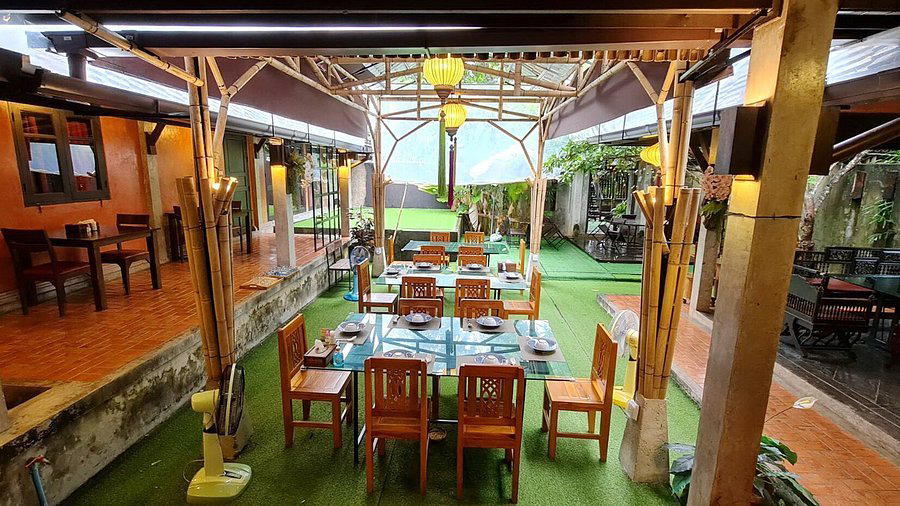
Bars in Mueang Phuket
Browse all →


At a Glance
- Casual
- Cozy
- Rustic
- Casual Hangout
- Family
- Standalone
- Historic Building
- Local Sourcing
Current opening hours
- Monday
- 8 AM–5 PM
- Tuesday
- 8 AM–5 PM
- Wednesday
- 8 AM–5 PM
- Thursday
- 8 AM–5 PM
- Friday
- 8 AM–5 PM
- Saturday
- 8 AM–5 PM
- Sunday
- 8 AM–5 PM
Hours can change for holidays and private events. Last verified .