Khok Kloi Bami Tom Yam Khai
In Khok Kloi, a small district town in Phang Nga province, this noodle shop anchors itself in the bami tom yam tradition that defines everyday eating across Southern Thailand. The name says exactly what arrives at the table: egg noodles in a tom yam broth, built from the same aromatic base that has structured Southern Thai cooking for generations. For travellers moving between Phuket and Khao Lak, it reads as a reliable, unadorned stop.
Pearl is the En Primeur Club membership app — saves, bookings, and concierge access live there. Same editors, same standards.
- Address
- 6 10, Khok Kloi, Takua Thung District, Phang Nga 82140, Thailand
- Phone
- +66630235361
- Directions
- Get directions
 Saves & bookings on Pearl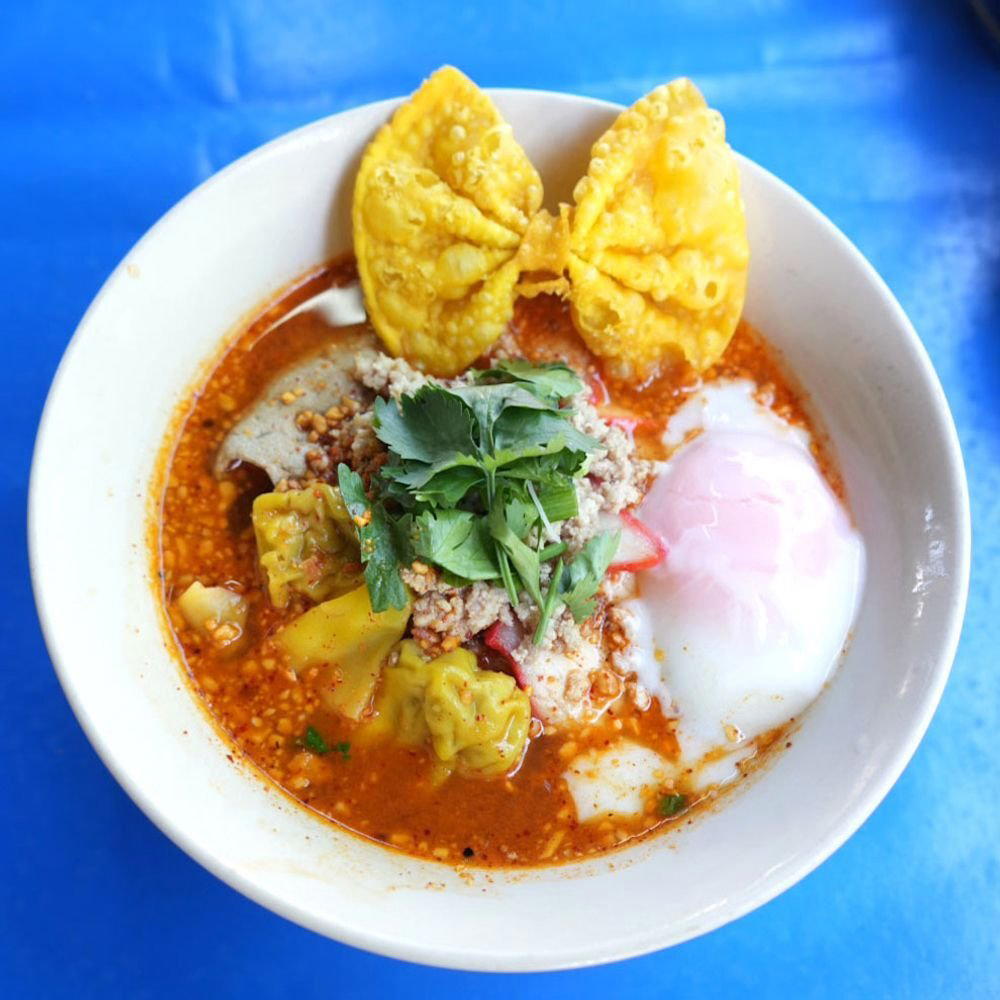
Roadside Cooking and the Southern Thai Noodle Tradition
Southern Thailand's roadside eating culture operates on a different register from the tasting-menu scene that draws most international attention to Thai cuisine. While Bangkok's upper-end restaurants, places like Sorn, which has built a high-profile case for Southern Thai ingredients at formal price points, have made the region's pantry legible to a global audience, the cooking that actually structures daily life here looks nothing like that. It happens at open-fronted shops on provincial roads, where a single dish is prepared in volume, the broth kept going through the day, and the price is set at a level that makes it accessible to everyone who passes through.
Khok Kloi Bami Tom Yam Khai sits inside that tradition. Located at 6/10 in the Khok Kloi subdistrict of Takua Thung District, Phang Nga, the shop occupies a stretch of road that most visitors to the region pass without stopping, focused as they are on reaching either Phuket to the south or Khao Lak and Phang Nga town to the north. That transit geography is, in a sense, what defines the place: it exists for the people who already know to stop, not for those who are looking for a reason to.
Bami Tom Yam: What the Dish Is and Where It Comes From
Tom yam as a broth structure is often reduced, in international shorthand, to the version served in tourist-facing restaurants: bright, sharp, heavy on lemongrass and galangal, sometimes thickened with coconut milk. The bami tom yam format strips that back. Egg noodles, bami, the yellow wheat-and-egg noodles that arrived via Chinese migration and became thoroughly integrated into Southern Thai eating, are served in a clear or semi-clear tom yam broth, with the aromatic base doing the work rather than a heavy sauce or paste. The khai in the name signals egg, typically a boiled egg that completes the bowl.
This format has deep roots in the Chinese-Thai communities that shaped the food culture of Phang Nga province. The province sits in a corridor where Hokkien and Teochew migration layered onto existing Malay and Mon-Khmer food traditions, producing a hybrid cuisine that is neither purely Thai nor purely Chinese but thoroughly itself. Bami noodle shops are one of the clearest expressions of that layering: the noodle form is Chinese, the broth aromatics are Thai, and the habit of eating it at a roadside stall at any hour of the day is simply local.
Ingredient Logic at This Level of Cooking
The editorial angle that applies to places like this one is ingredient sourcing, and here the logic is direct rather than curated. PRU in Phuket built its identity around a farm-to-table structure that names its suppliers and traces its produce. That approach makes sense at that price point and with that audience. At a provincial noodle shop, the sourcing logic is different but no less real: the aromatics, lemongrass, kaffir lime leaf, galangal, come from the same agricultural supply chains that feed Phang Nga's domestic markets, and the proximity of those markets to the shop means the ingredients are, by default, fresh and regional. There is no cold-chain abstraction between a local farm and a shop like this one. The shrimp paste, the chillies, the herbs: these travel short distances.
That proximity is not marketed as a virtue here, because it does not need to be. It is simply the condition of cooking in a province where the ingredients grow nearby. Compare this to the way places like AKKEE in Pak Kret or Khao in Mae Rim engage with Northern and Central Thai produce at a more self-conscious level, and the contrast clarifies what is distinctive about provincial Southern cooking: the connection to local ingredients is structural, not aspirational.
Where This Fits in the Wider Southern Eating Map
Phang Nga province is not a dining destination in the way that Phuket or Chiang Mai are. It does not have a cluster of internationally recognised restaurants or a food festival circuit. What it has is a functioning local food culture that operates largely outside tourist infrastructure. Khok Kloi as a subdistrict sits between the Phuket airport corridor and the quieter stretches of coast around Khao Lak, which gives it a practical relevance for travellers doing that route overland rather than by air or transfer.
The regional comparison set for a shop like this is not the Michelin-starred Southern Thai restaurants of Bangkok, nor the resort dining found at properties along the Andaman coast such as DEVASOM BEACH GRILL in Takua Pa. The honest comparable set is other provincial noodle shops: the kind of place where a bowl of bami tom yam costs a fraction of a resort lunch, where the format has not changed in decades, and where the quality floor is set by the consistency of the broth rather than by any tasting menu logic. In that peer group, shops that have sustained a local following over years carry a form of credibility that no award can replicate, because their audience is not forgiving in the way a tourist audience might be.
Other regional eating registers worth knowing include Little Edo Suratthani in the neighbouring Surat Thani province, which represents a different culinary import tradition, and Loet Rot in Chiang Mai, which shows how Northern Thai street-level cooking handles its own noodle traditions. Cherng Doi Roast Chicken in Chiang Mai and Hoy Tord Chao Lay offer different but instructive comparisons across Thai food culture.
Planning a Stop Here
Khok Kloi Bami Tom Yam Khai is on the main road through Khok Kloi subdistrict in Takua Thung District, Phang Nga province, at the address 6/10, Khok Kloi. The format is walk-in, order at the counter or table, eat, and pay.
How It Stacks Up
Comparable venues nearby, for context on price, style, and recognition.
| Venue | Cuisine | Price | Notes |
|---|---|---|---|
| Khok Kloi Bami Tom Yam KhaiThis venue — the venue you are viewing | Authentic Thai Tom Yum Noodles | $ | Not listed |
| Thai Food & Noodle by Billion Zone | Thai Noodles | $ | Bang Phli |
| Je Aoun Chicken Rice (ข้าวมันไก่เจ๊อ้วน) | Thai Chicken Rice (Khao Man Gai) | $ | Chatuchak |
| Cherng Doi Roast Chicken (ไก่ย่างเชิงดอย) | Northern Thai Roast Chicken | $ | Su Thep |
| Sirichai Khao Man Gai | Northern Thai Khao Soi & Khao Man Gai | $ | Chiang Mai Old Town |
| โกวนัน แซ่บถึงใจ | Thai Street Food - Spicy Noodles & Tom Sab | $$ | Lat Phrao Wang Hin |
Continue exploring
More in Takua Thung
Restaurants in Takua Thung
Browse all →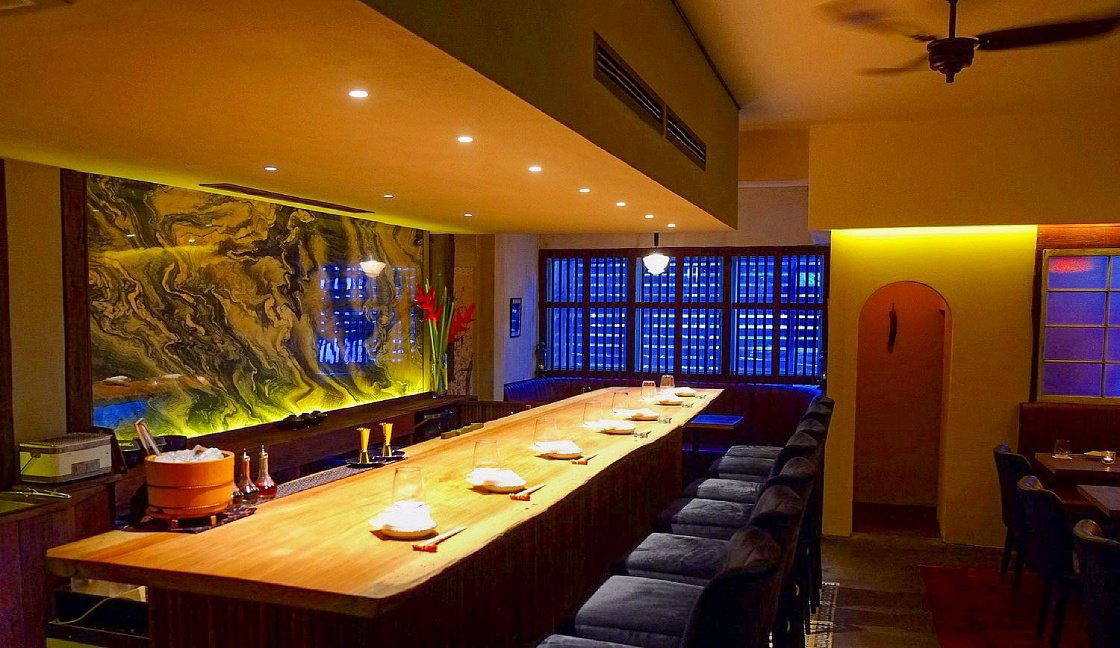
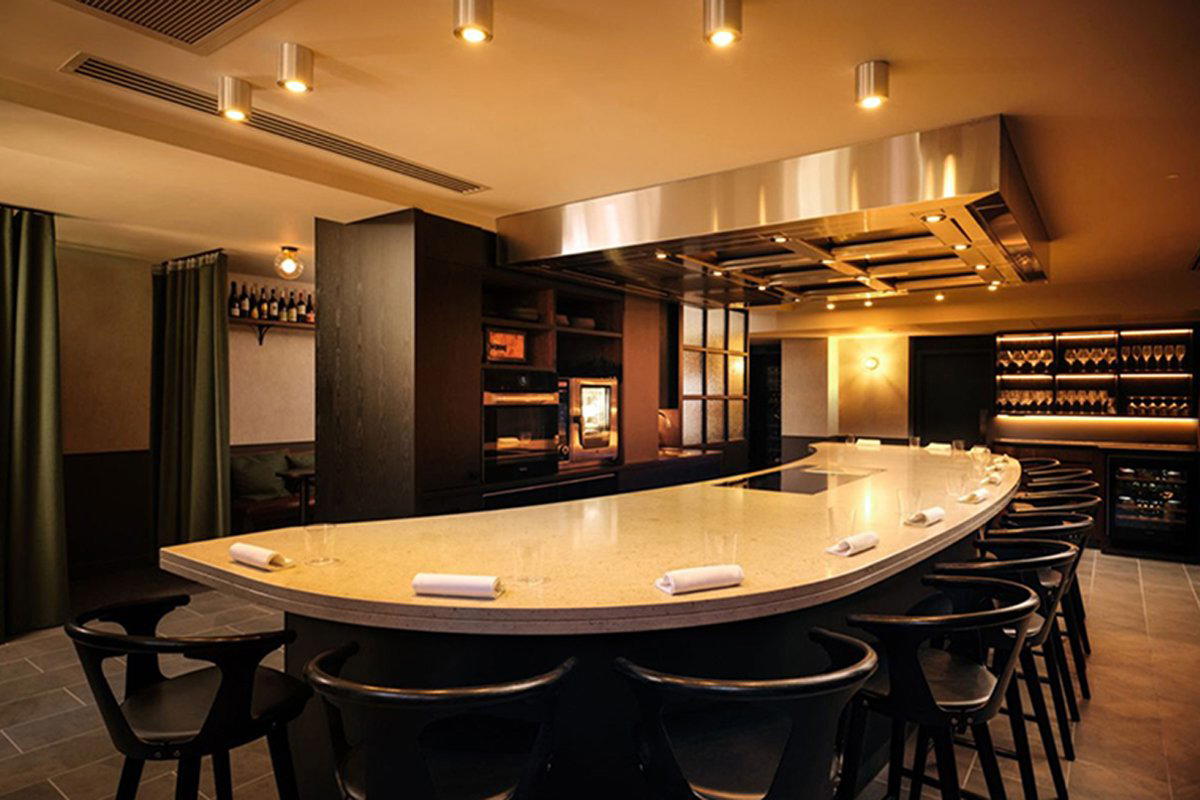
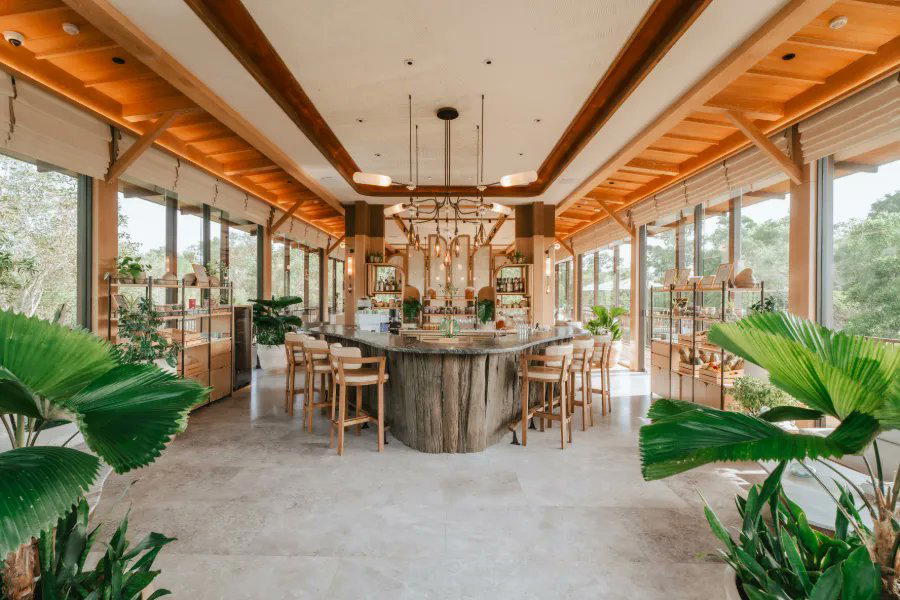
Bars in Takua Thung
Browse all →




At a Glance
- Cozy
- Rustic
- Casual Hangout
- Family
Current opening hours
- Monday
- 7:30 AM–4 PM
- Tuesday
- Closed
- Wednesday
- 7:30 AM–4 PM
- Thursday
- 7:30 AM–4 PM
- Friday
- 7:30 AM–4 PM
- Saturday
- 7:30 AM–4 PM
- Sunday
- 7:30 AM–4 PM
Hours can change for holidays and private events. Last verified .
Cozy and casual street stall atmosphere with aromas of spices and fresh ingredients.