Our verdict
Salaloy sits along Wiset Road in Rawai, one of Phuket's more locally oriented southern districts, where the eating culture runs closer to fishing-village tradition than resort-strip convenience. The restaurant occupies a stretch of coastline that has long drawn Thais rather than tourists, placing it in a different register from the island's hotel-dining circuit. Expect the pacing and informality of southern Thai coastal eating rather than a structured tasting format.

Pearl is the En Primeur Club membership app — saves, bookings, and concierge access live there. Same editors, same standards.
- Address
- 52, 2 Wiset Rd, Rawai, Mueang Phuket District, Phuket 83130, Thailand
- Phone
- +66653954253
- Hours
- Mon–Wed 11:30 AM–9 PMThu ClosedFri–Sun 11:30 AM–9 PM
- Website
- facebook.com
- Directions
- Get directions
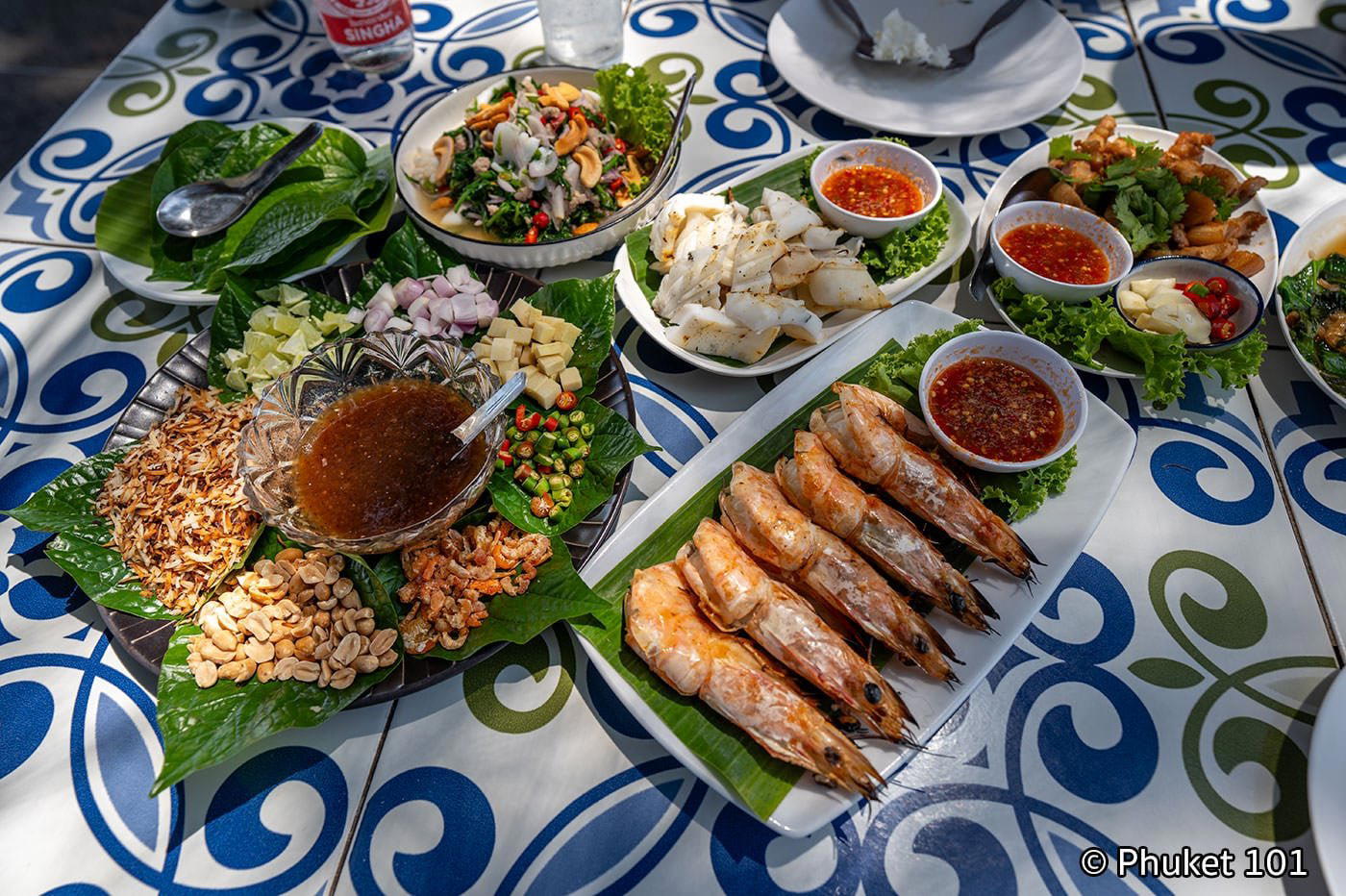
The menu
What to order
- Crab with Lime Sauce
- Trevally with Spicy Mango Salad
- Grilled Squid
- Fried Rice in Pineapple
Rawai's Eating Culture and Where Salaloy Sits Within It
Southern Phuket's Rawai district operates on a different rhythm from the resort corridors of Patong or Kamala. The waterfront along Wiset Road has historically served working fishing communities, and the restaurants that took root here drew their identity from that context: seafood priced and prepared for local consumption, shared across tables without ceremony, eaten close to where the catch landed. Salaloy, at 52/2 Wiset Road, sits inside that tradition rather than apart from it. Understanding what kind of meal you are walking into requires understanding that tradition first.
This is a useful contrast to draw against the island's formal dining tier. PRU in Phuket represents one pole of the island's restaurant culture: a Michelin-starred tasting menu built on farm-sourced ingredients and structured progression. Salaloy occupies a different register entirely, one where the organizing logic is abundance and immediacy rather than sequence and narrative. Neither approach is superior; they answer different questions about what a meal is for.
The Ritual of Southern Thai Coastal Eating
The customs that govern a meal at a place like Salaloy are worth spelling out for visitors arriving from international fine-dining circuits. Southern Thai coastal eating is communal and parallel rather than sequential. Dishes arrive as they are ready, not in a choreographed order designed to build toward a climax. The table fills with shared plates — grilled fish, shellfish prepared in regional styles, tom yam built on local aromatics rather than the blander approximation served across tourist zones — and the meal's pacing is determined by appetite and conversation rather than kitchen timing signals.
This format has its own etiquette. You order more than you think you need, because the expectation is a full table. You share across every dish rather than claiming a single plate. You eat with the understanding that the meal will sprawl across time in a way that a tasting menu, by design, does not permit. For diners accustomed to the precision pacing of counters like Atomix in New York City or the formal sequencing of Le Bernardin in New York City, the shift requires a deliberate adjustment of expectation. That adjustment is part of the experience, not a deficiency to be worked around.
This kind of shared-table format repeats across Thailand's southern coast and appears in different registers at places like DEVASOM BEACH GRILL in Takua Pa and The Spa in Lamai Beach. The ritual is consistent: proximity to water, shared plates, and a meal structure that the table governs rather than the kitchen.
Southern Thai Flavour Logic
Southern Thai cooking operates with a heat register and spice complexity that differs from central Thai cuisine in ways that catch visitors off-guard. The use of turmeric, galangal, and dried spices reflects centuries of trade through the Malay Peninsula, and the chilli load in dishes prepared for local tastes sits considerably higher than in tourist-adjusted versions of the same recipes. At a waterfront spot drawing a predominantly local crowd, that calibration is likely to be authentic rather than moderated.
This flavour tradition is the same one that Bangkok's Sorn has built a two-Michelin-star reputation around, albeit through a formal tasting structure that deconstructs and contextualises southern tradition for an international audience. The coastal version, eaten close to its geographic source, offers no such mediation. The spice is the point; the freshness of the catch is the credential; the simplicity of preparation, grilled, steamed, or fried with local aromatics, is not a limitation but a statement of confidence in the ingredient.
Elsewhere in Thailand's regional eating culture, that same confidence in local tradition over presentation is visible at spots like Loet Rot in Mueang Chiang Mai and Mee Sapam closer to Phuket's town centre. These are places where the cuisine carries the argument, not the room design or the service choreography.
Rawai vs. the Rest of the Island
Rawai's position in Phuket's southern tip makes it a different kind of destination from the island's central and western tourist clusters. The seafood market at Rawai Beach has long functioned as both a commercial fish market and an informal dining hub, where visitors buy from vendors and eat at nearby tables. The area's restaurants have grown around that ecosystem rather than the resort-hospitality model that defines Phuket's better-known zones.
This matters logistically. Getting to Rawai requires a deliberate decision, not a hotel concierge recommendation or a walk from the beach. For visitors staying in the north or west of the island, the trip is worth planning around rather than treating as a spontaneous stop. The reward is eating in a district where the seafood supply chain is short and the clientele largely local, which tends to produce better results than areas optimised for tourist throughput.
For Phuket seafood eating in a contrasting format, on the water rather than adjacent to it, Kruvit Raft offers a raft-dining experience further north. The two represent different expressions of the same underlying principle: that proximity to the water and a locally anchored supply chain produce a different kind of seafood meal from what resort restaurants can replicate. Our full Mueang Phuket restaurants guide maps both options within the broader dining picture of the district.
For reference points outside Phuket, the same dynamic of locally sourced coastal eating in non-tourist-adjusted formats appears at Hoy Tord Chao Lay and, in a noodle-forward register, at Khok Kloi Bami Tom Yam Khai in Takua Thung.
Planning Your Visit
Salaloy sits at 52/2 Wiset Road in Rawai, in the southern reach of Mueang Phuket district. Given Rawai's position as a locally oriented district, visiting during a weekday lunch tends to mean a less crowded room than weekend evenings, when local families fill the seafood waterfront strip. No formal booking infrastructure is evident, which places Salaloy in the walk-in tier of Phuket dining rather than the reservation-required category occupied by tasting-menu operations.
Frequently asked questions
Is Salaloy a family-friendly restaurant?
Rawai's waterfront eating culture is built around group and family meals, and Salaloy's position on Wiset Road in Mueang Phuket places it squarely within that tradition. Shared dishes, informal service, and open-air settings are the norm along this stretch. It is suited to families travelling with children, as the format encourages communal ordering rather than individual plated courses.
Is Salaloy formal or casual?
Salaloy sits on Wiset Road in Rawai, a part of Mueang Phuket district where neighbourhood seafood restaurants set the tone rather than hotel dining rooms. The setting is casual by the standards of the area, consistent with a waterfront eating culture that prioritises fresh catch over ceremony. Beachwear is common; a jacket would be out of place.
Where exactly is Salaloy located in Phuket, and how does its location shape the experience?
Salaloy is at 52/2 Wiset Road, Rawai, in the southern reach of Mueang Phuket district, a position that separates it from the resort-heavy corridors of Patong or Kamala. Wiset Road functions as the spine of Phuket's most locally oriented seafood-eating zone, where proximity to working fishing grounds influences what reaches the table. That geography, rather than any formal accolade, defines the restaurant's identity within the Rawai cluster.
What's the signature dish at Salaloy?
Southern Thai coastal restaurants along Wiset Road in Rawai typically anchor their menus around fresh local seafood prepared with the region's characteristic heat and turmeric-forward spice profiles, but specific dishes at Salaloy can change without current menu documentation. Check the venue's official channels for the latest details.
Cuisine Lens
Comparable venues nearby, for context on price, style, and recognition.
| Venue | Cuisine | Price | Awards | Notes |
|---|---|---|---|---|
| SalaloyThis venue — the venue you are viewing | Thai Seafood | $10–20 | Not listed | Not listed |
| Mee Sapam | Traditional Phuket Hokkien Noodles | $10–20 | Michelin Plate | Ko Kaeo |
| Kruvit Raft | Fresh Thai Seafood Raft | $20–30 | Michelin Plate | Ko Kaeo |
| Pen Restaurant | Seafood | Not listed | Not listed | Chong Nonsi |
| สวนอาหารเพ็ญ | Seafood | Not listed | Not listed | พระนคร |
| After You Dessert Cafe | Dessert Cafe | Not listed | Not listed | Siam |




Details
- Lively
- Scenic
- Casual
- Casual Hangout
- Family
- Waterfront
- Terrace
- Local Sourcing
- Waterfront
- Street Scene
- A La Carte
- Vegetarian Friendly
- Vegan Options
Current opening hours
- Monday
- 11:30 AM–9 PM
- Tuesday
- 11:30 AM–9 PM
- Wednesday
- 11:30 AM–9 PM
- Thursday
- Closed
- Friday
- 11:30 AM–9 PM
- Saturday
- 11:30 AM–9 PM
- Sunday
- 11:30 AM–9 PM
Hours can change for holidays and private events. Last verified .
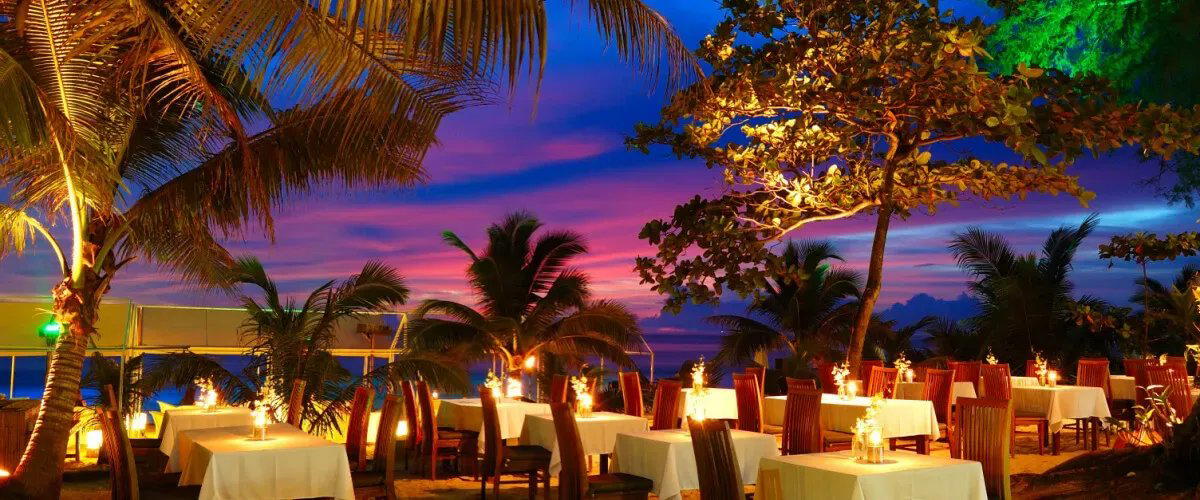
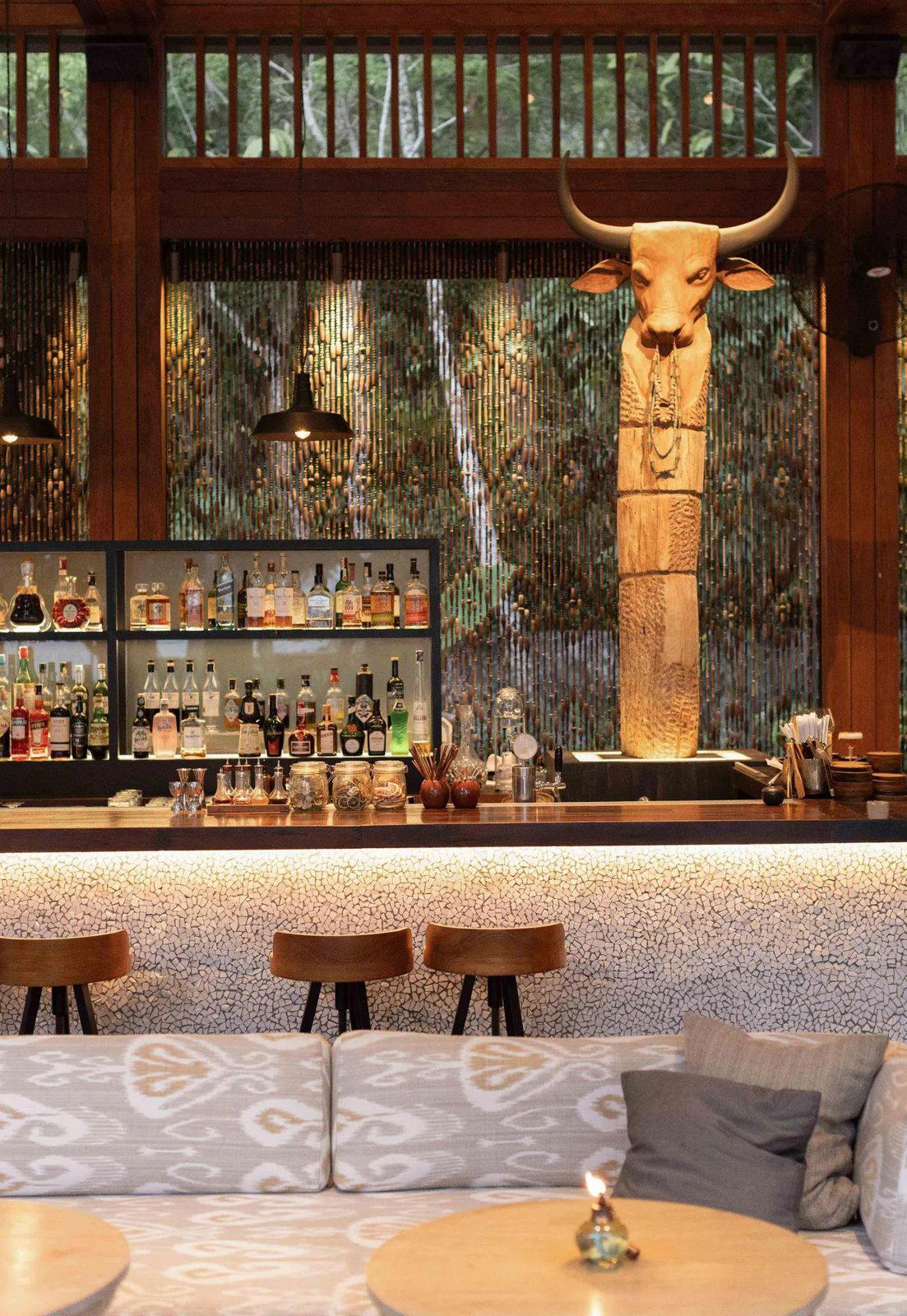
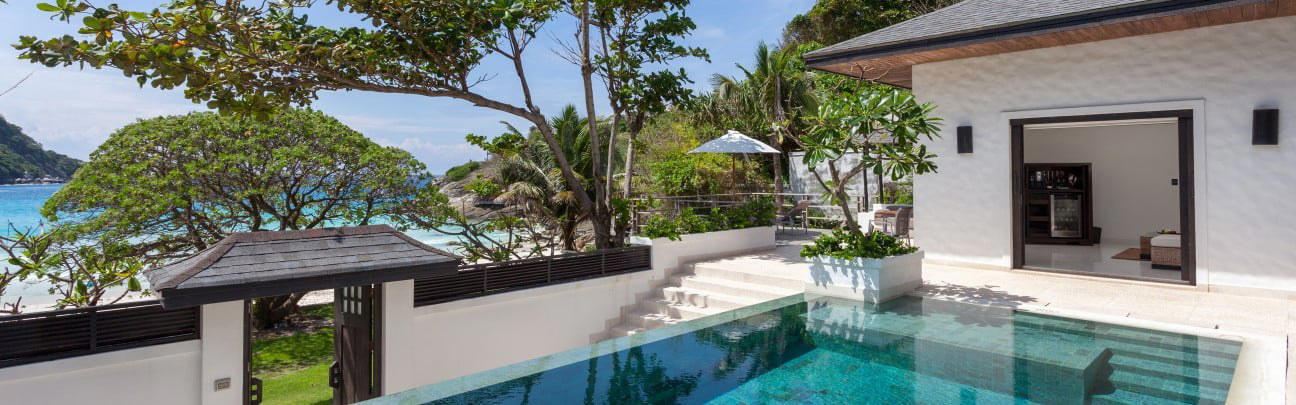
Relaxed beachside atmosphere with sea breezes, outdoor seating along the waterfront under tall trees.