Our verdict
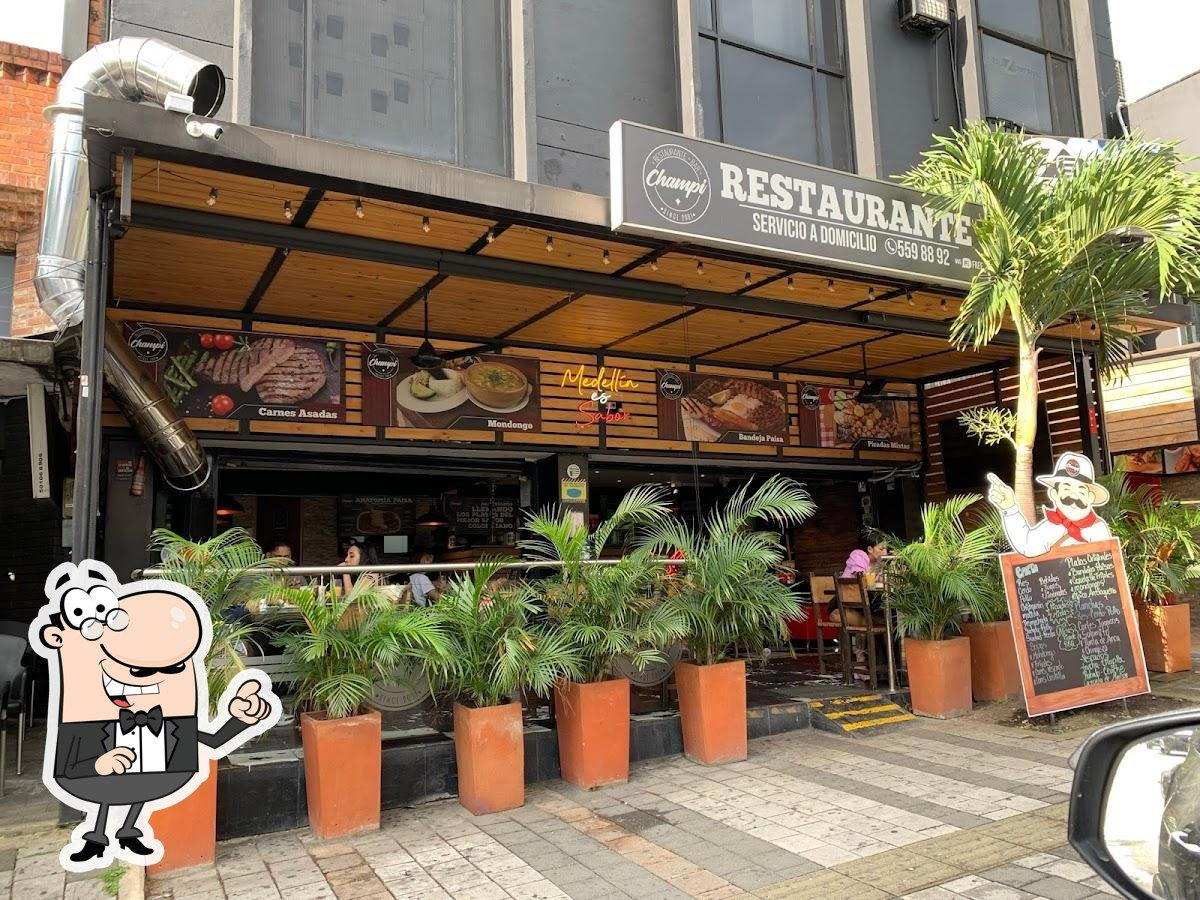
A neighborhood spot on Calle 10 in El Poblado, Medellín Es Sabor-Champi sits within a dining corridor where Colombian market traditions and Antioquian ingredient culture shape how the city eats at the everyday level. The address places it among a cluster of local eateries that draw residents over tourists, and the name itself signals a menu with roots in the fungi-forward, produce-driven cooking common to highland Colombian kitchens.

Pearl is the En Primeur Club membership app, where members save venues, book tables and use the concierge.
Where El Poblado Eats Without a Reservation Strategy
El Poblado operates on two speeds. There is the curated tier of multi-course tasting menus and internationally recognized kitchens, and then there is the street-level dining that actually feeds the neighborhood: spots on Calle 10 and its tributaries where the sourcing conversation is not a marketing message but simply a description of how the kitchen works. Medellín Es Sabor-Champi sits in that second category, at Cl 10 #37-24, within easy walking distance of the commercial center of El Poblado and the residential streets that give the area its daily-life texture.
The name is a direct clue to what is on offer. "Champi" is shorthand for champignon or mushroom more broadly, and in Colombian highland cooking, fungi have long occupied a serious place in the ingredient hierarchy. Antioquia's climate and altitude create conditions that support a range of cultivated and foraged mushrooms, and kitchens that build around them are working with a local supply chain that predates any trend. At this address, that means the menu framework is organized around ingredients that arrive from nearby rather than from a centralized distribution hub, which is a meaningful distinction in a city where produce markets like the Plaza Minorista still anchor how many smaller kitchens stock their pantries.
The Ingredient Logic Behind Antioquian Street Cooking
Colombian regional cuisine is frequently discussed in terms of arepas, bandeja paisa, and sancocho, but the more granular story of how Antioquian kitchens actually source and prepare food is less often examined outside the country. The highland geography around Medellín, sitting at roughly 1,500 meters above sea level, produces a temperate-zone growing environment that yields vegetables, legumes, and fungi more commonly associated with cooler climates. This is the agricultural context in which a restaurant named after mushrooms makes immediate sense: the ingredient is not exotic here, it is seasonal and accessible.
Smaller neighborhood kitchens in El Poblado that anchor their menus to local produce tend to operate in a middle register between the fast-food corridor along Avenida El Poblado and the destination-dining tier represented by places like Cambria or Cambalache Parrilla Argentina. That middle register is where Colombian culinary identity is often most legible: less formal, more dependent on what the market delivered that week, and less concerned with an international reference frame. For visitors who have already moved through the higher-profile dining circuit, this tier offers a useful recalibration.
The comparison is relevant across Colombia's dining cities. In Bogotá, Debora Restaurante and Asadero Pressto Broaster occupy different registers of the same daily-eating culture. In Cartagena, Crepes & Waffles Centro and Clero Restaurante in Cartagena De Indias show how coastal and colonial-city contexts shape neighborhood eating differently. Medellín's version of that everyday tier has its own character, shaped by Antioquian food culture and the particular demographics of El Poblado, which mixes long-term residents, domestic migrants, and an international population that has grown substantially over the past decade.
El Poblado's Dining Corridor and Where This Fits
Calle 10 in El Poblado is not a single-character street. It moves between café culture, international fast casual, traditional Colombian sitdowns, and a handful of spots that resist easy categorization. The address at #37-24 places Medellín Es Sabor-Champi in a stretch of the street that functions as a genuine local eating corridor rather than a tourist-facing strip. That geographical fact matters when thinking about the clientele and, by extension, the kitchen's calibration: a spot that feeds its immediate neighborhood has different incentives than one optimized for first-time visitors.
For context on how El Poblado's neighborhood kitchens relate to each other, it is worth cross-referencing spots like Ajiacos y Mondongos, which works the traditional Colombian stew register, and Café Le Gris, which occupies a more European-influenced café position. 37 Park represents a different end of the same neighborhood, with a format that skews toward the international dining crowd. Together they illustrate how a single barrio in Medellín can contain a surprisingly wide register of eating options, from the formally positioned to the deliberately local. Our full Medellín restaurants guide maps this range in more detail.
Colombia's wider dining scene rewards this kind of lateral navigation. From Andrés Carne de Res in Chia to BK - BURUKUKA in Santa Marta, Bulgatta restaurante in Retiro, Cardinal Comida Peruana de Autor in Pereira, Casa Ibérica in Cali, and Donde Mama in Barranquilla, the country's regional dining identity is defined less by a single flagship format and more by a distributed ecosystem of locally calibrated kitchens. Medellín Es Sabor-Champi belongs to that ecosystem at the neighborhood-kitchen level, which is where Colombian food culture is arguably most alive.
Planning Your Visit
The venue is located at Cl 10 #37-24 in El Poblado, accessible on foot from the Poblado metro station and the main commercial zone of the barrio.m. when neighborhood kitchens operate at full capacity, represents the lowest-risk timing. For travelers sequencing a broader Colombia dining itinerary, this address pairs logically with the El Poblado cluster rather than requiring a dedicated trip across the city.
Frequently asked questions
Is Medellín Es Sabor-Champi good for families?
The Calle 10 address in El Poblado puts the venue squarely in a walkable, commercially active corridor that sees a mixed crowd throughout the day. The no-reservation, walk-in format typical of this style of Antioquian kitchen removes the friction that tasting-menu venues create for groups with children. Portions in traditional Colombian cooking tend to run generous, which works in a family setting.
What's the overall feel of Medellín Es Sabor-Champi?
This is a neighbourhood-speed operation on one of El Poblado's busiest pedestrian streets. The format sits outside the curated tasting-menu tier that dominates international coverage of Medellín dining, it is closer to the workaday Antioquian lunch counter than to the city's internationally recognized kitchens. Expect a functional, direct room where the cooking does the explaining.
How does Medellín Es Sabor-Champi compare to other Colombian street kitchens in El Poblado?
Calle 10 in El Poblado carries a range of formats from café culture to international fast casual, and traditional Colombian sitdowns occupy a specific, price-conscious position within that corridor. Medellín Es Sabor-Champi operates in that local-kitchen tier, which in Medellín means competing on the depth of Antioquian preparation rather than on concept or design. For visitors eating their way through the city, it represents the neighbourhood's everyday register rather than its showcase dining.
What do regulars order at Medellín Es Sabor-Champi?
Antioquian cooking at this price point and format typically centres on the foundational plates of the region: preparations built around corn, beans, pork, and plantain that define the broader tradition the venue draws from. Without a published menu on record, the safest approach is to ask staff what came in fresh that day, which is standard practice at Colombian lunch-oriented spots on Calle 10.
Quick Comparison
Comparable venues nearby, for context on price, style, and recognition.
| Venue | Cuisine | Price | Notes |
|---|---|---|---|
| Medellín Es Sabor-ChampiThis venue (the venue you are viewing) | Authentic Colombian | $10–20 | Not listed |
| Ajiacos y Mondongos | Traditional Colombian Soups | $10–20 | El Poblado |
| Mamasita | Modern Colombian Paisa | $10–20 | El Poblado |
| Cambria | French International Fusion | Not listed | Manila - El Poblado |
| OCI. Mde | Contemporary Colombian | $50–100 | Provenza |
| Restaurante Piqueo | Classic Peruvian Cevicheria | Not listed | El Poblado |
Continue exploring
More in Medellín
Restaurants in Medellín
All restaurants in Medellín →
Bars in Medellín
All bars in Medellín →
Details
- Lively
- Rustic
- Casual Hangout
- Late Night
- Standalone
- Street Scene
- A La Carte
Current opening hours
- Monday
- 9 AM–3 AM
- Tuesday
- 9 AM–3 AM
- Wednesday
- 9 AM–3 AM
- Thursday
- 9 AM–3 AM
- Friday
- 9 AM–3 AM
- Saturday
- 9 AM–3 AM
- Sunday
- 9 AM–3 AM
Hours can change for holidays and private events. Hours as of .
Casual and welcoming atmosphere serving traditional Antioqueña dishes late into the night.