Mekong brings Southeast Asian culinary traditions to El Poblado, one of Medellín's most competitive dining neighbourhoods. The address on Calle 10b places it within walking distance of the district's main restaurant corridor, where it occupies a distinct position among the area's international kitchens. For visitors mapping Medellín's broader dining scene, it represents a category worth understanding on its own terms.
Pearl is the En Primeur Club membership app — saves, bookings, and concierge access live there. Same editors, same standards.
- Address
- Cl. 10b #37 29, El Poblado, Medellín, El Poblado, Medellín, Antioquia, Colombia
- Phone
- +573204830309
- Website
- mekong.com.co
- Directions
- Get directions
 Saves & bookings on Pearl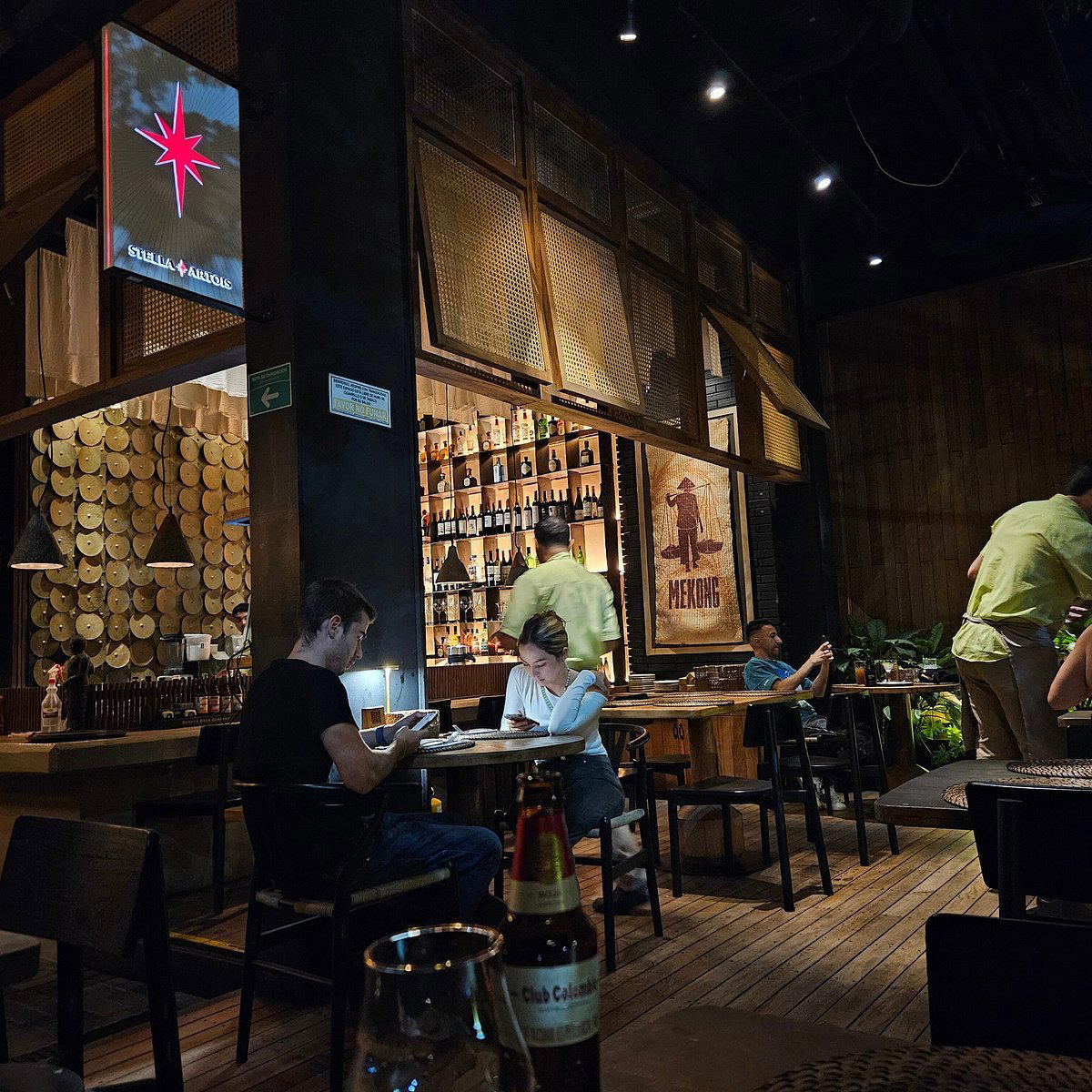
Southeast Asia in the Andes: What Mekong Represents in El Poblado's Dining Mix
El Poblado has spent the better part of a decade consolidating its reputation as Medellín's most concentrated zone for serious dining. The neighbourhood hosts everything from high-concept Colombian tasting menus to Argentine parrillas and European bistros, and the competition for repeat custom is fierce. Within that context, a restaurant named after the river that defines the culinary geography of mainland Southeast Asia occupies an inherently specific position. The Mekong Delta and its surrounding highland regions produce particularly structurally complex food traditions on the planet: layered broths, fermented pastes, fresh herb assemblies, and balancing acts between heat, acid, and sweetness that took centuries to codify. A restaurant carrying that reference into Colombia's second city is making a claim about depth, not novelty.
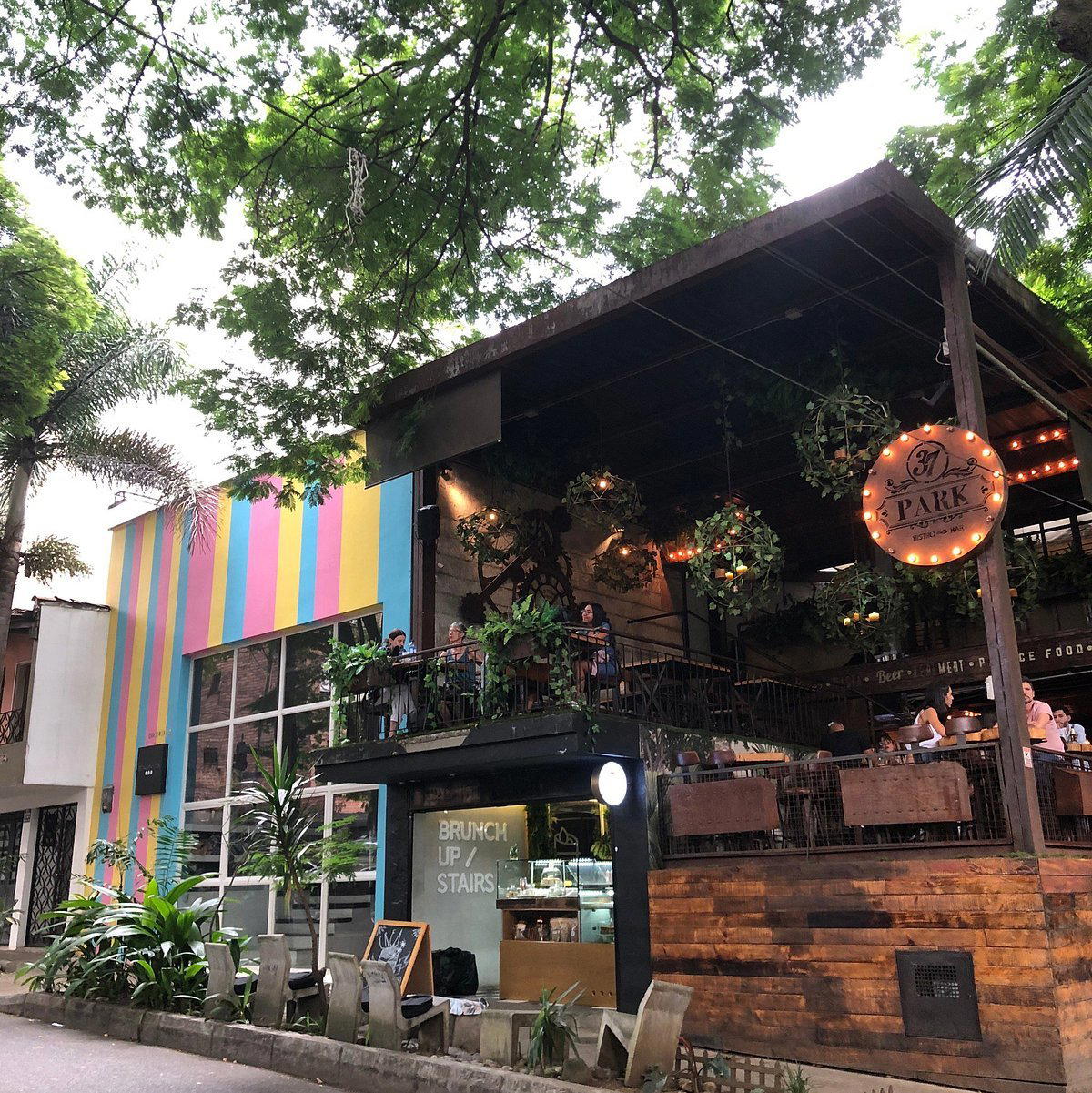
The address, Calle 10b #37-29, puts Mekong in the thicker part of El Poblado's restaurant belt, where foot traffic from Parque Lleras and the surrounding residential towers generates a steady mix of local professionals and visiting travellers. This is a neighbourhood that has already absorbed 37 Park and Cambria into its dining rotation, both representing the more international end of the local spectrum. Mekong's name signals that it is operating from a similarly outward-facing position, drawing on a culinary tradition that is rarely found at this latitude with any seriousness.
Menu Architecture and What It Signals
The name Mekong functions as a programmatic statement. The Mekong River basin spans Vietnam, Cambodia, Laos, Thailand, Myanmar, and the Yunnan province of China, and its cuisines share certain structural logic even as they diverge sharply in technique and ingredient vocabulary. A restaurant taking that river as its reference point is, in theory, committing to a broad and demanding canon rather than a single national tradition. This is a meaningful distinction in a city where pan-Asian concepts often compress diverse traditions into a single undifferentiated aesthetic.
In the better examples of this format elsewhere in Latin America, the menu architecture tends to follow one of two models: either a tightly edited selection that traces a single culinary corridor with precision, or a wider repertoire that groups dishes by structural type rather than national origin. Both approaches require a kitchen that understands the difference between a Vietnamese pho-style broth and a Thai tom yum, between a Cambodian amok and a Lao larb. The risk in the broader model is dilution; the risk in the narrow one is alienating a customer base that may have limited reference points for the cuisine. How Mekong handles that tension is the central editorial question about the restaurant, and one that rewards attention from anyone building a serious Medellín itinerary.
For comparison, the approach taken by restaurants like Atomix in New York City illustrates what happens when a kitchen commits fully to a specific culinary tradition with technical rigour rather than broad accessibility as the primary goal. At the other end of the spectrum, Le Bernardin in New York City demonstrates how a defined conceptual framework, applied consistently, produces a menu that reads as coherent rather than arbitrary. These are different categories, but the underlying principle applies across cuisines: a menu that knows what it is produces a more satisfying dining experience than one that hedges.
Medellín's International Dining Scene and Where Mekong Fits
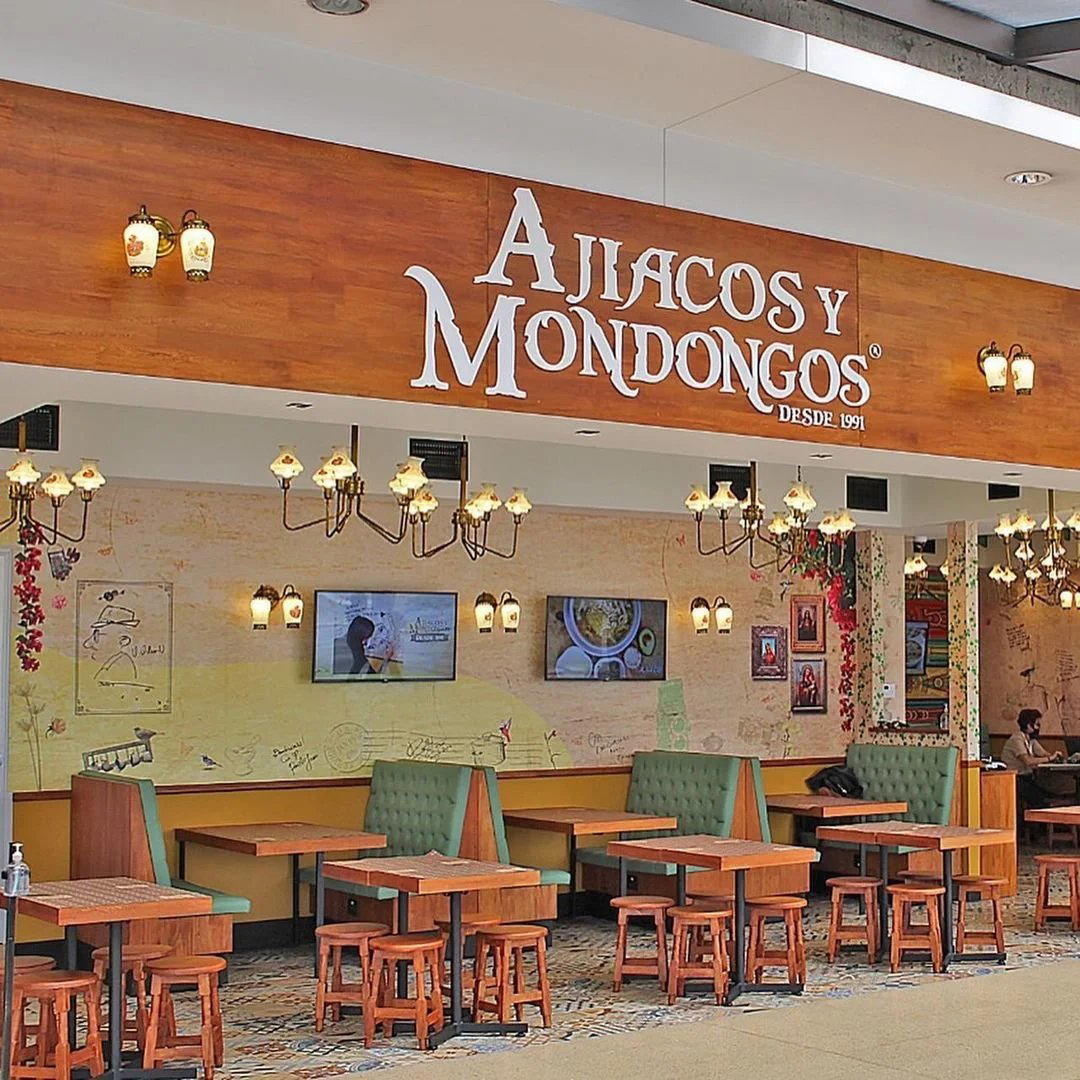
Colombian restaurant culture has historically centred on regional tradition, with bandeja paisa, ajiaco, and mondongo anchoring local identity. Places like Ajiacos y Mondongos represent that tradition at its most direct. The shift toward international formats in Medellín accelerated noticeably after 2015, driven by rising tourism, a growing expat population, and a local middle class with more international food exposure than previous generations. El Poblado absorbed most of that momentum, and the neighbourhood now contains a density of non-Colombian concepts that would have been unusual ten years ago.
Within that newer layer, Southeast Asian cuisine has historically been underrepresented relative to its weight in global dining culture. The complexity of sourcing specific ingredients in Colombia, combined with a customer base that may need more orientation than it would in cities with larger Asian diaspora communities, has kept this category thinner than it might otherwise be. That scarcity gives Mekong a structural advantage in terms of category positioning, provided the kitchen is executing at a level that rewards the visit. For a fuller picture of how international concepts are distributing across Medellín's dining scene, the EP Club Medellín restaurants guide provides a wider map of the territory.
Other international reference points in the EP Club Colombia network reinforce the trend: Debora Restaurante in Bogota and Andrés Carne de Res in Chia both demonstrate how strongly defined concepts can hold their position in competitive urban markets. Across the coast, LA BRIOCHE Bocagrande in Cartagena De Indias and Los Tacos Del Gordo in Carthagene Des Indes show how international formats can establish loyal followings in markets with distinct local food cultures. The pattern holds across Colombian cities: clearly positioned international concepts with strong execution tend to develop a durable audience.
El Poblado Context and Planning Your Visit
El Poblado operates at a pace that rewards advance research. The neighbourhood's restaurant density means that walk-in tables are possible at many venues, but kitchens that have built a reputation tend to fill their better tables in advance, particularly on Thursday through Saturday evenings. Anyone building a Medellín itinerary that includes Mekong should factor in the broader El Poblado dining ecosystem: Café Le Gris and Cambalache Parrilla Argentina occupy adjacent positions in the neighbourhood's international layer and can serve as useful reference points when planning a multi-day dining schedule.
The Medellín metropolitan area has also produced notable dining options beyond El Poblado proper. Le Brunch Express in Envigado and Bulgatta restaurante in Retiro represent the expanding dining geography of the Aburrá Valley, where smaller municipalities have developed their own restaurant clusters. For those extending their Colombia trip beyond Medellín, Cardinal Comida Peruana de Autor in Pereira offers a strong example of how South American culinary traditions are being reframed through contemporary techniques in mid-sized Colombian cities. Further afield, BK - BURUKUKA Restaurante Bar in Santa Marta and La B Hamburgers in Sincelejo indicate the range of formats now operating across Colombia's restaurant scene.
For Mekong specifically, the practical starting point is the physical location on Calle 10b in El Poblado, which is accessible by taxi, Uber, and the city's metro-cable network. Current hours, booking procedures, and contact details are best confirmed directly through local reservation platforms or in person, as the restaurant's operational specifics were not available at the time of writing. Given the neighbourhood's general pattern, arriving early in the evening or booking ahead for weekend sittings is the prudent approach.
Recognition Snapshot
Comparable venues nearby, for context on price, style, and recognition.
| Venue | Cuisine | Price | Notes |
|---|---|---|---|
| MekongThis venue — the venue you are viewing | Thai-Inspired Asian | $$ | Not listed |
| Carmen | Contemporary Colombian tasting menu & fine dining | $$$ | El Poblado |
| Restaurante Piqueo | Classic Peruvian Cevicheria | $$$ | El Poblado |
| Mondongo's | Traditional Colombian Paisa Cuisine | $$ | Poblado |
| Cambria | French International Fusion | $$ | Manila - El Poblado |
| Cambalache Parrilla Argentina | Argentine Parrilla & Steakhouse | $$$$ | Patio Bonito, El Poblado |

At a Glance
- Cozy
- Trendy
- Date Night
- Casual Hangout
- Terrace
- Open Kitchen
- Craft Cocktails
Current opening hours
- Monday
- 12–9:30 PM
- Tuesday
- 12–9:30 PM
- Wednesday
- 12–9:30 PM
- Thursday
- 12–10:30 PM
- Friday
- 12–10:30 PM
- Saturday
- 12–10:30 PM
- Sunday
- 12–9 PM
Hours can change for holidays and private events. Last verified .
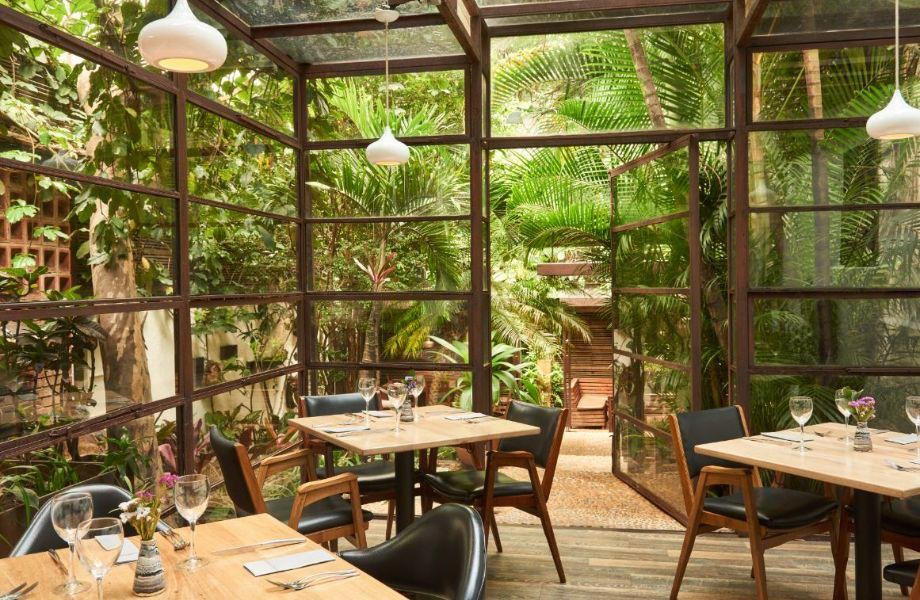
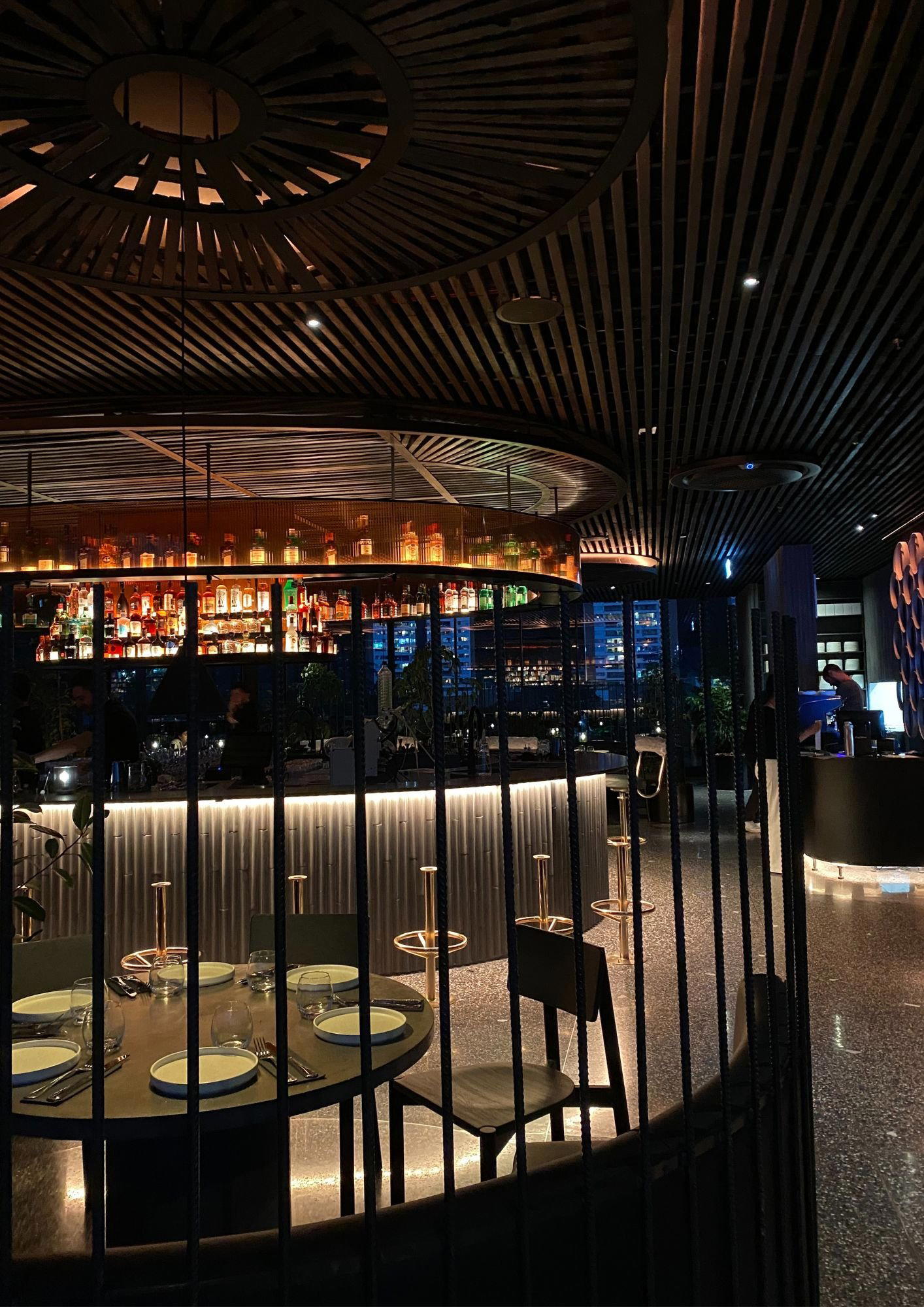
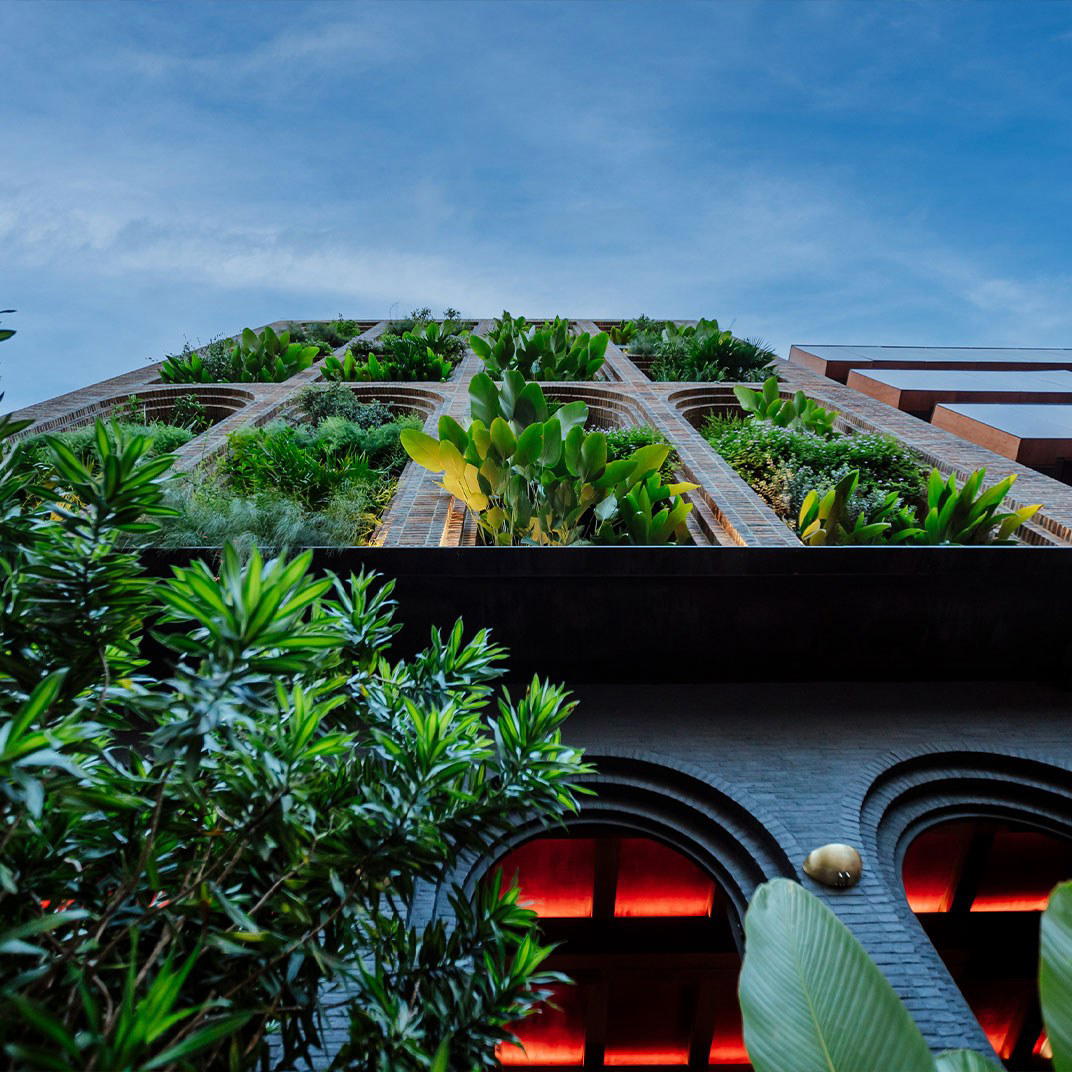
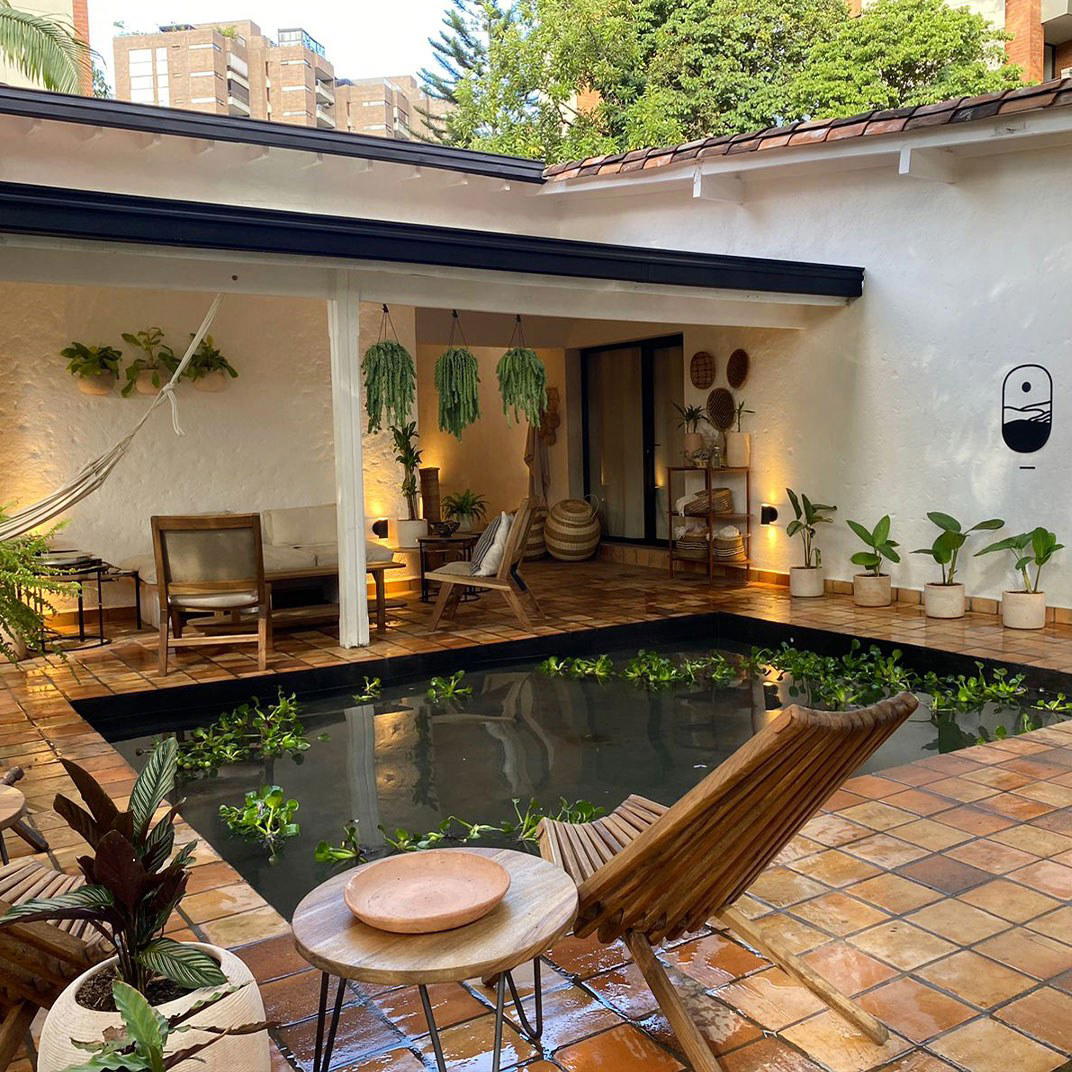
Serene and lush jungle-like atmosphere with trees, plants, traditional Thai lamps, and an outdoor terrace.