On Calle 8 in Medellín, Ajiacos y Mondongos keeps faith with the two dishes that define Andean Colombian home cooking: the herb-dense chicken soup known as ajiaco and the slow-braised tripe stew mondongo. In a city increasingly oriented toward tasting menus and international references, this address functions as a reliable anchor for traditional paisa cooking at an accessible price point.
Pearl is the En Primeur Club membership app — saves, bookings, and concierge access live there. Same editors, same standards.
- Address
- Cl. 8 #42-46, El Poblado, Medellín, El Poblado, Medellín, Antioquia, Colombia
- Phone
- +57 604 3122520
- Directions
- Get directions
 Saves & bookings on Pearl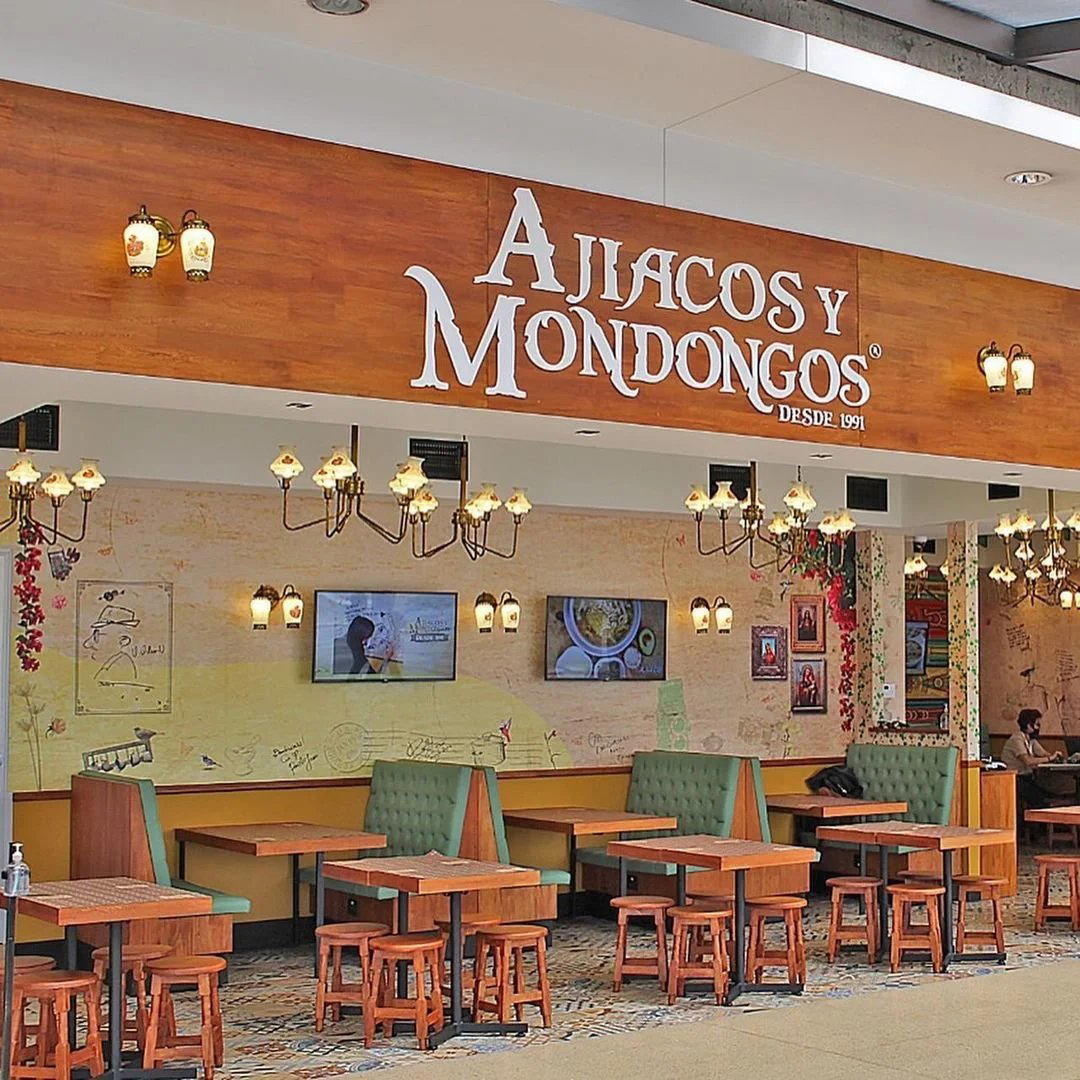
Where Medellín's Everyday Cooking Holds Its Ground
Ajiacos y Mondongos is a restaurant in Medellín serving Traditional Colombian Soups at a casual price tier. The street carries the particular rhythm of a working neighbourhood: delivery traffic, the clatter of midday service from open-fronted kitchens, the smell of long-simmered broths that have been on the stove since early morning. It sits within that context as a fixture of everyday dining in Medellín. The address on Calle 8 (42-46) puts it in a zone of the city where eating is still principally a functional act, and where the cooking is judged against memory rather than novelty.
The Two Dishes and What They Mean
The name of the restaurant is also its menu in miniature. Ajiaco and mondongo represent two of particularly deeply coded preparations in Colombian highland cooking, and the distinction between how they are made here versus how they appear elsewhere in the city tells you something meaningful about the segmentation of Medellín's restaurant scene. Ajiaco, the herb-dense chicken and potato soup that anchors Andean Colombian home cooking, demands a specific hierarchy of potato varieties and a patience with the cooking process that shortcuts undermine immediately. Mondongo, the slow-braised tripe stew, requires even longer attention: the collagen must render fully, the broth must develop depth from hours of reduction, and the aromatics must integrate rather than assert themselves. Both dishes function as benchmarks. Any cook who does them well demonstrates a command of timing and flavour development that translates across the broader vocabulary of Colombian kitchen tradition.
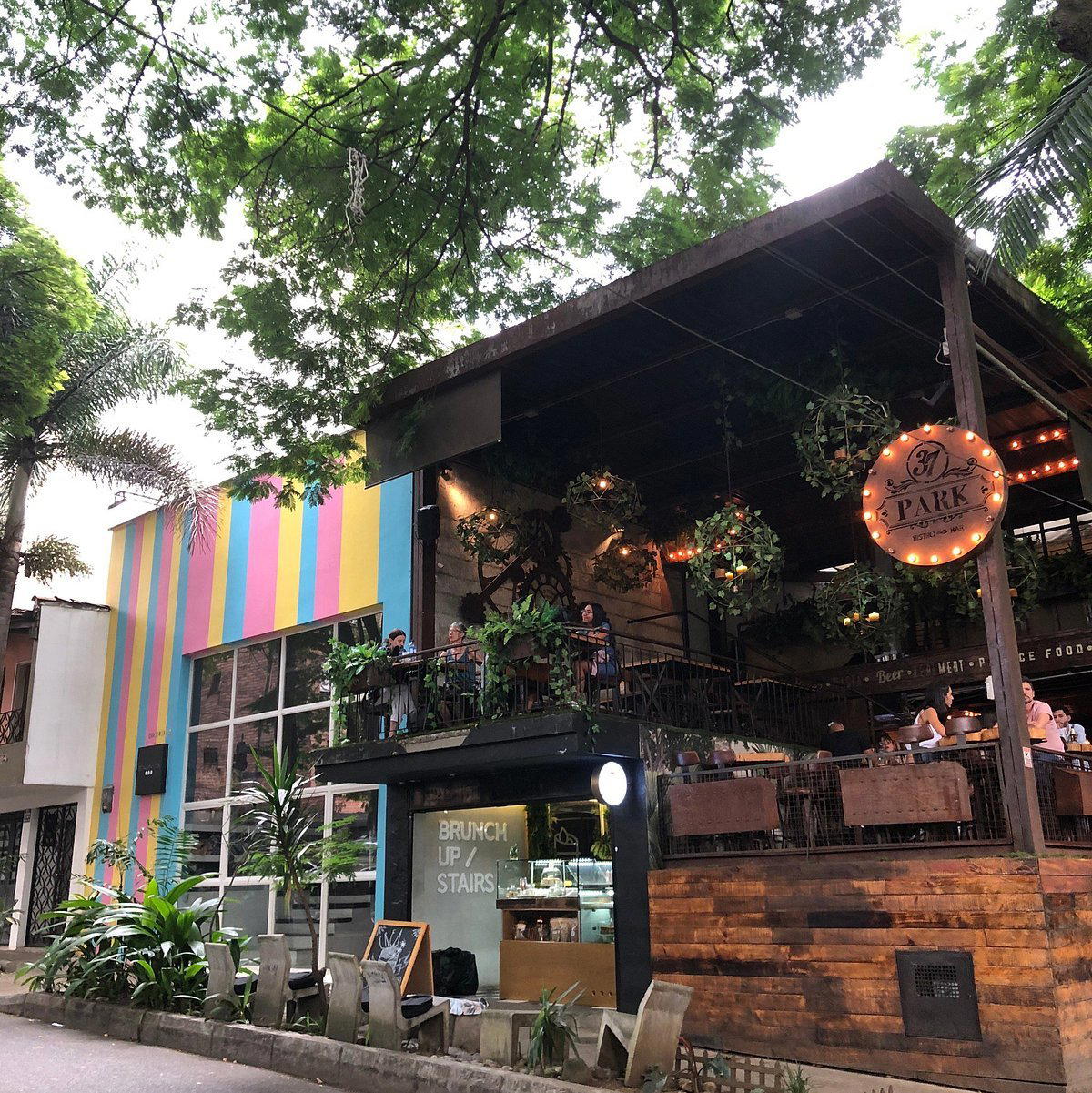
In Medellín's current dining conversation, many visible restaurants lean toward international fine dining or contemporary Colombian formats that place regional ingredients inside refined structures. Places like Carmen and Cambria operate at that level, where technique is foregrounded and the meal is an event. Further along the spectrum, 37 Park and Café Le Gris position themselves around different reference points entirely. Ajiacos y Mondongos belongs to a separate category: the traditional paisa kitchen that keeps its scope deliberately narrow, measuring itself against the standard of the dish rather than the ambitions of the genre. That narrowness is its coherence, not a limitation.
Paisa Cooking in Context
The paisa culinary tradition, centred in Antioquia and anchored in Medellín, is one of Colombia's most internally consistent regional food cultures. Its hallmarks are abundance, a preference for slow-cooked proteins, starchy foundations, and broths built over long periods. The bandeja paisa, the sancocho, the ajiaco, and the mondongo all share this logic: they are dishes built for duration, for feeding households that worked physically, for extracting maximum nutrition and flavour from affordable ingredients through time rather than expense. That tradition has survived the city's rapid economic transformation and its emergence as a major urban food destination over the past two decades, though it now occupies a different social position. What was once the default mode of eating in Medellín has become, for many of the city's newer restaurant visitors, a category of deliberate choice, something sought out rather than assumed.
Across Colombia more broadly, traditional regional cooking operates in this way. Andrés Carne de Res in Chia built an entire hospitality phenomenon around a version of this logic, using Colombian food culture as spectacle and scale. Debora Restaurante in Bogota operates at a different register. The restaurants of Cartagena and the Caribbean coast reflect a different ingredient vocabulary altogether. Medellín's paisa tradition occupies its own position within this national map: hearty, protein-forward, broth-reliant, and resistant to the kind of lightening that contemporary kitchen trends often apply. Ajiacos y Mondongos does not appear to resist that tradition on principle. It simply executes within it.
Planning Your Visit: What to Know Before You Go
The Calle 8 address (42-46) places the restaurant in everyday neighbourhood dining territory rather than a curated dining district. There is no online booking infrastructure listed for this address, and it operates as a walk-in-friendly restaurant. This places it in the category of Medellín restaurants where arrival in person is the operative method, and where midday, when Colombian lunch culture is at its most active, is the logical window. The heavier preparations that define this kitchen, ajiaco and mondongo in particular, are lunch dishes by both tradition and practicality. Arriving at the height of service, around midday through early afternoon, gives you the leading probability of finding both dishes at their correct temperature and consistency.
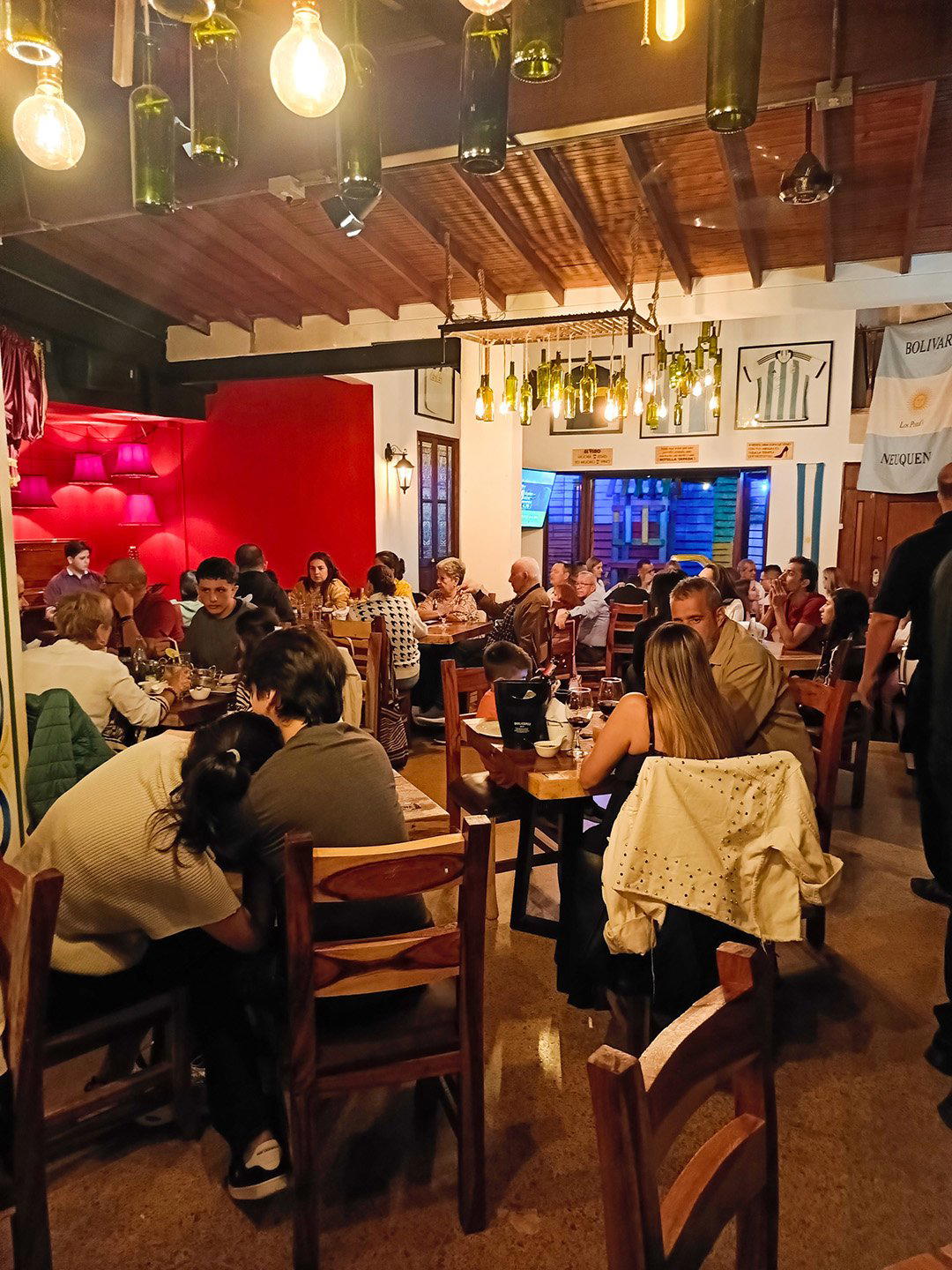
For visitors planning a broader Medellín eating itinerary, the practical role this restaurant fills is clear. The more structured options in the city, including Cambalache Parrilla Argentina with its Argentine grill format, require more planning overhead. A place like Ajiacos y Mondongos asks less of the visitor in terms of reservation logistics and delivers something the more polished addresses do not: a point of reference for what the city's foundational cooking actually tastes like, unreconstructed.
Quick Comparison
Comparable venues nearby, for context on price, style, and recognition.
| Venue | Cuisine | Price | Notes |
|---|---|---|---|
| Ajiacos y MondongosThis venue — the venue you are viewing | Traditional Colombian Soups | $$ | Not listed |
| Mamasita | Modern Colombian Paisa | $$ | El Poblado |
| Medellín Es Sabor-Champi | Authentic Colombian | $$ | El Poblado |
| Chapati Halal | Authentic Pakistani-Indian Halal | $$ | El Poblado |
| Mekong | Thai-Inspired Asian | $$ | El Poblado |
| Restaurante Piqueo | Classic Peruvian Cevicheria | $$$ | El Poblado |

At a Glance
- Rustic
- Cozy
- Classic
- Casual Hangout
- Standalone
- Beer Program
Current opening hours
- Monday
- 12–3:30 PM
- Tuesday
- 12–3:30 PM
- Wednesday
- 12–3:30 PM
- Thursday
- 12–3:30 PM
- Friday
- 12–3:30 PM
- Saturday
- 12–4 PM
- Sunday
- 12–4 PM
Hours can change for holidays and private events. Last verified .
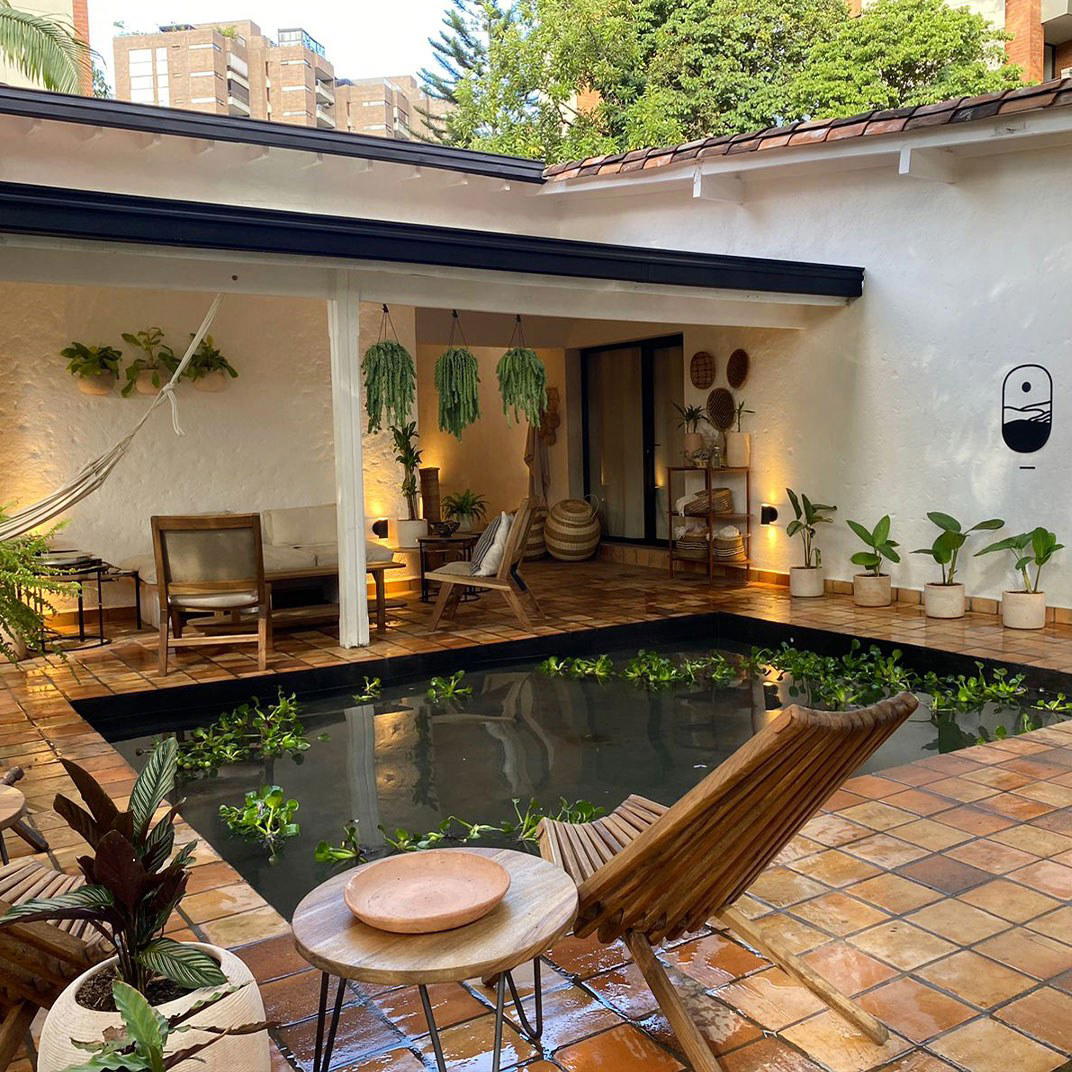
Casual and hearty atmosphere focused on authentic homemade Colombian stews in a tiny, no-frills setting.