Meaza Restaurant
Our verdict
Meaza Restaurant on Columbia Pike brings Ethiopian cooking to Falls Church's diverse dining corridor, drawing a loyal following that returns for the communal eating format and depth of spiced stew traditions. Located at 5700 Columbia Pike, it occupies a neighborhood where immigrant-led kitchens set the culinary tone. For first-timers and regulars alike, the draw is less novelty than ritual — the kind of meal you return to rather than simply try once.

Pearl is the En Primeur Club membership app — saves, bookings, and concierge access live there. Same editors, same standards.
- Address
- 5700 Columbia Pike A, Falls Church, VA 22041
- Phone
- (703) 820-2870
- Hours
- Daily 10 AM–11 PM
- Website
- meazarestaurantva.com
- Directions
- Get directions
- Booking
- Book on OpenTable
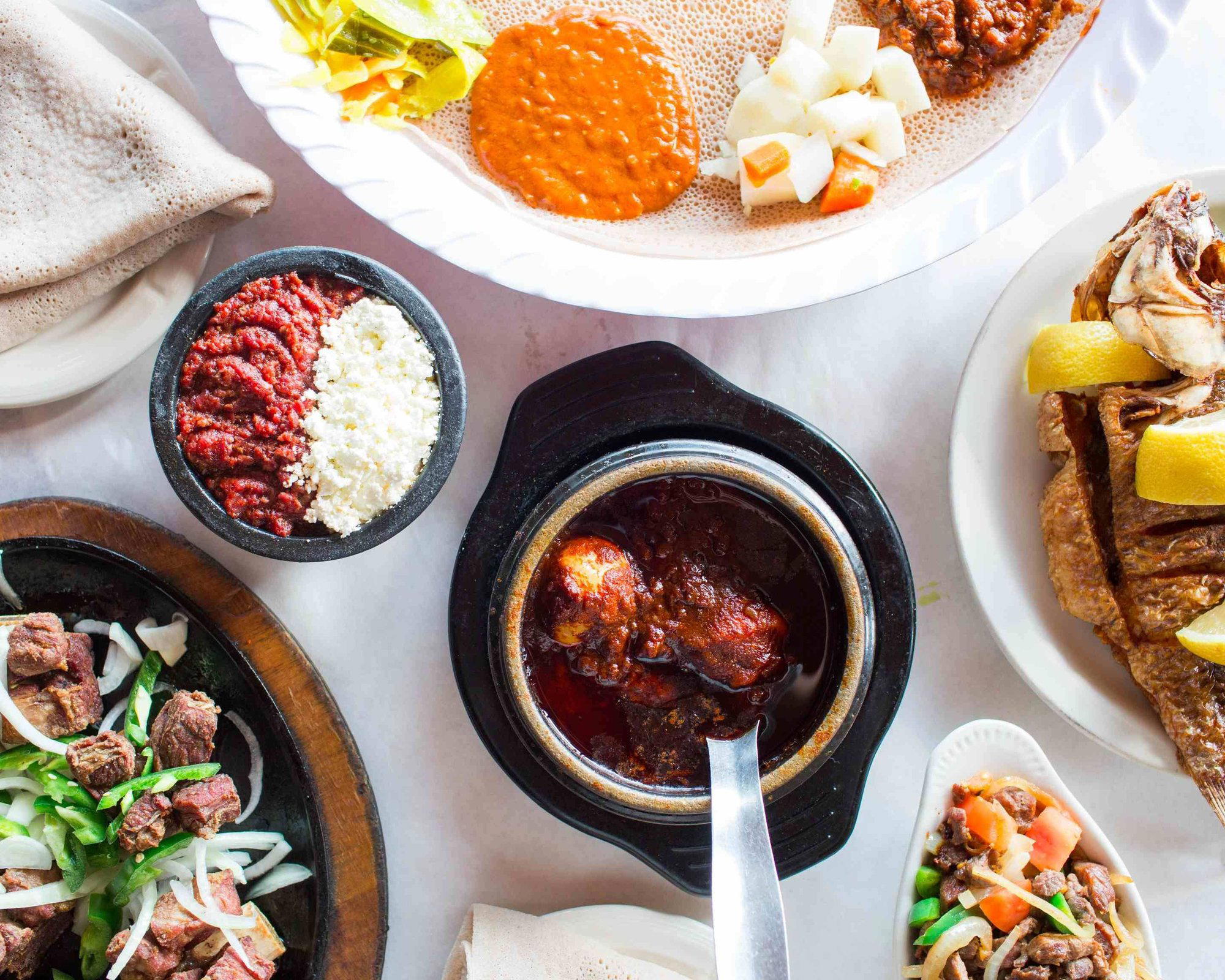
Columbia Pike and the Immigrant Kitchen Corridor
Falls Church's Columbia Pike corridor does not operate on the same logic as a curated restaurant district. There are no design-led anchor tenants pulling foot traffic, no hospitality groups coordinating the block. What exists instead is a concentration of immigrant-led kitchens serving communities that settled here over decades — Afghan, Vietnamese, South Asian, Central American, Ethiopian. Meaza Restaurant at 5700 Columbia Pike sits inside that pattern, not apart from it. Understanding what makes this stretch of Northern Virginia worth attention requires understanding that the leading eating here comes from regularity, not from occasion. These are restaurants with regulars, not restaurants for tourists.
The Ethiopian dining tradition this corridor sustains is worth placing in context. Injera — the fermented teff flatbread that functions simultaneously as plate, utensil, and accompaniment, is among the more demanding staples in global food culture to execute consistently. Its sourness, its sponginess, the way it absorbs berbere-heavy stews without collapsing, are all products of fermentation timing and teff quality that vary by kitchen. Ethiopian restaurants in the DC metro area collectively form one of the most substantial East African dining communities in the United States, and the Falls Church segment of that community has depth. Meaza occupies a position within it that its repeat clientele has defined over time.
What Regulars Know
The regulars' perspective on a restaurant like Meaza is distinct from a critic's first visit. Where a critic reads the menu as a sequence of individual dishes, a regular reads it as a set of relationships, between the wat and the injera, between the vegetarian and meat combinations, between what they ordered last time and what they want today. Ethiopian menus structured around combination plates reward this accumulated knowledge. The vegetarian combination, common across Ethiopian restaurants in the region, typically assembles misir (spiced red lentils), gomen (collard greens cooked with garlic and ginger), tikil gomen (cabbage and carrot), and various other legume and vegetable preparations. Returning diners learn which components hold up longest on the injera, which carry more heat, and how to build a plate across the spread.
Communal eating format is itself a reason regulars return. Sharing from a single injera-lined tray is a social act embedded in the food, not a gimmick layered on top of it. For diners who grew up eating this way, the format carries familiarity and comfort. For those who discovered Ethiopian food in adulthood, it becomes a ritual they seek out. Either way, the meal is structured around the table, not around individual portions, a format that rewards groups and repeat visits far more than solo dining on a single occasion.
Falls Church in the DC Ethiopian Corridor
DC metropolitan area has the largest Ethiopian diaspora community in the United States, and its restaurants reflect that density. Washington DC's Adams Morgan neighborhood has long carried the historical weight of that scene, but Northern Virginia, particularly along the Route 7 and Columbia Pike corridors, has developed its own substantial presence. Falls Church restaurants in this category often serve residential community members rather than destination diners, which shapes everything from pricing philosophy to portion logic to the warmth of service toward familiar faces.
Within Falls Church itself, the dining range is wider than its suburban reputation suggests. 2941 operates at a different price tier entirely, with a fine dining format that places it closer to destination restaurants. Bamian anchors the Afghan side of the immigrant kitchen corridor. Bread & Kabob and Dolan Uyghur Restaurant extend the range further across Central and South Asian cooking. Clare & Don's Beach Shack represents the more casual American side of the mix. Meaza belongs to the community-serving tier of this range, the kind of kitchen that earns its audience through consistency across months and years, not through a single well-reviewed opening.
For readers building a fuller picture of where Falls Church sits in Northern Virginia dining, our full Falls Church restaurants guide maps the corridor in more detail. The city also sits within comfortable reach of Washington DC's own dining depth, which includes everything from The Inn at Little Washington at the fine dining apex to the broader range of immigrant-led kitchens the metro area has built over decades.
The Format and What It Implies
Ethiopian restaurants in the US operate across a spectrum, from large-format diaspora institutions in major cities to smaller neighborhood spots serving a loyal local base. The communal tray format, the injera-centered service, and the combination plate logic are broadly consistent, but execution varies. What regulars at a kitchen like Meaza are assessing, often without articulating it, is the quality of the injera itself, the balance of spicing in the stews, and the temperature at which the food arrives. These are the variables that separate a kitchen doing the format competently from one that has mastered its own version of it.
The DC metro's Ethiopian restaurant density means diners in this corridor have genuine comparison points. Regulars who rotate between multiple kitchens bring that accumulated knowledge to each visit. When they return to a specific restaurant consistently, it is because something in the execution keeps holding up against that comparison, the sourness of the injera, the heat calibration of the berbere, the consistency of the vegetarian spread from one month to the next.
For those approaching Ethiopian cooking for the first time, the corridor restaurants offer an accessible entry point. The combination plate format is inherently navigable, a single order covers enough variety to understand the cuisine's architecture. For those already familiar, a restaurant like Meaza operates as a reliable coordinate in a part of Northern Virginia where that reliability has real value.
The broader Ethiopian dining scene in the United States has also begun attracting the kind of critical attention more often associated with European-derived cuisines. That shift in recognition has been slower than the community's actual quality warrants, but the DC metro area has been a consistent reference point in that conversation, and Falls Church is part of that geography.
Planning a Visit
Meaza Restaurant is located at 5700 Columbia Pike A, Falls Church, VA 22041, along a stretch of Columbia Pike that contains several other immigrant-led dining options within walking distance. Walk-in dining is the standard format at most Ethiopian restaurants in this tier and price category, though group visits during peak weekend hours benefit from arriving early. The communal format means larger tables have a natural advantage, the tray-sharing structure scales with the number of diners at the table, and four or more people typically get fuller coverage of the menu's range in a single visit.
For context on the wider range of dining available across the US at higher price tiers, EP Club covers restaurants from Le Bernardin in New York City and Alinea in Chicago to Lazy Bear in San Francisco, Providence in Los Angeles, The French Laundry in Napa, Single Thread Farm in Healdsburg, Blue Hill at Stone Barns in Tarrytown, Addison in San Diego, Emeril's in New Orleans, Atomix in New York City, and 8 1/2 Otto e Mezzo Bombana in Hong Kong, a range that reflects the breadth of the platform's editorial scope beyond any single city or price point.
Frequently asked questions
Where do I go for Meaza Restaurant?
Meaza Restaurant is located at î5700 Columbia Pike A, Falls Church, VA 22041, Falls Church.
Is Meaza Restaurant a good choice for a group with mixed dietary preferences in Northern Virginia?
The combination plate format at Ethiopian restaurants like Meaza in Falls Church is structurally suited to mixed-preference groups — a single large order covers both meat and vegetarian preparations on shared injera, so omnivores and vegetarians eat from the same spread. Falls Church's Columbia Pike corridor, sitting within the DC metro's Ethiopian dining concentration, means this format is well-practiced in restaurants at this level. Groups should confirm the current menu range directly with the restaurant at 5700 Columbia Pike A, Falls Church, VA 22041.
What do regulars order at Meaza Restaurant?
Regulars at Ethiopian combination-plate spots along Columbia Pike tend to build their orders around the vegetarian spread — dishes like misir (lentils), gomen (collard greens), and tikil gomen (cabbage and carrots) served on a shared injera base. Meat-eaters typically add a tibs or doro wat alongside. The combination plate format means a single order covers the full spread, which is why it functions as the default anchor for most tables at restaurants in this tier and neighborhood.
Do they take walk-ins at Meaza Restaurant?
Walk-in dining is the standard format for Ethiopian restaurants in this price tier along Columbia Pike in Falls Church. The corridor operates as a neighborhood dining stretch rather than a destination reservation scene, so arriving without a booking is the norm rather than the exception. Meaza is located at 5700 Columbia Pike A, Falls Church, VA 22041, along a stretch that contains several other immigrant-led restaurants with similar walk-in conventions.
What do critics highlight about Meaza Restaurant?
No named critical reviews or awards are currently documented for Meaza Restaurant in Falls Church. In the broader DC metropolitan context, Ethiopian restaurants earn attention for the quality of their injera, the depth of spicing in slow-cooked stews, and the generosity of their combination plates — criteria that apply across the corridor Meaza occupies on Columbia Pike. Falls Church sits within the largest Ethiopian diaspora restaurant concentration in the United States, which sets a high baseline for community-driven quality standards.
How does Meaza Restaurant handle allergies?
Ethiopian cuisine is naturally structured around legume-heavy vegetarian dishes and gluten-present injera (teff-based but often mixed with wheat), so guests with gluten sensitivity or legume allergies should ask staff directly when visiting the Falls Church location at 5700 Columbia Pike A. Cross-contamination protocols vary by kitchen, and direct communication on arrival is the reliable approach.
What It’s Closest To
Comparable venues nearby, for context on price, style, and recognition.
| Venue | Cuisine | Price | Awards | Notes |
|---|---|---|---|---|
| Meaza RestaurantThis venue — the venue you are viewing | Ethiopian Cuisine | $20–30 | Not listed | Not listed |
| Maneki Neko Japanese Restaurant | Authentic Japanese Sushi & Okinawan | $20–30 | Not listed | Downtown Falls Church |
| 2941 | Contemporary American with French and Mediterranean Influences | $30–50 | Not listed | Falls Church |
| Truong Tien | Authentic Hue-style Vietnamese | $20–30 | Washingtonian 100 Very Best Restaurants #94 | Eden Center |
| Bread & Kabob | Persian Kabobs | $20–30 | Not listed | Bailey's Crossroads |
| Rice Paper Taste.of. Vietnam | Authentic South Vietnamese | $20–30 | Not listed | Eden Center |
Continue exploring
More in Falls Church
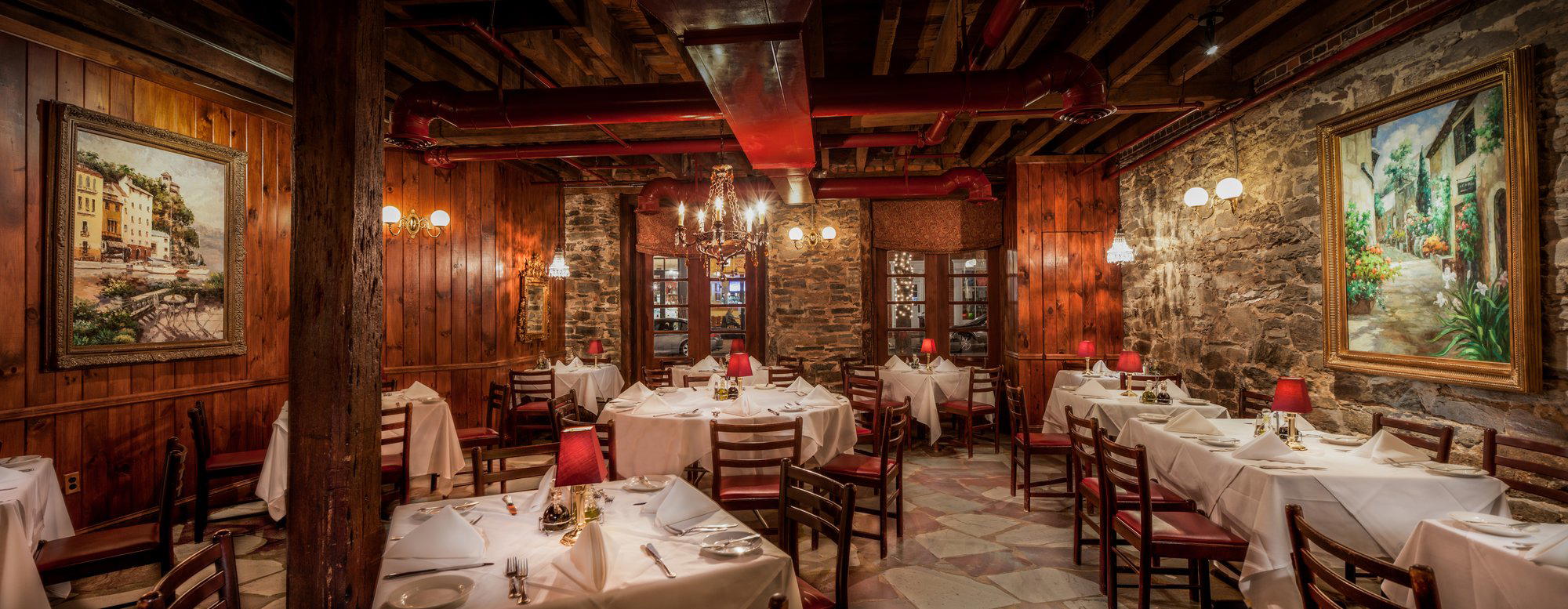
Restaurants in Falls Church
Browse all →
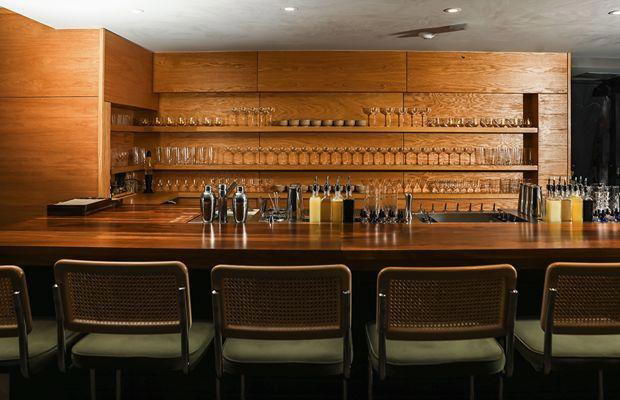
Bars in Falls Church
Browse all →
Hotels in Falls Church
Browse all →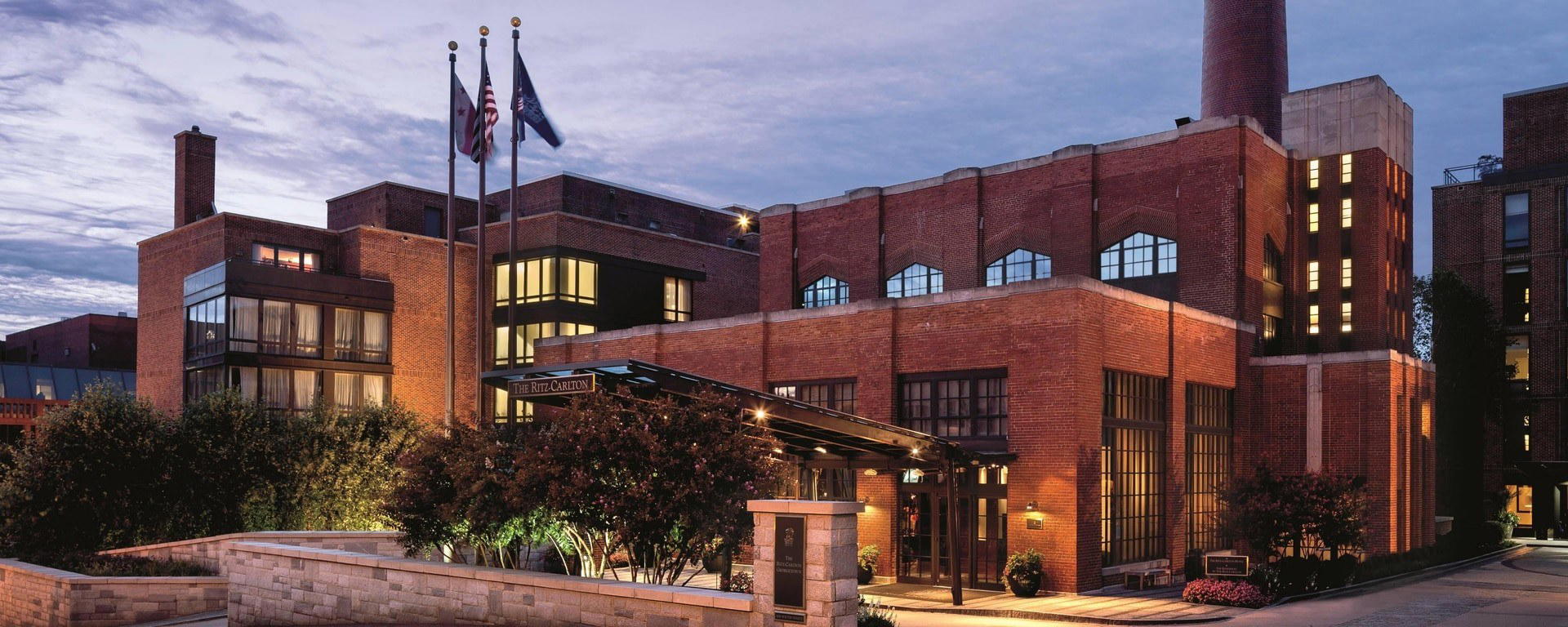
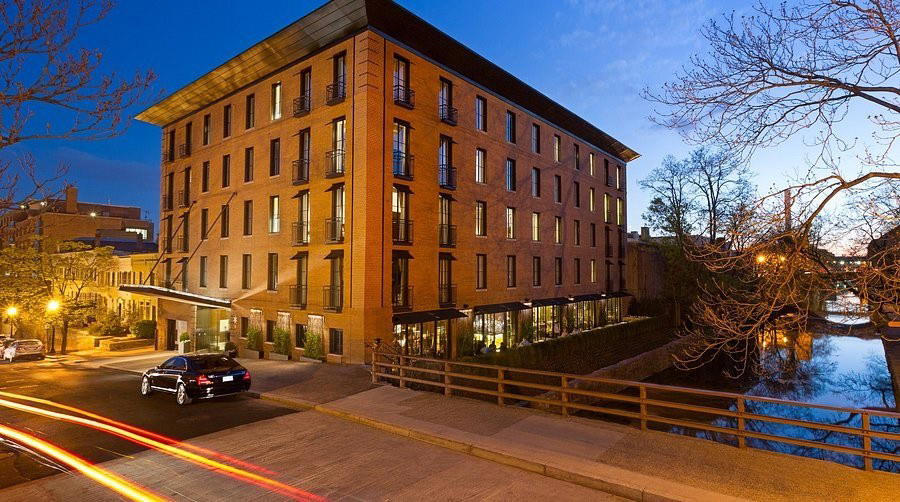
Details
- Lively
- Cozy
- Group Dining
- Family
- Casual Hangout
- Standalone
- A La Carte
- Family Style
- Vegetarian Friendly
- Vegan Options
Current opening hours
- Monday
- 10 AM–11 PM
- Tuesday
- 10 AM–11 PM
- Wednesday
- 10 AM–11 PM
- Thursday
- 10 AM–11 PM
- Friday
- 10 AM–11 PM
- Saturday
- 10 AM–11 PM
- Sunday
- 10 AM–11 PM
Hours can change for holidays and private events. Last verified .
Tastefully decorated spacious venue with a welcoming atmosphere for communal dining.