Bamian
Our verdict
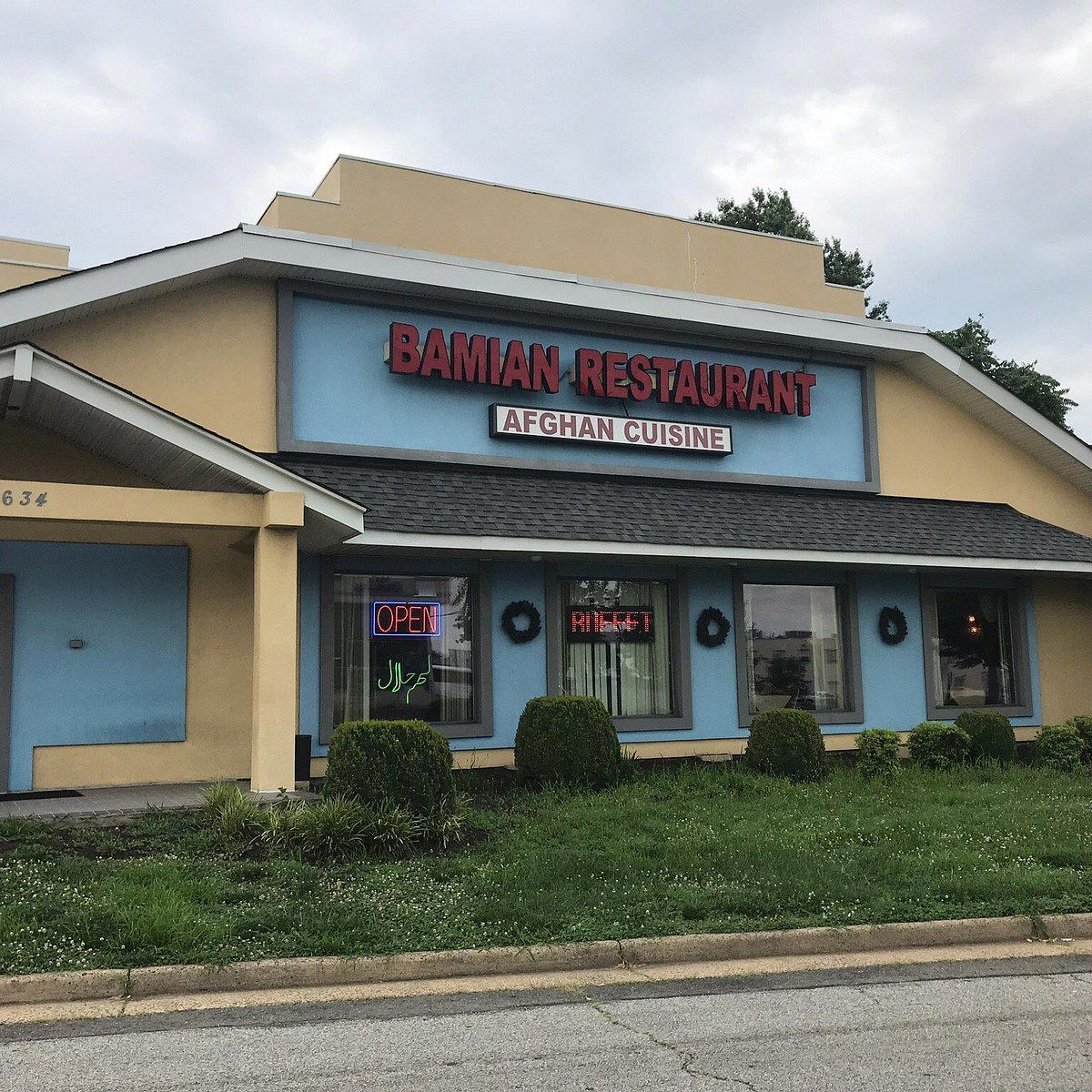
Bamian brings Afghan cooking to the Leesburg Pike corridor in Falls Church, a stretch of road that has become one of the Washington area's most concentrated pockets of Central and South Asian cuisine. The restaurant occupies a familiar position in this ecosystem: a neighborhood anchor that earns its following through consistency rather than ceremony, serving a cuisine that rewards those willing to look past the strip-mall setting.

Pearl is the En Primeur Club membership app, where members save venues, book tables and use the concierge.
The menu
What to order
- Qabuli Palau
- Bamian Platter
- Chicken Breast Kabob
- Aushak
- Lamb Kabob
Where Leesburg Pike Becomes a Corridor Worth Taking Seriously
Falls Church's Leesburg Pike does not announce itself. The road runs through a sequence of shopping centers and parking lots that look, from the highway, like any other mid-Atlantic commercial strip. But the restaurants tucked along this stretch tell a different story. Afghan, Uyghur, Thai, and Vietnamese kitchens operate within a few miles of each other, making this one of the more quietly concentrated corridors of Central and South Asian cooking in the greater Washington area. Bamian, at 5634 Leesburg Pike, sits within that cluster and belongs to the tradition that gives the area its reputation among Northern Virginia food followers.
For context on how this neighborhood reads against Falls Church's broader dining picture, our full Falls Church restaurants guide maps the range from approachable strip-mall specialists to more polished sit-down destinations like 2941, which operates at a different price tier and formality level entirely.
Afghan Cuisine and the Question of Sourcing
Afghan cooking occupies an interesting position in the American dining conversation. It shares Central Asian DNA with Uyghur cuisine, as practiced at Dolan Uyghur Restaurant a few miles away, and draws on Persian, South Asian, and Silk Road traditions in ways that make it genuinely difficult to categorize. At its foundation, it is a cuisine built around a short list of core ingredients: lamb and rice in several preparations, slow-cooked pulses, flatbread, and aromatic spice combinations that lean on cumin, cardamom, and coriander without the heat levels typical of South Asian cooking.
What matters most in Afghan cooking is the sourcing and treatment of a small number of ingredients. Lamb, the dominant protein, carries the cuisine's character. In Northern Virginia's Afghan restaurants, the sourcing of halal-certified meat is both a religious requirement and a quality signal, since the halal supply chain in this part of Virginia is relatively well-developed due to the region's large Muslim community. The rice preparations, particularly qabuli palau, depend on long-grain varieties and a layered cooking method that requires time and attention rather than technique in the showy sense. These are dishes where shortcuts announce themselves.
This matters when comparing Afghan restaurants in Falls Church's corridor. The gap between a kitchen taking those preparations seriously and one cutting corners is detectable in the texture of the rice, the depth of the braising liquid, and the weight of the bread. Consistency, not novelty, is the metric that counts here. Bamian's positioning on Leesburg Pike places it among restaurants where that consistency is the competitive differentiator.
The Falls Church Afghan Dining Context
The Washington metropolitan area has one of the largest Afghan diaspora communities in the United States, a demographic reality that has shaped the restaurant environment in Northern Virginia for decades. Falls Church and the surrounding Annandale-to-Springfield corridor have hosted Afghan restaurants since the 1980s, when the first wave of Afghan refugees resettled in the region following the Soviet invasion. That history means the local Afghan restaurant scene is not a recent trend; it is a mature ecosystem with its own hierarchy and a customer base that includes both diaspora diners who know exactly what they are looking for and a broader Northern Virginia audience that has grown accustomed to the cuisine over two generations.
In that context, a restaurant's standing is largely built through word of mouth within the community rather than through press coverage or award recognition. The strip-mall addresses are not incidental; they reflect the economics of a cuisine that prices for community regulars rather than destination diners. This is a different competitive logic than you find at farm-to-table tasting-menu restaurants like Blue Hill at Stone Barns in Tarrytown or ingredient-driven fine-dining programs like Single Thread Farm in Healdsburg, where sourcing narratives are explicit and central to the dining proposition. At Bamian and its peers on Leesburg Pike, sourcing discipline is embedded in the food rather than in the room or the menu copy.
Other Leesburg Pike neighbors worth knowing include Bread & Kabob, which occupies the fast-casual end of the local kabob spectrum, and Clare & Don's Beach Shack, which operates in a completely different register as a casual seafood spot. For wine and beer to accompany a meal from the area's take-out options, Dominion Wine and Beer is a useful nearby stop.
How Bamian Fits the Wider DC-Area Dining Picture
The greater Washington area supports a range of dining ambition levels, from Patrick O'Connell's The Inn at Little Washington, which operates at the top of the regional fine-dining tier, to the neighborhood-anchored specialist restaurants of Northern Virginia's immigrant corridors. These two ends of the market are not in competition with each other; they serve different needs and draw on different dining logics. The Leesburg Pike corridor belongs firmly to the latter category, where the authority comes from community trust and repetition rather than critical recognition or tasting-menu ambition.
That framing also applies nationally. Ingredient-sourcing transparency as a dining proposition has become central at restaurants like Smyth in Chicago, Addison in San Diego, and Providence in Los Angeles, where the supply chain is part of the story told at the table. Afghan cooking on Leesburg Pike inverts that model: the sourcing discipline is present, but it is expressed through the food rather than narrated to the diner.
Planning Your Visit
Bamian is located at 5634 Leesburg Pike, Falls Church, VA 22041, on a stretch of road that is straightforwardly accessible by car from most of Northern Virginia and reachable from Washington DC via the I-395 and I-66 corridors. The area is dense with parking. The price point for Afghan restaurants in this corridor is generally modest, making this a practical choice for a full table rather than a quick solo stop.
Frequently asked questions
How do I find Bamian?
Bamian is located at 5634 Leesburg Pike, Falls Church, VA 22041, Falls Church.
Is Bamian in Falls Church representative of authentic Afghan home-style cooking, or is it adapted for American palates?
Falls Church's Afghan restaurant corridor is shaped by one of the densest Afghan diaspora populations in the United States, which creates genuine accountability, these restaurants feed a community that grew up with the food, not only curious outsiders. That demographic pressure tends to keep preparations closer to tradition than restaurants operating without a local ethnic base. Bamian at 5634 Leesburg Pike sits within that same ecosystem, serving a neighborhood where Afghan cuisine is a daily reference point rather than a novelty.
What's the must-try dish at Bamian?
Bamian's menu draws from the Afghan culinary canon, which means dishes like qabuli palaw, rice slow-cooked with lamb, carrots, and raisins, are the structural anchors of any Afghan dining room at this level. Falls Church's Afghan corridor is dense enough that diners can compare versions across multiple restaurants on the same stretch of Leesburg Pike, which keeps the standard honest. Specific current dishes are best confirmed directly with the restaurant before visiting.
How hard is it to get a table at Bamian?
Falls Church sits within one of the largest Afghan diaspora communities in the United States, and Bamian on Leesburg Pike serves a local population that treats Afghan food as everyday dining rather than a special occasion. That steady neighborhood demand can make weekend evenings competitive. Calling ahead is advisable; contact details are available through standard map and search listings for 5634 Leesburg Pike, Falls Church, VA 22041.
What's Bamian best at?
Bamian operates in the context of the DC area's Afghan restaurant scene, which is among the most developed in the country precisely because the regional Afghan diaspora has shaped local demand for decades. That community context tends to produce restaurants where the cooking is calibrated to an informed, regular clientele rather than a tourist-facing one, a meaningful distinction in how dishes are seasoned and portioned. Afghan cooking's Central Asian DNA, shared with traditions from Uzbekistan through the Silk Road corridor, gives the menu a depth that rewards repeat visits.
Do they accommodate allergies at Bamian?
Afghan cuisine relies heavily on wheat-based breads, rice, and dairy in preparations like qorma and yogurt sauces, so guests with gluten or lactose sensitivities should review options in advance. Direct communication with the restaurant before your visit is the reliable approach for specific dietary requirements.
How It Stacks Up
Comparable venues nearby, for context on price, style, and recognition.
| Venue | Cuisine | Price | Notes |
|---|---|---|---|
| BamianThis venue (the venue you are viewing) | Authentic Afghan Cuisine | $20–30 | Not listed |
| Little Saigon Restaurant | Authentic Vietnamese | $20–30 | Eden Center |
| Hong Kong Pearl Seafood Restaurant | Cantonese Seafood and Dim Sum | $20–30 | Falls Church |
| Duangrat's | Thai | $20–30 | Falls Church |
| Rice Paper Taste.of. Vietnam | Authentic South Vietnamese | $20–30 | Eden Center |
| Clare & Don's Beach Shack | Florida-Inspired American Seafood | $20–30 | Falls Church |
Continue exploring
More in Falls Church
Restaurants in Falls Church
All restaurants in Falls Church →
Bars in Falls Church
Browse all →
Details
- Casual
- Cozy
- Classic
- Group Dining
- Family
- Casual Hangout
- Celebration
- Private Event
- Private Dining
- Local Sourcing
- Buffet
- A La Carte
- Family Style
- Traditional Afghan Drinks
- House Wine
- Vegetarian Friendly
- Halal
- Gluten Free Options
Current opening hours
- Monday
- 10 AM–11 PM
- Tuesday
- 10 AM–11 PM
- Wednesday
- 10 AM–11 PM
- Thursday
- 10 AM–11 PM
- Friday
- 10 AM–11 PM
- Saturday
- 10 AM–11 PM
- Sunday
- 10 AM–11 PM
Hours can change for holidays and private events. Hours as of .
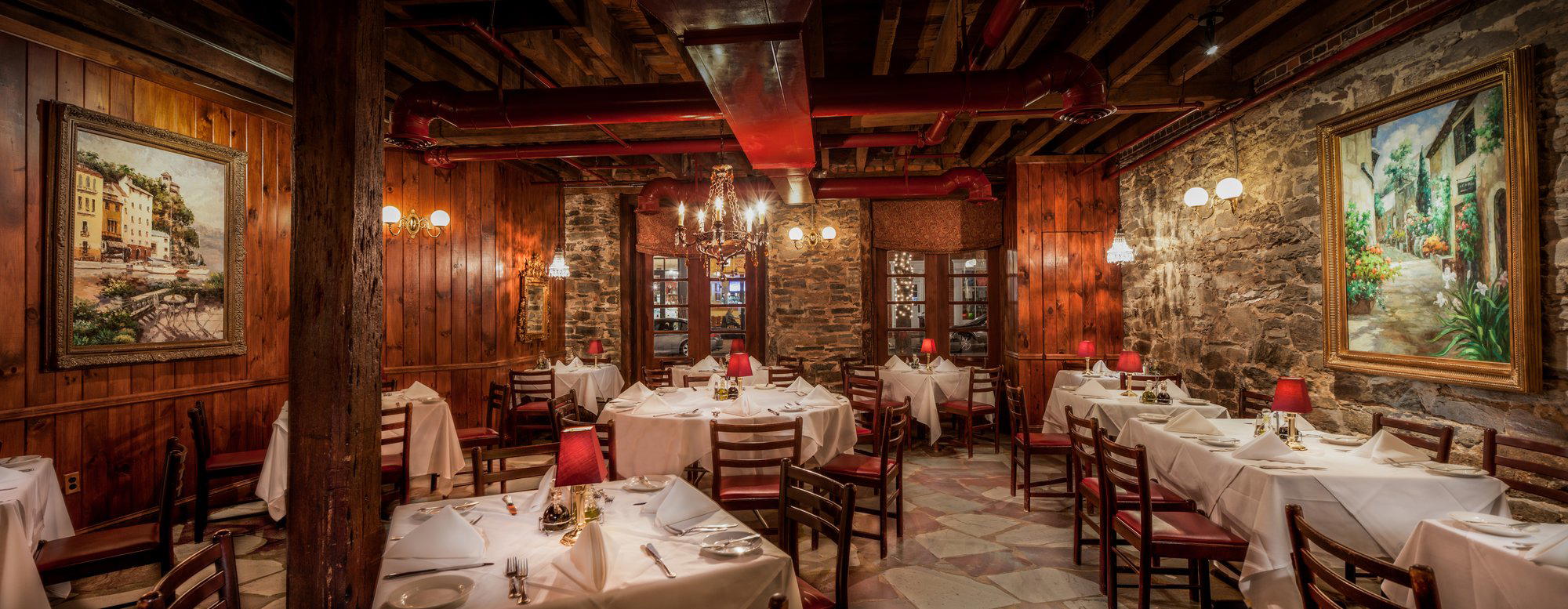
Well-lit and airy dining room with comfortable Afghan music at moderate volume; clean, welcoming atmosphere with attentive service despite buffet format.