Bread & Kabob
Our verdict
Bread & Kabob at 3407 Payne St brings the grilled-meat traditions of the broader Persian and Middle Eastern diaspora to Falls Church, a city whose restaurant strip has become one of the DC region's most culturally concentrated dining corridors. The format is straightforward: bread, fire, and the kind of preparation that rewards simplicity. A reliable stop for the area's Afghan and Iranian community and curious newcomers alike.

Pearl is the En Primeur Club membership app, where members save venues, book tables and use the concierge.
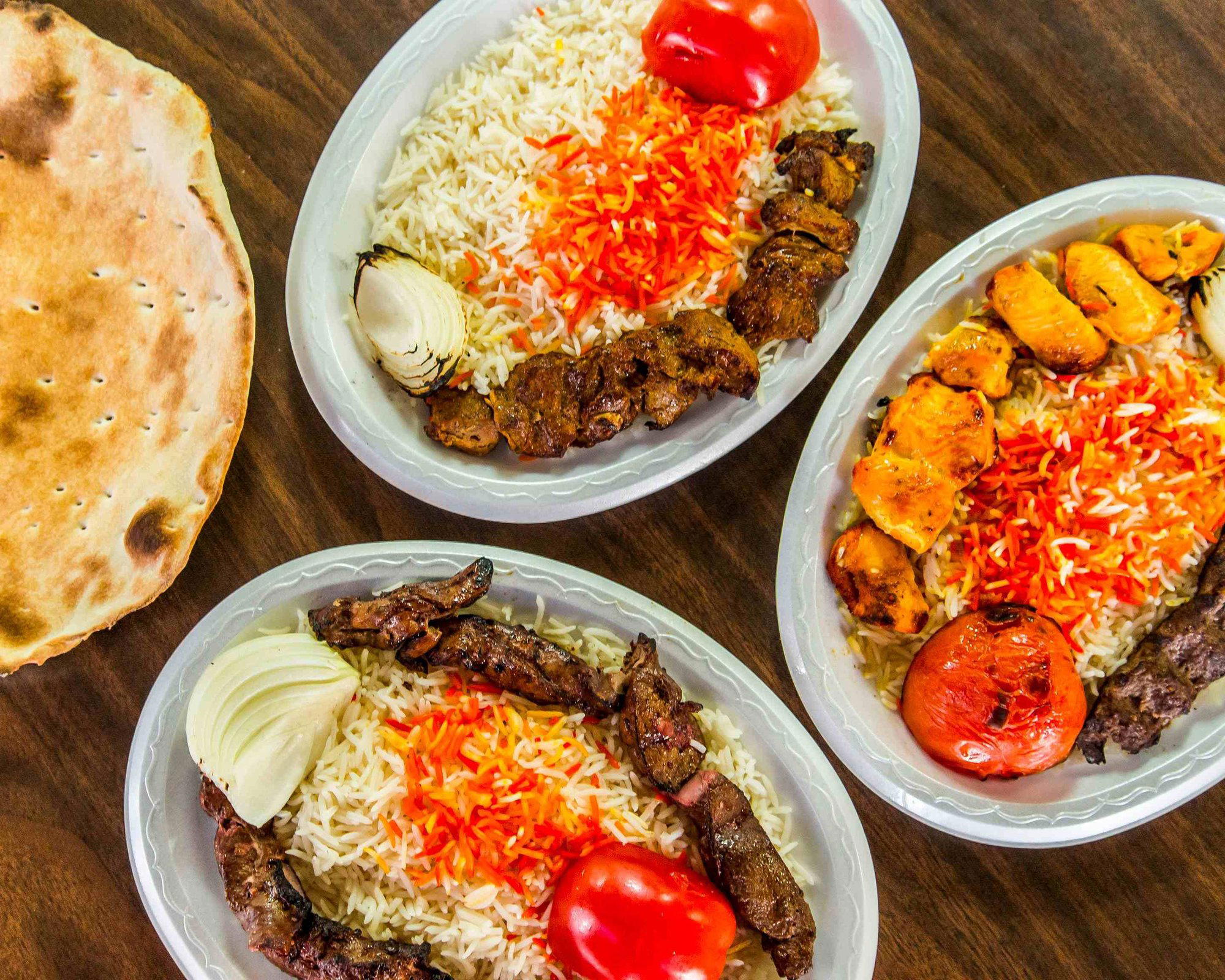
The menu
What to order
- Chicken Sultani
- Super Lamb Sultani
- Kubideh
Where Falls Church's Middle Eastern Corridor Does Smoke and Bread
Payne Street sits at the edge of Falls Church's denser commercial strip, a stretch that has quietly accumulated one of the more culturally layered sets of restaurants in the greater Washington DC area. The signage here does not court attention. The storefronts are modest, the parking lots functional, and the smells do more marketing than any display window could. Bread & Kabob, at 3407 Payne St, operates in that register: a spot where the cooking tradition carries the room rather than the room carrying the cooking. In a city where Afghan, Persian, Uyghur, and Southeast Asian kitchens have planted roots within blocks of each other, the kabob format reads not as novelty but as genuine community infrastructure.
The Grilled-Meat Tradition Behind the Name
Kabob as a culinary form predates restaurants by centuries. Across the Persian-speaking world, Iran, Afghanistan, Tajikistan, the preparation of meat on skewers over live fire represents one of the most codified and culturally serious cooking traditions in existence. The variables are disciplined: fat-to-lean ratios, the grind of the meat, the temperature of the coals, the rest after the flame. Bread is not an afterthought in this tradition; it is structural. Flatbreads serve as plate, utensil, and flavor-absorbing vessel simultaneously. What looks like a simple meal on the surface carries the weight of a cooking culture in which these two elements, bread and grilled meat, are treated with the same seriousness that a Japanese kitchen applies to rice or a French kitchen applies to stock.
Falls Church functions as a useful lens for understanding how these traditions travel and root themselves in American cities. The city's restaurant concentration, particularly in the Leesburg Pike and adjacent corridors, reflects decades of Afghan, Vietnamese, Ethiopian, and other diaspora communities building commercial anchors. A kabob house here is not a concept restaurant translating a foreign cuisine for a novelty-seeking audience. It is typically the kind of place that feeds a community that knows what it is looking at and will notice if the preparation is off. That peer pressure from an informed local audience tends to produce more honest cooking than any Michelin inspector could encourage.
Reading the Menu in Cultural Context
The bread-and-kabob format across this region generally runs on a small number of core preparations: koobideh, the ground-meat skewer seasoned with onion and spices; barg, sliced fillet; joojeh, marinated chicken; and sometimes shish, cubed lamb or beef. Each has its own standards. Koobideh, for instance, is judged on texture and cohesion as much as flavor, it should hold the skewer without packing, char at the edges while remaining moist inside, and carry the onion through the cook without turning acrid. These are not arbitrary preferences; they reflect generations of cooks refining a preparation against a demanding audience.
Rice, when it appears, usually takes the form of chelow, steamed and crusted at the bottom into tahdig, the caramelized layer that is one of Persian cooking's most contested and beloved elements. Accompaniments tend toward grilled tomatoes, raw onion, and fresh herbs: the kind of simplicity that signals confidence in the central protein rather than reliance on distraction. In the broader Falls Church dining scene, this register of cooking sits alongside Bamian, which represents the Afghan kitchen's fuller spread, and Dolan Uyghur Restaurant, where Central Asian grilling traditions from the far eastern edge of the same cultural corridor take a different but related form.
The Falls Church Context: A Corridor Worth Understanding
Falls Church's dining identity has been shaped less by fine-dining investment and more by the accumulation of community-serving restaurants across multiple immigrant populations. That dynamic produces a different kind of quality signal than awards and press attention. Longevity in this environment, where the customer base knows the reference points, is a more reliable indicator of consistent cooking than a single strong review. The city's restaurant strip rewards honesty over theater.
For visitors arriving from Washington DC, Falls Church sits a short drive west of the city along Routes 7 and 50, with several Metro-accessible options providing connections to the broader corridor. The area around Payne Street rewards the kind of unhurried afternoon that allows for multiple stops: a meal at one counter, tea or sweets nearby, and a slow walk through the adjacent stretch that holds Clare & Don's Beach Shack and Dominion Wine and Beer for those who want to extend the afternoon in a different direction. The full picture of what Falls Church offers as a dining destination is mapped in our full Falls Church restaurants guide.
At a national level, the restaurants drawing the most critical attention tend to operate in a completely different register: the tasting-menu format at 2941, the Northern Virginia area's most formally recognized table, or, further afield, the kind of destination dining represented by The French Laundry in Napa, Le Bernardin in New York City, or Smyth in Chicago. Bread & Kabob operates at an entirely different price point and register, one where the cooking tradition's integrity, not the production format, is the primary argument for the visit. That distinction matters when calibrating expectations, though it does not make one category more serious than the other. A well-executed koobideh requires as much technical understanding as a well-executed sauce at Blue Hill at Stone Barns or Providence in Los Angeles, the vocabulary is simply different.
Planning Your Visit
Bread & Kabob is located at 3407 Payne St, Falls Church, VA 22041. Given the format, counter-style or casual table service, focused menu, relatively quick service, walk-in visits are typically viable rather than requiring advance reservation. The Payne Street location is most accessible by car, with street and lot parking available in the immediate area. Visiting during the lunch window often allows for a faster pace; dinner tends to draw the fuller community crowd. Those exploring the corridor for the first time would do well to treat the visit as part of a longer afternoon through this stretch of Falls Church rather than a standalone destination trip.
Frequently asked questions
Where do I go for Bread & Kabob?
Bread & Kabob is located at 3407 Payne St, Falls Church, VA 22041, Falls Church.
How does Bread & Kabob compare to other Afghan and Persian restaurants in the Falls Church area?
Falls Church holds one of the DC region's most concentrated clusters of Afghan and Persian restaurants, a corridor where community-rooted spots compete on the consistency of a small, focused menu rather than ambition or range. Bread & Kabob's format, anchored on the bread-and-skewer pairing that defines the cuisine across Iran and Afghanistan, places it squarely within that tradition. The Payne Street address puts it within easy reach of the broader Falls Church dining strip, making comparison visits between venues straightforward on a single trip.
What's the best thing to order at Bread & Kabob?
In Afghan and Persian kabob restaurants of this format, the ground-meat skewer, koobideh, is the clearest quality benchmark: it demands precise seasoning and heat control that separates a skilled kitchen from a routine one. Beyond that, look to the bread, which in this tradition is baked to order and serves as both utensil and side. Falls Church's Payne Street corridor draws a regular community clientele, meaning the core preparations tend to be the ones most consistently executed.
Can I walk in to Bread & Kabob?
The casual, counter-oriented format common to Falls Church's Afghan and Persian corridor generally supports walk-in visits without advance reservations. Located at 3407 Payne St, Falls Church, VA 22041, the restaurant sits in a community-facing strip where turnover tends to be steady. Peak lunch and dinner hours may see a short wait, so off-peak timing gives you the clearest run at a seat.
Cost Snapshot
Comparable venues nearby, for context on price, style, and recognition.
| Venue | Cuisine | Price | Awards | Notes |
|---|---|---|---|---|
| Bread & KabobThis venue (the venue you are viewing) | Persian Kabobs | $20–30 | Not listed | Not listed |
| Bamian | Authentic Afghan Cuisine | $20–30 | Not listed | Falls Church, Authentic Afghan Cuisine |
| Miu Kee Cantonese Cuisine | Hong Kong-Style Cantonese | $20–30 | Not listed | Falls Church, Hong Kong-Style Cantonese |
| Fava Pot | Egyptian/Mediterranean | $20–30 | Washingtonian 100 Very Best Restaurants #87 | West Falls Church, Egyptian/Mediterranean |
| Rice Paper Taste.of. Vietnam | Authentic South Vietnamese | $20–30 | Not listed | Eden Center, Authentic South Vietnamese |
| Elephant Jumps | Authentic Thai | $20–30 | Not listed | Merrifield, Authentic Thai |
Bread & Kabob
Featured Guides

Continue exploring
More in Falls Church
Restaurants in Falls Church
All restaurants in Falls Church →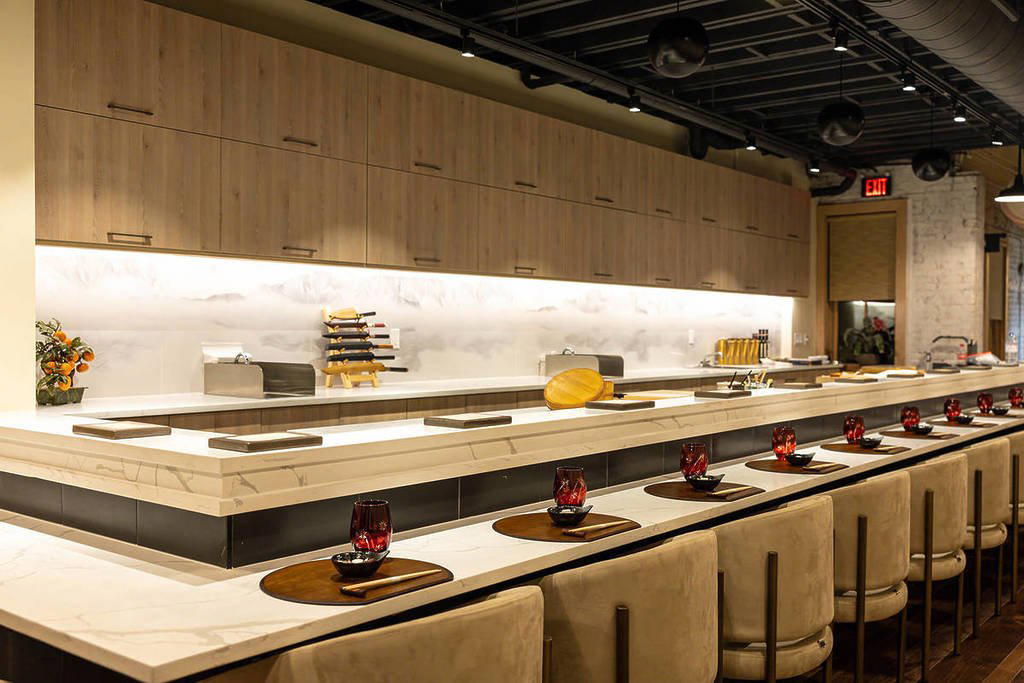
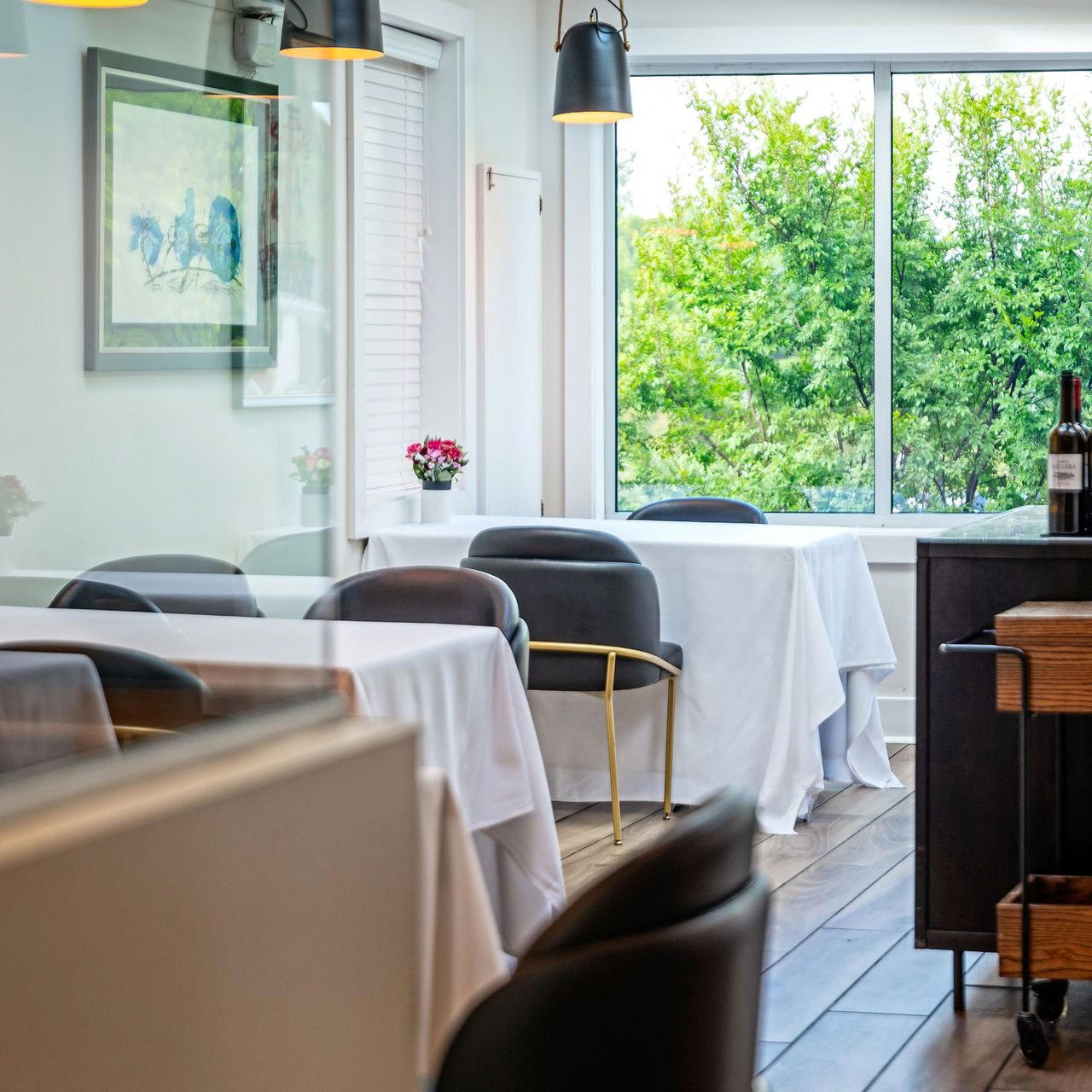
Bars in Falls Church
Browse all →
Details
- Casual Hangout
- Family
- A La Carte
- Halal
Current opening hours
- Monday
- 11 AM–9 PM
- Tuesday
- 11 AM–9 PM
- Wednesday
- 11 AM–9 PM
- Thursday
- 11 AM–9 PM
- Friday
- 11 AM–9 PM
- Saturday
- 11 AM–9 PM
- Sunday
- 11 AM–9 PM
Hours can change for holidays and private events. Hours as of .
Casual and welcoming with friendly accommodating staff.