MBER
Pudding Lane and the Architecture of Memory Pudding Lane, EC3R, is one of those City of London addresses that carries more history per metre than most streets carry in an entire postcode. This is where the Great Fire of 1666 began, where the...
Pearl is the En Primeur Club membership app — saves, bookings, and concierge access live there. Same editors, same standards.
- Address
- 1A Pudding Ln, London EC3R 8AB, United Kingdom
- Phone
- +442076086545
- Website
- mber.london
- Directions
- Get directions
 Saves & bookings on Pearl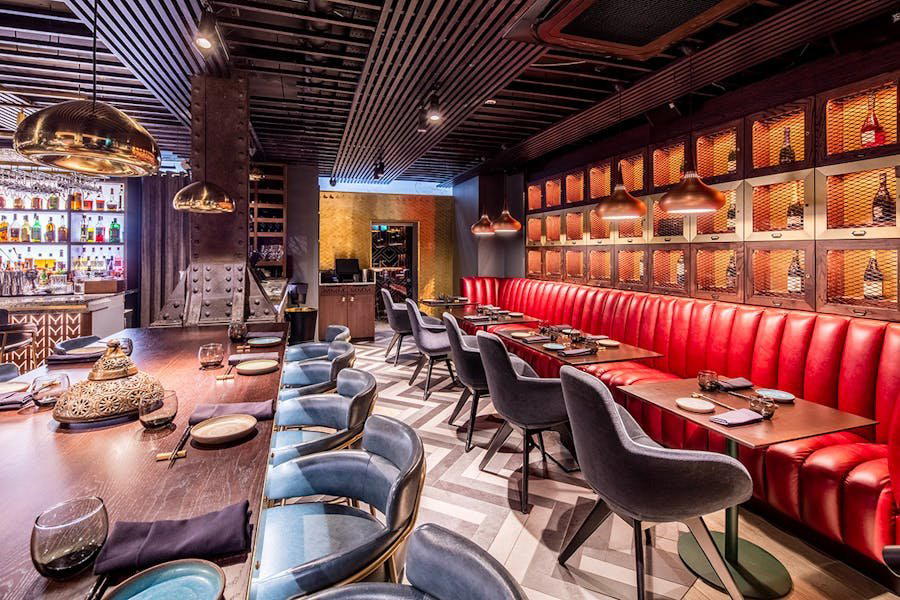
Pudding Lane and the Architecture of Memory
Pudding Lane, EC3R, is one of those City of London addresses that carries more history per metre than most streets carry in an entire postcode. This is where the Great Fire of 1666 began, where the medieval street grid survives in name if not always in fabric, and where the modern financial district presses hard against a palimpsest of older London. Bars and restaurants that open here operate inside a charged context: the buildings are often post-war or post-bomb, the clientele is largely professional, and the footfall pattern follows City hours rather than West End leisure rhythms. MBER sits on this street at 1A Pudding Lane, and that address alone frames a great deal about what kind of space it inhabits and what kind of guest it receives.
The Physical Container: Interior Architecture in the City
The City of London's bar and dining spaces have undergone a significant shift over the past decade. Where the dominant format was once the large-format gastropub or the hotel bar serving financial services expense accounts, a newer generation of venues has moved toward considered interior architecture, lower capacity, and a more deliberate relationship between the physical space and the experience offered. The design question for any City venue is how to create atmosphere in a neighbourhood that empties after 7pm on weekdays and stays quiet through the weekend. The answer, in the better examples, lies in spatial compression: smaller rooms, more deliberate lighting, materials that age well and read warmly against the stone and glass of the surrounding streets.
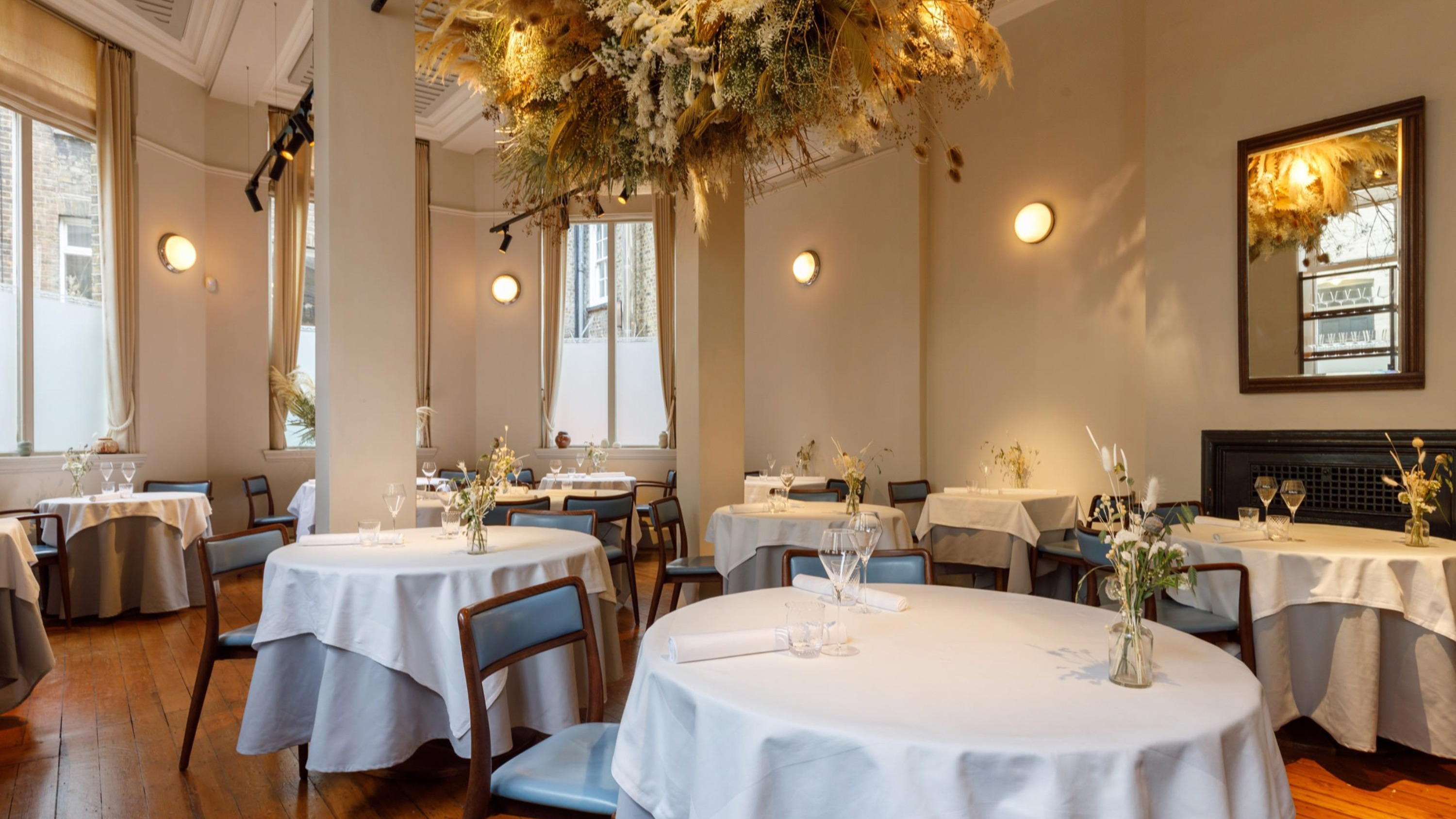
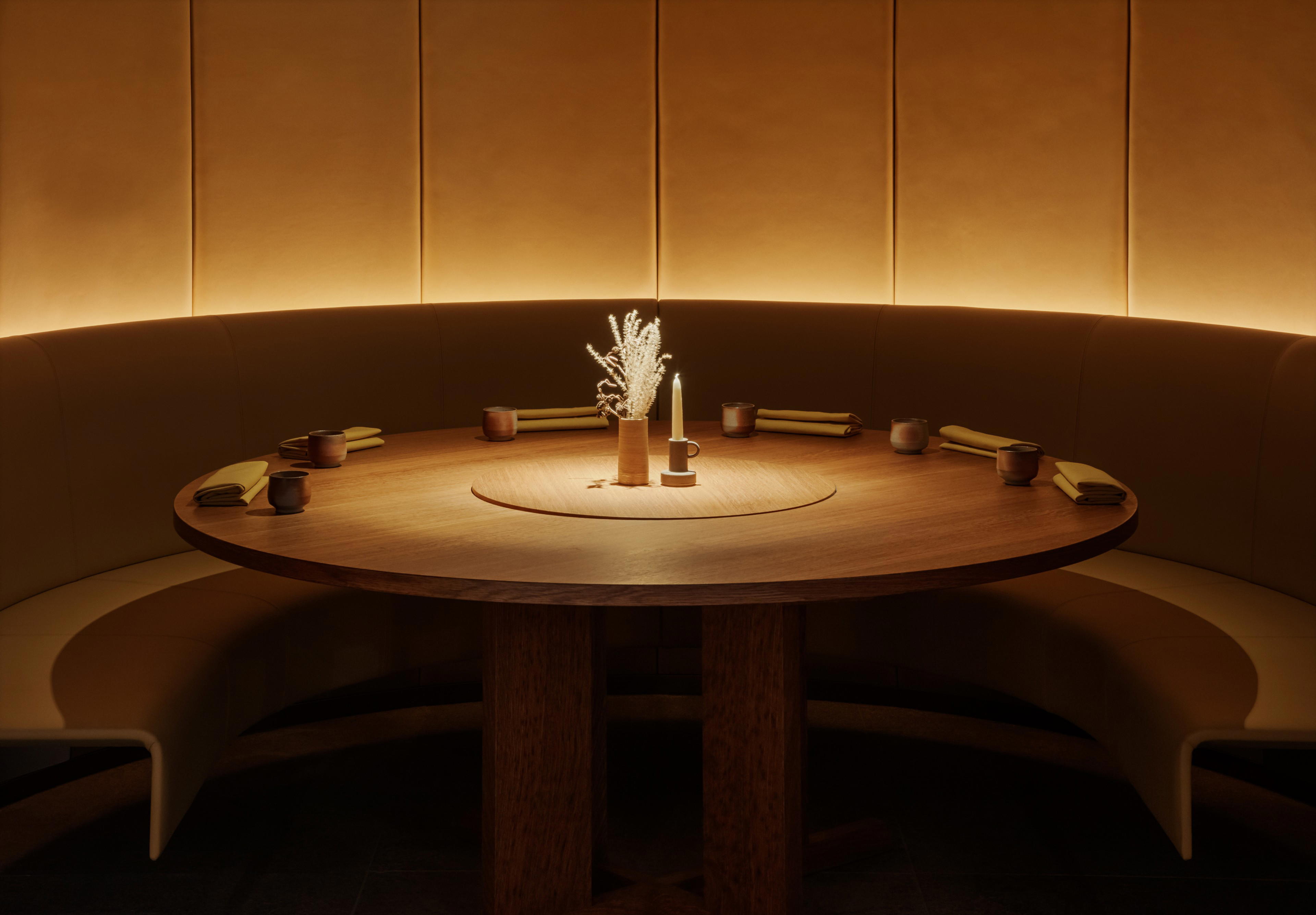
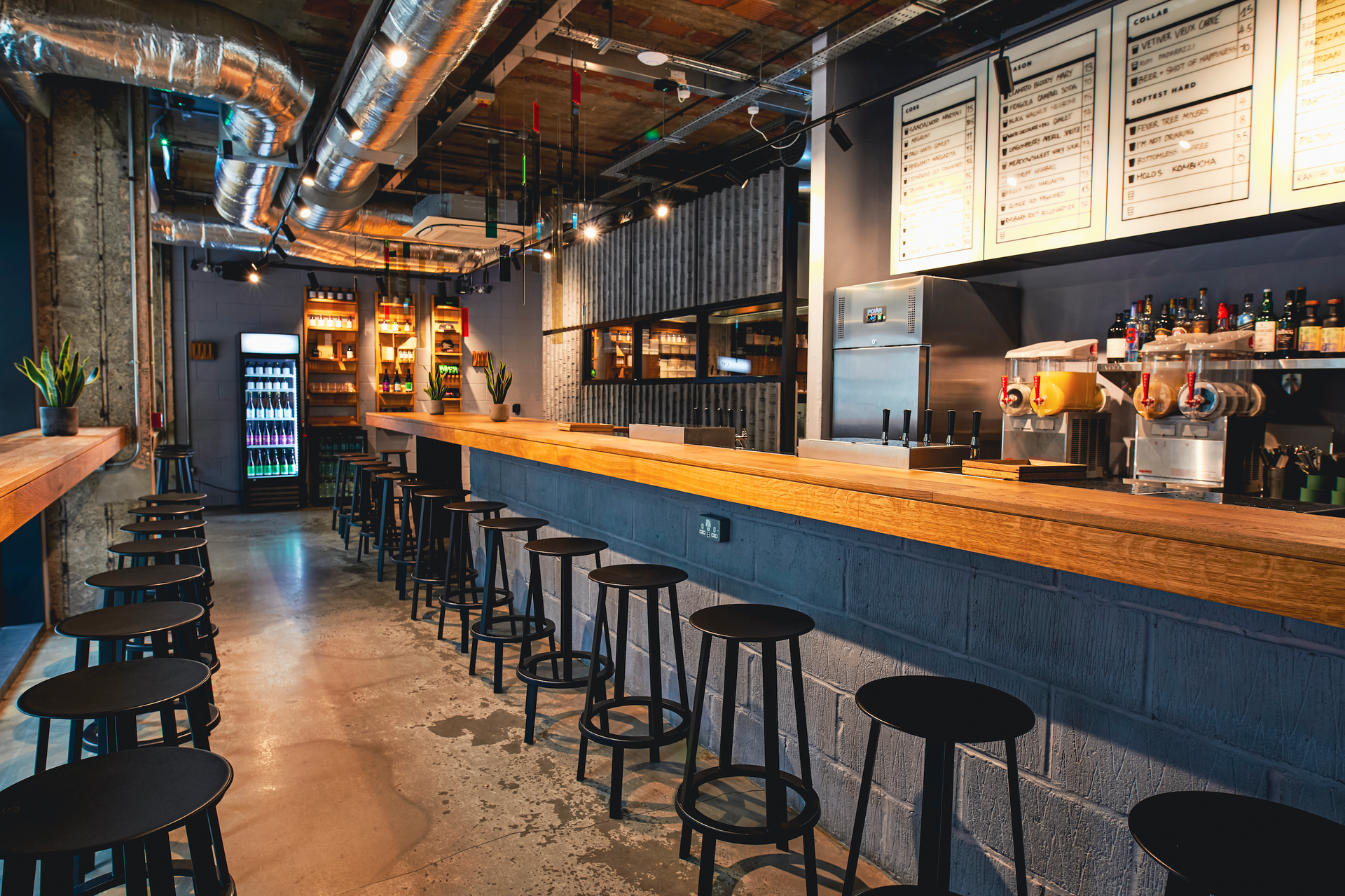
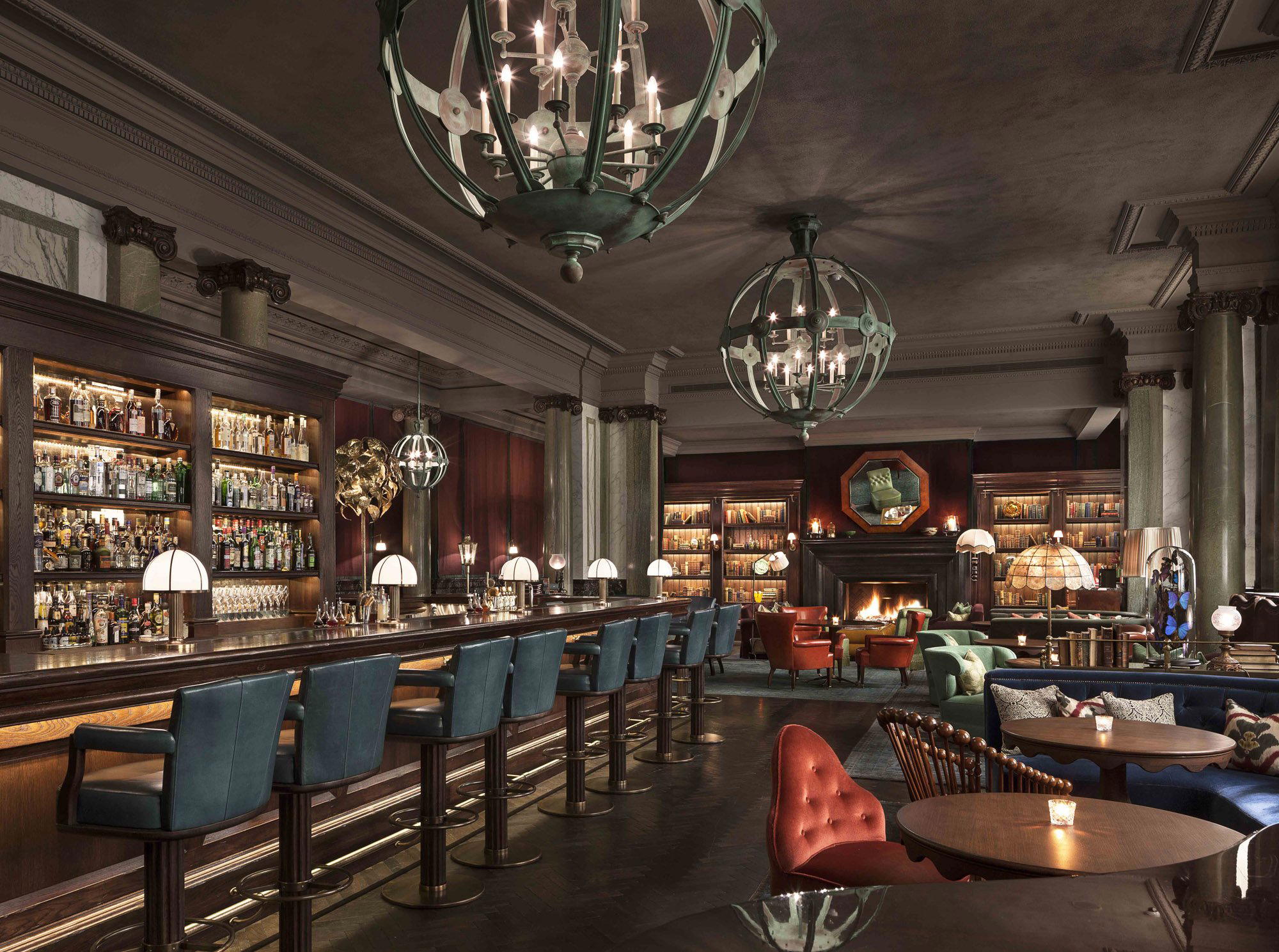
MBER's position at the base of a building on Pudding Lane places it in a district where ground-floor hospitality spaces are almost always working with constrained footprints and the need to separate themselves acoustically and visually from the office world above. The name itself, referencing the warm amber tones associated with firelight, signals an interior design philosophy oriented around warmth and depth of colour rather than the bleached Scandi minimalism that swept through London's design-led venues in the mid-2010s. In a neighbourhood where most spaces default to either corporate neutrality or theatrical historicism, a palette built around amber and warm light represents a distinct positioning.
This matters beyond aesthetics. The physical container of a bar or dining room shapes the kind of conversation that happens inside it, the pace at which people drink, and the length of time they stay. City venues that invest in atmosphere over throughput are making a bet on a different kind of guest: one who arrives with time, not just a budget. The Great Fire memorial stands within a few hundred metres, and the riverside walk toward London Bridge opens the neighbourhood to a broader mix of visitors than the purely financial crowd. Spaces designed with this dual audience in mind, the long-lunch professional and the early-evening visitor, tend to carry their design decisions with more intentionality than those chasing a single demographic.
Where MBER Sits in the London Venue Spectrum
London's premium dining and bar scene operates across a wide range of price points and formats. At the summit of the formal dining register, venues like CORE by Clare Smyth, Restaurant Gordon Ramsay, Sketch, The Lecture Room and Library, The Ledbury, and Dinner by Heston Blumenthal occupy the multi-course, tasting-menu tier where the room design is inseparable from the broader ceremonial ambition of the meal. Below that tier, and often more interesting for it, is the category of venues where the space and drink programme carry equal or greater weight than any kitchen output. The City's position away from the main restaurant clusters of Mayfair, Notting Hill, and the South Bank means that venues here operate with different competitive pressures. They are not fighting for the same reservation lists as the West End; they are building loyalty among a localised professional audience while remaining accessible enough to draw visitors exploring the eastern edge of central London.
For context on the broader national scene, the venues that define serious British dining outside London, from Waterside Inn in Bray and Le Manoir aux Quat'Saisons in Oxford to L'Enclume in Cartmel, Moor Hall in Aughton, and Gidleigh Park in Chagford, all operate with substantial room counts, gardens, and destination-dining ambitions that require overnight stays to fully experience. City bars occupy a different register entirely: they are urban, time-compressed, and dependent on repeat visits from a local professional audience rather than one-off destination bookings. Hand and Flowers in Marlow, hide and fox in Saltwood, Midsummer House in Cambridge, Opheem in Birmingham, and Restaurant Andrew Fairlie in Auchterarder similarly operate in regional contexts where the dining room is the primary draw. In New York, venues like Le Bernardin and Atomix show how serious hospitality spaces can anchor themselves in specific districts with specific design languages. MBER's positioning in EC3R follows a comparable logic: location specificity, a defined design identity, and a guest relationship built around the character of the surrounding neighbourhood.
Planning Your Visit
The City of London operates on a schedule that differs significantly from the rest of central London. Monday through Friday evenings from roughly 5pm onward represent the primary window for City venues. The weekend dynamic is quieter, with tourism and residential traffic replacing the financial district crowd. Pudding Lane sits close to Monument tube station, making it accessible from both the District and Circle lines as well as the Northern line via Bank. The riverside walk from London Bridge station adds a second approach, useful for those combining the visit with the South Bank or Borough Market.
Venue Comparison at a Glance
| Venue | Neighbourhood | Format | Price Band | Booking Lead Time |
|---|---|---|---|---|
| MBER | City of London, EC3R | Bar and dining | Not confirmed | Not confirmed |
| CORE by Clare Smyth | Notting Hill | Fine dining tasting menu | ££££ | Several months |
| Restaurant Gordon Ramsay | Chelsea | Fine dining tasting menu | ££££ | Several months |
| Sketch, The Lecture Room | Mayfair | Fine dining tasting menu | ££££ | Several weeks |
| The Ledbury | Notting Hill | Fine dining tasting menu | ££££ | Several months |
| Dinner by Heston Blumenthal | Knightsbridge | Modern British, a la carte and set | ££££ | Several weeks |
For a fuller picture of London's dining options across price points and neighbourhoods, see our full London restaurants guide.
How MBER London compares with similar nearby venues.
| Venue | Cuisine |
|---|---|
| Libertine | French Bistro |
Continue exploring
More in London
Restaurants in London
Browse all →
Bars in London
Browse all →
Hotels in London
Browse all →


At a Glance
- Modern
- Elegant
- Sophisticated
- Intimate
- Date Night
- Business Dinner
- Group Dining
- Celebration
- Private Event
- Private Dining
- Standalone
- Craft Cocktails
Current opening hours
- Monday
- 12–2:45 PM, 5–8 PM
- Tuesday
- 12–2:45 PM, 5–10 PM
- Wednesday
- 12–10 PM
- Thursday
- 12–10 PM
- Friday
- Closed
- Saturday
- Closed
- Sunday
- Closed
Hours can change for holidays and private events. Last verified .
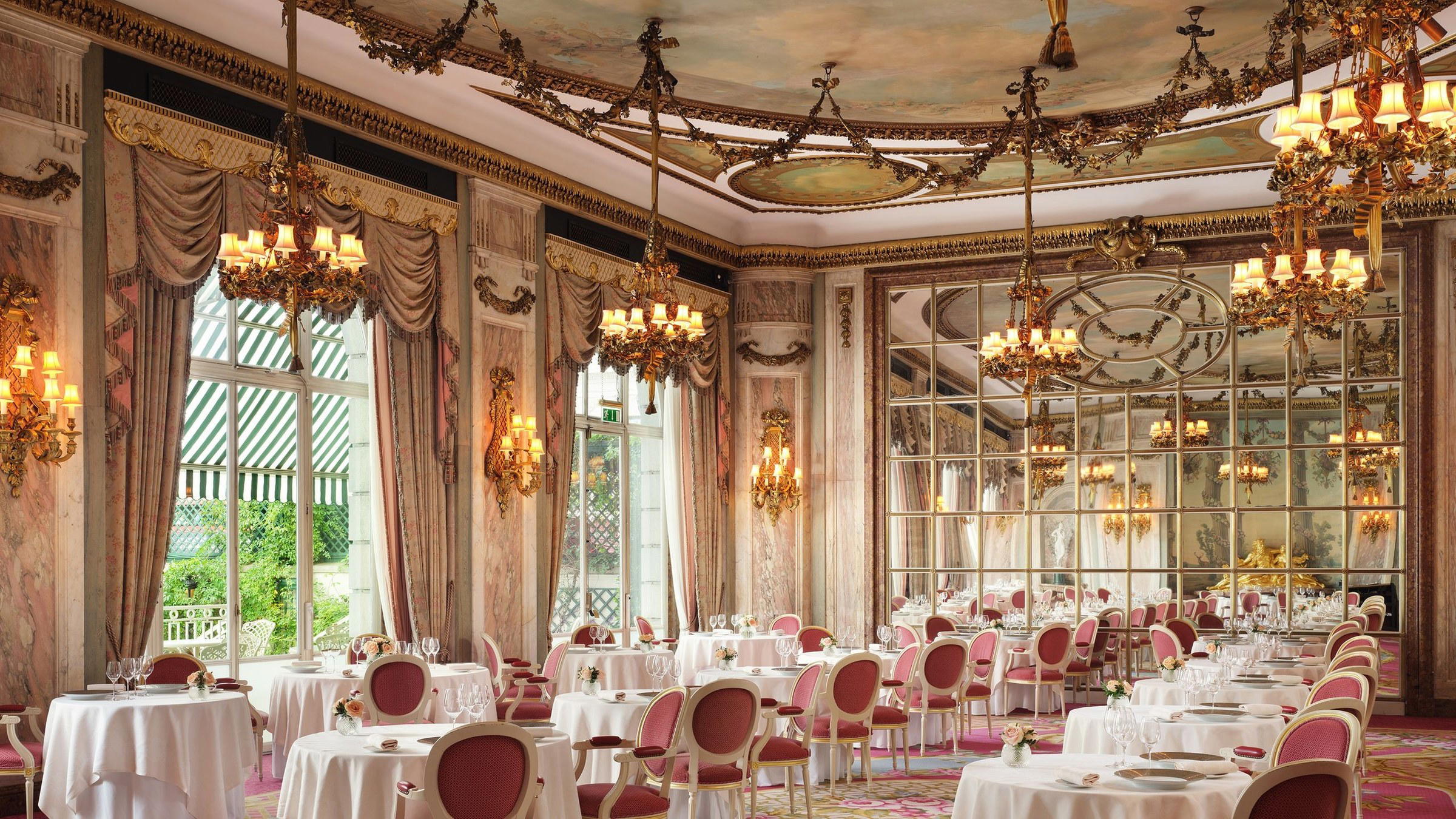
Chic and decadent, set down the stairs away from the bustling street, with an intimate restaurant-and-bar atmosphere suited to lunches, dinners and celebrations.