Mission
Situated on Paradise Row in Bethnal Green, Mission operates in a part of east London where proximity to serious produce markets and independent suppliers has shaped a generation of ingredient-led cooking. The restaurant positions itself against a broader east London tradition of stripped-back rooms with technically precise kitchens, sitting at a different price point and register than the formal dining rooms of Mayfair or Chelsea.
- Address
- 250 Paradise Row, London E2 9LE, United Kingdom
- Phone
- +44 20 7729 6278
- Directions
- Get directions
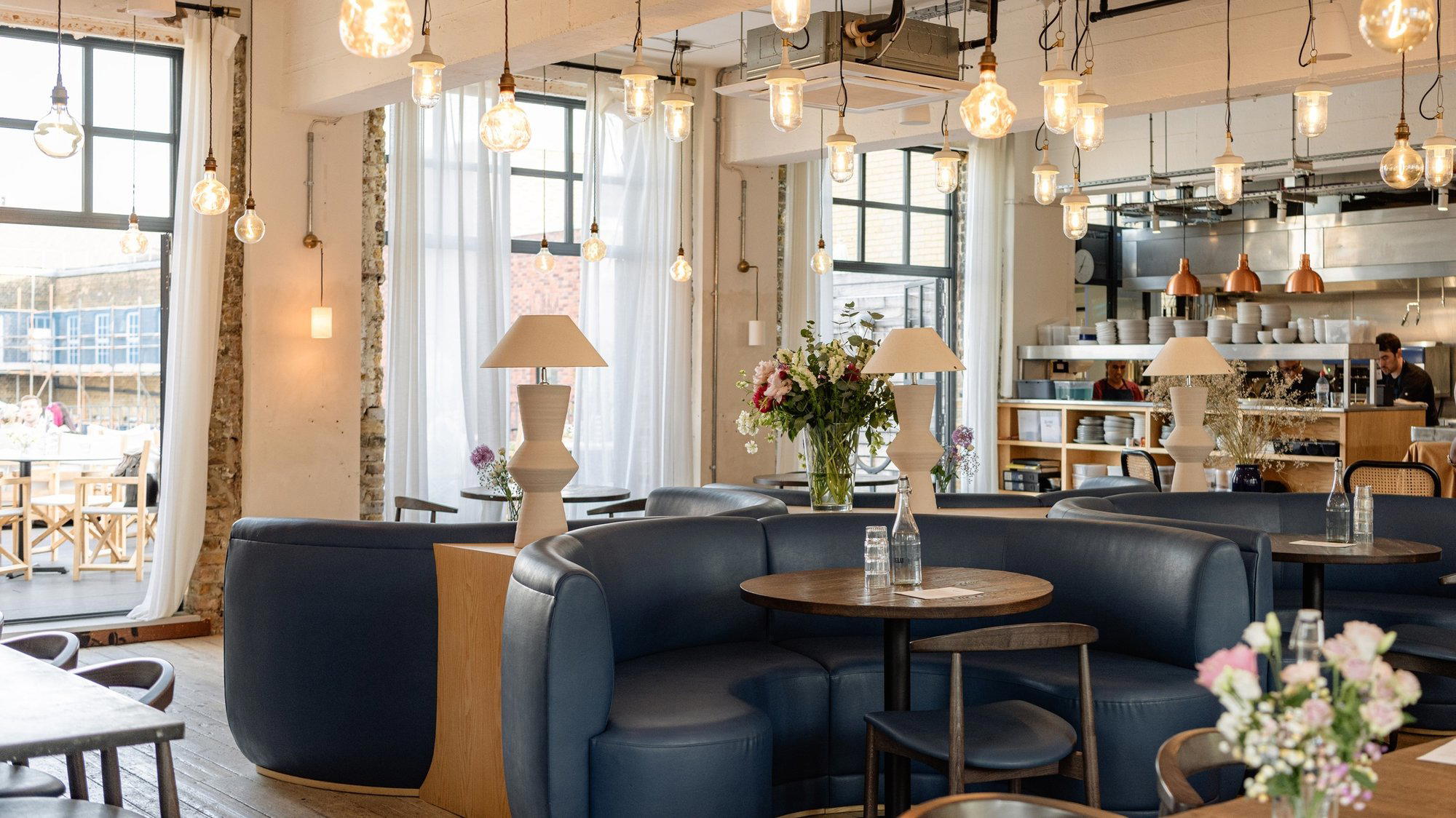
Paradise Row and the East London Ingredient Argument
There is a particular kind of east London restaurant that announces its priorities the moment you arrive: the room is spare, the tables close together, and whatever decoration exists tends to be functional rather than theatrical. The address at 250 Paradise Row, Bethnal Green, places Mission in east London. That geography is not incidental. It is a competitive and culinary context that shapes what a restaurant in this postcode tends to be doing.
The east London dining corridor running through Bethnal Green, Hackney, and Shoreditch has developed its own internal hierarchy. At one end sit casual, counter-service operations with a single sourcing story. At the other sit restaurants like Mission, where the room and the food operate at a register that sits clearly above the neighbourhood bistro bracket without reaching for the ceremony of a CORE by Clare Smyth or a Sketch, The Lecture Room and Library. That middle tier is where London's sourcing arguments are often made.
Where the Food Comes From
The ingredient-sourcing frame matters here because it is how east London's more ambitious kitchens define themselves. Restaurants like Dinner by Heston Blumenthal and Restaurant Gordon Ramsay built their reputations on technique and lineage. The east London cohort built theirs on the question of provenance: which farm, which grower, which season, and whether the kitchen can get out of the way long enough to let that answer matter on the plate.
That approach has direct parallels with what the leading UK destination restaurants have been doing outside London for years. L'Enclume in Cartmel has anchored its identity to the specific terroir of the Cartmel Valley. Moor Hall in Aughton works with Lancashire producers in a way that makes geography inseparable from the menu. Even at Gidleigh Park in Chagford, the Dartmoor surroundings have always been part of the food story. In an urban setting, that tight geographic relationship is harder to sustain, but the east London restaurants that make it work tend to use their supplier relationships as explicitly as their country counterparts use the land outside the kitchen door.
What this means in practice for a diner at Mission is that the menu is likely to shift with the market. That model, now common across ambitious British restaurants, owes as much to the tradition established by The Ledbury in Notting Hill as it does to the farm-to-table movement that arrived from North America. The domestic reference points in British cooking have converged: sourcing transparency is now table stakes at any serious restaurant, whether in London or at a two-star room in the regions.
The Room and the Register
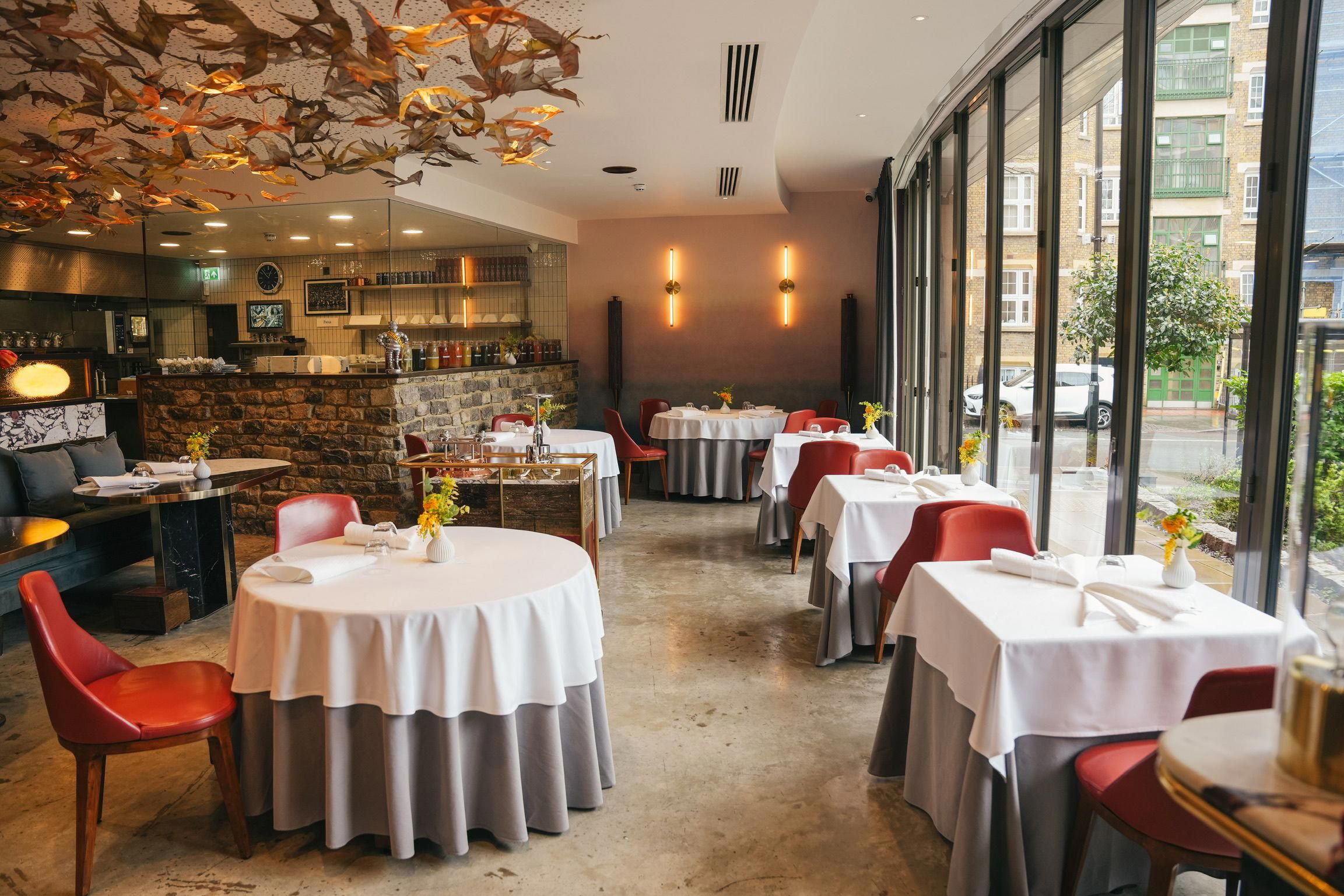
East London's ingredient-led restaurants often share a design philosophy that reads as deliberate restraint rather than budget constraint. Bare brick, natural wood, and an open or semi-open kitchen signal that the room itself is not meant to distract. That visual language has become a shorthand for a particular kind of seriousness, one where the cooking is supposed to do the talking. Mission on Paradise Row operates in this register.
That dynamic has parallels in other cities. Lazy Bear in San Francisco built a reputation on a similarly non-commercial address and a format that asked diners to engage with the meal rather than the room. Le Bernardin in New York City operates at the opposite extreme, where the formality of the room is part of the product. The east London model, of which Mission is a current example, sits closer to the Lazy Bear model: location and format serve the food, not the other way around.
Placing Mission in the Broader British Fine Dining Conversation
Across Britain, the restaurants generating critical attention in the last five years have tended to share a set of characteristics: small rooms, supply-chain transparency, menus that change with seasonal logic rather than marketing cycles, and a deliberate distance from the conventions of the Michelin-formal tradition. Ynyshir Hall in Machynlleth, Hand and Flowers in Marlow, hide and fox in Saltwood, Midsummer House in Cambridge, and Restaurant Andrew Fairlie in Auchterarder all represent different regional inflections of this same broad shift. Mission sits within the London version of that movement.
The comparison with Scotland is particularly instructive. Restaurant Andrew Fairlie in Auchterarder operates within the grounds of Gleneagles, a setting that provides both prestige and a captive audience, yet still foregrounds Scottish produce with the same insistence as an east London room with none of those structural advantages. Opheem in Birmingham makes a parallel argument for regional ingredients but routes them through South Asian technique. The point is that sourcing clarity has become a cross-genre, cross-geography priority across British restaurants, and Paradise Row is as legitimate a postcode from which to make that argument as any.
For diners who have already worked through the Waterside Inn in Bray and the major London fine dining addresses, Mission represents a more casual option by design.
A Lean Comparison
Comparable venues nearby, for context on price, style, and recognition.
| Venue | Cuisine | Price | Notes |
|---|---|---|---|
| MissionThis venue — the venue you are viewing | Not listed | $$ | Not listed |
| Arcade Food Hall | Not listed | $$ | Holborn, Global Street Food & International Cuisines |
| Inamo | Soho, Interactive Pan-Asian Fusion | $$ | Not listed |
| Pantechnicon | Belgravia, Modern Japanese-Nordic Fusion | $$$ | Not listed |
| Cho Asia | Putney, Pan-Indo-Chinese Fusion | $$$ | Not listed |
| Jikoni | Marylebone, No Borders Fusion Kitchen | $$ | Not listed |
Continue exploring
More in London
Restaurants in London
Browse all →
Bars in London
Browse all →
Hotels in London
Browse all →

At a Glance
- Trendy
- Lively
- Modern
- Industrial
- Brunch
- Casual Hangout
- Rooftop
- Terrace
- Natural Wine
- Craft Cocktails
- Local Sourcing
- Skyline
East London cool with exposed brick walls, industrial lighting, and original floorboards in a light-filled, stylish space.