Lilli by Akira Back
Lilli by Akira Back sits in the city’s Japanese Korean lane, a category shaped by sushi-counter precision, Korean seasoning, and the capital’s appetite for cross-regional Asian dining. The draw is less about strict tradition than about how London absorbs regional Japanese references, from Kanto polish to Kansai warmth, and reframes them for a dining room built around hybrid taste.
Pearl is the En Primeur Club membership app — saves, bookings, and concierge access live there. Same editors, same standards.
- Address
- London, United Kingdom
- Directions
- Get directions
 Saves & bookings on Pearl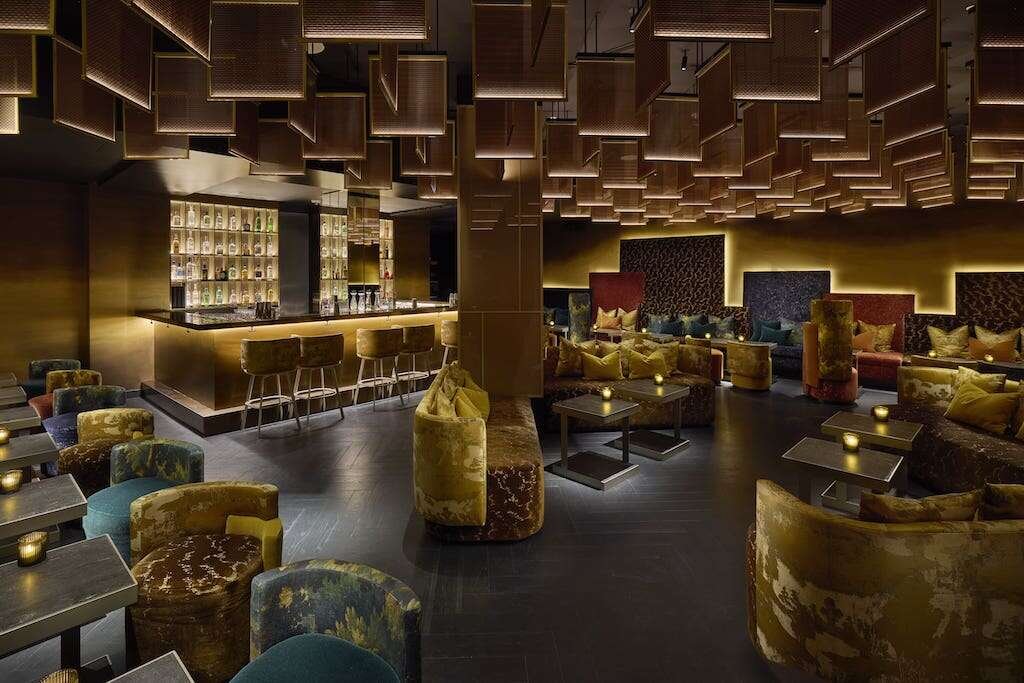
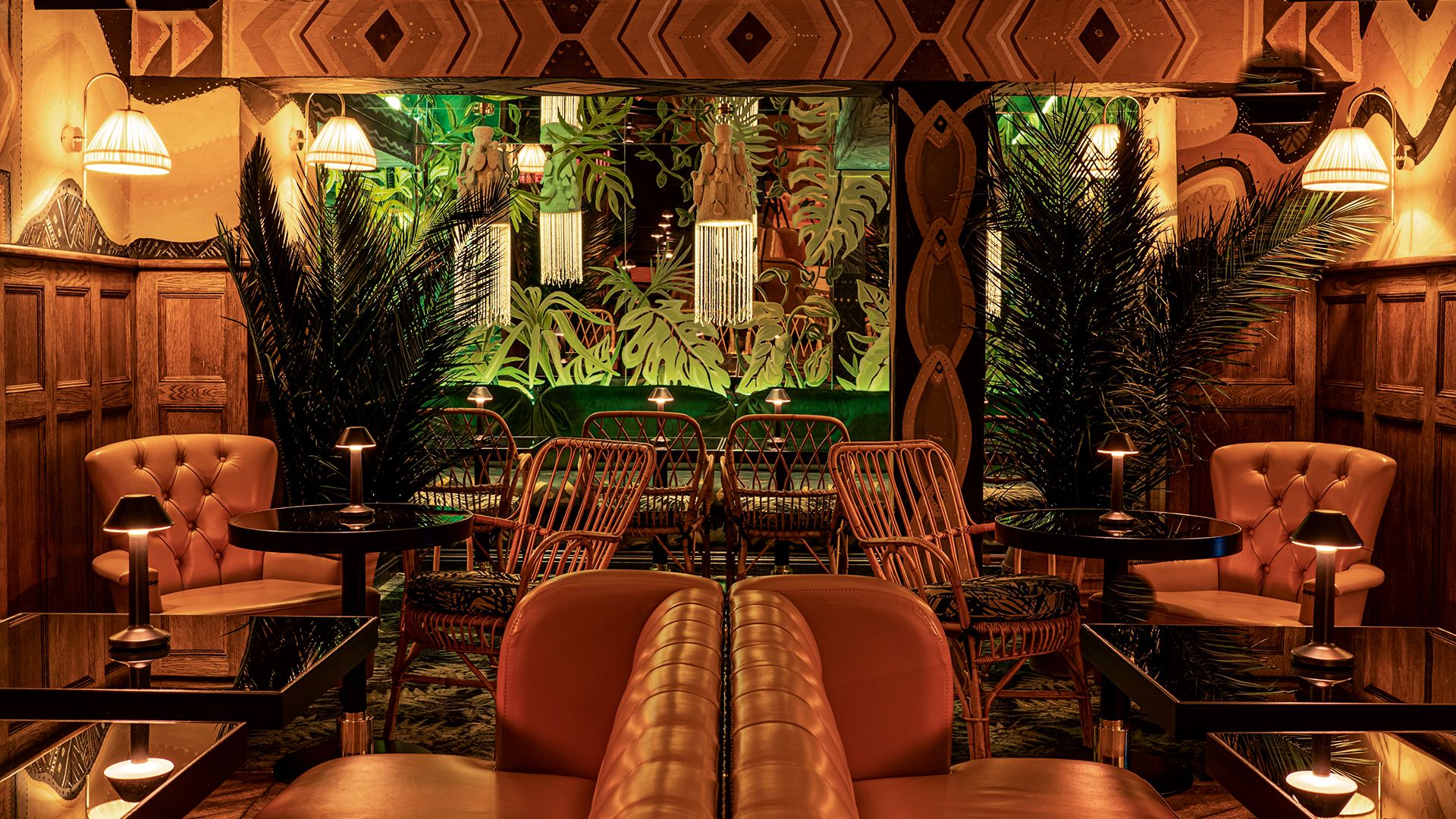
The room matters in London’s Japanese Korean dining scene because this category rarely behaves like a narrow sushi bar or a classic Korean grill. It tends to arrive with low light, polished surfaces, a soundtrack set above a murmur, and a menu language that moves between raw fish, rice, smoke, heat, soy, sesame, and chilli. Lilli by Akira Back belongs to that cosmopolitan register: not a temple of one regional canon, but a London expression of Japanese technique meeting Korean appetite.
That matters in a city where Japanese dining has split into several distinct tracks. One track chases Tokyo counter minimalism, where Kanto ideas of restraint, temperature control, and sequence dominate the room. Another borrows more from Kansai: looser hospitality, a wider comfort with sauce, grill, and shared plates, and a stronger sense that pleasure can be social rather than ceremonial. The Japanese Korean label places this restaurant closer to the second track, though the London setting inevitably adds its own gloss.
Japanese Korean cooking in London is a question of balance, not fusion for its own sake
The phrase Japanese Korean can read vague on paper, but in practice it signals a useful dining distinction. Japanese technique often supplies the frame: knife work, rice discipline, clean seasoning, and attention to texture. Korean influence tends to push flavour outward through fermentation, sesame, chilli, garlic, marinades, and grill culture. When the balance works, neither side is reduced to decoration. The cooking gains structure from Japan and voltage from Korea.
The regional lens helps here. Kanto cooking, especially as filtered through Tokyo restaurant culture, prizes polish and economy: fewer visible gestures, tighter seasoning, a controlled progression. Kansai, particularly through Osaka and Kyoto, gives Japanese food a broader emotional range, from market informality to kaiseki refinement. A London Japanese Korean restaurant sits between those readings. It can borrow Kanto discipline without adopting counter austerity, and it can echo Kansai conviviality without becoming casual.
In that context, Lilli by Akira Back is better understood as part of London’s appetite for border-crossing Asian dining rather than as a strict lesson in either Japanese or Korean orthodoxy. The point is not whether every plate belongs cleanly to one national tradition. The better question is whether the room understands proportion: when to let fish, rice, and soy stay quiet, and when to let chilli, char, and fermentation take the lead.
The London test: polish without losing heat
London diners are accustomed to hybrid formats, but the city is also quick to punish vagueness. A Japanese Korean restaurant has to make its case through rhythm. Too much luxury styling and the food can feel like a backdrop. Too much sweetness or heat and the Japanese side disappears. Too much reverence for sushi grammar and the Korean side becomes garnish. The category works when contrast is disciplined rather than decorative.
This is where the city context is useful. London supports tiny neighbourhood counters, hotel dining rooms, tasting-menu restaurants, and casual specialists within the same weeknight economy. Readers mapping the broader field can move from local Italian energy at 081 Pizzeria Peckham to the compact Soho style of 10 Greek Street (Modern European), or from polished Chelsea dining at 101 Pimlico Road to the tighter modern cooking of 104 (Modern Cuisine). Against that spread, a Japanese Korean address is competing for a diner who already has choices across format, price tier, and mood, not just cuisine.
The stronger way to read Lilli by Akira Back is therefore through decision-making. Choose it when the evening calls for Japanese structure with a Korean accent, and when the table wants a social meal rather than a silent counter sequence. London has room for purist sushi, izakaya informality, Korean barbecue, and tasting-menu theatre. This restaurant occupies the polished middle ground: a dining-room experience where cross-regional Asian cooking is the point, not a compromise.
How to place it within a London itinerary
For travellers, the useful move is to treat the restaurant as one part of a wider London plan rather than as a standalone trophy booking. The capital rewards clustering: restaurants, bars, hotels, and cultural stops often sit close enough to shape an evening by neighbourhood. EP Club’s wider city coverage helps with that sorting, from Our full London restaurants guide to Our full London hotels guide, Our full London bars guide, Our full London wineries guide, and Our full London experiences guide.
The same lens applies beyond the capital. Britain’s dining map now rewards regional specificity as much as London concentration, whether the reference point is the Scottish Highlands at 'Seasgair' by Michel Roux Jr in Fort William, Liverpool’s tasting-menu scene at “8” By Andrew Sheridan in Liverpool, Bristol’s compact restaurant culture at 1 York Place in Bristol, Manchester’s city-centre dining at 10 Tib Lane in Manchester, Norwich’s independent scene at 11th and Social in Norwich, or country-house dining at 1215 in Egham.
For readers tracking Japanese food beyond London, the comparison becomes international rather than local. Los Angeles, for instance, supports both sake-led Japanese drinking rooms such as Jōdo Saké Bar in Los Angeles and more everyday rice-based specialists like Onigiri Time in Pasadena. London’s version is different: less defined by a single Japanese subculture, more shaped by a dining public comfortable with regional borrowing. That is the useful frame for the restaurant: a Japanese Korean restaurant in a city where hybrid dining is judged by control, clarity, and the confidence to let both traditions remain legible.
Comparable venues nearby, for context on price, style, and recognition.
| Venue | Cuisine | Price | Notes |
|---|---|---|---|
| Lilli by Akira BackThis venue — the venue you are viewing | Modern Japanese-Korean Fusion Fine Dining | $$$ | Not listed |
| Pantechnicon | Modern Japanese-Nordic Fusion | $$$ | Belgravia |
| ULI | Modern Pan-Asian | $$$ | Marylebone |
| Cho Asia | Pan-Indo-Chinese Fusion | $$$ | Putney |
| White City House | Modern Brasserie with Japanese and International Influences | $$$$ | White City |
| Inamo | Interactive Pan-Asian Fusion | $$ | Soho |
Continue exploring
More in London
Restaurants in London
Browse all →
Bars in London
Browse all →
Hotels in London
Browse all →


At a Glance
- Elegant
- Sophisticated
- Modern
- Trendy
- Romantic
- Date Night
- Business Dinner
- Celebration
- Special Occasion
- Group Dining
- Design Destination
- Hotel Restaurant
- Private Dining
- Standalone
- Craft Cocktails
- Sake Program
- Extensive Wine List
- Local Sourcing
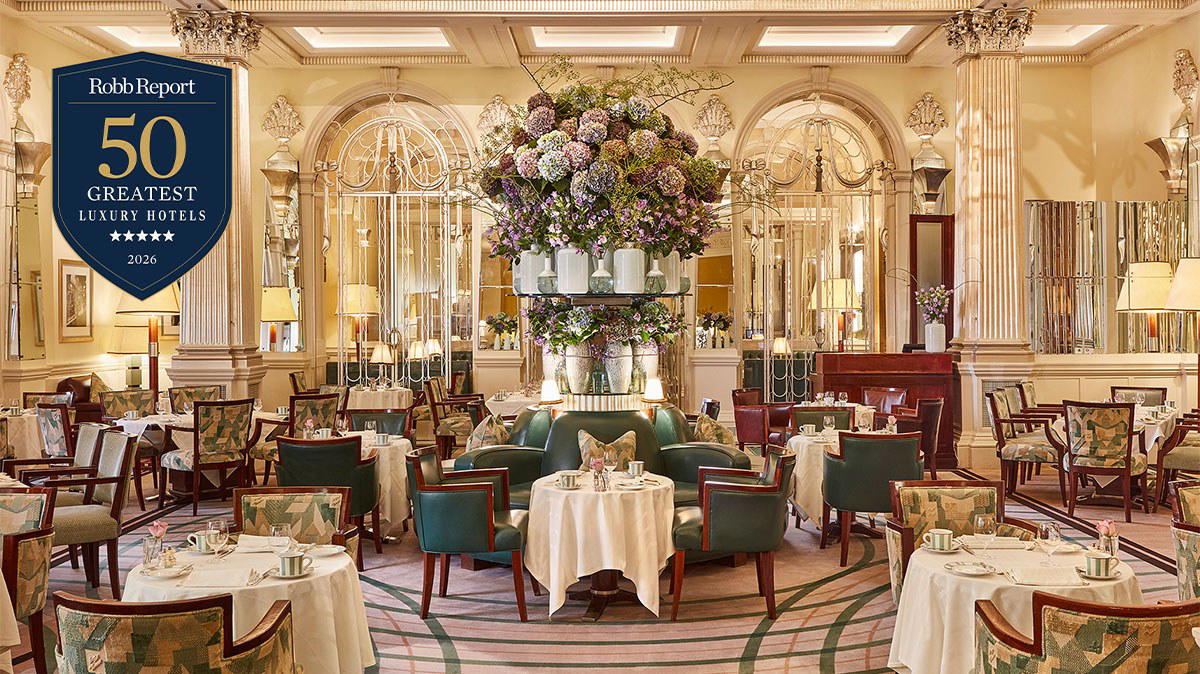
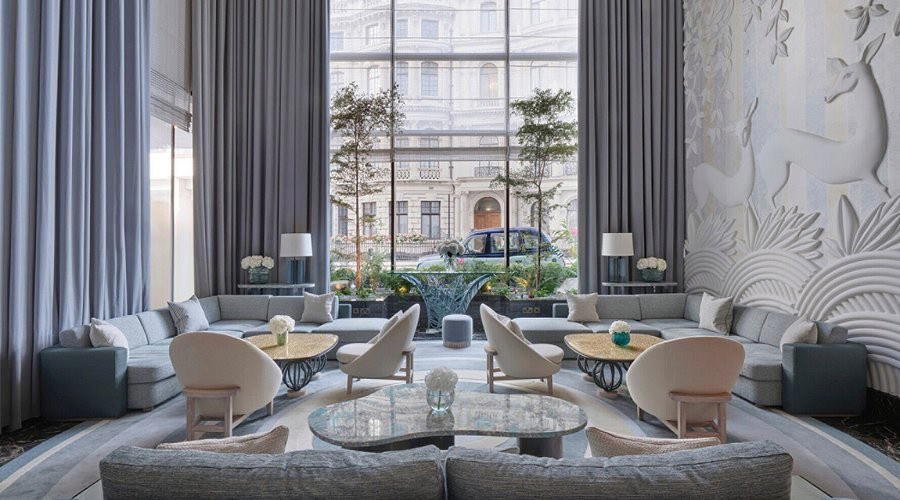
Refined, polished, and contemporary, with an upscale hotel-restaurant feel that suits special occasions and leisurely dining.