At Sendlinger-Tor-Platz, Max's Beef Noodles brings a focused bowl-centred format to a Munich neighbourhood better known for its tram connections than its Asian dining. The address places it at the edge of the Altstadt, where a growing concentration of casual Asian concepts has been quietly filling gaps left by the city's fine-dining-heavy restaurant culture. For Munich, a serious beef noodle counter represents a genuinely underserved category.
Pearl is the En Primeur Club membership app — saves, bookings, and concierge access live there. Same editors, same standards.
- Address
- Sendlinger-Tor-Platz 10, 80336 München, Germany
- Phone
- +498951556868
- Website
- max-noodles.de
- Directions
- Get directions
 Saves & bookings on Pearl
Where the Bowl Comes From: Beef Noodles in a Fine-Dining City
Max's Beef Noodles is a casual restaurant in Munich, Germany, serving handmade Chinese beef noodles at Sendlinger-Tor-Platz 10. Munich's restaurant conversation tends to run in one direction: toward the white-tablecloth end of the spectrum, where JAN (Creative), Tantris, Alois - Dallmayr Fine Dining, and Atelier anchor a tier of €€€€ tasting-menu dining that draws comparison with Germany's most decorated rooms elsewhere, including Aqua in Wolfsburg, Schwarzwaldstube in Baiersbronn, and Vendôme in Bergisch Gladbach. What that concentration of fine dining tends to crowd out is the middle register: the category-specific, ingredient-driven casual format that major food cities in Asia and North America have refined over decades.
Beef noodle soup, in particular, occupies a distinctive position in the global bowl hierarchy. Whether in its Taiwanese red-braised form, its Lanzhou hand-pulled iteration, or the richer Sichuan variants, the dish is built on a logic of long-cooked beef bones, careful fat rendering, and noodle texture calibrated to hold up against a deeply reduced broth. The sourcing decisions at this level are not incidental. The quality of the beef, the breed, the cut selection for both the broth base and the served meat, and the water used in the noodle dough all register in the finished bowl in ways that are legible to anyone who has eaten the dish repeatedly across its source regions.
Max's Beef Noodles, at Sendlinger-Tor-Platz 10, enters a Munich market that has historically had little depth in this specific format. The address places the restaurant at one of the city's busiest pedestrian transit nodes, directly adjacent to the southern gate of the Altstadt. That location gives it foot traffic from commuters, students from the nearby university quarter, and visitors moving between the old town and the Glockenbachviertel. It is not a destination neighbourhood in the fine-dining sense, which is precisely what makes it a credible address for a casual, high-turnover bowl format.
The Sourcing Logic Behind a Serious Beef Noodle
A bowl of beef noodles is, at its structural core, a sourcing document. Every element that arrives in front of a diner reflects decisions made weeks or months earlier: which cuts were chosen for the broth, how long the bones were blanched before the main cook, whether the aromatics (ginger, scallion, star anise, doubanjiang in some regional styles) were sourced fresh or processed. In cities where this format has matured, such as Taipei, Chengdu, or the Lanzhou noodle houses that have spread across major Chinese cities, the conversation among regular eaters centres almost entirely on broth depth, meat quality, and noodle pull.
The question for any beef noodle operation in this city is whether those sourcing channels get applied to a format that has not previously had a serious foothold here. When a concept imports the discipline of a bowl-driven cuisine into a market that has not established baseline expectations for it, the sourcing standards tend to be self-imposed rather than market-enforced. That dynamic either produces something genuinely considered or something that trades on the novelty of the format without delivering on its underlying logic.
Sendlinger-Tor-Platz: The Neighbourhood as Context
The square itself functions as a boundary marker. To the north is the compressed retail density of the Altstadt pedestrian zone. To the south, the Glockenbachviertel opens into a neighbourhood that has, over the past decade, developed a concentration of independent food concepts alongside its established bar and cafe culture. Sendlinger-Tor-Platz sits at the seam between those two zones, which gives it an unusual commercial profile: high daytime foot traffic from transit and retail, combined with evening spillover from the residential neighbourhood to the south.
For a bowl-format restaurant, that profile is useful. Beef noodle soup is a lunch-oriented format in most of its home markets, though serious operators in Western cities have successfully extended it into dinner service by positioning the bowl as a complete, substantial meal rather than a quick midday option. The transit adjacency of the address supports both use cases.
Munich's casual Asian dining has grown considerably over the past several years, with ramen, hand-pulled noodles, and regional Chinese formats all gaining ground in the inner city. Max's Beef Noodles enters a market that is more receptive than it would have been a decade ago, but still lacks the density of competing specialists that would sharpen category expectations. For visitors already planning a Munich dining itinerary around destinations like Tohru in der Schreiberei, the beef noodle stop operates at a different price and format tier, serving a different function in the day's eating schedule.
Reputation Context
Comparable venues nearby, for context on price, style, and recognition.
| Venue | Cuisine | Price | Notes |
|---|---|---|---|
| Max's Beef NoodlesThis venue — the venue you are viewing | Handmade Chinese Beef Noodles | $$ | Not listed |
| Taklamakan | Uyghur (Xinjiang) | $$ | Altstadt |
| Uncle Chen | Chinese Street Food Noodles & Baos | $$ | Schwabing |
| Madam Anna Ekke | Modern Brunch Café | $$ | Isarvorstadt |
| Münchner Stubn | Traditional Bavarian Gastropub | $$ | Theresienwiese |
| Pretty Bun | Premium Hot Dogs | $$ | Neuhausen |
At a Glance
- Cozy
- Minimalist
- Casual Hangout
- Open Kitchen
- Street Scene
Current opening hours
- Monday
- 11:30 AM–10 PM
- Tuesday
- 11:30 AM–10 PM
- Wednesday
- 11:30 AM–10 PM
- Thursday
- 11:30 AM–10 PM
- Friday
- 11:30 AM–10 PM
- Saturday
- 11:30 AM–10 PM
- Sunday
- 11:30 AM–10 PM
Hours can change for holidays and private events. Last verified .
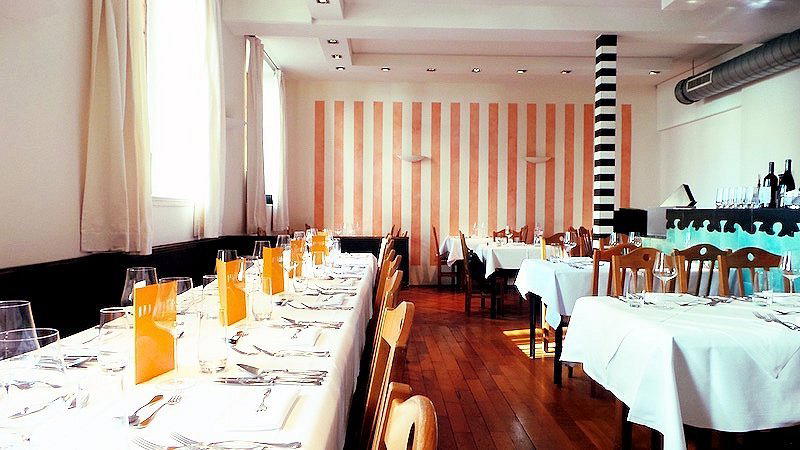
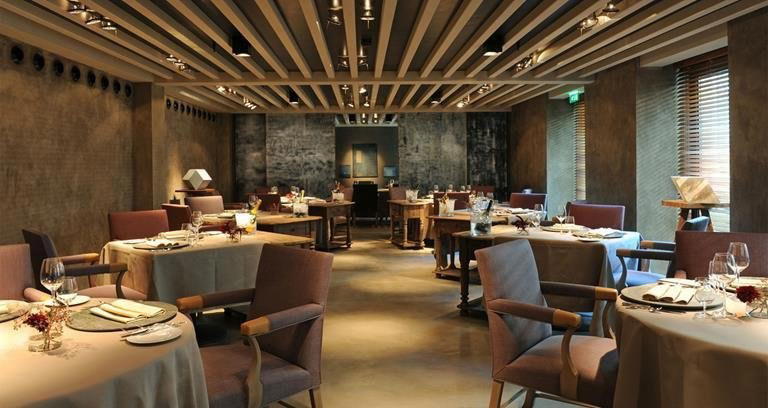
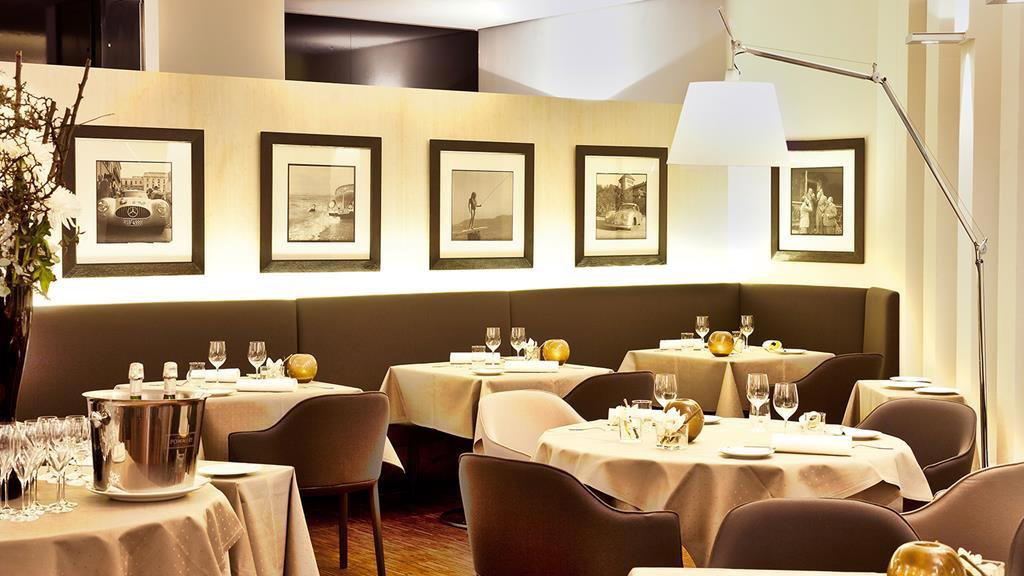
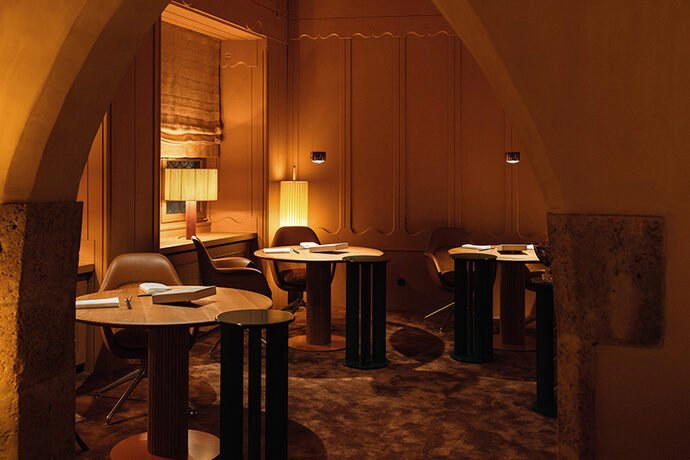
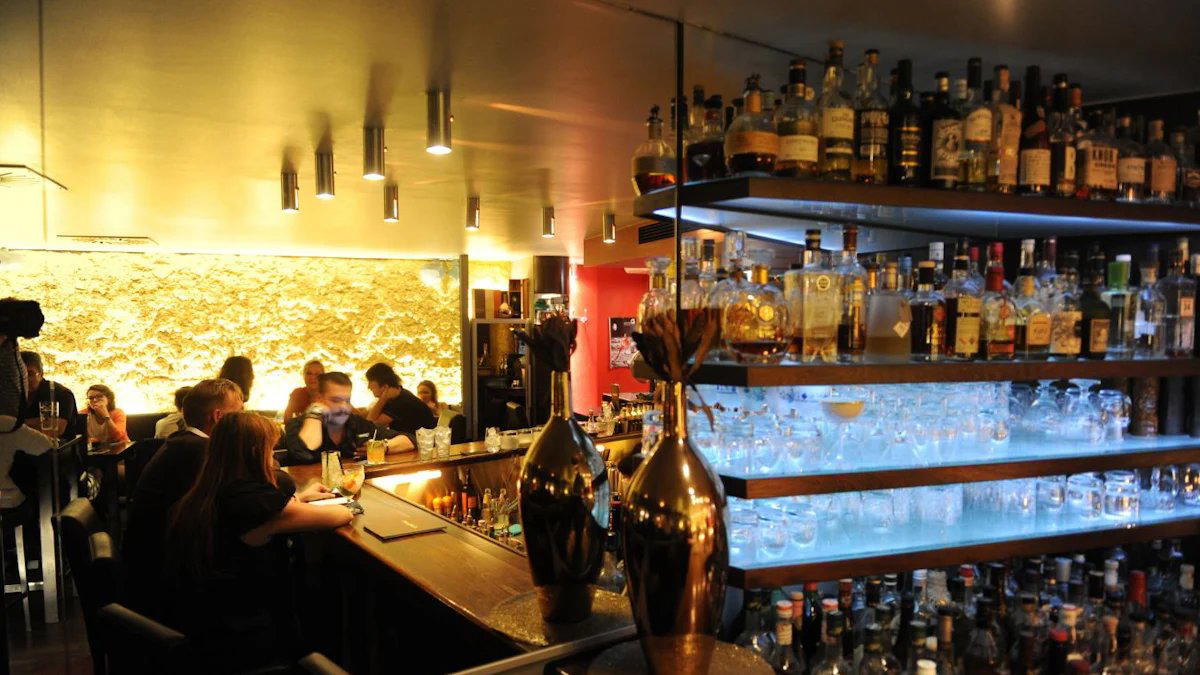
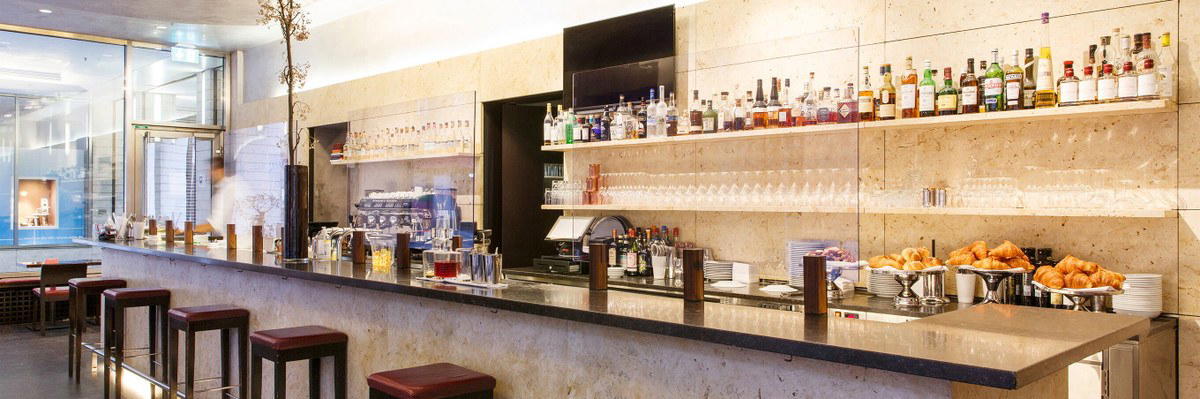
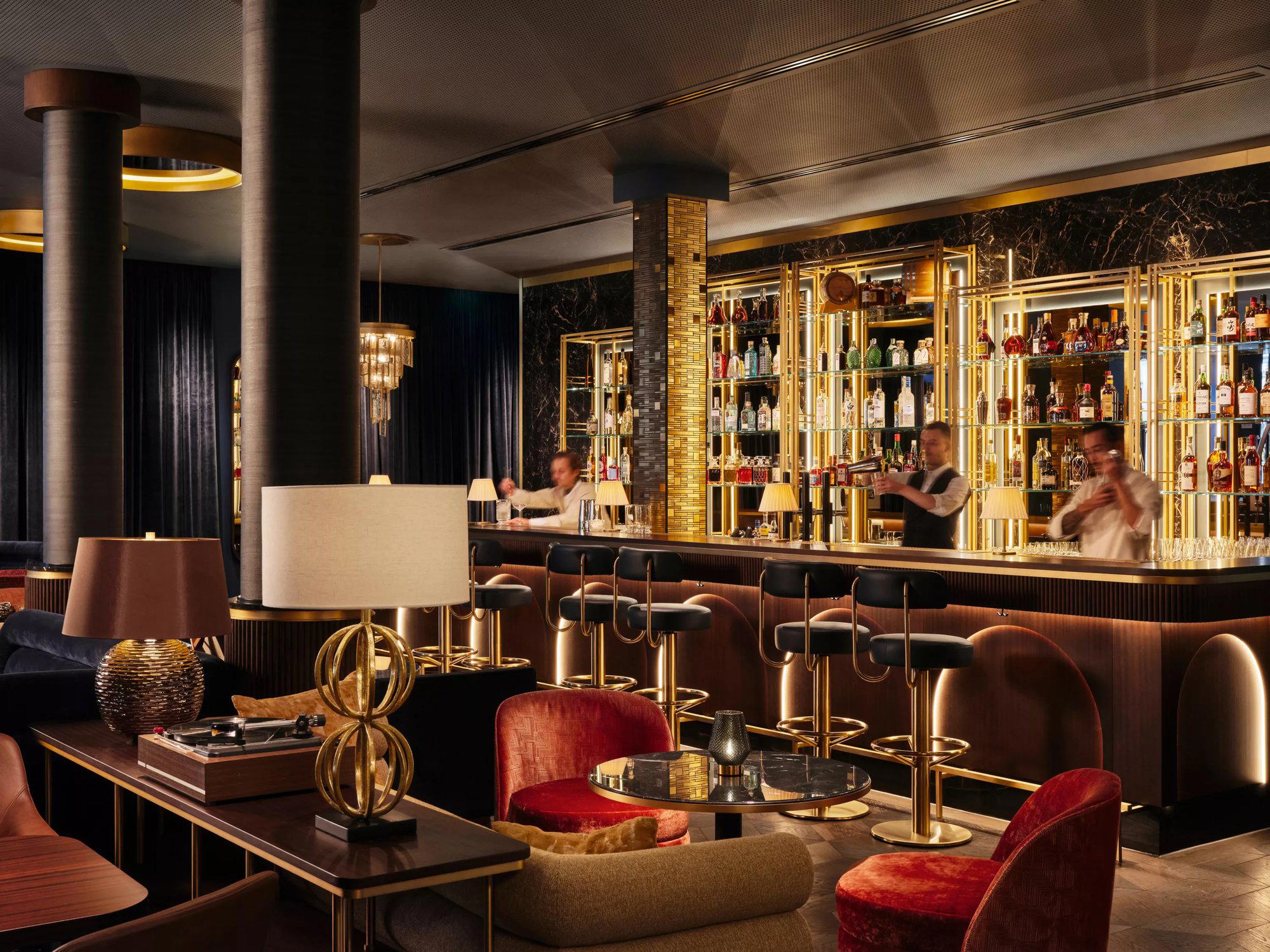
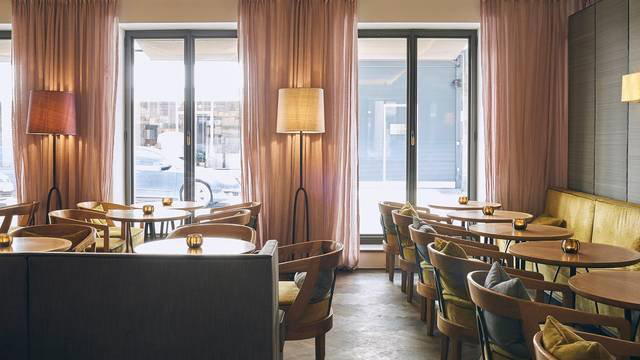
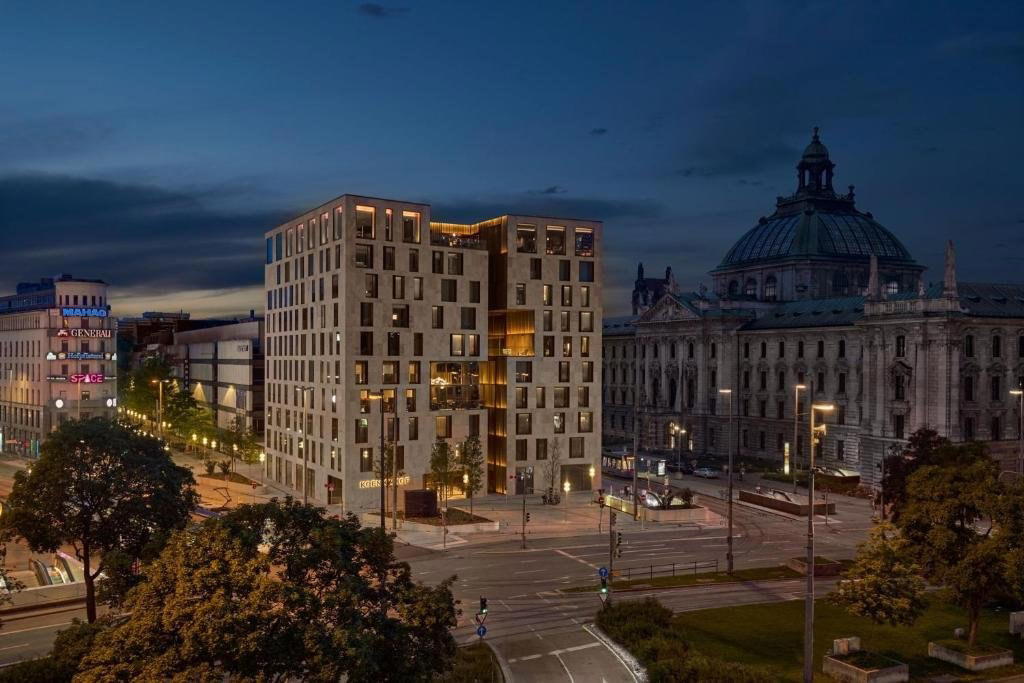
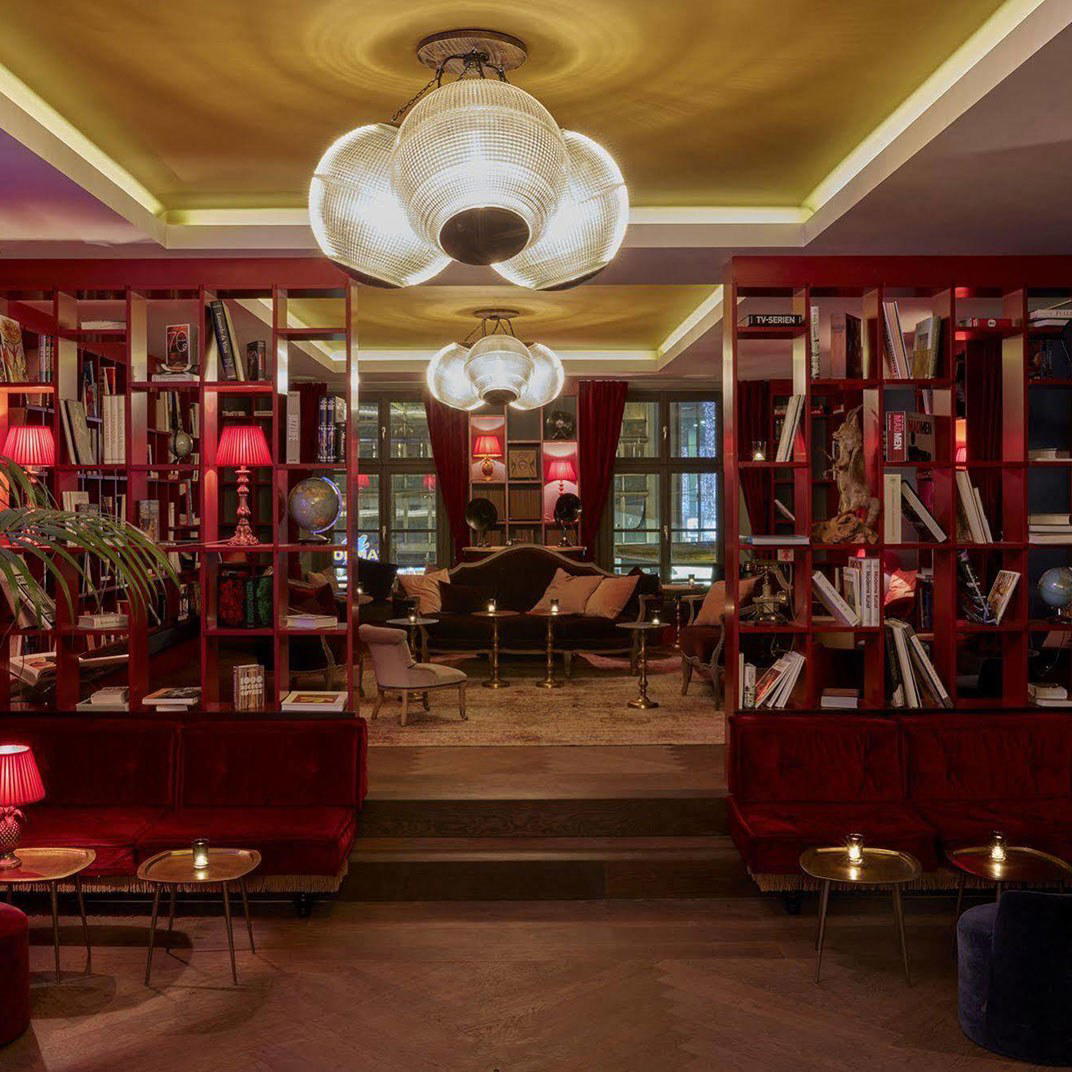
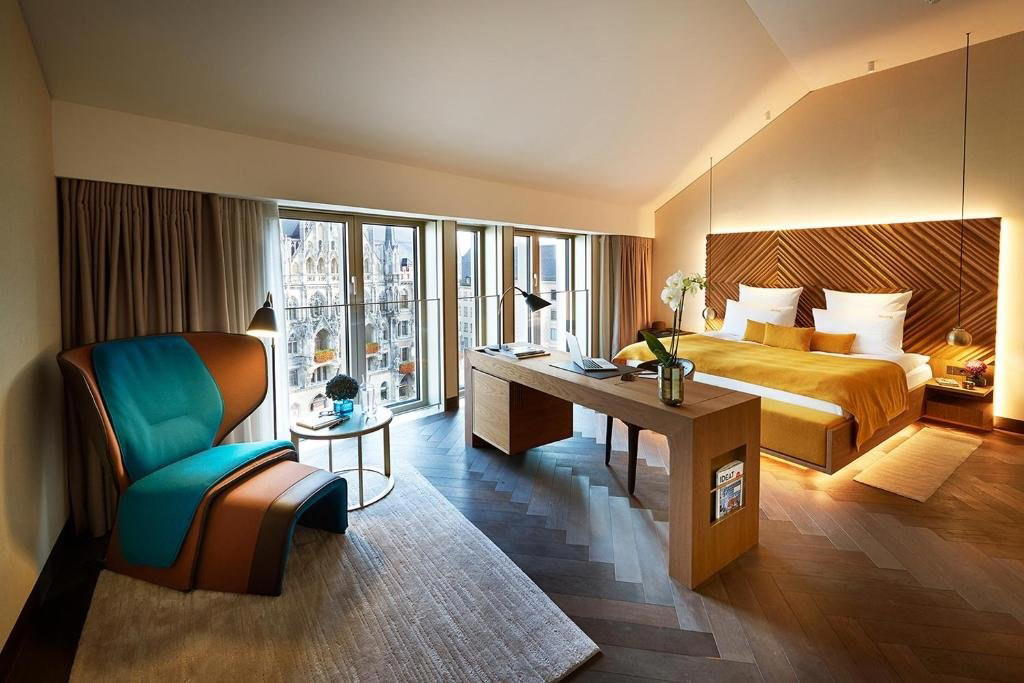
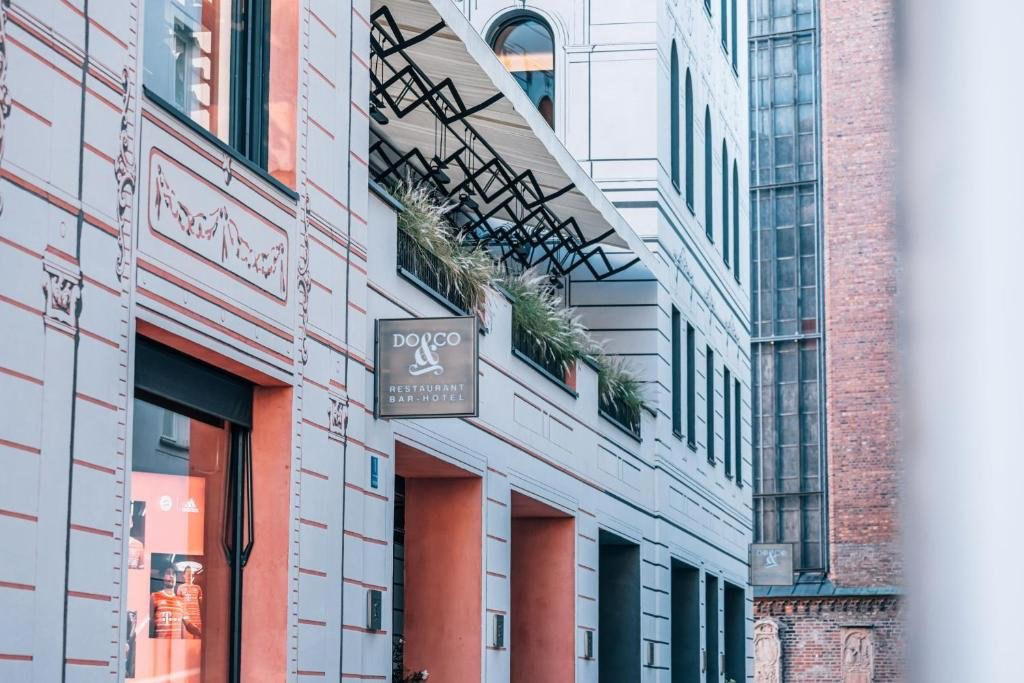
Cozy and minimalist interior with warm Asian-inspired design elements and an open kitchen.