On Portland Street in Toronto's King West neighbourhood, Maxime's occupies a tier of the city's fine dining scene where menu architecture and format discipline matter as much as ingredient sourcing. Positioned alongside peers such as Alo and Don Alfonso 1890 at the upper end of Toronto's contemporary restaurant market, it draws a reservation-focused crowd willing to plan ahead for a structured dining experience.
Pearl is the En Primeur Club membership app — saves, bookings, and concierge access live there. Same editors, same standards.
- Address
- 77 Portland St, Toronto, ON M5V 2M9, Canada
- Phone
- +16474847476
- Website
- maximestoronto.com
- Directions
- Get directions
 Saves & bookings on Pearl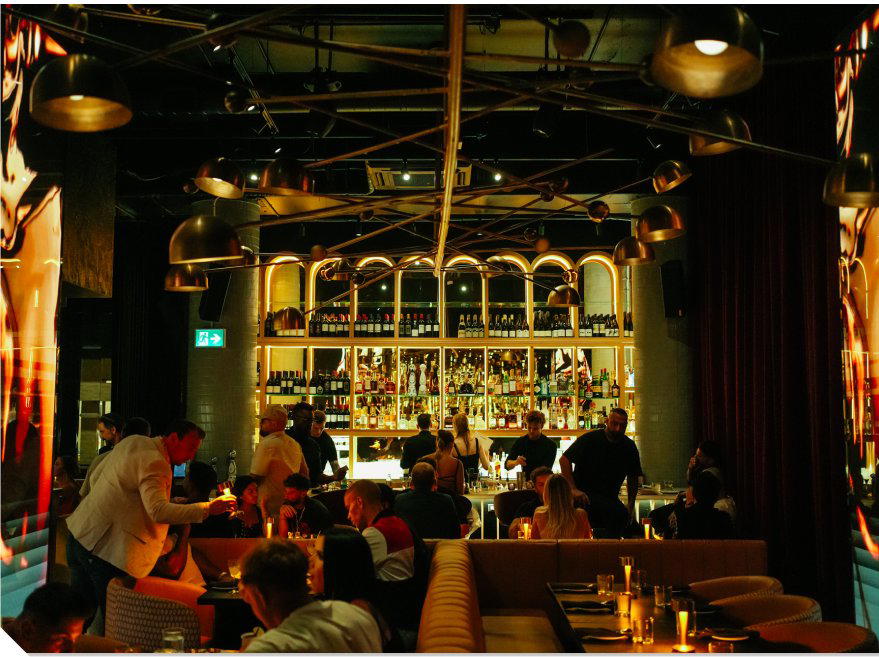
Portland Street and the Shape of Toronto's Upper Dining Tier
King West has spent the better part of two decades cycling through formats: sprawling gastropubs, high-volume Italian, and concept-driven cocktail rooms. What has emerged at the quieter, more considered end of that corridor is a cluster of restaurants that operate with a different set of priorities. The room matters less than the sequence. The menu is a document, not a list. Maxime's is a French-Inspired Steakhouse at 77 Portland St, Toronto, with. It belongs to that cohort. The address places it at a mid-block remove from the louder stretches of King Street West, in a neighbourhood where the built fabric still reads industrial-residential, the kind of context that lets a dining room define its own atmosphere without competing with foot traffic spectacle.
Toronto's premium dining tier has matured considerably since the mid-2010s. Where the city once leaned on volume and variety as its primary signals of ambition, a smaller subset of restaurants has shifted toward format precision: fixed or near-fixed menu structures, tight seat counts, and a clear editorial point of view expressed through how courses are sequenced rather than how many options appear on a page. Alo, which has held its position near stronger examples from Canadian fine dining rankings for several years, established much of the grammar for this format in Toronto. Aburi Hana and Sushi Masaki Saito apply the same logic from a Japanese kaiseki and omakase perspective respectively. Maxime's operates within this broader pattern.
Menu Architecture as the Primary Statement
In restaurants that operate at this price and format level across Canadian cities, the menu itself functions as the clearest signal of intent. The question is not simply what appears on the plate, but in what order, at what pace, and with what internal logic connecting one course to the next. This is the structural discipline that separates a tasting format from a prix-fixe with ambition, and it is increasingly the axis on which Toronto's upper tier is evaluated by both critics and the reservation-holding public.
Comparable operations in other Canadian cities illustrate how this format plays out across different culinary traditions. Tanière³ in Quebec City builds its menu around hyper-regional ingredient sourcing as the connective thread. Jérôme Ferrer's Europea in Montreal deploys a more classical French architecture. AnnaLena in Vancouver favours a looser, market-driven sequence. Each makes a different argument about what a menu should do. Toronto restaurants in this tier tend to draw on a broader European technique base, often filtered through a Canadian-sourcing sensibility that reflects the city's access to both Great Lakes produce and the Niagara wine region.
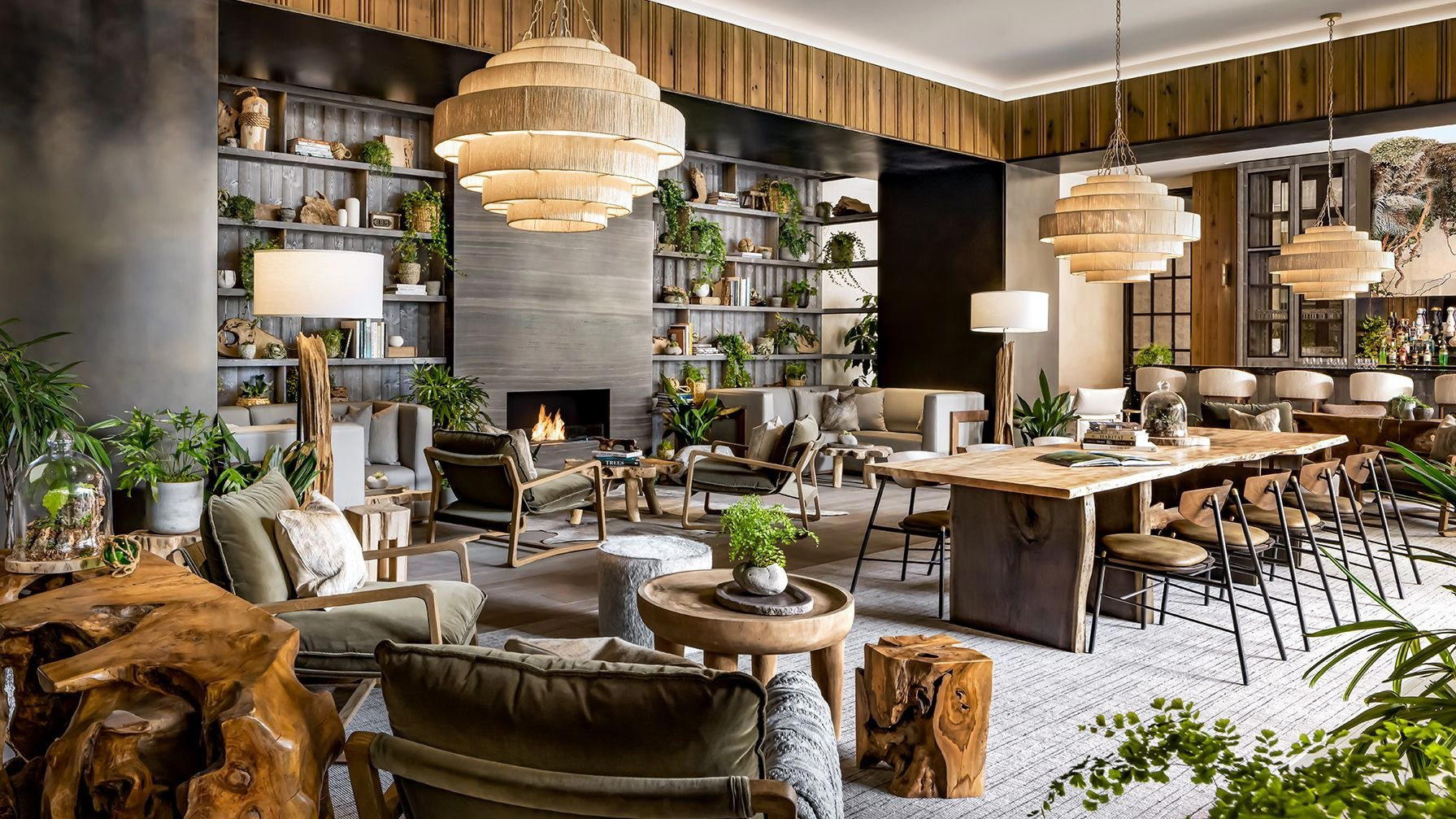
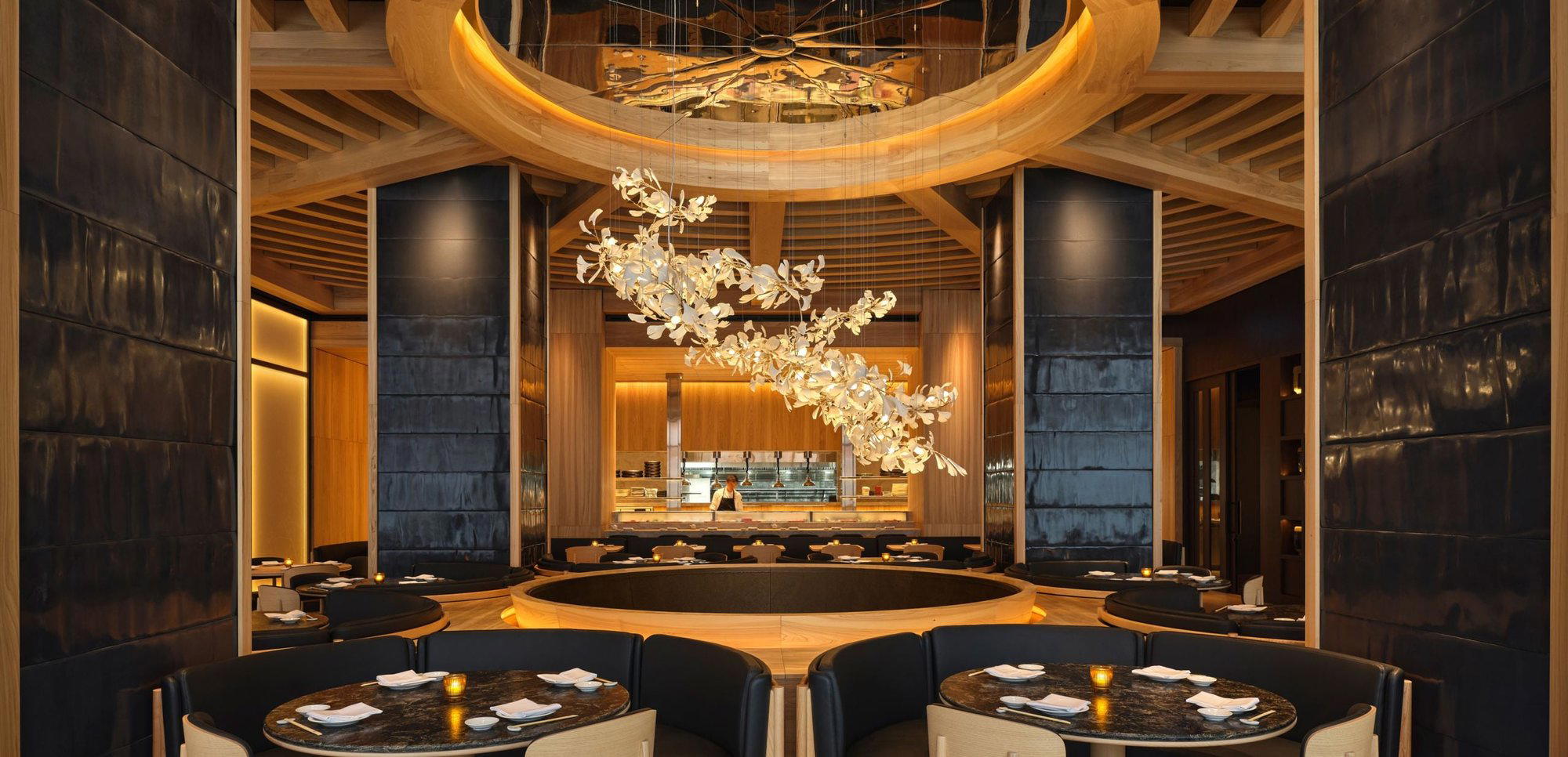
For a restaurant on Portland Street, the neighbourhood itself provides a particular kind of editorial framing. King West's industrial heritage means the rooms that occupy it tend toward exposed material and controlled light, environments that ask food to carry the emotional weight that, in older fine dining rooms, was shared with gilt and tablecloth. That shift in room design is not incidental; it corresponds to a shift in how menus are written and how service is paced. Less visual noise in the room tends to produce a more attentive diner, which in turn allows a kitchen to take more structural risk in sequencing.
Where Maxime's Sits in the Toronto comparable set
At the upper end of Toronto's contemporary dining market, the relevant comparators share a set of operational signals: advance booking requirements, limited seating relative to kitchen output, and menus that change with enough frequency to reward repeat visits. DaNico and Don Alfonso 1890 approach this tier from a strong Italian-inflected base. The restaurant occupies similar territory in terms of market positioning and format expectation, even as the specific culinary identity may differ.
Beyond Toronto, the broader Ontario dining circuit offers useful context for understanding where the city's premium restaurants sit within a national conversation. Restaurant Pearl Morissette in Lincoln has attracted significant attention for its wine-integrated tasting format in the Niagara region. Eigensinn Farm in Singhampton operates as a near-mythic reference point for farm-driven tasting menus in Ontario. The Pine in Creemore represents a smaller-town expression of the same format discipline. Against this range of Ontario fine dining, Toronto restaurants like Maxime's carry the additional weight of urban overhead and a more diverse, more demanding customer base.
Internationally, the restaurants that Toronto's upper tier most closely resembles in format and ambition are mid-sized tasting-menu operations in cities like New York, where Atomix has refined the course-card format into a near-scholarly exercise, or where Le Bernardin has sustained a different kind of menu discipline, classical French structure applied to seafood with near-surgical consistency, for decades. These references are not peer comparisons in a strict commercial sense, but they indicate the conversation Toronto's ambitious restaurants are entering.
| Venue | Cuisine / Style | Price Tier | Format |
|---|---|---|---|
| The restaurant | Contemporary (Portland St) | $$$$ | Structured dining, reservation-focused |
| Alo | Contemporary | $$$$ | Tasting menu, advance booking required |
| Sushi Masaki Saito | Sushi, Japanese | $$$$ | Omakase counter |
| Aburi Hana | Kaiseki, Japanese | $$$$ | Kaiseki sequence |
| Don Alfonso 1890 | Contemporary Italian | $$$$ | Multi-course, formal service |
For those building a broader Canadian itinerary, the regional dining links above, including Narval in Rimouski, Aux Anciens Canadiens in Quebec, and Barra Fion in Burlington, offer a sense of how fine dining format and culinary identity shift as you move through the country. For Alberta context, Bearspaw Golf Club in Calgary represents a different expression of premium Canadian hospitality altogether.
Just the Basics
Comparable venues nearby, for context on price, style, and recognition.
| Venue | Cuisine | Price | Notes |
|---|---|---|---|
| Maxime'sThis venue — the venue you are viewing | Not listed | $$$$ | Not listed |
| STK | Yorkville, Modern Steakhouse | $$$$ | Not listed |
| BlueBlood Steakhouse | Midtown, Classic Steakhouse | $$$$ | Not listed |
| Animl | Fashion District, Modern Steakhouse | $$$$ | Not listed |
| 360 The Restaurant at the CN Tower | Not listed | $$$$ | Entertainment District, Modern Canadian Fine Dining |
| J's Steak Frites | Not listed | $$ | Palmerston-Little Italy, Parisian Steak Frites |
Continue exploring
More in Toronto
Restaurants in Toronto
Browse all →
Bars in Toronto
Browse all →
Hotels in Toronto
Browse all →

At a Glance
- Elegant
- Lively
- Sophisticated
- Intimate
- Date Night
- Special Occasion
- Celebration
- Open Kitchen
- Design Destination
- Craft Cocktails
Current opening hours
- Monday
- 5 PM–2 AM
- Tuesday
- 5 PM–2 AM
- Wednesday
- 5 PM–2 AM
- Thursday
- 5 PM–2 AM
- Friday
- 5 PM–2 AM
- Saturday
- 5 PM–2 AM
- Sunday
- 11 AM–2 AM
Hours can change for holidays and private events. Last verified .
Lush velvety interiors with immersive lighting, velvet and leather furnishings, and a cosmopolitan energy enhanced by disco beats and dry ice.