

Occupying the lower halls of Casa Loma, Toronto's century-old Gothic revival castle, BlueBlood Steakhouse places prime beef inside one of Canada's most architecturally arresting dining rooms. The setting alone separates it from the city's standard steakhouse circuit, but the kitchen earns its keep through serious sourcing and a format built around the beef itself. Reserve well ahead for weekend service.
Pearl is the En Primeur Club membership app — saves, bookings, and concierge access live there. Same editors, same standards.
- Address
- Casa Loma, 1 Austin Terrace, Toronto, ON M5R 1X8, Canada
- Phone
- +1 416-353-4647
- Website
- bluebloodsteakhouse.com
- Directions
- Get directions
 Saves & bookings on Pearl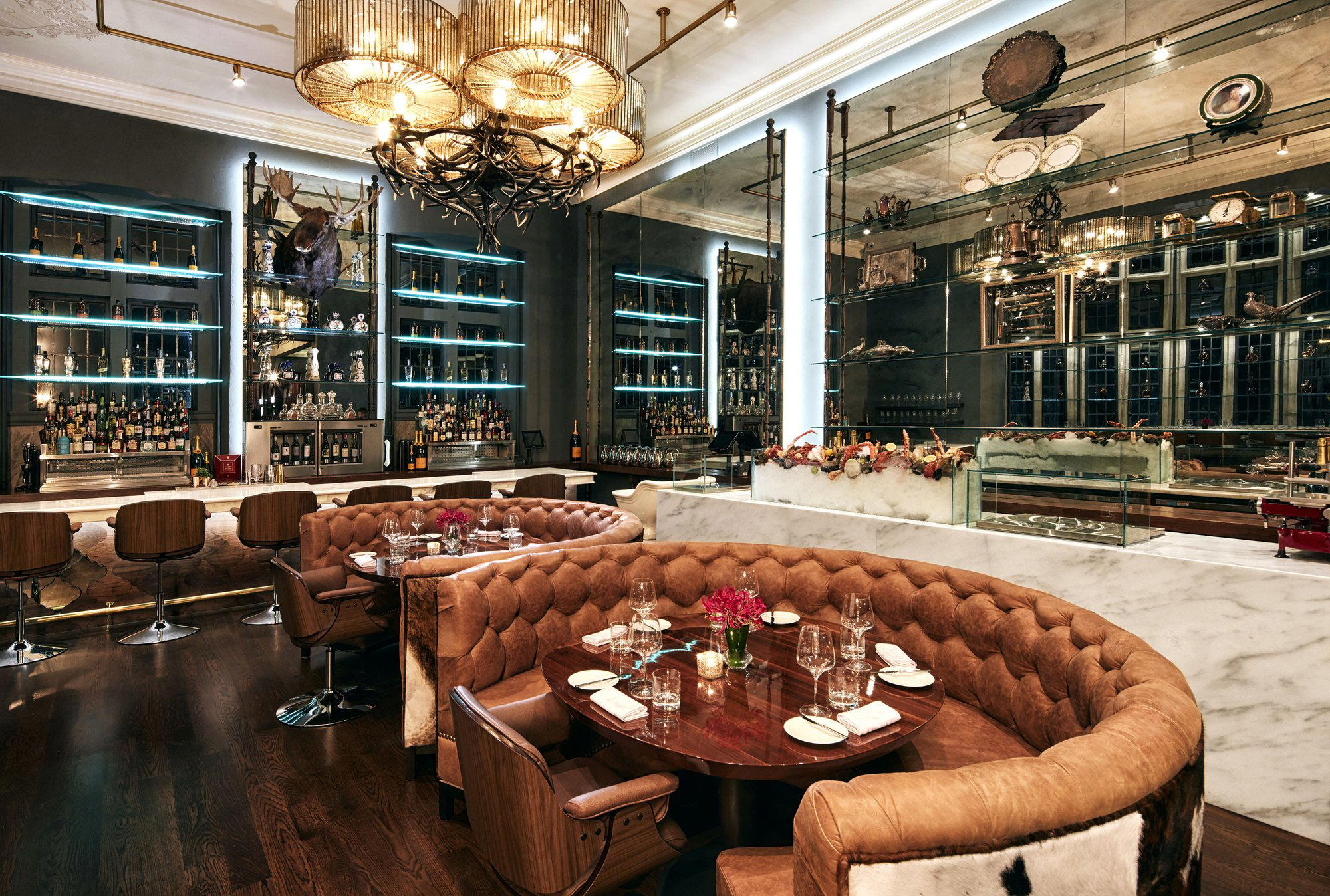
Dining Inside a Castle: What the Setting Actually Means
Toronto's steakhouse scene has a range problem. At the entry tier, the format collapses into generic chophouse territory. At the premium end, a handful of addresses compete on provenance, dry-aging credentials, and the kind of room that justifies the price point. BlueBlood Steakhouse occupies that upper tier, and it has an advantage no competitor can replicate: the address. Casa Loma, the Gothic revival castle at 1 Austin Terrace on the Davenport Ridge, was commissioned by Sir Henry Pellatt and began construction in 1911. It was built as a private residence, and its stone corridors, vaulted ceilings, and baronial proportions were designed to signal a particular kind of wealth. A century later, those same proportions frame the dinner setting. The name BlueBlood is a deliberate nod to that history, and it works as more than a pun.
What matters practically is that Casa Loma's architecture creates a dining environment that cannot be reproduced at street level. Stone walls, arched doorways, and the ambient cold of a century-old castle foundation combine to produce a room that operates entirely outside the warm-light, banquette-and-bar register of most Toronto fine dining. For a format as tradition-bound as the premium steakhouse, the fit is coherent. Beef aging, provenance, and ceremony all carry more weight in a room that already communicates seriousness.
Where the Beef Comes From and Why That Question Matters
In North American steakhouse culture, the sourcing story has become the central editorial argument. The category bifurcated roughly two decades ago: commodity-grade operations on one side, provenance-focused houses on the other. The latter tier competes on breed specificity, feed programs, and aging protocols rather than sauce selection and side quantity. At the premium end of Toronto's market, where BlueBlood operates alongside addresses like Don Alfonso 1890 and the wider $$$$ tier that includes Alo, the expectation is that the kitchen can account for every protein that arrives on the plate.
Canada's beef-producing regions give a Toronto steakhouse genuine sourcing options that their counterparts in, say, a mid-sized American city cannot always claim. Alberta's cattle industry has a documented premium segment, with specific ranch operations that have supplied high-end kitchens across the country for decades. The argument for Canadian beef at a Canadian steakhouse is not patriotic; it is logistical and qualitative. Shorter supply chains, lower cold-chain disruption, and a traceable relationship between ranch, processor, and kitchen produce a product that competes credibly against American prime and Wagyu imports on consistency, if not always on fat marbling intensity.
For a restaurant operating inside a heritage property like Casa Loma, the sourcing question also carries a coherence argument. The castle's Edwardian-era construction coincides with the period when Canadian ranching in the West was maturing into a commercial industry. There is something historically resonant about serving Alberta beef in a building that dates from the same era, even if that connection is circumstantial rather than curated. What it does reinforce is that the format, the room, and the raw material all pull in the same direction.
BlueBlood in Toronto's Fine Dining Tier
Toronto's $$$$ dining tier has diversified considerably over the past decade. The city now holds credible high-end representation across omakase, kaiseki, and Italian alongside its classic North American formats. Sushi Masaki Saito and Aburi Hana hold the Japanese end with serious technical programs, while DaNico represents a newer generation of Italian-inflected fine dining. Within that context, the premium steakhouse occupies a different register: format-driven, protein-centred, and calibrated for occasion dining rather than the kind of progressive tasting menu logic that dominates the conversation around Toronto's highest-profile rooms.
That distinction matters for how you read a reservation at BlueBlood. You are coming for a well-sourced cut, executed at the correct temperature, in a room with architectural presence. You are coming for a well-sourced cut, executed at the correct temperature, in a room with architectural presence. That proposition has a durable audience, and the Casa Loma setting differentiates the experience from steakhouse peers in the downtown core who compete on the same protein story without the physical theatre of the address.
Across Canada more broadly, the highest-regarded restaurant tables tend toward tasting menu formats: Tanière³ in Quebec City, AnnaLena in Vancouver, or Jérôme Ferrer - Europea in Montreal. The premium steakhouse format exists in a separate lane, closer in competitive logic to addresses like Le Bernardin in New York City or Emeril's in New Orleans than to the Canadian tasting menu circuit. It serves a different decision: the occasion dinner where the cut is the point, not the prologue.
Ontario's broader culinary geography offers its own counterpoints. Restaurant Pearl Morissette in Lincoln and The Pine in Creemore represent the farm-proximity, ingredient-led end of Ontario fine dining. Narval in Rimouski extends that sourcing argument to the Atlantic. BlueBlood belongs to a different node of the same general conversation about Canadian provenance, one where the beef is the primary expression of that argument rather than the vegetable garden or the local fishing boat.
Planning Your Visit
Casa Loma sits at the summit of the Davenport Ridge in the Annex-adjacent neighbourhood, a deliberate distance from the downtown financial district where most of Toronto's corporate expense-account dining concentrates. Getting to BlueBlood requires either a short cab or rideshare ride from the city centre, or a walk from Dupont subway station, which adds about ten minutes on foot. The elevation means the approach has a physical quality to it: you arrive having climbed toward the building rather than walked along a sidewalk to a glass-fronted room. That transition contributes to the sense of occasion in a way that no interior design budget can manufacture.
Weekend evenings book out with the kind of lead time you would expect from a high-profile occasion address in a castle setting. The combination of tourist draw and serious local dining audience creates consistent demand, so reservations made a week or more in advance are advisable for Friday and Saturday.
Quick Comparison
Comparable venues nearby, for context on price, style, and recognition.
| Venue | Cuisine | Price | Notes |
|---|---|---|---|
| BlueBlood SteakhouseThis venue — the venue you are viewing | Classic Steakhouse | $$$$ | Not listed |
| Maxime's | French-Inspired Steakhouse | $$$$ | Fashion District |
| Bisteccheria Sammarco | Modern Italian Steakhouse | $$$$ | St. Lawrence |
| Cumbrae's | Premium Butcher & Deli | $$$ | West Queen West |
| Harbour 60 | Classic Steakhouse | $$$$ | Harbourfront |
| Est Restaurant | Modern French-Italian Fine Dining | $$$$ | South Riverdale |
Recognition history
Dated appearances from independent guides and award organizations, with the underlying list record or original source where available.
Star Wine List
Star Wine List
Wine Spectator Best of Award of Excellence
Wine Spectator
Continue exploring
More in Toronto
Restaurants in Toronto
Browse all →
Bars in Toronto
Browse all →
Hotels in Toronto
Browse all →

At a Glance
- Elegant
- Classic
- Ornate
- Sophisticated
- Date Night
- Special Occasion
- Celebration
- Historic Building
- Hotel Restaurant
- Extensive Wine List
- Craft Cocktails
Current opening hours
- Monday
- 5–10:30 PM
- Tuesday
- 5–10:30 PM
- Wednesday
- 5–10:30 PM
- Thursday
- 5–10:30 PM
- Friday
- 5–11:30 PM
- Saturday
- 5–11:30 PM
- Sunday
- 5–10:30 PM
Hours can change for holidays and private events. Last verified .
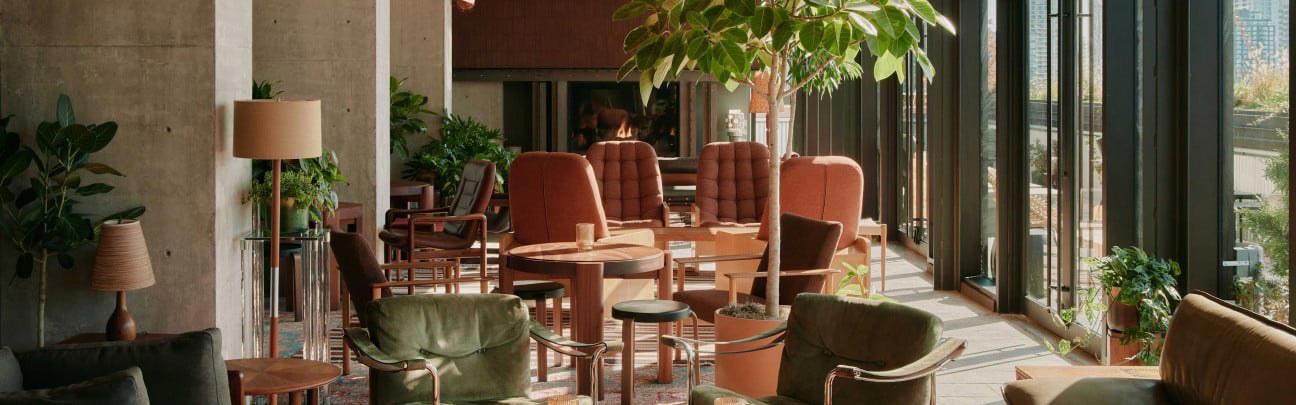
Ornate castle-like atmosphere with romantic, classic yet modern decor, beautiful art, though can be noisy during events.