Matsuri brings Japanese culinary precision to Frankfurt's Westend dining corridor, positioned at the intersection of imported technique and local context. Ulmenstraße 1 places it within easy reach of the city's financial quarter, making it a reference point for Frankfurt diners exploring the sharper end of the Japanese restaurant spectrum in a city where that category is smaller than its European comparable set.
Pearl is the En Primeur Club membership app — saves, bookings, and concierge access live there. Same editors, same standards.
- Address
- Ulmenstraße 1, 60325 Frankfurt am Main, Germany
- Phone
- +496971678710
- Website
- facebook.com
- Directions
- Get directions
 Saves & bookings on Pearl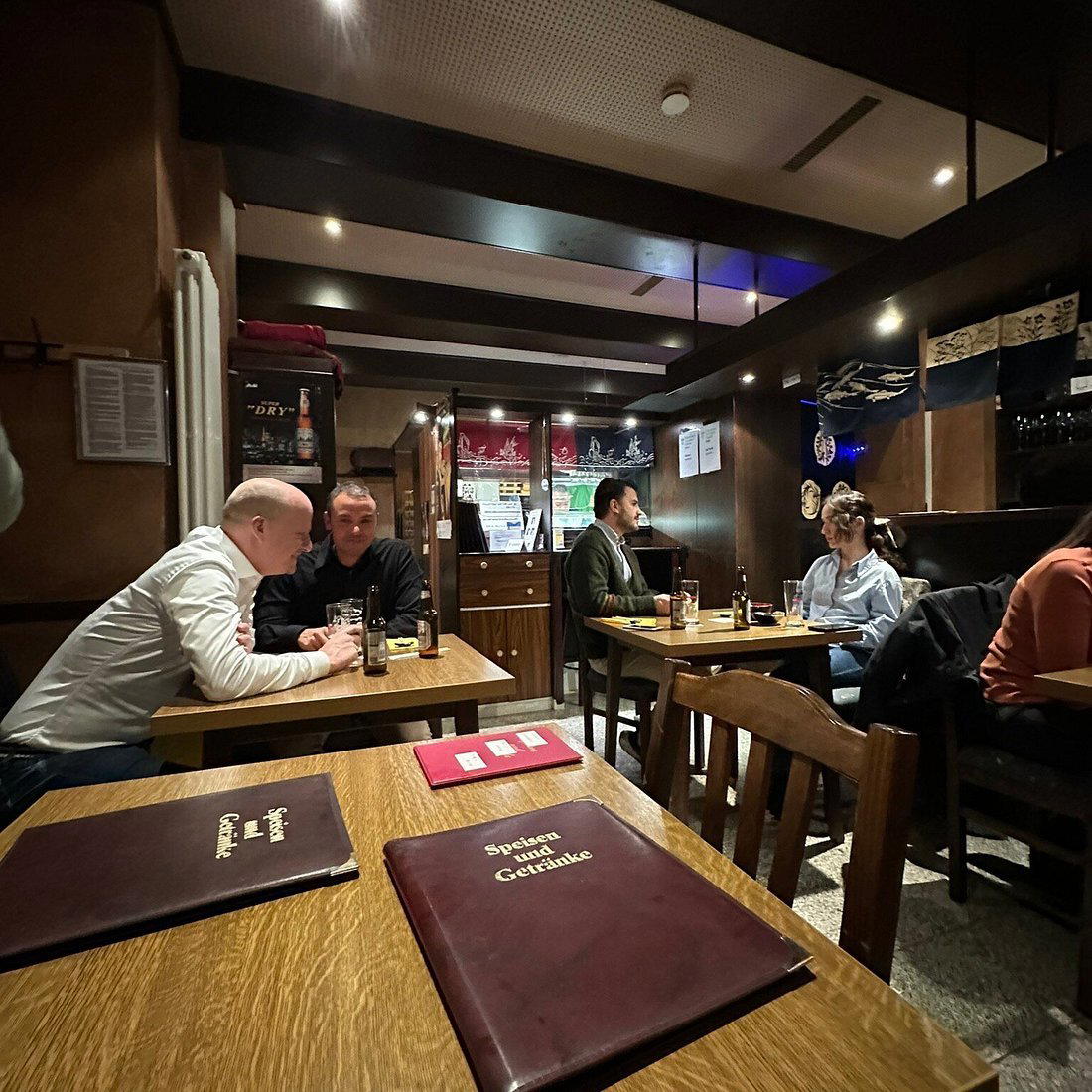
Japanese Precision in Frankfurt's Westend
Westend occupies a particular position in Frankfurt's restaurant geography. The neighbourhood runs along the western edge of the Innenstadt, bordered by the banking towers that define the city's skyline and the quieter residential streets that feed into Bockenheim. It draws a clientele that expects consistency and technical seriousness from its restaurants, and the dining options along Ulmenstraße reflect that expectation. Matsuri, at number 1 on that street, sits within this context: a Japanese restaurant in Frankfurt am Main.
Frankfurt's Japanese restaurant scene has not followed the same trajectory as its counterparts in larger European capitals. Where London has developed a tiered omakase market and Berlin has accumulated a range of formats from ramen-specialist to kaiseki, Frankfurt's offer is tighter. That compression means venues like Matsuri function as reference points for the broader category rather than occupying a clearly differentiated niche within a crowded field. The question a Frankfurt diner is asking is how seriously this kitchen engages with the craft.
Technique as the Editorial Frame
One instructive way to read Japanese restaurants operating outside Japan is through the lens of what gets imported and what gets adapted. Technique tends to travel well: knife discipline, temperature control, the sequencing logic of a composed menu. Ingredients are more complicated. Japan-sourced fish, specific varietals of rice, and particular fermented condiments can be flown in, but the supporting cast of a menu, vegetables, garnishes, secondary proteins, increasingly draws from the region where the restaurant operates.
This intersection of imported method and local sourcing defines a growing number of serious Japanese kitchens across Europe. At the upper end of that register, venues like Atomix in New York City have demonstrated that the synthesis of Korean culinary tradition with fine-dining technique produces something categorically different from either source, a model that Japan-influenced restaurants are exploring in their own way. In Frankfurt's context, the relevant question is whether a kitchen treats local German produce as a compromise or as a genuine ingredient conversation.
German seasonal produce offers more than it sometimes gets credit for in the context of Japanese-influenced cooking. White asparagus from the Rhine-Main region, freshwater fish from Central European river systems, and the autumn mushroom harvest from forests within a few hours of Frankfurt all have structural affinities with Japanese culinary logic: clean flavours, defined textures, minimal need for aggressive seasoning. A kitchen that reads these ingredients through a Japanese technical vocabulary can produce something coherent and specific to place. Whether Matsuri works in this register is worth investigating directly.
Frankfurt in the German Fine Dining Picture
Germany's serious restaurant tier is distributed in a way that surprises visitors expecting Berlin or Frankfurt to dominate. The heaviest concentration of Michelin recognition sits in smaller cities and rural addresses. Aqua in Wolfsburg holds three stars. Schwarzwaldstube in Baiersbronn, Vendôme in Bergisch Gladbach, and Waldhotel Sonnora in Dreis represent the kind of destination dining that draws travellers to addresses not otherwise on the tourist map. Victor's Fine Dining by Christian Bau in Perl and ES:SENZ in Grassau extend that pattern into border regions. Even within cities, the pattern holds: JAN in Munich, Restaurant Haerlin in Hamburg, and Schanz in Piesport demonstrate that German fine dining rewards itineraries built around specific kitchens rather than city-first logic.
Frankfurt itself has a functional rather than destination-led dining culture, shaped by its role as a financial hub and trade fair city. The restaurant population skews toward reliable internationals and well-executed classics. Allgaiers Restaurant and Ariston represent the European fine dining end of that spectrum, while ALEJANDRO'S and Ambassel show the city's range across Latin and Ethiopian traditions respectively. atm by Deli&Grape occupies the wine-forward casual end. Against this backdrop, a serious Japanese kitchen occupies a specific and not easily replicated position. For the fuller picture of what Frankfurt's restaurant scene offers across categories, the EP Club Frankfurt restaurants guide maps the breadth of that offer.
Format innovation in European dining has also created a useful reference point for thinking about Japanese-influenced kitchens. CODA Dessert Dining in Berlin demonstrates that a single-category obsession, rigorously executed, can anchor a full fine-dining experience. The lesson for Japanese restaurants operating in cities without deep omakase markets is that a clearly defined technical identity matters more than range. Diners at this level are not looking for a menu that hedges; they are looking for a kitchen that commits.
Planning a Visit to Matsuri
Matsuri is located at Ulmenstraße 1, in Frankfurt's Westend, accessible from the city centre in under fifteen minutes by U-Bahn. The neighbourhood is walkable from the banking district and from the Palmengarten, which makes it a plausible choice for both business dinners and leisure visits. Given that Frankfurt's Japanese restaurant category is narrow, and that Westend draws a regular professional clientele, reservations made in advance are a reasonable precaution, particularly for weekend evenings. Reservations are recommended, and the restaurant is closed on Monday and open Tuesday through Sunday from 6:30 to 10 PM.
For those building a wider itinerary around serious German dining, the concentration of recognised kitchens outside Frankfurt proper underlines that the leading dining experiences often require movement rather than staying in one city. Frankfurt functions as a hub for those itineraries, and Matsuri's Westend address places it at a convenient point of departure.
Standing Among Peers
Comparable venues nearby, for context on price, style, and recognition.
| Venue | Cuisine | Price | Notes |
|---|---|---|---|
| MatsuriThis venue — the venue you are viewing | Authentic Japanese Sushi & Sashimi | $$ | Not listed |
| Mangetsu | Authentic Japanese Izakaya | $$ | Messegelande |
| IIMORI Patisserie | Franco-Japanese Patisserie | $$$ | Roemerberg |
| Onocubes | Asian Fusion Poké Bowls & Tapas | $$ | Palmengarten |
| Yung | Authentic Cantonese | $$ | Palmengarten |
| Pasta Davini | Authentic Italian Pasta | $$ | Roemerberg |
Continue exploring
More in Frankfurt
Restaurants in Frankfurt
Browse all →
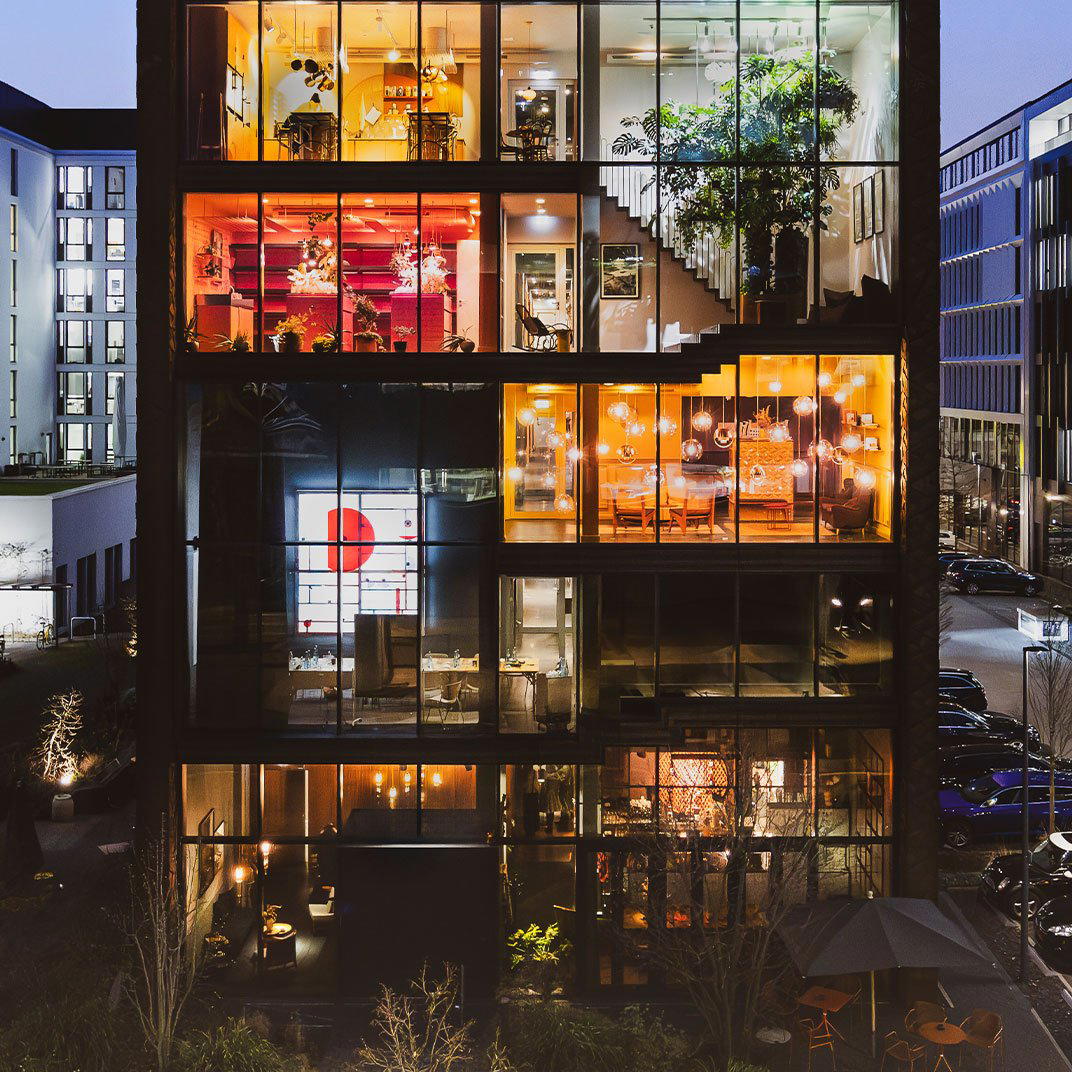
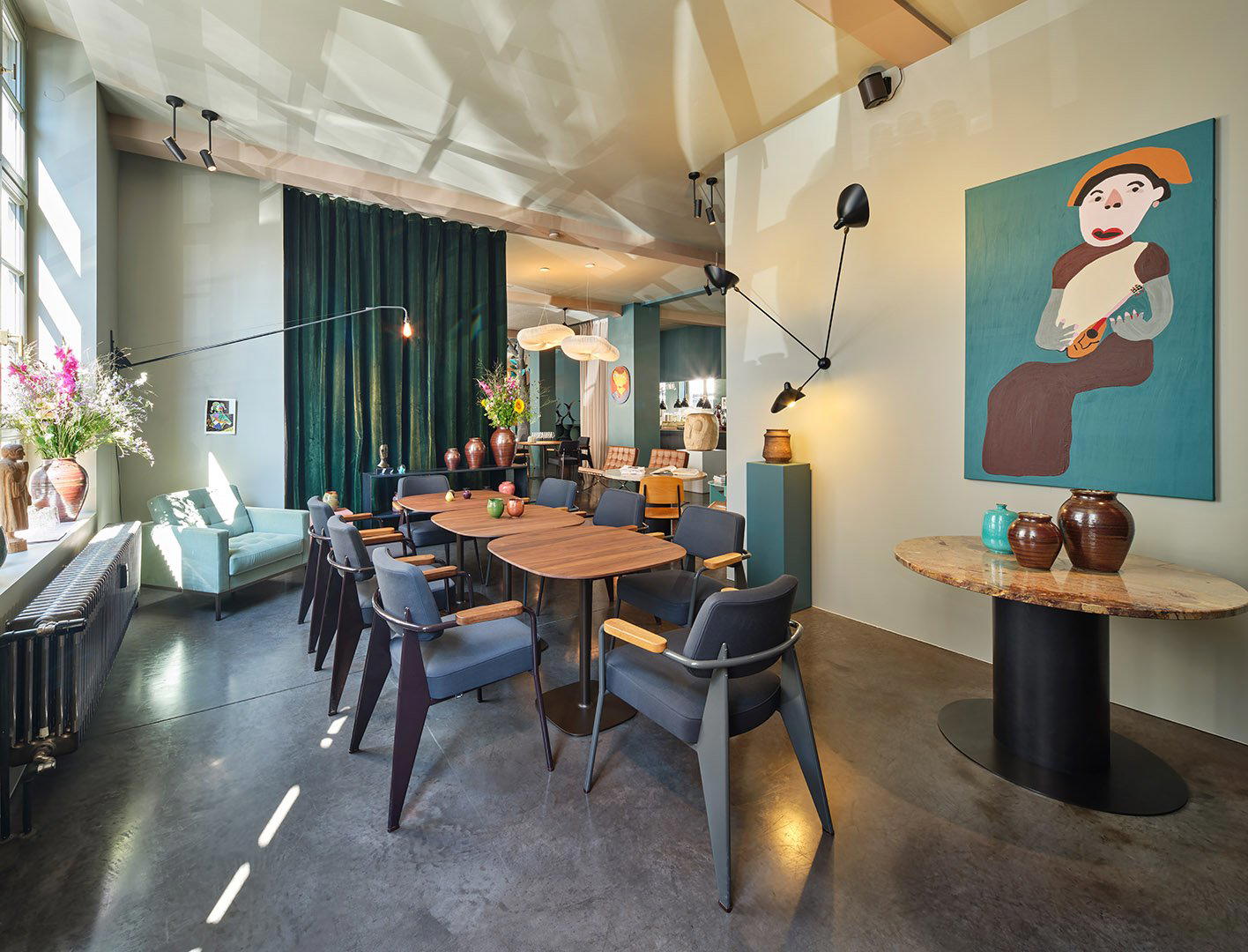
Bars in Frankfurt
Browse all →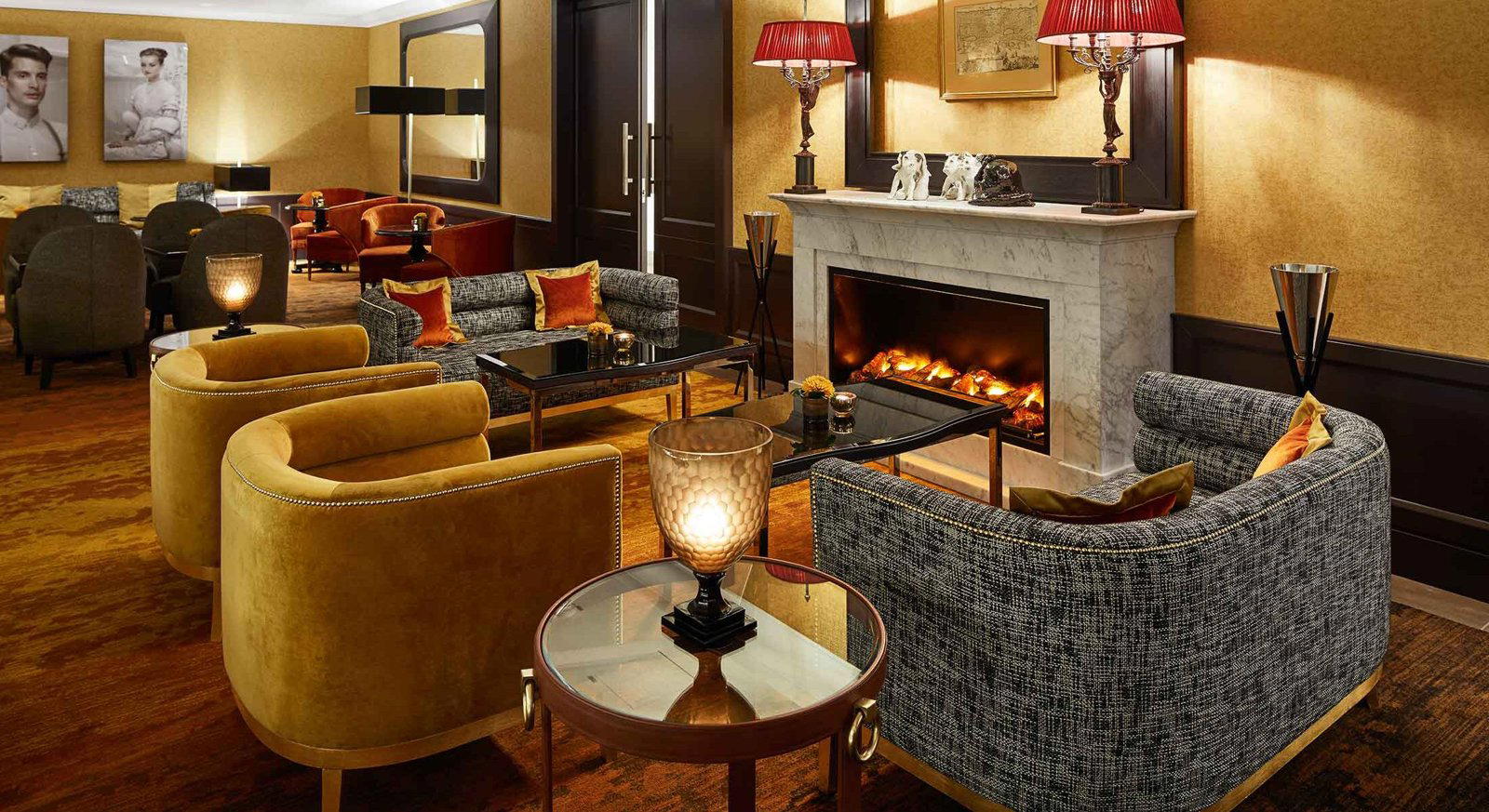
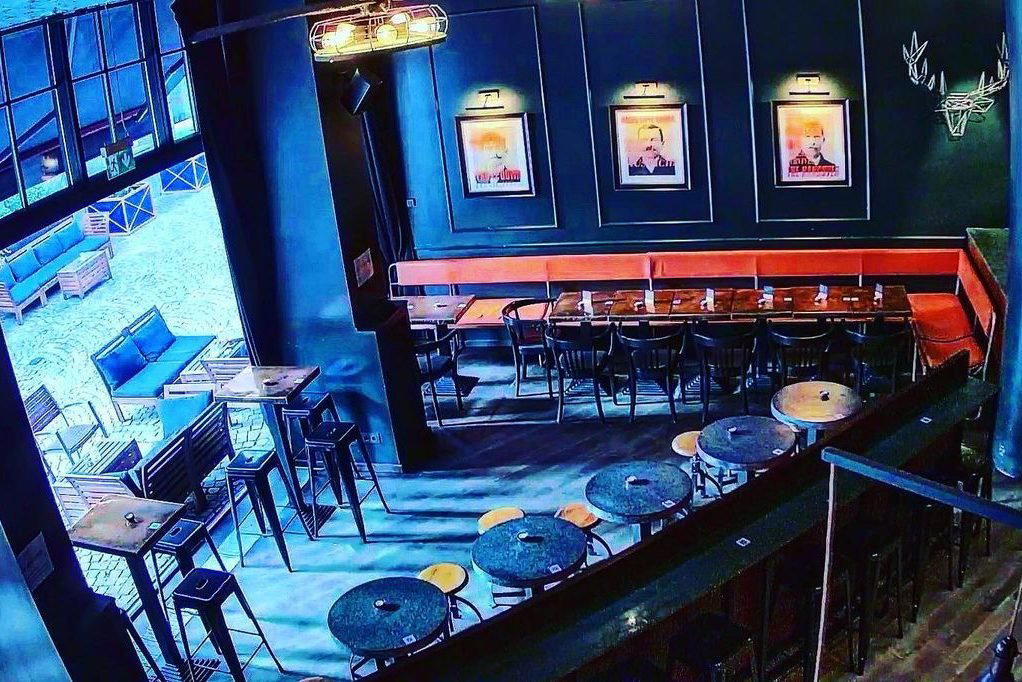

Hotels in Frankfurt
Browse all →

At a Glance
- Intimate
- Cozy
- Classic
- Date Night
- Business Dinner
- Sake Program
Current opening hours
- Monday
- Closed
- Tuesday
- 6:30–10 PM
- Wednesday
- 6:30–10 PM
- Thursday
- 6:30–10 PM
- Friday
- 6:30–10 PM
- Saturday
- 6:30–10 PM
- Sunday
- 6:30–10 PM
Hours can change for holidays and private events. Last verified .
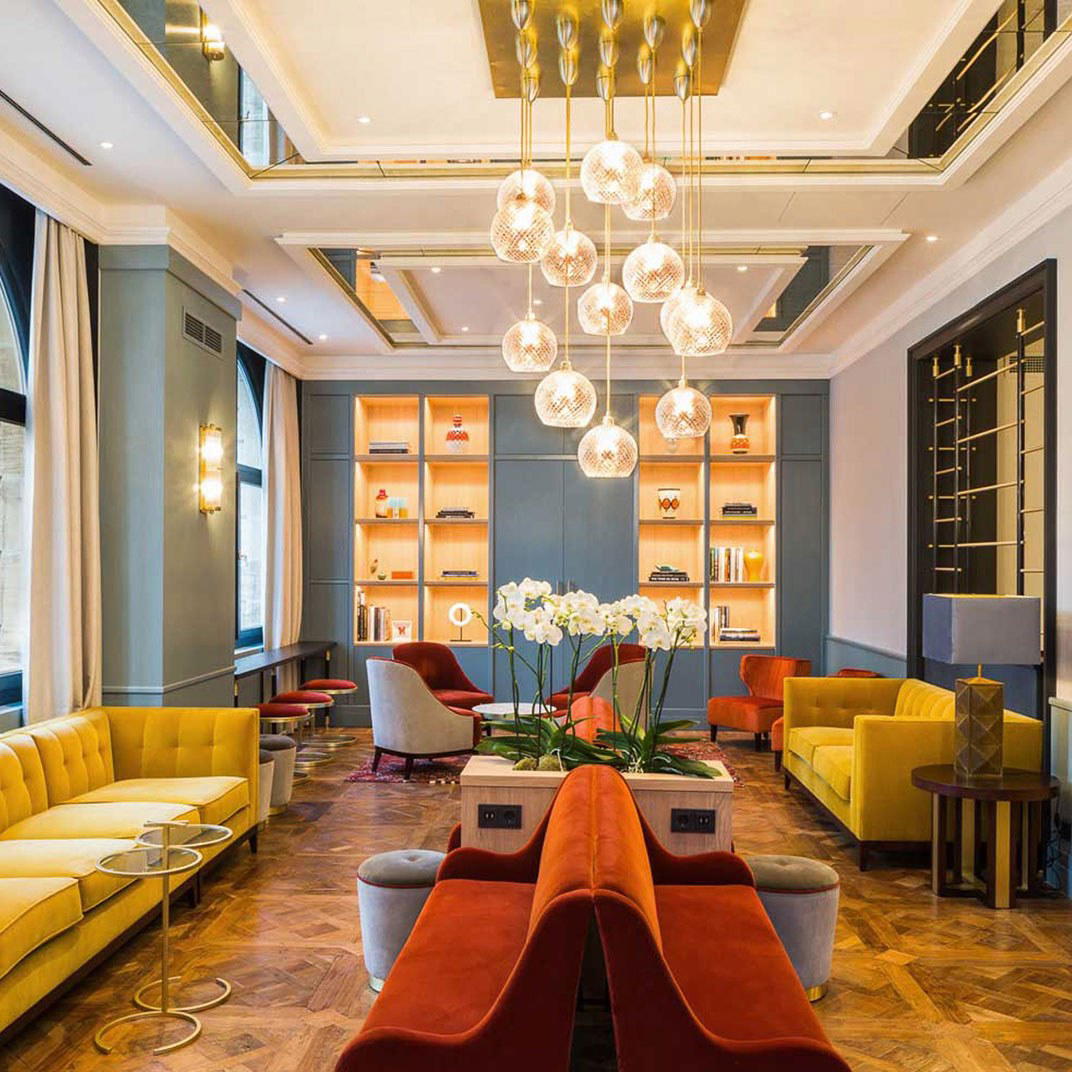
Cozy and intimate with simple, traditional Japanese decor evoking a small Tokyo sushi counter.