Mati occupies a respected position on Preston Street, Ottawa's Little Italy corridor, where the sourcing conversation around local and regional ingredients has shaped what serious dining looks like in the capital. The address places it inside a neighbourhood that has long traded on its immigrant food culture, and the kitchen draws on that tradition while operating at a register that distances it from the casual trattorias nearby.
Pearl is the En Primeur Club membership app — saves, bookings, and concierge access live there. Same editors, same standards.
- Address
- 428 Preston St, Ottawa, ON K1S 4N2, Canada
- Phone
- +16136803860
- Website
- matiottawa.ca
- Directions
- Get directions
 Saves & bookings on Pearl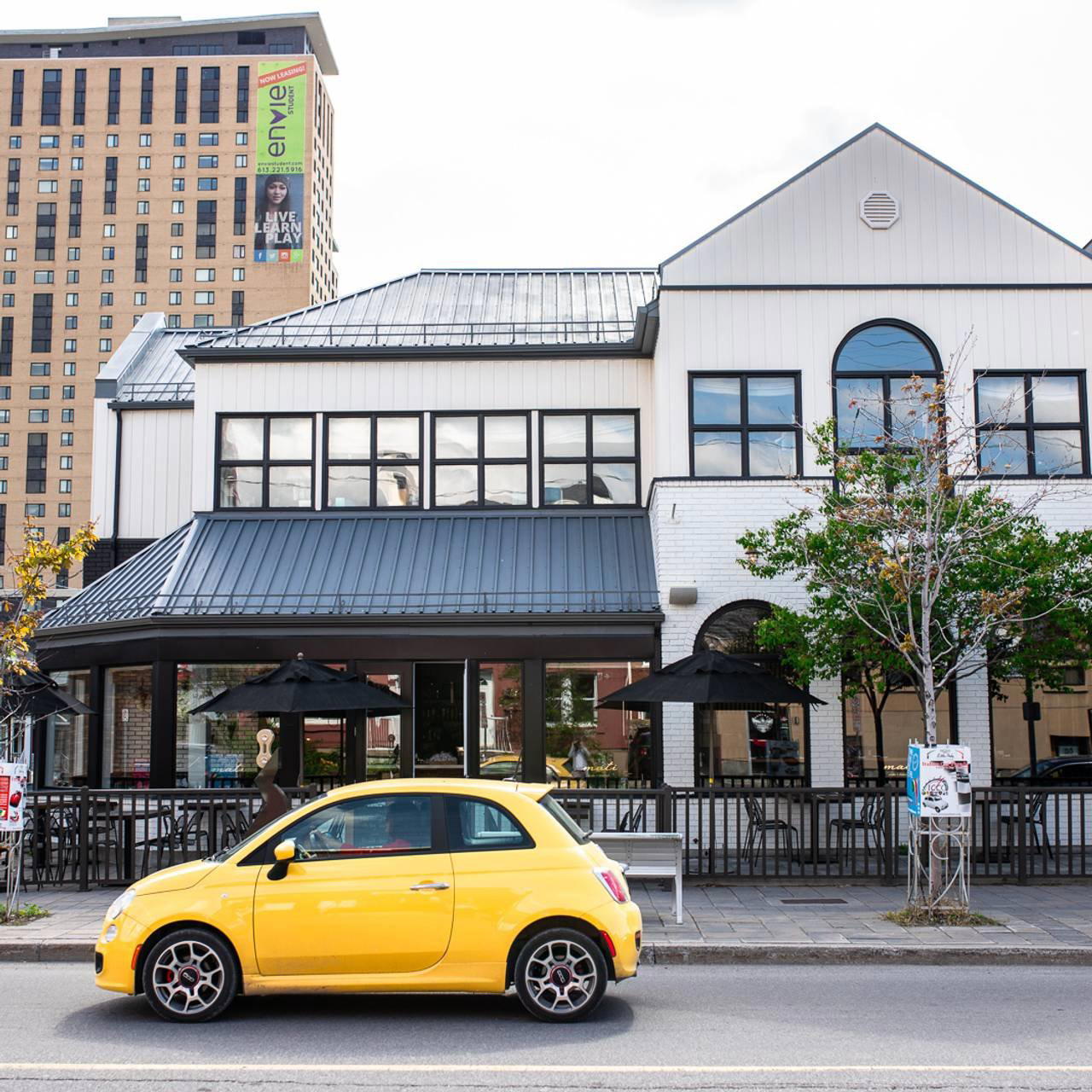
Preston Street and the Sourcing Argument
Preston Street has carried Ottawa's Little Italy identity for decades, and that heritage still does real work on the block. The corridor sits roughly between Carling Avenue to the north and the Queensway to the south, a stretch where old-school Italian grocers and family-run trattorias established the area's food credibility long before Ottawa's fine-dining conversation became a national one. What has shifted in recent years is the type of restaurant willing to set up inside that context. Mati, at 428 Preston St, occupies one of those positions where the neighbourhood's cultural weight provides a frame, but the kitchen operates with a different set of priorities than the red-sauce institutions that defined the street for earlier generations.
The ingredient-sourcing movement in Canadian fine dining has produced two broad camps: those who treat local provenance as a marketing checkbox and those who build their menus around it structurally, letting what is available in a given season determine what gets cooked. Ottawa sits at an interesting geographic point for this debate. The capital is close enough to Eastern Ontario farm country, the Outaouais region across the river in Quebec, and the Ottawa Valley to draw from a genuinely productive agricultural zone. Restaurants that commit to that supply chain tend to eat seasonally in a way that produces real menu variation across the year, not just a token seasonal section alongside a fixed core.
What the Address Signals
Arriving on Preston Street, the built environment tells you immediately that this is not a destination-dining district in the conventional sense. The street is functional and neighbourhood-scaled, which is part of why restaurants here tend to develop local regulars rather than fly-in dining tourists. That dynamic has implications for how a kitchen positions itself: it cannot rely on the first-time novelty that fuels parts of the Byward Market or the Glebe. The customer base on Preston tends to return, which raises the stakes for consistency and seasonal development in a way that one-off-occasion restaurants don't face to the same degree.
Within Ottawa's mid-to-upper dining tier, Mati sits alongside other independently operated rooms that have carved out identities distinct from the event-dining format that Atelier has dominated for years. Atelier's tasting-menu model, progressive Canadian in style, represents one end of the capital's serious-dining spectrum. The Preston Street address positions Mati closer to the neighbourhood-anchor model, where the relationship between kitchen and regular clientele drives the editorial logic of the menu more than any single chef's tasting vision.
The Sourcing Framework in Eastern Ontario
The sourcing argument matters more in Ottawa than in some Canadian cities because the regional food infrastructure is genuinely there to support it. Quebec's Outaouais and the Ottawa Valley produce lamb, pork, and root vegetables that show up across the capital's more ingredient-focused kitchens. Eastern Ontario's market garden sector, particularly around the Almonte and Lanark County corridor, supplies greens, alliums, and heritage grain operations that have expanded significantly over the past decade. A kitchen that commits to this supply network has to work harder on logistics than one ordering from national distributors, but the payoff is access to product that rarely travels far enough to reach Toronto or Montreal tables.
This is the context in which to read what restaurants like Mati represent on a street better known for its Italian-Canadian food heritage. The move from imported Italian pantry ingredients to regionally sourced Eastern Canadian produce is not a rejection of the neighbourhood's history but a natural extension of the immigrant kitchen's instinct to cook from what is close and what is known. The mechanics change; the underlying logic doesn't.
For Canadian comparison points on the sourcing-first model, Eigensinn Farm in Singhampton represents the most committed farm-to-table format in the country, where the restaurant and its supply are literally the same property. Restaurant Pearl Morissette in Lincoln takes a comparable approach in Niagara, where winery agriculture and kitchen sourcing are integrated. The Pine in Creemore operates on a similar premise in a small-town Ontario context. These are the reference points for a kitchen that takes provenance seriously as a structural decision rather than a branding exercise.
At the urban fine-dining level, Tanière³ in Quebec City has built one of Canada's most discussed ingredient-sourcing programs, drawing on Quebec's foraging and small-farm networks with a specificity that has drawn international attention. Alo in Toronto and AnnaLena in Vancouver represent the west and central Canadian fine-dining benchmarks for ingredient-led tasting menus. Jérôme Ferrer's Europea in Montreal operates at a different register, luxury-led rather than sourcing-led, but it illustrates how Quebec's fine-dining market has bifurcated along those lines.
Preston Street in the Ottawa Dining Order
Ottawa's restaurant scene has grown more differentiated over the past decade. The Byward Market remains the highest-density fine-dining zone, with rooms like Alice and Absinthe anchoring the more ambitious end. The Glebe and Bank Street corridor provide the mid-market backbone. Preston Street occupies a distinct position: Italian-rooted, neighbourhood-facing, and increasingly home to restaurants that operate with serious kitchen ambitions inside an unpretentious physical context.
Within that local competitive set, Mati's Preston address places it near other independently operated rooms across the city, including Aiana Restaurant and the more overtly carnivore-focused Al's Steakhouse. The Turkish and Middle Eastern contingent on and around Preston, represented by rooms like A La Istanbul Turkish Cuisine, reflects how the street's immigrant food culture has continued to diversify well beyond its original Italian identity. For a complete picture of where Mati sits in the capital's dining order, our full Ottawa restaurants guide maps the scene by neighbourhood and cuisine type.
Planning a visit to Preston Street is direct logistically: the strip is accessible by OC Transpo's Route 4 and Route 7 buses, with street parking available in the surrounding residential grid. The neighbourhood is walkable from Dow's Lake and accessible from the Queensway, making it a practical destination for visitors staying in the Centretown or Glebe hotel corridor.
For diners moving between Ottawa and other regional dining destinations, Narval in Rimouski and Aux Anciens Canadiens in Quebec City represent the Quebec-based poles of the eastern Canadian ingredient and heritage cooking conversation. At the international benchmark level, Le Bernardin in New York City and Atomix in New York City illustrate how sourcing-led kitchens can operate at the highest recognition tier, and Barra Fion in Burlington provides an Ontario mid-market reference point.
Planning Your Visit
Mati is located at 428 Preston St in Ottawa's Little Italy, a neighbourhood that rewards visiting on foot to take in the full character of the block before and after dinner. Booking details including current hours and reservation policy are best confirmed directly, as independently operated rooms at this level tend to adjust capacity and format seasonally. Given Preston Street's resident-heavy customer base, weekday evenings tend to offer more availability than Friday and Saturday, when neighbourhood regulars and occasion diners compete for the same tables.
How Mati Ottawa compares with similar nearby venues.
| Venue | Cuisine |
|---|---|
| Atelier | Progressive Canadian |






At a Glance
- Modern
- Elegant
- Trendy
- Lively
- Date Night
- Brunch
- Special Occasion
- Open Kitchen
- Craft Cocktails
- Local Sourcing
Current opening hours
- Monday
- Closed
- Tuesday
- 5–10 PM
- Wednesday
- 11:30 AM–2:30 PM, 5–10 PM
- Thursday
- 11:30 AM–2:30 PM, 5–10 PM
- Friday
- 11:30 AM–2:30 PM, 5 PM–12 AM
- Saturday
- 5 PM–12 AM
- Sunday
- 10 AM–3 PM, 5–10 PM
Hours can change for holidays and private events. Last verified .
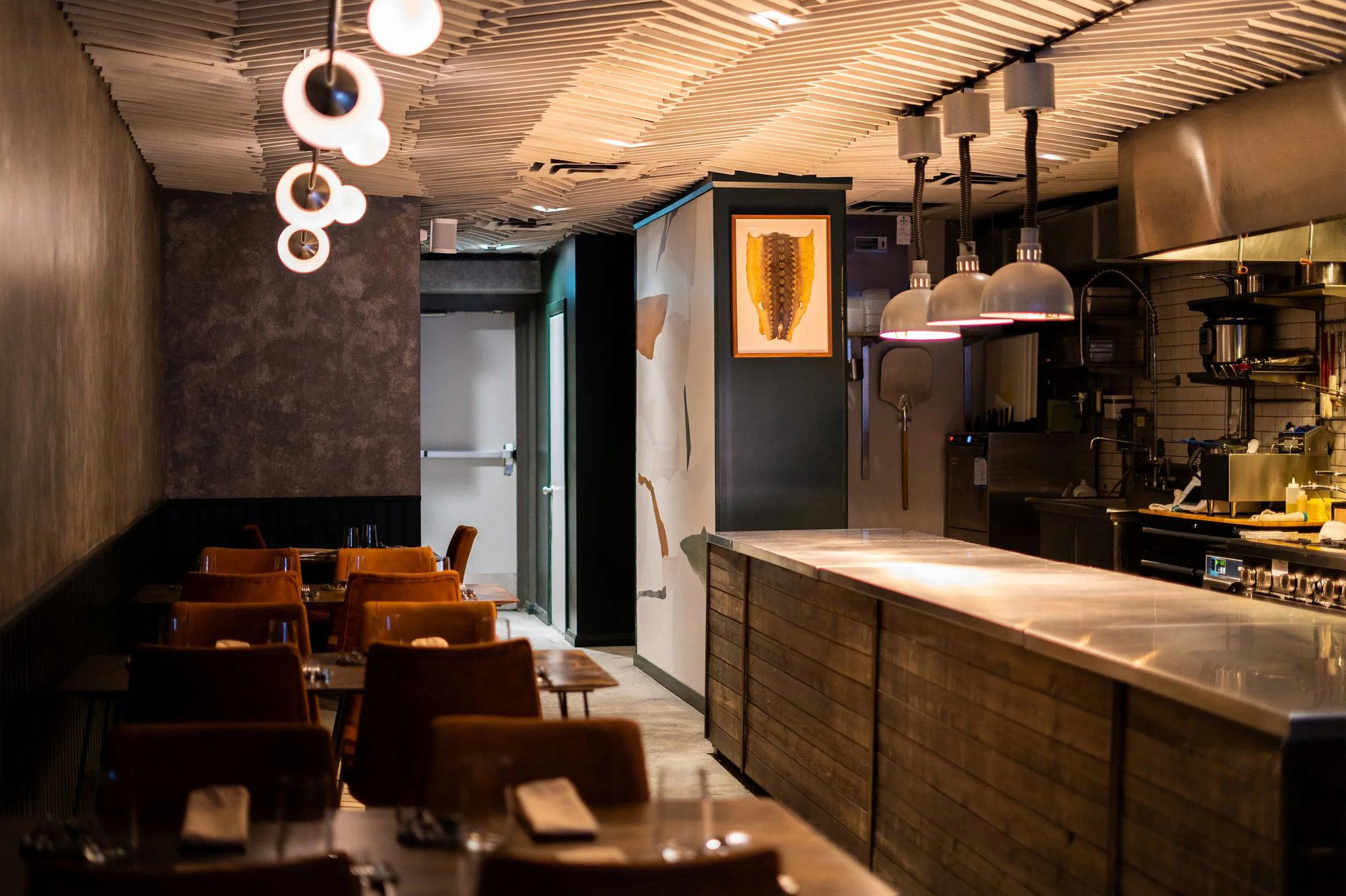
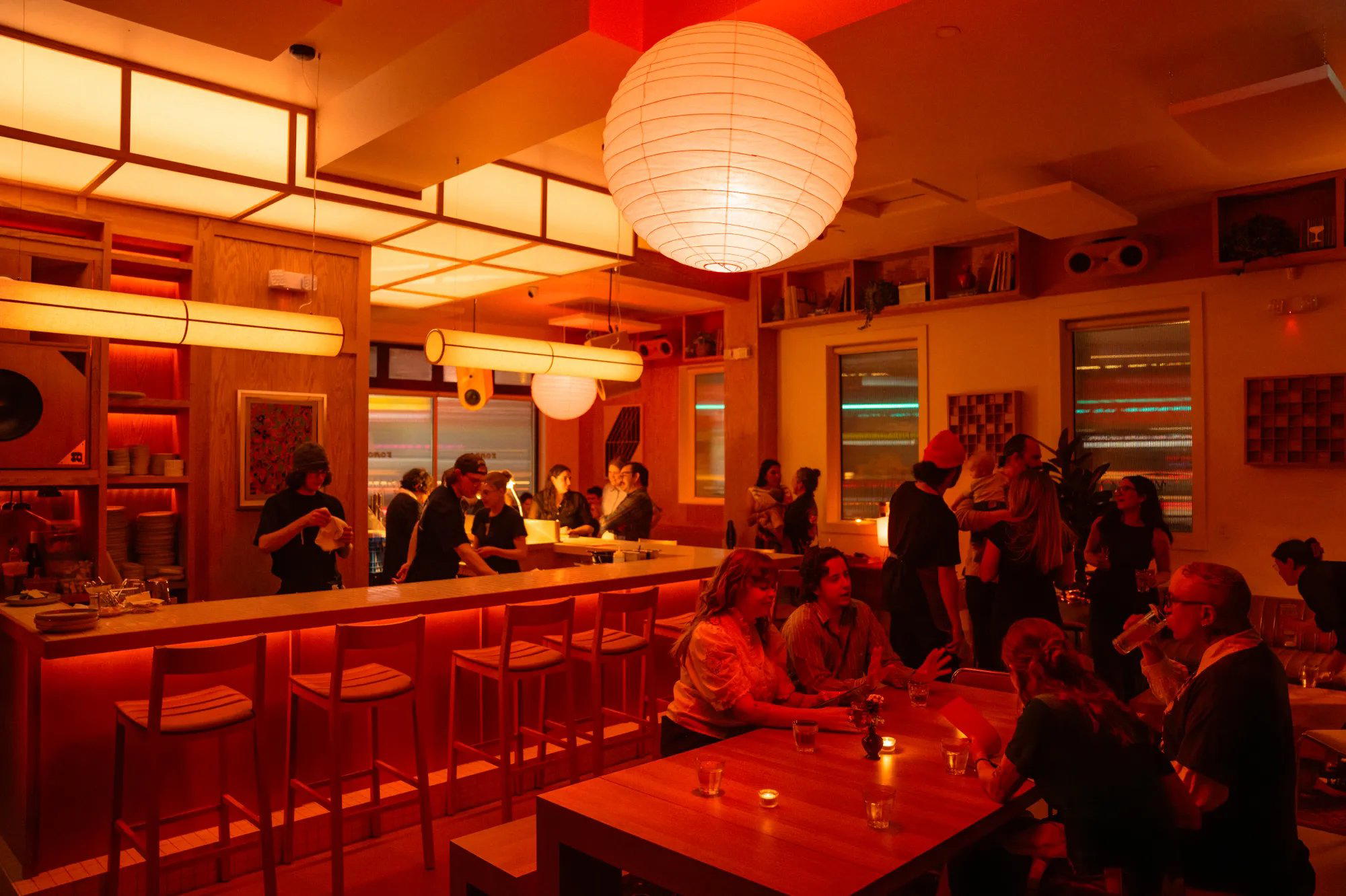
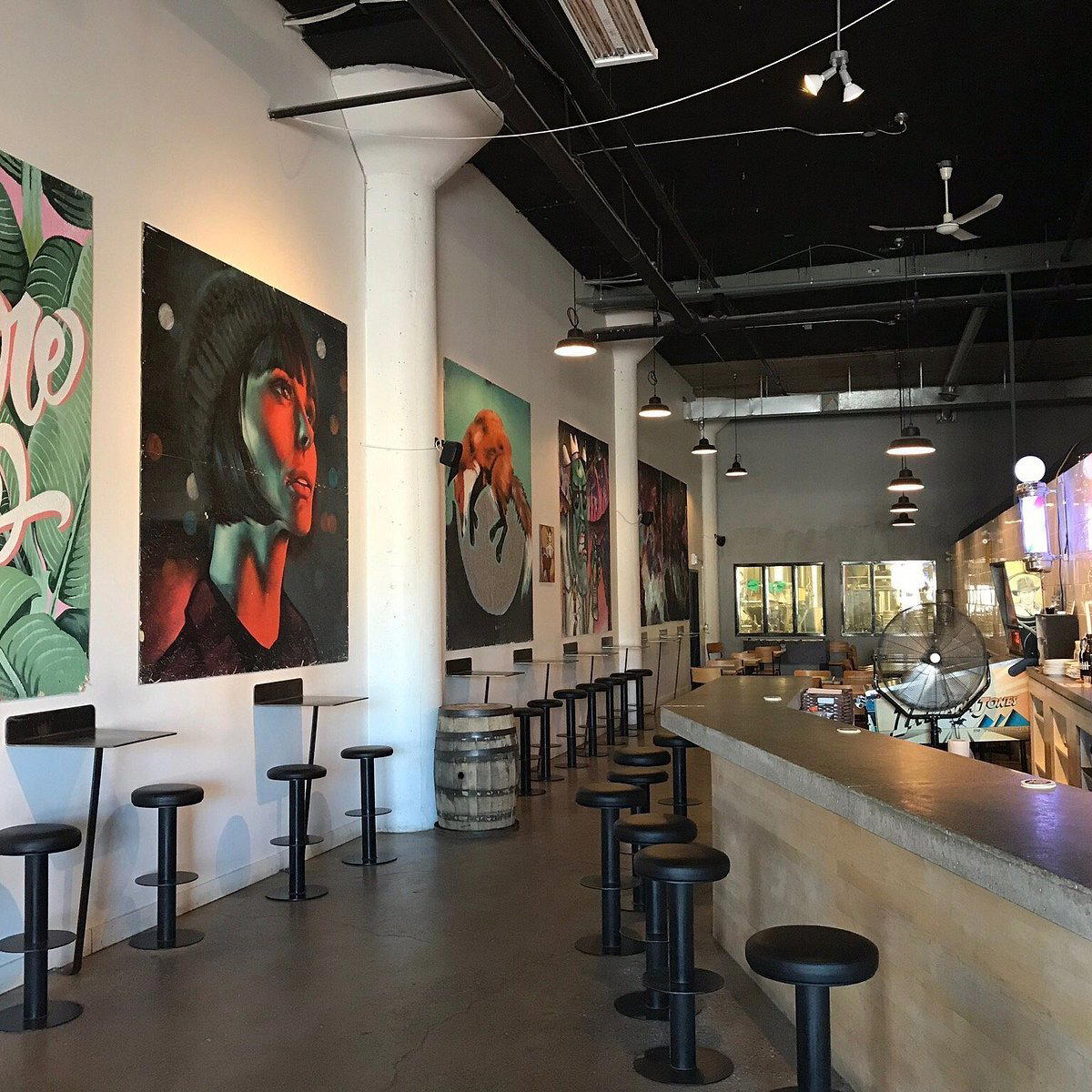
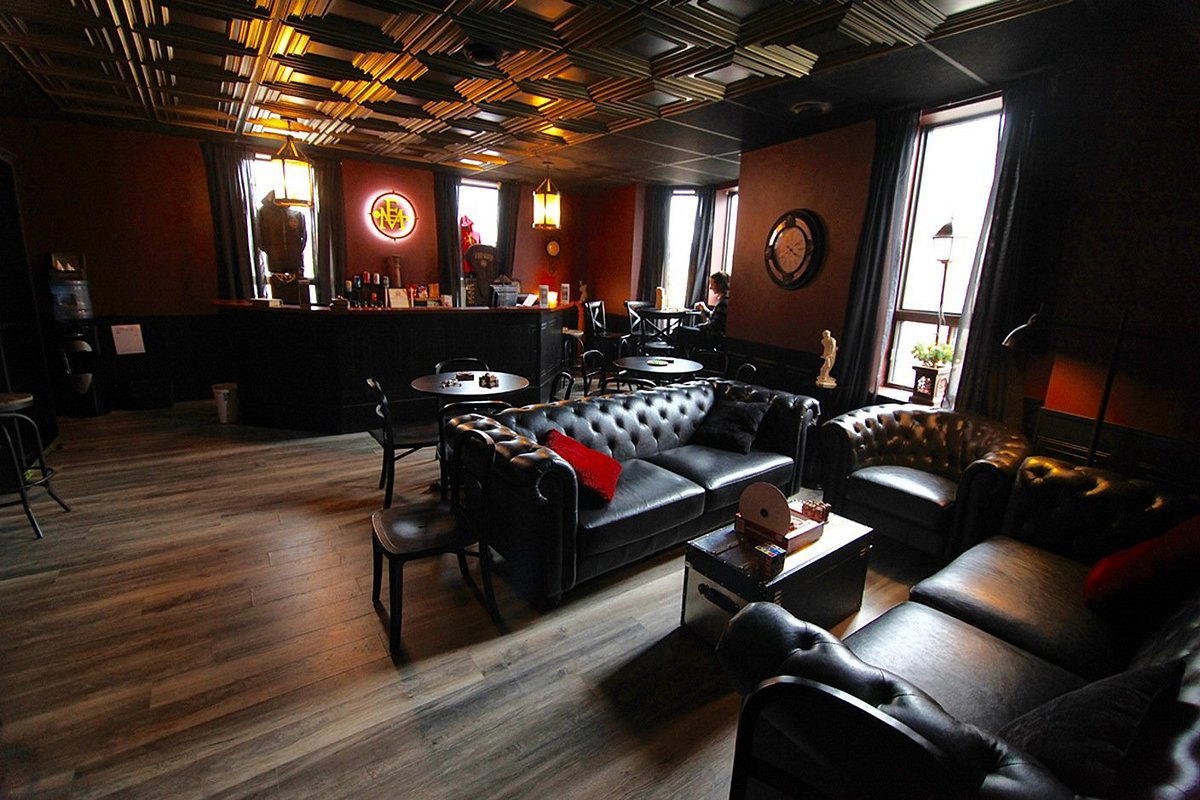
Modern and chic atmosphere with a large bar area that transitions to an upscale bar vibe in the evenings, featuring moderate noise levels.
Know Before You Go
- Getting there
- 428 Preston St, Ottawa, ON K1S 4N2, Canada