


Atelier serves a Progressive Canadian modernist fusion tasting menu at 540 Rochester St in Ottawa, with formal service, an extended dinner format, and an extensive wine list led by a sommelier.
Pearl is the En Primeur Club membership app — saves, bookings, and concierge access live there. Same editors, same standards.
- Address
- 540 Rochester St, Ottawa, ON K1S 4M1, Canada
- Phone
- +1 613-321-3537
- Website
- atelierrestaurant.ca
- Directions
- Get directions
 Saves & bookings on Pearl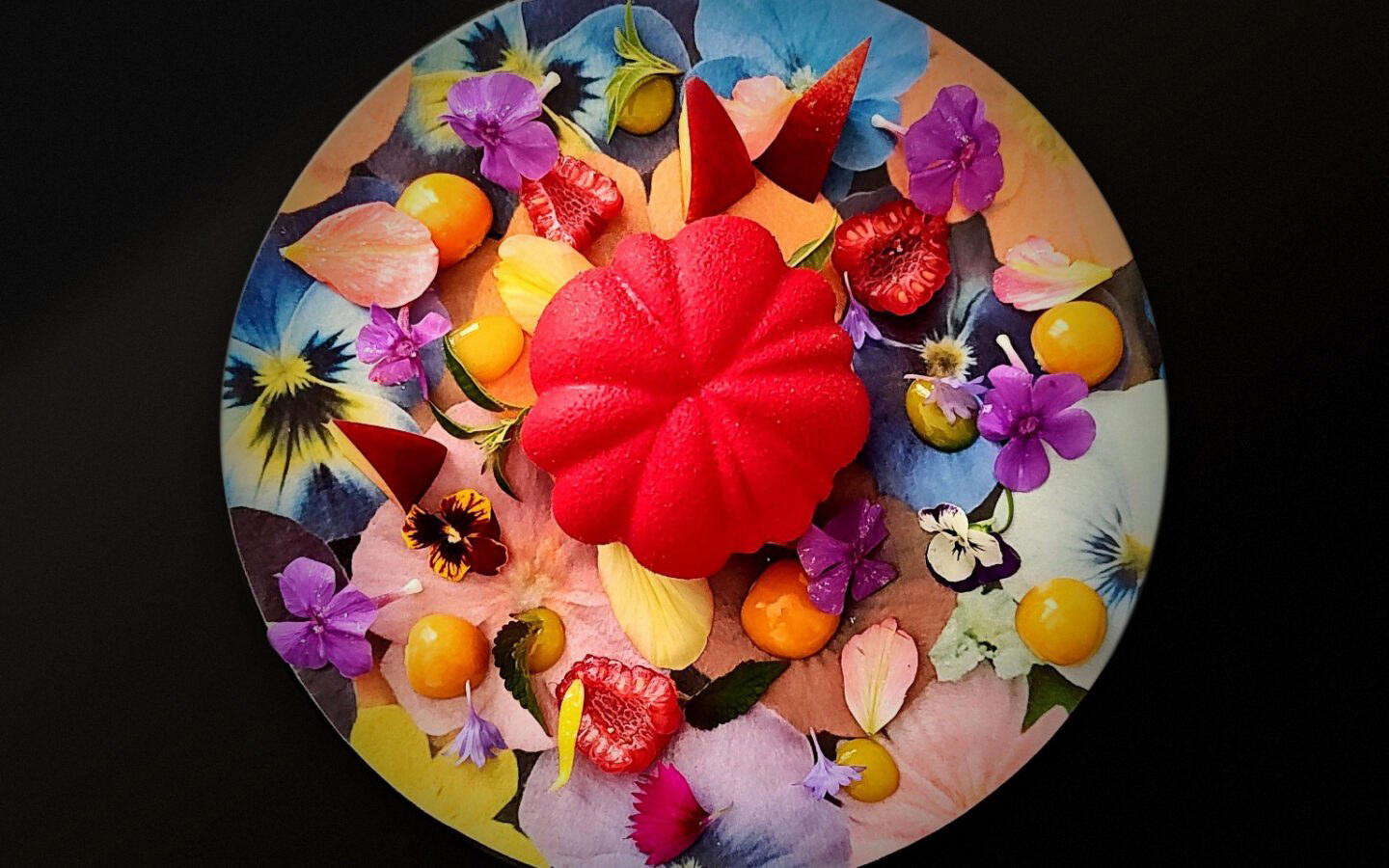
Forty Courses in Ottawa's Little Italy
Ottawa's fine-dining scene has long been overshadowed by Montreal and Toronto in national conversation, yet the capital has produced one of Canada's most technically demanding tasting formats. Atelier in Ottawa serves a forty-course modernist fusion tasting menu by chef Marc Lepine, with dinner Wednesday through Saturday and a single 6 pm seating. The format sits in a category occupied nationally by a small number of operators, think Tanière³ in Québec City or Alo in Toronto, where the commitment from the kitchen is measured not in courses but in sustained conceptual invention across an entire evening.
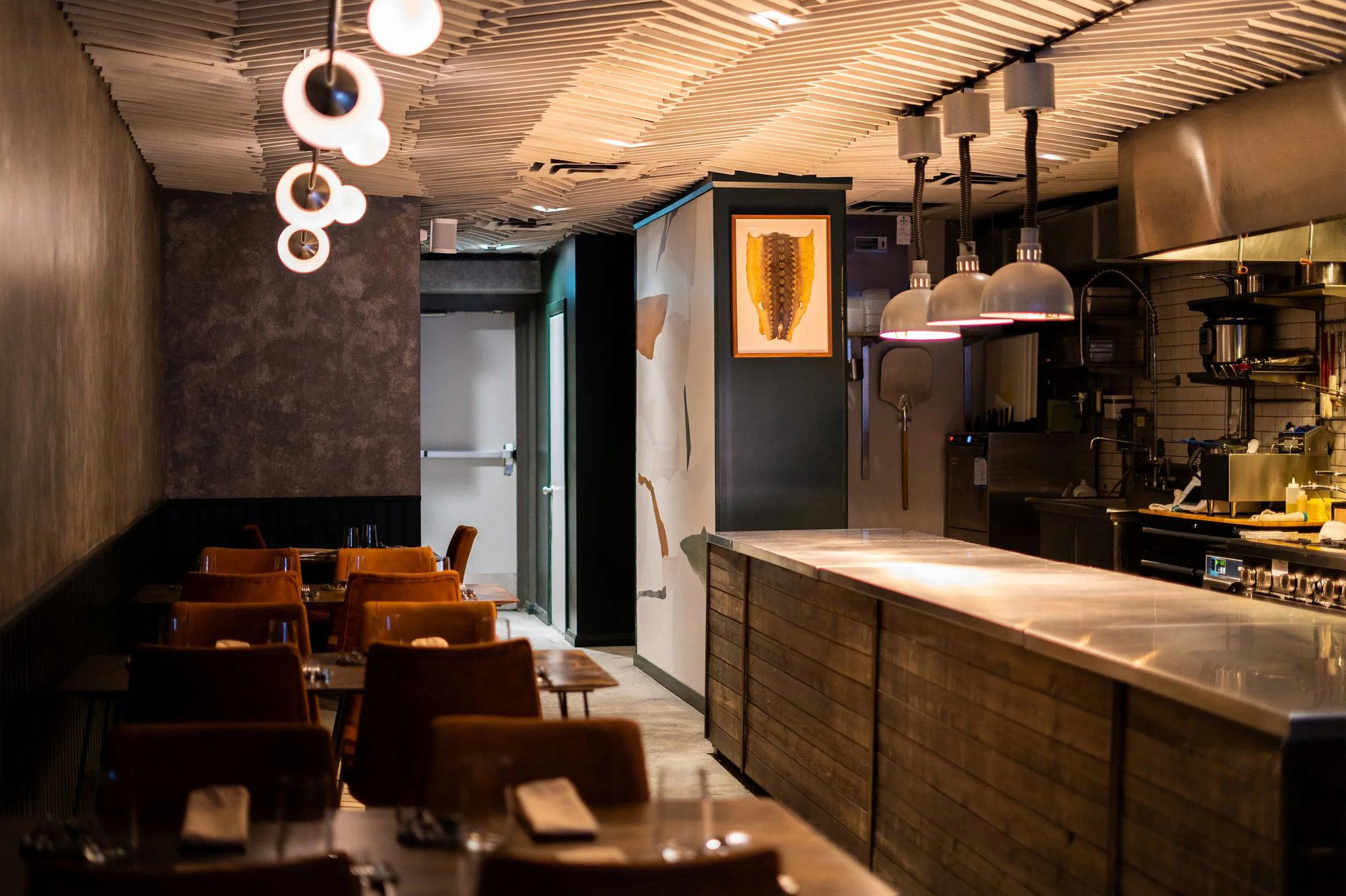
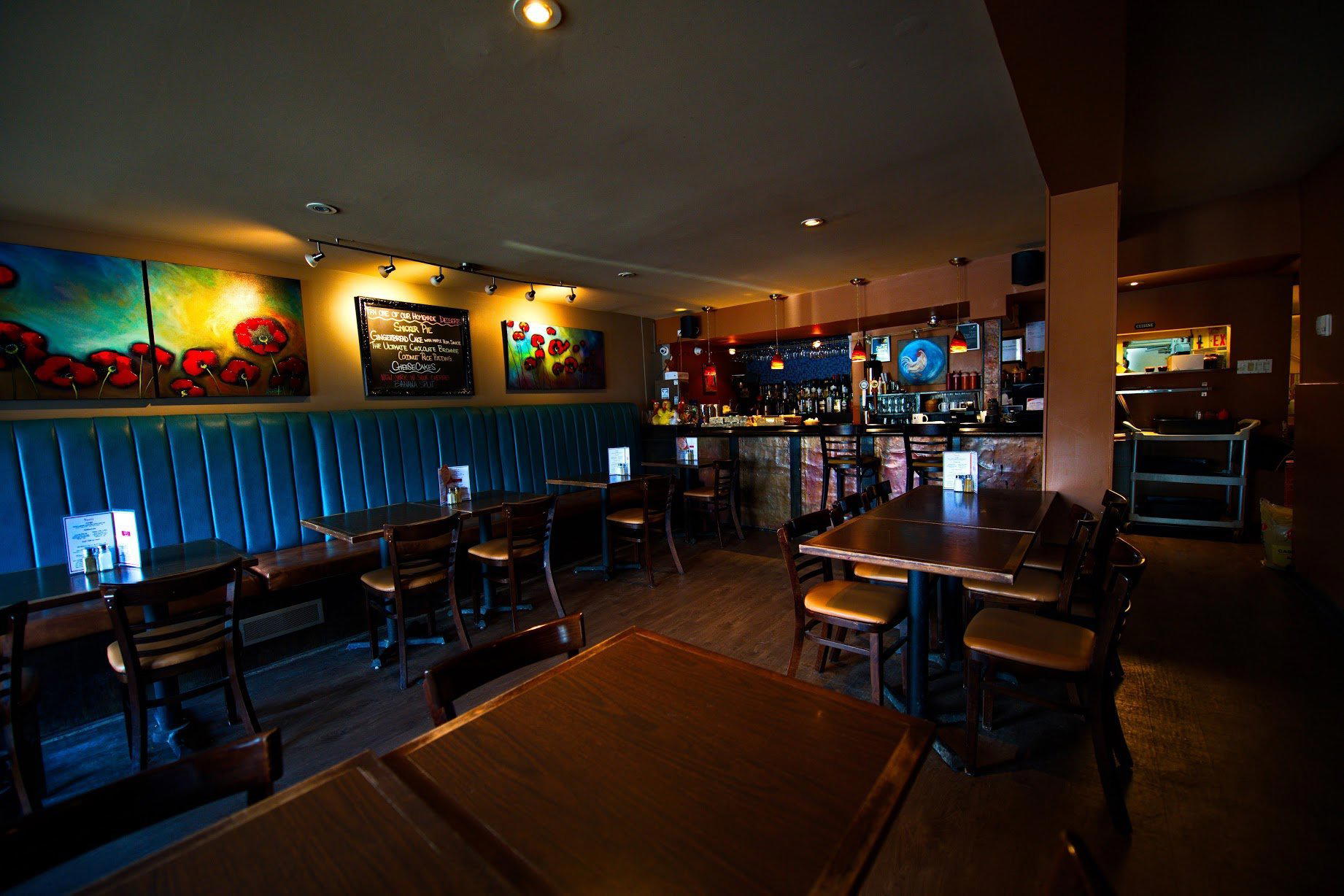
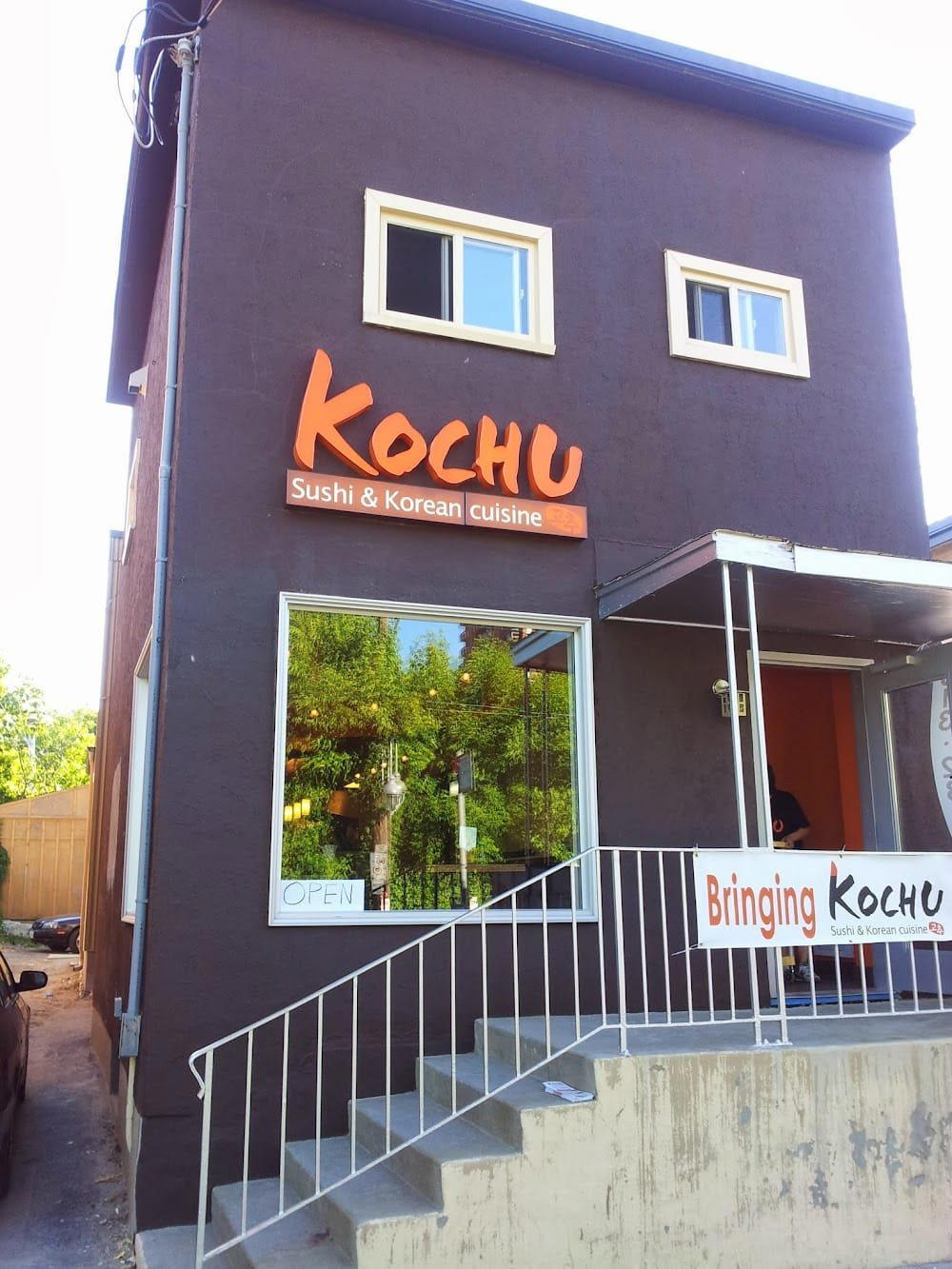
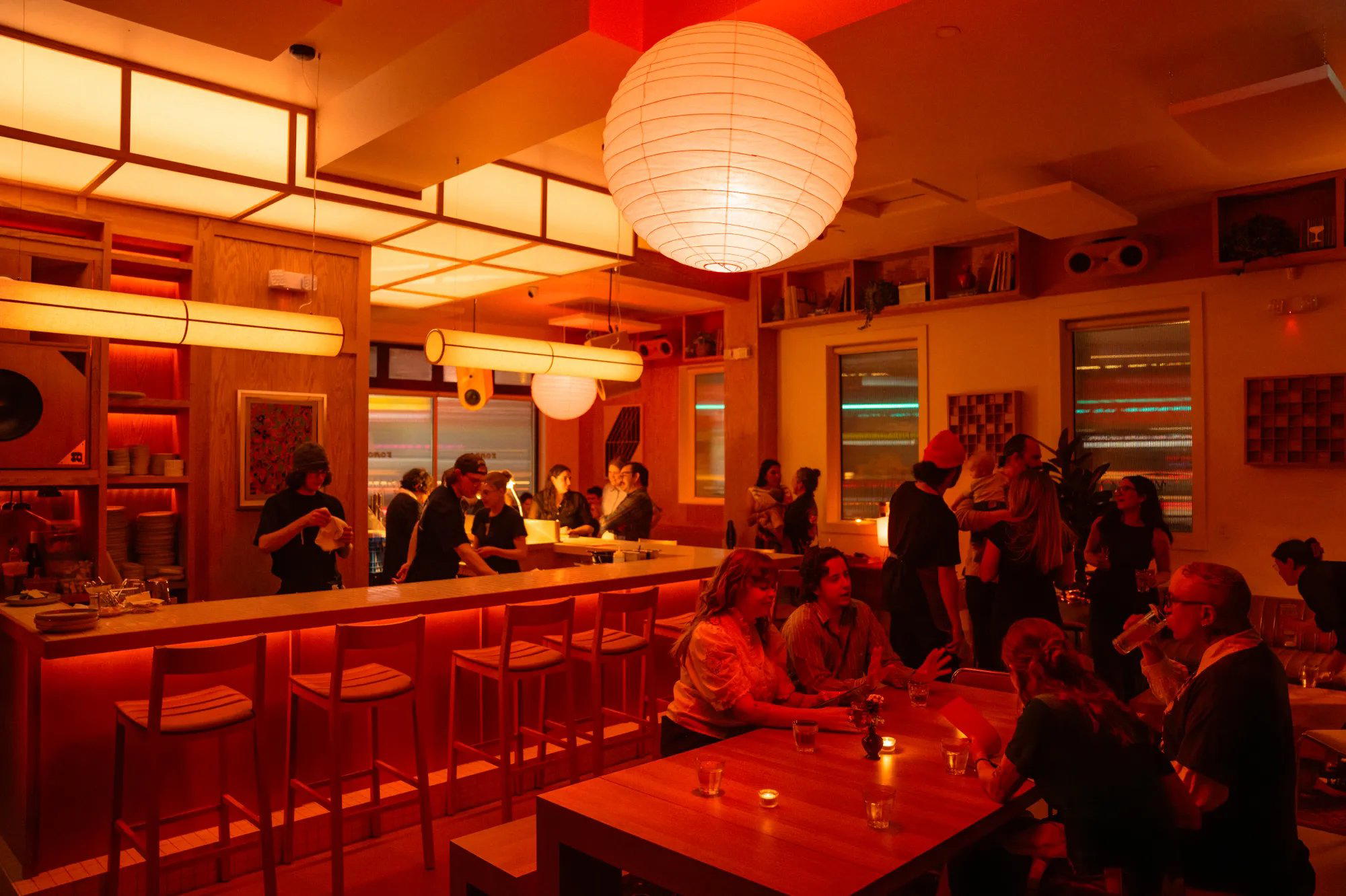
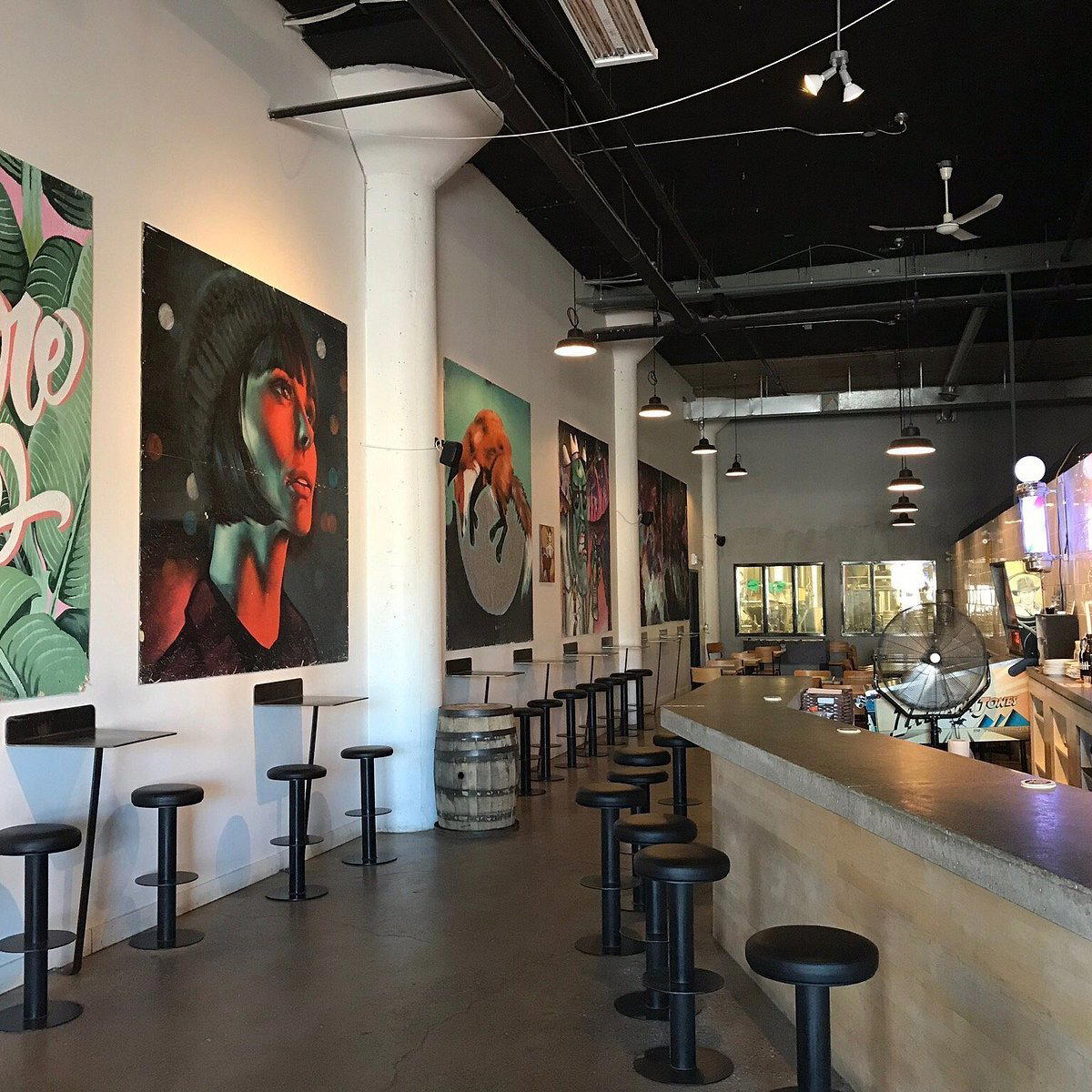
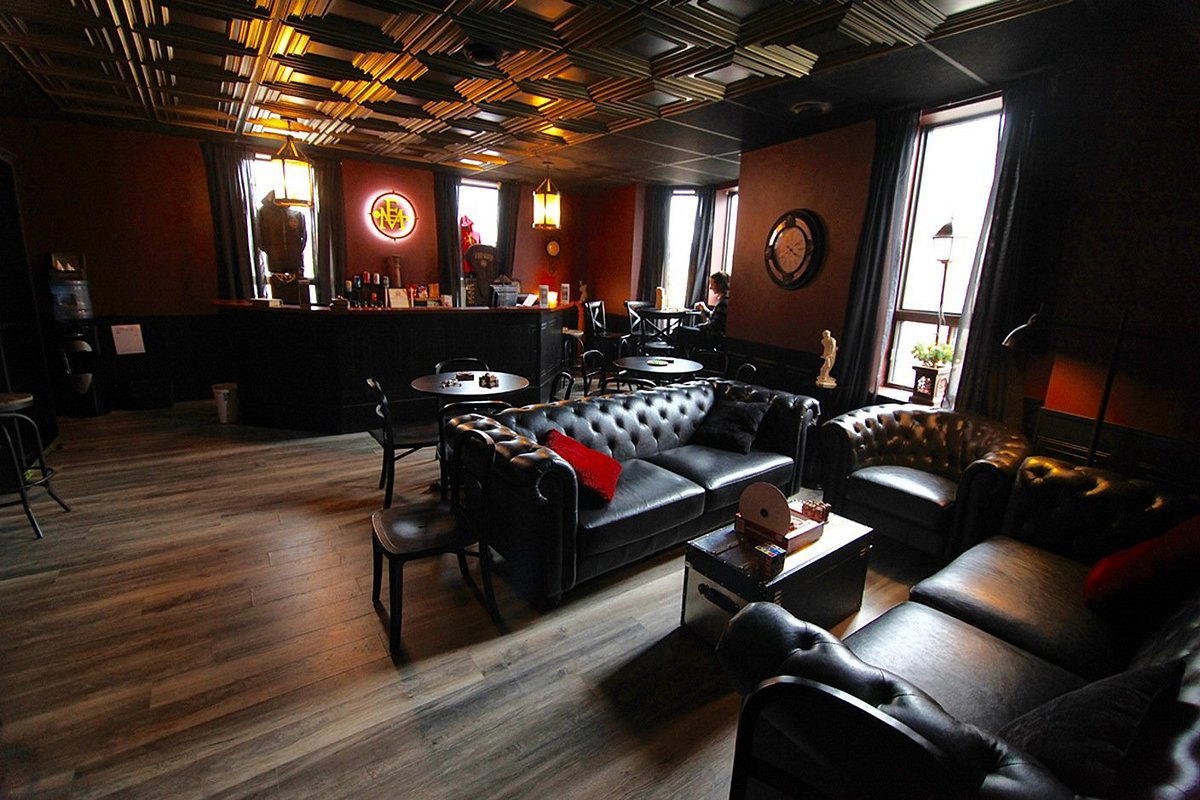
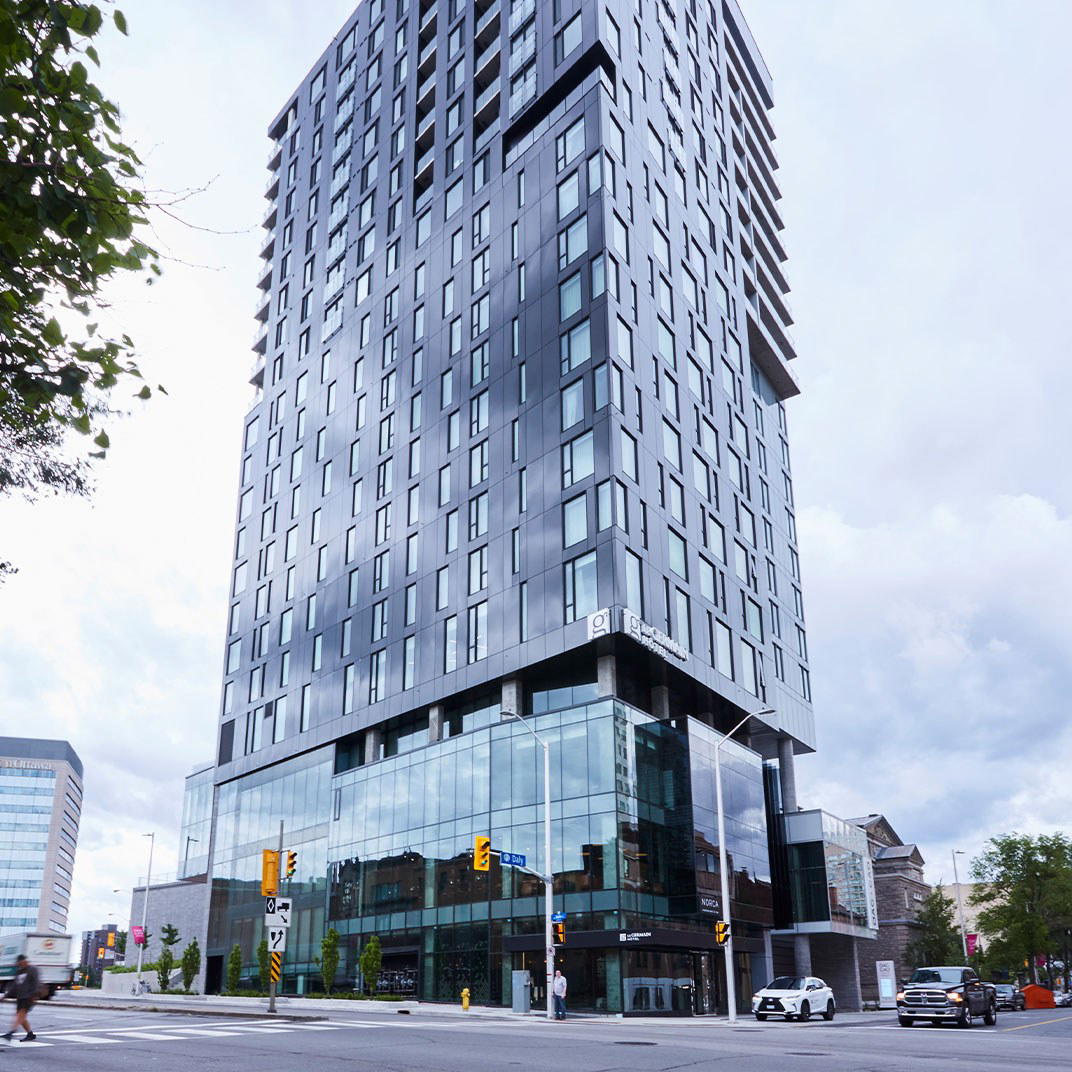
The building itself signals nothing. Two storeys, subdued black-and-white interiors, minimal decoration. That restraint is intentional: when forty dishes arrive in thematic groupings, the room functions as a neutral stage rather than a competing visual statement. It is an unusual piece of discipline in a category where interior design often receives as much investment as the food.
Where the Ingredients Come From and Why That Shapes the Menu
Progressive Canadian cuisine, as a category, is fundamentally a sourcing argument. The cuisine positions itself against imported luxury ingredients by finding Canadian analogues, Prince Edward Island oysters rather than European bivalves, local forage rather than imported botanicals, and using technique to close any perceived prestige gap. At Atelier, that argument runs through the menu consistently.P.E.I. oysters appear fried with chili oil and sea asparagus, a dish the restaurant's own critics describe as among the more direct preparations on the menu, which itself signals how much transformation the other thirty-nine courses involve.
The sourcing logic extends to preserved and transformed ingredients. Freeze-dried tomato and mozzarella in the so-called space salad represent a different kind of Canadian provenance argument: the transformation of recognisable ingredients into a format where flavour is delayed, activating on the palate after roughly ten seconds. The technique is borrowed from aerospace food science and reapplied in a fine-dining context. What makes it Canadian is the sourcing of the base product and the broader framing of innovation as indigenous rather than derivative of European modernism.
Manchego and jamón ibérico in the air waffle represent a deliberate exception, imported Spanish products used inside a format (a miniature, almost weightless two-bite wafer) that dissolves before the flavour fully registers. The dish demonstrates that Atelier is not ideologically committed to local exclusivity, but uses sourcing as a starting point for technique rather than as a marketing position. That distinction separates the more serious progressive Canadian operators from those running what amounts to a regional branding exercise. For a longer view of how this sourcing philosophy plays out across Canada's fine-dining geography, AnnaLena in Vancouver, Restaurant Pearl Morissette in Lincoln, and Eigensinn Farm in Singhampton each represent a different regional inflection of the same underlying argument.
The Competitive Position: Ottawa and Beyond
Atelier holds a ranking of #483 on the Opinionated About Dining (OAD) Leading Restaurants in North America list for 2025, moving from #540 in 2024 and a recommended position in 2023.
The 2025 OAD position also places Atelier alongside tasting-format restaurants across both coasts. Comparatively, a ranking inside the top 500 in North America for a restaurant operating out of Canada's capital rather than one of its major culinary cities is a credentialing signal that cannot be dismissed. Chef Marc Lepine is cited on the OAD record as the reason for Atelier's recognition, a relatively rare instance of a single-chef operation holding steady at this level over multiple years.
For Ottawa specifically, Atelier sits above the broader dining market. Internationally, the comparison set expands toward Le Bernardin in New York City and Atomix in New York City, restaurants where technical ambition and a fixed tasting format define the dining contract with guests. The relevant question is not whether Ottawa belongs in that conversation, but how long it took the broader critical community to include it.
The Wine Program
The wine pairings draw from a cellar with aged bottles described as unexpected rather than conventional. In the progressive tasting format, wine pairing is a secondary editorial layer over the food: the pairing either reinforces the sourcing argument or complicates it productively. At restaurants operating at this level, see also Narval in Rimouski or The Pine in Creemore for Canadian operators with notable wine depth, the cellar represents a parallel curation project. The description of Atelier's picks as aged and unexpected places the program closer to sommelier-led exploration than to a conventional regional pairing list.
Planning Your Visit
Atelier operates Wednesday through Saturday with a single seating window starting at 6 pm, closing at 8 pm, and tables held for four hours. The restaurant is closed Sunday through Tuesday. The address is 540 Rochester Street in Ottawa's Little Italy. Given the single-seating format, forward planning is advisable.7 across 652 responses.
Cost and Credentials
Comparable venues nearby, for context on price, style, and recognition.
| Venue | Cuisine | Price | Notes |
|---|---|---|---|
| AtelierThis venue — the venue you are viewing | Progressive Canadian | $$$$ | Not listed |
| Gitanes | Golden Triangle, Modern French Bistro | $$$$ | Not listed |
| Grey's Social Eatery | Not listed | $$ | ByWard market, International Fusion with Canadian Classics |
| Ember | Not listed | $$$ | ByWard market, Globally Inspired Live-Fire Fusion |
| Margarita's Latin Fusion | The Glebe, Latin Fusion | $$$ | Not listed |
| Restaurant e18hteen | Not listed | $$$$ | ByWard market, Contemporary Canadian Steak & Seafood |
Recognition history
Dated appearances from independent guides and award organizations, with the underlying list record or original source where available.
Canada's 100 Best Restaurants #54
Canada's 100 Best
Opinionated About Dining Top Restaurants in North America Recommended
Opinionated About Dining
Canada's 100 Best Restaurants #41
Canada's 100 Best
Opinionated About Dining Top Restaurants in Europe Ranked #71
Opinionated About Dining
Opinionated About Dining Top Restaurants in North America Ranked #483
Opinionated About Dining
The Best Chef One Knife
The Best Chef
Opinionated About Dining Top Restaurants in North America Ranked #540
Opinionated About Dining
Opinionated About Dining Top Restaurants in North America Recommended
Opinionated About Dining



At a Glance
- Modern
- Elegant
- Sophisticated
- Minimalist
- Date Night
- Special Occasion
- Celebration
- Open Kitchen
- Extensive Wine List
- Sommelier Led
- Local Sourcing
Current opening hours
- Monday
- Closed
- Tuesday
- Closed
- Wednesday
- 6–8 PM
- Thursday
- 6–8 PM
- Friday
- 6–8 PM
- Saturday
- 6–8 PM
- Sunday
- Closed
Hours can change for holidays and private events. Last verified .
Minimalist decor with focused lighting on meticulously plated dishes, creating an intimate and artistic atmosphere.